










Hair Loss Treatments: What the Evidence Actually Supports

- Last updated
- 111 reads
- 9 min read


The hair loss market presents every option at the same volume. A prescription drug with decades of trial data, a laser cap, an injectable marketed as regenerative, and a shampoo all arrive with similar confidence and similar-looking before-and-after photographs. The useful question is not "does it work" (almost everything works for someone) but how much is actually known about it, and whether it addresses the reason your hair is thinning at all.
This page sorts the options into four tiers by the strength of the evidence behind them. For a step-by-step approach to managing hair loss, see our five practical solutions; this page is about how to weigh the treatments themselves.
Nothing here replaces a diagnosis. A physician or dermatologist needs to establish what is causing your loss before any of these tiers becomes relevant.
First: the diagnosis decides everything
Treating the wrong cause is the most expensive mistake in this field, because it costs months as well as money — and hair responds slowly enough that a wrong turn takes half a year to reveal itself.
Several distinct things get called "hair loss," and they respond to completely different interventions:
Pattern (androgenetic) loss is progressive, genetically influenced, and driven by follicle sensitivity to DHT. It is the type most treatments on the market are designed for. Our guide to androgenic alopecia covers the mechanism and how it presents differently in men and women.
Shedding triggered by a stressor — telogen effluvium — looks alarming but behaves differently. It follows an event: illness, surgery, rapid weight loss, childbirth, a new medication. It is usually temporary, and it resolves when the trigger does rather than when a treatment is applied.
Medication-related shedding belongs in that second group and is easy to miss. Rapid weight loss on GLP-1 drugs is a current and common example: as our guide to hair loss and Ozempic explains, the shedding appears to follow the weight loss and metabolic stress rather than direct follicle damage, typically recovers within three to six months after the trigger resolves, and does not usually cause permanent baldness. Antidepressants, anticonvulsants and several other drug classes can do something similar. If your shedding began within a few months of starting a medication, that is the first thing to raise with the prescriber — not a treatment to buy.
Nutritional deficiency is a real cause and a heavily oversold one. Iron, vitamin D, zinc, B12 and protein deficiency can all affect hair, but as our guide to vitamin deficiency and hair loss notes, supplementing without confirming a deficiency "may waste money, delay an accurate diagnosis or even make the shedding worse." High-dose biotin also interferes with laboratory tests, which can distort the very blood work used to diagnose you. Test first.
Inflammatory and autoimmune scalp conditions cause loss that can become permanent if the underlying condition goes untreated, which is why patchy loss, scarring, redness or pain is a reason to see a physician promptly rather than to start a topical.
It is also worth being clear about what is being measured. Thinning and loss are not the same observation: reduced density across an area behaves differently from a receding line or a discrete bald patch, and the distinction shapes the diagnosis.
Tier 1 — Established
Two drugs carry regulatory approval for pattern hair loss in most major markets and have the longest clinical record behind them.
Topical minoxidil extends the growth phase of the hair cycle. It does not act on the hormonal driver, which is why it is used for pattern loss in both men and women. It is available without prescription in many countries.
Finasteride blocks the conversion of testosterone to DHT, addressing the hormonal mechanism directly rather than the follicle. It is prescription-only, used primarily in men, unsuitable in pregnancy, and carries recognised sexual and reproductive side-effect risks that belong in a conversation with a prescriber rather than a footnote. Our comparison of the two covers how they differ and why they are often used together.
Two things apply to both. Neither works quickly — three to six months before an effect can be judged, which is also how long a wrong diagnosis takes to become obvious. And neither is a course of treatment you finish: they suppress an ongoing process, so stopping generally means resuming the loss.
For women with pattern loss, anti-androgen approaches are also used, prescribed and monitored by a physician. These are outside the scope of over-the-counter decisions.
Tier 2 — Plausible, with limited or mixed evidence
Treatments in this tier have published support that is real but thinner, less consistent, or drawn from smaller studies. They are reasonable to consider alongside Tier 1, and unreasonable to rely on instead of it.
Low-level laser or red light therapy has studies reporting improvements in hair count and density in some men and women with androgenetic alopecia, with results varying considerably between individuals. Our guide to red light therapy makes a regulatory point worth carrying into every purchase in this category: FDA clearance means a device was found substantially equivalent to one already on the market — it is not approval, and it does not establish that a particular model produces a result. Check the specific device rather than the category.
Platelet-rich plasma injections are widely offered and have a body of small studies behind them. The realistic framing is supportive rather than primary.
The honest position on this tier: these may add something on top of established treatment. Where a clinic positions them as the whole plan, the plan is thin.
Tier 3 — Investigational or unapproved
This is where the gap between marketing and evidence is widest, and where the regulatory picture matters most.
Exosome products. The US Food and Drug Administration states plainly that "there are currently no FDA-approved exosome products," and has issued a public safety notification after serious adverse events in patients treated with unapproved products marketed as containing exosomes. It describes clinics offering them with unsubstantiated claims as "taking advantage of patients," and warns of the risk of "delaying treatment with legitimate and scientifically sound treatment options, or worse, posing harm to patients." Its advice to patients is to ask whether the treatment has been reviewed by the agency and to request an Investigational New Drug application number.
This matters specifically in hair care because exosome therapy is a common upsell in transplant and hair-restoration packages, often presented as the premium tier.
Stem cell treatments. Our review of stem cell treatment for hair reflects where the literature sits: current reviews describe the approach as promising while emphasising that larger, standardised studies are needed. It cannot regrow hair where follicles no longer exist. The FDA's warnings about unapproved regenerative medicine products apply here as they do to exosomes.
Drugs in development. Newer compounds targeting pattern hair loss are in clinical trials. Being in trials is not the same as being available, and a clinic offering something on that basis is offering something outside an approved indication. Ask what regulatory status the specific product holds where you are being treated.
None of this means these approaches will never be established. It means that today, paying premium prices for them instead of Tier 1 treatment is buying uncertainty.
Tier 4 — No meaningful evidence for regrowth
These are not necessarily useless — they are useless for the thing they are sold for.
Growth shampoos. As our review of hair growth shampoos concludes, they are "not miracle products that create new hair on their own," though they may support the scalp and help existing hair look stronger. A healthier scalp and less breakage is a legitimate benefit. New hair in a bald area is not on offer.
Supplements without a confirmed deficiency. Covered above: correcting a measured deficiency helps, supplementing on spec does not, and some excesses cause their own problems.
Botanical oils and single-ingredient remedies. Individual studies exist for several, generally small and preliminary. Treating them as alternatives to Tier 1 for progressive pattern loss means losing the window in which the loss could have been slowed.
Surgery does not treat the underlying loss
This is the point most often missed by people arriving at hair restoration from the transplant side.
A transplant redistributes hair you still have; it does not stop the process that is thinning the rest. Pattern loss continues around the transplanted grafts, which is why surgeons commonly keep patients on medical treatment afterwards, and why a transplant performed during rapidly progressing loss in a young patient can produce a result that looks wrong five years later as the surrounding hair recedes.
Timing and medical treatment are therefore part of the surgical decision, not an alternative to it. If you are considering surgery, our hair transplant guides cover the procedure, and our explanation of what a "hair mill" means covers the pattern to avoid when choosing a provider.
How to read a clinic's treatment menu
The mix a provider proposes tells you something about the provider.
- A plan that starts with diagnosis — history, examination, blood work where indicated — is a clinical plan.
- A plan that starts with a package is a product.
- Tier 1 offered plainly, with its side effects named, is a good sign. Finasteride discussed without mention of its risks is not.
- Tier 3 offered as the premium option, at a premium price, with regenerative language and no regulatory status given, is the pattern the FDA describes.
- No follow-up plan is a problem regardless of tier, because every effective option here is judged over months.
Ask what the treatment is approved for where you are being treated, what happens if there is no response by month six, and what the plan is for the hair you have not lost yet.
Frequently asked questions
What is the most effective treatment for hair loss?
For pattern hair loss, topical minoxidil and finasteride have the longest clinical record and regulatory approval in most major markets. Which is appropriate depends on your sex, medical history and diagnosis, and both take three to six months before an effect can be judged.
Do hair growth shampoos work?
Not for growing new hair. They may improve scalp condition and the appearance of existing hair, which is a real but different benefit from regrowth.
Are exosome or stem cell treatments effective for hair loss?
The evidence does not currently support them as established treatments. The FDA states there are no approved exosome products and has warned about serious adverse events from unapproved ones. Reviews of stem cell approaches describe them as promising but requiring larger, standardised studies.
Can medication cause hair loss?
Yes. Rapid weight loss on GLP-1 drugs, along with several antidepressants and anticonvulsants, is associated with temporary shedding. If shedding began within months of a new medication, raise it with the prescriber before buying a treatment.
Should I take supplements for hair loss?
Only for a deficiency confirmed by testing. Supplementing without one may waste money, delay diagnosis, or make shedding worse, and high-dose biotin can distort the blood tests used to diagnose you.
Will a hair transplant stop my hair loss?
No. A transplant redistributes existing hair and does not halt the process thinning the rest, which is why medical treatment usually continues afterwards and why timing matters.
Find a clinic
Browse verified clinics and hospitals offering hair restoration, or read our hair transplant guides if you are considering surgery.
- Last updated
- Language
- English
How did you find this article?
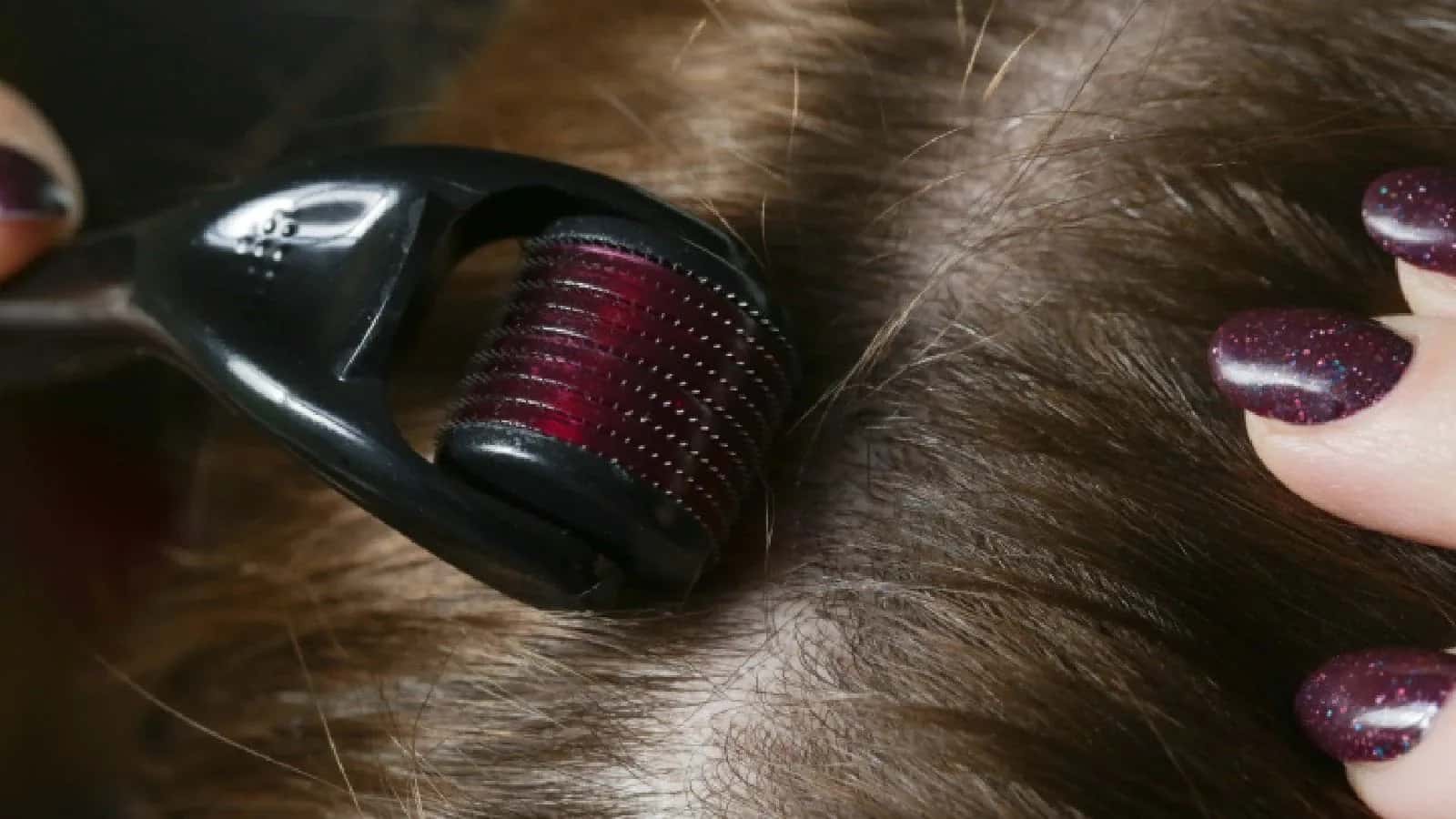
This guide explains whether a dermaroller can support hair growth, how scalp microneedling works, who may benefit, and what results can realistically be expected.

This guide explains issues associated with Procapil use, such as scalp irritation, dryness, itching, redness, concerns about hair shedding, allergic reactions, and long-term use.

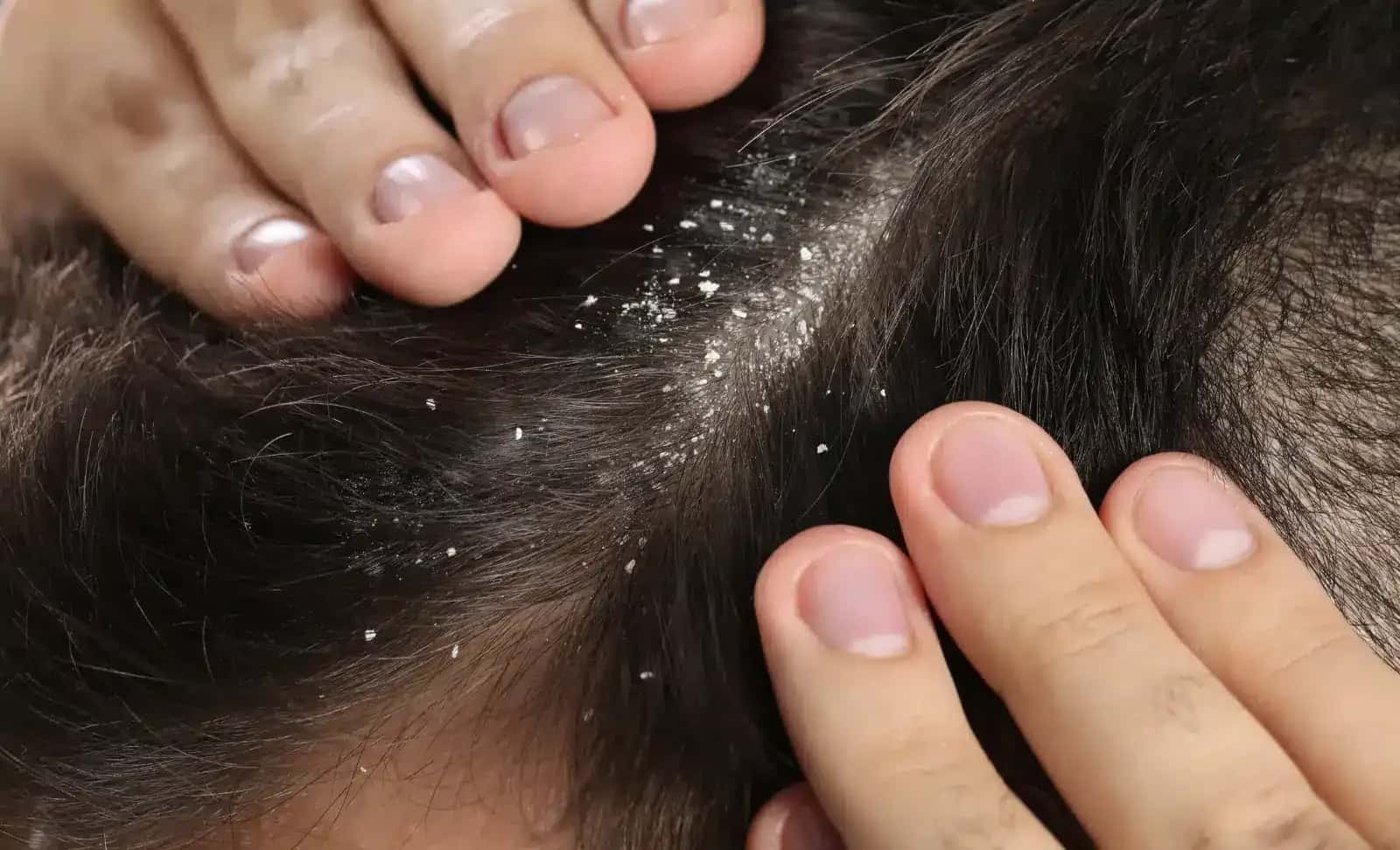
This guide explains how Nizoral shampoo works, what it is used for, how often it can be applied, and what to expect from ketoconazole scalp care.
Subscribe to the Medifinder newsletter and never miss our latest content.