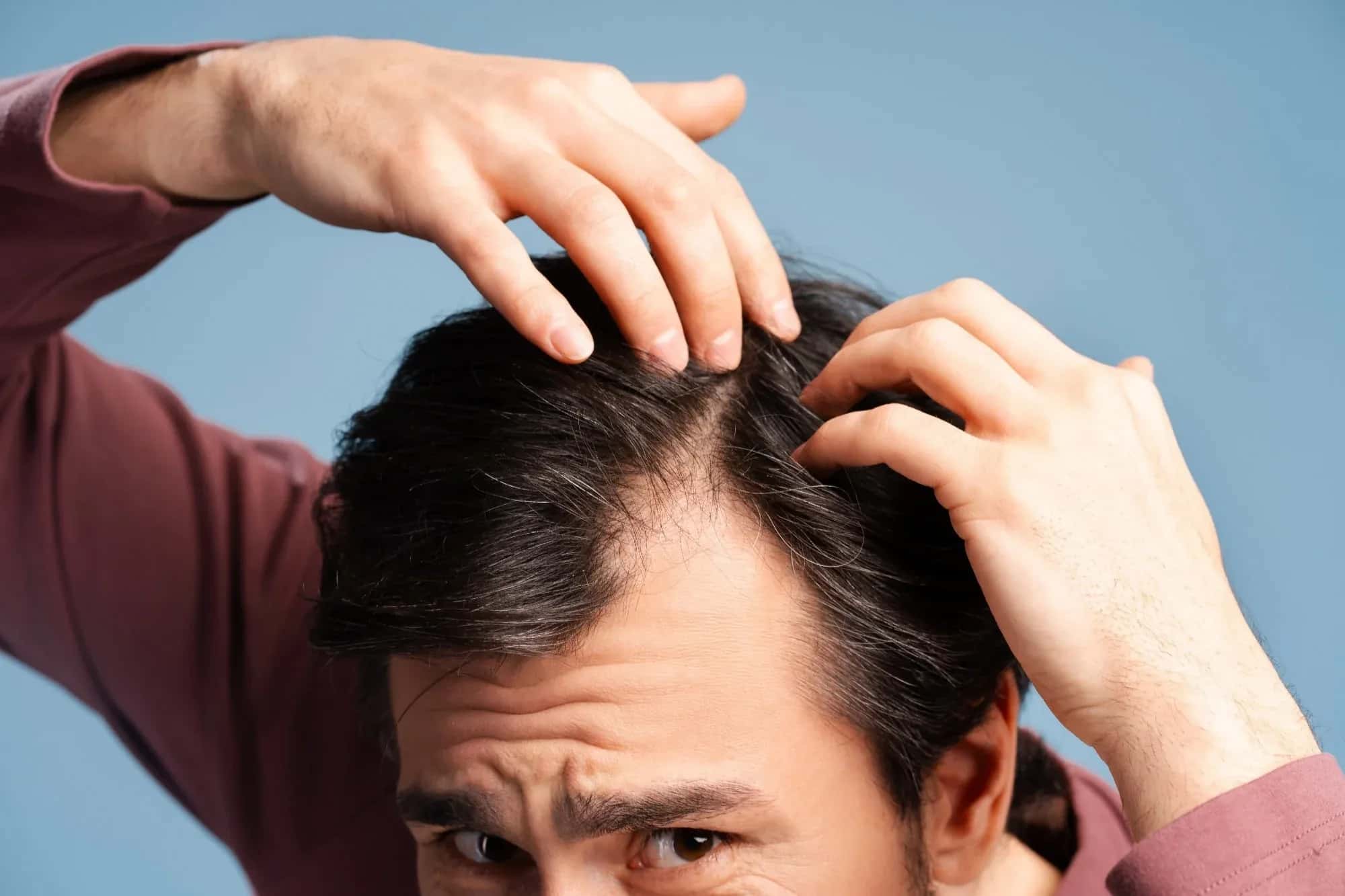
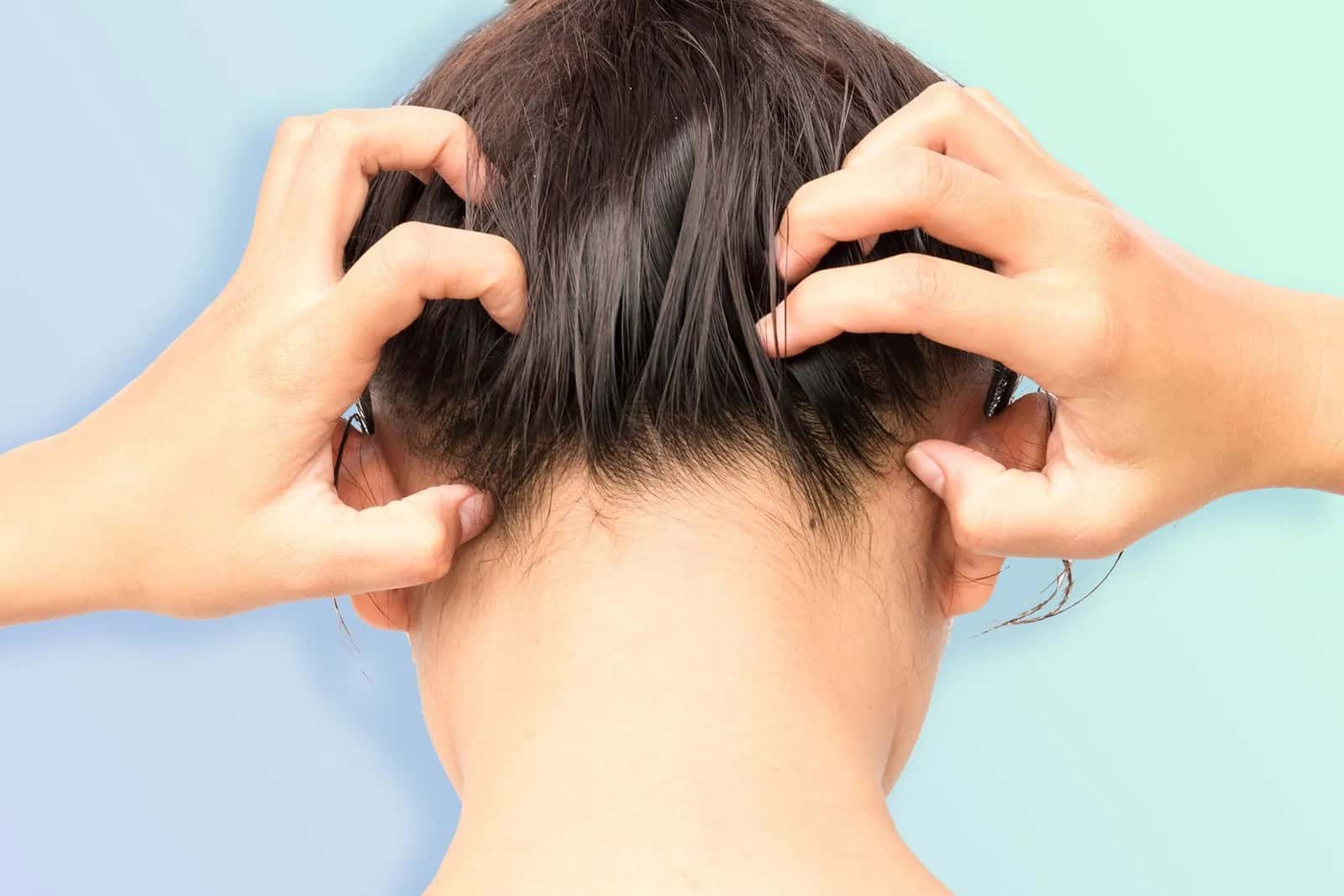
Air conditioning can dry out your scalp by reducing indoor humidity and affecting the skin's ability to maintain adequate moisture. Prolonged exposure to dry, cooled air may contribute to itching, flaking, tightness, and irritation, particularly when the scalp is already sensitive or prone to dryness.
Certain dietary supplements can cause hair loss when taken in excessive amounts, particularly products containing high doses of vitamin A, selenium, or other concentrated nutrients. While supplements can help correct nutritional deficiencies that affect hair growth.
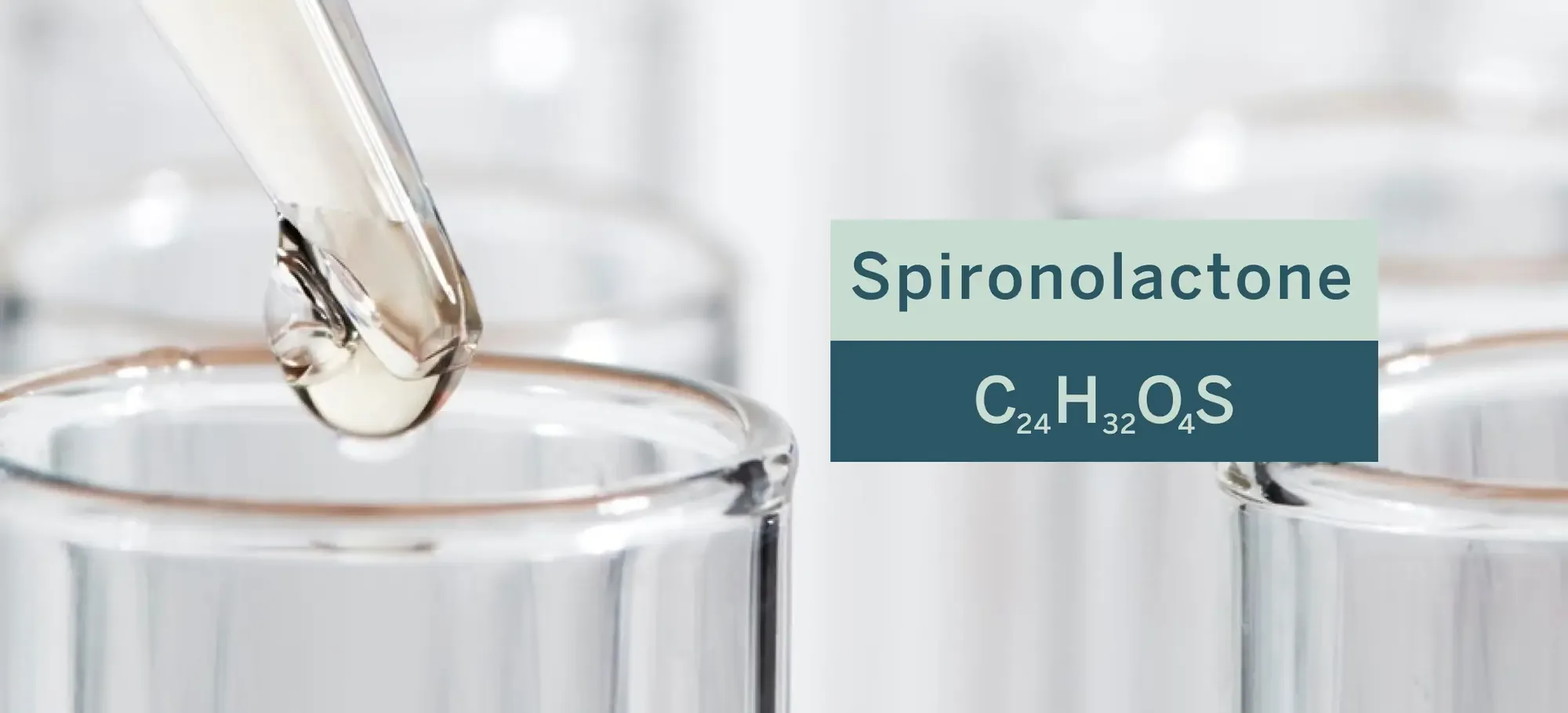
Spironolactone for female hair loss can help slow progressive thinning and improve hair density by reducing the effects of androgens on sensitive hair follicles. Although this prescription medication is not specifically approved for hair loss, clinical research supports its use in selected women.
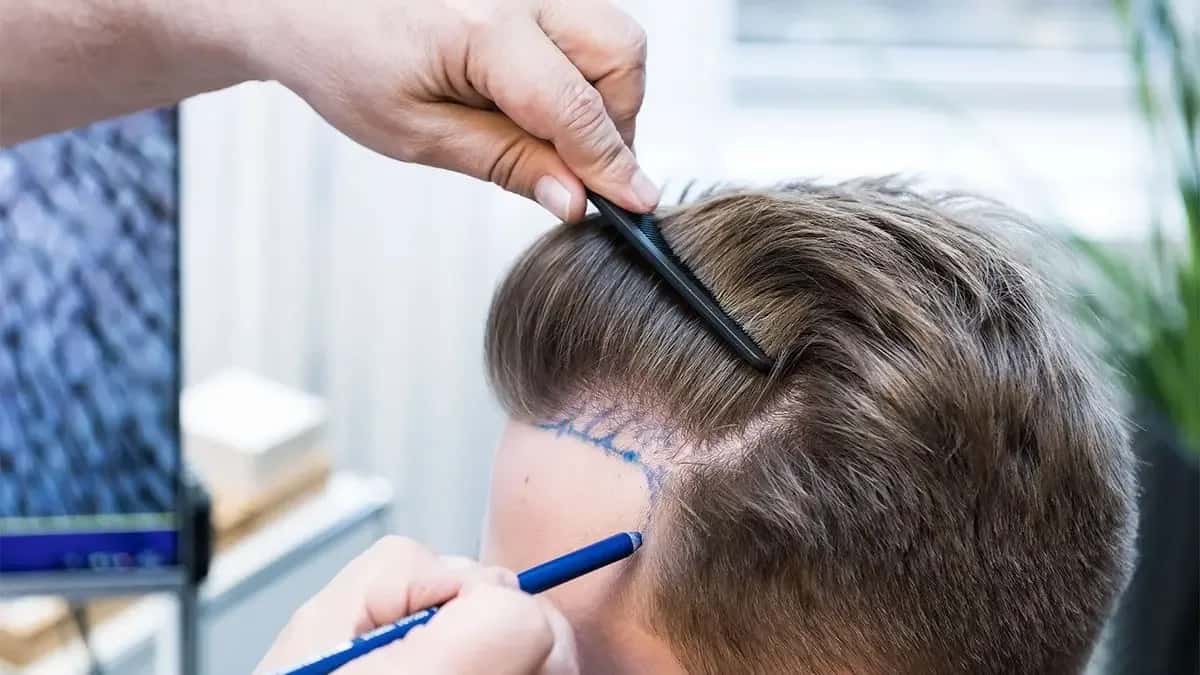
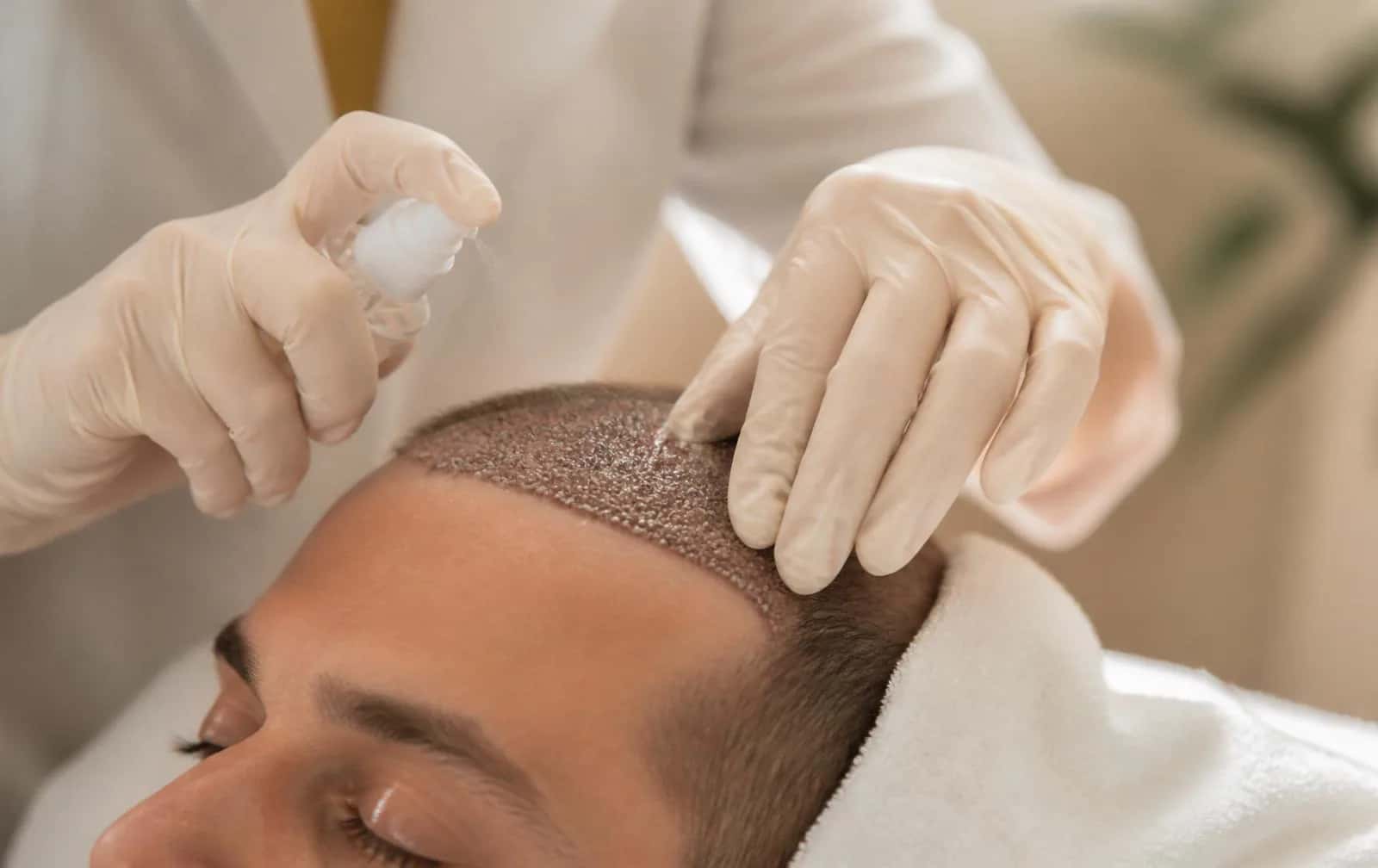
Health insurance in the United States generally does not cover hair transplants because insurers classify most hair restoration procedures as cosmetic surgery. However, certain reconstructive procedures following serious injuries, burns, or medical conditions may qualify for coverage under specific insurance rules.
Ginseng for hair loss has attracted scientific interest because its active compounds may support hair follicle activity and influence the natural hair growth cycle. Although laboratory findings and small clinical studies suggest potential benefits.
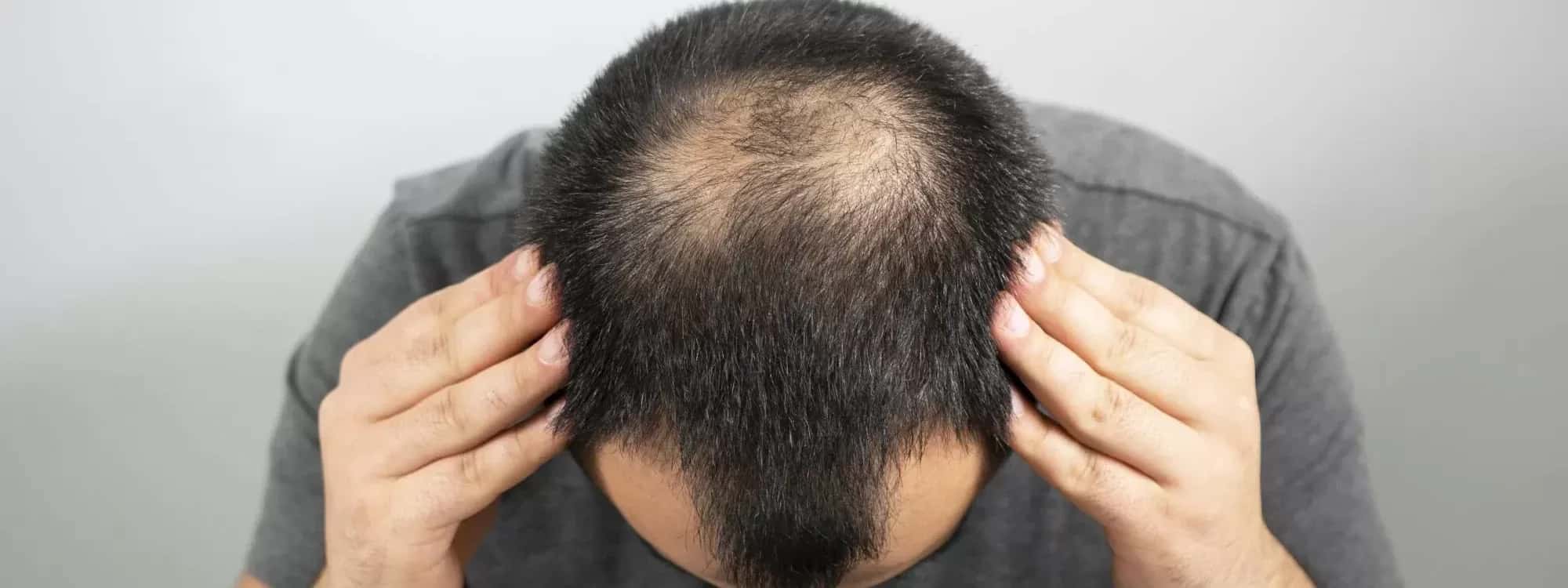
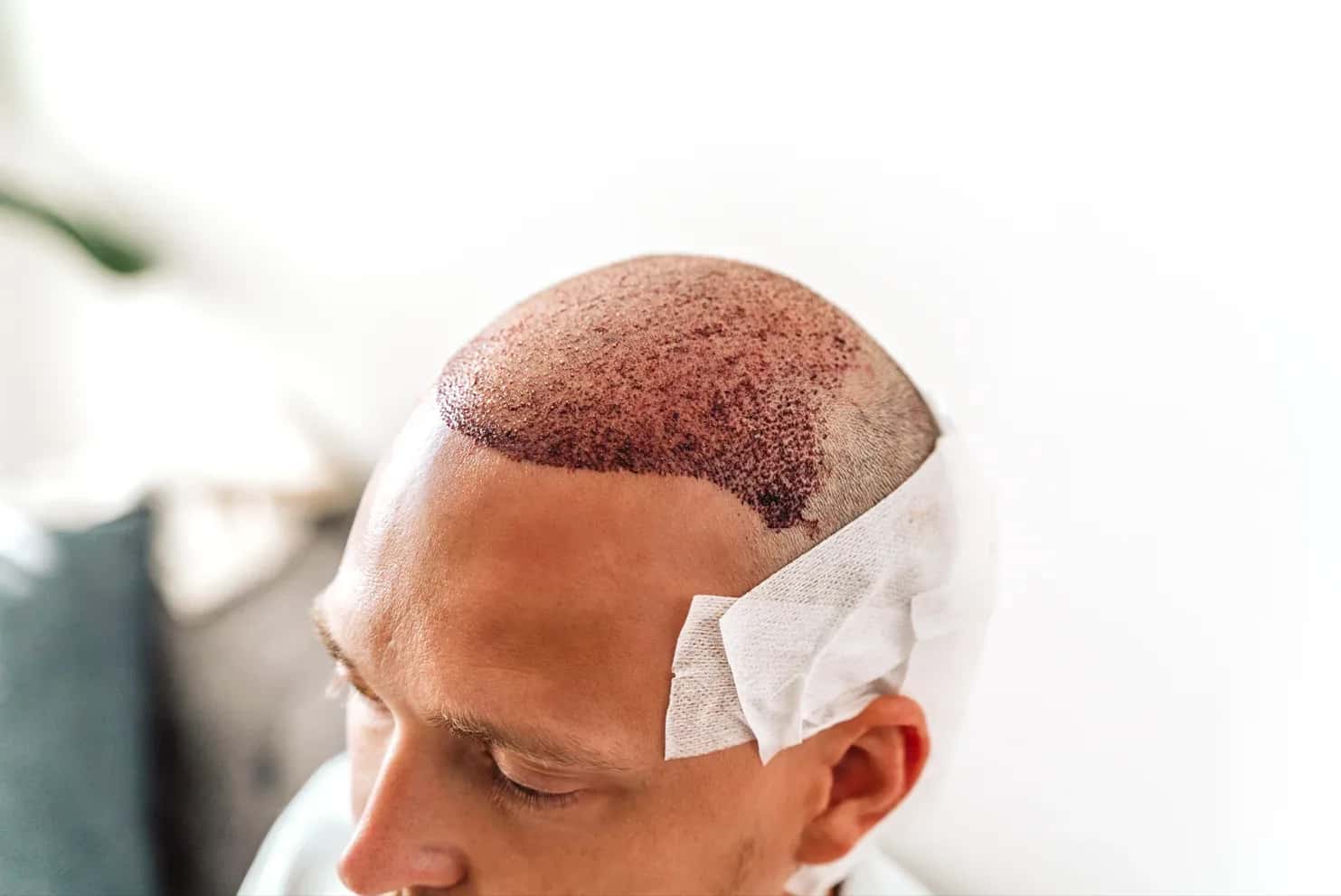
Shock loss after a hair transplant can affect existing native hair, while transplanted hair undergoes a separate shedding process during recovery. Understanding the difference between these two types of hair loss helps explain why hair density may temporarily decrease after surgery and when new growth can be expected.
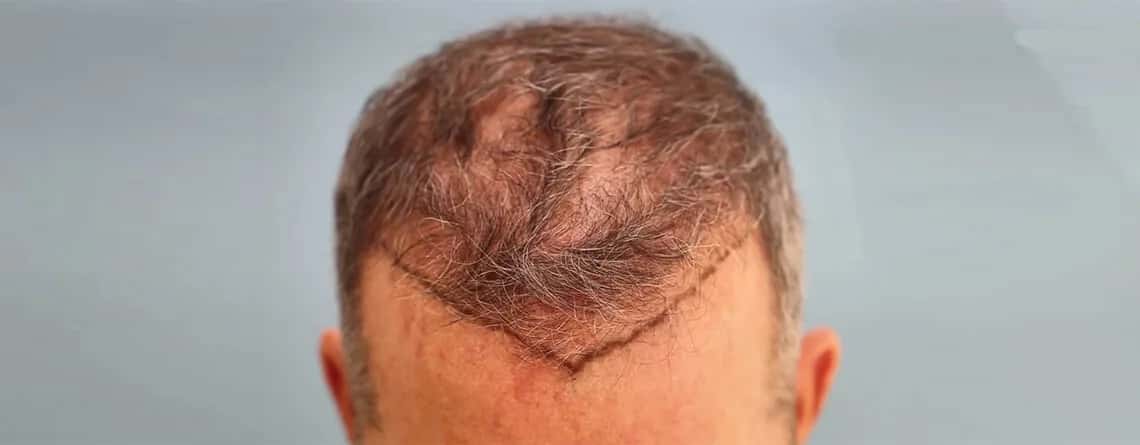
A hair transplant can look thinner in photos than it appears in person because lighting, camera angles, hair length and scalp visibility influence how the hair is captured.











 Nadiye Hacıömeroğlu