










Hair Loss vs. Hair Thinning
Learn the difference between hair loss and hair thinning, recognise the early signs, understand common causes and discover which treatments may help.

- Last updated
- 88 reads
- 9 min read


Hair loss and hair thinning often appear in the same conversation, and many people use the terms as though they mean exactly the same thing. They are closely connected, but they do not always describe the same change.
Hair thinning usually refers to a gradual reduction in hair density, strand thickness or overall volume. You may still have hair across the entire scalp, but it looks flatter, feels lighter or reveals more skin than before. Hair loss is a broader term. It can include gradual thinning, excessive shedding, a receding hairline, bald patches or complete loss in a particular area.
Understanding the difference between hair loss and hair thinning matters because each pattern can point to different causes. A widening part may suggest hereditary thinning, while sudden handfuls of shed hair may follow illness, stress or rapid weight loss. Smooth circular patches may signal another condition entirely.
The appearance, speed and location of the change can help you decide what to do next.
What Is Hair Thinning?
Hair thinning describes a visible reduction in the fullness of your hair. It often develops slowly, which makes it difficult to notice during the early stages. You may only recognise it after comparing recent photographs with older ones.
Several changes can create the appearance of thinning. You may have fewer hairs growing in a particular area, or individual strands may become finer. Your hair may also break more easily, reducing volume through the lengths even when the follicles remain active.
Common signs include a wider part, a smaller ponytail, reduced coverage under bright light and less volume around the crown. The scalp may become easier to see when the hair is wet or styled in a certain direction.
Thinning does not necessarily mean that you will become bald. Some causes remain temporary, while others progress slowly without treatment.
What Is Hair Loss?
Hair loss, also called alopecia, covers any condition that reduces hair on the scalp or body. It may develop gradually or suddenly, and it can remain temporary or become permanent.
You may experience hair loss as increased shedding. In this case, more strands than usual fall during washing, brushing or daily activities. Hair loss may also follow a recognisable pattern, such as recession around the temples or reduced density at the crown.
Some conditions create separate bald patches instead of general thinning. Others cause inflammation that damages the follicles and leaves smooth or scarred areas where hair can no longer grow.
Hair loss therefore describes the overall problem, while thinning often describes one way the problem appears. In practical terms, all progressive hair thinning may fall under the broad category of hair loss, but not every type of hair loss looks like thinning.
The Main Difference Between Hair Loss and Hair Thinning
The clearest difference involves the pattern you see.
Hair thinning usually reduces density without immediately creating a completely bald area. The change often spreads gradually across the scalp or concentrates around the part and crown. You still see hair in the affected region, although the strands may look finer and provide less coverage.
Hair loss can take many forms. It may cause diffuse thinning, excessive shedding, a receding hairline, circular bald patches or total loss in one section. The term also includes conditions that affect eyebrows, eyelashes, facial hair and body hair.
Another difference involves how quickly the problem develops. Thinning often progresses over months or years. Some forms of hair loss can appear within days or weeks.
Neither term identifies the cause by itself. You still need to consider the pattern, timing and accompanying symptoms.
Hair Shedding Is Not Always Hair Thinning
Shedding forms part of the normal hair cycle. Each strand eventually leaves the follicle so that another one can grow. You may see loose hair in the shower or on your brush without experiencing a meaningful reduction in density.
Excessive shedding occurs when a larger number of follicles enter the resting stage at the same time. A stressful event, high fever, surgery, childbirth, rapid weight loss or major dietary change can trigger this response.
The shedding often starts several months after the original event. This delay makes the connection easy to miss.
Temporary shedding may eventually create visible thinning, especially if it continues for several months. However, the follicles often remain capable of producing new hair. Once the trigger resolves and the growth cycle stabilises, density may gradually improve.
Persistent shedding deserves attention because nutritional deficiencies, thyroid conditions and other health issues can also contribute.
Why Does Hair Become Thinner?
Hereditary pattern hair loss ranks among the most common causes of gradual thinning. Genetically sensitive follicles respond to hormonal signals by producing progressively shorter and finer strands. This process is called miniaturisation.
In men, hereditary thinning often starts at the temples, hairline or crown. In women, it commonly affects the central part and upper scalp while preserving the frontal hairline for longer.
Age can also reduce strand diameter and slow growth. Hormonal changes around pregnancy, menopause or certain medical conditions may alter density as well.
Damage to the hair shaft creates another form of thinning. Bleaching, frequent heat styling, chemical straightening and rough handling can cause strands to snap. Your roots may continue growing normally, but breakage removes volume from the lengths.
Tight hairstyles can place repeated tension on the follicles and gradually thin the hairline.
Common Causes of Hair Loss
Hair loss has a wide range of possible causes. Genetics, immune-related conditions, scalp infections, hormonal changes and certain medications can all affect the growth cycle.
Physical stress often causes diffuse shedding. Surgery, severe illness, fever, rapid weight loss and nutritional restriction can push a large number of follicles into the resting phase. Emotional stress may contribute as well, particularly when it disrupts sleep and eating habits for a long period.
Iron deficiency, inadequate protein intake and thyroid problems can cause general thinning or increased shedding. However, taking supplements without confirming a deficiency may not solve the problem.
Some people develop smooth, circular patches when the immune system targets hair follicles. Inflammatory scalp disorders may cause redness, scaling, itching, burning or permanent follicle damage.
Because many conditions look similar at first, diagnosis matters more than guessing based on appearance alone.
How Can You Tell Whether Your Hair Is Thinning?
Start by looking for changes in density rather than counting every loose strand.
Check whether your part looks wider than it did several months ago. Notice whether your ponytail feels smaller or whether you need to wrap the hair tie around it more times. Examine the crown under consistent lighting and compare current photographs with older images.
You may also notice that your usual hairstyle no longer provides the same coverage. More scalp may show after swimming, showering or applying styling products.
Individual strands can offer clues too. In hereditary thinning, hairs within the same area may have different diameters. Some look strong and thick, while others appear short and fine.
Avoid checking your scalp repeatedly throughout the day. Lighting, grease and styling can change its appearance. Monthly photographs taken from the same angle provide a more reliable comparison.
How Can You Recognise Excessive Hair Loss?
A sudden increase in loose strands often signals excessive shedding. You may find hair on your clothing, bedding, desk or bathroom floor. Washing may release larger clumps than usual.
A rapidly changing hairline, visible bald patch or significant loss from the eyebrows also suggests more than ordinary daily shedding.
Pay attention to scalp symptoms. Pain, itching, burning, heavy scaling, redness, sores or pus can indicate infection or inflammation. These signs require medical assessment rather than cosmetic treatment.
Broken hairs of different lengths may point to chemical damage, friction or a hair-pulling disorder. A strand that sheds naturally usually leaves the scalp from the root, while a broken strand snaps along the shaft.
The amount of hair in your shower drain cannot provide a diagnosis by itself. Washing frequency, hair length and texture all affect how dramatic shedding appears.
Can Hair Thinning Lead to Baldness?
The answer depends on the cause.
Temporary thinning from stress, childbirth, illness or dietary restriction often improves after the trigger ends. The follicles remain present, so they can return to active growth. Recovery still takes time because new strands grow slowly.
Hereditary thinning may progress without treatment. Affected follicles gradually shrink and produce hairs that become shorter, finer and less visible. Some areas may eventually lose meaningful coverage.
Tension from tight hairstyles can also progress. Early traction-related thinning may recover after you remove the pressure. Long-term pulling can permanently damage follicles.
Scarring forms of hair loss carry a greater risk of irreversible baldness because inflammation destroys the follicle structure. Early symptoms may include tenderness, burning, redness or smooth areas without visible follicle openings.
You should not assume that every case will progress, but early diagnosis gives you more options.
Do Hair Products Cause Thinning?
Ordinary shampooing does not cause hair loss. Washing releases strands that have already completed their natural cycle. Delaying shampoo may simply allow several days of loose hair to come out at once.
Harsh treatments can still damage the hair shaft. Repeated bleaching, excessive heat, permanent straightening and rough brushing weaken strands and increase breakage. This damage can make your hair look considerably thinner.
Heavy product buildup may flatten the roots and reduce visible volume, but it does not usually destroy healthy follicles. An irritating product can cause itching or inflammation, particularly if you have sensitive skin or an existing scalp condition.
Choose products according to your scalp and hair type rather than relying on dramatic growth claims. A shampoo can improve texture, cleanliness and volume, but it cannot reverse every medical cause of hair loss.
Which Treatments Can Help?
Treatment should match the diagnosis.
Hereditary pattern hair loss may respond to medications that stimulate growth or reduce the hormonal activity responsible for follicle miniaturisation. These treatments usually require consistent, long-term use. Results develop slowly, and stopping treatment may allow thinning to continue.
Temporary shedding often improves when you correct the trigger. This may involve stabilising your weight, treating a thyroid condition, improving protein intake or correcting a confirmed deficiency.
Doctors may use anti-inflammatory treatments for immune-related or inflammatory hair loss. Scalp infections require appropriate antimicrobial medication rather than cosmetic hair products.
Advanced thinning may lead some people to consider platelet-based treatments, light therapy or hair transplantation. These options have different purposes and do not suit every diagnosis.
Avoid beginning several treatments at once. You may struggle to identify which one helps or causes irritation.
How Can You Protect Thinning Hair?
Gentle care cannot reverse genetic hair loss, but it can reduce avoidable damage.
Use a wide-tooth comb when detangling and begin at the ends. Lower the heat on dryers and styling tools. Space out chemical treatments, especially when your hair already feels dry or fragile.
Avoid hairstyles that pull tightly around the temples and hairline. Looser braids, soft hair ties and lower-tension styles place less strain on the roots.
Eat a balanced diet that includes adequate protein, iron-rich foods, vegetables, fruit and healthy fats. Severe calorie restriction can disrupt the growth cycle even when you take supplements.
Protect your scalp from excessive sun exposure when thinning leaves more skin visible. A hat or scalp-friendly sunscreen may help.
Most importantly, track changes over time. A consistent record can reveal whether the problem is stable, improving or gradually progressing.
When Should You See a Dermatologist?
Arrange an assessment when thinning continues, becomes clearly visible or causes concern. Early treatment often works better when hereditary or inflammatory hair loss is involved.
Seek advice promptly if you develop sudden bald patches, rapid loss, scalp pain, burning, heavy scaling or redness. Loss of eyebrows or body hair can also provide an important diagnostic clue.
You should consider medical evaluation when shedding occurs alongside fatigue, dizziness, menstrual changes, unexplained weight changes or sensitivity to temperature. These symptoms may suggest an underlying health issue.
A dermatologist can examine your scalp closely and assess strand thickness, growth patterns and signs of inflammation. Depending on your history, the specialist may recommend blood tests or, less commonly, a scalp biopsy.
Do not stop prescribed medication without speaking with the clinician who manages it, even when you suspect that it affects your hair.
- Last updated
- Language
- English
How did you find this article?
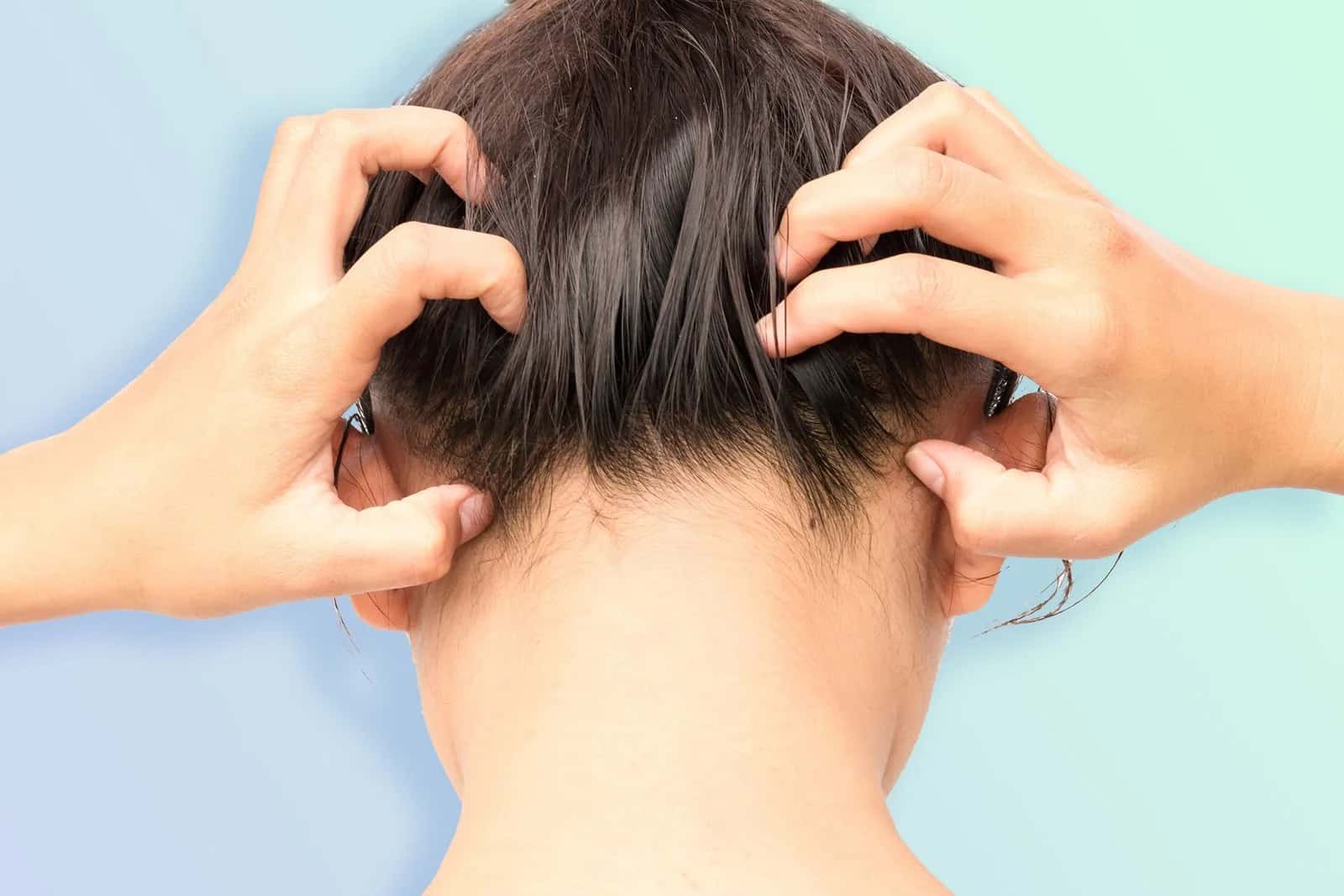
Air conditioning can dry out your scalp by reducing indoor humidity and affecting the skin's ability to maintain adequate moisture. Prolonged exposure to dry, cooled air may contribute to itching, flaking, tightness, and irritation, particularly when the scalp is already sensitive or prone to dryness.
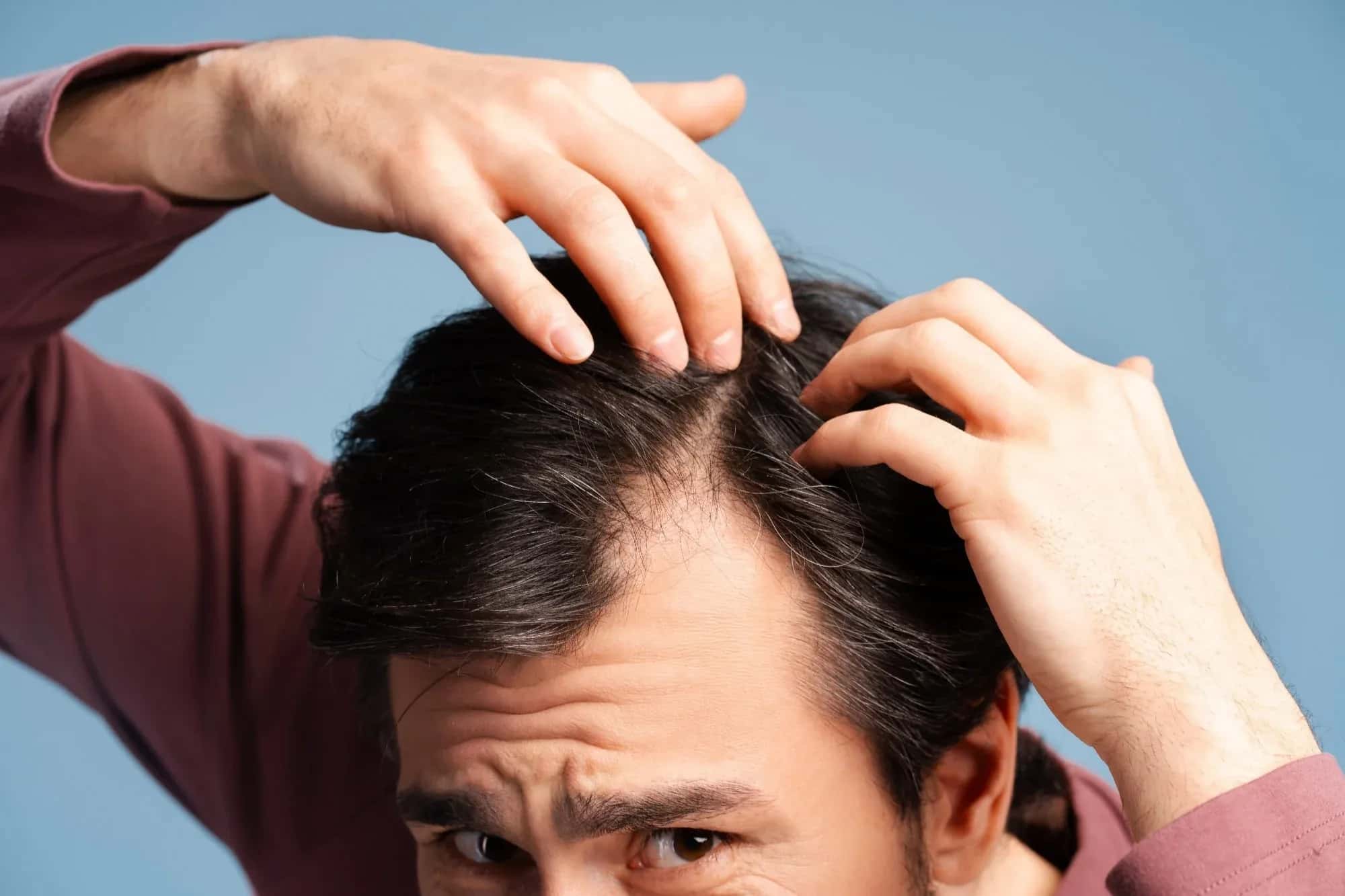
Certain dietary supplements can cause hair loss when taken in excessive amounts, particularly products containing high doses of vitamin A, selenium, or other concentrated nutrients. While supplements can help correct nutritional deficiencies that affect hair growth.
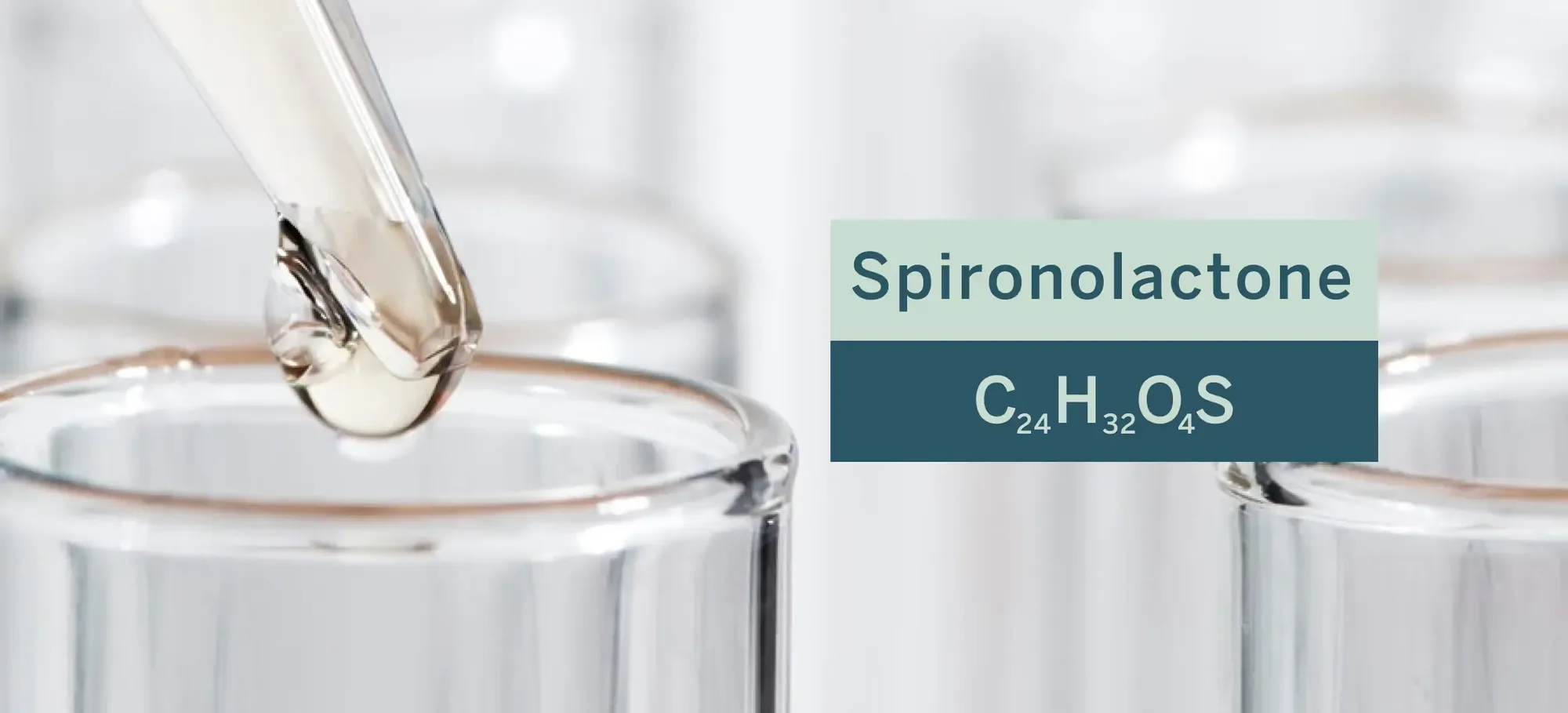
Spironolactone for female hair loss can help slow progressive thinning and improve hair density by reducing the effects of androgens on sensitive hair follicles. Although this prescription medication is not specifically approved for hair loss, clinical research supports its use in selected women.
Subscribe to the Medifinder newsletter and never miss our latest content.