









Red Light Therapy for Hair Loss: Does It Really Work?
Discover how red light therapy for hair loss works, who may benefit, when results appear and how to choose and use a suitable treatment device.

- Last updated
- 87 reads
- 10 min read


Hair loss treatments usually demand patience, consistency and realistic expectations. Red light therapy is no exception. Over the past several years, it has become a popular option for people looking for a non-invasive way to support hair growth without adding another medication to their daily routine.
You may also see this treatment described as low-level light therapy, low-level laser therapy, laser hair therapy or photobiomodulation. Although manufacturers use different terms, these treatments follow the same broad principle. A device delivers controlled light energy to the scalp with the aim of supporting activity within weakened hair follicles.
Clinical research suggests that red light therapy may improve hair density in some people with pattern hair loss. However, it does not work equally well for every cause of thinning, and it cannot revive follicles that no longer function. Understanding its strengths and limitations will help you decide whether it deserves a place in your hair care plan.
What Is Red Light Therapy for Hair Loss?
Red light therapy uses low-intensity red or near-infrared light to expose the scalp to specific wavelengths. Unlike surgical lasers, these devices do not cut, burn or remove tissue. They deliver a relatively low amount of energy and should not create significant heat when used correctly.
Hair growth devices come in several forms, including caps, helmets, headbands and handheld combs. Some use laser diodes, while others rely on light-emitting diodes, commonly known as LEDs. Certain models combine both technologies.
The treatment directs light toward the scalp, where follicles sit below the skin’s surface. Researchers believe that this exposure may influence cellular activity around follicles and help some weakened hairs remain in their active growth phase for longer.
Red light therapy does not add new follicles to the scalp. Instead, it aims to support follicles that still exist but produce thinner, shorter hairs.
How Does Red Light Therapy Work?
Hair follicles move through a repeating cycle that includes growth, transition, rest and shedding. Pattern hair loss gradually shortens the active growth phase and causes affected follicles to produce finer strands. Over time, these hairs may become less visible.
Red light therapy may support cellular energy production within the scalp. Cells absorb light through light-sensitive structures, which can influence several biological processes. Researchers have proposed that this response may improve follicle activity, reduce certain inflammatory signals and encourage hairs to enter or remain in the growth phase.
The exact mechanism remains under investigation. Red light therapy probably does not rely on a single pathway, and different devices may deliver noticeably different doses.
This distinction matters because placing any red bulb near your scalp will not reproduce a clinical treatment. Wavelength, energy output, coverage and session length all affect how much light reaches the treatment area.
Does Red Light Therapy Really Help Hair Growth?
Studies of low-level light therapy have reported improvements in hair count and density among some men and women with androgenetic alopecia. This condition causes male and female pattern hair loss and represents the main form of thinning studied in red light therapy research.
Results vary between individuals. Some users notice less shedding, thicker-looking strands or better coverage. Others see only a modest change. A smaller group may not experience a visible benefit.
You should view red light therapy as a supportive treatment rather than an instant solution. It rarely produces a dramatic transformation on its own, especially when hair loss has progressed for many years.
The treatment appears most useful when follicles have started to weaken but remain active. Early intervention generally gives you more to preserve than treatment after an area has become completely smooth or bald.
Which Types of Hair Loss May Respond?
Red light therapy has the strongest support as an option for androgenetic alopecia. In men, this condition often causes a receding hairline and thinning around the crown. In women, it commonly creates diffuse thinning across the top of the scalp or a widening central part.
Other forms of hair loss require more caution. Temporary shedding after stress, illness, childbirth or rapid weight loss often improves once the underlying trigger settles. Red light therapy may not address that trigger.
Patchy hair loss, inflamed scalp conditions and scarring alopecia also need a medical diagnosis. In scarring conditions, inflammation can permanently damage follicles, so delaying appropriate treatment may reduce the chance of preserving your hair.
Before investing in a device, ask a dermatologist to identify why your hair is thinning. A correct diagnosis prevents you from spending months treating the wrong condition.
Who Makes a Good Candidate?
You may make a suitable candidate when you have mild or moderate pattern hair loss and enough active follicles across the thinning area. Red light therapy may also appeal to you if you prefer a non-invasive option or cannot tolerate certain topical treatments.
The treatment requires consistency, so your schedule and expectations matter. Owning a device will not help unless you use it according to the recommended routine.
You may see less improvement if you have advanced baldness, a severely depleted donor area or long-standing smooth patches without visible follicles. Red light cannot create brand-new hair roots.
Your age, diagnosis, hair density, medical history and other treatments can all influence the outcome. A scalp assessment gives you a more realistic idea of what the therapy may achieve.
When Can You Expect Results?
Hair grows slowly, even when a treatment works. You should not expect visible changes after a few sessions.
Some people first notice a reduction in shedding after two or three months. Changes in density usually take longer because newly growing strands need time to emerge and gain length. Most users need at least four to six months of regular treatment before they can judge the response fairly.
Fuller improvement may continue beyond six months. The timeline depends on your hair cycle, the severity of thinning and whether you combine light therapy with other treatments.
Take photographs before you begin. Use the same hairstyle, camera angle, distance and lighting each time. Monthly photographs will show gradual changes more clearly than daily checks in the mirror.
How Often Should You Use Red Light Therapy?
Treatment schedules vary by device. Some systems recommend sessions several times per week, while others use shorter daily sessions. A typical session may last from a few minutes to around half an hour.
Follow the instructions supplied with your specific device. Using it for longer than recommended does not necessarily produce faster growth. Light-based treatments depend on an appropriate dose, not simply the greatest possible exposure.
Regular use matters more than occasional long sessions. Choose a schedule that you can maintain for several months.
You should also continue treatment if you want to preserve the benefit. Pattern hair loss remains a progressive condition. Hair may gradually return to its previous course after you stop a treatment that was helping.
Are Laser Caps Better Than LED Devices?
Laser caps use focused laser diodes, while LED devices produce a more dispersed form of light. Marketing materials often claim that one technology always outperforms the other, but the quality of a device depends on more than its light source.
Coverage plays a major role. A cap or helmet may expose a larger portion of the scalp at the same time, while a handheld comb requires you to move the device carefully across each section.
You should also consider wavelength, energy output, treatment time, comfort and manufacturing quality. A high diode count may sound impressive, but that number alone does not reveal whether the device delivers a useful and even dose.
Choose a product with clear technical information and instructions rather than relying on dramatic advertising claims.
What Does FDA-Cleared Mean?
Some hair growth devices have received FDA clearance for specific patterns and stages of androgenetic alopecia. Clearance means that the manufacturer submitted the device for regulatory review and demonstrated that it was substantially equivalent to a legally marketed device.
FDA clearance does not mean that every red light device works, nor does it guarantee a particular result for every user. It also differs from the approval process used for many medications.
Check the exact model rather than trusting a general statement on a retailer’s website. A company may sell several similar-looking products even though clearance applies to only one of them.
You should also confirm whether the device’s stated indication matches your sex and pattern of hair loss. Product indications can differ.
Is Red Light Therapy Safe?
Most people tolerate low-level light therapy well when they use a suitable device correctly. The treatment does not usually cause the pain, wounds or recovery period associated with invasive procedures.
Possible side effects may include temporary scalp warmth, dryness, itching, redness or mild discomfort. Some users report headaches, particularly when they use a device incorrectly or ignore its eye-safety guidance.
Follow all instructions regarding eye protection. Do not stare directly into illuminated diodes, even when the light feels weak.
Speak with a doctor before treatment if you have a condition that causes light sensitivity or take medication that increases sensitivity to light. You should also request medical advice if you have unexplained scalp lesions, an active infection or a history of skin cancer in the treatment area.
Can You Combine Red Light Therapy With Minoxidil?
Some people combine red light therapy with topical minoxidil. These approaches work differently, so a combined plan may produce a stronger response than either treatment alone in suitable candidates.
However, adding several treatments at once creates practical challenges. If you develop irritation or increased shedding, you may struggle to identify the cause. Starting treatments separately can make the response easier to monitor.
Allow topical products to dry as directed before wearing a light therapy cap. Wet or heavy product residue may affect comfort, scalp exposure and device hygiene.
Ask a dermatologist whether combination treatment suits your diagnosis. You may also need a broader plan that includes prescription medication, nutritional correction or management of an underlying medical problem.
Can Red Light Therapy Replace Hair Transplantation?
Red light therapy and hair transplantation serve different purposes. Light therapy aims to support existing follicles. Hair transplantation moves healthy follicular units from a donor area to sections that no longer have adequate coverage.
If you have early thinning, red light therapy may help preserve or improve the appearance of your existing hair. If you have established bald areas, it will probably not recreate the density that surgical restoration can provide.
Some clinics use low-level light therapy around the time of a transplant to support scalp recovery or existing hair. However, it does not replace careful surgery, graft handling or postoperative care.
A qualified specialist can assess your donor supply and explain whether non-surgical treatment, transplantation or a combination offers the most realistic path.
How Should You Choose a Device?
Start by confirming your diagnosis. Once you know that your hair loss may respond, compare devices using practical criteria.
Look for clear information about the model, intended use, treatment schedule, warranty and return policy. Check whether the product has legitimate regulatory clearance rather than accepting vague phrases such as “FDA registered.” Registration and clearance do not mean the same thing.
Consider how the device fits. A comfortable cap encourages consistency, while a heavy or tight model may remain unused. Make sure the light reaches your scalp rather than sitting mainly over thick hair. Parting longer hair may improve exposure in targeted areas.
Be cautious with extremely cheap products that provide no technical details. You should also avoid sellers who promise permanent regrowth, instant results or success for every form of alopecia.
Common Mistakes to Avoid
Many people stop too soon. A few weeks rarely provide enough time to evaluate hair growth, so plan for several months of consistent use.
Others change their medication, supplements, diet and hair products at the same time. This approach makes it almost impossible to identify what helped or caused side effects.
Do not assume that increased shedding always means treatment failure. Hair cycles can fluctuate, and several unrelated factors may increase shedding. However, persistent or severe changes deserve medical attention.
Finally, do not use red light therapy to postpone a diagnosis. Sudden shedding, circular bald patches, scalp pain, scaling or inflammation can signal a condition that needs targeted care.
How to Get the Best Possible Outcome
Set realistic goals before treatment. Red light therapy may improve density and hair quality, but it may not restore the hair you had many years ago.
Use your device consistently and keep the scalp clean enough for light to reach the treatment area. Follow the recommended schedule rather than creating your own higher-dose routine.
Support treatment with a balanced diet and adequate protein. Correct confirmed iron, vitamin or thyroid problems under medical guidance. Protect fragile hair from tight hairstyles, aggressive bleaching and excessive heat.
Most importantly, monitor the underlying pattern of hair loss. Red light therapy often works best as one part of a long-term plan rather than as an isolated solution.
- Last updated
- Language
- English
How did you find this article?
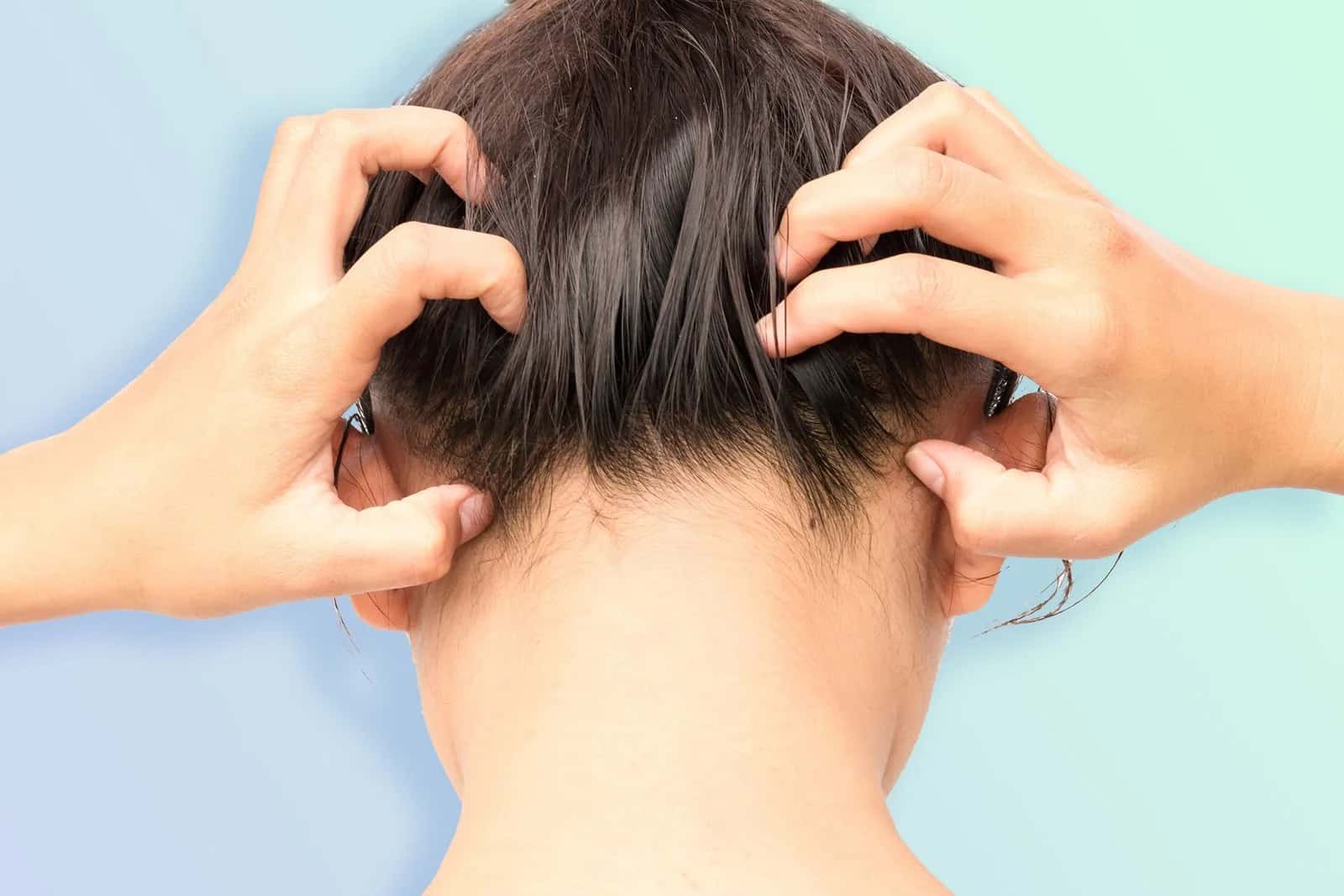
Air conditioning can dry out your scalp by reducing indoor humidity and affecting the skin's ability to maintain adequate moisture. Prolonged exposure to dry, cooled air may contribute to itching, flaking, tightness, and irritation, particularly when the scalp is already sensitive or prone to dryness.
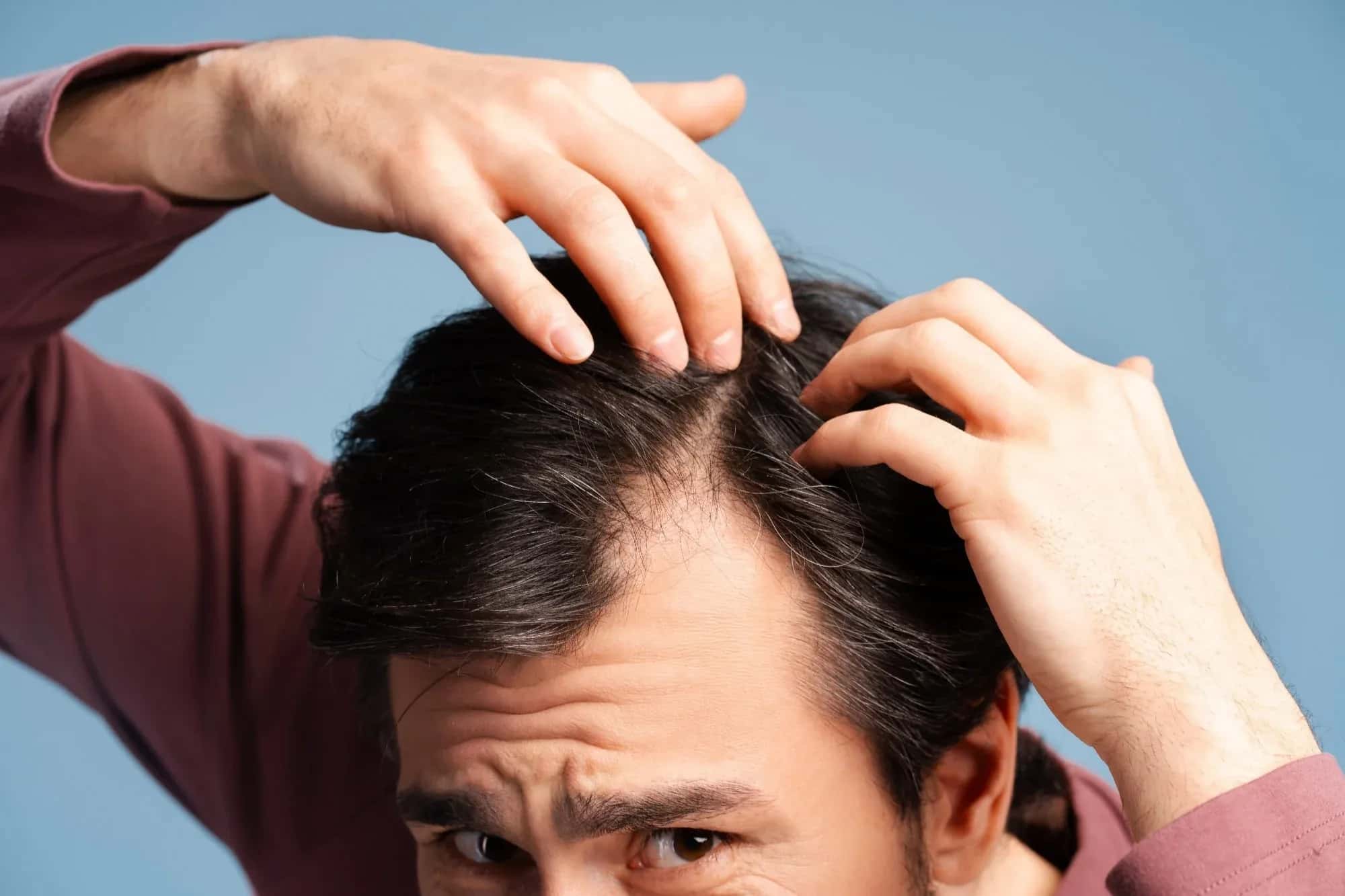
Certain dietary supplements can cause hair loss when taken in excessive amounts, particularly products containing high doses of vitamin A, selenium, or other concentrated nutrients. While supplements can help correct nutritional deficiencies that affect hair growth.
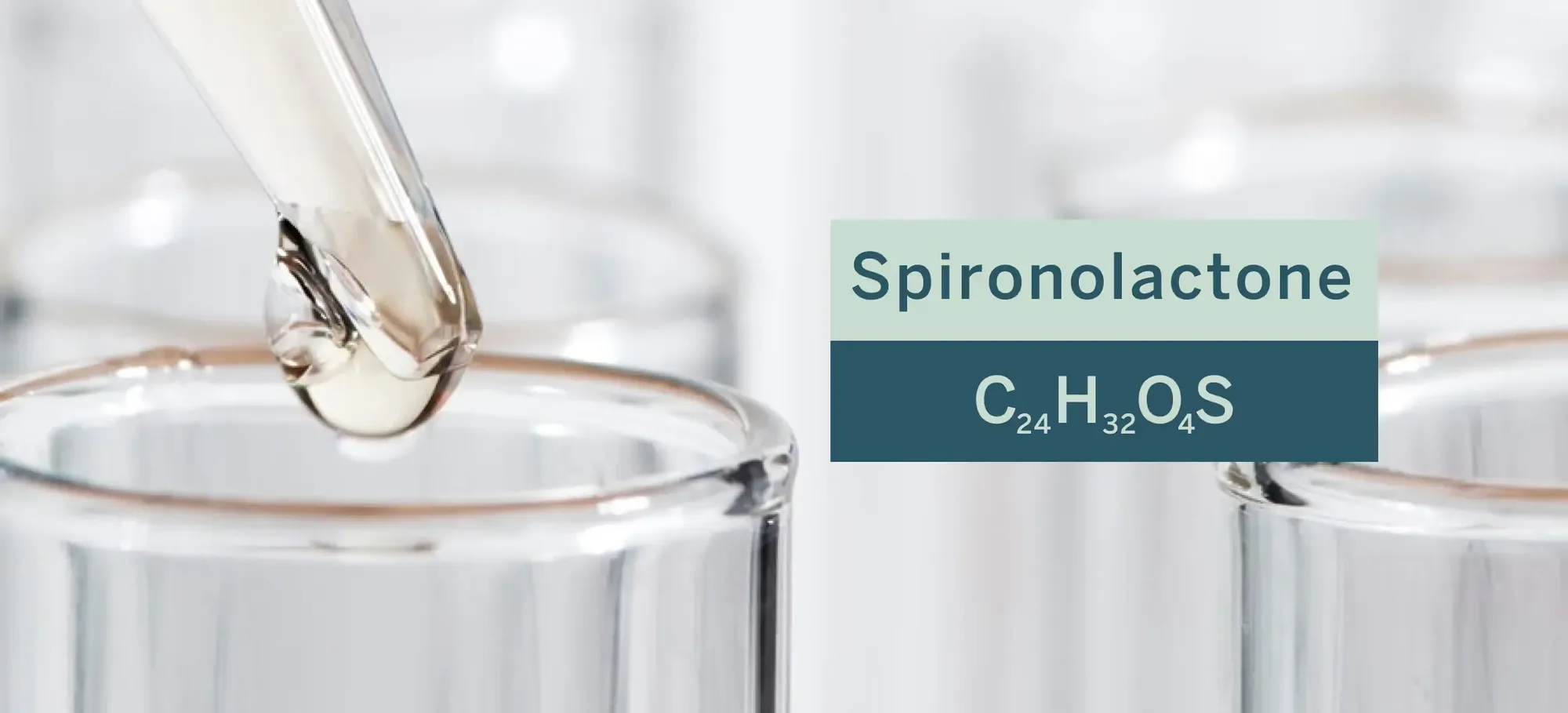
Spironolactone for female hair loss can help slow progressive thinning and improve hair density by reducing the effects of androgens on sensitive hair follicles. Although this prescription medication is not specifically approved for hair loss, clinical research supports its use in selected women.
Subscribe to the Medifinder newsletter and never miss our latest content.