










Does Stem Cell Treatment for Hair Grow Hair?
Stem cell treatment for hair helps reduce hair loss and strengthen existing hair follicles. However, it is not a method that guarantees hair growth.

- Last updated
- 174 reads
- 10 min read
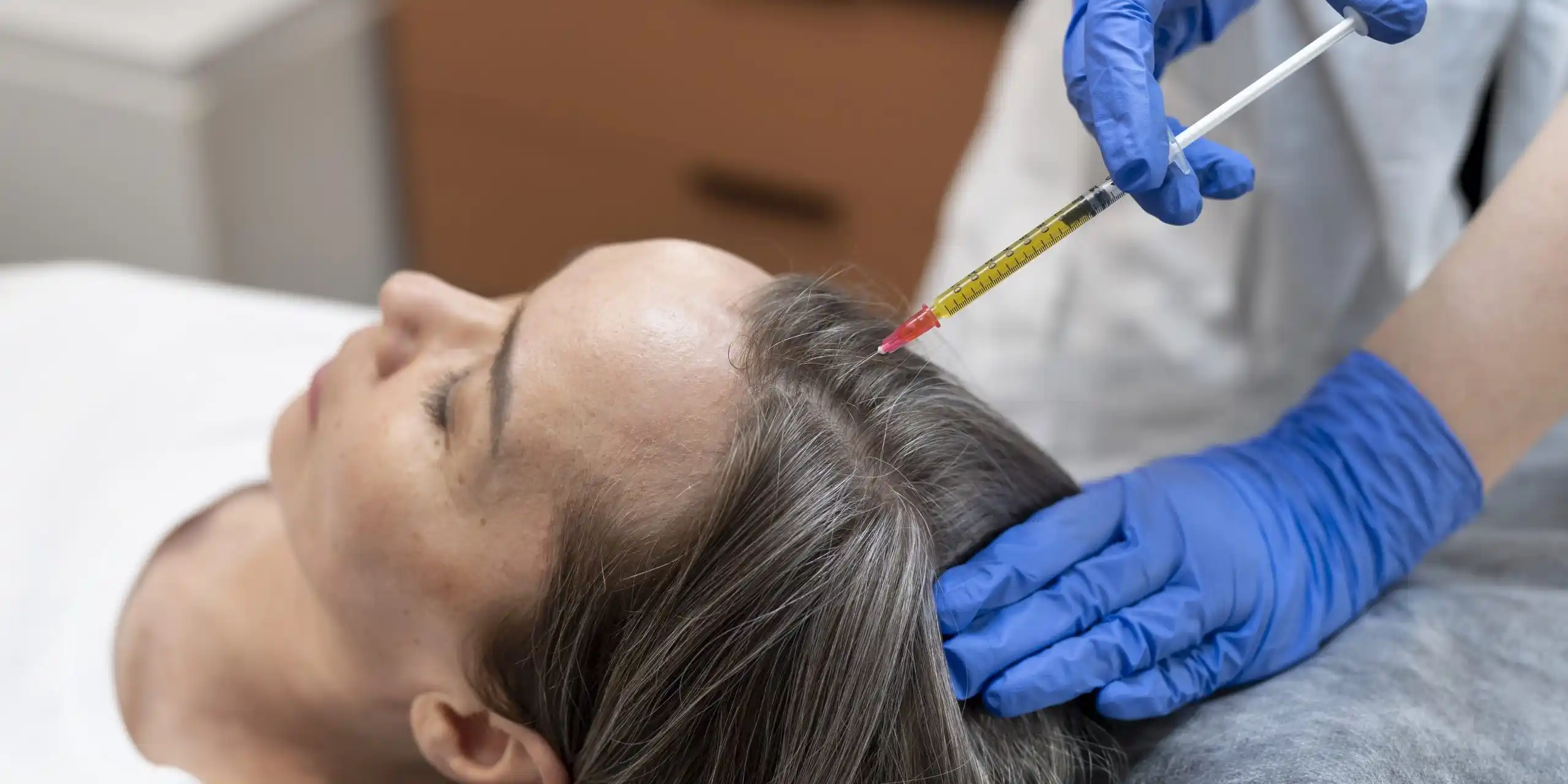


Does Stem Cell Treatment for Hair Grow Hair?
Stem cell treatment for hair may help reduce hair loss and strengthen existing hair follicles. However, it should not be considered a method that guarantees complete hair growth. It is thought to be especially effective in supporting living but weakened hair follicles.
Stem cell treatment generally uses cellular materials obtained from the person’s own tissue. The goal is to support the scalp and contribute to healthier functioning of the hair follicles. In some individuals, this procedure may increase hair thickness and reduce the rate of hair loss.
What Is Stem Cell Treatment for Hair?
Stem cell treatment for hair involves applying biological materials derived from cells or cell based sources to support weakened hair follicles in the scalp. The most commonly used applications include cellular mixtures obtained from the person’s own fat tissue, micrograft contents prepared from around hair follicles, or solutions containing growth factors produced by cells.
At this point, there is an important distinction. Not every “stem cell hair treatment” directly means live stem cell injection. Some applications use cellular mixtures obtained from fat tissue, while others may offer cell culture media, cell secretions, or different products referred to as exosomes. Although the working logic of these methods may appear similar, their level of evidence and treatment protocols are not the same.
The hair follicle is a living structure and goes through growth, regression, and resting phases throughout its life cycle. In genetic hair loss, hair strands gradually become thinner, the growth phase shortens, and noticeable thinning develops on the scalp. The goal of stem cell based applications is to support the microenvironment around the hair follicle, increase growth signals, and help still living but weakened follicles function better. Current reviews find this approach promising; however, they emphasize that larger and more standardized studies are needed to clarify which method works better for whom.
Does Stem Cell Treatment Really Grow Hair?
With stem cell treatment for hair, some individuals may experience new hair growth or increased hair density. However, the result is closely related to the type of hair loss and the current condition of the hair follicles. If the hair strands have become thinner, thinning has only recently started, and the follicles have not completely disappeared, the chance of benefiting from treatment may be more meaningful.
In areas that have remained completely bald for a long time, appear shiny, and no longer contain active hair follicles, it is not realistic to expect dense hair growth from stem cell treatment alone. In such areas, different options such as hair transplantation may be considered. Stem cell applications are generally evaluated with the goal of supporting existing hair, improving the appearance of thin strands, and slowing early stage thinning.
Studies have reported positive changes in terms of hair density and hair strand thickness. However, because the products and methods used in studies differ, it is difficult to interpret the results in the same way for everyone. Therefore, statements such as “it definitely grows hair in one session” or “it completely covers bald areas” are not medically realistic.
Why Should the Cause of Hair Loss Be Determined?
Before considering stem cell treatment for hair, the cause of hair loss should definitely be evaluated. This is because hair loss does not develop only due to genetics. Iron deficiency, thyroid problems, rapid weight loss, the postpartum period, intense stress, certain medications, scalp diseases, and immune system related conditions may also cause hair loss.
In male pattern hair loss, the hairline usually recedes and baldness develops in the crown area. In female pattern hair loss, the hair part may widen and diffuse thinning may occur in the crown region. Stem cell based applications are mostly researched in these types of genetic thinning patterns.
On the other hand, if your hair is shedding heavily in a short period, or if there is redness, wounds, crusting, burning, or round bald patches on the scalp, the cause of the hair loss should first be investigated instead of directly undergoing treatment. Supportive applications performed without correcting the underlying problem may not provide the expected results.
How Is Stem Cell Treatment for Hair Applied?
The application method may vary depending on the content used. In methods using the person’s own fat tissue, a small amount of fat tissue is usually collected. This tissue undergoes special processing to obtain a cellularly rich mixture, which is then applied to areas of thinning on the scalp.
In some methods, small tissue samples taken from the scalp or around the hair follicles are processed to prepare a micrograft mixture. In other applications, instead of live cells, contents rich in growth factors produced by cells are used. Therefore, before undergoing the procedure, the exact nature of the treatment method should be clearly understood.
The procedure is generally performed with local anesthesia or regional comfort enhancing techniques. Since many small injections may be applied to the scalp, mild redness, sensitivity, or swelling may occur afterward. Depending on the method used, short term tenderness or bruising may also occur in the area where fat tissue was collected.
Is Stem Cell Treatment the Same as PRP?
Stem cell treatment and PRP are not the same procedure. In PRP treatment, the person’s own blood is collected, processed through a special procedure, and the platelet rich portion is applied to the scalp. The goal is to benefit from the growth factors carried by platelets.
In stem cell based applications, fat tissue, tissue around the hair follicle, or cell derived biological products are involved. Therefore, the materials used and the treatment logic are different. Some clinics may recommend PRP together with stem cell treatment; however, the necessity and benefit of this combination should be evaluated according to the person’s type of hair loss.
Both procedures are considered supportive treatments. It is not the right approach to choose PRP or stem cell treatment simply because they are popular, without first determining the cause of hair loss.
Who May Be More Suitable for Stem Cell Treatment?
Stem cell treatment for hair may be considered for individuals with early to moderate genetic hair thinning, whose hair follicles have not completely disappeared, and who want to strengthen their existing hair. Women who notice widening of the hair part or men who notice thinning in the crown area may seek information about such treatments.
Similar applications may also be recommended for people who have undergone hair transplantation to support existing hair or strengthen the scalp care process. However, not every supportive procedure is necessary after hair transplantation. The timing and actual need for treatment should be planned according to the individual’s recovery process.
People who are not suitable candidates for hair transplantation due to insufficient donor area may also research stem cell treatment. However, in this situation, the goal is not to create a completely new hair cover, but rather to preserve existing thin hairs or support their appearance.
What Happens If Stem Cell Treatment Is Applied to a Completely Bald Area?
It is not realistic to expect high density from stem cell applications in large bald areas where hair follicles have been absent or nonfunctional for a long time. These applications are not an alternative to hair transplantation that creates new hair follicles from scratch in a laboratory and implants them into the scalp.
Treatment may become a more reasonable option in areas where the hair follicles have not completely disappeared but have weakened. This is because there are still living follicles that can be supported. In completely bald areas, if dense coverage is desired and the donor area is suitable, hair transplantation may be evaluated.
Research aimed at producing new hair follicles continues in the scientific world. Three dimensional tissue models and laboratory hair follicle development studies are promising, but they have not yet become standard solutions in everyday clinical practice.
When Are the Results Seen?
Evaluating the results of hair treatments requires patience. Hair strands do not become thicker or denser within a few days. After stem cell based applications, reductions in hair loss, stronger looking hair strands, or differences in density may be evaluated over several months.
The difference may not be very noticeable during the first months. Therefore, photo tracking is important. Photos taken before the procedure and in the following months under the same lighting and from the same angle help changes to be observed more accurately. Looking in the mirror daily may make it difficult to notice small changes.
There is also no definite standard regarding how long the results last. In some individuals, the changes achieved may be maintained for a long time, while others may require additional care or different treatments because genetic hair loss continues. It should not be forgotten that hair loss may be a progressive process.
Are There Side Effects of Stem Cell Treatment for Hair?
Since stem cell treatment for hair involves small injections and, in some methods, tissue collection, it is not completely risk free. Sensitivity, redness, swelling, bruising, or short term pain may occur on the scalp after the procedure. In applications involving fat tissue collection, temporary bruising and tenderness may occur in the collection area.
As with any injection procedure, the risk of infection should also be considered. Therefore, it is important that the treatment is performed under sterile conditions, after medical evaluation, and by an experienced physician. Applying products of unknown origin to the scalp or using undefined serums marketed as “exosomes” or “stem cells” may create unnecessary risks.
Although current clinical studies generally report limited serious side effects, the number of studies, patient numbers, and long term follow up data are not yet as strong as those for standard treatments. Therefore, the source of the product used, the treatment method, and the competence of the practitioner are important in safety evaluations.
Can Stem Cell Treatment Replace Minoxidil or Hair Transplantation?
Stem cell treatment should not be considered a definitive therapy that directly replaces more established options with stronger evidence and wider usage. In genetic hair loss, topical minoxidil and prescription treatments for suitable individuals have long been among the evaluated options. In people with advanced baldness and suitable donor areas, hair transplantation may be considered for visual density.
Stem cell based applications may be considered not as alternatives to these options, but as supportive approaches for some individuals. For example, in someone experiencing early stage thinning, it may become part of a care plan aimed at preserving existing hair. In someone who has undergone hair transplantation, it may be evaluated for supportive purposes if needed.
Which method is suitable depends not only on the amount of hair loss, but also on your age, the speed of hair loss progression, your donor area, health condition, and expectations. A single treatment should not be expected to provide the same result for everyone.
What Should Be Considered Before the Procedure?
Before undergoing stem cell treatment for hair, you should learn the exact name of the procedure, which material will be used, and who will perform the application. Since the term “stem cell” covers a broad field, making a decision based only on this word is not appropriate.
Your type of hair loss should be evaluated during the examination. If necessary, blood values or scalp problems may also be investigated. Medications you have previously used, your history of hair transplantation, known illnesses, and allergies should be shared.
In addition, caution should be exercised regarding promises of results. If a procedure promises definite hair growth, a completely full appearance, or a permanent solution in a single session, expectations should be reconsidered. A reliable approach in hair loss treatment is one that explains positive possibilities while also clearly sharing the limitations.
What Should Be Considered After Stem Cell Treatment?
Post procedure care may vary depending on the method applied. During the first days, the injected areas on the scalp should not be rubbed harshly, scratched, or irritated. Unless your physician gives different instructions, avoiding intense sports, saunas, Turkish baths, and practices that may disturb the scalp immediately after the procedure may be more comfortable.
If severe pain, increasing redness, bad odor, discharge, fever, or an unexpected reaction develops on the scalp, the clinic that performed the procedure should be contacted. Randomly using creams, oils, or antibiotic products at home is not appropriate.
Follow up appointments are important for evaluating the results of the treatment. Changes in hair density, the amount of hair loss, and hair strand quality may be monitored over time. In this way, it becomes easier to understand more realistically whether the treatment is beneficial.
Is Stem Cell Treatment for Hair Worth It?
The answer to this question depends on personal evaluation. If you have early stage thinning, your hair follicles are still alive, and you understand what to expect from supportive applications, stem cell treatment may be considered. However, undergoing the procedure with the expectation of restoring old density in completely bald areas may lead to disappointment.
The cost of treatment, whether repeated sessions are required, and comparison with alternative methods are also part of the decision making process. When choosing a treatment against hair loss, you should focus not only on what is new and popular, but on the method that may provide meaningful benefit for you.
- Last updated
- Language
- English
How did you find this article?
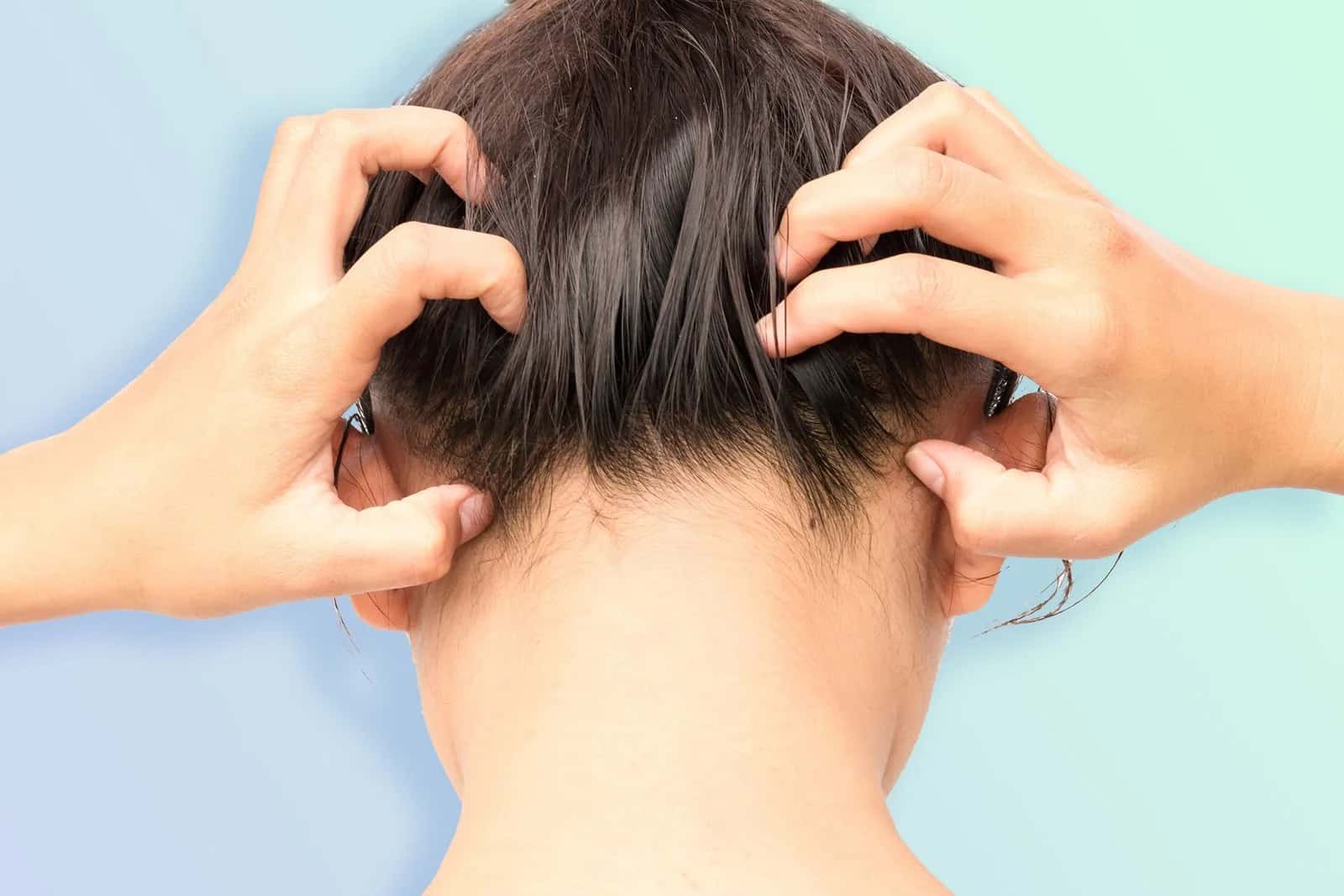
Air conditioning can dry out your scalp by reducing indoor humidity and affecting the skin's ability to maintain adequate moisture. Prolonged exposure to dry, cooled air may contribute to itching, flaking, tightness, and irritation, particularly when the scalp is already sensitive or prone to dryness.

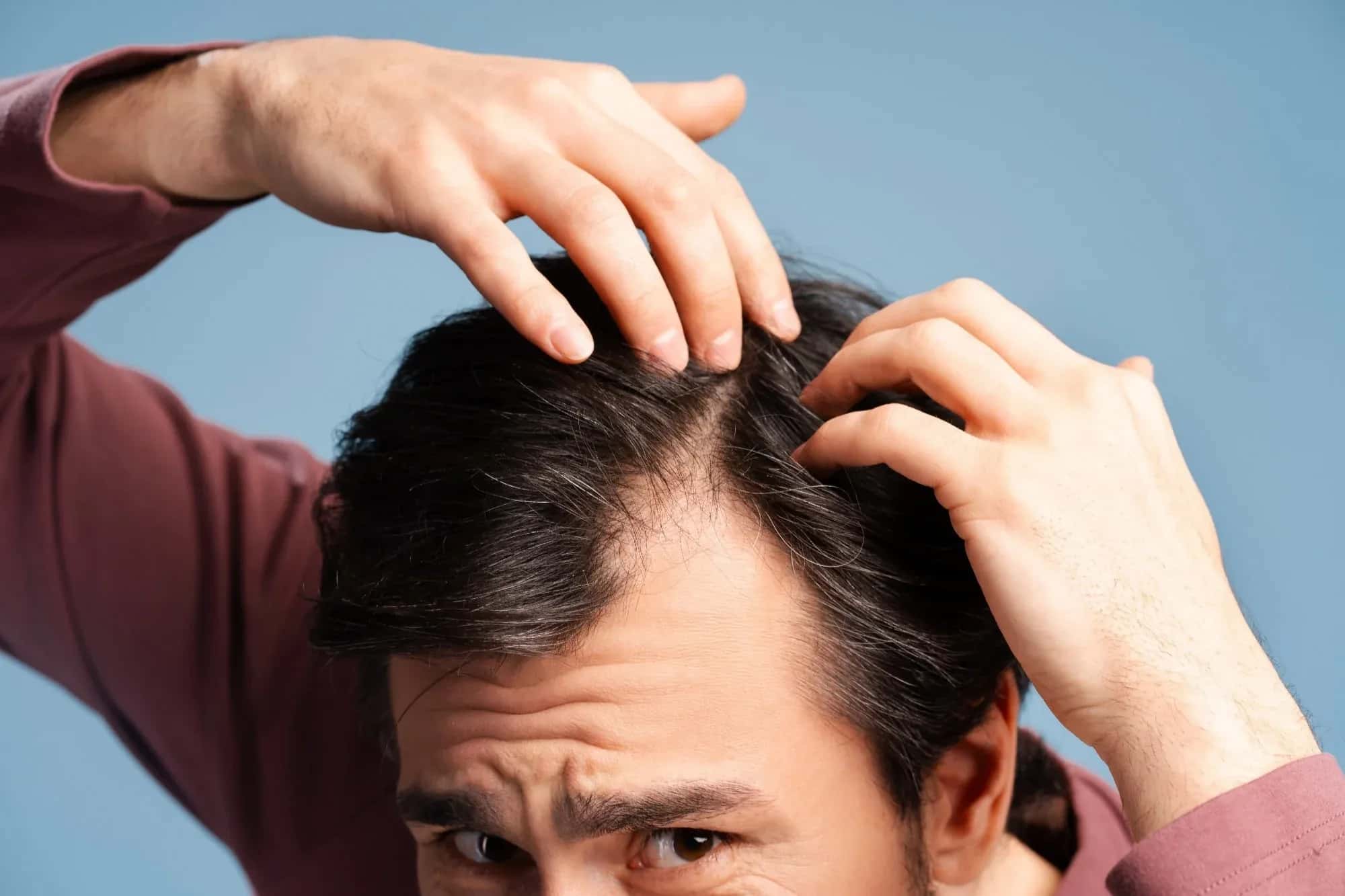
Certain dietary supplements can cause hair loss when taken in excessive amounts, particularly products containing high doses of vitamin A, selenium, or other concentrated nutrients. While supplements can help correct nutritional deficiencies that affect hair growth.
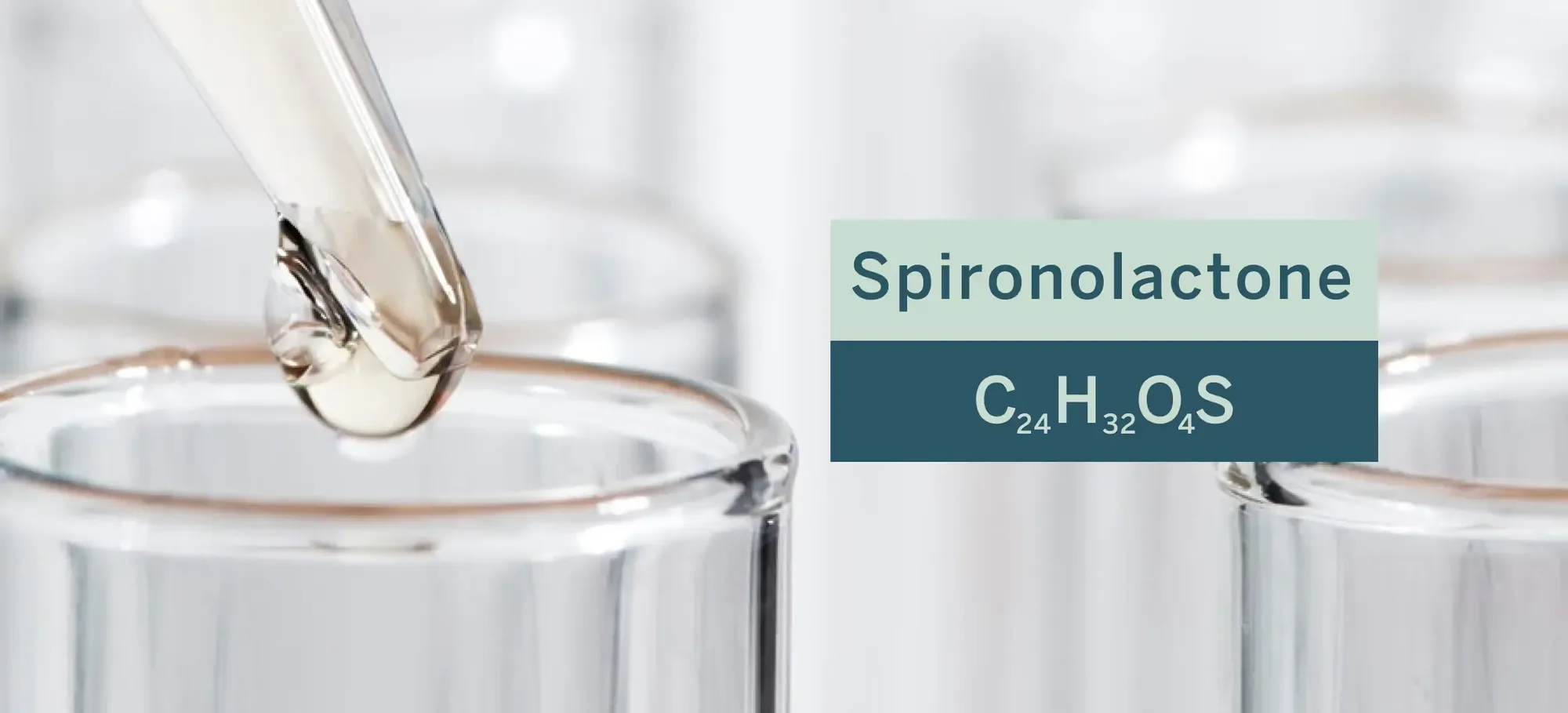
Spironolactone for female hair loss can help slow progressive thinning and improve hair density by reducing the effects of androgens on sensitive hair follicles. Although this prescription medication is not specifically approved for hair loss, clinical research supports its use in selected women.
Subscribe to the Medifinder newsletter and never miss our latest content.