










Does Ozempic Cause Hair Loss? Causes, Signs and Solutions
Does Ozempic cause hair loss? Learn why shedding may occur during semaglutide treatment, how long it can last and what you can do about it.

- Last updated
- 109 reads
- 10 min read


Ozempic has attracted considerable attention for its effects on blood sugar, appetite and body weight. Alongside the expected digestive side effects, some people have also noticed increased hair shedding after starting treatment. This raises an understandable question: does Ozempic cause hair loss?
Hair loss has been reported during post-approval use of Ozempic, but that does not prove that the medication directly damages hair follicles. In many cases, the more likely explanation involves rapid weight loss, reduced food intake, nutritional deficiencies or the physical stress created by a substantial metabolic change.
The type of shedding most often linked with weight loss is telogen effluvium. This condition pushes more hairs than usual into the resting stage of the hair cycle. The affected strands then fall several months later. Although the shedding can look dramatic, telogen effluvium usually does not destroy the follicles and often improves once the underlying trigger settles.
You should still take persistent hair loss seriously. Ozempic users may experience thinning for reasons unrelated to the medication, including thyroid disease, iron deficiency, hormonal changes and hereditary pattern hair loss. A proper assessment can help you identify the real cause and choose an appropriate response.
What Is Ozempic?
Ozempic is a prescription medication that contains semaglutide. It belongs to a group of medicines called GLP-1 receptor agonists and is primarily prescribed to adults with type 2 diabetes.
The medication helps lower blood sugar by supporting insulin release when glucose levels rise. It also slows stomach emptying and influences areas of the brain involved in appetite. These effects can make you feel full sooner and reduce your interest in food.
Many people lose weight while taking Ozempic, although weight management is not its only purpose. Wegovy contains the same active ingredient but is marketed and dosed specifically for chronic weight management in eligible patients.
This distinction matters when discussing semaglutide and hair loss. Weight-management doses may produce greater weight loss, which can place more stress on the hair cycle. However, people taking Ozempic may also experience significant appetite reduction and weight change.
Is Hair Loss an Official Ozempic Side Effect?
Alopecia, the medical term for hair loss, has been reported during post-marketing use of Ozempic. Post-marketing reports come from people who experience a problem after a medication becomes widely available.
These reports show that hair loss has occurred in some Ozempic users, but they do not reveal exactly how often it happens. They also cannot prove that semaglutide caused every reported case. Other medical conditions, medications, dietary changes or weight loss itself may have contributed.
Hair loss has also appeared in clinical trial data for Wegovy. Since Ozempic and Wegovy both contain semaglutide, this finding supports a possible association. Even so, researchers have not fully established whether semaglutide directly affects follicles or whether the physical consequences of treatment trigger the shedding.
The most accurate answer is that hair loss can occur while you take Ozempic, but the medication may not act directly on the hair root.
Why Might Ozempic Cause Hair Shedding?
Hair growth responds to changes throughout the body. When your energy intake falls sharply or your weight changes quickly, your body may temporarily direct resources away from processes that it considers less essential. Hair production can slow during this adjustment.
Ozempic may reduce your appetite enough to change both how much you eat and the variety of foods you choose. Nausea, vomiting, diarrhoea or persistent fullness may make balanced meals more difficult. Over time, low calorie, protein or micronutrient intake can interfere with normal hair growth.
Rapid weight loss also acts as a physical stressor. Your hair follicles may respond by moving prematurely from the active growth stage into the resting stage. Because the strands do not fall immediately, you may not connect the shedding with weight loss that started several months earlier.
The medication itself may also play a role, but researchers still need more evidence to separate a direct drug effect from the effects of appetite suppression and weight reduction.
What Is Telogen Effluvium?
Telogen effluvium is a temporary form of diffuse hair shedding. It develops when a physical or emotional trigger disrupts the normal hair growth cycle.
At any given time, most of your scalp hair remains in the active growth phase. A smaller percentage rests before eventually falling out. During telogen effluvium, an unusually large number of follicles enter that resting phase together.
Shedding often begins two to four months after the original trigger. This delay can make the cause difficult to recognise. You may start losing hair after your weight has already begun to stabilise.
Telogen effluvium usually affects the entire scalp rather than one specific area. You may notice more strands in the shower, on your clothing or around your brush. Your ponytail may feel smaller, and your scalp may become more visible under bright light.
The condition does not normally cause completely smooth bald patches. Patchy loss may indicate a different form of alopecia that requires medical evaluation.
What Does Ozempic-Related Hair Loss Look Like?
Hair shedding associated with rapid weight loss generally appears diffuse. You may lose hair from the top, sides and back of the scalp rather than from a single isolated area.
The strands often come out from the root. You may see a small pale bulb at one end, which indicates that the entire strand has completed its cycle. This differs from breakage, where hair snaps somewhere along its length because of heat, chemicals or physical damage.
Some people first notice increased shedding during shampooing. Others see a wider part or less volume around the temples. If you already have genetic pattern hair loss, telogen effluvium may make the underlying thinning more noticeable.
Sudden circular patches, scalp redness, heavy scaling, pain or broken hairs close to the skin do not follow the usual pattern of weight-loss-related telogen effluvium. These signs deserve a professional examination.
How Long Does Hair Loss From Ozempic Last?
The timeline depends on the trigger and whether it continues. If rapid weight loss causes telogen effluvium, shedding may persist while your body adjusts and for several months after your weight becomes more stable.
Many cases improve within three to six months after the underlying stressor resolves. Hair density takes longer to recover because new strands grow slowly. You may need nine to twelve months before your hair looks noticeably fuller again.
Early regrowth often appears as short, fine strands around the hairline or part. These hairs may stand upright and feel difficult to style, but they usually indicate that the follicles have returned to the growth phase.
Continued weight loss, inadequate nutrition, illness or an untreated deficiency can extend the shedding period. Genetic hair loss may also continue independently of Ozempic use.
Is Ozempic Hair Loss Permanent?
Telogen effluvium usually does not cause permanent baldness. The follicles remain alive and can begin producing new strands once the trigger improves.
However, not every person who loses hair while taking Ozempic has telogen effluvium. The timing may reveal an existing condition that would have progressed anyway. Male or female pattern hair loss, for example, gradually shrinks genetically sensitive follicles and requires a different management plan.
Long-term nutritional deficiencies can also delay recovery. Severe iron deficiency, inadequate protein intake or thyroid dysfunction may continue to affect your hair until you address the underlying problem.
Scarring hair loss can permanently damage follicles, although it does not typically result from ordinary weight reduction. Symptoms such as scalp burning, inflammation, shiny bald areas or loss of follicle openings require prompt dermatological attention.
Should You Stop Taking Ozempic?
Do not stop Ozempic or change your dose without speaking with the clinician who prescribed it. Suddenly abandoning treatment may affect your blood sugar and interfere with the medical goals that led to the prescription.
Your clinician can review when the shedding began, how quickly your weight changed and whether you have experienced digestive side effects. This information can help determine whether the medication, weight loss, nutrition or another health issue may be involved.
A slower dose increase may suit some patients who struggle to eat enough because of nausea or extreme appetite suppression. Your prescriber may also reconsider the dose when weight loss happens more quickly than intended. Only a qualified professional should make these adjustments.
For many patients, improving nutrition and monitoring the problem makes more sense than immediately stopping an otherwise beneficial treatment.
How Can You Reduce Hair Loss While Taking Ozempic?
Begin by looking at your overall food intake. Appetite suppression can make it easy to eat very little without realising how limited your diet has become. Smaller meals still need to provide adequate nutrition.
Include a source of protein in each meal. Eggs, fish, poultry, yoghurt, cheese, beans, lentils, tofu and lean meat can help you meet your needs. Your exact protein target depends on your body size, health, activity level and weight-management plan.
Choose nutrient-dense foods rather than using most of your reduced appetite on foods with little nutritional value. Vegetables, fruit, whole grains, healthy fats and varied protein sources provide a broader range of vitamins and minerals.
Stay hydrated, particularly if you experience vomiting or diarrhoea. Persistent digestive symptoms require medical advice because they can contribute to dehydration and make adequate nutrition difficult.
Avoid crash diets alongside Ozempic. The medication may already lower your appetite considerably, so adding extreme calorie restriction can increase physical stress.
Should You Have Blood Tests?
Blood tests may help when shedding becomes significant, continues for several months or occurs with other symptoms.
A clinician may consider checking your blood count, iron stores, thyroid function, vitamin B12, vitamin D or other markers based on your medical history. There is no single universal hair loss test, so your symptoms should guide the investigation.
Iron deficiency can contribute to diffuse shedding, particularly if you menstruate heavily, follow a restrictive diet or have experienced gastrointestinal problems. Thyroid disease can cause hair changes alongside fatigue, temperature sensitivity, weight changes or altered heart rate.
Diabetes itself and other medical conditions may also influence hair health. Testing helps you avoid assuming that Ozempic explains every change.
Do not start high-dose supplements before testing. Excessive intake of certain nutrients can cause side effects and, in some cases, worsen hair loss.
Do Hair Supplements Help?
Hair supplements only offer a clear advantage when they correct a genuine deficiency. A multivitamin cannot compensate for an extremely low calorie or protein intake.
Biotin appears in many hair products, but true biotin deficiency is uncommon. High doses may interfere with certain laboratory test results and rarely solve unexplained shedding on their own.
Iron supplements can cause digestive problems and may become harmful when you take them without a medical need. The same principle applies to zinc, selenium and fat-soluble vitamins.
Focus on balanced meals first. Use targeted supplementation only when a clinician or dietitian identifies a likely deficiency and recommends an appropriate dose.
Can Minoxidil Help With Ozempic Hair Loss?
Topical minoxidil can support hair growth in certain situations, especially when hereditary pattern hair loss contributes to the thinning. Dermatologists may sometimes consider it when telogen effluvium lasts longer than expected.
However, minoxidil does not correct inadequate nutrition, rapid weight loss or thyroid disease. You still need to identify and manage the underlying trigger.
The treatment may temporarily increase shedding during the early weeks as follicles shift into a new growth cycle. It can also irritate the scalp, and the benefit usually requires continued use when genetic hair loss exists.
Discuss minoxidil with a healthcare professional before starting it, particularly if you are pregnant, planning pregnancy, breastfeeding or managing cardiovascular problems.
Protect Your Hair During the Shedding Period
Gentle hair care will not stop telogen effluvium, but it can prevent breakage from making your hair look thinner.
Wash your scalp as needed. Shampooing does not pull healthy hairs from active follicles; it simply releases strands that were already ready to fall. Avoid delaying washing because you fear seeing hair in the drain.
Use a wide-tooth comb, especially when your hair is wet. Reduce frequent bleaching, chemical straightening and high-temperature styling. Tight ponytails, braids and heavy extensions can place unnecessary pressure on a vulnerable hairline.
Volumising products, a different parting or a shorter cut may improve the appearance of density while you wait for regrowth. These changes do not treat the cause, but they can make the recovery period easier to manage.
When Should You See a Doctor?
Arrange an assessment when hair loss becomes severe, lasts longer than six months or continues after your weight has stabilised.
Seek advice sooner if you develop circular bald patches, scalp pain, redness, sores, heavy scaling or eyebrow loss. You should also contact your healthcare provider if you cannot eat adequately because of persistent nausea, vomiting or extreme appetite suppression.
Symptoms such as unusual fatigue, dizziness, palpitations, feeling cold or unexplained weakness may point to iron deficiency, thyroid dysfunction or another medical issue.
A dermatologist can examine the pattern of loss and distinguish telogen effluvium from genetic, autoimmune or inflammatory hair disorders. Early diagnosis matters when the follicles face an ongoing medical problem.
Can You Prevent Hair Loss on Ozempic?
You cannot prevent every case, but you may reduce the risk by avoiding excessively rapid weight loss and maintaining adequate nutrition.
Follow the dose schedule prescribed by your clinician rather than increasing the medication early. Report digestive symptoms that prevent you from eating or drinking normally. Build meals around protein and nutrient-dense foods, even when you prefer smaller portions.
Track your rate of weight loss and take photographs of your hair every few months under similar lighting. Photographs provide a more reliable comparison than daily mirror checks.
Most importantly, treat Ozempic as part of a medically supervised plan rather than as a replacement for food. Successful treatment should support your overall health, not leave your body without the resources it needs.
- Last updated
- Language
- English
How did you find this article?
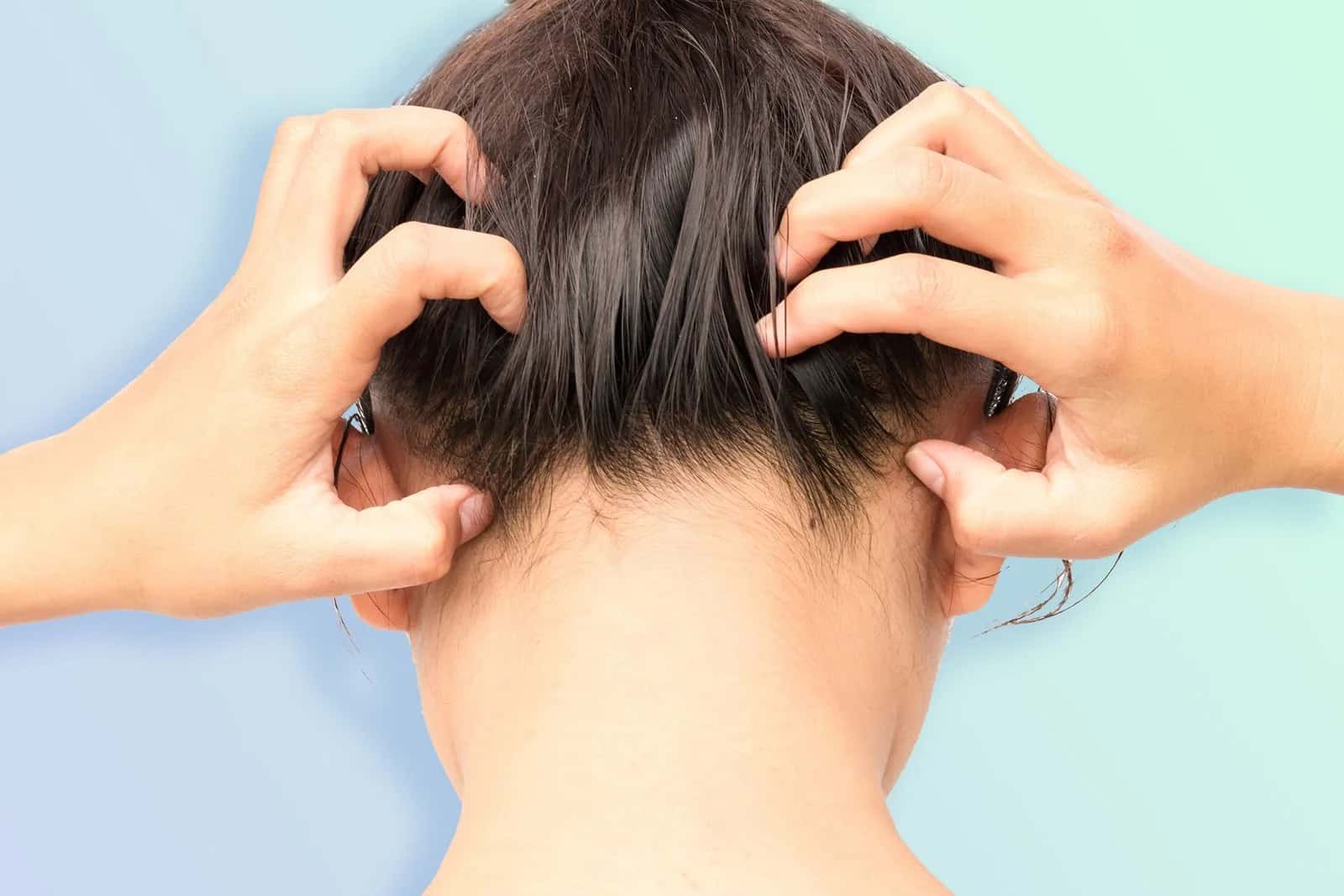
Air conditioning can dry out your scalp by reducing indoor humidity and affecting the skin's ability to maintain adequate moisture. Prolonged exposure to dry, cooled air may contribute to itching, flaking, tightness, and irritation, particularly when the scalp is already sensitive or prone to dryness.
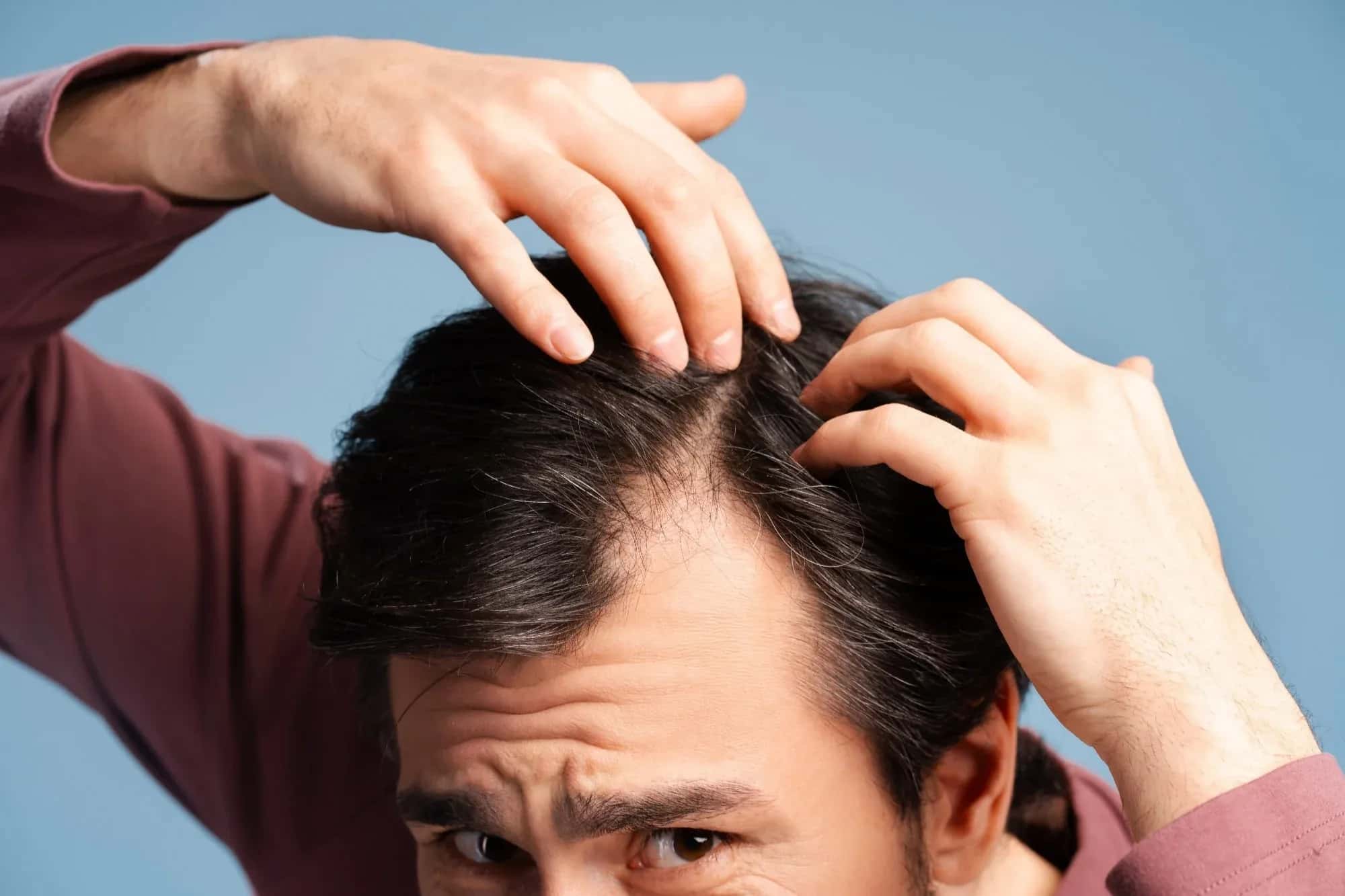
Certain dietary supplements can cause hair loss when taken in excessive amounts, particularly products containing high doses of vitamin A, selenium, or other concentrated nutrients. While supplements can help correct nutritional deficiencies that affect hair growth.

Spironolactone for female hair loss can help slow progressive thinning and improve hair density by reducing the effects of androgens on sensitive hair follicles. Although this prescription medication is not specifically approved for hair loss, clinical research supports its use in selected women.
Subscribe to the Medifinder newsletter and never miss our latest content.