










Androgenic Alopecia Hair Loss: Symptoms and Treatment
Androgenic alopecia hair loss is a common, progressive form of hair thinning that affects both men and women, usually because of genetic sensitivity to androgens and gradual miniaturization of hair follicles. It often develops slowly, beginning with a receding hairline, thinning crown, widening part.

- Last updated
- 101 reads
- 10 min read


What Is Androgenic Alopecia?
Androgenic alopecia is a hereditary form of hair loss influenced by hormones, genetics, and follicle sensitivity. In people who are genetically predisposed, hair follicles in certain scalp areas become more affected by dihydrotestosterone, often called DHT. Over time, these follicles produce thinner and shorter hairs.
The condition does not usually cause sudden bald patches. It tends to progress in a pattern. In men, thinning often starts at the temples or crown. In women, it more commonly appears as diffuse thinning over the top of the scalp while the frontal hairline may remain relatively preserved.
The key feature is miniaturization. Thick terminal hairs gradually become finer, shorter, and lighter. This makes the scalp more visible even before complete hair loss occurs.
Why Does Androgenic Alopecia Happen?
Androgenic alopecia happens because of a combination of inherited tendency and hormone sensitivity. A person may inherit genes from either side of the family. Having relatives with hair loss increases risk, but the pattern and severity can still differ between family members.
DHT plays an important role in many cases. Hair follicles in genetically sensitive areas respond to DHT by shrinking over time. As the follicles miniaturize, the hair growth cycle changes. The growth phase becomes shorter, shedding may increase, and new hairs grow back thinner.
This process does not affect every follicle equally. Hair at the back and sides of the scalp is often more resistant, which is why these areas usually remain stronger in male pattern hair loss. This difference also explains why donor hair from these regions is used in hair transplant surgery.
How Does Androgenic Alopecia Look in Men?
In men, androgenic alopecia often begins with temple recession. The hairline may slowly move backward and form an M-shaped pattern. Some men first notice that their forehead looks higher in photos or that styling the front becomes harder.
Another common pattern starts at the crown. The scalp may become more visible under bright light, especially when the hair is wet. Over time, the thinning crown may expand and connect with the frontal recession.
The Norwood Scale is often used to describe male pattern hair loss stages. Early stages show mild recession. Moderate stages involve deeper temple loss and crown thinning. Advanced stages show larger areas of hair loss across the top of the scalp, while the sides and back remain stronger.
How Does Androgenic Alopecia Look in Women?
In women, androgenic alopecia often appears differently. Instead of a sharply receding hairline, many women notice widening of the part, reduced ponytail thickness, and diffuse thinning across the top of the scalp. The frontal hairline may stay in place, but the density behind it gradually decreases.
Female pattern hair loss can be emotionally distressing because the thinning may become visible during styling, under sunlight, or after washing. Some women first notice more scalp showing when they part the hair or pull it back.
Women with androgenic alopecia should receive a careful evaluation because other factors may contribute. Iron deficiency, thyroid disease, hormonal changes, polycystic ovary syndrome, menopause, postpartum shedding, stress, and certain medications can overlap with genetic thinning.
Is Androgenic Alopecia the Same as Normal Shedding?
No, androgenic alopecia is not the same as normal daily shedding. It is normal to lose some hair every day as part of the natural hair cycle. Normal shedding does not usually reduce density or change the hairline over time.
Androgenic alopecia causes progressive miniaturization. The problem is not only that hair falls out. The deeper issue is that replacement hairs grow back thinner and weaker. Over months or years, this creates visible thinning.
Some people with androgenic alopecia also experience increased shedding. This can make the condition more noticeable, but shedding alone does not confirm the diagnosis. A person may shed because of stress, illness, diet changes, medication, or seasonal changes. Diagnosis should consider both shedding and pattern.
Can Androgenic Alopecia Start Early?
Yes, androgenic alopecia can begin in the late teenage years or early adulthood, especially in men with strong genetic tendency. Early onset can feel alarming because the hairline may change while the person is still young.
Early hair loss does not always mean rapid baldness, but it deserves attention. A young patient with temple recession or crown thinning should avoid aggressive cosmetic decisions without understanding future progression. For example, a very low hair transplant hairline at a young age may look unnatural later if hair loss continues.
Early evaluation helps create a careful plan. Monitoring, medical treatment, scalp assessment, and conservative hairline planning may all be considered depending on the case.
How Is Androgenic Alopecia Diagnosed?
Diagnosis usually begins with a medical history and scalp examination. The clinician may ask when the hair loss started, how quickly it progressed, whether there is family history, whether shedding increased, and whether there are symptoms such as itching, pain, scaling, or redness.
The pattern of thinning gives important clues. A receding hairline and crown thinning in men often suggest androgenic alopecia. A widening part and diffuse top thinning in women may suggest female pattern hair loss.
A dermoscopic scalp examination can show miniaturized hairs, variation in hair shaft diameter, and reduced density. Blood tests may be recommended when another cause is possible, especially in women or patients with sudden shedding. These tests may assess thyroid function, iron status, vitamin levels, hormones, or other health markers when appropriate.
What Conditions Can Look Similar?
Several conditions can look like androgenic alopecia or appear at the same time. Telogen effluvium can cause diffuse shedding after stress, illness, surgery, weight loss, childbirth, or medication changes. Alopecia areata may cause round patches or more widespread shedding. Scalp inflammation, seborrheic dermatitis, psoriasis, fungal infection, traction alopecia, and nutritional deficiencies can also affect hair.
This is why self-diagnosis can be misleading. A person may assume all thinning is genetic, but treatable medical causes could be involved. Another person may blame stress while genetic miniaturization is progressing quietly.
A correct diagnosis matters because each condition requires a different approach. Treating androgenic alopecia without addressing iron deficiency, thyroid disease, or scalp inflammation may lead to poor results.
Does Androgenic Alopecia Stop on Its Own?
Androgenic alopecia usually does not stop permanently on its own. The speed may change. Some people lose hair slowly for many years. Others progress faster during certain periods. Hormonal changes, age, stress, medical conditions, and medication changes may influence how noticeable the thinning becomes.
Because the condition is progressive, early management often gives better results than waiting. Treatments work best when there are still miniaturized follicles capable of producing stronger hair. Completely inactive areas are harder to restore without surgery.
The goal is often stabilization first. Regrowth may happen in some patients, but preventing further loss is already an important success.
What Treatments Are Commonly Used?
Treatment depends on sex, age, medical history, pregnancy plans, severity, and patient goals. Common options may include topical minoxidil, oral medications in selected patients, anti-androgen approaches for some women, low-level laser therapy, platelet-rich plasma in certain cases, and hair transplant surgery for suitable candidates.
Minoxidil is often used to support hair growth and prolong the growth phase. Finasteride is commonly discussed for male pattern hair loss because it reduces DHT activity. Some patients may need other prescription options, but these should be guided by a qualified clinician.
No treatment works instantly. Hair growth is slow. Most approaches require several months before meaningful change can be judged. Stopping treatment may allow hair loss to progress again.
Is Minoxidil Effective for Androgenic Alopecia?
Minoxidil can help some patients with androgenic alopecia by supporting hair growth and improving density. It is available in topical forms, and oral low-dose use may be considered by some clinicians for selected patients, depending on medical suitability.
Topical minoxidil must be used consistently. Some patients stop early because they expect quick results or become discouraged by early shedding. Temporary increased shedding can occur when hair cycles shift, but this should be discussed with a clinician.
Minoxidil may not restore all lost hair, and it may not work equally for everyone. It is most useful when follicles are still active but miniaturized. Consistency and patience are important.
What Should Patients Know About Finasteride?
Finasteride is often used in male pattern hair loss because it targets DHT, a key hormone involved in follicle miniaturization. It may help slow progression and improve density in some men.
However, finasteride is not suitable for everyone. Possible side effects, fertility concerns, sexual side effects, mood concerns, and pregnancy-related precautions should be discussed with a doctor. Women who are pregnant or may become pregnant should not handle certain forms of the medication because of risk to a male fetus.
Patients should not start finasteride based only on online advice. A medical consultation is important to weigh benefits, risks, alternatives, and monitoring.
Can Women Treat Androgenic Alopecia Differently?
Women often need a broader evaluation before treatment. Female pattern hair loss may be influenced by genetics, menopause, hormonal imbalance, iron deficiency, thyroid disease, or other medical conditions.
Topical minoxidil is commonly used for female pattern hair loss. Some women may be considered for anti-androgen medications or other options depending on hormonal status, age, pregnancy plans, and medical history. Treatment should be personalized.
Women should avoid assuming that the same plan used for men is appropriate. Diagnosis and medication safety differ. A careful approach can improve both effectiveness and safety.
When Is Hair Transplant an Option?
Hair transplant surgery may be an option when androgenic alopecia is stable enough, the donor area is strong, and the patient has realistic expectations. It works by moving hair follicles from resistant donor areas to thinning or bald areas.
Hair transplant is most predictable in men with strong donor hair and defined thinning patterns. It can restore the hairline, improve frontal density, and cover selected areas. In women, suitability depends on the pattern of thinning and donor density. Diffuse thinning can make surgery less predictable.
A transplant does not stop future hair loss. Patients may still need medical management to protect native hair. Good planning considers long-term progression, not only the current bald area.
Why Is Donor Area Evaluation Important?
The donor area is limited. Removing too many grafts can make the back and sides look thin or patchy. A responsible hair transplant plan protects donor supply for future needs.
Donor evaluation includes density, hair thickness, scalp condition, number of hairs per graft, hair curl, color contrast, and family history. The clinic should also consider whether the patient may progress to advanced hair loss.
A patient with early androgenic alopecia should be especially cautious. Using too many grafts too soon can create problems later. Conservative planning often produces a more natural long-term result.
Can Lifestyle Changes Help?
Lifestyle changes cannot erase genetic sensitivity, but they can support hair health. Adequate protein, balanced nutrition, sleep, stress management, and treatment of scalp inflammation may help reduce additional shedding.
Smoking, crash dieting, severe stress, and poor nutrition can worsen hair quality or trigger shedding. These factors may not be the root cause of androgenic alopecia, but they can make thinning appear worse.
A complete plan should support the whole patient. Medication or surgery may help, but general health still matters.
How Can Patients Track Progress?
Tracking progress should be consistent and calm. Patients can take photos every one to three months using the same lighting, same angles, same hair length, and same styling. Useful views include front, temples, top, crown, and part line.
Daily checking can create anxiety because hair appearance changes with lighting, washing, humidity, and styling. Progress should be measured over months, not days.
A clinician may also track hair density, miniaturization, and scalp condition. This gives a more reliable picture than self-comparison alone.
What Mistakes Should Patients Avoid?
Common mistakes include waiting too long, changing treatments too often, stopping medication early, choosing unverified supplements, ignoring scalp disease, and rushing into hair transplant surgery without donor evaluation.
Another mistake is expecting full recovery of teenage hair density. Treatment can improve or stabilize hair, but results depend on the stage of hair loss and follicle health.
Patients should also avoid fear-based decisions. Androgenic alopecia can be stressful, but panic often leads to poor choices. A structured plan is better than trying random treatments.
What Questions Should You Ask a Specialist?
Patients should ask: What type of hair loss do I have? Is it androgenic alopecia or another condition? How advanced is it? Is my hair loss still active? Do I need blood tests? Which treatment options suit me? How long before results can be judged? What side effects should I know? Am I a candidate for hair transplant? How can I protect existing hair?
Clear answers help patients make informed decisions. A reliable specialist explains both possibilities and limitations. The best plan should feel realistic, not rushed.
- Last updated
- Language
- English
How did you find this article?
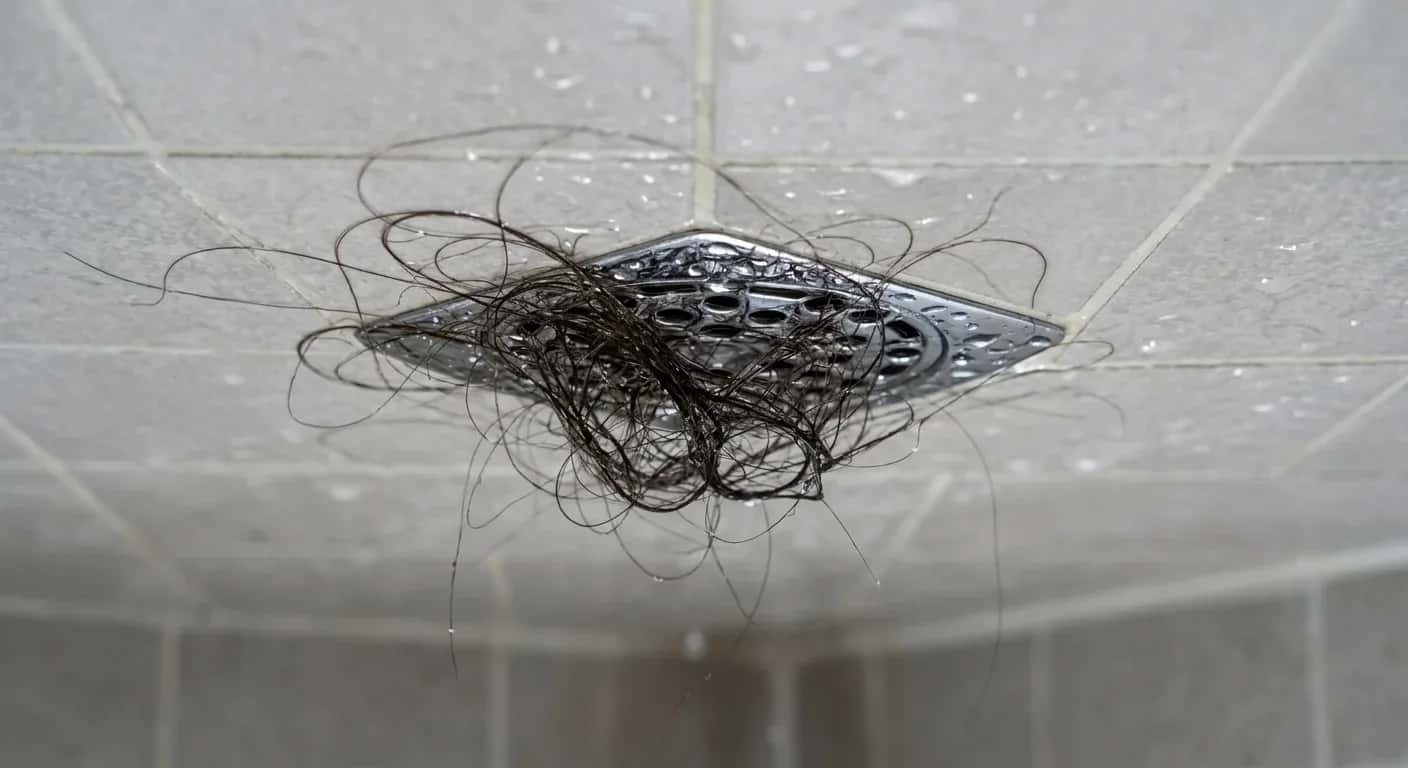
Washing simply releases many of these loose hairs at the same time, which can make normal shedding appear more dramatic than it really is. So, how much hair loss in the shower is normal, and when does the amount suggest excessive shedding or another form of hair loss?
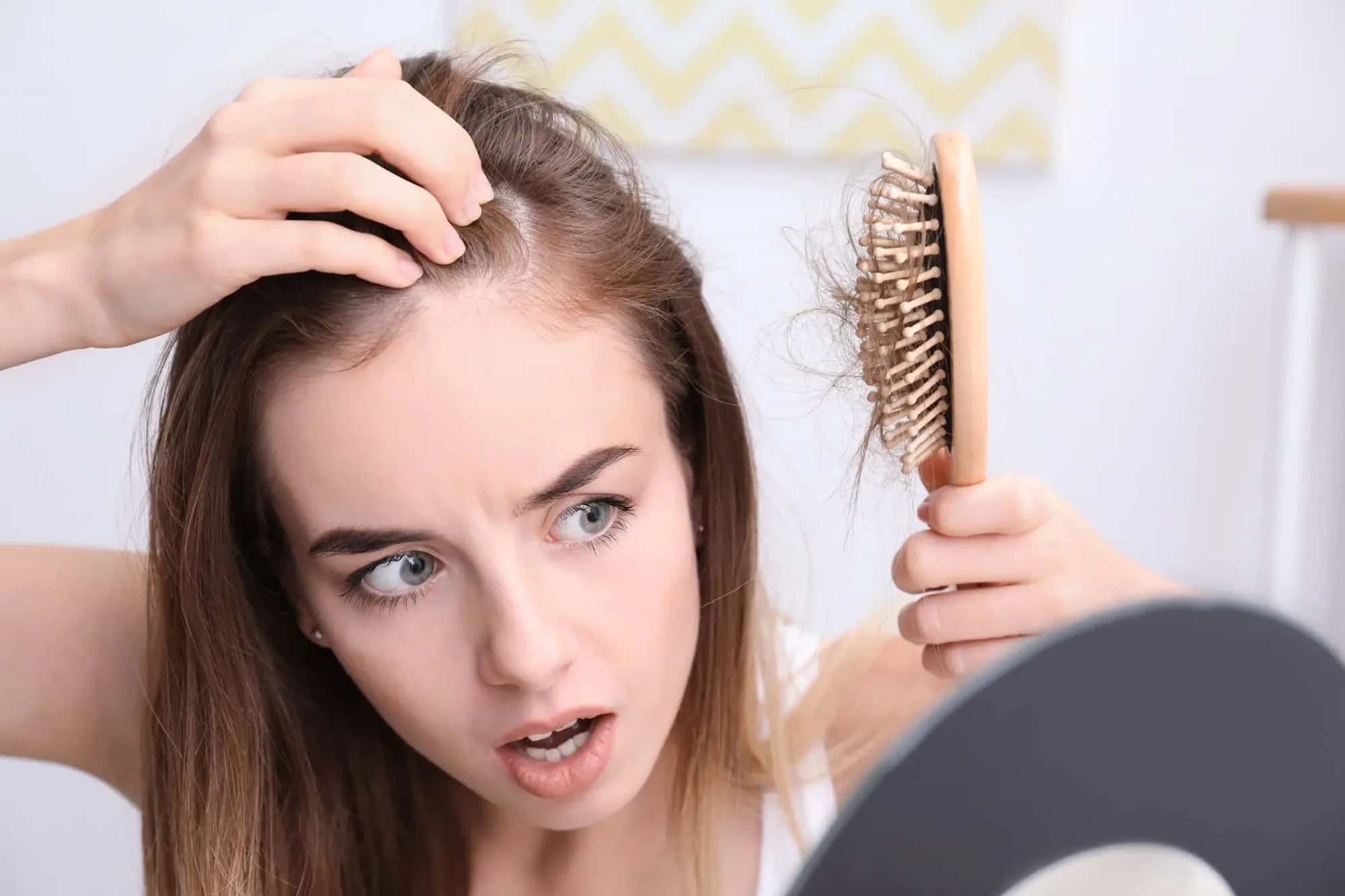
This guide explains what sudden hair loss means, which conditions commonly trigger rapid shedding, and how different patterns can point toward different underlying causes.
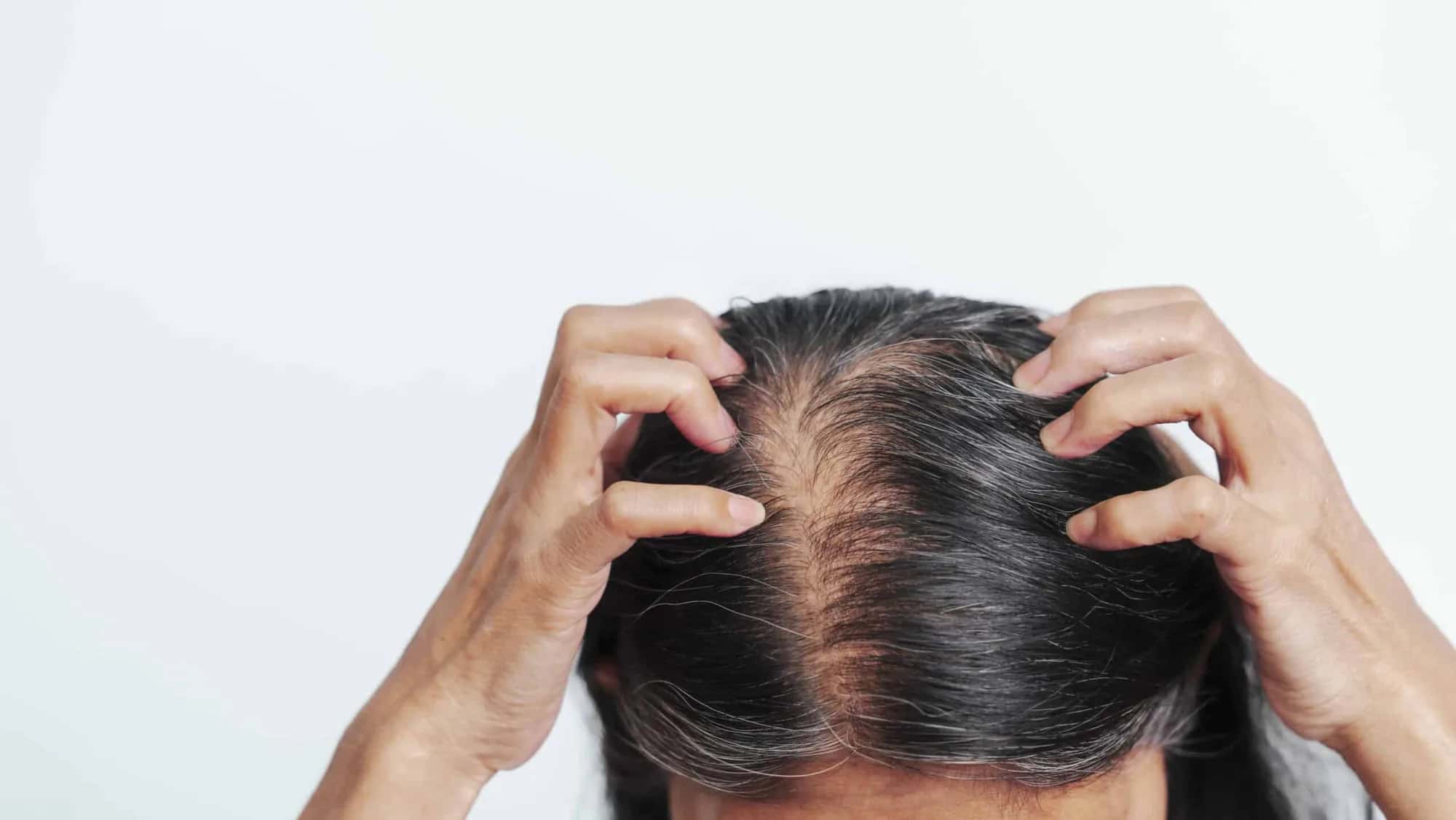
This guide explains how iron deficiency can contribute to hair loss, which blood tests matter, how ferritin relates to shedding, and when hair may begin recovering.
Subscribe to the Medifinder newsletter and never miss our latest content.