










5 Solutions That Help with Hair Loss
The most important solutions that help with hair loss are identifying the cause of the shedding and considering the hair transplant option at the right time.

- Last updated
- 172 reads
- 8 min read


5 Solutions That Help with Hair Loss
Solutions that help with hair loss vary depending on the cause of the shedding because genetic thinning, seasonal shedding, vitamin deficiency, stress, or scalp problems are not treated in the same way. Seeing more hair strands than usual on your hairbrush or noticing that your hair part is widening may create anxiety. However, immediately changing products, taking random supplements, or turning to heavily discussed internet trends does not always provide the right result.
Hair loss may sometimes be a temporary process. Hair may shed more for several months after intense stress, febrile illness, surgery, the postpartum period, rapid weight loss, or inadequate nutrition. In some people, however, hair loss progresses slowly; the hairline recedes, the crown area opens, or the hair strands gradually become thinner. This picture is more suggestive of genetic hair loss. For the correct solution, it is first necessary to understand which condition is occurring.
Below, you can find the 5 most commonly evaluated solutions for hair loss with realistic expectations and practical daily life approaches.
1. Identify the Cause of Hair Loss
The first solution that helps with hair loss, contrary to what many people think, is not buying a shampoo or serum, but understanding the cause of the shedding. This is because hair loss is not caused only by genetic factors. Iron deficiency, thyroid problems, rapid weight loss, postpartum hormonal changes, illnesses, intense stress, certain medications, and scalp disorders may also increase shedding.
Genetic hair loss generally progresses slowly. In men, recession of the hairline or thinning at the crown area is common. In women, the hair part may widen and general thinning at the crown may be noticed. In contrast, severe shedding within a short period, hair falling out in handfuls while combing, or noticeable thinning across the entire scalp may be related to temporary shedding types.
This distinction is important. In temporary shedding, the hair may regain strength over time once the underlying cause is corrected. In genetic hair loss, taking action in the early stages is more advantageous for preserving existing hair. If itching, redness, crusting, wounds, patchy bald areas, or eyebrow and eyelash loss accompany the hair loss, a dermatological evaluation is needed instead of trying products. Early diagnosis may increase the likelihood of benefiting from appropriate treatment.
Blood tests may sometimes also be necessary in hair loss evaluation. Especially in individuals experiencing diffuse shedding, iron stores, thyroid functions, or other values considered appropriate by the doctor may be checked. This helps determine whether the hair problem is related not only to externally applied products but also to internal causes.
2. Evaluate Evidence Based Treatments Properly
There are many shampoos, ampoules, serums, and herbal care products on the market for hair loss. Some of these products may help hair look more well groomed; however, when it comes to new hair growth and controlling genetic shedding, not every product is evaluated at the same level.
Topical minoxidil is one of the most commonly used treatment options for male and female pattern hair loss. Applied to the scalp, this product may help slow shedding in early stage thinning and support hair growth in some individuals. However, results do not appear immediately. Regular use is required, and several months may be needed before noticeable changes appear. Temporary increased shedding or dryness, redness, and itching on the scalp may occur during the early period. If such side effects occur, medical advice should be sought.
Another treatment option evaluated in male pattern hair loss is finasteride. This medication aims to affect the hormonal process that weakens hair follicles and should be planned as a prescription treatment. It is not suitable for everyone; especially its side effects, duration of use, and the individual’s health status should be evaluated by a doctor. It is not suitable for women who may become pregnant. In addition, topical finasteride mixtures sold without prescription should not be assumed to be risk free.
The most important point here is having realistic expectations. Minoxidil or prescription treatments are not magical solutions that restore completely bald areas to their former density. They are mainly used to preserve existing hair, support thinning strands, and control thinning in the early stages. It should also be known that the benefits achieved may gradually decrease after discontinuing use.
Serums and shampoos against hair loss may serve as complementary parts of treatment. They may be beneficial for keeping the scalp clean, reducing dandruff, preventing hair breakage, and helping the hair appear fuller. However, expecting a permanent solution from shampoo alone in genetic hair loss is not realistic.
3. Review Your Diet and Replace Deficiencies if Present
Hair strands need sufficient protein, iron, and balanced nutrition to maintain vitality. Very low calorie diets, rapid weight loss, prolonged malnutrition, and certain mineral deficiencies may increase hair loss. Especially in individuals who have lost significant weight within a few months or experienced shedding after strict dieting, nutrition becomes an important topic.
One of the first products people think of when hair loss begins is biotin supplements. However, using biotin is not necessary in every case of hair loss. Taking vitamins randomly without identifying a deficiency may not provide the expected benefit. Moreover, excessive intake of certain vitamins and minerals may lead to unwanted results that could increase hair loss. Therefore, supplement selection should be based on need evaluation rather than advertising claims.
Including protein sources such as eggs, meat, fish, legumes, yogurt, and cheese in daily nutrition supports hair health. Iron rich foods, green leafy vegetables, nuts, and balanced meals are also part of overall care. However, if there is iron deficiency, thyroid problems, or another health condition, adjusting nutrition alone may not be sufficient. In such cases, the treatment plan recommended by the doctor should be followed.
The foundation of a nutrition approach that helps with hair loss is avoiding extremes. Detox programs promising very fast results, intensive calorie restrictions, or diets based on only one type of food may increase rather than reduce hair loss. Sustainable nutrition is more valuable for healthy looking hair.
4. Organize Scalp Care and Reduce Habits That Damage Hair
Hair loss is not related only to the hair follicle. Hair breakage, scalp irritation, tight hairstyles, and intensive heat styling may also cause hair to appear thinner. Therefore, when looking for solutions against hair loss, daily care habits should be reviewed.
If your scalp is oily, avoiding washing your hair is not the right approach. On the contrary, cleansing the scalp at an appropriate frequency with a shampoo suitable for your hair type may reduce oil and product buildup. If dandruff, itching, or redness are present, an appropriate care plan should be created. A constantly itchy, irritated, or heavily crusted scalp makes hair care more difficult and makes shedding complaints more visible.
Tying the hair too tightly, constantly wearing tight ponytails in the same direction, using excessively tight braids, or not taking breaks from hair extensions may cause traction related hair loss. What initially appears only as broken hairs around the hairline may turn into permanent thinning over time. Therefore, it is important not to keep the hair under constant tension.
Heat styling also weakens the hair strands. Very hot blow drying, frequent straightener use, intensive bleaching procedures, and aggressive brushing may cause the hair to break and reduce in volume. Even if the hair does not fall out from the root, breakage may thin the ends, reduce fullness, and make the hair appear sparser. Especially during periods of hair loss, gentler care, using a wide tooth comb, and reducing heat exposure are beneficial.
Natural oils or homemade mixtures applied to the scalp should also be used carefully. Not every natural product is safe. Garlic, concentrated essential oils, or acidic mixtures may irritate the scalp. While trying to reduce shedding, the scalp should not be made even more sensitive.
5. Evaluate the Hair Transplant Option at the Right Time for Permanent Thinning
If genetic hair loss has progressed, hair follicles in certain areas no longer produce hair, and medical treatments do not provide sufficient coverage, hair transplantation may be considered for achieving a permanent appearance goal. Hair transplantation is generally performed by transferring resistant hair follicles taken from the nape area to sparse or bald areas.
This procedure is especially preferred in male pattern hair loss. It may also be evaluated in women if there is a suitable donor area and stable hair loss. However, not everyone is a suitable candidate for hair transplantation. Donor area density, type of hair loss, size of the bald area, and long term planning determine the outcome. Balanced evaluation of the shedding pattern and having sufficient donor reserves are important for hair transplantation.
The goal in hair transplantation is not to restore all hair to the density of youth, but to use the available donor capacity in the most natural and balanced way. A very low frontal hairline or a plan focused only on the current bald area may create unnatural appearances in the future. Therefore, the future progression of hair loss should also be considered before the procedure.
It should not be forgotten that existing hair may continue to shed after hair transplantation. Although transplanted hairs are generally permanent, weak hairs in untreated areas may continue to thin over time. Therefore, in some individuals, protective care or treatment plans recommended by the doctor may continue even after hair transplantation.
When Should Hair Loss Be Taken Seriously?
It is normal to lose a certain amount of hair every day. However, widening of the hair part, visibility of the crown area, recession of the hairline, significant reduction in hair density within a short period, or unusual shedding during showering require evaluation.
If hair loss starts suddenly, round bald patches form, or there is burning, pain, intense itching, wounds, or crusting on the scalp, professional advice should be sought without delay. Likewise, if shedding continues for a long time after the postpartum period, persists after rapid weight loss, or occurs together with symptoms such as fatigue, the underlying cause should be investigated.
- Last updated
- Language
- English
How did you find this article?
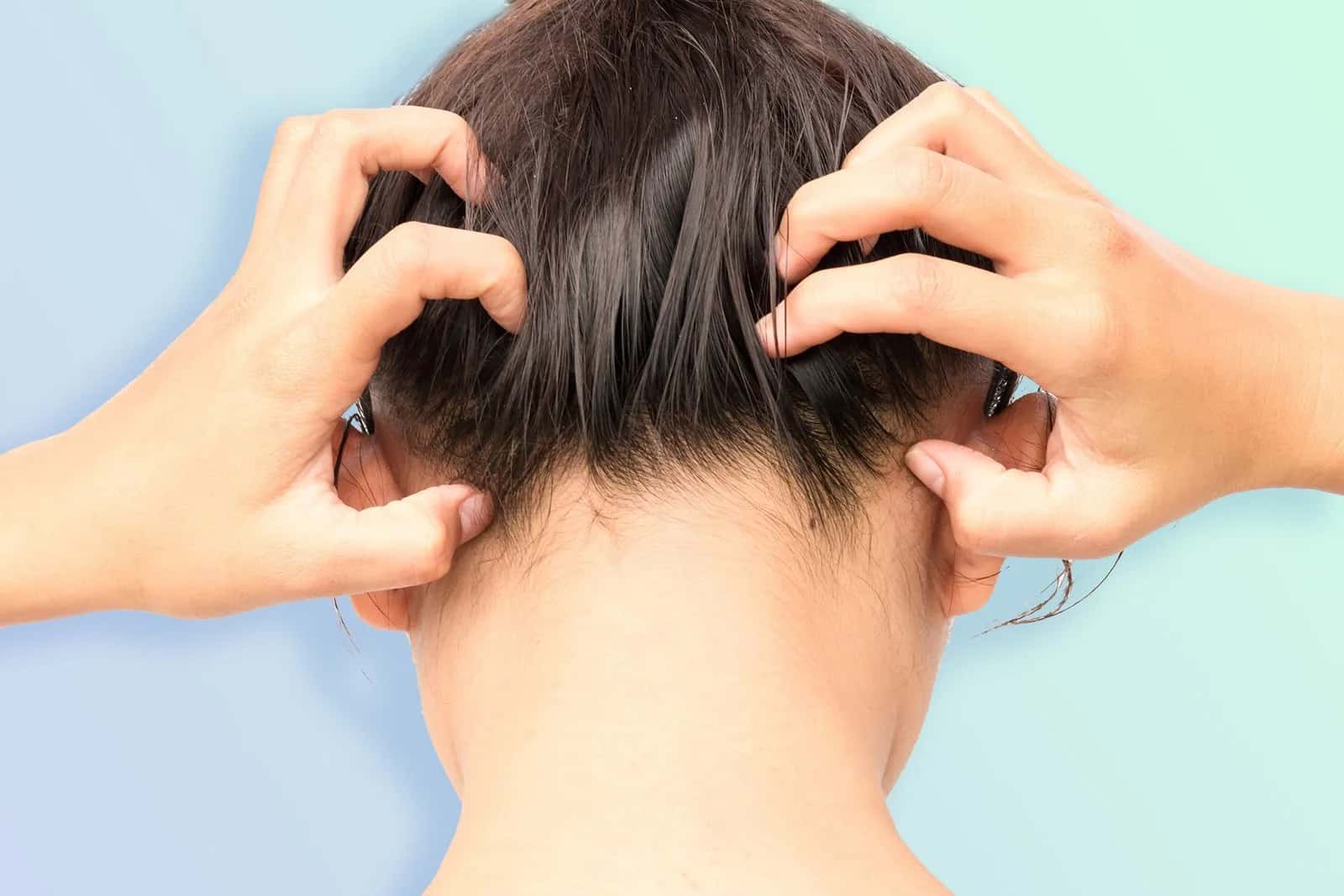
Air conditioning can dry out your scalp by reducing indoor humidity and affecting the skin's ability to maintain adequate moisture. Prolonged exposure to dry, cooled air may contribute to itching, flaking, tightness, and irritation, particularly when the scalp is already sensitive or prone to dryness.

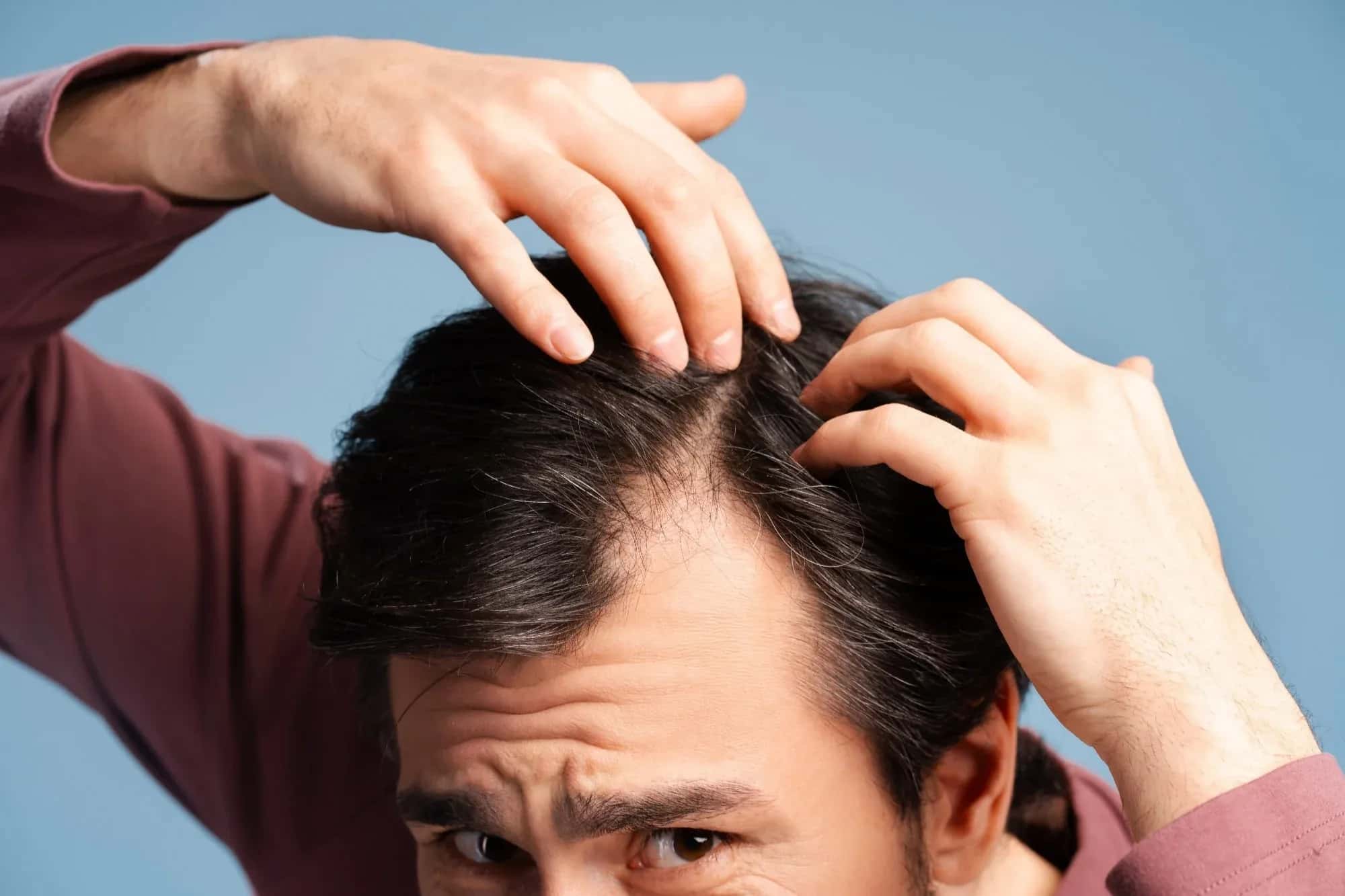
Certain dietary supplements can cause hair loss when taken in excessive amounts, particularly products containing high doses of vitamin A, selenium, or other concentrated nutrients. While supplements can help correct nutritional deficiencies that affect hair growth.
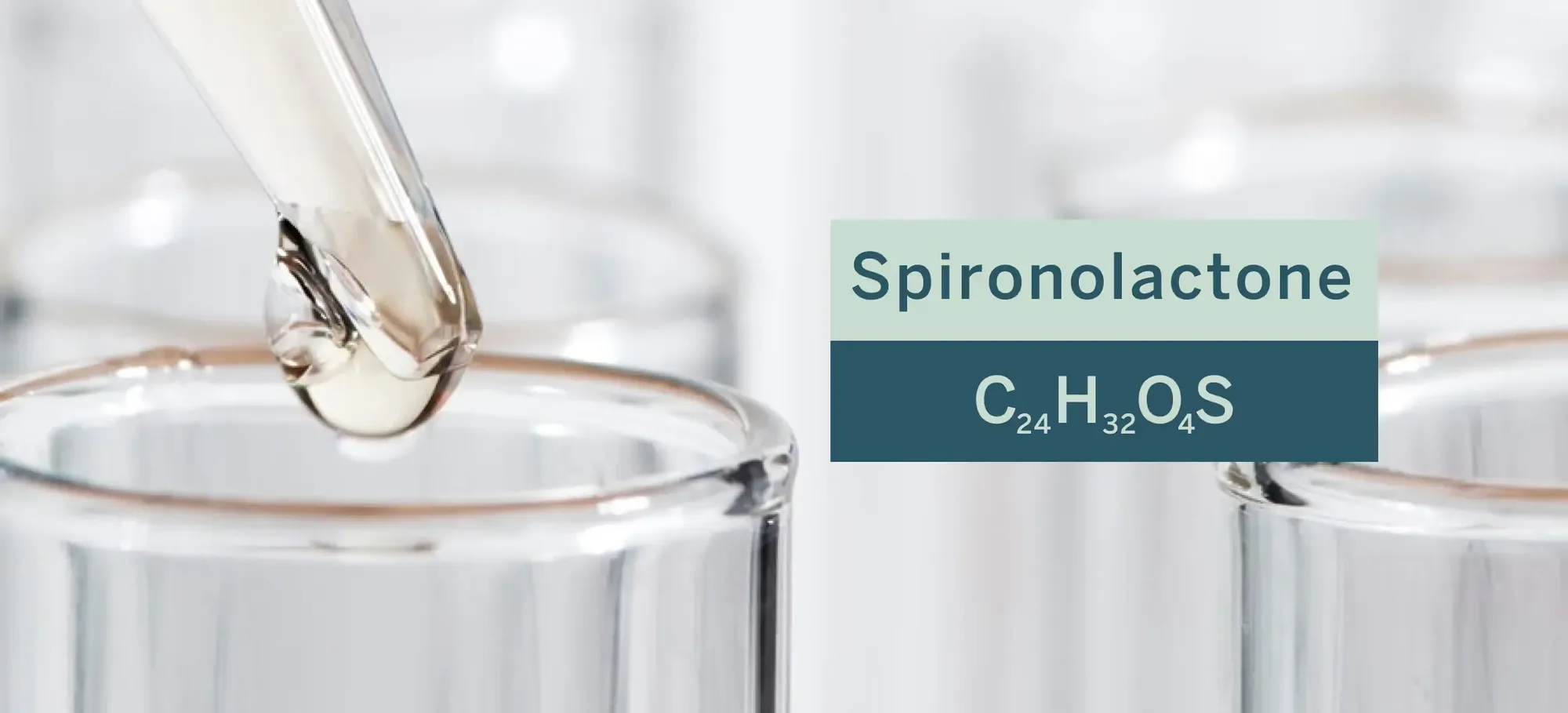
Spironolactone for female hair loss can help slow progressive thinning and improve hair density by reducing the effects of androgens on sensitive hair follicles. Although this prescription medication is not specifically approved for hair loss, clinical research supports its use in selected women.
Subscribe to the Medifinder newsletter and never miss our latest content.