










Which Vitamin Deficiency Causes Hair Loss?
Discover which vitamin deficiencies may cause hair loss, what symptoms to watch for and why testing matters before taking hair supplements.

- Last updated
- 96 reads
- 10 min read


When hair begins to fall more heavily than usual, nutrition often becomes one of the first suspected causes. You may wonder whether a missing vitamin explains the extra strands in your shower, the widening part in your hair or the gradual loss of volume.
Several vitamin and mineral deficiencies can contribute to hair loss, but no single deficiency explains every case. Low iron stores, vitamin D deficiency, zinc deficiency and, more rarely, biotin deficiency may affect normal hair growth. Vitamin B12 and folate deficiencies can also influence hair health, particularly when they occur alongside anaemia or a highly restrictive diet.
However, hair loss commonly develops for reasons unrelated to nutrition. Genetics, hormonal changes, stress, illness, medication, thyroid conditions and scalp inflammation can all alter the hair cycle. Taking supplements without confirming a deficiency may waste money, delay an accurate diagnosis or even make the shedding worse.
The best approach starts with identifying the pattern of hair loss and investigating your individual risk factors.
How Can a Nutritional Deficiency Cause Hair Loss?
Hair follicles rank among the most active structures in the body. They repeatedly produce new cells to create growing hair strands. This process requires energy, protein, vitamins and minerals.
When your body receives too little of an essential nutrient, it prioritises functions that support immediate survival. Hair growth may slow because the body does not consider it essential in the same way as heart, brain or immune function.
Nutritional stress can push more follicles from the active growth phase into the resting phase. The affected hairs usually remain in place for several weeks before they fall. This delay explains why shedding may start months after a restrictive diet, illness or period of poor nutrition.
The resulting condition often resembles telogen effluvium, which causes diffuse shedding across the scalp rather than one completely bald area.
Is Iron Deficiency the Most Common Nutritional Cause?
Iron is a mineral rather than a vitamin, but it deserves early consideration when investigating nutrition-related hair loss. Low iron stores may contribute to diffuse shedding, especially in women who experience heavy menstrual bleeding.
You may also face a greater risk if you follow a restrictive diet, donate blood regularly, recently gave birth or have a condition that affects nutrient absorption. Digestive symptoms, fatigue, weakness, pale skin, dizziness and shortness of breath may occur alongside iron deficiency, although some people notice no obvious symptoms.
Doctors often use a complete blood count and ferritin test when they suspect iron deficiency. Ferritin reflects stored iron, but illness and inflammation can affect the result. A clinician should interpret it alongside your symptoms and other test findings.
Do not take high-dose iron simply because your hair is falling. Excess iron can cause digestive problems and become harmful.
Can Vitamin D Deficiency Cause Hair Loss?
Vitamin D supports many processes involving the immune system, cell growth and normal tissue function. Researchers have also found vitamin D receptors within hair follicles, which has led to considerable interest in its role in hair growth.
Low vitamin D levels appear frequently in people with several forms of hair loss, including diffuse shedding, pattern thinning and alopecia areata. However, an association does not always prove that the deficiency caused the condition. Hair loss and low vitamin D may sometimes occur together because both are common.
Correcting a confirmed vitamin D deficiency supports general health and may help remove one factor that affects your hair. It will not necessarily reverse hereditary hair loss or an autoimmune condition on its own.
Limited sun exposure, darker skin, certain digestive disorders and restrictive diets can increase the risk of low vitamin D. A blood test can confirm your level before you begin high-dose treatment.
Does Biotin Deficiency Cause Hair Loss?
A genuine biotin deficiency can cause thinning hair and, in severe cases, loss of scalp and body hair. It may also produce a red, scaly rash, brittle nails and neurological symptoms.
Despite biotin’s strong reputation as a hair vitamin, true deficiency remains uncommon among people who eat a varied diet. Eggs, meat, fish, nuts, seeds and several vegetables naturally contain biotin, while bacteria in the digestive system may also contribute small amounts.
Certain genetic conditions, long-term consumption of large amounts of raw egg whites and some medical treatments can increase the risk of deficiency. Pregnancy may also alter biotin status in some women.
Taking extra biotin does not automatically improve hair growth when your level is already adequate. Many hair supplements provide doses far above normal nutritional needs without strong evidence that these amounts benefit people who do not have a deficiency.
Why Should You Be Careful With Biotin Supplements?
High-dose biotin may interfere with laboratory tests. It can produce misleading results in certain tests involving thyroid function, hormones and heart-related markers.
This issue matters because thyroid disorders can also cause hair loss. If a supplement distorts your results, it may complicate the investigation of the very problem you want to solve.
Tell your doctor and the laboratory about every supplement you take, including products marketed for hair, skin and nails. Do not assume that a supplement becomes irrelevant simply because you bought it without a prescription.
You may need to stop biotin before particular blood tests, but the appropriate timing depends on the dose and test. Follow the instructions from your healthcare provider rather than creating your own schedule.
Can Zinc Deficiency Make Your Hair Fall Out?
Zinc supports protein production, immune function, wound healing and normal cell activity. A significant deficiency can contribute to hair loss, skin changes, poor wound healing and reduced taste or smell.
People with chronic digestive disorders, severe dietary restrictions or conditions that interfere with absorption may have a higher risk. Long-term diarrhoea and certain surgical procedures can also affect zinc status.
Correcting a documented deficiency may support hair recovery. Taking large amounts when you do not need them will not make your hair grow faster.
Excess zinc can cause nausea and interfere with copper absorption. Over time, this may create copper deficiency, anaemia or neurological problems. Some hair supplements contain zinc alongside separate multivitamins, making accidental overconsumption easier.
Check all product labels and calculate your combined intake before using several supplements.
What About Vitamin B12 Deficiency?
Vitamin B12 helps the body produce healthy blood cells and DNA. A deficiency may cause anaemia, fatigue, weakness, numbness, balance problems and soreness of the tongue.
Researchers continue to study the relationship between vitamin B12 and hair loss. Low levels may contribute to poor hair health in some people, particularly when deficiency causes anaemia or occurs with other nutritional problems. However, vitamin B12 deficiency does not explain most cases of thinning.
People who eat little or no animal food may face a higher risk unless they consume fortified foods or supplements. Older adults, people with pernicious anaemia and those who have undergone certain stomach or intestinal procedures may struggle to absorb enough vitamin B12.
Some medications can also affect absorption. A blood test can help determine whether you need treatment.
Can Folate Deficiency Affect Your Hair?
Folate, also called vitamin B9, supports cell division and healthy blood-cell production. Since follicles contain rapidly dividing cells, severe folate deficiency may affect the skin, nails and hair.
The deficiency can also produce a type of anaemia that causes fatigue, weakness and shortness of breath. Restricted diets, poor absorption, excessive alcohol use and certain medications may increase the risk.
Evidence does not support taking folic acid as a general hair-growth treatment when your level remains normal. Large supplemental doses can also hide some signs of vitamin B12 deficiency while allowing neurological damage to progress.
A clinician should evaluate both nutrients when your symptoms or blood results suggest a problem. Treating only one part of a combined deficiency may leave the underlying issue unresolved.
Do Other B-Vitamin Deficiencies Cause Hair Loss?
Severe deficiencies of riboflavin, niacin and other B vitamins may affect the skin and hair, but these problems remain relatively uncommon in people who eat a balanced diet.
They usually occur alongside broader malnutrition, an absorption disorder, alcohol dependence or a highly restrictive eating pattern. In these situations, hair loss rarely appears as the only symptom.
You may also develop mouth sores, skin inflammation, digestive problems, weakness or neurological symptoms, depending on the nutrient involved.
B-complex supplements often provide several times the recommended daily amount of each vitamin. This does not mean they improve growth more effectively. Your body needs adequate nutrition, not the largest possible dose.
A varied diet usually offers a more reliable foundation than a supplement marketed as a complete hair solution.
Can Vitamin C Deficiency Contribute to Hair Loss?
Vitamin C supports collagen production and helps the body absorb non-haem iron from plant foods. A severe deficiency may cause fragile skin, easy bruising, bleeding gums, slow wound healing and unusual changes in body hair.
Vitamin C deficiency rarely causes ordinary pattern hair loss by itself. However, inadequate intake may indirectly affect the hair by reducing iron absorption, particularly when most dietary iron comes from plant sources.
Fruit and vegetables usually provide enough vitamin C. Citrus fruits, berries, peppers, tomatoes, broccoli and potatoes all contribute useful amounts.
Taking very high doses will not make follicles grow faster. Excessive supplementation can cause digestive symptoms and may create problems for people with certain medical conditions.
Focus on regular food sources unless your healthcare provider identifies a specific reason for supplementation.
Can Too Many Vitamins Cause Hair Loss?
Deficiency is not the only nutritional problem that can affect your hair. Excessive intake of certain supplements can also trigger shedding.
Too much preformed vitamin A may cause hair loss alongside dry skin, headaches, nausea or other symptoms. This risk generally relates to concentrated supplements and some medications rather than ordinary consumption of colourful vegetables, which mainly provide carotenoids.
Excess selenium can cause noticeable hair and nail changes. It may also produce a metallic taste, digestive symptoms or a garlic-like breath odour.
Many hair supplements combine selenium, vitamin A, zinc and other ingredients. Using several products at once may push your total intake above safe levels without your realising it.
Review the entire label instead of focusing on one well-known ingredient. A supplement can contain both useful and unnecessary components.
Does Protein Deficiency Cause Hair Loss?
Protein is not a vitamin, but low intake can strongly affect hair growth. The hair shaft mainly consists of keratin, a structural protein made from amino acids.
Severe calorie restriction, rapid weight loss or an unbalanced vegan or vegetarian diet can leave you with insufficient protein. Appetite-suppressing medication, digestive illness and poorly planned meal-replacement diets may create the same problem.
Protein-related shedding usually affects the scalp diffusely and may begin several months after the dietary change. Improving your intake can help, but regrowth will not appear immediately.
Include varied protein sources such as eggs, fish, poultry, dairy foods, beans, lentils, soy products, nuts and seeds. The right amount depends on your body size, health and activity level, so individual needs vary.
What Does Deficiency-Related Hair Loss Look Like?
Nutritional deficiencies usually cause general thinning or excessive shedding rather than a clearly defined bald patch. You may notice more strands in the shower, a smaller ponytail or reduced coverage across the scalp.
Several deficiencies can occur together, especially after rapid weight loss or prolonged dietary restriction. The appearance alone cannot identify which nutrient you lack.
Smooth circular patches may suggest alopecia areata. A receding hairline or gradual crown thinning often follows a hereditary pattern. Redness, pain, burning, sores or heavy scaling may indicate inflammation or infection.
These differences explain why supplements should not replace a diagnosis. You can have normal vitamin levels and still experience significant hair loss from genetics, hormones or an immune-related condition.
Which Blood Tests May Help?
A clinician will select tests according to your symptoms, medical history and hair loss pattern. There is no universal vitamin panel that suits every patient.
Common investigations may include a complete blood count, ferritin, thyroid function, vitamin D, vitamin B12 and folate. Your doctor may consider zinc or other tests when your diet, health history or symptoms suggest a specific risk.
Mention recent weight loss, digestive problems, menstrual bleeding, pregnancy, medication and every supplement you take. These details often provide more useful clues than a broad collection of laboratory results.
Do not interpret one borderline result in isolation. Reference ranges, inflammation and individual circumstances can affect the meaning of a test.
Will Hair Grow Back After You Correct a Deficiency?
Hair often recovers when a nutritional deficiency caused the shedding and the follicles remain healthy. However, the process takes time.
Shedding may continue for several weeks after treatment begins because hairs that already entered the resting stage still need to complete that phase. You may notice reduced shedding before you see greater density.
New growth usually appears as short strands around the part or hairline. Visible improvement may take six months, while fuller recovery can require a year or longer.
If your hair does not improve after correcting the deficiency, another condition may exist at the same time. Hereditary thinning, thyroid disease and scalp inflammation can continue independently.
- Last updated
- Language
- English
How did you find this article?
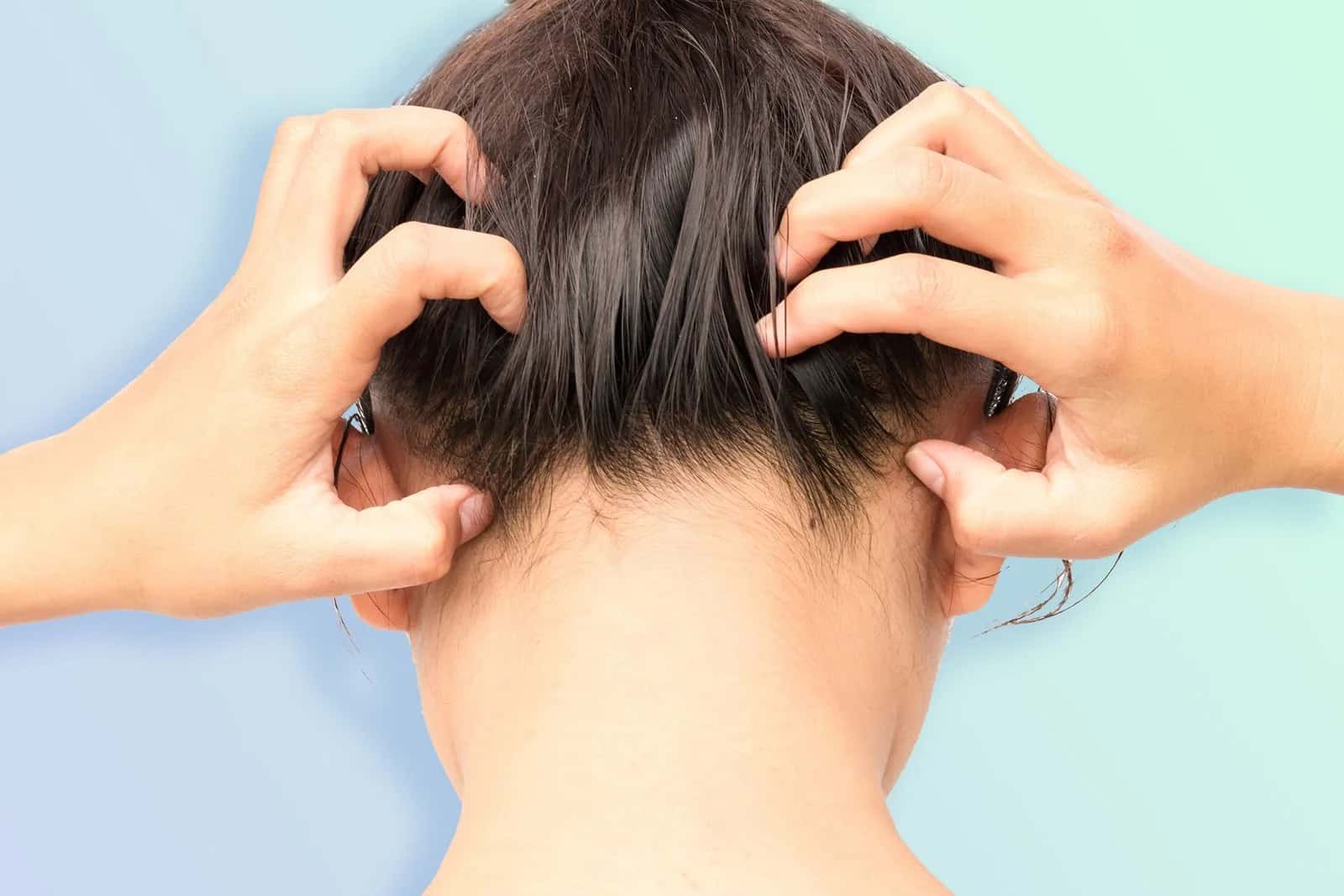
Air conditioning can dry out your scalp by reducing indoor humidity and affecting the skin's ability to maintain adequate moisture. Prolonged exposure to dry, cooled air may contribute to itching, flaking, tightness, and irritation, particularly when the scalp is already sensitive or prone to dryness.
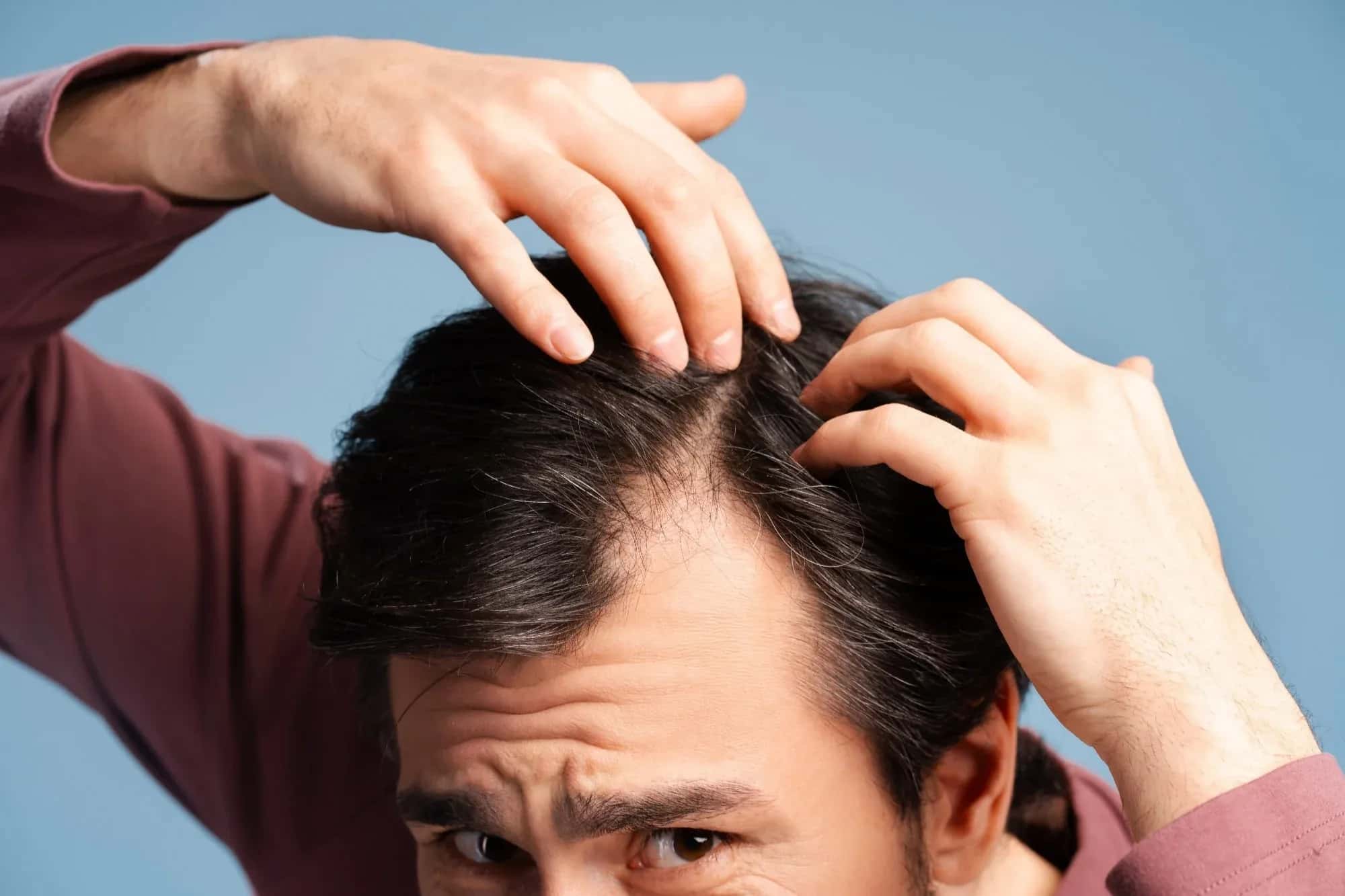
Certain dietary supplements can cause hair loss when taken in excessive amounts, particularly products containing high doses of vitamin A, selenium, or other concentrated nutrients. While supplements can help correct nutritional deficiencies that affect hair growth.
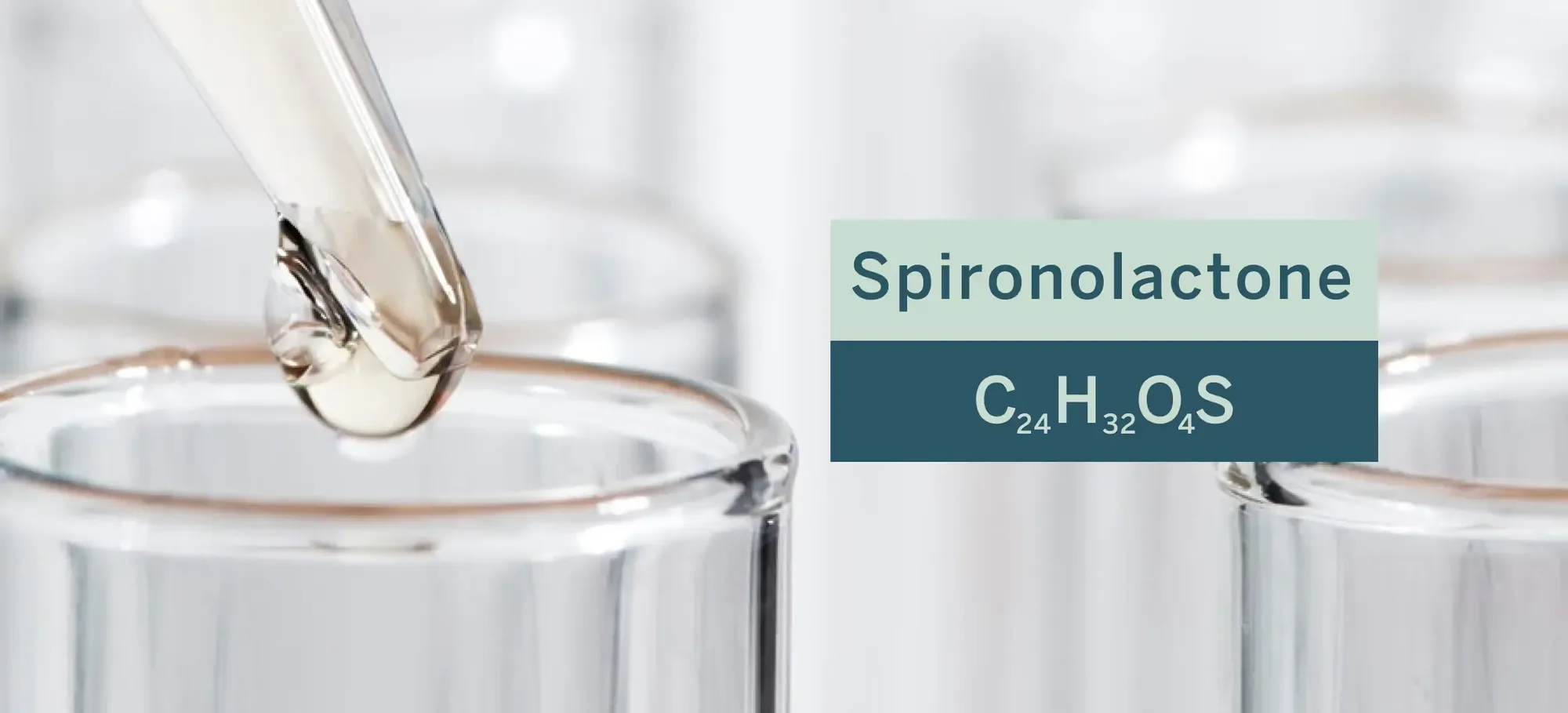
Spironolactone for female hair loss can help slow progressive thinning and improve hair density by reducing the effects of androgens on sensitive hair follicles. Although this prescription medication is not specifically approved for hair loss, clinical research supports its use in selected women.
Subscribe to the Medifinder newsletter and never miss our latest content.