










Minoxidil vs Finasteride
Minoxidil stimulates hair follicles to support hair growth, while finasteride reduces the hormone linked to androgenetic hair loss, helping slow or stop further shedding.

- Last updated
- 111 reads
- 8 min read


Minoxidil vs finasteride
Minoxidil and finasteride are two of the most common treatments for hair loss, but they work in different ways. Minoxidil stimulates hair follicles to support hair growth, while finasteride reduces the hormone linked to androgenetic hair loss, helping slow or stop further shedding. Because they target different causes of hair loss, the best option depends on your diagnosis, age, and treatment goals.
| Feature | Minoxidil | Finasteride |
|---|---|---|
| How it works | Stimulates hair follicles and prolongs the growth phase | Blocks the conversion of testosterone to DHT |
| Best for | Men and women with pattern hair loss | Primarily men with androgenetic alopecia |
| Application | Topical solution/foam (usually twice daily) or oral form in some cases | Oral tablet (typically once daily) |
| Main benefit | Promotes hair regrowth | Slows hair loss and may promote regrowth |
| Time to see results | Around 3–6 months | Around 3–6 months |
| Common side effects | Scalp irritation, itching, dryness | Reduced libido, erectile dysfunction, decreased semen volume (in some users) |
| FDA approval | Men and women (topical forms) | Men only for hair loss |
For many people with male pattern baldness, combining minoxidil and finasteride may provide better results than using either treatment alone because they address different aspects of hair loss. However, neither medication permanently cures hair loss. Benefits usually continue only while treatment is maintained, and stopping either medication may lead to renewed hair shedding over time.
Before starting treatment, consult a healthcare professional to determine which option is appropriate for your specific type of hair loss and medical history.
What is the main difference between minoxidil and finasteride?
Minoxidil stimulates hair growth, while finasteride reduces the hormonal process driving male pattern hair loss. Minoxidil is usually applied directly to the scalp as a solution or foam. Finasteride is generally taken orally under medical supervision. Therefore, each treatment approaches androgenetic alopecia through a different pathway.
Minoxidil can support weakened follicles in both men and women. Finasteride primarily treats male pattern hair loss by reducing dihydrotestosterone levels. Neither option restores follicles that have permanently disappeared. Your diagnosis, medical history, hair-loss pattern, and treatment preferences should guide the final choice.
How does minoxidil work for hair loss?
Minoxidil supports hair growth by helping weakened follicles remain active for longer periods. The topical treatment is applied directly to areas affected by gradual pattern thinning. Regular use may increase hair diameter and improve visible scalp coverage. However, it does not directly block the hormonal cause of androgenetic alopecia. Early shedding can occur when follicles begin entering a new growth cycle. This temporary change does not always indicate worsening hair loss. Results usually require consistent use over several months. You should apply the product exactly as directed and avoid exceeding the recommended amount.
How does finasteride work for hair loss?
Finasteride treats male pattern hair loss by reducing the conversion of testosterone into dihydrotestosterone. Dihydrotestosterone can gradually shrink genetically sensitive follicles across the scalp. By lowering this hormonal activity, finasteride may slow further thinning. It can also support improved density in responsive follicles. However, the treatment does not create new follicles or reverse every advanced bald area. Benefits usually develop gradually because hair growth follows a slow biological cycle. Finasteride requires continued use to maintain its effects. You should discuss personal risks, medical history, and monitoring requirements before beginning treatment.
Is minoxidil or finasteride more effective?
Finasteride may better control hormonal progression in men, while minoxidil directly supports follicular growth. Therefore, the more suitable treatment depends on your diagnosis and personal circumstances. Finasteride often focuses on preserving existing hair affected by dihydrotestosterone. Minoxidil can improve growth activity without altering androgen levels. Individual responses vary according to age, genetics, hair-loss duration, and treatment consistency. Advanced smooth areas usually respond less than recently thinning regions. Women generally receive different recommendations because finasteride has important reproductive restrictions. A clinician can compare expected benefits with possible risks before recommending either option.
Which treatment produces results faster?
Neither treatment produces immediate results, although minoxidil may create visible changes slightly earlier for some users. Minoxidil often requires several months before measurable growth becomes noticeable. Finasteride also needs continued use because hormonal control affects future hair cycles gradually.
Early improvement may involve reduced shedding rather than obvious new density. Hair usually grows slowly, so photographs provide better comparisons than daily mirror checks. Results can continue developing throughout the first year. Stopping early may prevent you from seeing the full response. Your clinician can assess progress using consistent lighting, angles, and scalp measurements.
Who may benefit from topical minoxidil?
Topical minoxidil may benefit adults experiencing gradual hereditary thinning on appropriate scalp areas. It can be considered for both men and women using suitable formulations. However, sudden, patchy, unexplained, or inflammation-related hair loss requires medical assessment first. Minoxidil may be less effective where follicles have remained inactive for many years. Scalp health also influences comfort and product absorption. You should not apply it to irritated, infected, or injured skin. Pregnancy, breastfeeding, cardiovascular conditions, and other medications may affect suitability. A proper diagnosis prevents unsuitable self-treatment and helps establish realistic expectations.
Who may benefit from finasteride?
Finasteride may benefit adult men with early or moderate androgenetic hair loss and ongoing follicular miniaturisation. It is particularly relevant when hormonal progression continues despite other supportive measures. However, it is not suitable for every patient experiencing hair thinning. Sudden shedding, scarring alopecia, nutritional problems, or thyroid conditions require different evaluation. Finasteride also carries important pregnancy-related restrictions and is generally unsuitable during pregnancy. Your medical history, mood symptoms, sexual health, fertility plans, and current medications deserve consideration. A qualified clinician should confirm the diagnosis and explain the expected balance between benefits and risks.
What are the common side effects of minoxidil?
Minoxidil commonly causes scalp irritation, dryness, itching, flaking, or temporary increased shedding. Unwanted facial hair can develop when the product spreads beyond the intended scalp area. Careful application and handwashing can reduce accidental transfer. Some users may also experience headaches or changes in hair texture. Dizziness, chest discomfort, rapid heartbeat, swelling, or breathing difficulty require prompt medical attention. Using larger amounts does not improve results and may increase unwanted effects.
Foam and solution formulations can feel different on sensitive skin. You should stop treatment and seek advice when significant symptoms appear.
What are the important side effects of finasteride?
Finasteride can cause sexual, reproductive, breast-related, or psychological side effects in some patients. Reported sexual effects include reduced libido, erectile difficulties, and changes in ejaculation. Mood changes, depression, and suicidal thoughts require immediate professional attention. Some sexual symptoms have been reported after treatment discontinuation.
Breast tenderness, enlargement, lumps, or nipple discharge also require medical assessment. These risks do not affect every patient, but they deserve clear discussion before treatment. You should review the patient information supplied with your medication. Contact your prescriber promptly when new psychological, sexual, or physical symptoms develop.
Can minoxidil and finasteride be used together?
Minoxidil and finasteride can be combined when a clinician considers both treatments appropriate for your condition. The combination addresses hair loss through two different mechanisms. Finasteride reduces hormonal pressure on sensitive follicles. Meanwhile, minoxidil supports follicular activity and visible growth. This approach may offer broader management than either treatment alone for some men. However, combining treatments also increases cost, routine complexity, and possible side effects. You should not begin several products simultaneously without understanding each one. Introducing treatments through a structured plan can make side effects easier to identify and manage.
What happens after stopping minoxidil or finasteride?
Hair benefits usually diminish after stopping either minoxidil or finasteride because neither treatment permanently changes genetic susceptibility. Minoxidil-supported hairs may gradually return toward their previous growth pattern. Finasteride discontinuation allows dihydrotestosterone activity to increase again. Consequently, preserved or improved hair may thin during following months. The exact timeline differs between patients. Temporary interruptions may also affect consistency and visible progress. You should discuss stopping plans with your prescriber, especially after side effects. Alternative treatments may sometimes support a transition. Long-term therapy requires realistic expectations, regular reassessment, and willingness to maintain the chosen routine.
Does the comparison include oral minoxidil?
Most minoxidil versus finasteride comparisons concern topical minoxidil and oral finasteride for pattern hair loss. Oral minoxidil was originally developed for blood-pressure treatment. Some clinicians prescribe lower oral doses for hair loss outside standard licensed indications. This approach requires medical supervision because systemic effects can occur. Possible concerns include fluid retention, increased heart rate, dizziness, and unwanted body hair. Therefore, oral minoxidil should not be treated like a routine cosmetic supplement. Your cardiovascular history and other medications require careful review. Topical minoxidil generally limits systemic exposure, although side effects remain possible.
Is minoxidil or finasteride better for the hairline?
Neither treatment guarantees hairline restoration, although both may help responsive follicles affected by early thinning. Finasteride can slow hormonal miniaturisation across genetically sensitive scalp regions. Minoxidil may strengthen weakened follicles where active growth potential remains. However, completely smooth areas usually respond less predictably to medication. Hairline changes are also visually noticeable, making modest improvements appear limited. Starting treatment earlier can preserve more existing follicles. Your clinician should examine whether the hairline contains miniaturised hairs or permanent follicular loss. Surgical restoration may be considered when medication cannot produce the desired coverage.
Is minoxidil or finasteride better for crown thinning?
Both treatments may help crown thinning, although their suitability depends on sex, diagnosis, and medical history. Topical minoxidil is commonly used on gradual thinning across the upper scalp. Finasteride may slow hormonal miniaturisation affecting the crown in suitable male patients. The crown often contains weakened follicles before complete baldness develops. Therefore, early treatment may preserve more visible coverage. Combination therapy can be considered when one treatment alone provides insufficient control. However, crown improvement still requires several months of consistent use. Standardised photographs can help you evaluate progress more accurately than frequent visual checking.
Can women use minoxidil or finasteride?
Women can use suitable topical minoxidil formulations, while finasteride requires much stricter medical consideration. Minoxidil may support growth in women with diagnosed pattern hair loss. The formulation and application schedule should follow professional or product guidance. Finasteride is generally avoided during pregnancy because it can harm fetal development. Women who could become pregnant require specialist assessment and reliable precautions. Even after menopause, finasteride remains an individual medical decision rather than routine treatment. Female hair loss also has several possible causes. Blood tests, scalp examination, and medical history may identify conditions requiring different treatment.
How should you choose between minoxidil and finasteride?
You should choose between minoxidil and finasteride after confirming your diagnosis, risks, goals, and preferred treatment routine. Minoxidil may suit patients seeking a topical option without hormonal action. Finasteride may suit eligible men needing stronger control of androgen-related progression. However, convenience should not replace a medical risk assessment. Consider application frequency, prescription requirements, side effects, fertility plans, and long-term commitment. Your hair-loss stage also affects the likely benefit. A clinician can document baseline density and monitor changes objectively. The best option is the treatment you can use safely, consistently, and realistically.
- Last updated
- Language
- English
How did you find this article?
Air conditioning can dry out your scalp by reducing indoor humidity and affecting the skin's ability to maintain adequate moisture. Prolonged exposure to dry, cooled air may contribute to itching, flaking, tightness, and irritation, particularly when the scalp is already sensitive or prone to dryness.
Certain dietary supplements can cause hair loss when taken in excessive amounts, particularly products containing high doses of vitamin A, selenium, or other concentrated nutrients. While supplements can help correct nutritional deficiencies that affect hair growth.
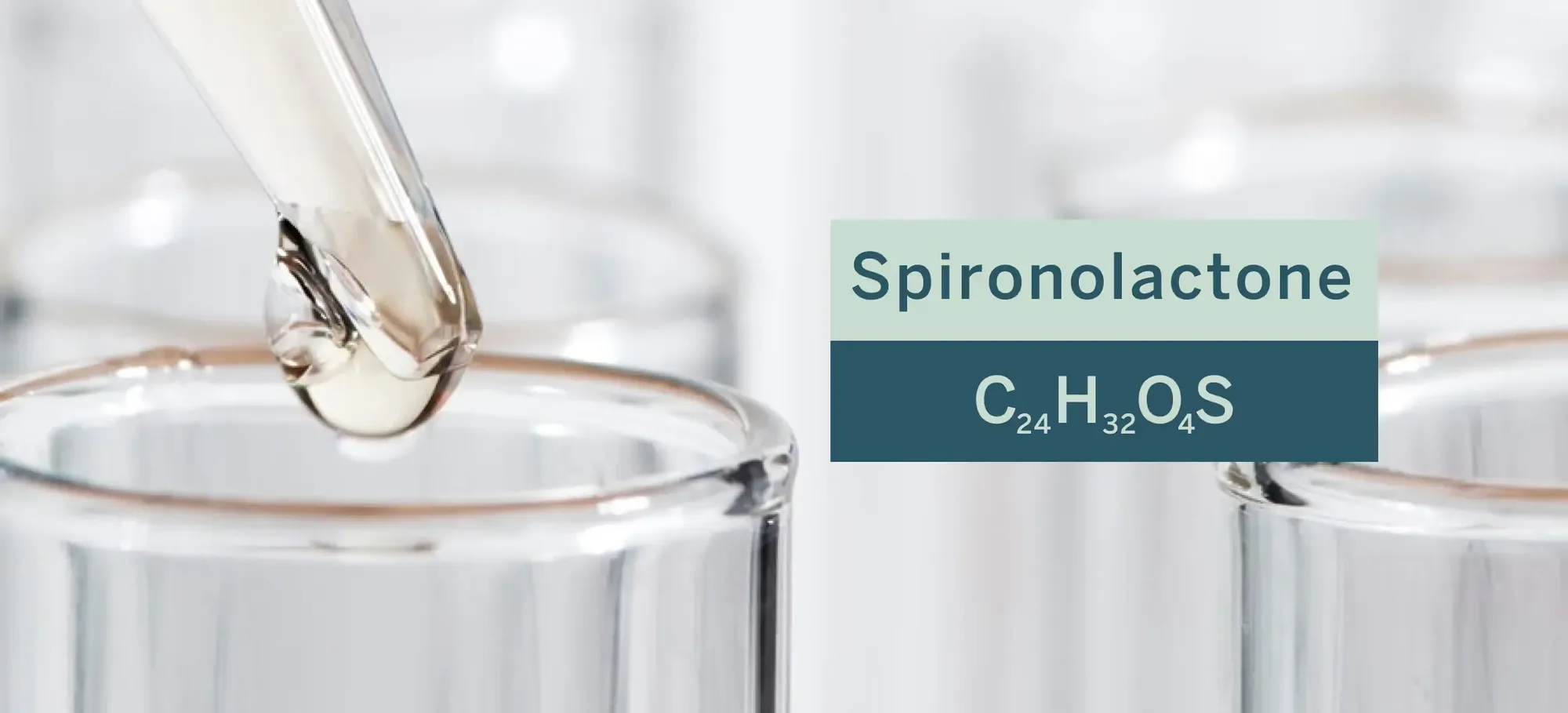
Spironolactone for female hair loss can help slow progressive thinning and improve hair density by reducing the effects of androgens on sensitive hair follicles. Although this prescription medication is not specifically approved for hair loss, clinical research supports its use in selected women.
Subscribe to the Medifinder newsletter and never miss our latest content.