










Can Supplements Cause Hair Loss?
Certain dietary supplements can cause hair loss when taken in excessive amounts, particularly products containing high doses of vitamin A, selenium, or other concentrated nutrients. While supplements can help correct nutritional deficiencies that affect hair growth.

- Last updated
- 5 reads
- 9 min read
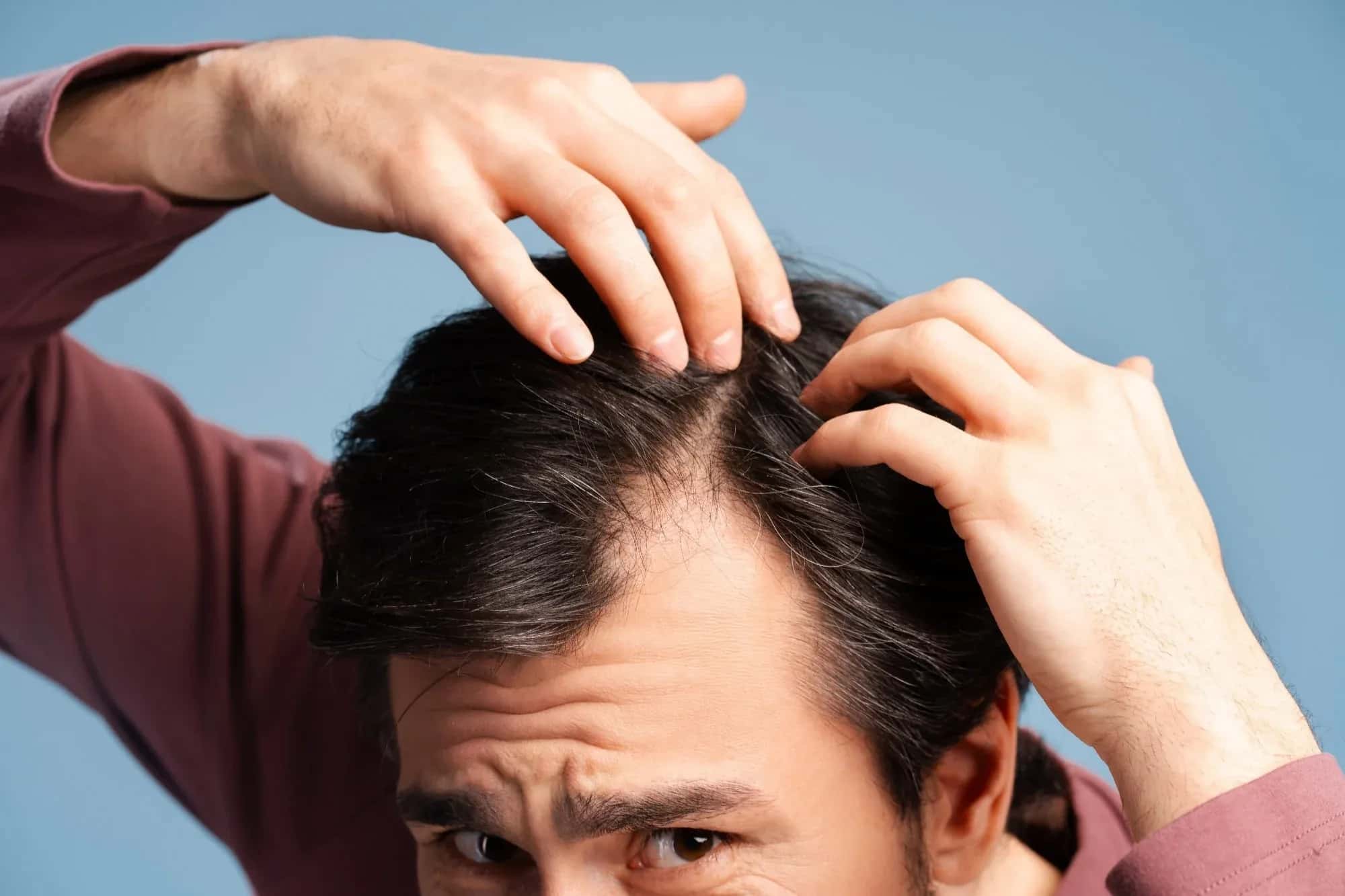


Can Taking Supplements Cause Hair Loss?
Dietary supplements are often associated with healthier hair, stronger nails, and improved overall nutrition, but their effects depend on the ingredients, dosage, and nutritional needs of the person taking them. An essential nutrient can support normal hair growth at appropriate levels while becoming harmful when consumed in excessive amounts.
Hair follicles are highly active structures that continuously produce new cells during the growth phase. They depend on adequate protein, vitamins, minerals, and energy to maintain this process. When nutritional balance becomes disrupted, hair production may slow, and some follicles can enter the resting phase earlier than expected.
However, developing hair loss after starting a supplement does not automatically mean the product caused it. Genetic hair thinning, hormonal changes, illness, medication, and nutritional deficiencies can produce similar symptoms, making it important to distinguish a genuine supplement-related reaction from an unrelated condition.
Which Vitamins and Minerals Can Cause Hair Loss?
Several nutrients have been associated with increased hair shedding when consumed in excessive quantities. The strongest concerns involve vitamin A and selenium, while other nutrients may contribute indirectly through imbalances or toxicity.
Vitamin A: Excessive Intake and Hair Shedding
Vitamin A supports normal cellular growth, immune function, and skin health, including processes relevant to hair follicles. However, excessive intake of preformed vitamin A can cause hypervitaminosis A, a condition that may lead to diffuse hair thinning alongside other symptoms.
People who develop vitamin A toxicity may experience dry skin, headaches, nausea, and changes in hair texture or density. The risk increases when high-dose supplements are taken regularly or combined with other products containing retinol or retinyl esters.
For adults, the established tolerable upper intake level for preformed vitamin A is 3,000 micrograms of retinol activity equivalents daily. This limit differs from recommendations for beta-carotene, which the body converts into vitamin A as needed.
Regularly eating vegetables containing beta-carotene does not carry the same toxicity risk as taking excessive amounts of concentrated preformed vitamin A.
Selenium: When an Essential Mineral Becomes Harmful
Selenium plays an important role in antioxidant defense and thyroid function, both of which contribute to normal physiological processes. Nevertheless, excessive selenium intake can cause a toxic condition known as selenosis, with hair loss and brittle nails among its characteristic symptoms.
Additional warning signs may include digestive discomfort, a metallic taste, unusual breath odor, and neurological symptoms. These problems can develop when people consume large quantities over time or accidentally exceed recommended amounts through overlapping supplements.
The adult upper intake level for selenium is 400 micrograms daily from all dietary sources. Because selenium appears in multivitamins, hair supplements, and certain foods, calculating the total amount matters more than reviewing an individual product in isolation.
Zinc: The Risk of Nutritional Imbalance
Zinc contributes to protein synthesis, tissue repair, and normal follicular function, and a significant deficiency can lead to hair thinning. However, taking additional zinc when nutritional levels are already adequate does not necessarily improve hair growth.
Prolonged excessive zinc supplementation can interfere with copper absorption, potentially causing copper deficiency, anemia, and neurological complications. This imbalance may complicate overall health and contribute to nutritional problems associated with impaired hair growth.
The adult upper intake level for zinc is 40 milligrams daily from all sources. Higher amounts may be prescribed for specific medical conditions, but long-term self-supplementation without an established need creates unnecessary risks.
Vitamin E and High-Dose Antioxidants
Vitamin E protects cell membranes against oxidative damage and contributes to normal cellular function. Although adequate intake supports general health, there is limited evidence that extra vitamin E improves hair growth in people who already consume sufficient amounts.
Excessive vitamin E supplementation has been associated with concerns about hair loss, although evidence for a direct causal relationship remains less established than for vitamin A or selenium. High doses can also increase bleeding risk, particularly when combined with certain medications.
Can Hair Growth Supplements Make Hair Shedding Worse?
Products marketed specifically for hair growth often combine multiple vitamins, minerals, botanical extracts, and amino acids. These formulations may appear comprehensive, but a long ingredient list does not necessarily indicate greater effectiveness.
One overlooked problem is nutrient duplication. Someone taking a daily multivitamin, a separate hair supplement, and an additional skin formula may unknowingly consume several times the intended amount of certain ingredients.
Manufacturers also commonly emphasize high percentages of daily nutritional values, which can encourage the assumption that larger quantities produce stronger results. Hair follicles do not respond to unlimited nutritional intake in this way, and correcting a deficiency differs considerably from increasing already adequate nutrient levels.
Reviewing the complete supplement facts panel, including serving size and active ingredient quantities, helps identify potentially excessive intake before symptoms develop.
Does Biotin Cause Hair Loss?
Biotin, also called vitamin B7, participates in metabolic processes that support normal cellular function. A genuine biotin deficiency can cause hair thinning, although this condition is uncommon among people following a varied diet.
Despite its reputation as a hair growth ingredient, high-dose biotin has not demonstrated consistent benefits for people without a deficiency. Importantly, there is no convincing evidence that biotin itself directly causes hair loss at commonly studied supplemental doses.
Its more significant concern involves laboratory testing. High concentrations of biotin can interfere with certain blood tests, including tests used to evaluate thyroid function and other medical conditions.
Because thyroid disorders can cause noticeable hair shedding, misleading test results may complicate an accurate diagnosis. Anyone taking high-dose biotin should disclose its use before blood tests and follow the laboratory's instructions about whether supplementation needs to be temporarily interrupted.
Does Creatine Cause Hair Loss?
Creatine is widely used to support strength, exercise performance, and muscle recovery. Concerns about creatine and hair loss largely originated from an earlier investigation reporting increased dihydrotestosterone, or DHT, levels in a small group of athletes.
DHT contributes to androgenetic alopecia in people with genetically sensitive hair follicles, which led to speculation that creatine might accelerate male pattern baldness.
However, increased DHT in one small study did not establish that creatine causes hair loss. A subsequent randomized trial involving 12 weeks of creatine supplementation found no significant differences in DHT levels or measured hair growth characteristics compared with placebo.
Current evidence therefore does not demonstrate that standard creatine supplementation causes baldness. Nevertheless, research remains limited in duration, and the available findings cannot establish every possible long-term outcome.
Can Whey Protein or Protein Powder Cause Hair Thinning?
Protein supplements provide amino acids needed for tissue maintenance, including the production of keratin, the main structural protein found in hair.
Whey protein has occasionally been associated with concerns about hormonal activity and male pattern hair loss, but direct clinical evidence establishing that ordinary whey protein consumption causes hair shedding remains insufficient.
The nutritional context matters considerably. Someone replacing balanced meals with protein shakes while consuming too few calories may develop shedding associated with energy restriction, even when protein intake appears adequate.
Similarly, excessive focus on a single nutrient can leave important dietary needs unmet. Protein supplementation itself should not be confused with the effects of an unbalanced or restrictive eating pattern.
What About Collagen, Iron and Vitamin D Supplements?
Collagen supplements are frequently promoted for stronger hair, but clinical evidence demonstrating substantial hair regrowth remains limited. There is also no established evidence that standard collagen supplementation directly causes hair loss.
Iron presents a different concern because deficiency can contribute to shedding, particularly in people with heavy menstrual bleeding or inadequate dietary intake. However, unnecessary high-dose iron supplementation can cause toxicity and should not be used simply because hair appears thinner.
Vitamin D has received attention because low levels are associated with several hair loss conditions. Correcting a confirmed deficiency supports normal physiological function, although taking excessive vitamin D does not guarantee improved hair density and can produce serious metabolic complications.
For a clearer understanding of nutrient-related shedding, the guide to vitamin deficiencies that cause hair loss explains how insufficient levels of essential nutrients can affect normal follicular activity.
How Does Supplement-Related Hair Loss Develop?
Hair follicles move through a repeating cycle of growth, transition, rest, and shedding. A nutritional disturbance can interrupt this balance, sometimes pushing a larger number of follicles into the resting phase.
When this process occurs, the resulting condition may resemble telogen effluvium, which produces increased shedding across the scalp rather than a sharply defined bald area.
Hair loss associated with physiological stress often becomes noticeable two to three months after the triggering event. This delay can make identifying the cause difficult, particularly when someone has recently introduced several supplements or changed their diet.
Not every supplement-related reaction follows the same pattern, however, and symptoms of significant nutrient toxicity may appear alongside hair loss. Understanding the timing and accompanying symptoms can help distinguish excessive nutrient exposure from other causes of shedding.
How to Tell if Supplements Are Causing Your Hair Loss
Identifying a possible connection requires examining more than the date when hair loss became noticeable. The amount consumed, duration of use, and combination of ingredients all provide important clues.
A useful starting point is reviewing every supplement taken during the previous several months, including multivitamins, workout products, beauty formulas, and fortified nutritional drinks.
Hair shedding accompanied by brittle nails, persistent nausea, unusual fatigue, or skin changes may raise concern about excessive nutrient intake. However, these symptoms are not specific enough to confirm toxicity without further evaluation.
Blood tests may help investigate suspected nutritional deficiencies or particular toxic exposures, while assessment of the hair loss pattern can identify alternative causes such as androgenetic alopecia or thyroid disease.
Progressive thinning around the temples or crown, for example, may indicate hereditary hair loss rather than a supplement reaction.
What Should You Do if Your Hair Starts Falling Out After Taking Supplements?
When increased shedding begins after introducing a supplement, the first priority is identifying the ingredients and checking whether the product duplicates nutrients already supplied by other sources.
Nonessential high-dose supplements should be reviewed with a healthcare professional, particularly when symptoms suggest excessive vitamin or mineral exposure. Prescribed supplements used to treat a diagnosed deficiency should not be discontinued without reviewing the original reason for treatment.
Avoid introducing additional hair growth products before understanding the cause of shedding. Adding more ingredients can complicate the investigation and potentially increase exposure to nutrients already present in excessive amounts.
If hair loss persists, examining established hair loss treatments and their effectiveness can help distinguish approaches supported by clinical evidence from supplements with uncertain benefits.
Will Hair Grow Back After Supplement-Related Hair Loss?
Hair shedding caused by a reversible nutritional disturbance often improves once the underlying problem has been corrected, provided the follicles remain capable of producing new hair.
However, recovery does not happen immediately because affected follicles must progress through their natural growth cycle. Shedding may take several weeks or months to settle, while noticeable improvements in hair density can require additional time.
The final outcome also depends on whether another condition contributes to the thinning. Someone experiencing both excessive nutrient intake and hereditary hair loss may recover from temporary shedding while continuing to experience gradual follicular miniaturization.
When Are Supplements Actually Helpful for Hair Growth?
Supplements have a legitimate role when they correct an established deficiency affecting normal hair production. Iron, zinc, vitamin D, and certain other nutrients may require replacement when dietary intake, absorption, or medical conditions prevent the body from maintaining adequate levels.
Nevertheless, improving nutritional status should not be confused with treating every form of hair loss. Genetic follicular sensitivity, autoimmune activity, and inflammatory scalp disorders involve mechanisms that additional vitamins cannot necessarily reverse.
A balanced diet containing adequate protein, varied vegetables, whole grains, healthy fats, and appropriate micronutrients provides a stronger foundation for hair health than repeatedly increasing supplement doses.
- Last updated
- Language
- English
How did you find this article?
Spironolactone for female hair loss can help slow progressive thinning and improve hair density by reducing the effects of androgens on sensitive hair follicles. Although this prescription medication is not specifically approved for hair loss, clinical research supports its use in selected women.
Health insurance in the United States generally does not cover hair transplants because insurers classify most hair restoration procedures as cosmetic surgery. However, certain reconstructive procedures following serious injuries, burns, or medical conditions may qualify for coverage under specific insurance rules.

Ginseng for hair loss has attracted scientific interest because its active compounds may support hair follicle activity and influence the natural hair growth cycle. Although laboratory findings and small clinical studies suggest potential benefits.
Subscribe to the Medifinder newsletter and never miss our latest content.