










Can Air Conditioning Dry Out Your Scalp?
Air conditioning can dry out your scalp by reducing indoor humidity and affecting the skin's ability to maintain adequate moisture. Prolonged exposure to dry, cooled air may contribute to itching, flaking, tightness, and irritation, particularly when the scalp is already sensitive or prone to dryness.

- Last updated
- 4 reads
- 8 min read
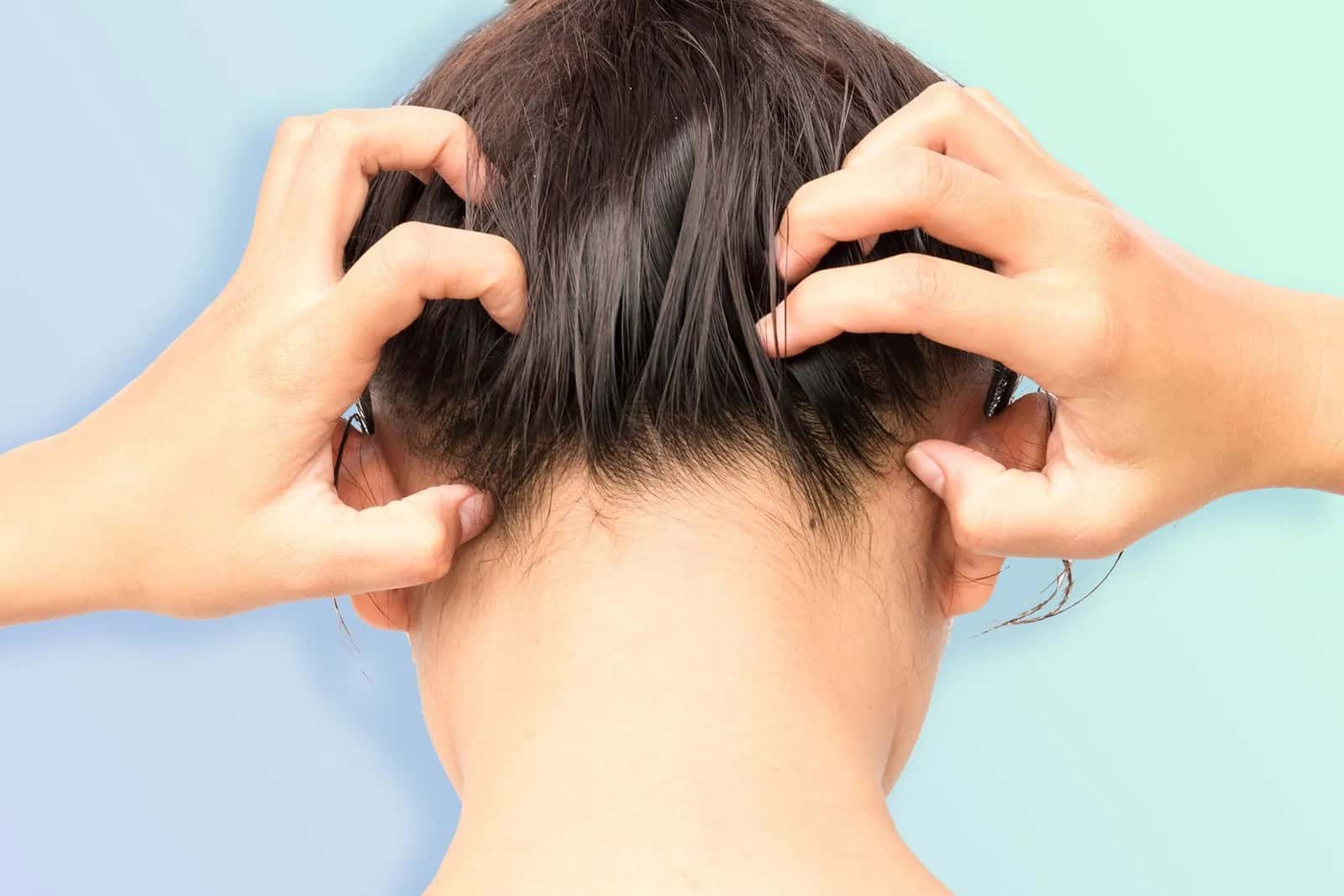


How Does Air Conditioning Affect Your Scalp?
Air conditioning changes the indoor environment by cooling the air and removing moisture during the cooling process. When humidity falls, the surrounding air can create conditions that make it harder for the skin to maintain comfortable hydration, including the skin covering the scalp.
The scalp has a protective outer layer supported by natural oils and moisture-retaining components. This barrier helps prevent excessive water loss while protecting the skin against everyday irritants. Prolonged exposure to low humidity may disturb this balance, leaving the scalp feeling dry or uncomfortable.
However, air conditioning does not automatically cause dryness in everyone. The effect depends on actual indoor humidity, exposure duration, existing skin conditions, and personal care habits. A properly controlled indoor environment can remain comfortable without creating significant scalp problems.
Why Does Low Humidity Cause Scalp Dryness?
The relationship between air conditioning and dry scalp primarily involves the moisture balance of the skin's outermost layer, known as the stratum corneum.
This layer contains cells surrounded by natural lipids that help maintain skin barrier function. When environmental humidity decreases, the water content of the outer skin can change, potentially producing roughness, flaking, and greater sensitivity.
Although the scalp produces sebum through its sebaceous glands, natural oil does not guarantee adequate hydration. Sebum helps support the skin barrier, but an oily scalp can still experience irritation or moisture imbalance.
Repeated exposure to dry indoor air may become particularly uncomfortable when combined with frequent shampooing, harsh cleansing products, or existing inflammatory conditions. These additional factors can make ordinary environmental dryness more noticeable.
What Are the Signs of an Air Conditioning-Related Dry Scalp?
A dry scalp associated with air-conditioned environments often develops gradually rather than producing sudden or severe symptoms. Some people notice discomfort after spending several hours indoors, while others experience recurring dryness during periods of continuous air conditioner use.
Common signs include a tight sensation around the scalp, mild itching, small dry flakes, and sensitivity following hair washing. The skin may feel uncomfortable even when the hair itself appears clean and healthy.
Symptoms can become more noticeable after moving between humid outdoor conditions and dry indoor spaces. However, these changes do not prove that air conditioning is the only cause, since several scalp disorders produce similar symptoms.
Persistent redness, thick scaling, significant pain, or visible wounds suggest a problem that requires more attention than ordinary environmental dryness.
Dry Scalp vs Dandruff: How Can You Tell the Difference?
Dry scalp and dandruff can both produce visible flakes, but they develop through different biological mechanisms. Understanding this distinction is important because treating every flaky scalp with the same products may worsen irritation rather than resolve it.
Dry Scalp Caused by Moisture Loss
Ordinary scalp dryness occurs when the skin does not retain sufficient moisture. It may produce small, loose flakes accompanied by tightness, itching, or general discomfort, particularly after exposure to low humidity or aggressive cleansing.
The condition often improves when environmental moisture becomes more balanced and the scalp receives gentle, appropriate care.
Dandruff and Seborrheic Dermatitis
Dandruff commonly involves changes in scalp oil, skin cell turnover, and reactions involving naturally occurring yeast. More pronounced seborrheic dermatitis may cause greasy-looking scales, redness, and persistent itching.
Dry indoor air can sometimes aggravate existing scalp discomfort, but air conditioning does not independently establish a diagnosis of dandruff.
The relationship between dandruff and hair loss is also worth understanding because inflammation and repeated scratching can affect hair condition even when the original problem begins at the skin surface.
Can Air Conditioning Make Your Scalp Itch?
Air conditioning may contribute to scalp itching when low humidity affects the skin barrier and increases sensitivity to ordinary irritants.
A scalp that has lost moisture may react more noticeably to shampoo residue, fragrances, styling products, or repeated brushing. Scratching can then aggravate the irritated skin, potentially creating a cycle of discomfort.
Direct airflow may also feel unpleasant when it continuously strikes an already sensitive area, although research has not established that ordinary air conditioner airflow independently damages healthy scalp skin.
Itching that persists despite changes in humidity and hair care may indicate contact dermatitis, dandruff, psoriasis, or another condition rather than simple dryness.
Does Air Conditioning Cause Hair Loss?
Air conditioning has not been shown to directly cause permanent hair loss or destroy healthy hair follicles through normal everyday exposure.
Most cases of progressive hair thinning involve biological factors such as genetics, hormonal sensitivity, autoimmune activity, nutritional problems, or underlying medical conditions. Lower indoor humidity does not reproduce the follicular miniaturization responsible for androgenetic alopecia.
Nevertheless, an uncomfortable scalp can affect hair care habits. Frequent scratching, aggressive brushing, or excessive use of harsh shampoos may contribute to temporary hair breakage, particularly when strands are already fragile.
Inflammatory scalp disorders can also affect shedding when they become severe, but these conditions should not automatically be attributed to air conditioning.
Noticing more hair in the shower while working in an air-conditioned office therefore does not establish a direct connection. The pattern, duration, and accompanying symptoms provide more useful information about the underlying cause.
Can Air Conditioning Make Hair Dry and Brittle?
Scalp dryness and dry hair are related concerns, but they do not describe the same condition. Scalp dryness affects the skin surrounding the follicles, whereas dry hair involves changes in the physical condition of the hair shaft.
Hair fibers respond to environmental humidity by absorbing or releasing water. In dry indoor conditions, some hair types may develop increased static electricity, reduced flexibility, or a rougher texture that makes styling more difficult.
Chemically treated, bleached, or heat-damaged strands may be especially vulnerable because their protective outer layers are already compromised.
Using conditioner, minimizing excessive heat, and reducing friction during brushing can improve hair manageability. Suitable products for dry hair may help protect the lengths and ends, although moisturizing the hair shaft does not automatically treat a dry scalp.
Why Does Your Scalp Feel Drier in Air-Conditioned Offices?
Office environments often expose employees to cooling systems for extended periods without giving them direct control over temperature or humidity. This makes indoor air conditions an important consideration when itching or dryness repeatedly develops during the working day.
Humidity may decrease as cooling equipment removes moisture, while continuous ventilation and direct air movement can contribute to a perception of dryness.
Other workplace factors can also influence scalp comfort. Fragranced products, environmental irritants, and repeated transitions between outdoor heat and indoor cooling may aggravate already sensitive skin.
The most useful approach involves examining the surrounding conditions rather than assuming that cold temperatures alone explain the symptoms. Measuring room humidity offers a more reliable starting point than judging dryness only by how cool the air feels.
How to Prevent Dry Scalp From Air Conditioning
Preventing air conditioning-related scalp dryness involves maintaining balanced indoor conditions while protecting the skin barrier from unnecessary irritation.
Maintain Comfortable Indoor Humidity
Indoor relative humidity of approximately 30% to 50% provides a practical general target for balancing comfort and moisture control.
A small digital hygrometer can help determine whether a room becomes excessively dry during prolonged cooling. This measurement is particularly useful in bedrooms and offices where air conditioning operates for many hours.
Maintaining suitable humidity is preferable to increasing moisture without monitoring it, since excessive indoor humidity encourages mold and other unwanted environmental problems.
Avoid Direct Cold Airflow
Positioning an air conditioner vent away from the head may reduce discomfort caused by continuous airflow, particularly when the scalp already feels tight or irritated.
Adjusting airflow direction or using a moderate temperature setting can improve comfort without requiring the cooling system to be switched off.
Protect the Scalp Barrier
Gentle cleansing and appropriate moisturization help maintain a more comfortable scalp environment.
Avoid repeatedly scratching dry areas or applying aggressive exfoliating products simply to remove visible flakes. Mechanical irritation can increase sensitivity and make recovery more difficult.
When scalp dryness is mild, consistent environmental adjustments and gentle care may improve symptoms without requiring intensive treatments.
What Is the Best Shampoo for a Dry Scalp?
A suitable shampoo should remove sweat, excess oil, and product buildup without unnecessarily stripping the scalp.
Mild, fragrance-free formulations may be preferable for people experiencing dryness or irritation in air-conditioned environments. Products containing harsh cleansing ingredients or strong fragrances can sometimes worsen discomfort, particularly when used more frequently than necessary.
Washing with lukewarm rather than very hot water also helps reduce unnecessary drying. Shampoo should be applied primarily to the scalp, while conditioner can protect the hair lengths from roughness and tangling.
Moisturizing scalp products containing ingredients such as glycerin or panthenol may help improve comfort, provided the formulation does not irritate the skin.
Medicated anti-dandruff shampoo serves a different purpose and becomes more relevant when persistent flaking results from dandruff or seborrheic dermatitis rather than simple moisture loss.
Should You Use a Humidifier With Air Conditioning?
A humidifier may help when air conditioning consistently lowers indoor humidity below a comfortable range. By increasing moisture in the surrounding air, the device can help create more favorable conditions for skin hydration.
However, a humidifier is not automatically necessary in every air-conditioned room. Some environments already maintain adequate humidity, particularly in naturally humid climates.
Excessive humidification can lead to condensation and encourage mold growth, while poorly maintained devices may release contaminants into indoor air.
Checking humidity levels before introducing additional moisture, following cleaning instructions, and avoiding excessive settings provide a safer approach to controlling dry indoor conditions.
How Long Does an Air Conditioning-Related Dry Scalp Take to Improve?
Mild environmental scalp dryness may begin improving after changes to indoor humidity and cleansing habits, although there is no universal recovery period.
The skin needs time to regain comfortable hydration and restore its protective barrier. Continuing to use irritating products or repeatedly scratching affected areas may delay improvement even after indoor conditions become more balanced.
When dryness persists for several weeks despite appropriate care, another scalp condition may be responsible.
Significant redness, painful patches, thick scales, bleeding, or patchy hair loss should prompt medical assessment rather than continued experimentation with moisturizing products.
- Last updated
- Language
- English
How did you find this article?
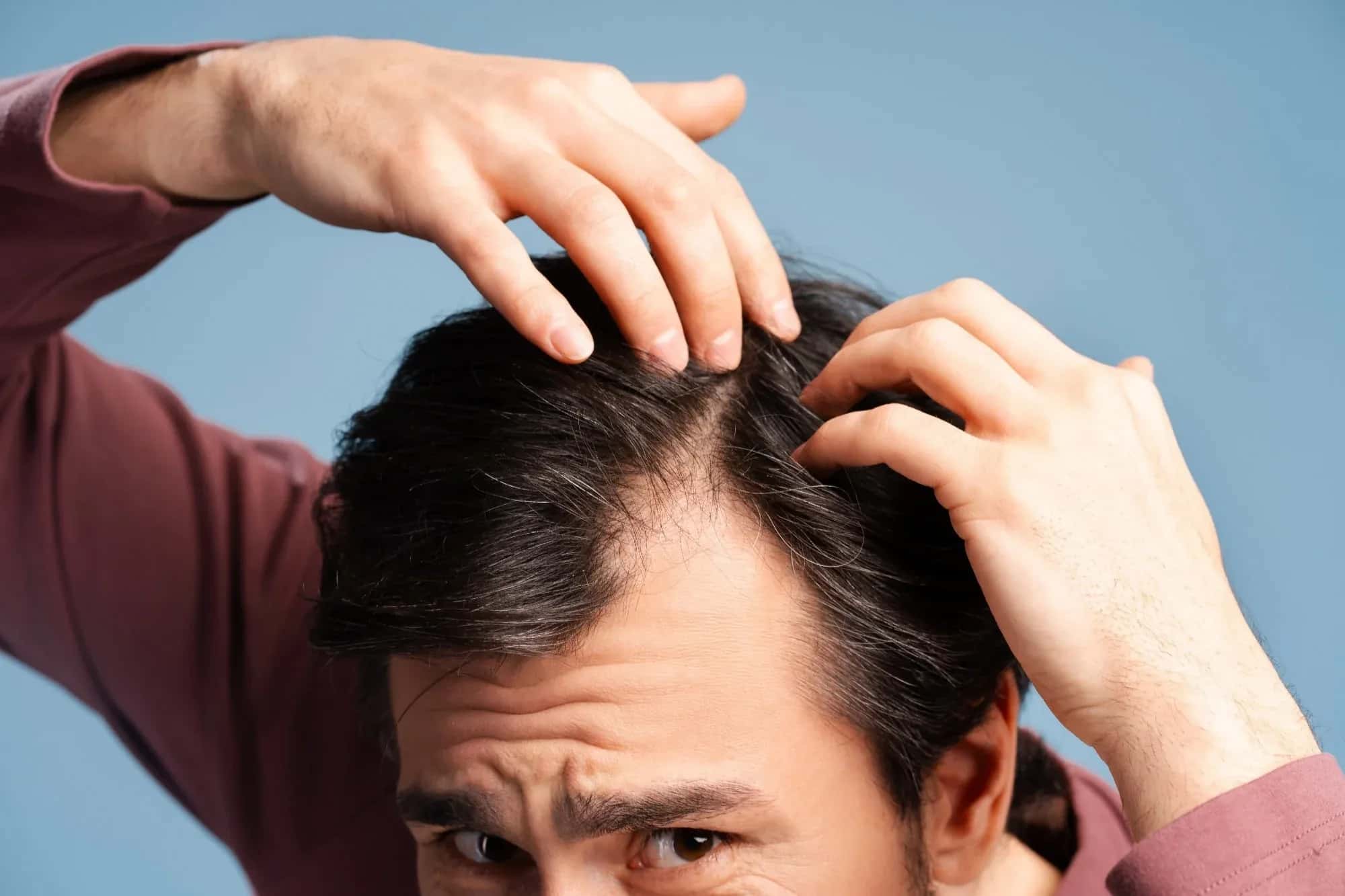
Certain dietary supplements can cause hair loss when taken in excessive amounts, particularly products containing high doses of vitamin A, selenium, or other concentrated nutrients. While supplements can help correct nutritional deficiencies that affect hair growth.
Spironolactone for female hair loss can help slow progressive thinning and improve hair density by reducing the effects of androgens on sensitive hair follicles. Although this prescription medication is not specifically approved for hair loss, clinical research supports its use in selected women.
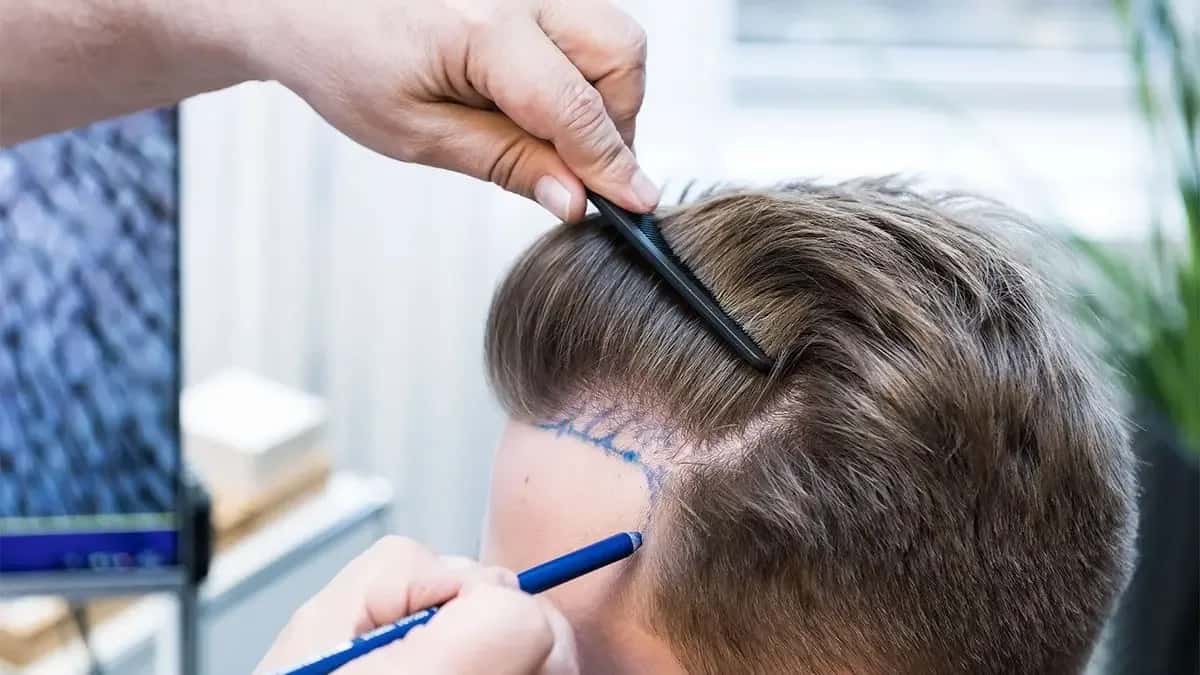
Health insurance in the United States generally does not cover hair transplants because insurers classify most hair restoration procedures as cosmetic surgery. However, certain reconstructive procedures following serious injuries, burns, or medical conditions may qualify for coverage under specific insurance rules.
Subscribe to the Medifinder newsletter and never miss our latest content.