










Shock Loss After Hair Transplant: Native Hair vs Transplanted Hair
Shock loss after a hair transplant can affect existing native hair, while transplanted hair undergoes a separate shedding process during recovery. Understanding the difference between these two types of hair loss helps explain why hair density may temporarily decrease after surgery and when new growth can be expected.

- Last updated
- 5 reads
- 7 min read
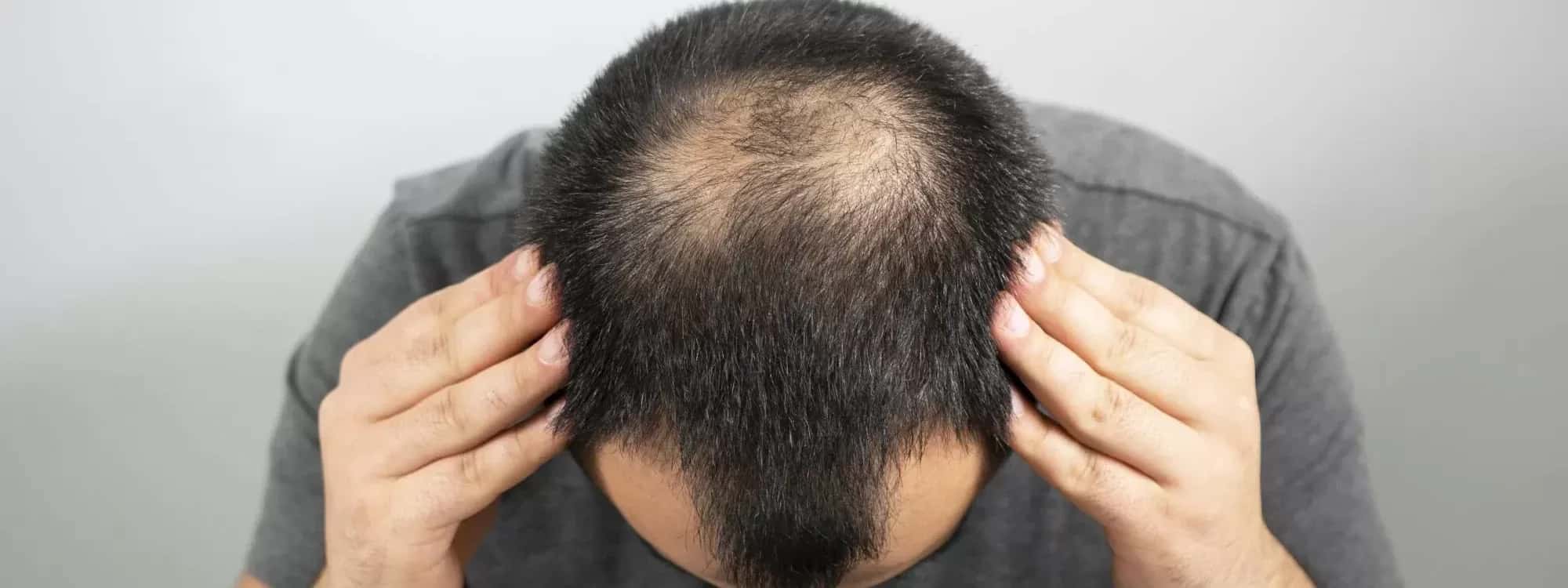


What Is Shock Loss After a Hair Transplant?
Shock loss after a hair transplant refers to the temporary shedding of existing hair following the physical stress of surgery. This condition primarily affects native hair surrounding the transplanted area, although similar shedding can occasionally occur in the donor region.
Hair follicles follow a natural growth cycle consisting of active growth, transition, and resting phases. Surgical trauma can temporarily disrupt this cycle, causing certain follicles to stop producing visible hair earlier than expected.
The affected hair shafts eventually fall out, creating areas of reduced density that may become particularly noticeable during the first several weeks.
Importantly, shock loss does not necessarily indicate permanent follicular damage. Many affected follicles remain beneath the scalp and resume producing hair after completing their resting phase.
However, the distinction between temporary shedding and progressive hair loss becomes especially important when existing hair already shows signs of thinning.
Native Hair vs Transplanted Hair: Understanding the Difference
Native hair and transplanted hair can both disappear from view during the early recovery period, but their biological circumstances differ.
Native hair remains in its original location and may respond to nearby surgical activity, while transplanted hair has been physically relocated from the donor area into the recipient area.
Shock Loss in Native Hair
Native hair shock loss occurs when existing follicles react to the trauma associated with creating recipient sites and placing grafts.
The surrounding tissue experiences temporary inflammation and changes in its local environment, which can interrupt the normal activity of nearby follicles. As a result, previously growing hairs may enter a shedding phase.
This response becomes more significant when native hair already shows miniaturization, a process in which follicles gradually produce thinner and shorter strands.
Healthy native follicles frequently recover from temporary shedding, whereas severely miniaturized follicles may struggle to return to their previous level of growth.
Consequently, native hair loss after transplantation requires attention to both surgical recovery and the underlying condition of the existing follicles.
Shedding in Transplanted Hair
Transplanted hair shedding follows a different process because the follicles have undergone extraction, temporary separation from their original blood supply, and implantation into a new location.
During the first weeks, the visible hair shafts commonly shed as the transplanted follicles adjust to their new environment and enter a resting period.
Although the hair disappears above the scalp, the implanted follicle can remain intact beneath the skin and begin another growth cycle.
This explains why losing transplanted hair shortly after surgery does not automatically indicate unsuccessful graft survival.
The distinction matters because transplanted hair shedding is an expected part of recovery, while native hair shock loss represents a response involving previously existing follicles.
Why Does Shock Loss Happen After Hair Transplant Surgery?
Shock loss develops through several biological mechanisms associated with the transplantation process.
Creating small openings in the recipient area, introducing follicular units, and managing tissue swelling can temporarily affect the environment surrounding existing hair follicles.
Local inflammation and changes in blood circulation may contribute to disturbances in the hair growth cycle, particularly when the recipient area still contains a substantial amount of native hair.
Follicular miniaturization also plays an important role. Hair weakened by androgenetic alopecia often has less capacity to withstand additional physiological stress and may shed more readily.
The distribution of native hair, the condition of existing follicles, and the extent of surgical manipulation all influence how visible this temporary thinning becomes.
Shock loss therefore reflects a biological response to transplantation rather than evidence that every affected follicle has been permanently damaged.
When Does Shock Loss Start and When Does Hair Grow Back?
The shock loss timeline overlaps with transplanted hair shedding, which explains why the scalp can appear thinner before meaningful regrowth begins.
Weeks 2–8: The Shedding Phase
Native hair shock loss commonly becomes noticeable between the second and eighth weeks after surgery. During a similar period, many transplanted hair shafts also begin falling out.
This simultaneous shedding can create the impression that the transplanted area has lost more hair than it contained before surgery.
Months 3–4: Early Regrowth
Around the third or fourth month, many follicles begin producing new hair shafts. Initial growth may appear fine, short, and uneven because individual follicles do not restart their growth cycles simultaneously.
Native hair affected by temporary shock loss may also begin recovering during this period, gradually improving coverage around the transplanted area.
Months 6–12: Increasing Density
As the growth cycle progresses, newly emerging hairs gain length and contribute more visibly to scalp coverage.
The transplanted hair continues developing, while recovering native hair can contribute to overall density. Full maturation of the transplant may continue for 12 to 18 months.
A broader hair transplant recovery timeline provides additional context for how shedding, early growth, and density changes unfold throughout this period.
Is Shock Loss Permanent or Temporary?
Most cases of shock loss involve temporary shedding, but the long-term outcome of native hair depends partly on the condition of the follicles before transplantation.
When healthy follicles experience a temporary interruption in their growth cycle, they generally retain the ability to produce new hair.
Severely miniaturized follicles present a different situation. These follicles may already be approaching the end of their productive growth capacity because of progressive androgenetic alopecia.
Surgical stress can accelerate the loss of weakened hairs that might otherwise have disappeared gradually.
As a result, some native hair may not return to its previous density, even when the surrounding transplanted follicles grow successfully.
Transplanted hair shedding should not be confused with this possibility. A shed transplanted shaft does not establish whether its follicle survived, and meaningful evaluation requires observing subsequent growth over time.
Understanding this difference prevents temporary changes in appearance from being mistaken for permanent transplant failure.
Can Shock Loss Affect the Donor Area?
Shock loss can also affect the donor area, although recipient-area shedding receives greater attention because it occurs near newly implanted grafts.
Donor-area shock loss involves temporary thinning of remaining native hair around the extraction sites, rather than the removal of the follicles selected for transplantation.
Local inflammation, tissue trauma, and temporary disturbances in the surrounding follicular environment can contribute to this response.
When donor shock loss occurs, it may appear as localized thinning several weeks after surgery, with recovery commonly developing over the following months.
However, temporary donor-area shedding differs from permanent thinning caused by excessive follicle extraction or scarring, which cannot be corrected through the natural hair growth cycle alone.
How to Distinguish Normal Shedding From a Potential Problem
Normal postoperative shedding generally develops gradually during the early weeks and occurs without significant signs of scalp infection or worsening tissue damage.
The scalp may look less dense even though many follicles remain capable of producing hair.
A different pattern deserves medical assessment, particularly when hair loss occurs alongside increasing pain, spreading redness, unusual discharge, or persistent inflammation.
Progressive thinning long after the initial recovery period also requires attention because androgenetic alopecia can continue affecting native hair independently of the transplantation procedure.
Photographs taken under consistent lighting and from the same angles provide a more reliable record of gradual changes than daily mirror comparisons.
Most importantly, the amount of hair visible during the shedding phase cannot independently establish the eventual density or success of the transplant.
How to Support Hair Growth During Shock Loss Recovery
Recovery management should focus on protecting the healing scalp, maintaining healthy follicular conditions, and avoiding unnecessary irritation.
Gentle washing helps maintain scalp hygiene without placing excessive mechanical pressure on recently implanted grafts. During early healing, scratching, forceful rubbing, and removing firmly attached crusts can interfere with tissue recovery.
Adequate protein intake and correction of confirmed nutritional deficiencies also support normal hair production, although supplements cannot guarantee faster recovery from shock loss.
Medical treatments such as minoxidil may support hair growth in appropriate circumstances, while treatments targeting androgenetic alopecia can help address ongoing native hair miniaturization.
These treatments serve different purposes, and none can instantly reverse the resting phase of an affected follicle.
Maintaining a consistent recovery routine is more useful than repeatedly introducing new products in response to temporary changes in density.
Does Shock Loss Affect the Final Hair Transplant Result?
Temporary shock loss does not automatically reduce the final density achieved by successfully growing transplanted follicles.
However, the long-term appearance of the scalp depends on the relationship between transplanted hair and the native hair that remains around it.
When existing hair continues thinning after transplantation, the contrast between restored areas and untreated regions may gradually become more noticeable.
This is particularly relevant around the frontal hairline, mid-scalp, and crown, where progressive hair loss can change the distribution of natural coverage.
Understanding hair transplant limitations helps clarify why surgery restores hair to selected areas without stopping the biological progression of native hair loss.
A lasting improvement therefore involves more than the survival of transplanted follicles. Preserving surrounding native hair also contributes to balanced density and a natural appearance over time.
- Last updated
- Language
- English
How did you find this article?
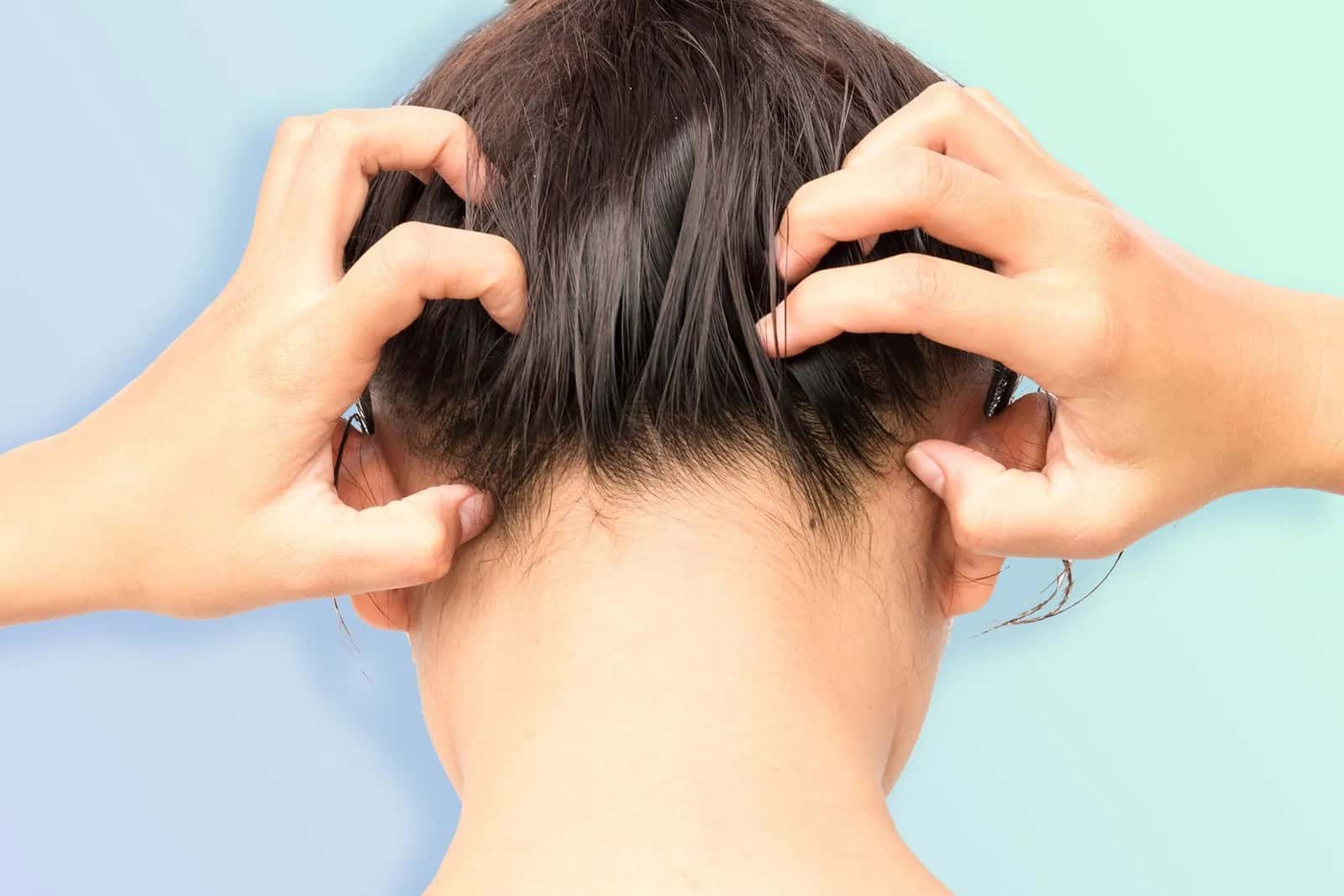
Air conditioning can dry out your scalp by reducing indoor humidity and affecting the skin's ability to maintain adequate moisture. Prolonged exposure to dry, cooled air may contribute to itching, flaking, tightness, and irritation, particularly when the scalp is already sensitive or prone to dryness.
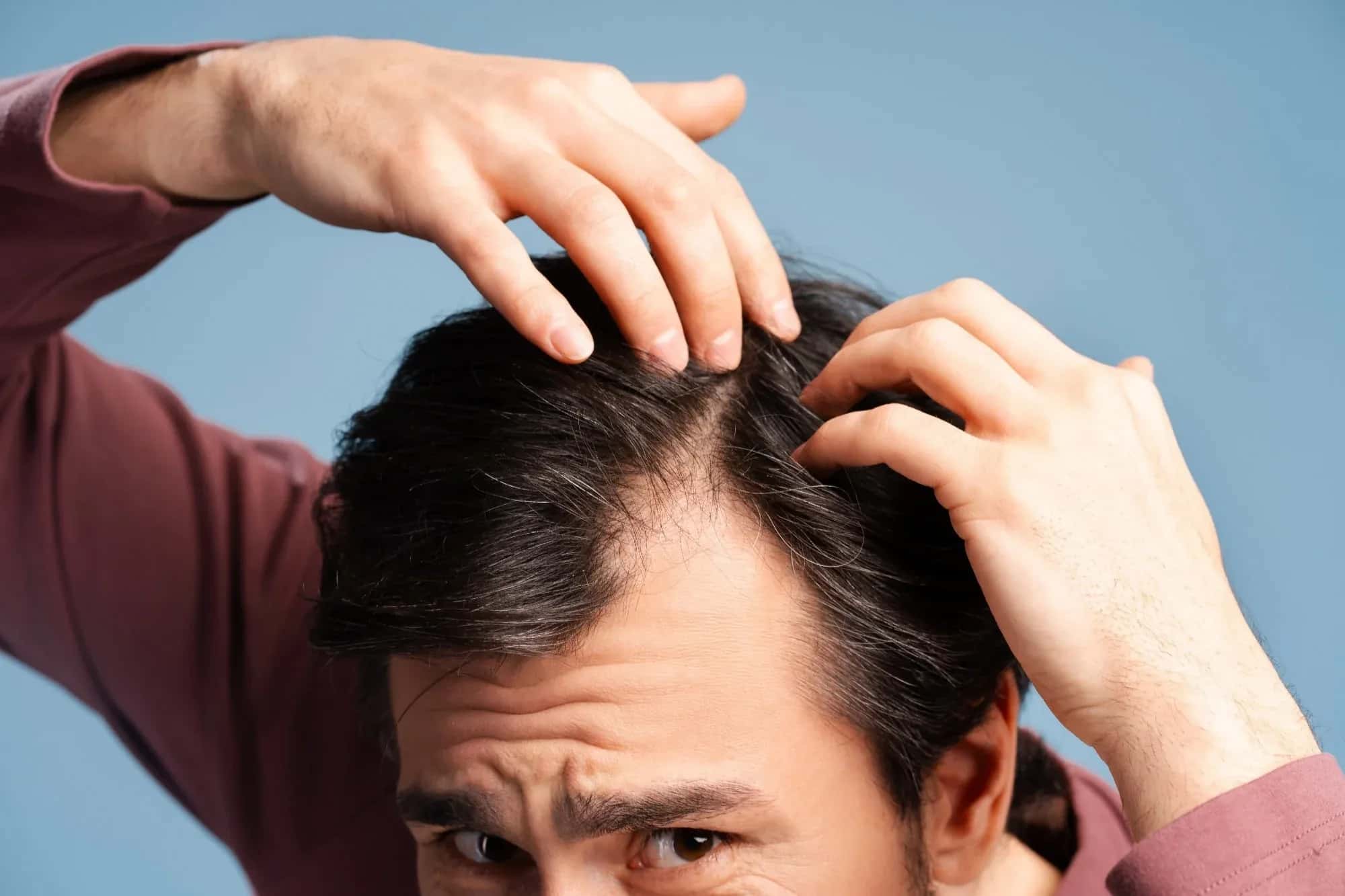
Certain dietary supplements can cause hair loss when taken in excessive amounts, particularly products containing high doses of vitamin A, selenium, or other concentrated nutrients. While supplements can help correct nutritional deficiencies that affect hair growth.
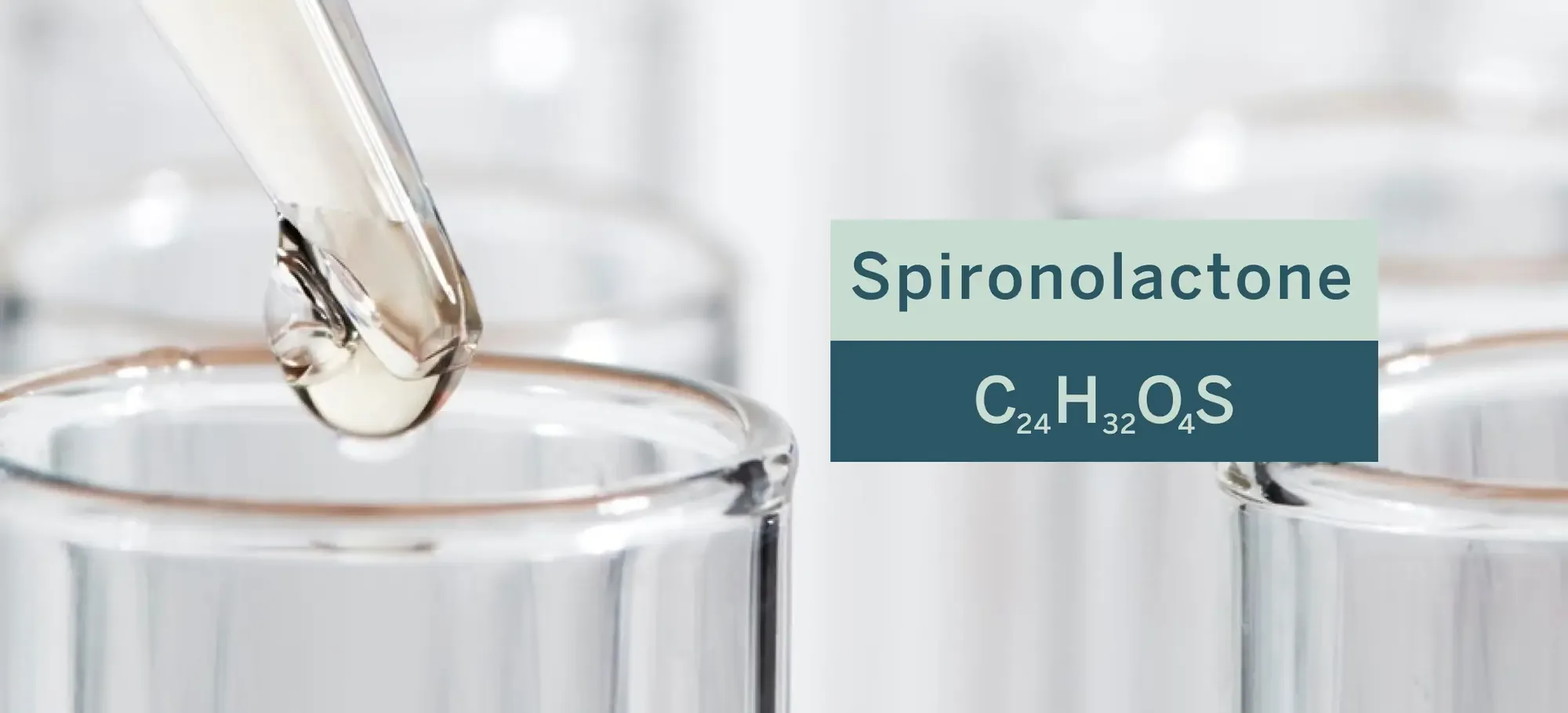
Spironolactone for female hair loss can help slow progressive thinning and improve hair density by reducing the effects of androgens on sensitive hair follicles. Although this prescription medication is not specifically approved for hair loss, clinical research supports its use in selected women.
Subscribe to the Medifinder newsletter and never miss our latest content.