










How to Hide a Hair Transplant During Recovery
Hiding a hair transplant during recovery requires balancing personal privacy with the need to protect newly implanted follicles.

- Last updated
- 2 reads
- 12 min read
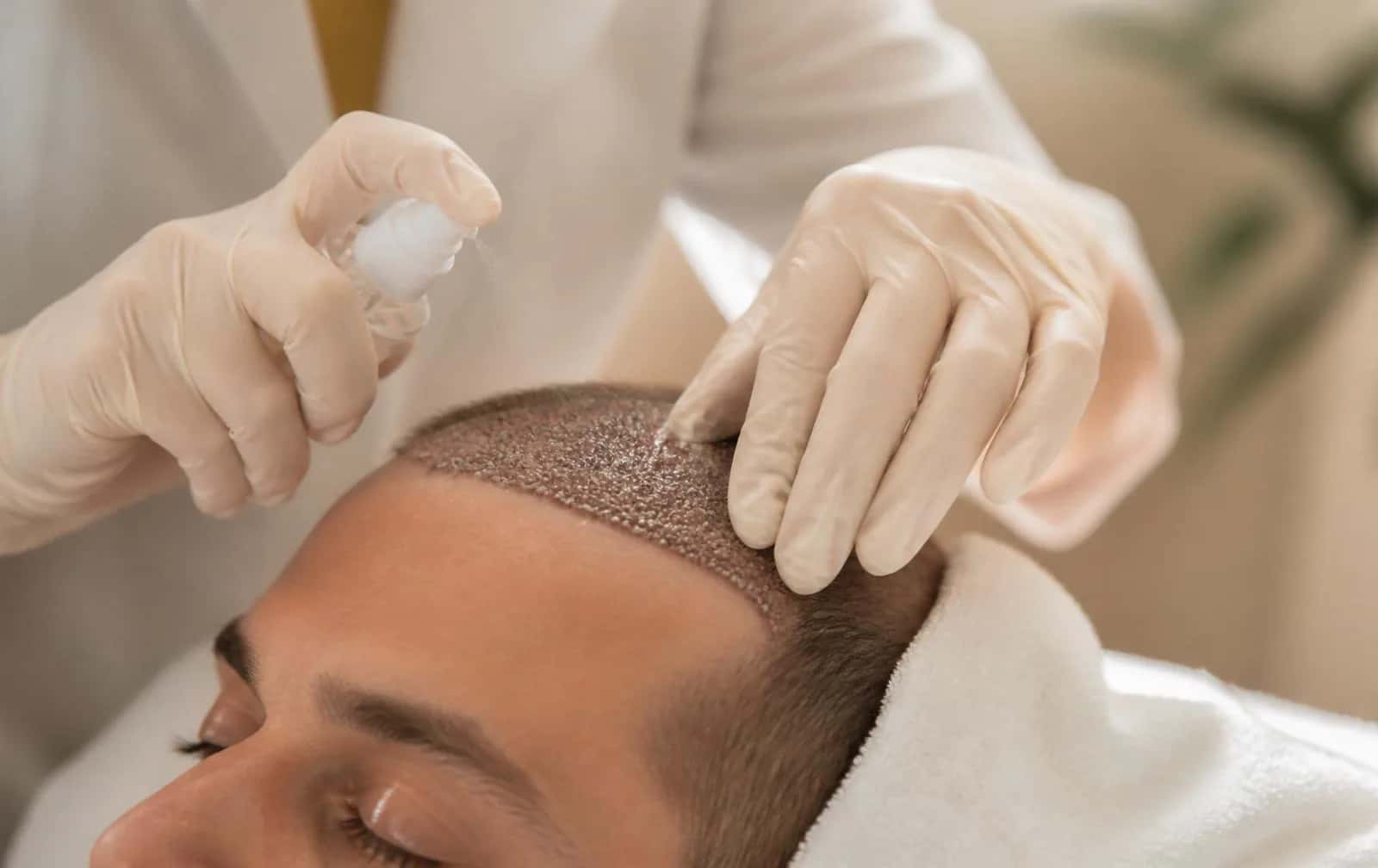


Can You Hide a Hair Transplant While Your Scalp Heals?
Keeping a hair transplant discreet is possible to some extent, although the first several days present practical limitations. Newly implanted follicles often remain visible beneath small crusts, while redness and temporary swelling can draw attention to the treated areas. Attempting to conceal these signs too aggressively may introduce pressure or friction at a time when the scalp needs careful protection.
The most effective approach begins before surgery, with thoughtful scheduling and realistic expectations about the appearance of the scalp afterward. Taking time away from public-facing activities, maintaining longer hair in suitable areas and arranging a comfortable recovery environment can reduce unwanted attention.
Complete concealment is not always realistic immediately after transplantation. However, the visible signs usually become less pronounced as the initial healing progresses, making ordinary hairstyles and everyday activities easier to resume.
What Does a Hair Transplant Look Like During Early Recovery?
The appearance of a recently transplanted scalp changes considerably throughout the first two weeks. Immediately after surgery, the recipient area may appear red and dotted with tiny implantation sites, while the donor region can show small extraction marks or a surgical incision, depending on the technique used.
During the next few days, crusts develop around the transplanted follicles as the skin begins repairing itself. These small, darkened areas can make the new hairline look more defined or uneven than expected. Some people also experience temporary forehead swelling, which may become more noticeable before gradually resolving.
By the end of the first week, swelling often improves, although scabs and redness may remain visible. Many crusts begin loosening during the second week, leaving the scalp looking progressively cleaner.
Understanding these changes makes it easier to plan social activities without feeling compelled to cover every visible sign of recovery.
How Can You Make a Hair Transplant Less Noticeable Before Surgery?
Discreet recovery often starts with preparations made before the procedure rather than attempts to conceal the scalp afterward.
-
Plan sufficient time away from public activities: Scheduling approximately 10 to 14 days without important meetings, photographs or major social events allows many of the most visible postoperative changes to improve before returning to familiar surroundings.
-
Consider a hairstyle that preserves existing coverage: Longer hair around the recipient or donor areas may help soften the appearance of treated regions after surgery. Styling options need to be planned before the operation because aggressive brushing and manipulation are unsuitable during early healing.
-
Discuss shaving requirements beforehand: Certain surgical approaches can preserve more surrounding hair than procedures requiring extensive shaving. However, limited-shave techniques may not be suitable for every graft distribution or restoration goal.
-
Prepare your recovery environment: Organizing transportation, remote work arrangements and essential supplies in advance reduces the need for unnecessary public outings while swelling and scabbing remain prominent.
When Can You Wear a Hat After a Hair Transplant?
Headwear may seem like the simplest solution for hiding a hair transplant, but placing a hat over newly implanted follicles too early can create unnecessary friction and pressure. During the initial healing period, even soft fabrics may catch against crusts or rub the recipient area when the hat is removed.
Ordinary baseball caps, tight beanies and fitted hats are therefore unsuitable immediately after surgery. A loose, structured hat may become appropriate once postoperative instructions permit it, provided the material does not press against the transplanted grafts.
The way a hat is put on matters as much as its fit. Pulling a snug cap across the hairline can disturb healing skin, while carefully positioning suitable headwear minimizes unwanted contact.
Until headwear becomes safe, limiting outdoor exposure and arranging activities around the recovery schedule are preferable to forcing the scalp beneath restrictive accessories. Helmets require particular caution because their protective structure and straps can exert substantial pressure.
How Can You Hide Hair Transplant Scabs Without Damaging Grafts?
Scabs represent one of the most visible features of hair transplant recovery, particularly along the frontal hairline. They form as small amounts of blood and tissue fluid dry around the implantation sites, creating temporary crusts that protect the healing skin.
The safest way to make these crusts less noticeable is to allow them to disappear through natural healing and appropriate cleansing. Scratching, scraping or attempting to remove several scabs at once can irritate the skin and may disturb follicles before they become securely established.
Gentle washing with lukewarm water and an approved cleansing product gradually softens the crusts. Many begin separating within seven to fourteen days, although some may remain visible longer.
Understanding hair transplant scabs and their healing process helps clarify why patience is more effective than aggressive cosmetic concealment.
Once the crusts have detached naturally, the treated area generally becomes easier to blend with surrounding hair, even if mild redness persists.
How Can You Reduce the Appearance of Redness and Swelling?
Redness and swelling can make a recent hair transplant noticeable before new hair growth begins. These symptoms develop as part of the body's response to surgical treatment, and their improvement depends primarily on the healing process rather than cosmetic intervention.
During the first nights, sleeping with the head slightly elevated can help manage postoperative swelling. Adequate rest and avoiding strenuous physical activity also reduce unnecessary discomfort while the tissues recover.
Strong sunlight, excessive heat and aggressive cleansing may worsen irritation, making a comfortable indoor environment particularly useful. The scalp should remain protected from prolonged direct sun exposure during early recovery.
Applying ordinary foundation, tinted creams or redness-correcting cosmetics to recently operated skin is not a suitable solution. These products can introduce ingredients that irritate sensitive tissue or complicate cleaning.
As the first days pass, swelling generally diminishes, while residual redness may take longer to fade. Allowing the skin to recover naturally provides a safer route toward a less noticeable appearance.
Can You Use Hair Fibers or Concealers After a Hair Transplant?
Hair fibers and cosmetic concealers can improve the appearance of thinning hair by reducing visible scalp contrast. However, these products are not appropriate for covering newly transplanted grafts while the surgical sites remain open or crusted.
Many concealing products contain fine particles, pigments or adhesive ingredients that settle directly on the scalp. Applying them too early can complicate hygiene and may irritate delicate healing tissue. Removing the products may also require rubbing or washing techniques that are unsuitable during initial recovery.
Once the scalp has healed, the crusts have disappeared and postoperative restrictions have ended, suitable concealing products may become an option. Their application should remain gentle, particularly when residual sensitivity persists.
Hair fibers work best when existing hair provides enough strands for the particles to attach to. They cannot replace missing follicles or guarantee coverage over completely bare skin.
During early healing, temporary visibility is preferable to introducing cosmetic products that could compromise scalp comfort.
How Can You Style Existing Hair to Conceal Transplanted Areas?
Existing hair can help disguise a transplant when its length and direction allow it to fall naturally around the treated region. This approach is particularly useful for people undergoing limited hairline restoration or procedures that preserve longer surrounding hair.
A side part, gentle forward styling or slightly longer hair around the temples may reduce contrast between the recipient area and untreated regions. However, brushing hair directly across fresh grafts can create friction, so styling should remain minimal until the scalp has healed sufficiently.
The donor area may also benefit from surrounding hair coverage, especially when extraction marks remain visible at the back of the head.
During the first weeks, avoiding heat styling tools, strong sprays, waxes and frequent combing helps protect sensitive tissue. Once ordinary styling becomes appropriate, a simple, familiar hairstyle often provides a more convincing appearance than an elaborate attempt to conceal the procedure.
Is FUE Easier to Conceal Than FUT?
FUE and FUT produce different patterns of donor-area healing, which can influence how easily the procedure remains unnoticed. FUE removes follicular units individually, leaving numerous small extraction sites that may be visible when the surrounding hair is shaved or closely trimmed.
FUT removes a strip of hair-bearing scalp and leaves a linear incision that requires healing. Longer hair around the donor region can sometimes conceal this line, although postoperative tenderness and wound care remain important considerations.
Neither technique guarantees an invisible recovery. The recipient area still develops temporary redness and scabbing because both approaches involve implanting follicles into small openings in the scalp.
The amount of shaving, the existing hairstyle and the location of the restored areas often influence immediate visibility more than the extraction method alone.
For someone prioritizing privacy, preserving appropriate surrounding hair and planning adequate recovery time may offer greater practical value than selecting a technique solely for concealment.
How Can You Keep Your Hair Transplant Private at Work?
Returning to professional responsibilities before the scalp looks fully recovered can create concerns about appearance, particularly in roles involving frequent meetings or customer interaction.
Several practical adjustments can help maintain privacy without relying on unsuitable coverings or cosmetic products.
-
Arrange temporary remote work: Working from home allows the scalp to heal without the pressure of daily face-to-face interactions, while providing greater control over washing routines, rest and room temperature.
-
Use planned leave strategically: Scheduling time away from work during the first one to two weeks may allow much of the visible swelling and scabbing to resolve before returning to the workplace.
-
Adjust meeting schedules: Postponing presentations, professional photographs and large in-person gatherings can reduce unnecessary attention during the most visible stages of recovery.
-
Keep explanations simple: Employees do not need to share details of an elective procedure with colleagues. A brief explanation that they are recovering from a personal medical treatment may be sufficient when questions arise.
What Should You Do About Social Events During Recovery?
Social gatherings can feel challenging when the scalp still shows visible signs of transplantation, especially when an event involves photographs, bright lighting or close personal interaction. The easiest way to manage these situations is to consider the recovery schedule before committing to attendance.
Events taking place during the first week may be difficult to navigate discreetly because swelling and scabs are often most apparent. Waiting until the second or third week can offer greater flexibility, although lingering redness may still be visible.
For unavoidable occasions, choose comfortable clothing that does not need to be pulled tightly over the head. Avoid experimenting with unfamiliar hairstyles, headwear or cosmetics immediately before leaving home.
Indoor gatherings may also be more comfortable than outdoor activities involving direct sunlight or intense heat.
Most importantly, avoid treating a social commitment as a reason to remove crusts prematurely or disregard restrictions. A temporary change in appearance is easier to manage than unnecessary irritation during recovery.
How Can You Conceal the Donor Area After Hair Transplantation?
The donor area often receives less attention than the newly transplanted hairline, yet it can be equally noticeable during the first days. Following FUE, small extraction points may create a dotted appearance across the back or sides of the scalp, particularly when the hair has been shaved.
Allowing surrounding hair to grow provides natural coverage as the small wounds heal. Patients who retain longer hair above the extraction zone may already have some concealment, depending on the size and position of the harvested area.
After FUT, the donor region contains a linear incision that may be hidden beneath longer hair. However, styling should not place tension on healing tissue or interfere with wound care.
Premature shaving or close clipping can irritate recovering skin and expose healing marks unnecessarily. Waiting until the scalp is ready for ordinary grooming allows the donor area to regain a more uniform appearance without aggressive intervention.
When Will Your Hair Transplant Start Looking Natural?
A hair transplant usually becomes less obvious as the initial scabs disappear and the surrounding redness gradually fades. By the second or third week, many people find that the scalp looks considerably calmer than it did immediately after surgery.
However, improved surface appearance does not mean the transplanted hair has reached its final density. During the following weeks, many implanted hair shafts shed as the follicles enter a temporary resting phase.
This transition can make the restored area look thinner, sometimes resembling its appearance before surgery. New growth commonly becomes noticeable around the third or fourth month, initially emerging as fine, uneven hairs.
Over subsequent months, the hair becomes longer and fuller, allowing more flexibility with styling. Meaningful improvements often develop between six and nine months, while full maturation may take approximately twelve to eighteen months.
A natural appearance therefore develops in stages, beginning with surface healing and continuing through the gradual growth of transplanted hair.
Does Shock Loss Make a Hair Transplant More Noticeable?
Temporary hair shedding can create a second period of visible change after the early wounds have healed. Often called shock loss, this process may affect transplanted hair shafts and sometimes nearby existing hairs following surgery.
The shedding typically becomes noticeable several weeks after transplantation. Although it can make the recipient region appear sparse, it does not necessarily indicate damage to the follicles beneath the skin.
This stage can be especially frustrating for people who expected the implanted hair to remain visible continuously after the procedure. Understanding the distinction between temporary shedding and permanent hair loss helps maintain realistic expectations.
Once the scalp has fully healed and cosmetic products are appropriate, existing hair may offer styling options that reduce the appearance of thinning. However, repeatedly changing hairstyles or applying excessive products will not accelerate new follicular growth.
Following a consistent hair transplant aftercare routine remains more valuable than attempting to conceal every temporary change during the growth cycle.
Which Concealment Methods Should You Avoid?
Some concealment techniques may improve appearance temporarily but create avoidable risks when used before the scalp has completed its initial healing.
-
Tight hats, caps and hairpieces: Accessories that compress the recipient area or attach directly to healing skin can produce friction, pressure and discomfort. They should remain avoided until appropriate headwear or hair systems can be used safely.
-
Makeup, hair fibers and cosmetic powders on fresh grafts: Applying pigments or concealing particles over crusted or unhealed skin may cause irritation and require aggressive cleaning. Cosmetic coverage should wait until the treated area has recovered.
-
Aggressive brushing and early haircuts: Repeatedly combing over transplanted follicles or using clippers before the scalp is ready may irritate the recipient and donor regions. Gentle handling remains important even after visible swelling decreases.
-
Premature scab removal: Scratching or scraping away crusts to achieve a cleaner appearance can damage healing tissue. Regular gentle washing and natural separation provide a safer approach.
-
Hair dye and chemical styling treatments: Coloring products, bleaching agents and chemical straighteners can irritate sensitive skin. These treatments should not be introduced while the scalp remains in early recovery.
How Can You Maintain a Natural Appearance During Recovery?
Maintaining a discreet appearance after hair transplantation becomes easier when patients focus on gradual improvements instead of immediate concealment. The first days are primarily about protecting grafts, while the following weeks provide more freedom to resume ordinary grooming.
A familiar hairstyle, clean scalp and appropriate clothing often contribute more to a natural presentation than complicated cosmetic techniques. Planning public activities around the healing timeline can also reduce the pressure to make the procedure invisible before the skin has recovered.
It is useful to remember that other people may notice changes in hairstyle or hair length without recognizing them as evidence of transplantation. Avoiding repeated adjustments and unnecessary scalp contact can make everyday interactions feel more comfortable.
As the transplanted follicles progress through shedding and regrowth, maintaining realistic expectations becomes increasingly important. Privacy can remain a priority without compromising the care that supports healthy healing.
Final Thoughts on Hiding a Hair Transplant During Recovery
Hiding a hair transplant during recovery involves more than covering the treated area. Thoughtful scheduling, suitable hairstyles, temporary workplace adjustments and a clear understanding of the healing timeline provide practical ways to reduce visibility without disturbing newly implanted follicles.
The first two weeks require particular caution because redness, crusting and sensitivity remain part of normal recovery. As these changes improve, patients gradually regain the freedom to use appropriate headwear, resume ordinary styling and return to social activities.
Prioritizing scalp protection over immediate cosmetic concealment creates a more manageable recovery experience while the transplanted hair progresses toward its longer-term appearance.
- Last updated
- Language
- English
How did you find this article?
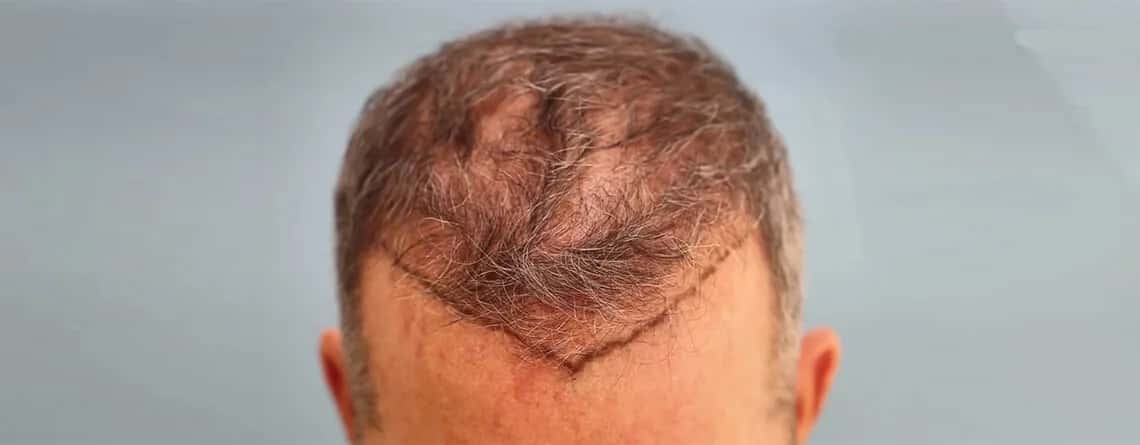
A hair transplant can look thinner in photos than it appears in person because lighting, camera angles, hair length and scalp visibility influence how the hair is captured.
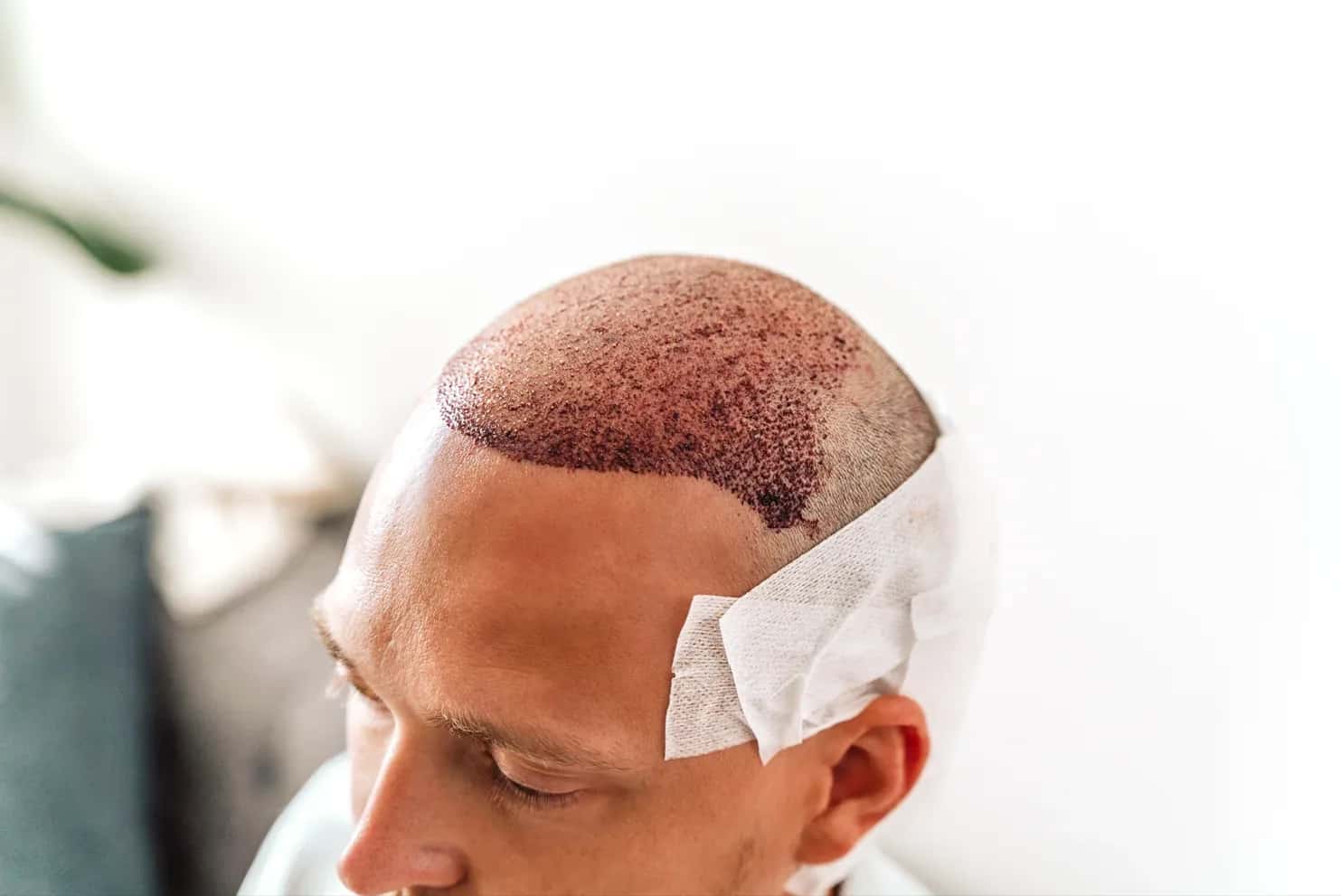
Returning to work after a hair transplant requires careful planning to protect newly implanted follicles while allowing the scalp to heal comfortably.


A hair transplant in Cancun offers an option for people seeking surgical hair restoration while traveling to Mexico for treatment. Understanding the available techniques, treatment costs, recovery requirements and travel arrangements helps patients prepare for the procedure.
Subscribe to the Medifinder newsletter and never miss our latest content.