










Why Does a Hair Transplant Look Thinner in Photos?
A hair transplant can look thinner in photos than it appears in person because lighting, camera angles, hair length and scalp visibility influence how the hair is captured.

- Last updated
- 4 reads
- 13 min read
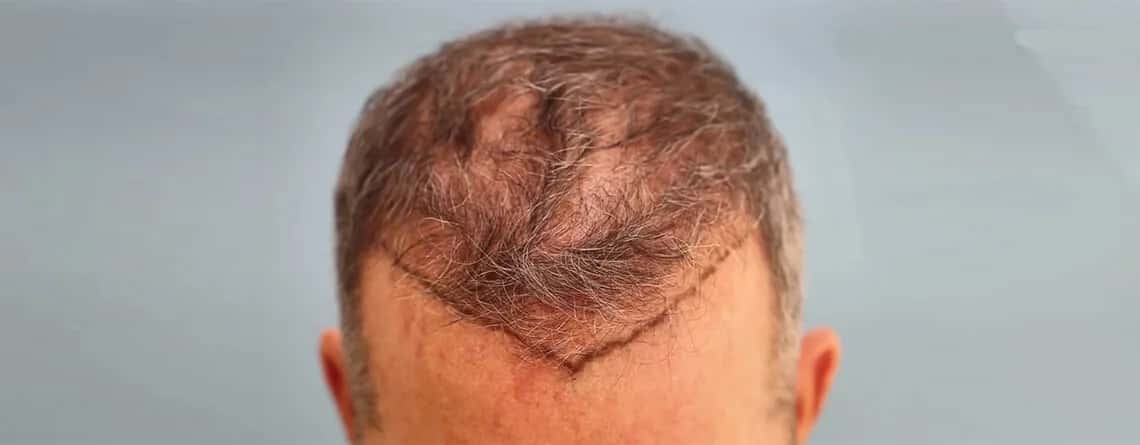


Why Can a Hair Transplant Look Thinner in Photos Than in the Mirror?
A photograph captures the hair from one specific angle under a particular set of lighting conditions, while a mirror allows the viewer to observe movement, depth and coverage from changing perspectives. This difference explains why transplanted hair can appear reasonably full during everyday activities but noticeably sparse in a photograph taken moments later.
Individual hair strands overlap and create shadows that contribute to the appearance of fullness. When a camera captures the scalp from above or under intense lighting, those overlapping strands may separate visually, allowing more skin to become visible between them.
The mirror also presents a moving image, making it easier to appreciate the overall hairstyle rather than focusing on individual gaps. A photograph freezes a single moment and can emphasize areas that would receive little attention during ordinary face-to-face interaction.
A thin-looking photograph therefore does not automatically indicate reduced graft survival or an unsuccessful hair transplant. Understanding the conditions under which the image was taken provides a more useful starting point.
How Does Lighting Affect Hair Transplant Density in Pictures?
Lighting is one of the strongest influences on perceived hair density because it determines how much of the scalp remains visible beneath the hair shafts.
-
Overhead lighting: Bright ceiling lights illuminate the scalp through spaces between individual hairs, particularly around the crown and central parting. The resulting contrast can make the transplanted area appear thinner than it does under softer lighting.
-
Direct camera flash: Flash photography can create strong reflections on the scalp and highlight small gaps between strands. This effect becomes especially noticeable when the hair is short, fine or arranged away from its natural direction.
-
Soft natural lighting: Diffused daylight generally produces fewer harsh reflections and reveals a more balanced appearance of the hair. Photographs taken near a window without direct sunlight often provide more consistent conditions for comparing results.
-
Backlighting and strong directional light: Light coming from behind or from one side can make individual hairs stand out while exposing the scalp beneath them. Even a small change in head position may significantly alter the appearance of coverage.
Can Camera Angles Make Transplanted Hair Look Sparse?
Camera position changes which parts of the scalp remain visible and how effectively the surrounding hair conceals thinner areas. A photograph taken directly above the head may reveal spaces between follicles that are almost impossible to notice from eye level.
This effect is particularly noticeable in the crown, where hair grows around a natural whorl. Depending on the camera position, the strands may appear to spread outward, exposing the central scalp even when the surrounding hair has reasonable coverage.
Frontal photographs generally emphasize the hairline rather than the density behind it. A slightly elevated camera can reveal the transition between the frontal region and mid-scalp, making an otherwise balanced transplant look less uniform.
Photographing the same area from several consistent angles creates a more representative impression than relying on one image. A single unfavorable perspective should not determine how the overall result is judged.
Why Does Wet or Oily Hair Look Thinner in Photographs?
Wet hair often appears substantially thinner because moisture causes neighboring strands to stick together. Instead of forming a broad layer of separate hairs that covers the scalp, the strands gather into smaller groups, leaving more visible spaces between them.
Water also changes how light reflects from both the hair and the skin underneath. When the scalp becomes more reflective, photographs can emphasize gaps that remain less noticeable when the hair is completely dry.
Natural scalp oils and heavy styling products may create a similar effect. Hair that becomes greasy throughout the day can lose volume, separate into sections and expose areas that initially appeared well covered.
For this reason, comparing a photograph taken immediately after showering with one captured after drying and styling offers little reliable information about actual hair growth.
Consistent comparisons should use similar hair conditions. Otherwise, the difference between two photographs may reflect moisture and styling rather than any meaningful change in follicular density.
How Do Hair Length and Styling Change the Appearance of Density?
Hair length directly influences how much scalp can be covered by each strand. Short transplanted hair has limited ability to overlap neighboring follicles, while longer hair can extend across small spaces and create greater visual fullness.
This becomes particularly important during the early months of recovery, when newly emerging hairs are often too short to provide substantial coverage. Even when numerous follicles have begun growing, the result may still appear thin because the hair has not reached a useful length.
Styling direction also matters. Combing hair forward can conceal certain frontal gaps, while brushing it backward may expose the recipient area more clearly. A side part can create a similar difference depending on how the hair naturally falls.
These changes do not represent an increase or decrease in follicle numbers. They demonstrate how the positioning and length of existing strands influence the amount of visible scalp.
Does Hair Color and Scalp Contrast Affect Photographic Results?
The contrast between hair color and scalp tone plays an important role in how dense a transplant appears in photographs. Dark hair against a light scalp can make spaces between follicles more visible, particularly under bright lighting.
When hair and scalp have similar tones, these small gaps may attract less attention because the visual transition is softer. However, color contrast represents only one part of perceived density and does not determine the actual number of transplanted follicles.
Hair thickness and texture also contribute to the final appearance. Coarse or wavy strands can cover a greater visible surface than very fine, straight hairs, even when the underlying graft counts are similar.
Camera exposure and color adjustments can exaggerate these differences. A brighter image may reveal more scalp, while a darker image may make individual strands blend together.
This is why photographic density should never be evaluated through color contrast alone.
What Is the Difference Between Actual Hair Density and Visual Density?
Actual hair density describes the number of follicles or hair shafts within a particular area of the scalp. Visual density refers to how full that area appears when observed in ordinary conditions or photographs.
These measurements are related, but they are not interchangeable. Two people with similar graft numbers may achieve noticeably different appearances because their hair characteristics, recipient areas and existing natural hair differ.
A person with thicker, wavy hair may obtain substantial visual coverage from a particular graft distribution. Someone with finer hair may show more scalp under the same lighting conditions, even when both have experienced healthy follicular growth.
Hair transplantation also redistributes a limited supply of existing follicles rather than creating unlimited density. Understanding the limitations of hair transplantation helps explain why coverage must be evaluated alongside donor capacity, hair characteristics and long-term hair loss.
Photographs are useful for documenting appearance, but they cannot independently measure follicular density with clinical precision.
Why Do Hair Transplants Look Thin During Early Recovery?
The first months after hair transplantation involve changes that can temporarily make the recipient area appear thinner than expected. Although the operation places follicles into the scalp, visible hair growth does not develop immediately.
During the initial days, small crusts, redness and short transplanted hairs may create the impression of a relatively defined hairline. Once the crusts disappear and the transplanted hair shafts begin shedding, the area can look less populated.
This change often becomes particularly noticeable during the first and second months, when surface healing has progressed but new growth has not yet become established.
Photographs taken during this period may therefore show an apparently disappointing result despite normal recovery. The visible hair shafts do not accurately represent the number of follicles that remain beneath the skin.
Early photographs are valuable for tracking healing, but they should not be used to judge the final transplant density.
Can Shock Loss Make a Hair Transplant Look Worse in Photos?
Shock loss refers to temporary hair shedding that can occur following transplantation. Transplanted hair shafts commonly fall during the weeks after surgery as follicles move through a resting phase before beginning a new growth cycle.
In some cases, nearby natural hair can also experience temporary shedding after the scalp undergoes surgical stress. When this happens, the recipient area may look thinner than it did before transplantation, particularly in photographs taken under bright light.
The difference can appear dramatic because the camera emphasizes newly exposed scalp while the surrounding hair may still be short.
Temporary shedding does not necessarily indicate that transplanted follicles have been lost. However, persistent thinning or unexpected changes should not automatically be attributed to shock loss without evaluation.
Photographs become more informative when they document the progression of recovery rather than focusing exclusively on the period when shedding is most visible.
When Does Transplanted Hair Start Looking Thicker in Pictures?
Visible improvement follows a gradual timeline because transplanted follicles do not all enter their active growth phase simultaneously. During the first two months, shedding and limited new growth can leave the scalp looking sparse.
Around the third or fourth month, fine new hairs often begin emerging. These strands may initially be short, thin or lighter than the surrounding hair, making their contribution difficult to recognize in photographs.
Between approximately six and nine months, increasing hair length and shaft thickness can improve visual coverage. The transplanted areas may begin looking more consistent, although certain regions can continue developing at a slower pace.
Further maturation can take approximately 12 to 18 months, particularly in the crown. Comparing photographs at meaningful intervals provides a clearer picture than expecting visible improvements every week.
Following hair transplant progress over several months offers a useful perspective on shedding, gradual regrowth and the development of visible density.
Why Do the Hairline and Crown Look Different in Photos?
The frontal hairline and crown have distinct hair growth patterns, which influence how they appear in photographs. Hairline follicles are arranged to create a natural transition from the forehead into thicker areas of hair, while crown hairs grow around a circular pattern.
A frontal photograph may make the hairline look full because individual strands overlap when viewed from the front. The same region can appear thinner when photographed from directly above.
The crown presents a different challenge. Its circular growth direction creates a central point where the scalp may remain visible, particularly under overhead lighting.
Hair length also affects the two regions differently. Longer frontal strands can overlap and soften the appearance of gaps, while the crown whorl may continue exposing small sections of scalp despite surrounding growth.
Comparing these areas as though they should look identical can lead to unrealistic conclusions about transplant performance.
Can Smartphone Cameras Exaggerate Hair Thinning?
Modern smartphones capture considerable detail, which can make small spaces between hair strands more noticeable than they appear during normal observation. Close-up photography, strong image sharpening and automatic exposure adjustments may emphasize the texture of the scalp.
The distance between the camera and the head also influences perspective. Taking photographs extremely close to the scalp can make the nearest area appear disproportionately large, while wider images provide more context about overall coverage.
Automatic exposure changes are another consideration. When a phone adjusts brightness to compensate for dark hair, the lighter scalp beneath it may become more prominent.
Different smartphone cameras can also process shadows, reflections and fine details differently. Switching devices between progress photographs may therefore introduce variations unrelated to hair growth.
For more reliable comparisons, use the same camera, similar distance and consistent settings whenever possible.
Do Hair Products Change How a Hair Transplant Photographs?
Styling products can affect the appearance of density by changing the way individual hair strands separate, overlap and reflect light.
Volumizing products may lift the hair away from the scalp and create a fuller appearance, while gels, oils and heavy creams can bring strands together and expose more skin.
Hair fibers and cosmetic concealers may also make a transplanted area look denser in photographs, particularly when sufficient existing hair is available to support them. However, these products do not reflect an increase in actual follicle numbers.
When documenting transplant progress, avoiding cosmetic density enhancers provides a more consistent record. Comparisons between product-free hair and hair treated with fibers or thickening sprays can be misleading.
Products should also remain outside the early postoperative routine until the scalp has healed and normal styling is appropriate. The appearance of a photograph should never take priority over protecting newly implanted grafts.
How Can You Take Accurate Hair Transplant Progress Photos?
Consistent photography makes it easier to distinguish genuine hair growth from changes caused by lighting, camera settings and daily styling.
-
Use the same lighting conditions: Choose a location with stable, even lighting and avoid alternating between strong overhead lamps, direct sunlight and flash photography. Consistent illumination makes differences in scalp visibility easier to interpret.
-
Maintain identical camera angles: Photograph the hairline, temples, mid-scalp, crown and donor region from repeatable positions. Keeping the camera at a similar height and distance reduces misleading perspective changes.
-
Keep hair conditions consistent: Take photographs when the hair is dry, clean and arranged in a similar direction. Large differences in hair length, moisture or styling products can make growth comparisons unreliable.
-
Record photographs at regular intervals: Monthly images usually provide a more useful overview than multiple photographs taken every day. Including the date and months since surgery helps place visible changes within the expected recovery timeline.
How Should You Compare Before and After Hair Transplant Pictures?
Before and after photographs can demonstrate changes in hair coverage, but meaningful comparisons require more than placing two images beside each other. Both photographs should show the same region of the scalp under reasonably similar conditions.
Hair length deserves particular attention. A result photographed with longer, carefully arranged hair may appear significantly fuller than a short-haired baseline image, even when the underlying increase in density is more modest.
Lighting, camera distance, head position and styling should remain comparable. A photograph taken directly above the crown should not be compared with one captured from a lower frontal angle.
It is also important to know when the photographs were taken. Images captured during the early growth stage cannot reasonably be compared with fully matured results without considering the different stages of recovery.
A reliable comparison should reveal actual changes in coverage rather than differences created primarily through photography.
When Should Thin-Looking Hair Transplant Results Be Evaluated?
A photograph that makes transplanted hair appear sparse does not necessarily indicate a medical problem, but certain patterns deserve closer examination.
-
Persistent lack of growth after the expected maturation period: When transplanted regions remain noticeably sparse after sufficient time for hair development, an assessment can help determine whether growth has progressed as expected.
-
Increasing thinning in surrounding natural hair: Progressive hair loss outside the transplanted area can reduce overall coverage, even when the implanted follicles are producing hair successfully. This change may require evaluation of the underlying hair loss pattern.
-
Patchy areas that remain unchanged over time: Small differences in growth are common during early recovery, but clearly defined areas that show little development at later stages may warrant further examination.
-
Scalp irritation, scarring or unusual symptoms: Persistent redness, pain, inflammation or abnormal changes in the treated skin should receive medical attention rather than being assessed through photographs alone.
What Should You Remember When Assessing Hair Transplant Density?
Hair transplant photographs can help document recovery and long-term improvement, but they represent only one perspective on the final appearance. A single image cannot fully capture how hair behaves under different lighting conditions, during movement or after ordinary styling.
The most useful approach combines consistent photographs with an understanding of the growth timeline and the physical characteristics of the transplanted hair. Hair shaft thickness, length, curl, scalp contrast and the distribution of follicles all contribute to how dense the result appears.
Occasional photographs that reveal more scalp should not outweigh a broader pattern of healthy growth and improving coverage. At the same time, persistent concerns deserve objective evaluation rather than assumptions based on favorable or unfavorable camera angles.
Final Thoughts on Why Hair Transplants Look Thinner in Photos
A hair transplant can look thinner in photos because cameras emphasize details that may be less noticeable during everyday observation. Lighting, angle, moisture, styling and natural hair characteristics can all change the appearance of density without changing the number of growing follicles.
During recovery, temporary shedding and uneven regrowth can add another layer of variation. Taking consistent photographs over several months provides a more dependable way to monitor progress and distinguish genuine changes in hair coverage from ordinary photographic effects.
The clearest understanding of hair transplant results comes from considering both visual appearance and the gradual biological development of transplanted hair.
- Last updated
- Language
- English
How did you find this article?
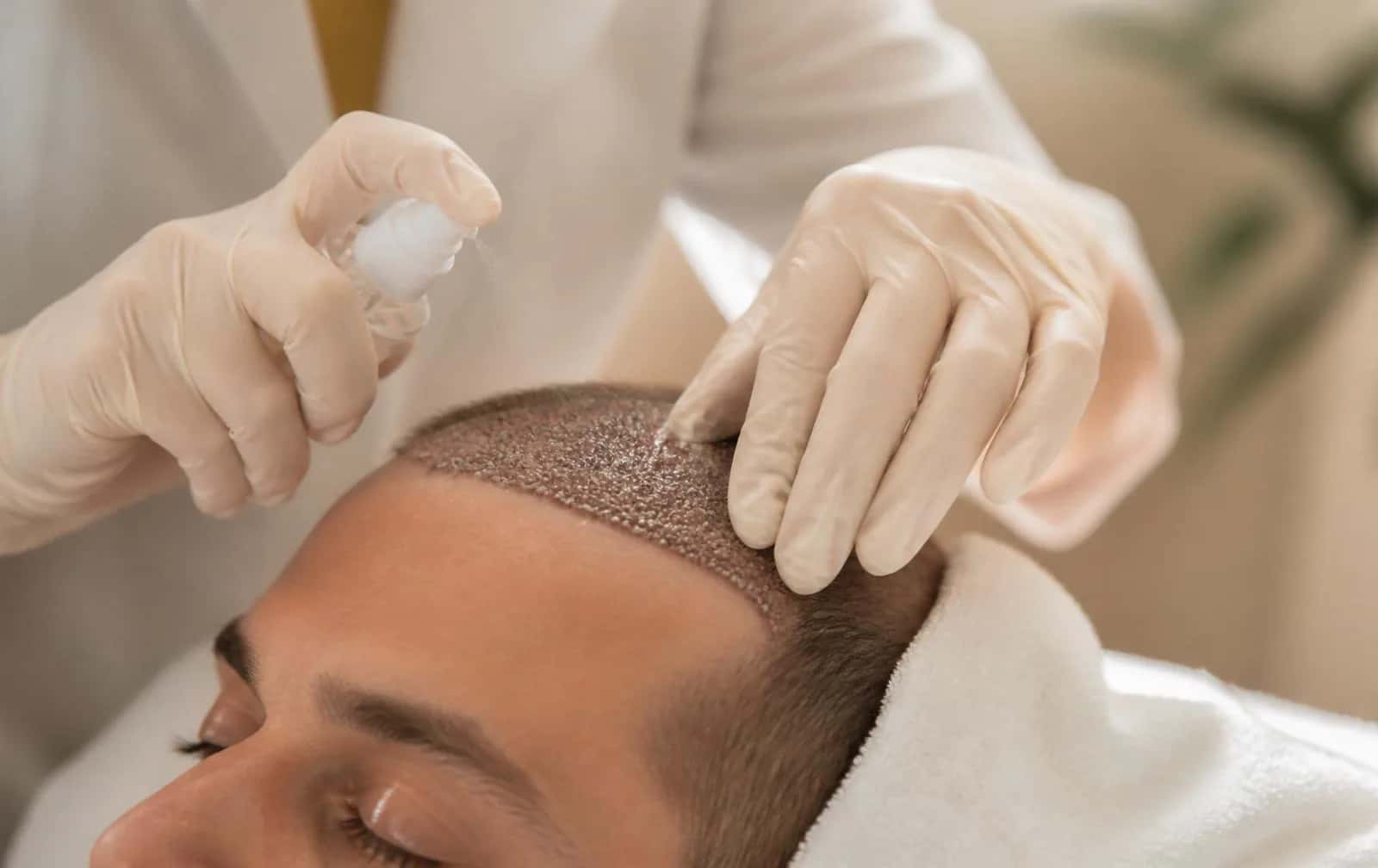
Hiding a hair transplant during recovery requires balancing personal privacy with the need to protect newly implanted follicles.
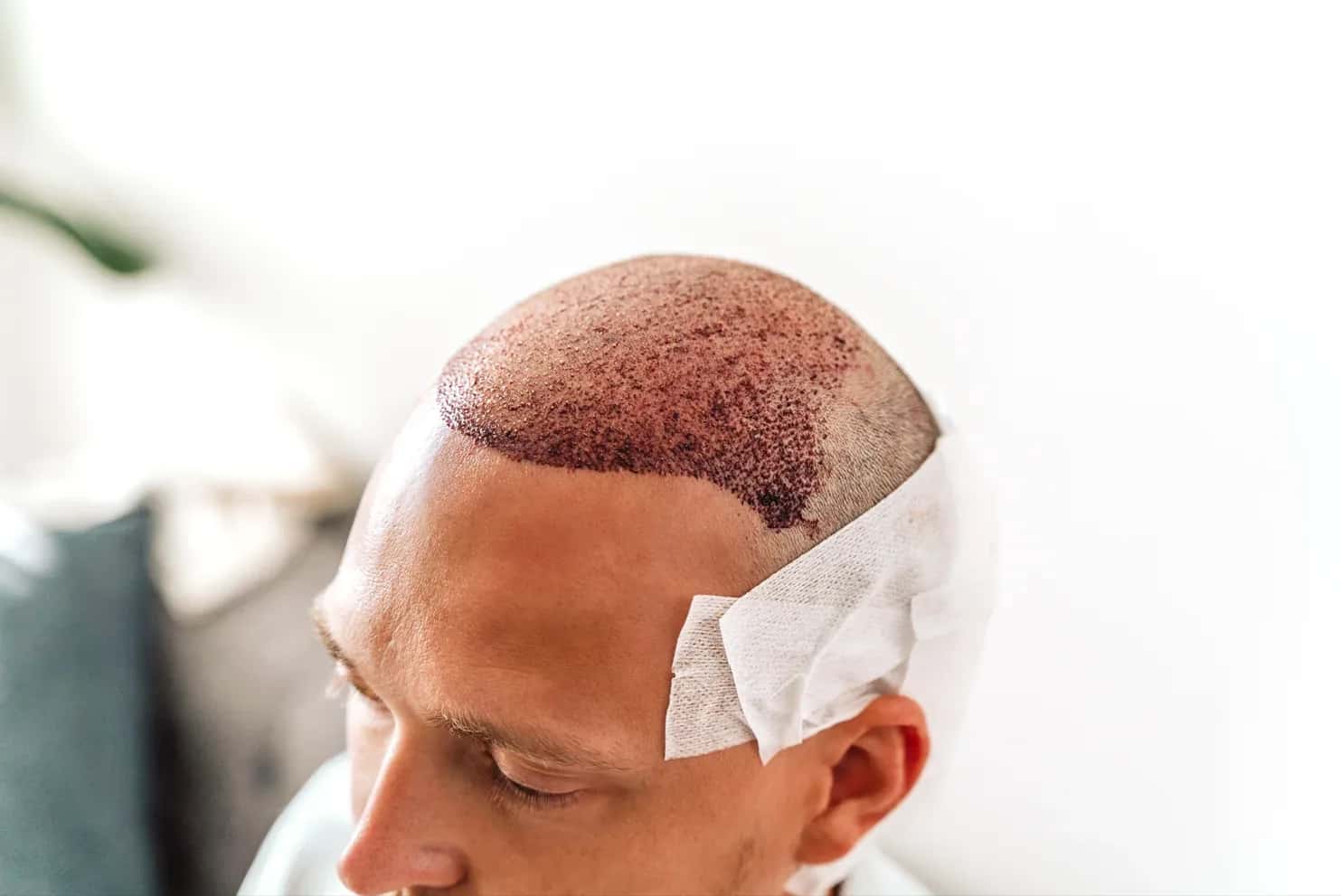
Returning to work after a hair transplant requires careful planning to protect newly implanted follicles while allowing the scalp to heal comfortably.


A hair transplant in Cancun offers an option for people seeking surgical hair restoration while traveling to Mexico for treatment. Understanding the available techniques, treatment costs, recovery requirements and travel arrangements helps patients prepare for the procedure.
Subscribe to the Medifinder newsletter and never miss our latest content.