










Spironolactone for Female Hair Loss
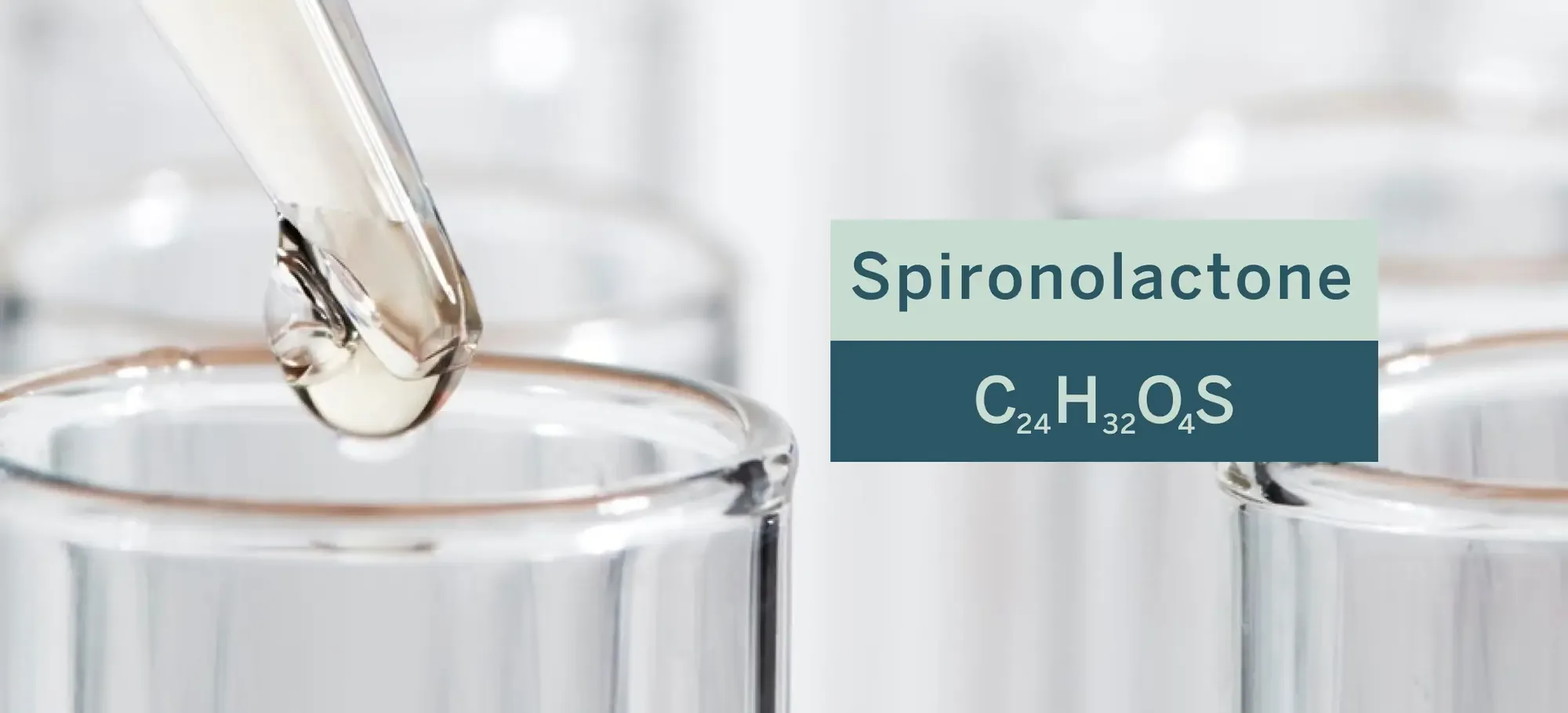
Spironolactone for female hair loss can help slow progressive thinning and improve hair density by reducing the effects of androgens on sensitive hair follicles. Although this prescription medication is not specifically approved for hair loss, clinical research supports its use in selected women.

- Last updated
- 7 reads
- 8 min read


What Is Spironolactone and Why Is It Used for Female Hair Loss?
Spironolactone is a prescription medication originally developed to treat conditions involving fluid retention, high blood pressure, and excessive aldosterone activity. It belongs to a group of medications called potassium-sparing diuretics, but its ability to interfere with androgen activity has also made it an established option in dermatological practice.
Female pattern hair loss, also known as female androgenetic alopecia, develops when susceptible hair follicles gradually produce thinner, shorter strands. Over time, this process reduces overall hair density, particularly along the central part and upper scalp, while the frontal hairline often remains relatively intact.
Spironolactone addresses one of the biological factors associated with this condition by limiting androgen activity in sensitive tissues. Rather than creating new follicles, the medication aims to protect existing ones from further miniaturization and support their ability to produce healthier hair.
In the United States, spironolactone is prescribed off-label for hair loss because its official regulatory approval covers other medical conditions. Off-label prescribing allows healthcare professionals to use an approved medication for another condition when clinical evidence supports that decision.
How Does Spironolactone Work for Hair Growth?
The effectiveness of spironolactone for hair growth relates primarily to its antiandrogenic properties. Androgens are hormones present in both men and women, including testosterone and dihydrotestosterone (DHT), which can influence hair follicle behavior.
Blocking Androgen Activity in Hair Follicles
Spironolactone interferes with androgen receptors, limiting the ability of certain hormones to exert their effects on susceptible follicles. It can also influence androgen production, although receptor blockade represents an important part of its action.
In women with androgen-sensitive follicles, this effect may slow the progressive shrinking that produces increasingly fine hair strands. Preserving follicle size allows some affected hairs to maintain or regain thickness, contributing to better scalp coverage over time.
However, female pattern hair loss can occur even when circulating androgen levels fall within the normal range. Follicular sensitivity and genetic predisposition also play important roles, which explains why spironolactone may help women without an obvious hormonal imbalance.
Protecting Hair During the Growth Cycle
Hair follicles repeatedly pass through active growth, transition, resting, and shedding phases. Female pattern hair loss can shorten the active growth phase and gradually reduce the diameter of the hair shaft.
By reducing androgen-related influences, spironolactone may help preserve follicular function and limit further thinning. This process takes time because existing strands must complete their growth cycles before changes in thickness or density become noticeable.
Who Can Benefit From Spironolactone for Hair Loss?
Spironolactone is primarily considered for adult women experiencing gradual thinning associated with female pattern hair loss. Common signs include a widening central part, decreased crown density, and reduced hair volume that becomes more noticeable over several years.
Women with polycystic ovary syndrome (PCOS) may also benefit when androgen activity contributes to scalp thinning. PCOS can involve increased androgen levels, irregular menstrual cycles, acne, and unwanted facial hair, although not everyone experiences the same symptoms.
The relationship between PCOS and female hair loss is particularly relevant because hormonal changes can affect follicular activity even when hair thinning appears to be the main concern.
Spironolactone may also be considered when topical treatment alone has not adequately controlled progressive thinning. Nevertheless, its benefits primarily concern follicles that remain active, making early intervention more promising than attempting to restore areas where follicles have permanently disappeared.
How Effective Is Spironolactone for Female Pattern Hair Loss?
Clinical research suggests that oral spironolactone can improve hair growth or stabilize thinning in a meaningful proportion of women with androgenetic alopecia. However, treatment outcomes vary, and not every patient experiences a visible increase in density.
A systematic review and meta-analysis reported improvement in approximately 56.6% of patients receiving spironolactone-based treatment. Improvement rates appeared higher when researchers evaluated combination therapies, although differences in study design, treatment duration, and accompanying medications limit direct comparisons.
A randomized clinical study published in 2025 also examined spironolactone alongside topical minoxidil in premenopausal women. Participants receiving the combination showed greater improvement in photographic assessments than those using minoxidil with a placebo, although some measured differences in hair characteristics did not reach statistical significance.
These findings support spironolactone as a reasonable treatment option for selected patients, while highlighting the need for larger studies. Preventing additional hair loss may itself represent a meaningful result, particularly when follicular miniaturization has already progressed.
How Long Does Spironolactone Take to Work for Hair Loss?
Spironolactone does not produce immediate hair regrowth because changes in follicular activity become visible only as new hair develops through the growth cycle. Most women need several months of consistent treatment before they can meaningfully evaluate its effects.
First Three Months
During the initial months, the medication begins influencing androgen-related activity, but noticeable changes in hair density may remain limited. Some women report reduced shedding, although daily hair fall naturally fluctuates and does not provide a reliable measure of treatment success.
Three to Six Months
Between three and six months, improvements in shedding or hair thickness may become more noticeable. Existing follicles can begin producing stronger strands, but newly growing hair requires additional time before it contributes significantly to overall volume.
Six to Twelve Months
A period of six to twelve months usually provides a more useful opportunity to evaluate treatment response. Women who benefit may notice better coverage along the part, improved hair thickness, or reduced progression of thinning.
Some improvements continue beyond the first year, but spironolactone does not guarantee complete restoration of lost density.
What Is the Recommended Spironolactone Dosage for Hair Loss?
Spironolactone doses studied for female pattern hair loss generally range from 25 mg to 200 mg daily, with many treatment regimens using approximately 50 mg to 100 mg or higher when appropriate.
A lower starting dose allows assessment of blood pressure, tolerability, and potential adverse effects before increasing the amount. Higher doses may provide stronger antiandrogen activity, but they can also increase the likelihood of menstrual changes, dizziness, and other unwanted effects.
The medication requires a prescription, and dose adjustments should follow medical evaluation rather than the appearance of hair shedding alone. Taking more spironolactone does not necessarily produce faster or greater hair regrowth.
Consistent use matters because the medication acts on an ongoing biological process rather than providing a short course that permanently changes the hair growth cycle.
Spironolactone and Minoxidil: Can They Be Used Together?
Spironolactone and minoxidil are frequently considered complementary treatments because they influence hair growth through different mechanisms.
Spironolactone reduces androgen-related activity that contributes to follicular miniaturization, whereas minoxidil supports follicular growth and helps maintain the active growth phase. Combining these approaches may provide greater improvement than either treatment alone in some women.
Topical minoxidil has a stronger clinical evidence base and specific regulatory approval for female pattern hair loss. Spironolactone may offer additional benefits when androgen sensitivity contributes to continued thinning despite consistent topical treatment.
Low-dose oral minoxidil is another option used off-label in certain circumstances, although combining oral medications requires particular attention to blood pressure, fluid balance, and possible adverse effects.
Understanding the evidence behind different hair loss treatments helps distinguish therapies that directly stimulate follicular activity from those that address hormonal influences on progressive thinning.
What Are the Side Effects of Spironolactone?
Spironolactone can affect several systems beyond the hair follicles, making an understanding of its potential side effects essential before starting treatment.
Because the medication influences fluid balance and blood pressure, some women experience increased urination, dizziness, fatigue, or lightheadedness. These effects may become more noticeable after beginning treatment or increasing the dose.
Its antiandrogenic properties can also contribute to breast tenderness and menstrual irregularities, including changes in bleeding patterns or cycle timing. These symptoms are not necessarily dangerous, but persistent or troublesome effects deserve medical attention.
More serious complications include excessive potassium accumulation, dehydration, and worsening kidney function. Severe weakness, fainting, or an irregular heartbeat requires prompt medical assessment rather than waiting for a routine follow-up appointment.
Potassium Levels and Kidney Function
Spironolactone reduces potassium excretion through the kidneys, which can cause elevated blood potassium levels, known as hyperkalemia.
People with impaired kidney function or those taking potassium supplements, certain blood pressure medications, or potassium-containing salt substitutes face a greater risk. Nonsteroidal anti-inflammatory medications can also create additional concerns when used alongside spironolactone.
Baseline kidney function and potassium assessment are important safety considerations, with subsequent monitoring determined by medical risk and treatment changes. Regular blood testing becomes especially important when other medications or medical conditions increase the likelihood of electrolyte abnormalities.
Can You Take Spironolactone During Pregnancy or Breastfeeding?
Spironolactone should not be used for cosmetic hair loss treatment during pregnancy because its antiandrogenic activity may interfere with fetal development, particularly male sexual differentiation.
Women who could become pregnant should discuss effective contraception before treatment and make appropriate arrangements when planning pregnancy. Spironolactone should not be continued for hair loss during pregnancy, and suspected pregnancy requires prompt medical advice.
Breastfeeding requires a separate assessment because available information suggests relatively low exposure through breast milk, but decisions must still consider the medication's indication and the health of the infant.
Reproductive planning therefore represents an important part of using spironolactone safely, particularly for younger women who may require ongoing treatment for progressive hair thinning.
Does Spironolactone Work for All Types of Female Hair Loss?
Spironolactone mainly targets androgen-related follicular miniaturization, meaning it does not address every cause of hair shedding in women.
Telogen effluvium, for example, develops when physical stress, illness, nutritional problems, or major hormonal changes push increased numbers of follicles into the resting phase. Treating the underlying trigger is more relevant than blocking androgen receptors when this condition occurs independently of pattern hair loss.
Iron deficiency, thyroid disorders, and certain inflammatory scalp conditions can also cause thinning through mechanisms that spironolactone does not directly correct.
Similarly, scarring alopecia involves inflammatory damage that can permanently destroy follicles. Antiandrogen treatment alone cannot restore follicles lost through this process.
Correctly identifying the cause of thinning is therefore essential before introducing a medication intended primarily for female androgenetic alopecia.
What Happens When You Stop Taking Spironolactone?
Spironolactone controls androgen-related influences while treatment continues, but it does not permanently eliminate the genetic sensitivity responsible for female pattern hair loss.
When treatment stops, the protective effect on susceptible follicles gradually diminishes. Progressive miniaturization may resume, and hair density gained during treatment can decline over subsequent months.
This does not necessarily mean the medication caused additional hair loss. Instead, the underlying condition may become active again after the treatment effect disappears.
Women considering discontinuation because of pregnancy planning, side effects, or other medical concerns should discuss a suitable transition rather than relying on a sudden change in medication without guidance.
- Last updated
- Language
- English
How did you find this article?
Certain dietary supplements can cause hair loss when taken in excessive amounts, particularly products containing high doses of vitamin A, selenium, or other concentrated nutrients. While supplements can help correct nutritional deficiencies that affect hair growth.
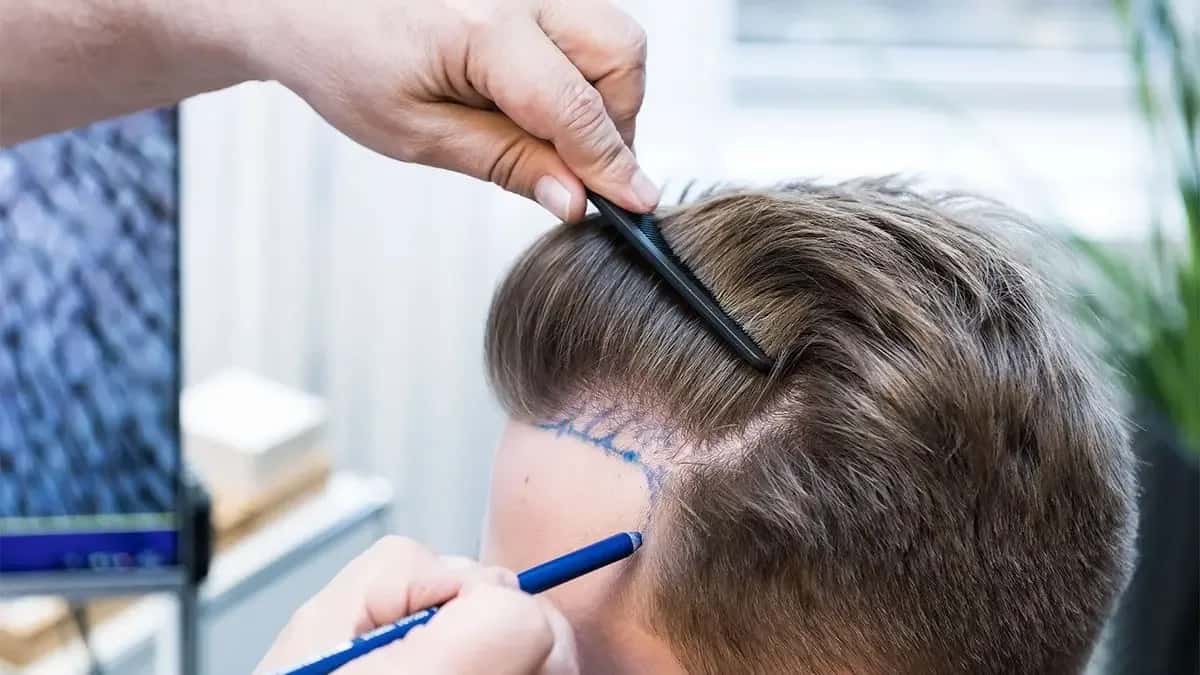
Health insurance in the United States generally does not cover hair transplants because insurers classify most hair restoration procedures as cosmetic surgery. However, certain reconstructive procedures following serious injuries, burns, or medical conditions may qualify for coverage under specific insurance rules.

Ginseng for hair loss has attracted scientific interest because its active compounds may support hair follicle activity and influence the natural hair growth cycle. Although laboratory findings and small clinical studies suggest potential benefits.
Subscribe to the Medifinder newsletter and never miss our latest content.