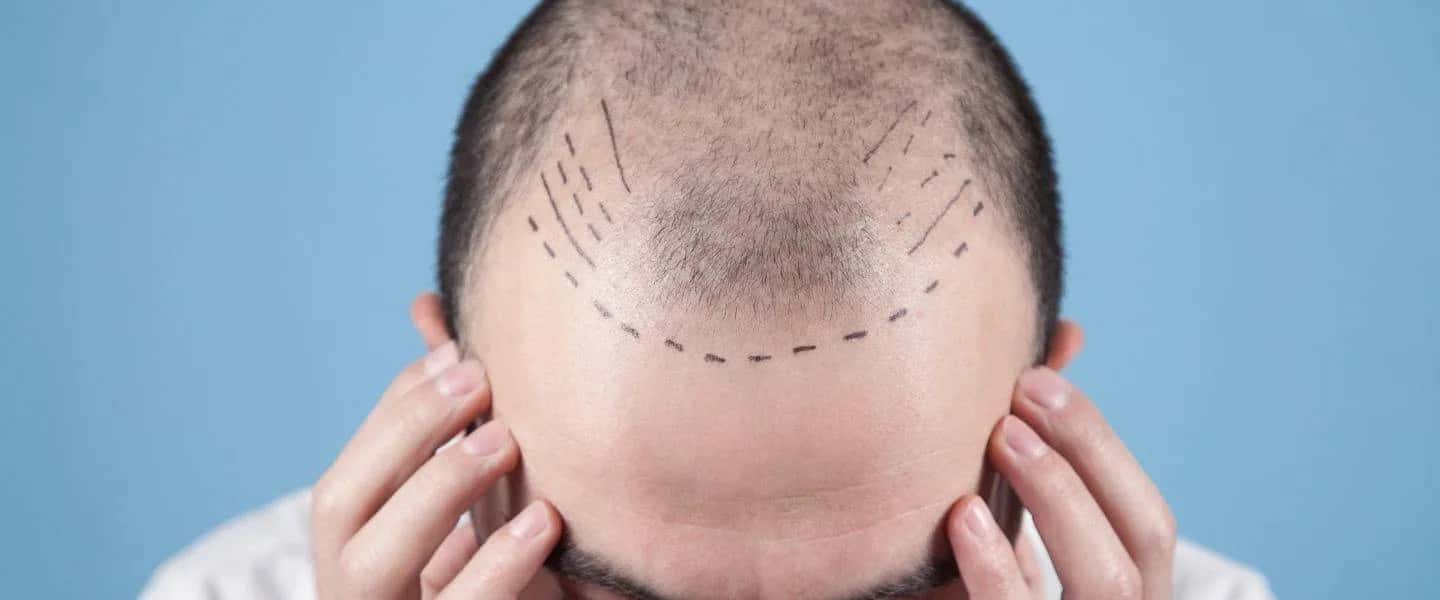
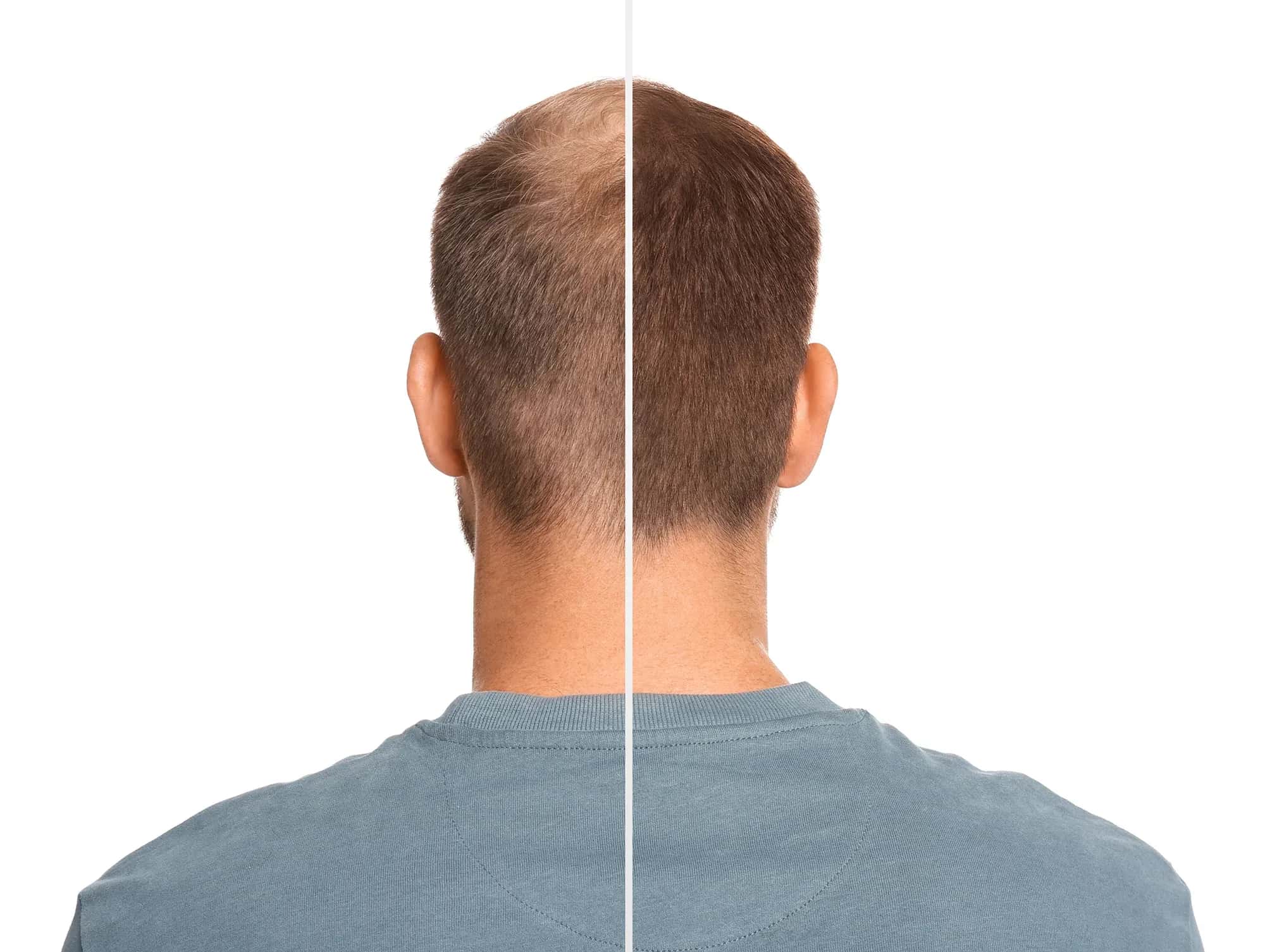
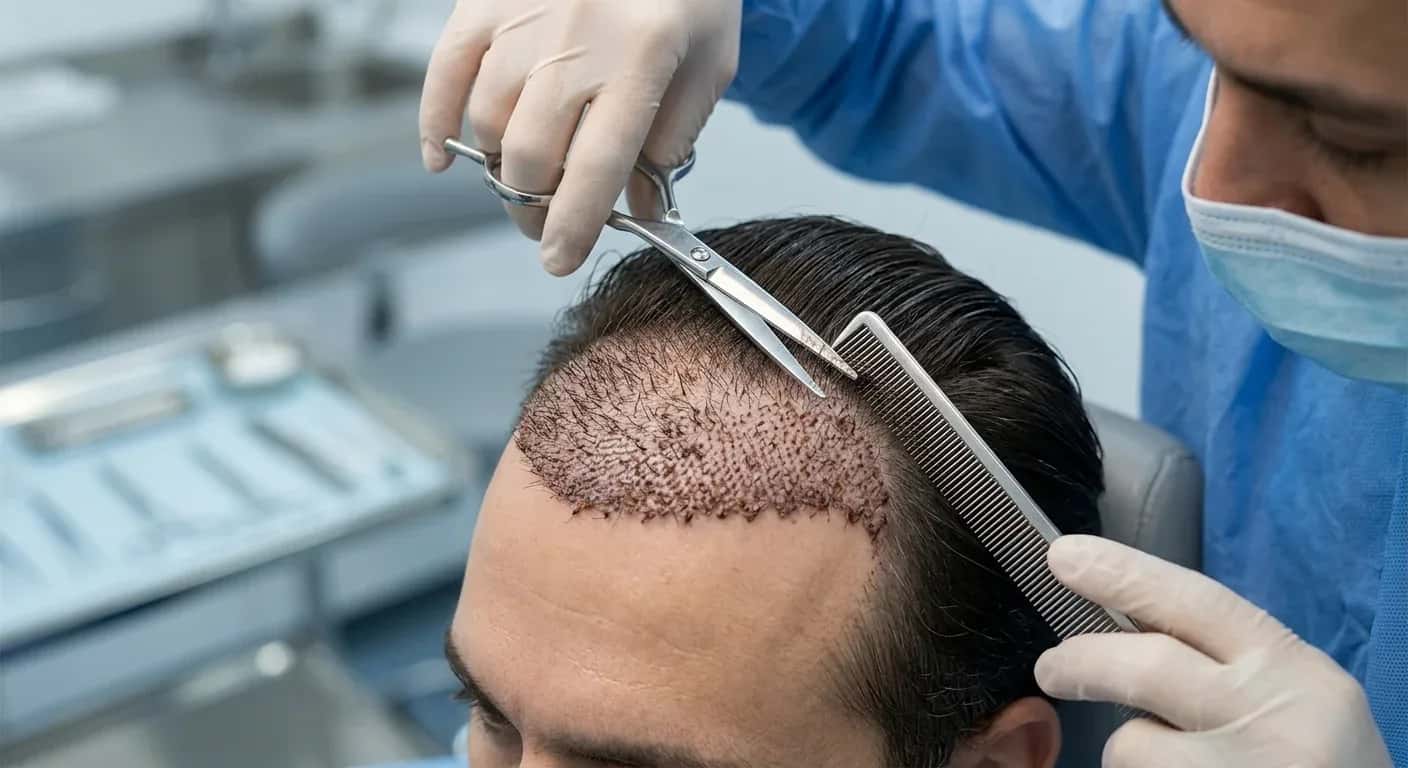
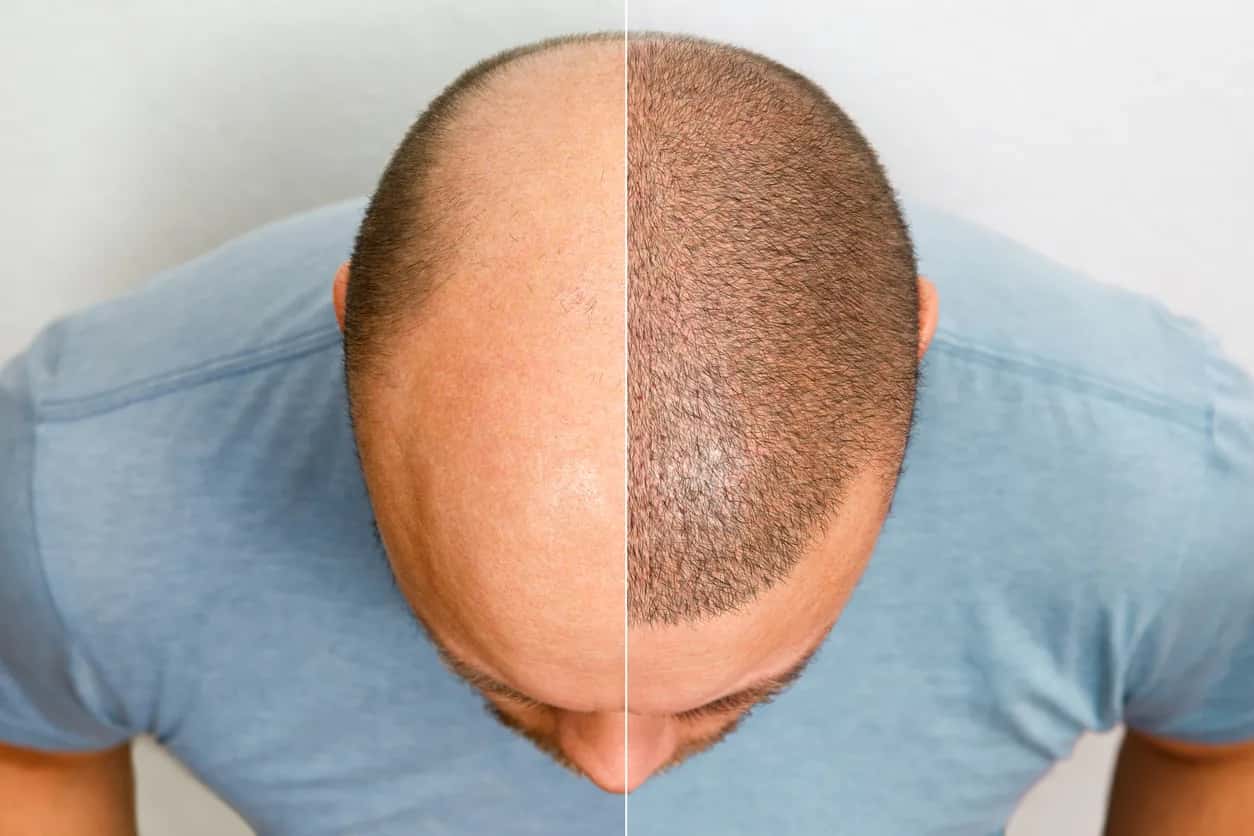
A hair transplant in Cancun offers an option for people seeking surgical hair restoration while traveling to Mexico for treatment. Understanding the available techniques, treatment costs, recovery requirements and travel arrangements helps patients prepare for the procedure.
FUE after a previous FUT hair transplant offers an opportunity to improve hair density, address areas of continued hair loss and reduce the visibility of an existing linear scar. Understanding how the earlier procedure affects donor hair availability, graft placement and recovery is essential when planning.
A vertex hair transplant can achieve a high graft survival rate when healthy donor follicles are handled and implanted correctly, but there is no scientifically established success percentage that applies specifically to every crown transplant.
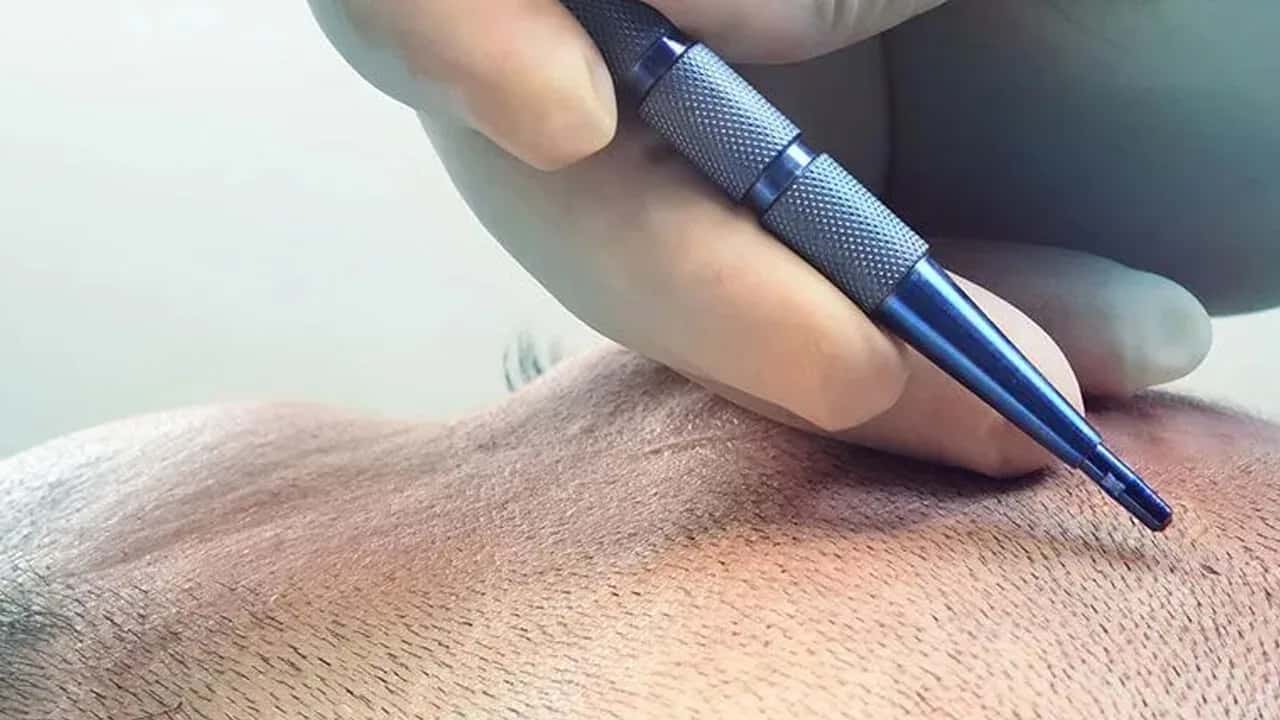
Sapphire FUE technology uses precision-cut synthetic sapphire blades to create the recipient sites where extracted hair follicles are implanted. The sapphire component does not usually extract the follicles; instead, it changes the instrument used during one of the most important stages of transplantation.
The first haircut after a hair transplant should be planned carefully because both the recipient and donor areas need time to heal. Uneven hair lengths, rapid donor-area growth and the temporarily shaved appearance can make patients want a haircut early.
The important distinction is between a celebrity who actually confirmed surgery and someone whose photographs merely look different. Here are 20 celebrities who publicly acknowledged hair transplant surgery or clearly documented their experience.
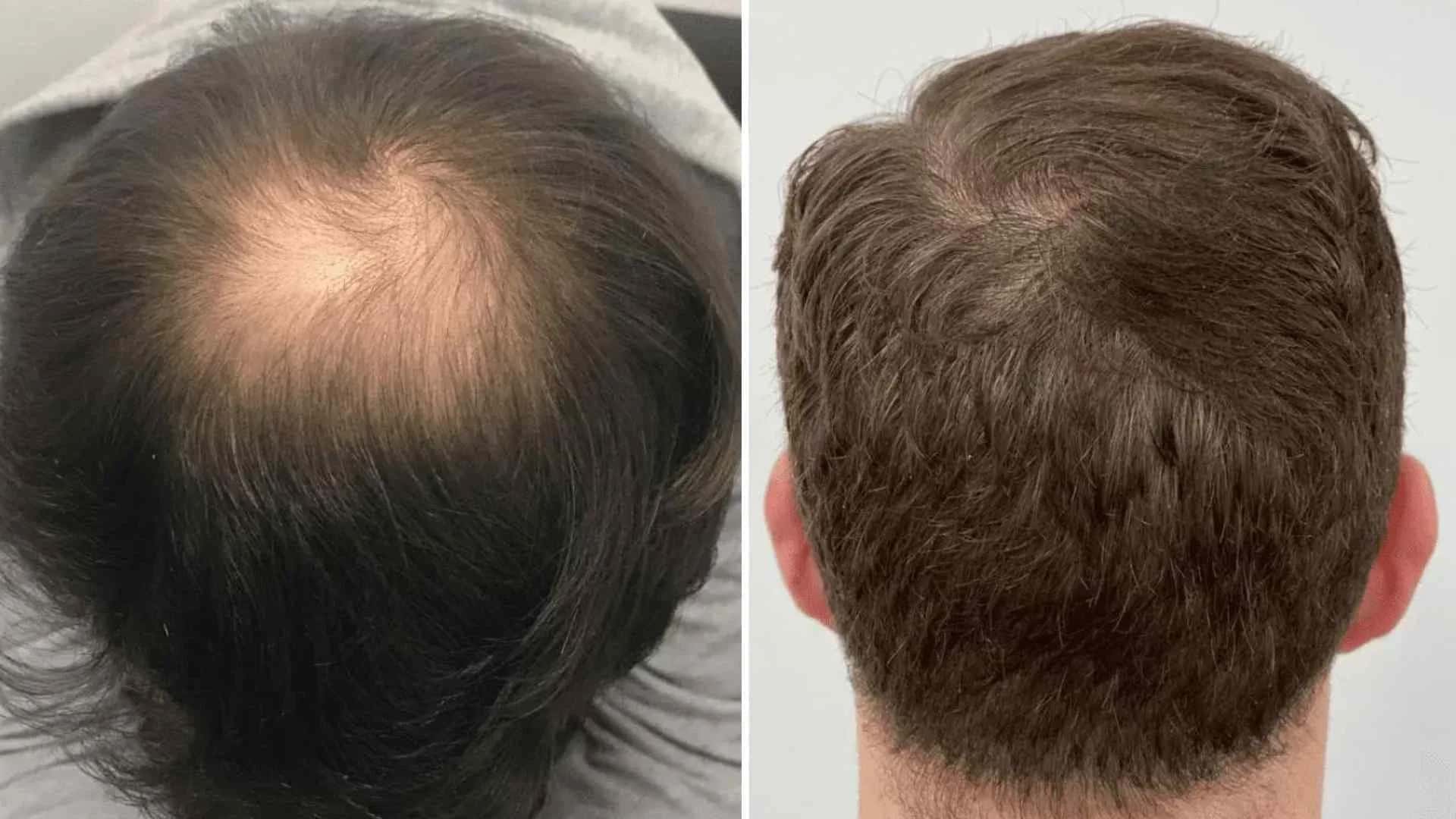
The crown, also called the vertex, is one of the most demanding areas to restore because hairs naturally rotate around a whorl rather than growing in one uniform direction. A relatively small-looking bald spot can therefore consume a substantial number of grafts.
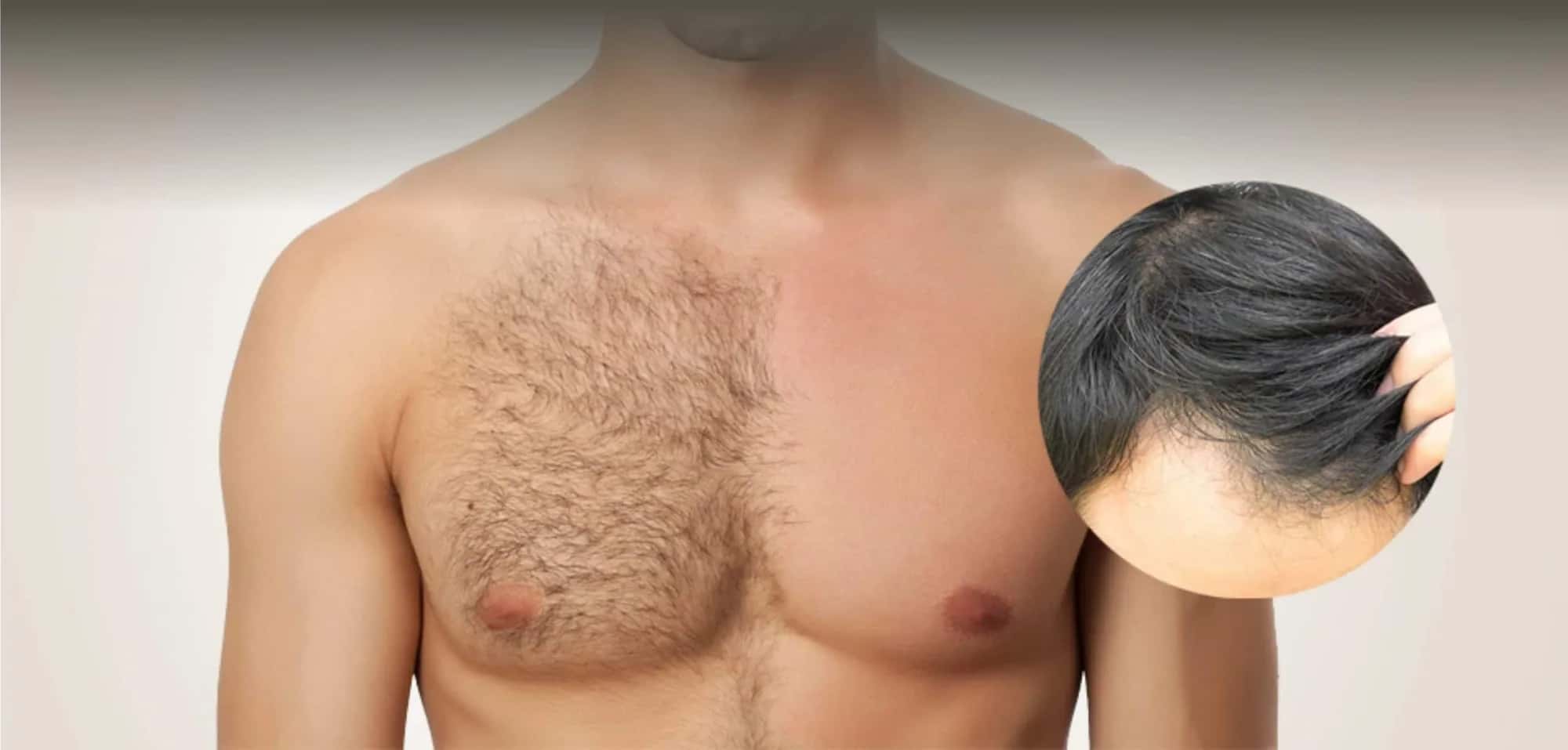
Body Hair Transplant, commonly shortened to BHT, uses suitable beard, chest, back, or other body follicles when the traditional scalp donor area cannot provide enough grafts. The technique can expand the available donor supply for advanced baldness, previous overharvesting, and repair cases.
This page explains when regret can occur after a hair transplant, which expectations may be unrealistic, and what matters most for achieving a more balanced long-term result.












 Medifinder