










Returning to Work After Hair Transplant
Returning to work after a hair transplant requires careful planning to protect newly implanted follicles while allowing the scalp to heal comfortably.

- Last updated
- 2 reads
- 12 min read


How Soon Can You Return to Work After a Hair Transplant?
Many patients can resume light professional activities within several days after hair transplantation, particularly when their responsibilities involve sitting at a desk and minimal physical movement. However, returning to work comfortably involves more than feeling physically capable of completing ordinary tasks.
During the first week, the scalp may still show redness, small crusts and temporary swelling. These changes can make an early return uncomfortable for people who regularly attend meetings or interact with customers.
Allowing approximately one to two weeks away from work provides a practical recovery window for many patients, especially those who prefer to return after the most noticeable signs of healing have improved. Individuals performing strenuous physical tasks generally need additional recovery time.
The safest return date should account for the physical requirements of the job, the condition of the healing scalp and any remaining restrictions on activity or protective equipment.
Why Is Taking Time Off Important After Hair Transplant Surgery?
Hair transplantation involves placing harvested follicles into small openings in the recipient area, where the surrounding tissue gradually secures them during the initial healing period. Although the procedure does not usually require prolonged hospitalization, the scalp remains sensitive to pressure, friction and accidental contact.
Taking time away from professional responsibilities allows patients to maintain a predictable washing routine, rest adequately and avoid situations that could disturb newly transplanted grafts.
Daily workplace activities may introduce risks that are easy to overlook. Carrying equipment, bending beneath shelving, changing uniforms or moving through crowded environments can bring objects unexpectedly close to the treated scalp.
A short period of recovery also allows initial swelling and tenderness to improve before patients return to their normal schedule. Rather than attempting to resume every responsibility immediately, a planned absence gives the healing process the attention it deserves.
What Happens During the First Two Weeks of Recovery?
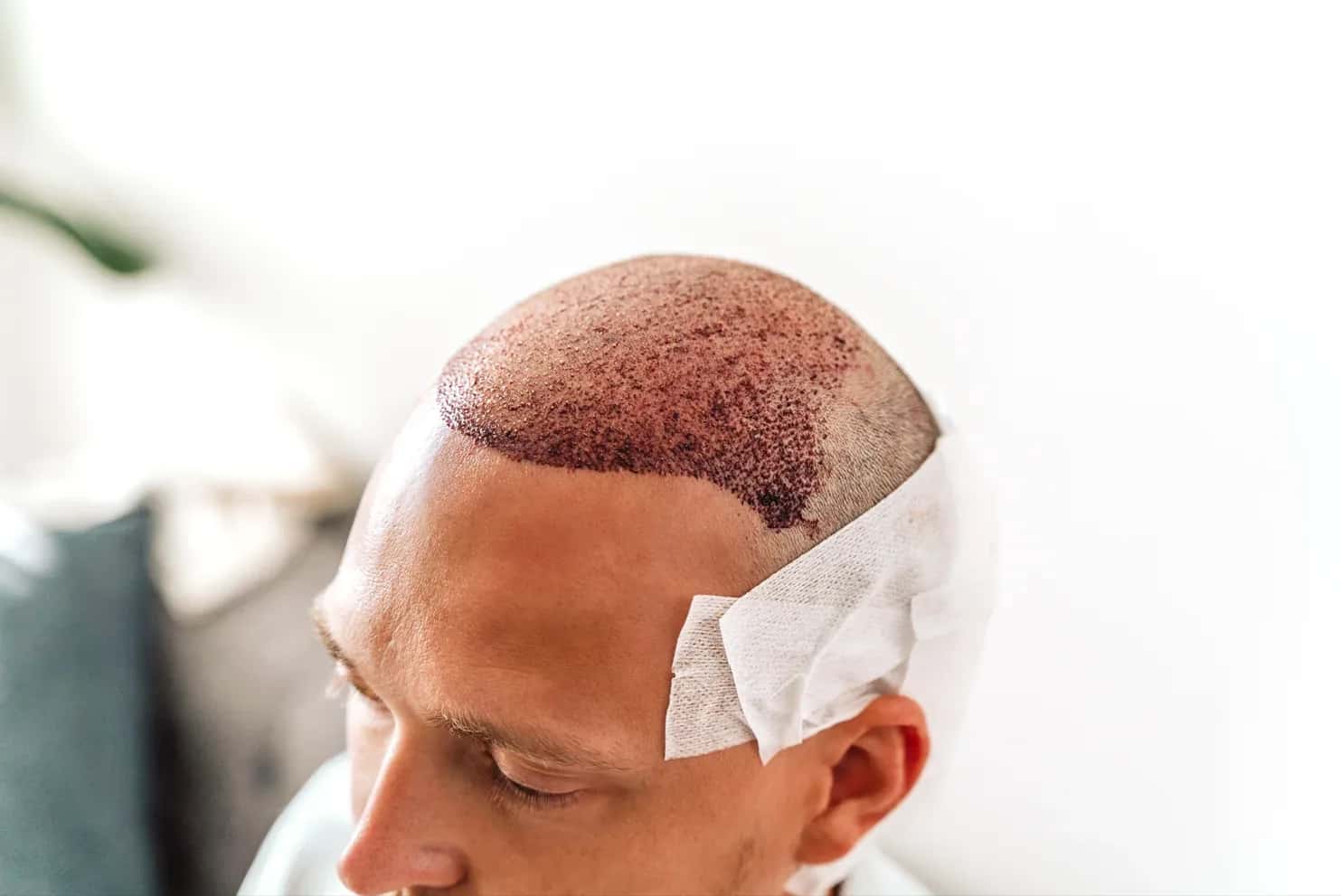
The first two weeks after a hair transplant involve visible changes in both the donor and recipient areas. During the initial days, patients commonly experience mild swelling, redness, tenderness and small crusts surrounding the transplanted follicles.
Swelling may become more noticeable around the forehead before gradually improving. Meanwhile, the recipient area develops a textured appearance as tiny scabs form around individual grafts.
During the following week, gentle cleansing helps soften these crusts, allowing them to detach naturally as the skin heals. Many patients notice significant improvements in comfort by the tenth day, although redness and sensitivity can remain visible afterward.
Understanding the first 10 days after hair transplantation provides useful context for scheduling time away from work, particularly when workplace responsibilities involve physical contact or prolonged exposure to the public.
Reaching the second week generally makes ordinary activities easier, but complete healing and new hair growth continue beyond this initial period.
When Can You Return to a Desk Job After a Hair Transplant?
Desk-based occupations are generally easier to resume because they involve limited physical exertion and rarely require direct contact with the scalp. Some patients feel capable of returning to administrative duties within a few days, provided they can work comfortably and maintain postoperative precautions.
However, long hours at a desk can still create challenges. Stressful schedules, inadequate breaks and difficulty maintaining washing routines may interfere with recovery habits.
Patients who frequently attend in-person meetings may prefer approximately seven to fourteen days away from the office, allowing visible crusting and swelling to diminish before returning.
During the first days back, maintaining a comfortable indoor temperature and avoiding unnecessary physical strain can make the transition easier. Ordinary computer work does not directly harm transplanted follicles, but the overall working environment should remain compatible with scalp protection.
Can You Work From Home During Hair Transplant Recovery?
Remote working provides a convenient option for patients who want to resume professional responsibilities without immediately returning to a shared workplace. It eliminates commuting, reduces accidental physical contact and allows greater control over room temperature and daily routines.
Working from home may become manageable within the first several days when discomfort is mild and concentration has returned. However, the convenience of remote work should not encourage patients to ignore their need for rest.
Long video meetings, demanding deadlines and extended screen time may contribute to fatigue during the early postoperative period. Scheduling shorter working sessions and allowing time for meals, medication and gentle scalp care can make remote work more comfortable.
Patients should also avoid assuming that remaining indoors removes every recovery restriction. Activities involving heavy lifting, vigorous exercise or direct scalp contact still require appropriate precautions.
When Can You Resume a Physically Demanding Job?
Physically demanding occupations require greater recovery planning because strenuous movement can increase sweating, discomfort and the likelihood of accidental injury to the scalp.
Construction, warehouse work, manufacturing, delivery services and other labor-intensive professions frequently involve lifting, bending or working in environments where protective equipment is mandatory. These conditions create challenges that are less relevant to ordinary desk work.
Patients may need approximately two to four weeks before returning to demanding tasks, with especially strenuous duties or contact risks requiring additional restrictions. Light duties can sometimes provide a practical transition before full physical responsibilities resume.
Returning before the scalp has recovered sufficiently may increase irritation or bleeding, particularly when activities involve repeated strain.
A staged return that begins with less demanding responsibilities provides a more manageable approach than immediately resuming a full workload.
Does Returning to Work Differ After FUE and FUT?
The surgical technique influences some aspects of workplace recovery because FUE and FUT create different types of donor area wounds.
FUE removes follicular units individually, leaving numerous small extraction sites that gradually heal. Patients may experience tenderness, redness and temporary sensitivity around the donor region, but the technique does not create a continuous linear incision.
FUT involves removing a strip of hair-bearing scalp and closing the resulting incision. This approach can produce greater tightness along the donor region, particularly when movements stretch the back of the scalp. Sutures or staples may also require removal during postoperative follow-up.
Both techniques require careful protection of the newly implanted recipient area, regardless of how the grafts were harvested.
Patients returning to physically demanding work should pay particular attention to donor area discomfort after FUT, while FUE patients must still avoid friction and excessive pressure over healing extraction sites.
Can You Wear a Helmet or Hard Hat After a Hair Transplant?
Protective headwear creates an important consideration for employees working in construction, industrial facilities and environments where safety helmets are compulsory.
A hard hat may press against the recipient area, while its internal suspension system or adjustable straps can create friction around healing donor sites. Tight-fitting helmets may also trap heat and increase perspiration.
During the earliest recovery period, protective equipment that compresses newly implanted grafts should remain avoided. Even when the scalp feels comfortable, repeated contact can irritate tissue that has not completed healing.
Employees whose work requires head protection should arrange temporary duties that do not involve helmet use until they receive medical clearance for the required equipment.
Workplace safety standards must remain in place throughout recovery. Patients should never remove mandatory protective equipment to accommodate a recent hair transplant while continuing to perform hazardous tasks.
How Should You Plan Time Off With Your Employer?
Organizing time away from work before the procedure helps reduce unnecessary pressure during recovery and provides enough flexibility for early postoperative care.
-
Schedule leave around the initial healing period: Reserving approximately one to two weeks can provide useful recovery time for office-based responsibilities, while physically demanding jobs may require a longer absence.
-
Discuss temporary adjustments to your duties: Employees who perform physical tasks may benefit from administrative responsibilities, reduced lifting or assignments that avoid direct contact with the head.
-
Consider flexible working arrangements: Remote work, shorter shifts and gradual resumption of responsibilities can make the transition more comfortable without interrupting essential recovery routines.
-
Protect your medical privacy: Employees can discuss the need for short-term recovery arrangements without sharing unnecessary personal details about the cosmetic procedure.
How Can You Protect Your Scalp While Commuting?
Traveling to work introduces practical concerns during early hair transplant recovery, particularly when patients use crowded public transportation or travel through busy stations.
Accidental contact with other passengers, overhead luggage racks and low vehicle doorways can create unexpected pressure around the transplanted area. Taking quieter routes or arranging transportation outside peak commuting hours may reduce these situations.
Patients who drive should also consider discomfort from prolonged sitting, sudden movements and any restrictions associated with postoperative medication. Driving should resume only when alertness, movement and medication effects permit safe vehicle control.
Motorcycle and bicycle commuting present additional complications because helmets are essential for safety but can press against healing scalp tissue.
Temporary alternative transportation arrangements are therefore preferable to wearing restrictive protective headwear before the scalp is ready.
What Should You Avoid at Work After a Hair Transplant?
Several ordinary workplace habits can interfere with comfortable healing, particularly during the first two weeks when newly implanted follicles require protection.
-
Heavy lifting and strenuous movement: Activities that substantially increase physical effort may aggravate swelling or bleeding during early recovery. Limit demanding tasks until postoperative activity restrictions have ended.
-
Scratching or rubbing the scalp: Itching can become distracting during long working hours, but removing scabs manually may irritate the skin and disturb healing tissue. Keep the recipient area free from unnecessary contact.
-
Excessive heat and perspiration: Hot kitchens, industrial environments and poorly ventilated spaces may increase scalp discomfort through sweating and prolonged heat exposure.
-
Tight uniforms and head accessories: Clothing that must be pulled over the head, fitted headwear and equipment straps can produce friction around the recipient or donor area. Choose comfortable clothing that allows dressing without disturbing healing grafts.
How Can You Manage Redness and Scabs at Work?
Visible redness and scabbing can make returning to a professional environment feel uncomfortable, particularly for people whose jobs involve frequent face-to-face interaction.
During the first week, small crusts often create a dotted appearance across the transplanted area. These gradually soften and detach through appropriate cleansing, although residual redness can continue after the scabs have disappeared.
Patients should avoid applying ordinary concealers, styling sprays or cosmetic powders directly to healing recipient sites simply to hide the procedure. Introducing unapproved products can irritate sensitive skin and complicate hygiene.
Tight hats are also unsuitable as an immediate concealment method because they may rub against recently implanted follicles.
Planning the return after the most visible scabbing has resolved offers a practical alternative. A natural appearance develops gradually, and patients do not need to conceal every temporary postoperative change to resume their normal professional activities.
How Should You Prepare for Your First Week Back?
A manageable first week at work combines ordinary professional responsibilities with the scalp care practices established during recovery.
-
Keep essential aftercare items accessible: Store approved cleansing products, prescribed medication and written care instructions somewhere convenient so that returning to work does not interrupt the recovery routine.
-
Arrange a comfortable workspace: Avoid excessive indoor heat, direct contact between the scalp and surrounding equipment, and seating arrangements that encourage unnecessary pressure against the head.
-
Allow regular breaks: Brief pauses help reduce fatigue and provide opportunities to monitor discomfort without repeatedly touching or examining the transplanted area.
-
Resume responsibilities gradually: Start with manageable tasks and avoid adding strenuous physical duties simply because swelling or visible crusting has improved.
Can Workplace Heat, Sweat and Dust Affect Recovery?
Work environments involving heat, dust or airborne particles deserve additional attention because the newly treated scalp remains sensitive while the small surgical wounds heal.
High temperatures can increase sweating and itching, particularly when employees work near ovens, machinery or poorly ventilated production areas. Sweat does not automatically destroy transplanted grafts, but discomfort may encourage scratching or repeated scalp contact.
Dusty surroundings create a different challenge. Fine particles can settle on healing skin, making appropriate hygiene more important while the recipient and donor areas remain sensitive.
Employees in these environments may need temporary reassignment to cleaner, cooler areas until the initial restrictions have ended.
Maintaining consistent hair transplant aftercare becomes especially important when professional responsibilities expose the scalp to conditions that are difficult to control throughout the working day.
Which Symptoms Should Delay Your Return to Work?
Temporary tenderness, mild redness and localized swelling are common during the first days after transplantation, but symptoms that worsen rather than improve may indicate a postoperative complication.
Increasing pain, spreading redness, unusual discharge or significant swelling should prompt medical assessment before returning to normal duties. Fever, chills or persistent bleeding also require timely attention.
Patients should not attempt to manage these symptoms by applying unapproved creams, removing scabs or continuing physically demanding work despite increasing discomfort.
The absence of severe pain alone does not confirm that healing has finished. Persistent wound problems or difficulty maintaining the required aftercare routine may make additional recovery time necessary.
Addressing concerning symptoms early is more important than meeting a predetermined return-to-work date.
Does Returning to Work Affect Hair Transplant Results?
Returning to work does not directly interfere with transplanted hair growth when professional activities remain compatible with the healing process. The primary concern involves the physical conditions surrounding the return rather than the act of working itself.
A person completing ordinary computer tasks places different demands on the scalp than someone lifting heavy equipment, wearing a tight helmet or working in intense heat.
Newly transplanted follicles become more securely established as the recipient sites heal, making careful protection especially important during the first several days. Once the early healing stage progresses, everyday movement becomes easier and the risk of accidental graft displacement decreases.
The eventual appearance of transplanted hair develops over many months, long after most patients have resumed their professional routines.
Maintaining suitable postoperative habits allows work responsibilities and hair restoration recovery to progress together without unnecessary conflict.
What Should You Expect During the First Month Back at Work?
During the weeks following the initial recovery period, patients generally notice continued improvements in scalp comfort, even as the visible appearance of the transplanted hair begins changing.
Small scabs usually disappear during early healing, while temporary redness or altered scalp sensation may continue for longer. These changes can remain noticeable without preventing ordinary desk-based activities.
Another development involves shedding of transplanted hair shafts, which commonly begins several weeks after surgery. The recipient area may appear thinner as these hairs fall out, although the underlying follicles can remain in place and later produce new growth.
This temporary shedding should not be confused with a failed procedure. New hair often becomes noticeable around the third or fourth month, with gradual improvements in density over the following months.
Patients returning to work after a hair transplant should therefore separate two expectations: becoming comfortable enough to resume professional responsibilities and waiting for the final restoration result. The first usually happens within weeks, while the second requires considerably more time and patience.
Final Thoughts on Returning to Work After a Hair Transplant
Returning to work after a hair transplant involves balancing professional responsibilities with the temporary restrictions required for scalp healing. Desk-based and remote roles generally allow an earlier return, while physically demanding occupations and jobs requiring protective headwear call for additional preparation.
Allowing sufficient recovery time, protecting transplanted grafts and maintaining gentle scalp hygiene help patients return to their routines with greater comfort. A gradual return that respects the healing process provides a practical foundation for resuming everyday responsibilities while the transplanted follicles continue their longer-term growth cycle.
- Last updated
- Language
- English
How did you find this article?
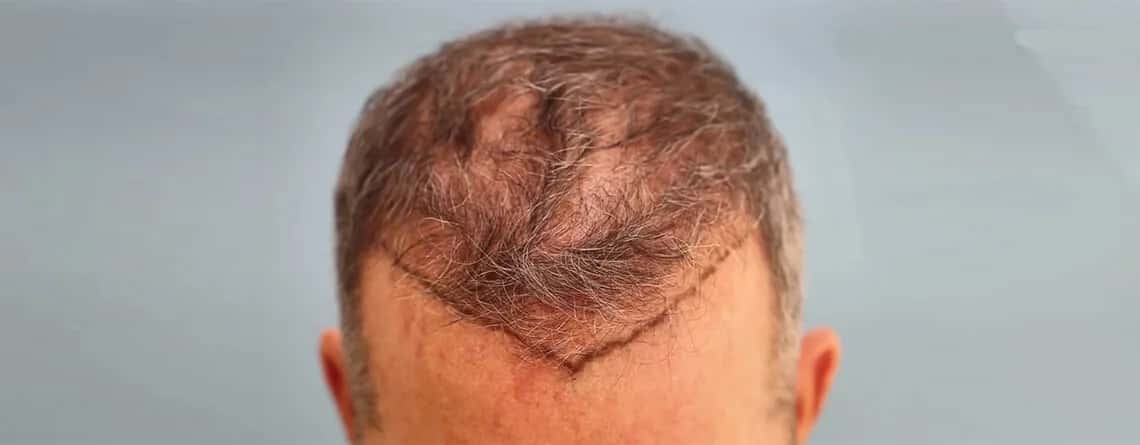
A hair transplant can look thinner in photos than it appears in person because lighting, camera angles, hair length and scalp visibility influence how the hair is captured.

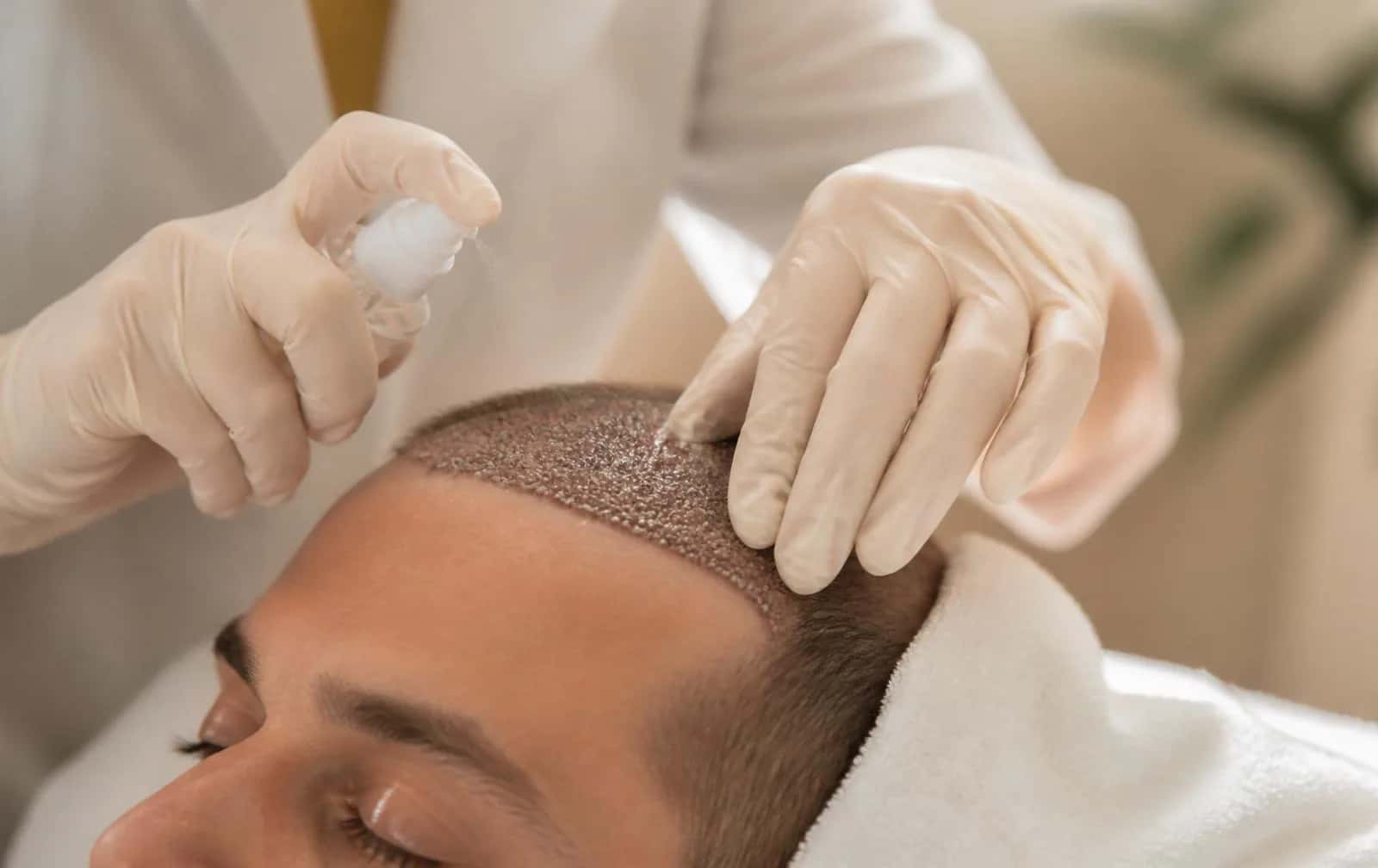
Hiding a hair transplant during recovery requires balancing personal privacy with the need to protect newly implanted follicles.

A hair transplant in Cancun offers an option for people seeking surgical hair restoration while traveling to Mexico for treatment. Understanding the available techniques, treatment costs, recovery requirements and travel arrangements helps patients prepare for the procedure.
Subscribe to the Medifinder newsletter and never miss our latest content.