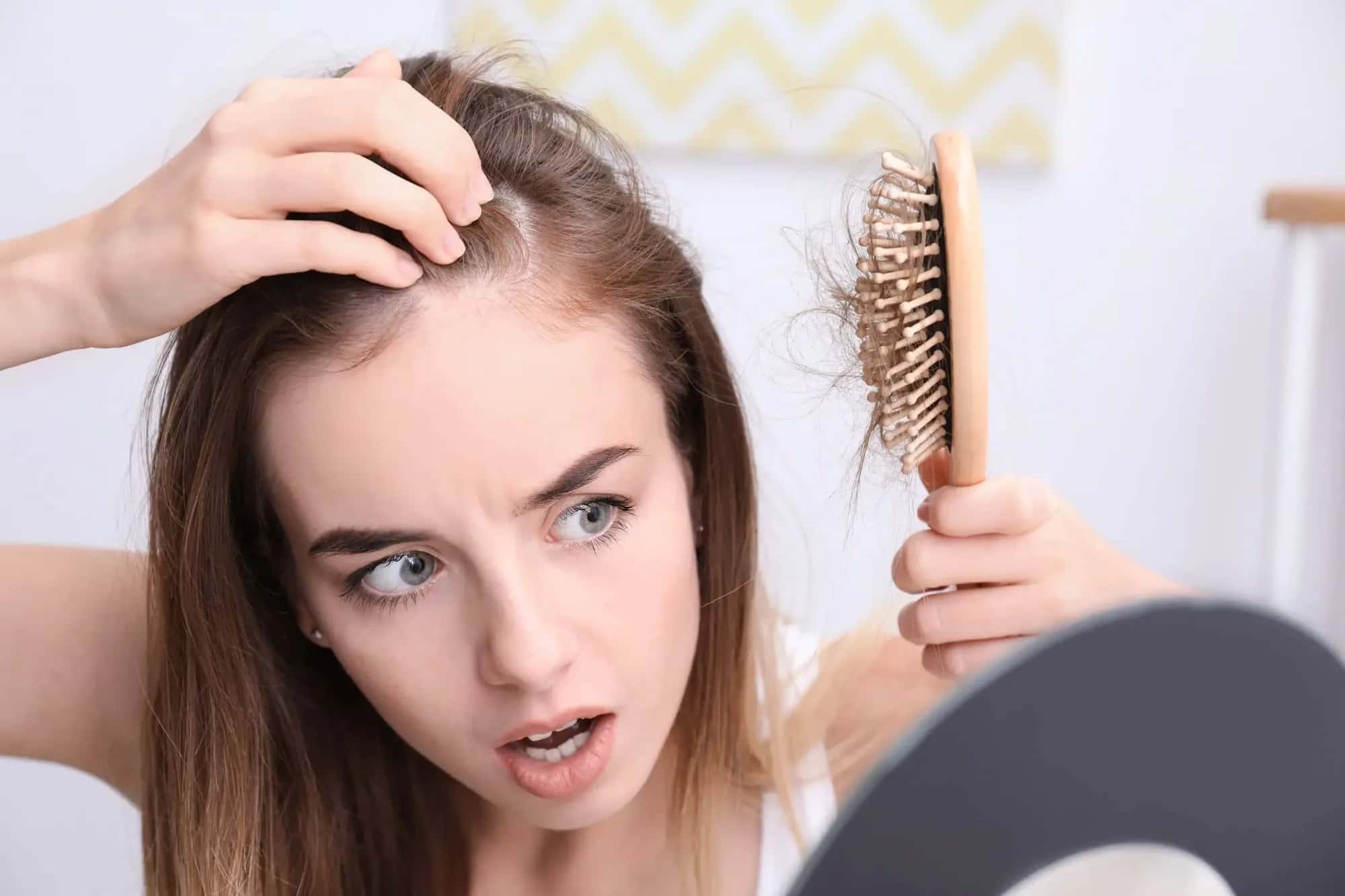
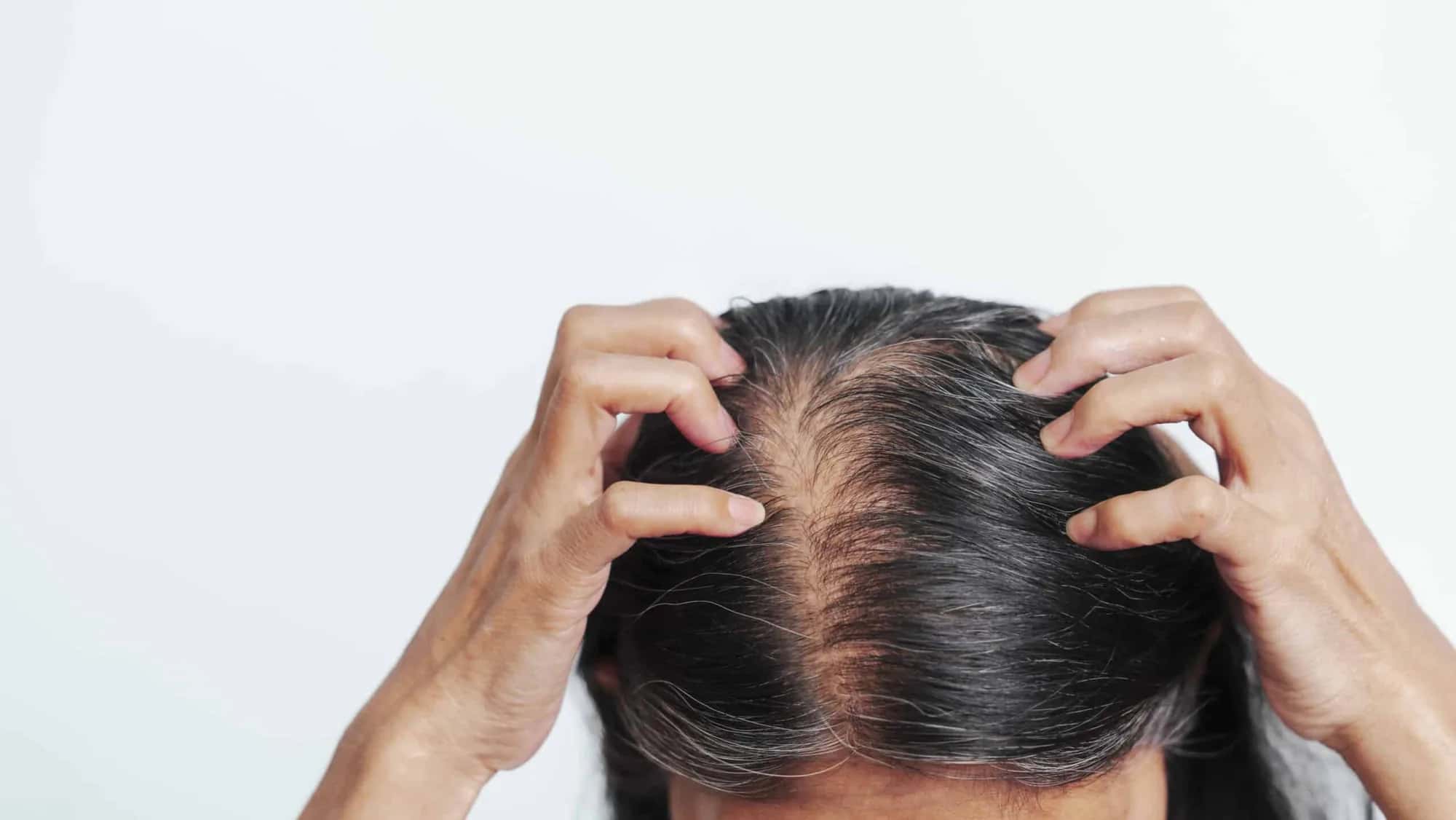
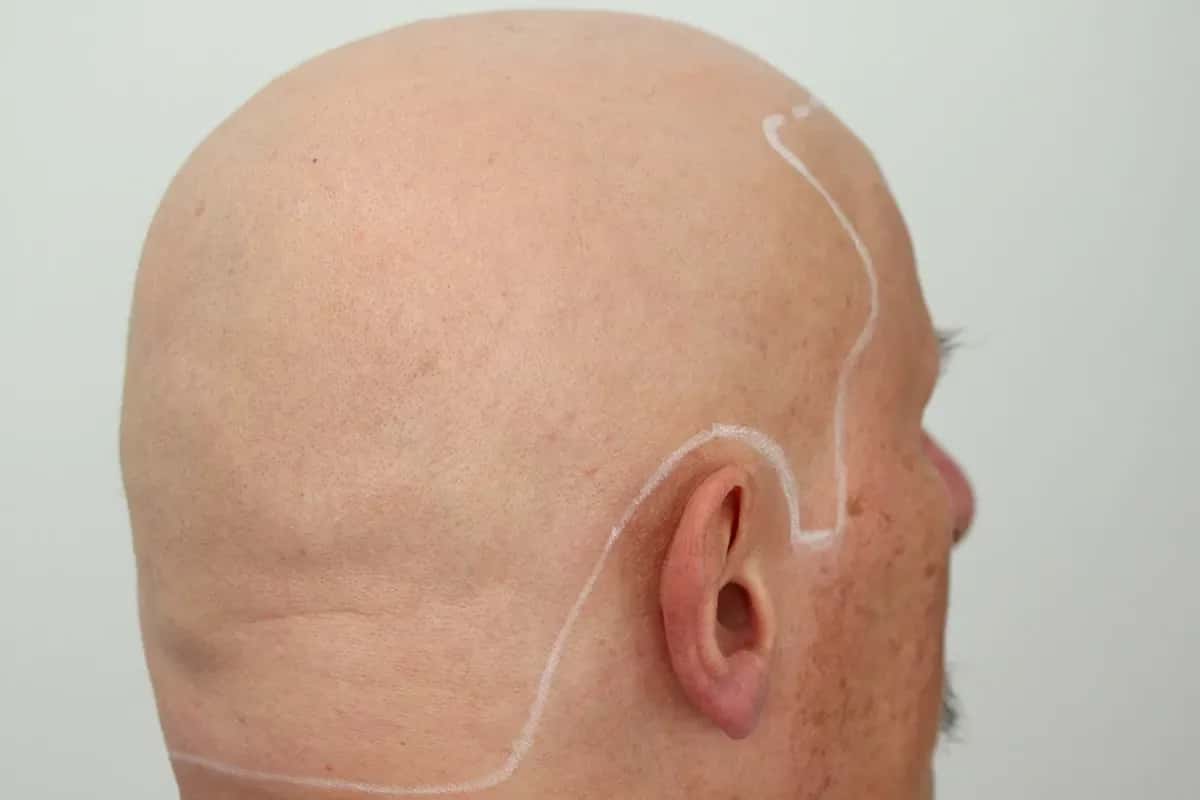
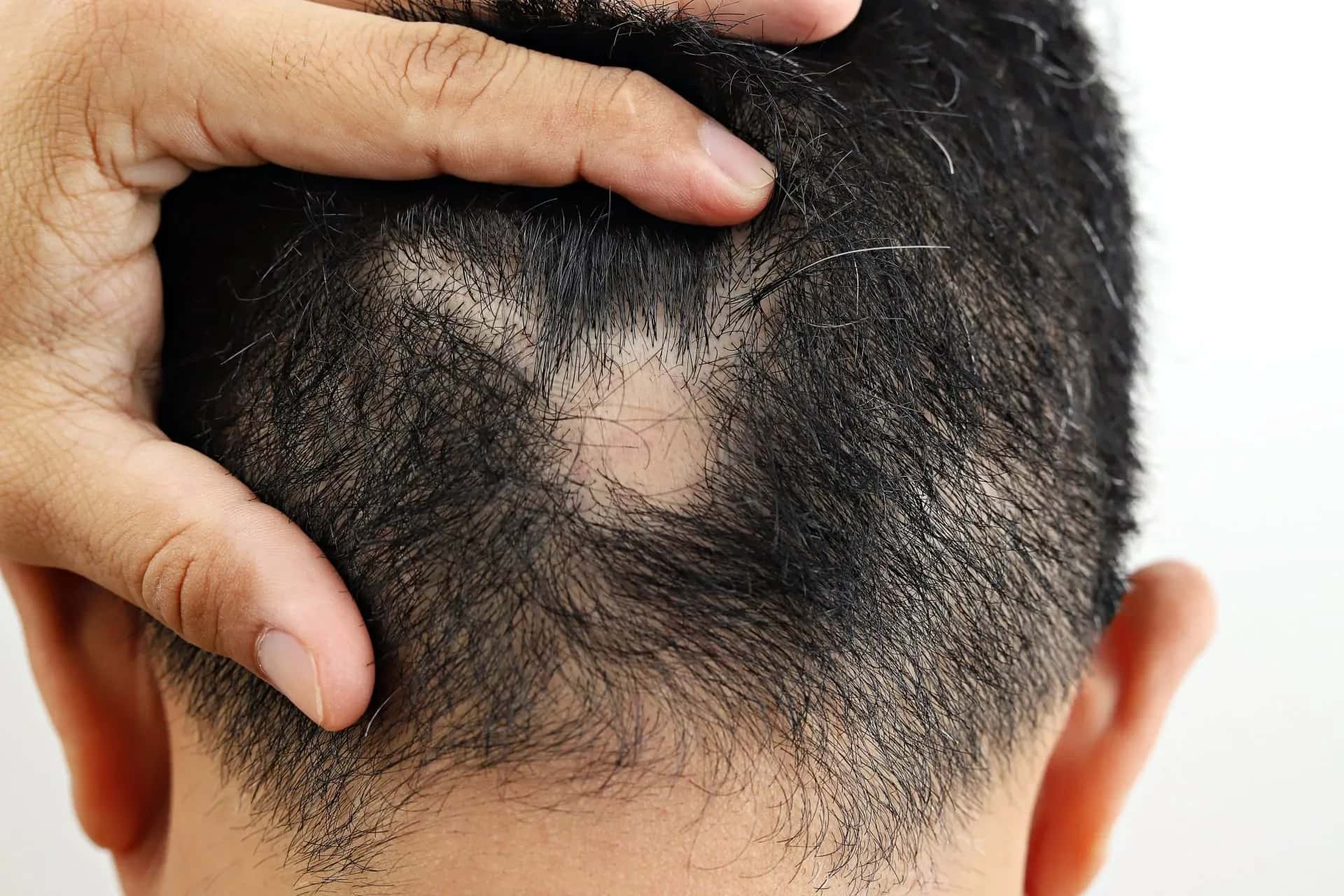
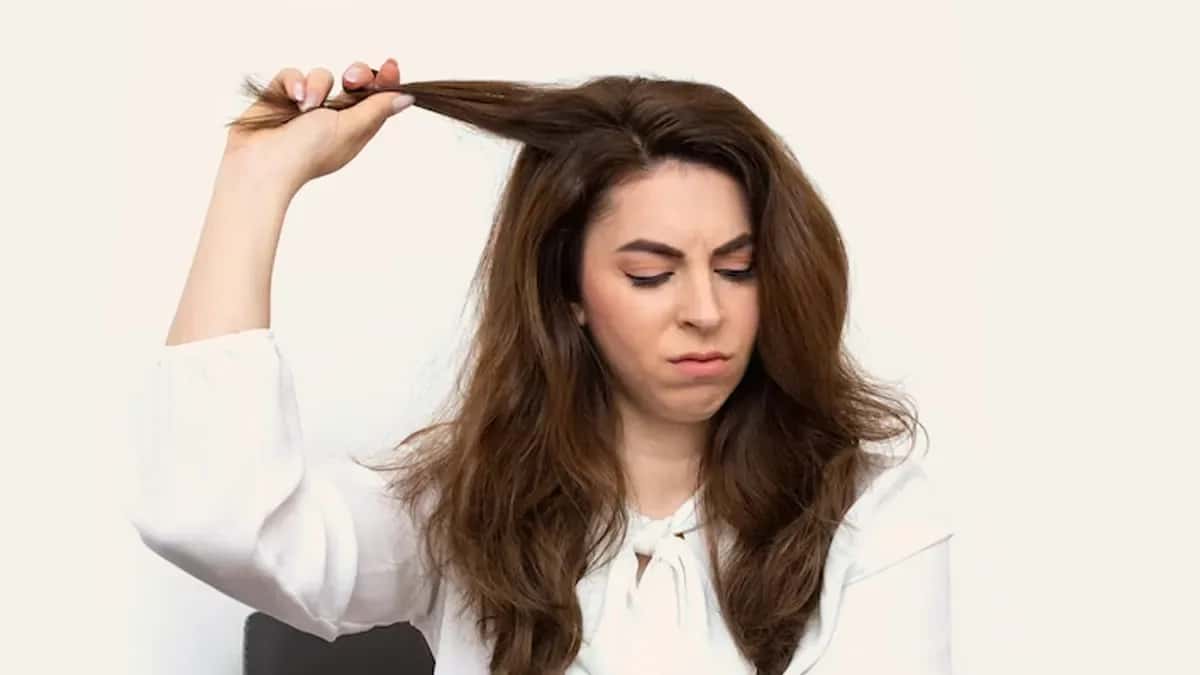
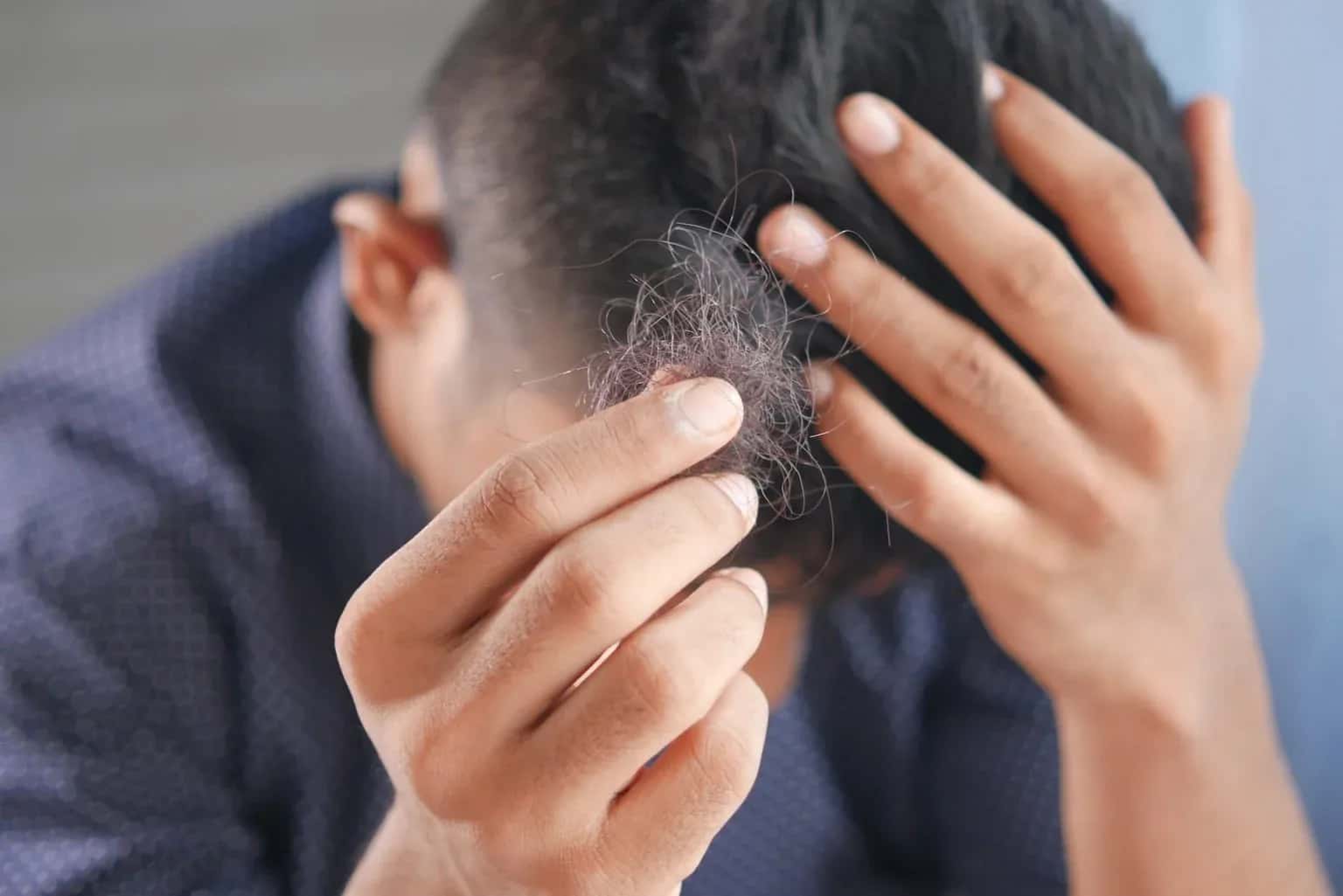
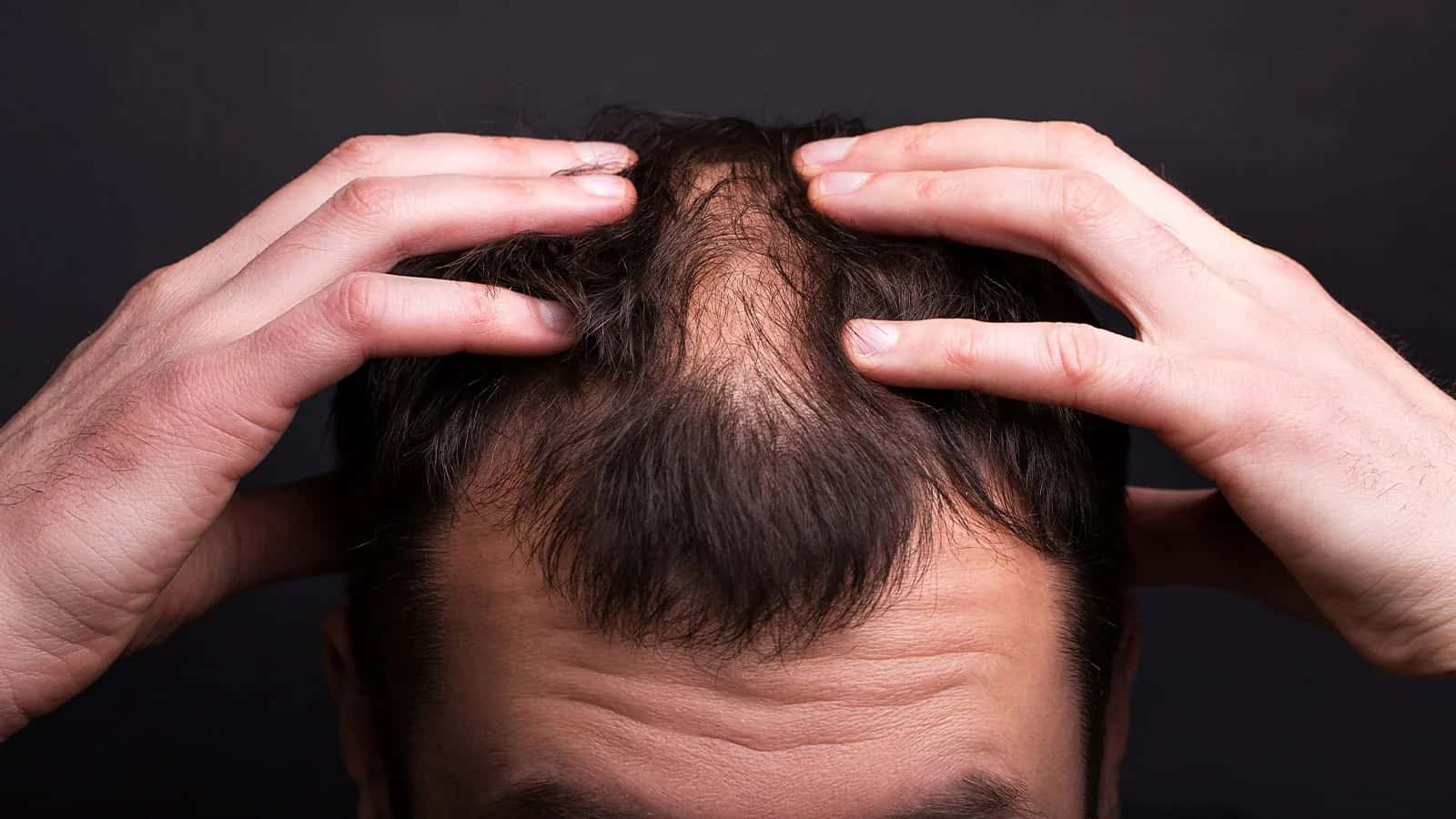
Washing simply releases many of these loose hairs at the same time, which can make normal shedding appear more dramatic than it really is. So, how much hair loss in the shower is normal, and when does the amount suggest excessive shedding or another form of hair loss?
This guide explains what sudden hair loss means, which conditions commonly trigger rapid shedding, and how different patterns can point toward different underlying causes.
This guide explains how iron deficiency can contribute to hair loss, which blood tests matter, how ferritin relates to shedding, and when hair may begin recovering.
This guide explains alopecia totalis, including its symptoms, autoimmune causes, diagnosis, hair regrowth potential, available treatments, recurrence, and relationship with hair transplantation.
This guide explains cicatricial alopecia, including its symptoms, causes, types, diagnosis, permanent hair loss risk, treatment options, and relationship with hair transplantation.
This guide explains what trichotillomania is, why repetitive hair pulling occurs, how it affects hair growth, and which approaches are used to manage the condition.
This guide explains whether GLP-1 hair loss grows back, why shedding can occur, typical timelines, semaglutide and tirzepatide data, nutrition, treatment, and warning signs.
Hair loss exceeding normal levels can stem from a variety of causes. In addition to genetic predisposition, stress, certain medical conditions, nutritional issues, and medications, hormonal changes can also play a significant role in hair loss.
This guide explains whether scientists have cured baldness, what recent hair regeneration studies found, how PP405 works, and how close research is to a lasting treatment.











 Nadiye Hacıömeroğlu