










Does Hair Lost Due to Hormonal Factors Grow Back?
Hair loss exceeding normal levels can stem from a variety of causes. In addition to genetic predisposition, stress, certain medical conditions, nutritional issues, and medications, hormonal changes can also play a significant role in hair loss.

- Last updated
- 41 reads
- 9 min read
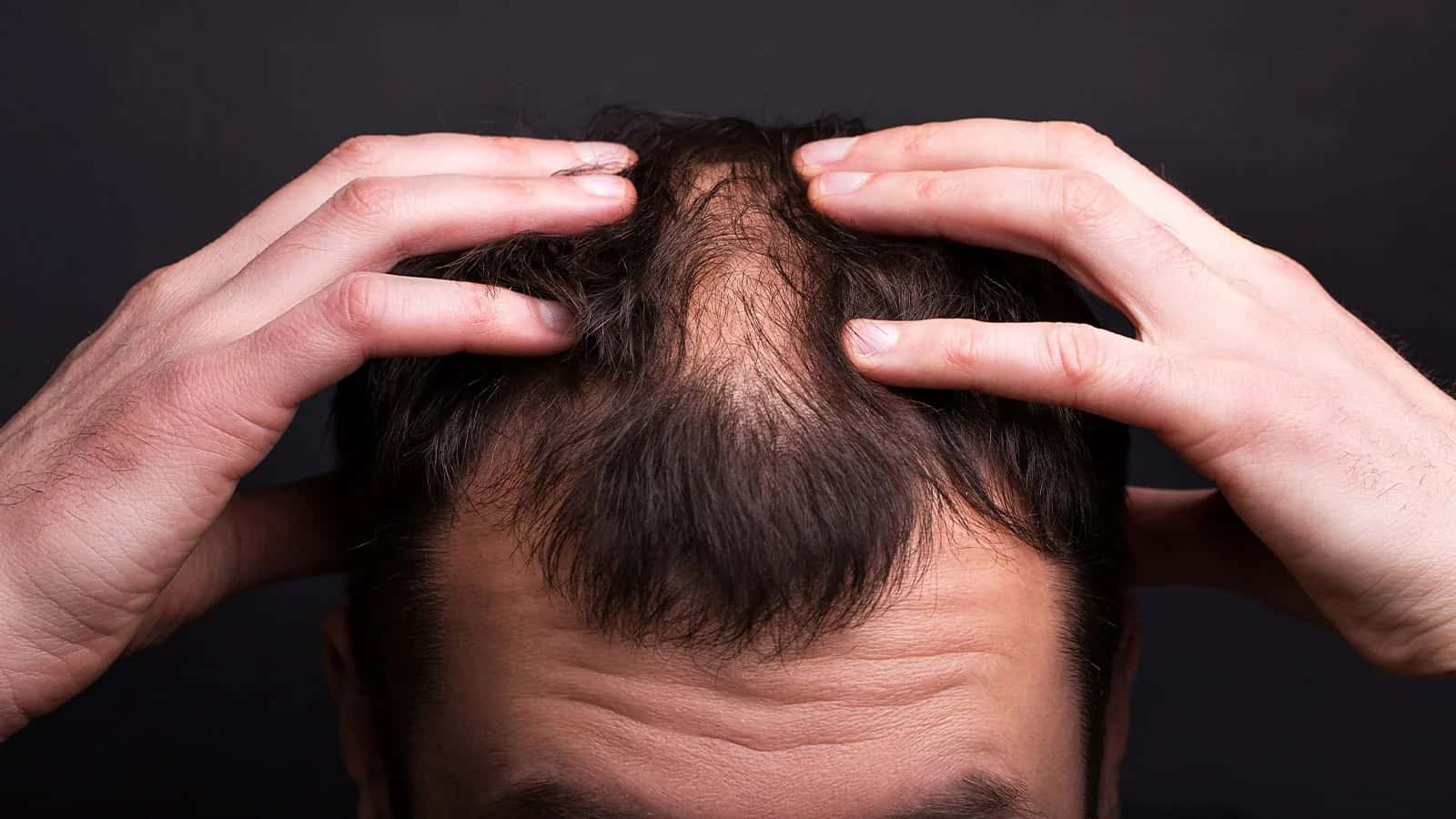


Can Hair Lost Due to Hormones Grow Back?
In many cases of hormonal hair loss, hair can grow back. However, the type of hair loss must first be identified.
If hormonal changes temporarily push hair follicles into a resting phase, the follicles usually do not disappear completely. Once hormonal balance improves, the follicles may return to the active growth phase and begin producing new hair.
Hair loss caused by thyroid disorders is an important example. Hair loss related to thyroid disease may reverse once the underlying thyroid condition is treated. Hair growth can also recover after thyroid hormone levels return to normal, although this process may take time.
However, not all forms of hormonal hair loss are the same.
Androgenetic alopecia, in particular, is characterized by the gradual miniaturization of hair follicles under the influence of androgens in genetically predisposed individuals. As this process progresses, thick hair strands gradually become thinner.
Therefore, early diagnosis is particularly important in hormone-related hair loss.
Which Hormones Can Cause Hair Loss?
The hair growth cycle can be influenced by the body's hormonal system. However, a hormonal imbalance does not refer to a single condition.
The main hormonal conditions associated with hair loss may include:
-
Thyroid hormone disorders
-
The effects of androgens on hair follicles
-
Changes in estrogen levels after childbirth
-
Hormonal changes during menopause
-
Hormonal changes associated with polycystic ovary syndrome in some women
Testosterone and its more potent metabolite, dihydrotestosterone (DHT), play an important role in male androgenetic hair loss.
In genetically sensitive hair follicles, DHT can cause progressive follicle miniaturization, shorten the growth phase, and lead to increasingly thinner hair strands. Scientific research indicates that progressive miniaturization of hair follicles is one of the main characteristics of androgenetic alopecia.
However, this does not necessarily mean that a person has excessively high testosterone levels in the blood. Genetic sensitivity of the hair follicles to hormones is also an important factor.
Can Hair Grow Back After Male Hormonal Hair Loss?
One of the most common forms of hormone-related hair loss in men is androgenetic alopecia, also known as male pattern hair loss.
It commonly appears as receding temples, changes in the hairline, and thinning around the crown.
In androgenetic alopecia, hair follicles do not disappear immediately. They first undergo a process known as miniaturization. Thick, pigmented hairs gradually become shorter, thinner, and weaker.
Early intervention is important during this stage.
Some scientific studies suggest that appropriate treatment may partially reverse miniaturization or strengthen hair growth in follicles that have not completely lost their function.
However, expecting the same response in areas that have been completely bald for many years may not be realistic. In advanced androgenetic alopecia, changes in some follicles may become considerably more difficult to reverse.
Therefore, the goal in androgenetic hair loss is not only to stimulate new growth but also to preserve existing hair for as long as possible.
Can Hormonal Hair Loss in Women Be Reversed?
Hair loss in women can have many different causes, and it is not accurate to attribute every common form of thinning directly to hormones.
Female pattern hair loss typically causes widening of the central part and general thinning across the top of the scalp. The frontal hairline may not recede as noticeably as it often does in men.
Genetic predisposition also plays an important role alongside hormonal factors.
Hair loss can also occur with thyroid disorders, postpartum changes, or hormonal changes associated with menopause.
Hormonal evaluation may be considered when hair loss in women is accompanied by symptoms such as:
-
Irregular menstrual cycles
-
Increased facial or body hair
-
Severe or persistent acne
-
Sudden weight changes
-
Rapid hair thinning
However, these symptoms alone do not confirm a hormonal disorder. Clinical evaluation and laboratory testing may be required when appropriate.
The likelihood of hair growing back also depends on the underlying cause. Recovery is generally more likely with telogen effluvium caused by temporary hormonal changes. Genetic female pattern hair loss, however, can be a long-term condition.
Can Hair Lost Due to Thyroid Problems Grow Back?
Yes, hair loss associated with thyroid disease can often improve once thyroid hormone levels are brought under control.
Both hypothyroidism and hyperthyroidism can affect the hair growth cycle. Diffuse thinning may occur, and hair loss may not be limited to the scalp.
Both hypothyroidism and hyperthyroidism are recognized as possible triggers of telogen effluvium.
Hair should not be expected to return to its previous condition immediately after treatment for a thyroid disorder begins.
The hair growth cycle is slow. Even after hormone levels normalize, hairs that previously entered the resting phase may continue to shed for some time. New hair growth and visible improvements in density can take several months.
Thyroid-related hair loss generally improves after hormone levels normalize, but recovery can take time.
Therefore, continued shedding immediately after starting thyroid treatment does not necessarily mean that the treatment has failed.
Does Hair Grow Back After Postpartum Hormonal Hair Loss?
Postpartum hair shedding is one of the most familiar examples of hair loss associated with hormonal changes.
During pregnancy, hormonal changes can keep more hairs in the active growth phase. After childbirth, changing hormone levels may cause many of these hairs to enter the resting phase and subsequently shed.
As a result, noticeable hair shedding may begin several months after childbirth.
Although the appearance can be dramatic, postpartum hair loss is usually not permanent.
New hair typically grows again after postpartum shedding, and the condition is generally not considered permanent hair loss.
Postpartum hair shedding is also recognized as a common trigger of telogen effluvium.
However, if significant shedding continues for more than six months or hair density does not recover, other causes such as iron deficiency, thyroid disease, or female pattern hair loss may need to be investigated.
How Long Does Hormonal Hair Loss Take to Recover?
The time required for hair to grow back depends on the underlying cause of the hair loss. Therefore, there is no single recovery period that applies to everyone.
If temporary hormonal changes have triggered telogen effluvium, new hair continues to grow. However, noticeable shedding may not begin until 2 to 4 months after the triggering event.
Similarly, even after the hormonal problem has resolved, restoring the hair's previous cosmetic density can take time.
The process may generally develop as follows:
Excessive shedding first begins to slow. Short new hairs may then become visible around the hairline and parting. These hairs need several months to grow and reach a similar length to the surrounding hair.
Patience is important during this process.
Even if a follicle enters the active growth phase today, the resulting hair strand requires time to grow several centimeters. For this reason, hair loss treatment results are generally assessed over months rather than days or a few weeks.
How Can You Tell If Hair Loss Is Hormonal?
It is not always possible to determine with certainty that hair loss is caused by hormones simply by examining the appearance of the hair.
A dermatologist first evaluates the pattern of hair loss.
In androgenetic alopecia, characteristic thinning may occur around the temples and crown in men. In women, thinning more commonly affects the central part and upper scalp.
In telogen effluvium, shedding is usually more diffuse and can affect a large portion of the scalp.
The doctor may also ask when the shedding began, whether there were recent illnesses, childbirth, weight loss, medications, a family history of hair loss, or symptoms associated with hormonal changes.
Blood tests may also be requested when necessary.
Thyroid function and other hormonal or nutritional markers may be evaluated depending on the person's medical history.
However, it is not appropriate to conclude that testosterone is high or thyroid function is abnormal based only on symptoms found online. The same pattern of hair loss can have multiple causes.
What Should You Do About Hormonal Hair Loss?
The first step is to identify the actual cause of the hair loss.
Treatment varies entirely according to the underlying cause.
For example, when hair loss is caused by a thyroid disorder, appropriately treating the thyroid condition is the priority. In androgenetic alopecia, dermatological treatments designed to slow progression and preserve existing follicles may be considered.
Minoxidil is one option used in some cases of androgenetic hair loss. In men, prescription treatments that affect hormone metabolism, such as finasteride, may also be considered for suitable patients. However, these medications are not appropriate for everyone and can have contraindications and side effects.
Medications that affect hormones, in particular, should not be used without medical guidance.
In women, the treatment plan may vary according to age, pregnancy potential, accompanying hormonal conditions, and the type of hair loss.
Using hormonal medications, hair supplements, or prescription products recommended online without appropriate evaluation may create additional health risks instead of resolving the underlying problem.
Does Hair Grow Back Immediately After Hormones Normalize?
No. Hormone levels returning to normal and visible hair regrowth do not happen at the same time.
Hair follicles have their own biological cycle. Even after hormone levels normalize, hairs that previously entered the resting phase may continue to shed.
For this reason, continued shedding during the first weeks of treatment is not necessarily unusual.
New hairs need time to enter the growth phase, emerge through the scalp, and reach a noticeable length.
Therefore, assessing treatment according to the recommended follow-up period is more meaningful than judging it based on changes over only a few days.
Can Hormonal Hair Loss Become Permanent?
Yes, some types can become permanent.
In long-standing androgenetic alopecia, progressive follicle miniaturization can reduce the potential response to treatment. In advanced stages, some follicles may no longer be capable of producing strong terminal hairs again.
By contrast, telogen effluvium triggered by thyroid disease or postpartum hormonal changes usually does not destroy the hair follicles.
It is also important to remember that other conditions can cause permanent hair loss. In scarring alopecia, once a hair follicle has been completely destroyed, that follicle cannot produce hair again.
Therefore, dermatological evaluation should not be delayed if bald areas are expanding or the scalp develops scarring, redness, pain, or significant crusting.
Do Vitamins Help With Hormonal Hair Loss?
Vitamins are not a direct treatment for hormonal hair loss.
If a person has iron, vitamin, or another nutritional deficiency, correcting it may support hair health. However, taking high-dose vitamins without an existing deficiency does not correct the underlying hormonal problem.
For example, if androgenetic hair loss is associated with follicles that are sensitive to DHT, taking biotin alone does not eliminate that mechanism.
Therefore, identifying the cause of hair loss is generally more appropriate than taking supplements at random.
When Should You See a Dermatologist?
A dermatological evaluation may be useful when hair loss is more than a mild, short-term change or becomes progressively more noticeable.
Medical evaluation is particularly important if:
-
Your hairline is receding rapidly,
-
The crown is becoming progressively thinner,
-
The central part is becoming noticeably wider,
-
Hair shedding has continued for more than six months,
-
You are also losing eyebrow or eyelash hair,
-
There is redness, scarring, or pain on the scalp,
-
Hair loss occurs alongside irregular periods, excessive hair growth, or severe acne,
-
Other symptoms suggestive of thyroid disease are present.
Early evaluation is particularly important in androgenetic hair loss. Preserving follicles that remain active may provide better opportunities than attempting to restore follicles after they have been completely lost.
Note: This content is intended for general informational purposes and does not replace medical diagnosis or individualized treatment advice. Hormonal medications, minoxidil, finasteride, or similar treatments should not be used without consulting a doctor.
- Last updated
- Language
- English
How did you find this article?
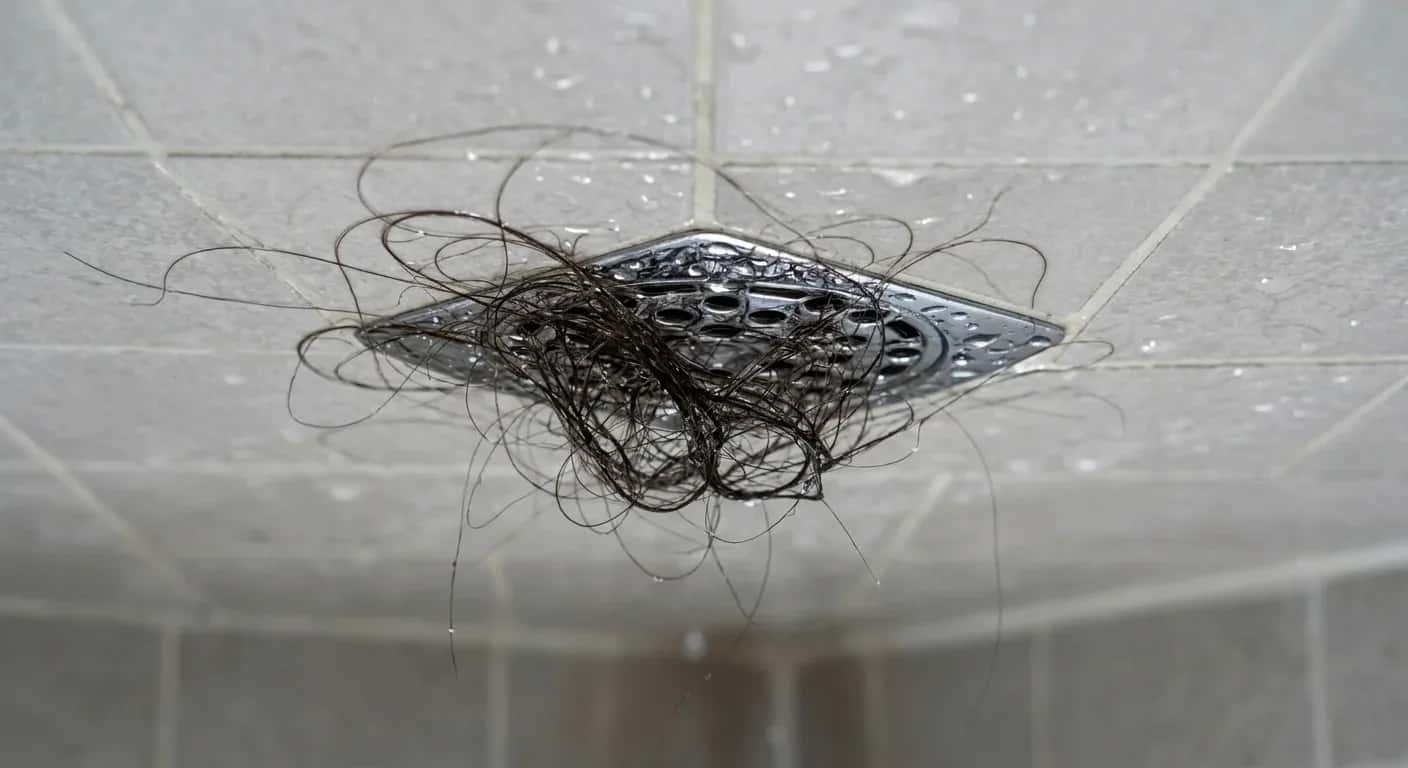
Washing simply releases many of these loose hairs at the same time, which can make normal shedding appear more dramatic than it really is. So, how much hair loss in the shower is normal, and when does the amount suggest excessive shedding or another form of hair loss?
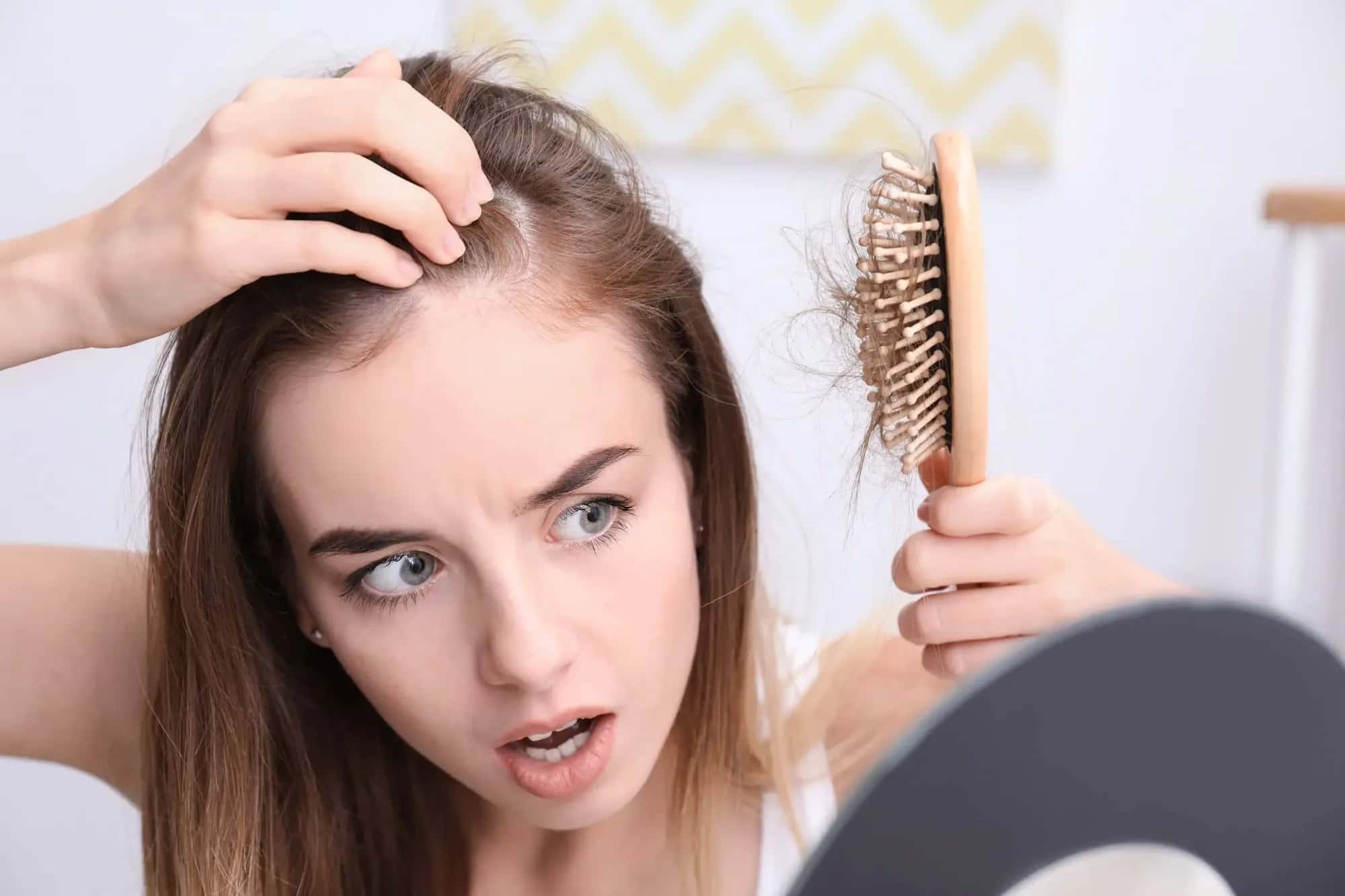
This guide explains what sudden hair loss means, which conditions commonly trigger rapid shedding, and how different patterns can point toward different underlying causes.
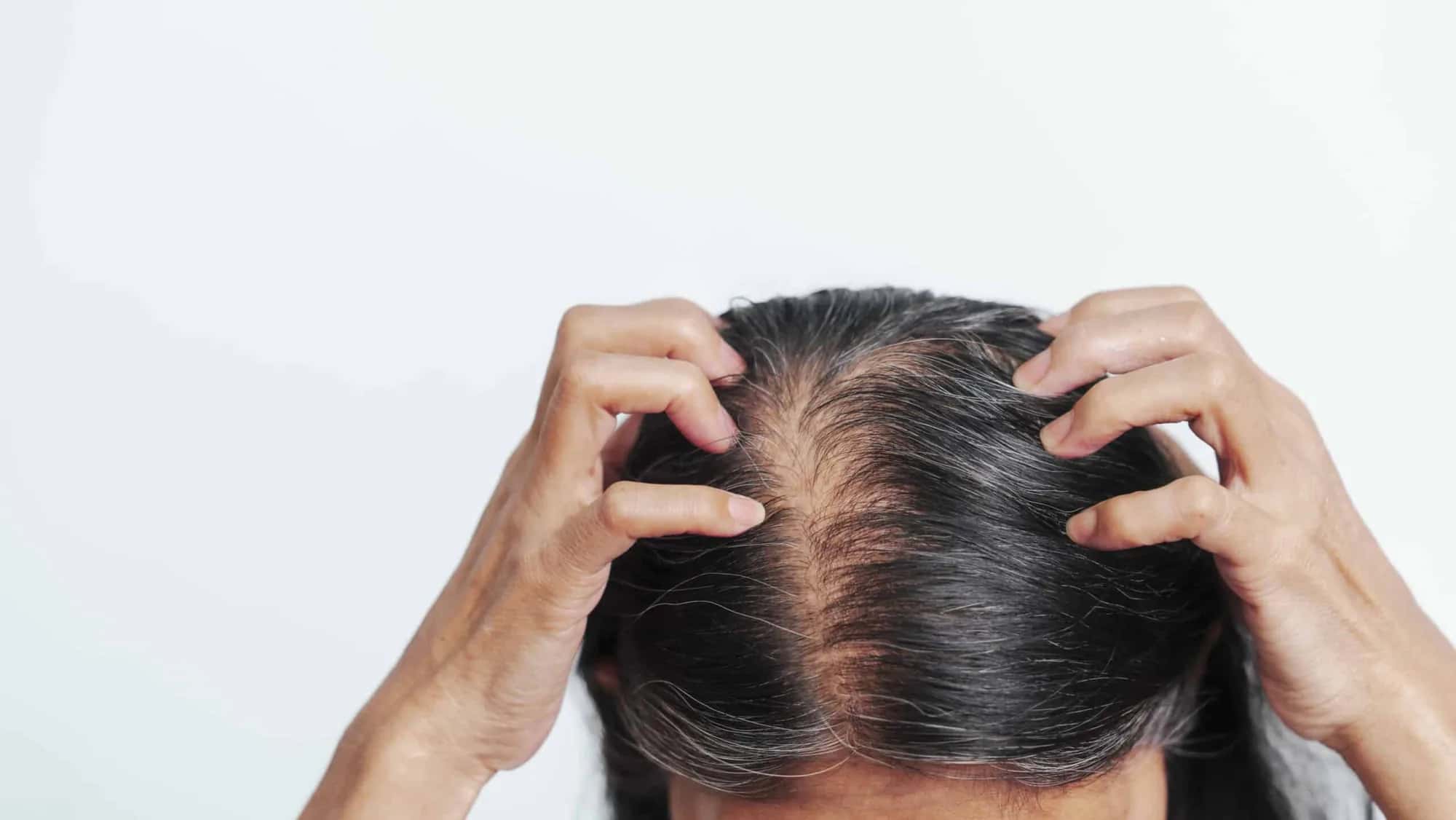
This guide explains how iron deficiency can contribute to hair loss, which blood tests matter, how ferritin relates to shedding, and when hair may begin recovering.
Subscribe to the Medifinder newsletter and never miss our latest content.