










Alopecia Totalis: Symptoms, Causes, Diagnosis and Treatment
This guide explains alopecia totalis, including its symptoms, autoimmune causes, diagnosis, hair regrowth potential, available treatments, recurrence, and relationship with hair transplantation.

- Last updated
- 25 reads
- 8 min read


What Is Alopecia Totalis?
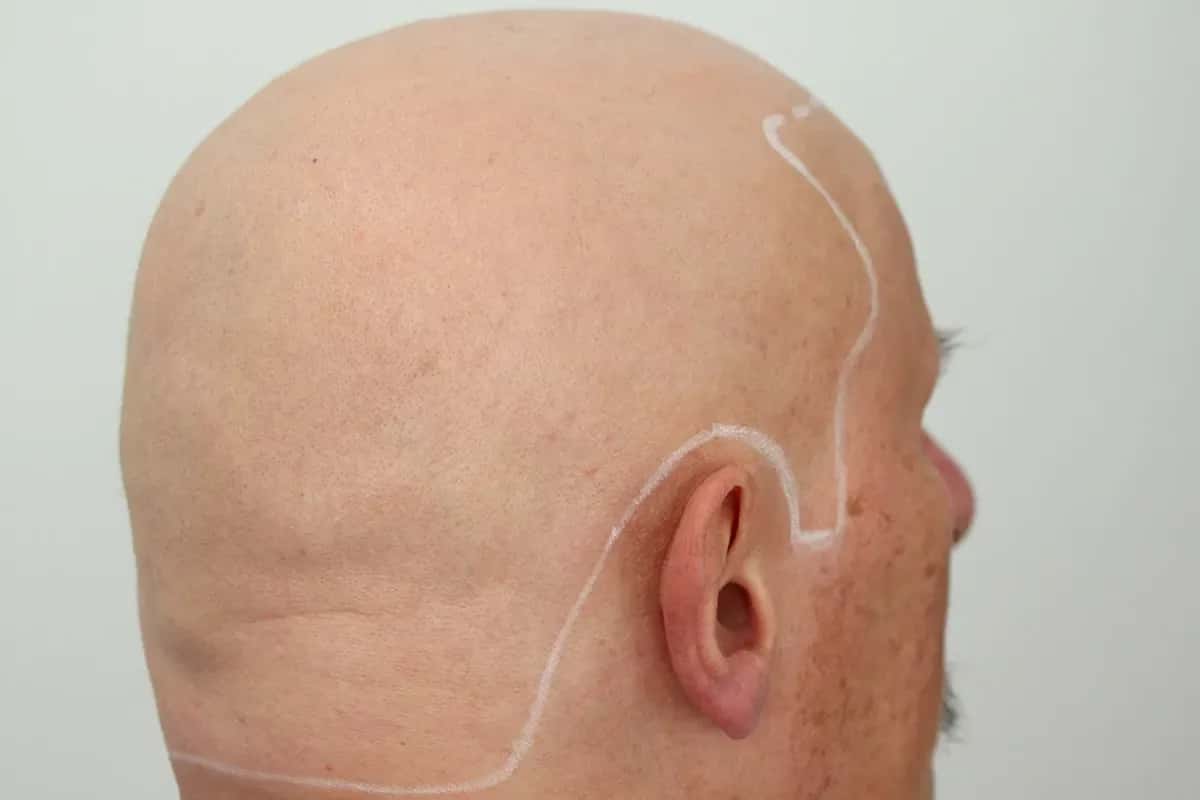
Alopecia totalis is an advanced form of alopecia areata that causes complete or nearly complete loss of hair across the scalp.
The condition develops when the immune system mistakenly targets hair follicles and interrupts their normal growth cycle. Unlike scarring alopecia, the follicles are usually not permanently destroyed.
Alopecia totalis may develop after smaller bald patches expand and merge. In other cases, extensive scalp hair loss can progress more rapidly.
The condition can affect children and adults of any gender.
Alopecia totalis describes complete scalp hair loss specifically. Hair loss involving the entire body is classified as alopecia universalis.
What Are the Symptoms of Alopecia Totalis?
Alopecia totalis primarily causes extensive scalp hair loss that progresses until little or no visible hair remains on the scalp.
Several signs can appear before or alongside complete scalp hair loss:
-
Round or oval bald patches may expand and gradually merge.
-
Hair loss usually develops without visible scarring of the scalp.
-
Short or broken hairs may appear near areas where loss is progressing.
-
Tingling, itching, or mild burning can occur before additional hair falls.
-
Nail changes can include small pits, ridges, roughness, or increased brittleness.
-
Hair loss can progress over different periods rather than following one predictable timeline.
The scalp often remains smooth despite extensive hair loss.
What Causes Alopecia Totalis?
Alopecia totalis develops when an autoimmune response disrupts actively growing hair follicles and causes extensive scalp hair loss.
Normally, growing hair follicles have mechanisms that protect them from unnecessary immune attack. In alopecia areata, this protection becomes disrupted.
Immune cells can then target the follicle and force growing hairs to leave their active phase prematurely.
Genetic susceptibility also contributes to the condition. People with certain autoimmune conditions or a family history may have a greater predisposition.
Environmental influences may contribute to disease activity, but one specific trigger cannot explain every case.
Alopecia totalis therefore results from several interacting immune and genetic factors.
Is Alopecia Totalis an Autoimmune Disease?
Alopecia totalis is an autoimmune form of hair loss in which the immune system mistakenly targets structures surrounding active hair follicles.
The immune response alters the normal growth cycle without usually replacing follicles with scar tissue.
This distinction is important because intact follicles may retain the ability to produce hair again.
Alopecia totalis belongs to the alopecia areata spectrum rather than representing a separate scarring hair disorder.
Some people with alopecia areata also have other autoimmune conditions, including thyroid disorders or vitiligo.
However, the presence of alopecia totalis does not automatically mean another autoimmune disease is present.
Its defining feature remains immune-mediated loss of scalp hair.
What Is the Difference Between Alopecia Areata, Totalis and Universalis?
Alopecia areata, alopecia totalis, and alopecia universalis describe different levels of hair loss within the same autoimmune disease spectrum.
Alopecia areata commonly begins with one or more smooth patches of hair loss.
Alopecia totalis describes complete or almost complete loss of scalp hair.
Alopecia universalis represents the most extensive pattern and involves hair loss across the scalp and other parts of the body.
This can include eyebrows, eyelashes, facial hair, and body hair.
Progression from patchy alopecia areata to totalis or universalis does not occur in everyone.
The terms mainly describe the distribution and extent of hair loss rather than completely different diseases.
Who Can Develop Alopecia Totalis?
Alopecia totalis can affect children, adolescents, and adults, although alopecia areata frequently begins during childhood or early adulthood.
The condition occurs across different genders, hair types, and skin tones.
A family history of alopecia areata can increase susceptibility, although many affected people have no known family history.
Certain autoimmune conditions may also occur more frequently among people with alopecia areata.
However, none of these factors can predict with certainty who will develop complete scalp hair loss.
A person may begin with one small patch and never progress further.
Another person may develop widespread loss.
The course remains highly variable because immune activity differs considerably between individuals.
How Quickly Can Alopecia Totalis Progress?
Alopecia totalis can progress over weeks or months, although the speed of scalp hair loss varies considerably between individuals.
Some people first notice isolated round patches that gradually enlarge and merge.
Others experience more widespread shedding over a relatively short period.
There is no reliable timetable that predicts when patchy alopecia areata will progress to complete scalp hair loss.
Disease activity can also change during the course of the condition.
Hair loss may accelerate, remain stable, or be followed by spontaneous regrowth.
This unpredictable behavior is characteristic of alopecia areata.
The extent of current hair loss therefore provides useful information, but it cannot precisely predict future progression or recovery.
Does Alopecia Totalis Affect Eyebrows and Eyelashes?
Alopecia totalis specifically refers to complete scalp hair loss, although alopecia areata can also affect the eyebrows, eyelashes, beard, and body hair.
When substantial hair loss extends beyond the scalp, the pattern may represent broader alopecia areata involvement.
Complete loss of scalp and body hair is classified as alopecia universalis.
Eyebrow or eyelash loss may therefore occur alongside severe scalp disease without defining alopecia totalis itself.
Loss of eyelashes can also increase eye irritation because eyelashes normally help protect the eyes from particles.
The location of hair loss should be documented carefully because distribution helps describe disease severity and monitor changes over time.
Can Hair Grow Back After Alopecia Totalis?
Hair can grow back after alopecia totalis because the condition usually interrupts follicle activity without permanently destroying the hair follicles.
Regrowth is less predictable than in people with only one or two small alopecia areata patches.
Some people achieve substantial or complete regrowth, while others experience limited improvement.
New hair may initially appear finer or lighter than the original hair.
Its normal color and texture can become more noticeable as growth continues.
Regrowth also does not guarantee permanent remission.
Hair can fall again after months or years because autoimmune activity may return.
The possibility of recovery therefore exists, but the amount and durability of regrowth cannot be predicted precisely.
Is Alopecia Totalis Permanent?
Alopecia totalis is not automatically permanent because affected follicles can remain structurally capable of producing hair despite extensive scalp hair loss.
Unlike cicatricial alopecia, the condition generally does not destroy follicles and replace them with scar tissue.
This leaves the possibility of spontaneous or treatment-assisted regrowth.
However, extensive alopecia areata has a less predictable outlook than limited patchy disease.
Some people remain without substantial scalp hair for prolonged periods.
Others experience periods of regrowth followed by renewed loss.
Disease duration, severity, nail involvement, and other clinical characteristics can influence expectations without determining an exact outcome.
The condition should therefore be considered potentially reversible but highly unpredictable.
How Is Alopecia Totalis Diagnosed?
Alopecia totalis is diagnosed by examining the pattern of scalp hair loss and identifying clinical features consistent with extensive alopecia areata.
The scalp usually appears smooth without the loss of follicular openings associated with scarring alopecia.
Magnified scalp examination can provide additional information about active hair loss and remaining follicular structures.
Nails may also be examined because pitting, ridging, roughness, or brittleness can accompany alopecia areata.
A scalp biopsy is occasionally used when the diagnosis remains uncertain.
Blood testing may also be considered when another condition, including thyroid disease or nutritional deficiency, needs evaluation.
The diagnosis therefore combines hair-loss pattern, examination findings, history, and selective additional testing.
How Is Alopecia Totalis Treated?
Alopecia totalis is treated by reducing the autoimmune attack on hair follicles and creating conditions that may allow scalp hair to enter active growth again.
Extensive disease usually requires a different approach from one or two small alopecia areata patches.
Treatment options can include topical immunotherapy, corticosteroids, and systemic immune-modulating medicines.
Modern treatment has increasingly included oral JAK inhibitors for severe alopecia areata.
The appropriate approach depends on disease severity, age, treatment history, health considerations, and potential medication risks.
No available treatment guarantees permanent regrowth.
Even after a strong response, continued management may be necessary because hair loss can return when autoimmune activity becomes active again.
Can JAK Inhibitors Help With Alopecia Totalis?
JAK inhibitors can produce substantial hair regrowth in some people with severe alopecia areata, including patients with alopecia totalis.
These medicines target signaling pathways involved in the immune response against hair follicles.
Current systemic options include baricitinib, ritlecitinib, and deuruxolitinib in settings where they are approved and medically appropriate.
Ritlecitinib has been studied in people with severe alopecia areata aged 12 years and older, including alopecia totalis.
Baricitinib and deuruxolitinib are systemic options for adults with severe alopecia areata in the United States.
Responses vary, and these medicines require assessment of potential risks, interactions, and monitoring requirements.
Can Alopecia Totalis Return After Hair Regrowth?
Alopecia totalis can return after successful hair regrowth because alopecia areata can follow a relapsing and unpredictable course.
Hair follicles may resume normal growth while immune activity is controlled.
However, renewed autoimmune activity can interrupt the growth cycle again.
A relapse may begin with small patches or more widespread shedding.
Some people maintain regrowth for long periods, while others experience repeated episodes.
Recurrence does not necessarily mean that previous treatment permanently failed.
Instead, it reflects the underlying tendency of alopecia areata to alternate between active and quieter periods.
Long-term management therefore considers both achieving regrowth and maintaining it when an effective response occurs.
Can You Have a Hair Transplant With Alopecia Totalis?
Hair transplantation is generally not a standard treatment for alopecia totalis because the autoimmune process can affect both existing and transplanted hair follicles.
A hair transplant relocates follicles but does not correct the immune mechanism responsible for alopecia areata.
The condition can also involve the donor scalp, leaving insufficient stable donor hair for transplantation.
Even if transplanted follicles initially grow, future autoimmune activity could cause renewed hair loss.
This makes alopecia totalis fundamentally different from pattern hair loss, where suitable donor follicles usually retain greater long-term stability.
Treatment therefore focuses primarily on controlling autoimmune disease and encouraging follicular regrowth rather than surgically redistributing hair from the scalp.
- Last updated
- Language
- English
How did you find this article?
Washing simply releases many of these loose hairs at the same time, which can make normal shedding appear more dramatic than it really is. So, how much hair loss in the shower is normal, and when does the amount suggest excessive shedding or another form of hair loss?


This guide explains what sudden hair loss means, which conditions commonly trigger rapid shedding, and how different patterns can point toward different underlying causes.
This guide explains how iron deficiency can contribute to hair loss, which blood tests matter, how ferritin relates to shedding, and when hair may begin recovering.
Subscribe to the Medifinder newsletter and never miss our latest content.