










Trichotillomania: What Is It, Symptoms, Causes and Treatment
This guide explains what trichotillomania is, why repetitive hair pulling occurs, how it affects hair growth, and which approaches are used to manage the condition.

- Last updated
- 36 reads
- 9 min read


What Is Trichotillomania?
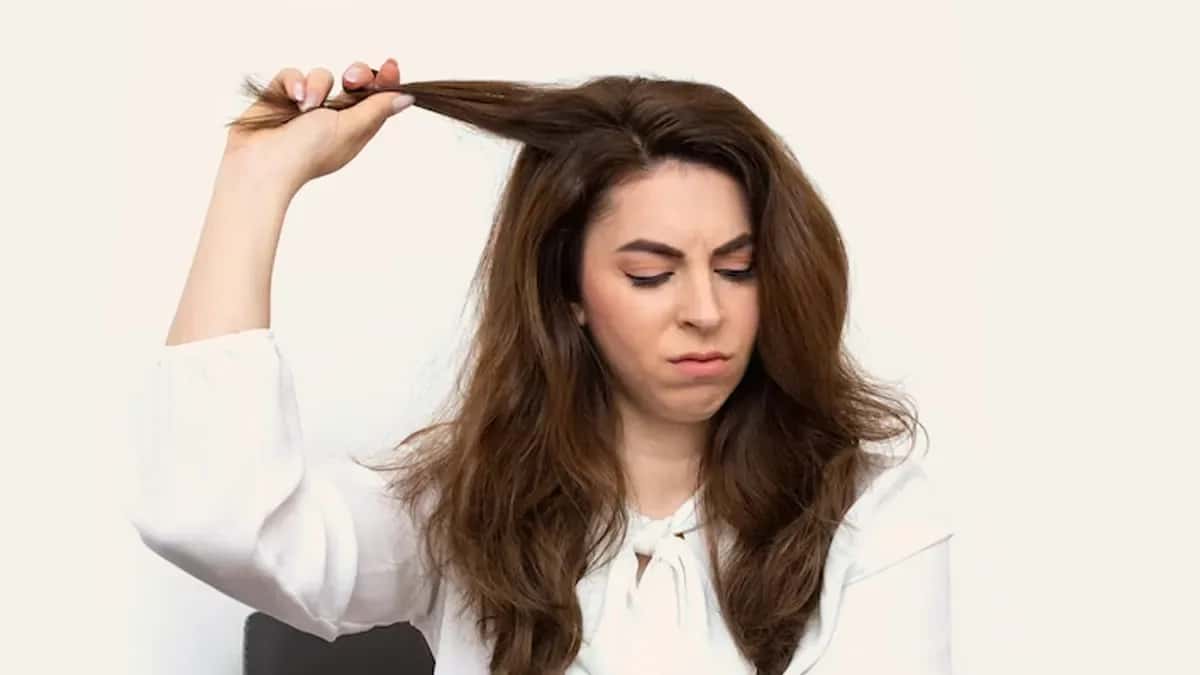
Trichotillomania is a mental health condition characterized by recurrent urges to pull out hair from the scalp, eyebrows, eyelashes, or other body areas.
The condition belongs to a group of body-focused repetitive behaviors and can occur automatically or intentionally. Some people pull hair without noticing while reading, watching television, or concentrating. Others actively search for particular hairs before pulling them.
The behavior may provide a temporary feeling of relief or satisfaction, which can reinforce repetition over time.
Repeated hair pulling can eventually create areas of thinning or visible hair loss. Trichotillomania can also affect confidence, social activities, and daily routines when controlling the urge becomes difficult.
What Are the Symptoms of Trichotillomania?
Trichotillomania commonly causes repeated hair pulling, visible hair loss, difficulty resisting urges, and emotional changes connected with the pulling behavior.
The condition can appear differently between individuals, but several patterns are commonly associated with it:
-
Repeated pulling of scalp hair, eyelashes, eyebrows, or other body hair
-
Patchy areas of thinning or shortened hairs with different lengths
-
Increasing tension or discomfort before pulling in some individuals
-
Temporary relief or satisfaction after pulling a hair
-
Repeated attempts to reduce or stop the behavior without lasting success
-
Searching for hairs with a particular texture or appearance
-
Playing with, biting, or chewing hairs after pulling them
-
Distress or disruption affecting social, educational, or working life
These symptoms may fluctuate over time rather than remaining at the same intensity.
What Causes Trichotillomania?
Trichotillomania does not have one confirmed cause and is thought to develop through a combination of biological, psychological, genetic, and learned factors.
Hair pulling may gradually become associated with relief from tension, boredom, frustration, or uncomfortable emotions. Repeating that response can strengthen the behavior and make it increasingly automatic.
Family history may also play a role because trichotillomania appears more frequently in some families.
Stressful experiences can trigger or intensify pulling in certain people, although stress alone does not explain every case.
The condition often begins around late childhood or early adolescence. Its development is therefore better understood as a complex behavioral and psychological process rather than a single identifiable cause.
Is Trichotillomania an Anxiety Disorder?
Trichotillomania is not classified simply as an anxiety disorder, although anxiety and stress can influence the urge to pull hair.
The condition is generally grouped with obsessive-compulsive and related disorders because repetitive pulling can become difficult to resist despite attempts to stop.
Anxiety may act as a trigger for some people. Others pull during boredom, concentration, tiredness, loneliness, or periods of emotional tension.
Hair pulling can also occur without a strong emotional trigger, particularly when the behavior has become automatic.
Some people with trichotillomania also experience anxiety, depression, or obsessive-compulsive symptoms. However, these conditions are separate and should not be considered the direct cause of every episode of hair pulling.
Which Areas Can Be Affected by Trichotillomania?
Trichotillomania most commonly affects the scalp, eyebrows, and eyelashes, although hair can be pulled from almost any area of the body.
The preferred location may remain consistent or change over time. Scalp pulling can create irregular areas of reduced density, while eyebrow or eyelash pulling may produce partial or almost complete gaps.
Some people also pull hair from the beard, arms, legs, chest, or pubic region.
A person may focus repeatedly on a particular location because specific hairs feel different or appear visually unusual.
The affected pattern therefore depends on individual pulling behavior rather than following a standard form of hair loss. This irregular distribution can provide an important clue during assessment.
How Does Trichotillomania Cause Hair Loss?
Trichotillomania causes hair loss because repeated pulling physically removes hair shafts and can repeatedly traumatize follicles within the affected area.
Early hair loss may appear as shortened hairs of different lengths because some hairs are broken while others are completely removed.
Repeated pulling from the same location can reduce visible density and create irregular bald patches.
The pattern may differ from other forms of hair loss because unaffected hairs often remain scattered throughout the area.
When pulling continues for long periods, repeated mechanical trauma can also irritate the surrounding skin.
The degree of hair loss therefore depends on pulling frequency, force, duration, and whether the same follicles are repeatedly targeted over months or years.
Can Hair Grow Back After Trichotillomania?
Hair can often grow back after trichotillomania when pulling stops before repeated trauma has permanently damaged the affected follicles.
Hair does not necessarily return immediately because follicles follow natural growth cycles. Some areas may therefore require several months before visible density begins improving.
Short hairs of different lengths can appear as previously pulled follicles re-enter active growth.
Regrowth may also seem uneven because individual follicles do not restart at exactly the same time.
Continued pulling can interrupt this recovery repeatedly, which makes controlling the behavior essential for sustained regrowth.
The likelihood of recovery is generally greater when hair pulling has occurred for a shorter period and the follicle structure remains capable of producing new hair.
Can Trichotillomania Cause Permanent Hair Loss?
Long-term trichotillomania can cause permanent hair loss when repeated pulling damages follicles enough to produce scarring or lasting structural injury.
Many people experience reversible hair loss, particularly when pulling is stopped before severe follicular damage develops.
However, repeatedly removing hair from the same area over many years can eventually affect the follicle and surrounding skin.
The result may be slower regrowth, finer hairs, reduced density, or areas where hair no longer returns normally.
Repeated pulling can also cause skin irritation, wounds, and occasionally infection.
This makes early control important even when initial patches appear temporary. Preventing continued trauma gives affected follicles the best opportunity to recover and maintain normal hair production.
How Is Trichotillomania Diagnosed?
Trichotillomania is diagnosed by evaluating the pattern of hair pulling, resulting hair loss, attempts to stop, and the effect of the behavior on daily life.
Assessment may include examining areas of hair loss and reviewing when, where, and how pulling occurs.
Other possible causes of hair loss can also be considered because alopecia areata, scalp disorders, breakage, and several medical conditions may produce visible thinning.
Questions about triggers, emotional responses, automatic pulling, and deliberate pulling can help identify the behavioral pattern.
A diagnosis does not depend only on seeing a bald patch. The repeated urge or behavior, unsuccessful attempts to reduce it, and meaningful distress or impairment are important parts of the assessment.
What Triggers Hair Pulling in Trichotillomania?
Hair pulling can be triggered by stress, boredom, concentration, tiredness, frustration, uncomfortable emotions, or situations repeatedly associated with the behavior.
Triggers vary considerably because trichotillomania can involve both focused and automatic pulling.
Focused pulling may happen when someone actively searches for a particular hair to reduce tension or achieve a specific sensation.
Automatic pulling can occur while watching television, reading, studying, working at a computer, or resting.
Touching the hair or placing a hand near the scalp may itself become part of the behavioral sequence.
Recognizing these patterns is important because identifying the circumstances immediately before pulling creates opportunities to interrupt the behavior before the hand reaches the hair.
Is Trichotillomania the Same as a Habit?
Trichotillomania is more than an ordinary habit because the urge to pull hair can become persistent, difficult to control, and disruptive to everyday life.
A simple habit may be changed with relatively little difficulty once a person becomes aware of it.
Trichotillomania can continue despite repeated efforts to stop and despite visible hair loss or emotional distress.
Some episodes happen automatically, which means the person may not immediately notice the behavior.
Other episodes involve intense focus and a deliberate search for particular hairs.
This mixture of urges, learned behavioral patterns, and temporary relief distinguishes the condition from casual hair touching.
Viewing trichotillomania only as a bad habit can therefore underestimate the difficulty involved in changing the behavior.
How Is Trichotillomania Treated?
Trichotillomania is primarily treated with behavioral therapy designed to identify pulling patterns, recognize triggers, and replace hair pulling with competing responses.
Treatment commonly focuses on understanding when the behavior happens and developing practical ways to interrupt the sequence.
Keeping a record of pulling episodes can reveal situations, emotions, locations, or activities associated with stronger urges.
A competing response can then be introduced when the urge appears.
Other psychological approaches may help people tolerate uncomfortable urges without acting on them and examine thoughts associated with pulling.
Treatment can also address anxiety, depression, or other conditions when they occur alongside trichotillomania.
The overall aim is reducing pulling frequency while building more sustainable responses to triggers.
What Is Habit Reversal Training for Trichotillomania?
Habit reversal training is a behavioral treatment that teaches people to recognize hair-pulling urges and replace the pulling action with a safer competing behavior.
A central part of the process is awareness training. The person learns to notice situations, hand movements, emotions, and sensations that typically occur before pulling.
Once the pattern becomes recognizable, another action is introduced that makes hair pulling more difficult.
For example, the hands may be occupied or the fist may be gently clenched when an urge develops.
Tracking episodes can also identify recurring triggers.
Over time, repeatedly interrupting the established sequence can weaken the connection between the urge and the act of pulling hair.
Can Medication Help With Trichotillomania?
Medication may help some people with trichotillomania, but behavioral therapy remains the central treatment approach for reducing repetitive hair pulling.
There is no single medication specifically established as a universal treatment for the condition.
Certain medicines have been studied for their ability to reduce urges or address related psychiatric symptoms.
Their usefulness can vary because trichotillomania does not affect everyone in exactly the same way.
Medication may also be considered when anxiety, depression, obsessive-compulsive symptoms, or another condition exists alongside hair pulling.
Drug treatment should therefore not be viewed as a simple replacement for behavioral approaches.
The strongest treatment plan often focuses on the pulling pattern itself while addressing additional symptoms when they meaningfully contribute to the behavior.
Can Trichotillomania Return After Treatment?
Trichotillomania can return after improvement because urges may become stronger again during stress, boredom, emotional changes, or familiar triggering situations.
The condition can follow a fluctuating course, with periods of reduced pulling followed by periods when the behavior becomes more noticeable.
A recurrence does not mean previously learned treatment strategies have become useless.
Instead, recognizing early warning signs can make it easier to reintroduce competing responses before pulling becomes established again.
Keeping awareness of personal triggers is particularly valuable during stressful periods.
Long-term management therefore focuses not only on stopping current pulling but also on building skills that can be reused when urges return.
This approach treats recurrence as something that can be recognized and managed.
Can Trichotillomania Be Controlled?
Trichotillomania can often be controlled by identifying triggers, increasing awareness of pulling, and consistently using behavioral strategies that interrupt the established pattern.
Progress does not always occur in a straight line. Some people experience substantial reductions in pulling, while others continue to have occasional urges even after long periods of improvement.
The key goal is developing control over the response rather than expecting every urge to disappear immediately.
Recognizing automatic hand movements, changing triggering routines, and using competing behaviors can make pulling less frequent.
When emotional factors contribute to the pattern, addressing them can strengthen long-term management.
Consistent treatment and relapse-management skills can therefore reduce the impact of trichotillomania on both hair and daily life.
- Last updated
- Language
- English
How did you find this article?
Washing simply releases many of these loose hairs at the same time, which can make normal shedding appear more dramatic than it really is. So, how much hair loss in the shower is normal, and when does the amount suggest excessive shedding or another form of hair loss?

This guide explains what sudden hair loss means, which conditions commonly trigger rapid shedding, and how different patterns can point toward different underlying causes.
This guide explains how iron deficiency can contribute to hair loss, which blood tests matter, how ferritin relates to shedding, and when hair may begin recovering.
Subscribe to the Medifinder newsletter and never miss our latest content.