










What Is Sudden Hair Loss and What Causes It?
This guide explains what sudden hair loss means, which conditions commonly trigger rapid shedding, and how different patterns can point toward different underlying causes.

- Last updated
- 16 reads
- 9 min read



What Is Sudden Hair Loss?
Sudden hair loss refers to a noticeable increase in shedding or rapid loss of hair over days, weeks, or a few months. The pattern can affect the entire scalp or create clearly defined areas depending on the underlying cause.
Diffuse shedding often develops when many follicles enter the resting phase at the same time. Patchy loss, however, can indicate a different process involving specific groups of follicles.
The timing matters because hair shedding can appear several weeks after the original trigger. A sudden increase in hair fall therefore does not always mean the cause started recently.
What Are the Most Common Causes of Sudden Hair Loss?
Sudden hair loss most often develops after physical stress, emotional stress, illness, nutritional deficiency, hormonal change, medication exposure, or an autoimmune process. The exact pattern depends on how each trigger affects the follicle.
Common causes include:
-
Telogen effluvium after illness or stress
-
Iron deficiency
-
Thyroid dysfunction
-
Rapid weight loss
-
Restrictive dieting
-
Medication changes
-
Postpartum hormonal shifts
-
Alopecia areata
-
Severe scalp inflammation
-
Major surgery or physical trauma
Several causes can occur together, which explains why sudden shedding sometimes continues even after one obvious trigger improves.
Can Stress Cause Sudden Hair Loss?
Severe emotional or physical stress can trigger sudden hair shedding by pushing more follicles from the active growth phase into the resting phase. This process usually appears as diffuse telogen effluvium rather than one isolated bald patch.
The shedding often begins weeks or months after the stressful event, so the connection may not seem obvious at first. Major anxiety, bereavement, surgery, trauma, or prolonged psychological pressure can all contribute.
Stress does not permanently destroy the follicles in most cases. When the trigger settles, affected follicles can gradually return to active growth and produce new strands.
Can Illness Cause Sudden Hair Shedding?
Illness can cause sudden hair shedding when fever, inflammation, infection, surgery, or major physiological stress disrupts the normal hair cycle. The body temporarily redirects energy toward essential recovery processes while more follicles enter the resting phase.
Shedding usually appears after the illness rather than during the first days of symptoms. This delayed response is typical of telogen effluvium and can continue even after general health improves.
Severe infections, prolonged fever, hospitalization, and major surgery are common triggers. The amount of shedding can vary depending on the intensity and duration of the physical stress.
Can Iron Deficiency Cause Sudden Hair Loss?
Iron deficiency can contribute to sudden diffuse hair loss when depleted iron stores interfere with normal follicle growth and push more hairs into the resting phase. This type of loss usually affects the entire scalp rather than one small area.
Low ferritin can appear before anemia develops, so normal hemoglobin does not always exclude reduced iron reserves. Heavy menstrual bleeding, restrictive diets, gastrointestinal blood loss, and poor absorption can all lower iron stores.
Iron deficiency should not automatically explain every sudden shedding episode. Thyroid changes, stress, illness, medications, and genetic hair loss can produce similar patterns.
Can Thyroid Problems Cause Sudden Hair Loss?
Thyroid disorders can cause sudden or progressive diffuse hair loss because thyroid hormones influence follicle metabolism and the normal growth cycle. Both an underactive and an overactive thyroid can increase shedding.
Hair may become thinner across the scalp without creating sharply defined bald patches. People may also notice fatigue, weight changes, temperature sensitivity, heart-rate changes, constipation, tremor, or other thyroid-related symptoms.
Hair shedding can continue for some time after thyroid levels begin improving because follicles recover slowly. Blood testing helps determine whether thyroid dysfunction is contributing to the problem.
Can Rapid Weight Loss Trigger Sudden Hair Shedding?
Rapid weight loss can trigger sudden hair shedding because significant calorie restriction places the body under physiological stress and can reduce nutrient availability. More follicles may enter the resting phase as the body adapts to the energy deficit.
Shedding often becomes noticeable several months after the weight loss begins. Low protein, iron, zinc, vitamin B12, or other nutritional factors may worsen the problem when the diet becomes restrictive.
The hair cycle usually improves when weight stabilizes and nutritional intake becomes adequate. Continued shedding may suggest that another trigger remains active.
Can Dieting Cause Sudden Hair Loss?
Restrictive dieting can cause sudden hair loss when calorie intake becomes too low or important nutrients fall below the body's needs. Diets that eliminate major food groups can reduce protein, iron, zinc, essential fatty acids, and several vitamins.
Hair production depends on consistent nutrient availability, so prolonged restriction can shift more follicles into the resting phase. The resulting shedding usually appears after a delay rather than immediately.
A balanced calorie deficit is less likely to trigger dramatic shedding than aggressive restriction. Sudden hair loss during dieting often reflects the combined effects of weight loss, nutritional imbalance, and physiological stress.
Can Medications Cause Sudden Hair Loss?
Certain medications can trigger sudden hair loss by changing the hair cycle, affecting rapidly dividing follicle cells, or altering hormonal and metabolic pathways. The pattern may develop as diffuse shedding several weeks or months after treatment begins.
Some drugs trigger telogen effluvium, while others can produce a more immediate growth-phase disturbance. Dose changes and newly started medications can provide useful timing clues.
Medication-related shedding should be considered when hair loss begins after a clear treatment change. Essential medication should not be stopped without proper medical guidance because the original health condition may carry greater risk.
Can Hormonal Changes Cause Sudden Hair Loss?
Hormonal changes can trigger sudden hair loss when shifts in estrogen, thyroid hormones, androgens, or other signals alter the normal follicle cycle. The effect often appears as diffuse shedding rather than immediate permanent baldness.
Postpartum hormonal changes are one common example, but stopping hormonal medication, major endocrine changes, and certain reproductive transitions can also affect hair density.
Hormonal shedding often becomes visible after a delay because follicles need time to move from growth into rest and then release the hair. The pattern may improve once the hormonal environment stabilizes.
Can Pregnancy Cause Sudden Hair Loss?
Pregnancy itself often keeps more hairs in the growth phase, while noticeable shedding is more common after delivery when hormone levels change rapidly. This postpartum shedding can feel sudden because many retained hairs enter the resting phase around the same time.
Hair loss usually becomes noticeable several months after childbirth. The scalp may look thinner, especially around the temples and frontal area, but the process typically remains diffuse.
Iron deficiency can also develop during or after pregnancy and increase shedding. Several overlapping factors can therefore contribute to the same postpartum hair-loss pattern.
Can Alopecia Areata Cause Sudden Hair Loss?
Alopecia areata can cause sudden hair loss by triggering an immune reaction against actively growing follicles in specific areas. The classic pattern involves smooth, round or oval patches that can appear rapidly.
Unlike telogen effluvium, alopecia areata does not usually create uniform shedding across the entire scalp at first. Some people develop one patch, while others develop several areas or more extensive loss.
The scalp often looks normal without scarring. Patchy loss should be distinguished from diffuse nutritional or stress-related shedding because the underlying mechanism and expected course differ significantly.
Can Sudden Hair Loss Affect the Whole Scalp?
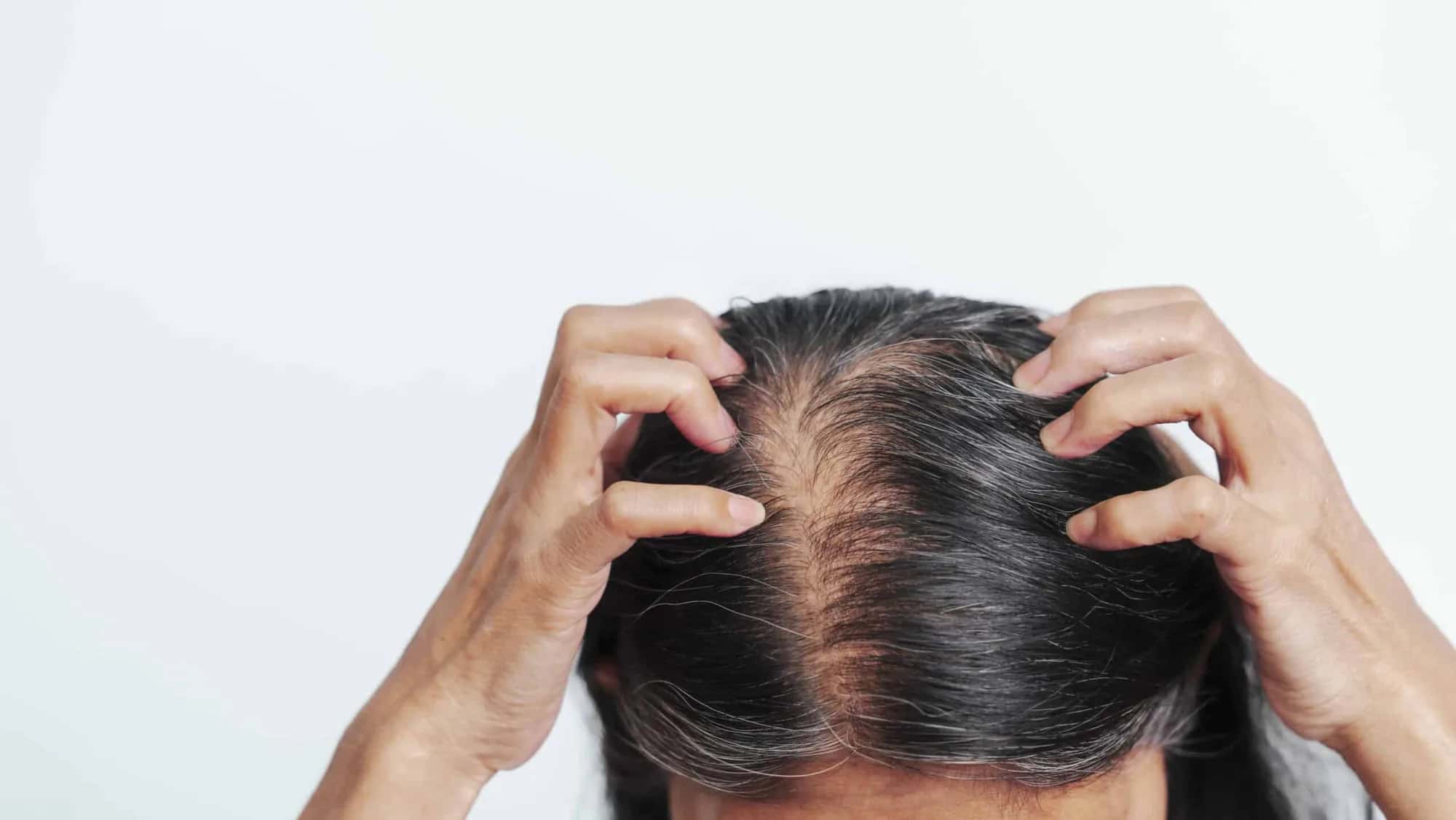
Sudden hair loss can affect the entire scalp when telogen effluvium causes many follicles across different regions to enter the resting phase together. People often notice increased shedding everywhere rather than one concentrated bald area.
The central part may appear wider, the ponytail can feel thinner, and overall volume may decline. Hairline shape usually remains relatively preserved unless another condition is present at the same time.
Diffuse loss commonly follows illness, stress, nutritional deficiency, hormonal change, or rapid weight loss. The scalp itself often looks normal even while shedding becomes noticeably heavier.
Can Sudden Hair Loss Happen in Patches?
Sudden hair loss can occur in patches when a condition affects specific groups of follicles rather than the entire scalp. Alopecia areata is one of the most recognizable causes of smooth, sharply defined bald patches.
Fungal infection, traction, inflammatory scalp disorders, and certain scarring conditions can also produce localized loss. Redness, scaling, broken hairs, tenderness, or scarring can help distinguish these conditions from alopecia areata.
Patchy hair loss should not automatically be blamed on stress or nutritional deficiency. The pattern itself provides important information about which causes are more likely.
Can Sudden Hair Loss Cause a Receding Hairline?
Sudden diffuse shedding can make the hairline look thinner, but true progressive recession usually suggests a patterned form of hair loss rather than isolated telogen effluvium. The distinction becomes especially important at the temples and frontal scalp.
Genetic hair loss gradually miniaturizes susceptible follicles and changes the shape of the hairline over time. Sudden shedding can temporarily reduce density in the same region and make existing recession more noticeable.
Both processes can occur together. A temporary shedding episode may therefore reveal previously subtle androgenetic hair loss that was already developing.
How Is Sudden Hair Loss Different From Hair Breakage?
Sudden hair loss releases complete hairs from the follicle, while breakage causes the hair shaft to snap before the strand naturally sheds. The two problems can look similar because both reduce visible density.
Full-length shed hairs often have a small club-shaped root at one end. Broken hairs appear at different lengths and commonly accompany dryness, split ends, bleaching, heat damage, or rough styling.
The distinction matters because treatments differ. Hair breakage requires protection of the shaft, while true shedding requires investigation of the follicle cycle and possible internal triggers.
How Long Does Sudden Hair Loss Usually Last?
Sudden hair loss from telogen effluvium often continues for several months before gradually slowing as the hair cycle returns toward normal. The exact duration depends on whether the original trigger has resolved.
Shedding can continue even after illness, stress, iron deficiency, or weight loss improves because follicles already in the resting phase still need time to release their hairs.
A gradual reduction is more typical than an abrupt stop. Shedding that continues heavily beyond several months, repeatedly returns, or causes progressive thinning may indicate an ongoing trigger or another hair-loss condition.
Can Sudden Hair Loss Grow Back?
Sudden hair loss can often grow back when the follicles remain intact and the underlying trigger resolves. Telogen effluvium generally does not destroy the follicle, so affected hairs can return to active growth.
New strands often appear as short hairs several months after shedding begins. Visible density takes longer to recover because scalp hair grows slowly and new strands need time to gain length.
Recovery becomes less predictable when sudden shedding overlaps with genetic hair loss, scarring alopecia, autoimmune disease, or repeated nutritional deficiencies. The underlying mechanism therefore determines the long-term outlook.
Which Tests Can Help Find the Cause of Sudden Hair Loss?
Blood tests can help identify nutritional, hormonal, or systemic causes of sudden hair loss when the pattern suggests diffuse shedding. A complete blood count, ferritin, iron studies, and thyroid markers commonly provide useful information.
Additional testing may become relevant when symptoms suggest vitamin deficiency, hormonal imbalance, autoimmune disease, or another medical condition. The specific test panel should follow the clinical pattern rather than include every possible measurement.
Scalp examination also matters because blood tests cannot diagnose conditions such as alopecia areata or scarring hair loss by themselves.
When Should Sudden Hair Loss Be Investigated Further?
Sudden hair loss should be investigated further when shedding becomes severe, lasts for months, creates visible bald patches, or appears with scalp pain, redness, scaling, or scarring. These features suggest a process beyond ordinary temporary shedding.
Further assessment also becomes important when hair loss accompanies unexplained fatigue, weight changes, heavy bleeding, fever, joint symptoms, or other systemic changes.
Persistent shedding after an obvious trigger has resolved should not be ignored. Iron deficiency, thyroid disease, alopecia areata, medications, nutritional problems, and genetic hair loss can all require separate evaluation.
- Last updated
- Language
- English
How did you find this article?

Washing simply releases many of these loose hairs at the same time, which can make normal shedding appear more dramatic than it really is. So, how much hair loss in the shower is normal, and when does the amount suggest excessive shedding or another form of hair loss?
This guide explains how iron deficiency can contribute to hair loss, which blood tests matter, how ferritin relates to shedding, and when hair may begin recovering.
This guide explains alopecia totalis, including its symptoms, autoimmune causes, diagnosis, hair regrowth potential, available treatments, recurrence, and relationship with hair transplantation.

Subscribe to the Medifinder newsletter and never miss our latest content.