










How Much Hair Loss in the Shower Is Normal?
Washing simply releases many of these loose hairs at the same time, which can make normal shedding appear more dramatic than it really is. So, how much hair loss in the shower is normal, and when does the amount suggest excessive shedding or another form of hair loss?

- Last updated
- 22 reads
- 10 min read
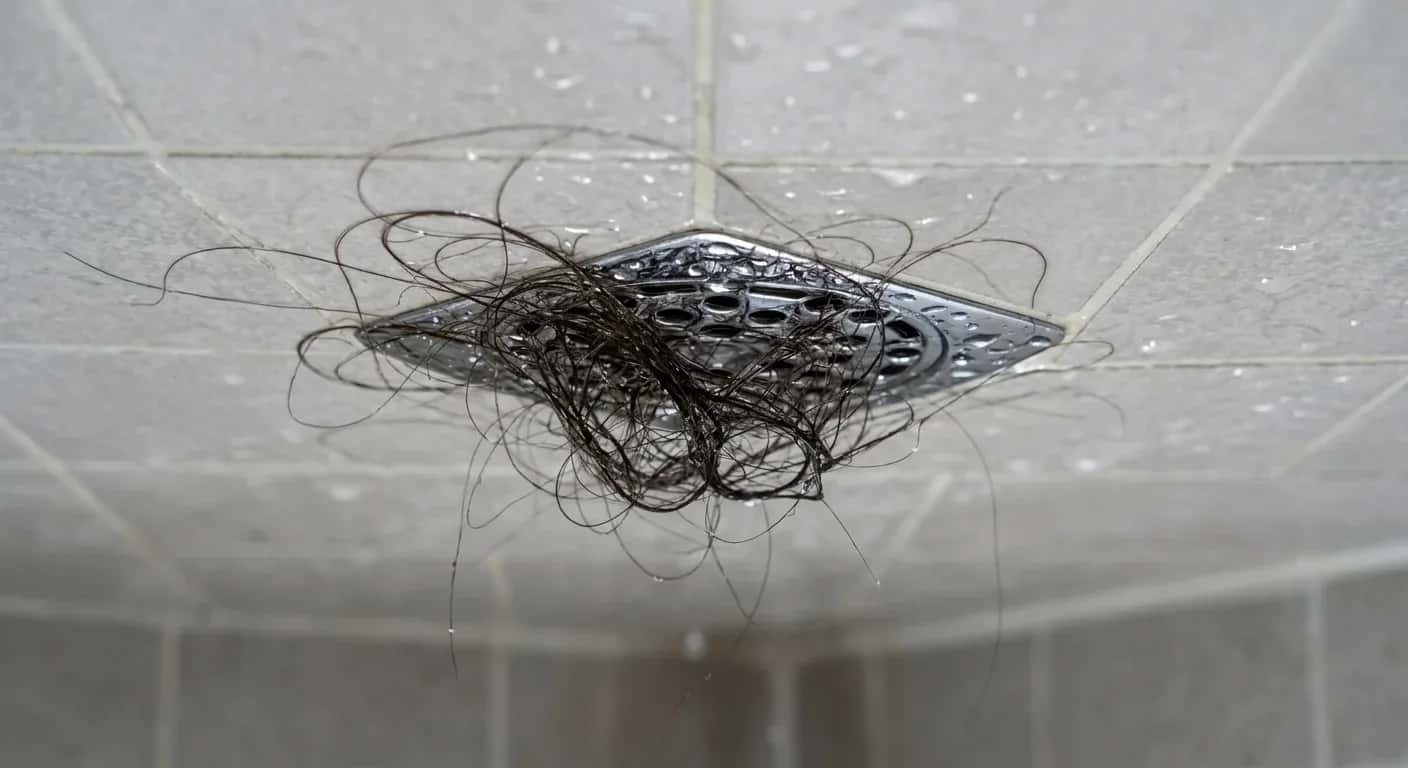


How Many Hairs Is It Normal to Lose in the Shower?
Losing roughly 50 to 100 hairs throughout an average day is generally considered normal, and many of those hairs may become visible during a shower.
This does not mean everyone should find exactly 50 hairs around the drain after every wash. The amount depends heavily on how often the hair is washed, brushed and styled.
Someone who shampoos every morning may release a relatively small number of hairs each time. A person who washes twice weekly may see hairs that naturally shed over several days come out together.
For that reason, the size of one shower hair cluster is less informative than whether shedding has clearly changed from the person's usual pattern.
Why Does So Much Hair Come Out While Washing?
Shampooing can make hair loss appear sudden because washing releases strands that had already completed their natural growth cycle and were ready to shed.
Scalp hair does not fall out the moment a follicle enters its resting stage. A resting hair can remain loosely attached until ordinary movement helps release it.
During a shower, water, shampooing and movement of the fingers through the hair dislodge many of these strands simultaneously. Conditioner can make loose hairs slide out even more easily.
The shower therefore often collects hair that otherwise would have gradually appeared on clothing, bedding, brushes and floors throughout the day.
Does Washing Your Hair Every Few Days Make Shedding Look Worse?
Washing every few days can make shower shedding look considerably heavier because loose hairs accumulate between wash days.
For example, someone who naturally sheds around 70 hairs daily will not necessarily see those 70 strands leave the scalp immediately. Curly, thick or long hair can hold detached strands among surrounding hairs until the next wash.
After three or four days, several days of normal shedding may therefore appear at once in the shower.
This is one reason comparing your shower drain with someone else's provides little useful information.
Wash frequency matters. A large cluster after four days without shampoo can represent less concerning shedding than a similar cluster appearing every morning.
Does Long Hair Make Shower Hair Loss Look More Severe?
Long hair makes normal shedding appear much greater because each strand occupies more space when it coils together in the shower or on your hands.
Twenty long hairs can form what looks like a substantial ball, whereas twenty short hairs may barely be noticeable.
Dark hair against a light shower floor can also exaggerate the visual effect.
Hair thickness adds another variable. Coarse strands create more apparent volume than very fine hairs even when the number of shed follicles is identical.
For this reason, judging hair loss by the physical size of the hair collected around the drain can be misleading. Changes in density and shedding pattern provide more useful information.
What Does Normal Shower Shedding Look Like?
Normal shower shedding usually consists of scattered full-length hairs without an obvious change in overall density, hairline position or scalp coverage.
Typical features include:
-
A relatively consistent amount from one wash to another
-
More loose hair after several days without washing
-
Full-length strands rather than many short broken pieces
-
No rapidly widening part
-
No new smooth bald patches
-
No sudden recession of the hairline
-
No major reduction in ponytail thickness
-
No significant scalp pain or inflammation
-
Similar shedding over many months
-
Continued normal hair growth
Normal shedding can fluctuate. What matters most is whether the pattern remains broadly stable rather than whether the shower contains a specific number of hairs every time.
When Is Shower Hair Loss Considered Excessive?
Shower shedding becomes more concerning when the amount increases noticeably from a person's normal baseline and remains elevated for several weeks.
A sudden handful of hair after one wash does not necessarily indicate disease. Changes become more meaningful when every wash produces substantially more shedding and hair also appears excessively on pillows, clothing or brushes.
Visible density matters as well.
If the ponytail becomes thinner, the central part widens or more scalp becomes visible, the issue may involve more than ordinary shedding.
A persistent increase can represent telogen effluvium, pattern hair loss, nutritional deficiency, thyroid disease or another condition affecting the hair-growth cycle.
What Is Telogen Effluvium?
Telogen effluvium is a form of diffuse hair shedding in which more follicles than usual enter the resting phase and release their hairs several weeks or months later.
The condition often creates exactly the type of shower shedding that worries people most. Hair seems to come out from all over the scalp rather than one sharply defined location.
The triggering event commonly occurs well before the shedding begins.
Illness, surgery, childbirth, rapid weight loss, major stress and nutritional changes can all precede telogen effluvium. The delay means people sometimes overlook the original trigger.
Many cases improve after the underlying stressor resolves because the follicles remain structurally capable of producing new hairs.
Why Can Hair Shedding Suddenly Increase?
Sudden hair shedding can occur when illness, metabolic change, nutritional deficiency or another physiological stress disrupts the normal balance of the hair cycle.
Common triggers include:
-
High fever or significant illness
-
Major surgery
-
Rapid weight loss
-
Severe calorie restriction
-
Childbirth
-
Intense psychological stress
-
Iron deficiency
-
Thyroid disorders
-
Hormonal changes
-
Starting or stopping certain medications
-
Stopping hormonal contraception
-
Inadequate protein intake
-
Significant scalp inflammation
-
Major changes in general health
Because several triggers can produce almost identical diffuse shedding, identifying the timeline is more useful than guessing from the amount of hair in one shower.
Can Stress Cause More Hair to Fall Out in the Shower?
Significant physical or emotional stress can increase shower shedding by triggering telogen effluvium, although the change usually does not appear immediately after the stressful event.
Hair follicles respond slowly.
A major stressor can shift more growing hairs toward the resting phase, but those hairs may remain attached for several weeks before eventually shedding.
As a result, someone may notice heavy shower hair loss two or three months after an illness, bereavement, stressful period or major life change.
Every stressful day does not automatically produce hair loss. Persistent or substantial physiological stress is more relevant.
The delayed timeline is one reason keeping track of recent health changes can help when shedding suddenly increases.
Can Iron Deficiency Increase Shower Hair Loss?
Iron deficiency can contribute to increased diffuse shedding, particularly when iron stores become significantly depleted.
People may notice more strands collecting during washing, a thinner ponytail or reduced overall volume rather than one sharply defined bald area.
The relationship between iron deficiency and hair loss becomes especially relevant when increased shedding occurs alongside fatigue, heavy menstrual bleeding, dietary restriction or previously low iron levels.
Ferritin can provide information about stored iron, but one laboratory value should not automatically be treated as the explanation for every shedding problem.
Taking iron without confirmed deficiency is also unnecessary and potentially harmful, so supplementation should match an identified need.
Can Shampoo Cause Hair Loss?
Ordinary shampoo usually does not cause healthy follicles to suddenly fall out, although harsh products can irritate the scalp or contribute to hair-shaft damage in susceptible people.
The timing creates confusion.
Because many loose telogen hairs come out during shampooing, people may assume the shampoo caused the loss when washing merely released hairs that were already ready to shed.
A genuinely irritating product can cause redness, itching, burning or dermatitis. Repeated chemical damage can also increase breakage.
Neither situation is the same as destroying the follicle.
Switching shampoo repeatedly will therefore not correct shedding caused by iron deficiency, thyroid disease, rapid weight loss, pattern hair loss or telogen effluvium.
Is Hair Breakage the Same as Hair Shedding?
Hair breakage and hair shedding are different processes because breakage affects the hair shaft while shedding releases an entire strand from the follicle.
A shed hair is usually close to the normal length of the person's hair. Broken hairs are often much shorter and appear in multiple lengths.
Frequent bleaching, chemical straightening, excessive heat, tight styling and rough detangling can weaken the shaft and cause pieces to snap during washing.
This distinction matters because both problems can leave hair around the shower drain while requiring completely different solutions.
True shedding involves the hair cycle at the follicle, whereas breakage primarily reflects damage to hair that had already grown from the scalp.
Does Brushing Before a Shower Reduce the Amount of Hair in the Drain?
Brushing or gently detangling before washing can reduce the amount of loose hair seen in the shower because some hairs that were already detached come out during brushing instead.
It does not reduce the biological amount of shedding.
The same hairs may simply appear on the brush rather than near the drain.
For curly or tightly textured hair, aggressive dry brushing may create unnecessary breakage, so detangling technique should match the hair type.
The useful lesson is that the location where shed hair appears does not tell you how much the follicle is actually shedding.
Shower, brush, pillow and clothing counts all represent different places where naturally released strands can accumulate.
Is It Normal to Lose More Hair After Oiling the Scalp?
Scalp oiling can make existing loose hairs more noticeable because massaging and washing afterward physically release strands that were already ready to shed.
The oil itself does not necessarily cause those follicles to stop growing.
However, vigorous rubbing, pulling through tangles or repeatedly washing heavily coated hair can increase mechanical breakage.
People sometimes respond to visible shedding by massaging more intensely because they believe circulation will prevent further loss. That can make the shower appear even more alarming.
A gentle approach is preferable.
Persistent shedding should be investigated according to its underlying pattern rather than treated by repeatedly adding oils, masks or scalp products without determining why more hairs are entering the shedding phase.
Does Seasonal Hair Shedding Affect Shower Hair Loss?
Some people notice modest seasonal fluctuations in shedding, but dramatic or prolonged hair loss should not automatically be attributed to the season.
Human scalp follicles do show variation in cycling throughout the year, and an individual may notice periods when slightly more hair collects during washing.
The change should remain relatively limited and temporary.
When shedding becomes much heavier than usual, lasts for months or leads to visibly reduced density, other explanations become more important.
Recent illness, dietary changes, iron deficiency, medication use and hormonal factors can coincide with seasonal changes.
Calling every autumn or spring shedding episode seasonal can delay recognition of a more significant trigger.
Can Pattern Hair Loss Cause Increased Shower Shedding?
Pattern hair loss can increase visible shedding in some people, but its defining feature is progressive follicle miniaturization rather than one dramatic episode of hair falling out.
Men may notice recession at the temples, reduced frontal density or crown thinning. Women more commonly notice widening through the central part or reduced density across the top of the scalp.
The process usually develops gradually.
Telogen effluvium can occur at the same time and suddenly make previously subtle pattern hair loss much more noticeable.
Persistent or unexpectedly rapid shedding therefore deserves a broader assessment because the causes of sudden hair loss can overlap rather than occurring one at a time.
Should You Count Every Hair That Falls Out?
Counting every shed hair is usually unnecessary because natural day-to-day variation makes exact numbers difficult to interpret.
A person can lose more hairs on wash day and fewer the following day. Hair length, washing interval, brushing habits and styling all change what becomes visible.
Constant counting can also make normal biological variation feel more alarming.
A better approach is to observe trends.
Take note of whether the amount has clearly increased, whether the change persists for several weeks and whether visible density is decreasing.
Monthly photographs taken under similar lighting can sometimes reveal progression more clearly than trying to determine whether 73 or 103 strands came out during one shower.
When Should Shower Hair Loss Be Medically Evaluated?
Shower hair loss should be evaluated when shedding becomes persistently heavier than usual, visible thinning develops or the scalp shows signs suggesting another hair or skin disorder.
Particular reasons for assessment include:
-
Heavy shedding continuing for several weeks
-
A noticeably thinner ponytail
-
Progressive widening of the central part
-
Receding temples or crown thinning
-
Smooth, round bald patches
-
Loss of eyebrows or eyelashes
-
Scalp pain, burning or significant tenderness
-
Persistent redness or heavy scaling
-
Pustules or drainage
-
Shiny areas where follicle openings appear absent
-
Shedding after substantial weight loss
-
Hair loss accompanied by marked fatigue or menstrual changes
-
A recent medication change followed by persistent shedding
The number of hairs around the shower drain is only one clue. Changes in density, distribution, scalp condition and timing usually provide much more useful information about whether the shedding remains within a normal range.
- Last updated
- Language
- English
How did you find this article?
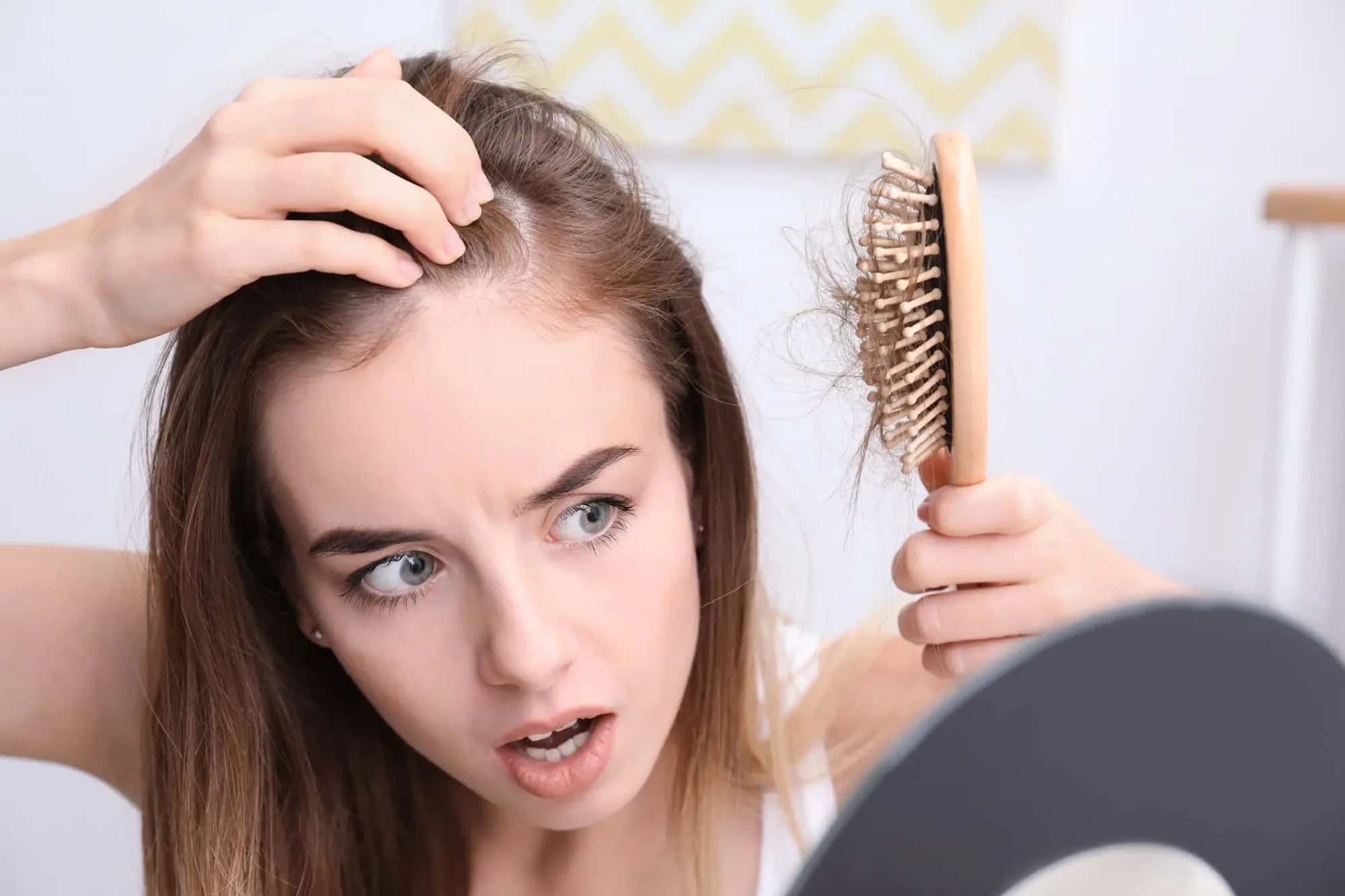
This guide explains what sudden hair loss means, which conditions commonly trigger rapid shedding, and how different patterns can point toward different underlying causes.
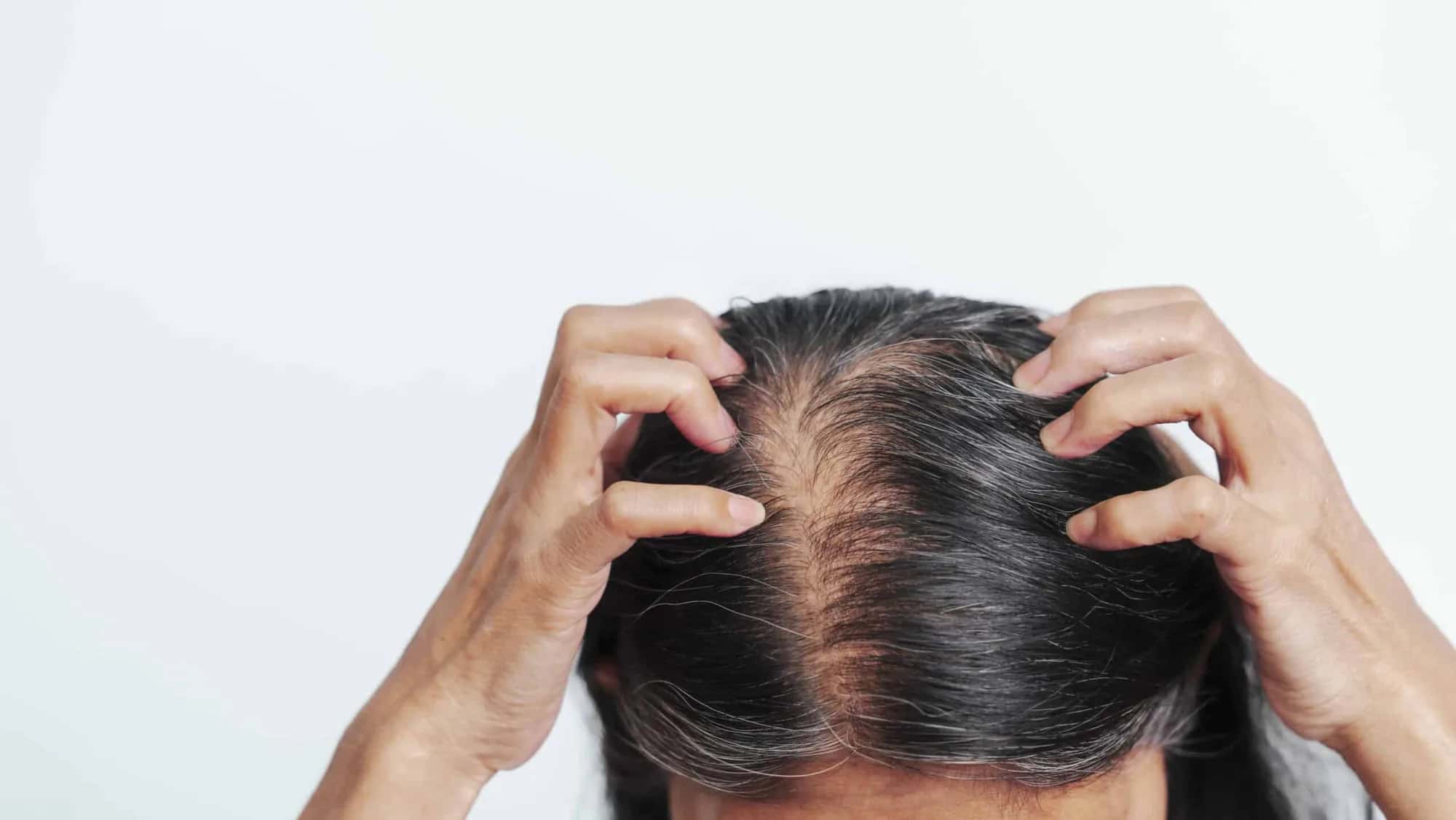
This guide explains how iron deficiency can contribute to hair loss, which blood tests matter, how ferritin relates to shedding, and when hair may begin recovering.
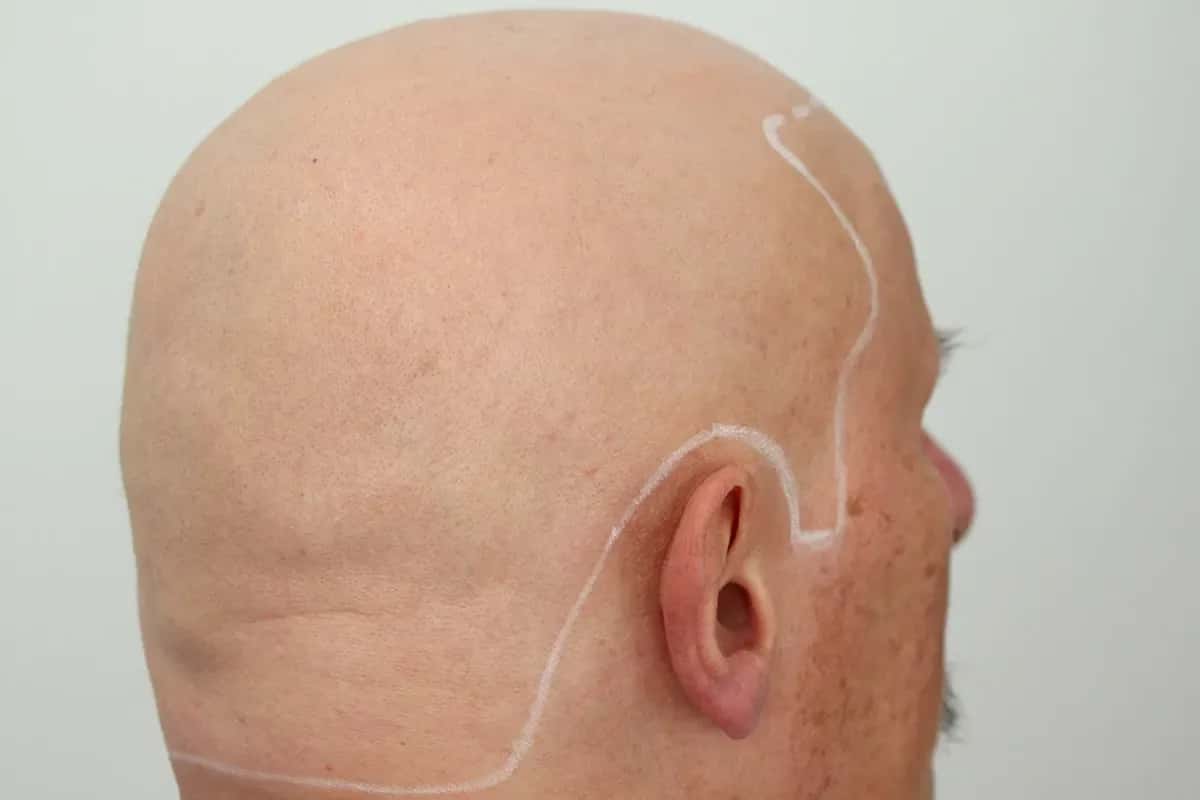
This guide explains alopecia totalis, including its symptoms, autoimmune causes, diagnosis, hair regrowth potential, available treatments, recurrence, and relationship with hair transplantation.

Subscribe to the Medifinder newsletter and never miss our latest content.