










GLP-1 Hair Loss: Does Hair Grow Back?
This guide explains whether GLP-1 hair loss grows back, why shedding can occur, typical timelines, semaglutide and tirzepatide data, nutrition, treatment, and warning signs.

- Last updated
- 102 reads
- 8 min read
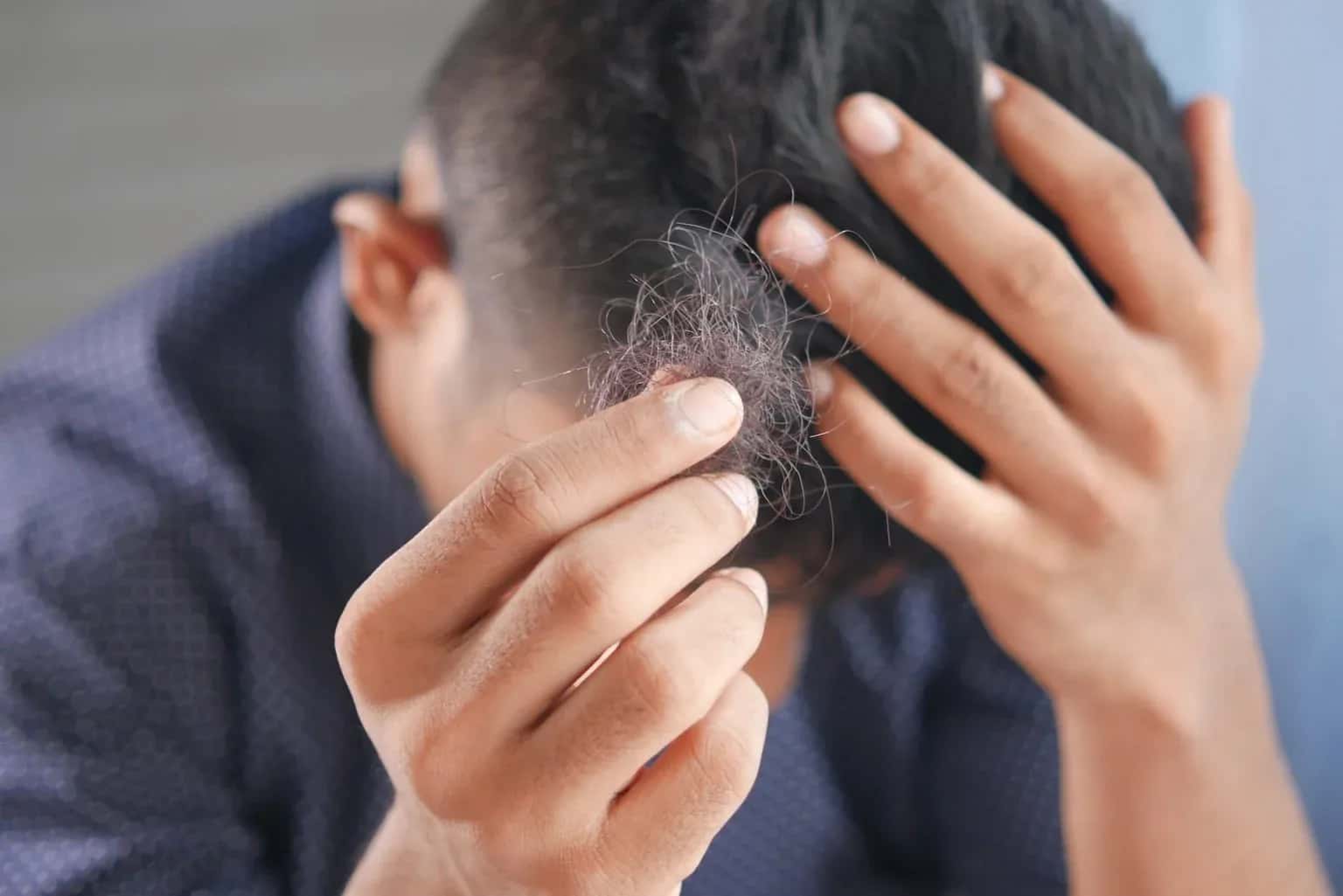


Does Hair Grow Back After GLP-1 Hair Loss?
Hair usually grows back when GLP-1-associated shedding represents telogen effluvium and the trigger causing the disrupted hair cycle has resolved.
Telogen effluvium is a non-scarring process, so the hair follicle remains capable of producing another hair. Rapid weight reduction, reduced calorie intake, illness, and nutritional deficiencies can all act as triggers. Shedding can continue while new hairs are already beginning another growth cycle. Recovery becomes less predictable when GLP-1 treatment reveals underlying androgenetic alopecia. In that situation, temporary shedding may improve while genetically susceptible follicles continue becoming thinner without separate treatment.
Why Can GLP-1 Medications Cause Hair Loss?
GLP-1 medications may contribute to hair loss through rapid weight reduction, reduced nutritional intake, metabolic changes, or disruption of the normal hair-growth cycle.
The strongest proposed mechanism is telogen effluvium following substantial or rapid weight loss. Hair follicles can respond to metabolic stress by leaving the active growth phase earlier than expected. Reduced appetite may also lower protein, iron, or micronutrient intake in susceptible individuals. Current evidence also suggests possible hormonal and follicular effects, but their importance remains uncertain. Researchers have not yet established one direct biological mechanism explaining every reported GLP-1-associated hair-loss case.
Is Hair Loss a Direct Side Effect of GLP-1 Drugs?
Hair loss is associated with GLP-1 treatment in current studies, but evidence has not established that every case results from a direct drug effect on hair follicles.
A 2026 meta-analysis of interventional studies found a higher hair-loss risk among GLP-1 users than placebo recipients. The pooled event rate was approximately 3.9 percent. Other recent reviews identify semaglutide and tirzepatide as the agents most frequently associated with reported hair loss. However, rapid weight loss is a major confounding factor. Current research cannot fully separate direct medication effects from metabolic stress, reduced food intake, nutrient deficiency, or pre-existing hair disorders.
Does Semaglutide Cause Hair Loss?
Semaglutide treatment has been associated with increased reports of hair loss, particularly at doses used for substantial weight reduction.
Current prescribing data for 2.4 mg weekly semaglutide reports hair loss in approximately 3 percent of treated adults compared with 1 percent receiving placebo. Data for a higher 7.2 mg regimen reported hair loss in 6 percent, compared with 3 percent at 2.4 mg. Recent systematic evidence also suggests a stronger association at higher obesity-treatment doses. These findings establish an observed association, but they do not prove that semaglutide directly damages follicles because weight reduction itself can trigger shedding.
Does Tirzepatide Cause Hair Loss?
Tirzepatide has been associated with hair loss during weight-reduction treatment, with clinical trial data showing more reports than among placebo recipients.
A regulatory review found alopecia-related events in approximately 4.7 percent of tirzepatide-treated participants compared with 0.8 percent receiving placebo. Current prescribing information specifically states that reported hair loss was associated with weight reduction. Reports were more frequent among women, affecting 7.1 percent of treated women compared with 0.5 percent of treated men. Tirzepatide also produces substantial weight loss, supporting telogen effluvium as an important explanation for at least some cases.
When Does GLP-1 Hair Loss Usually Start?
GLP-1-related telogen effluvium may become noticeable several months after rapid weight loss or another metabolic trigger rather than immediately after the first dose.
Telogen effluvium commonly appears around two to three months after the event that disrupted the growth cycle. This delay occurs because affected follicles enter a resting stage before their hairs are released. Someone may therefore connect shedding with the current medication dose while the relevant trigger happened months earlier. Reviewing weight changes, appetite, illness, dietary intake, dosage increases, and other medical events from the previous several months helps clarify whether the timing fits telogen effluvium.
What Does GLP-1 Hair Loss Look Like?
GLP-1-associated telogen effluvium usually appears as diffuse shedding across the scalp rather than one sharply defined bald patch.
-
More hair appearing during washing or brushing
-
Increased hairs on clothing, bedding, or pillows
-
Reduced overall ponytail or hair volume
-
Diffuse scalp visibility rather than isolated bald spots
-
Shedding beginning months after significant weight reduction
-
Normal-looking scalp without obvious scarring
-
Short regrowing hairs appearing as recovery begins
-
Possible increased visibility of an existing pattern-hair-loss area
Smooth patches, inflamed scalp areas, broken hairs, or progressive scarring are not typical telogen effluvium findings and require another explanation.
Is GLP-1 Hair Loss Telogen Effluvium or Androgenetic Alopecia?
Telogen effluvium appears to account for many GLP-1-related shedding cases, but androgenetic alopecia can coexist or become more noticeable during the same period.
Recent systematic reviews identify telogen effluvium and androgenetic alopecia as the most frequently described patterns associated with GLP-1 therapy. Telogen effluvium causes relatively sudden diffuse shedding after a physiological trigger. Androgenetic alopecia produces gradual follicular miniaturization in genetically susceptible scalp regions. A major shedding episode can reduce density enough to expose previously subtle pattern hair loss. Hair may therefore regrow after telogen effluvium while the underlying patterned thinning remains visible.
Does Rapid Weight Loss Increase the Risk of Hair Shedding?
Rapid weight loss can increase the risk of telogen effluvium because substantial metabolic change can shift growing follicles prematurely into the resting phase.
A study of 140 people with weight-loss-associated telogen effluvium found an average weight reduction of approximately 15 percent. The average rate was about 3.5 kilograms per month. These figures are observations rather than thresholds that predict who will lose hair. Some people develop shedding after smaller changes, while others do not shed despite substantial weight reduction. GLP-1 medications can produce weight-loss patterns large enough to overlap with those historically associated with telogen effluvium.
Can Nutritional Deficiencies Worsen GLP-1 Hair Loss?
Nutritional deficiencies can contribute to diffuse hair shedding during GLP-1 treatment, particularly when appetite suppression substantially reduces food intake.
Protein intake deserves attention because hair production requires adequate amino acids, while iron status can also influence shedding. Recent evidence examining telogen effluvium found lower ferritin and vitamin D levels in affected groups, although nutritional findings vary between studies. Zinc, vitamin B12, folate, and thyroid status may also be assessed when symptoms or dietary history support testing. Routine high-dose supplementation without identifying a deficiency is not an evidence-based substitute for evaluating the actual cause of shedding.
Should You Stop a GLP-1 Medication Because of Hair Loss?
Hair loss alone does not automatically mean a GLP-1 medication should be stopped, especially when the treatment provides important metabolic or cardiovascular benefits.
Current evidence advises against premature discontinuation because many reported cases appear consistent with temporary non-scarring shedding. Medication decisions should consider the reason for treatment, degree of weight loss, nutritional status, severity of shedding, and alternative explanations. Abruptly changing therapy may also lead to weight regain or loss of glucose control in some patients. A more useful approach is identifying whether the hair loss represents telogen effluvium, androgenetic alopecia, nutritional deficiency, or another condition before changing treatment.
How Long Does GLP-1 Hair Take to Grow Back?
Visible hair regrowth can begin within several months after the trigger improves, while restoration of previous density may require six to twelve months or longer.
Telogen effluvium often takes three to six months to settle after the relevant physiological stress has resolved. New anagen hairs then require additional time to gain enough length to contribute visible density. Older reviews describe cosmetically significant recovery taking 12 to 18 months in some cases. Regrowth can appear slow even when follicles are functioning normally because scalp hair grows incrementally. Continuing rapid weight loss or nutritional insufficiency can prolong the triggering environment and delay recovery.
What Can Help Hair Grow Back After GLP-1 Hair Loss?
Hair regrowth is best supported by correcting the trigger, maintaining adequate nutrition, and identifying any separate hair disorder that could delay recovery.
Stable nutritional intake becomes especially important after periods of rapid weight reduction. Adequate protein and sufficient overall calories help support normal hair production. Iron, vitamin D, zinc, vitamin B12, folate, and thyroid testing can be considered when history or symptoms indicate a possible abnormality. Deficiencies should be corrected specifically rather than treating all shedding with multiple supplements. Gentle hair care also limits additional shaft breakage while follicular recovery is occurring.
Does Minoxidil Help With GLP-1 Hair Loss?
Minoxidil may support hair growth in selected patients, but uncomplicated temporary telogen effluvium does not always require medication to recover.
The main treatment for telogen effluvium remains removal or correction of the triggering factor. Minoxidil can prolong the active growth phase and may be considered when shedding persists or androgenetic alopecia is also present. Evidence specifically testing minoxidil for GLP-1-associated hair loss remains limited. Starting treatment can itself produce temporary early shedding as resting hairs are released. Oral minoxidil additionally has systemic effects and requires medical assessment, so it should not be treated as a routine supplement for weight-loss-related shedding.
When Should GLP-1 Hair Loss Be Assessed by a Dermatologist?
Dermatology assessment is appropriate when GLP-1-associated shedding is severe, continues beyond six months, follows an unusual pattern, or does not begin improving after weight stabilizes.
Patchy bald areas, scalp inflammation, scarring, intense itching, broken hairs, or eyebrow loss do not fit typical telogen effluvium. Progressive recession, widening of the central part, or crown thinning can indicate androgenetic alopecia. Persistent shedding may also justify laboratory evaluation for iron deficiency, thyroid dysfunction, or selected nutritional problems. Trichoscopy can help distinguish diffuse shedding from follicular miniaturization and identify situations where more than one type of hair loss is occurring simultaneously.
Can GLP-1 Hair Loss Become Permanent?
GLP-1-related telogen effluvium is usually reversible because it causes temporary cycling changes rather than permanent destruction of hair follicles.
Permanent-looking thinning becomes more plausible when another condition is present. Rapid weight loss can uncover androgenetic alopecia that was already developing gradually before treatment. Continued nutritional deficiency can also maintain chronic shedding instead of allowing normal recovery. Scarring alopecia represents a different process and should not be attributed to GLP-1 treatment without proper evaluation. Current research supports an association between these medications and non-scarring hair loss, but long-term prospective studies are still needed to determine exact mechanisms and individual recovery patterns.
- Last updated
- Language
- English
How did you find this article?
Washing simply releases many of these loose hairs at the same time, which can make normal shedding appear more dramatic than it really is. So, how much hair loss in the shower is normal, and when does the amount suggest excessive shedding or another form of hair loss?
This guide explains what sudden hair loss means, which conditions commonly trigger rapid shedding, and how different patterns can point toward different underlying causes.
This guide explains how iron deficiency can contribute to hair loss, which blood tests matter, how ferritin relates to shedding, and when hair may begin recovering.
Subscribe to the Medifinder newsletter and never miss our latest content.