










Hair Loss and Iron Deficiency
This guide explains how iron deficiency can contribute to hair loss, which blood tests matter, how ferritin relates to shedding, and when hair may begin recovering.

- Last updated
- 26 reads
- 9 min read


Can Iron Deficiency Cause Hair Loss?
Iron deficiency can contribute to hair loss, particularly when depleted iron stores disrupt the normal hair-growth cycle and trigger diffuse shedding. The connection appears most clearly in people with significant iron deficiency or iron deficiency anemia.
Hair follicles contain rapidly dividing cells that require adequate nutrients to maintain active growth. When iron availability falls, more follicles may leave the growth phase and eventually enter a shedding phase.
However, low iron does not explain every case of hair loss. Genetics, thyroid disorders, illness, stress, hormonal changes, medication, and nutritional deficiencies can produce similar shedding patterns.
What Type of Hair Loss Does Iron Deficiency Cause?
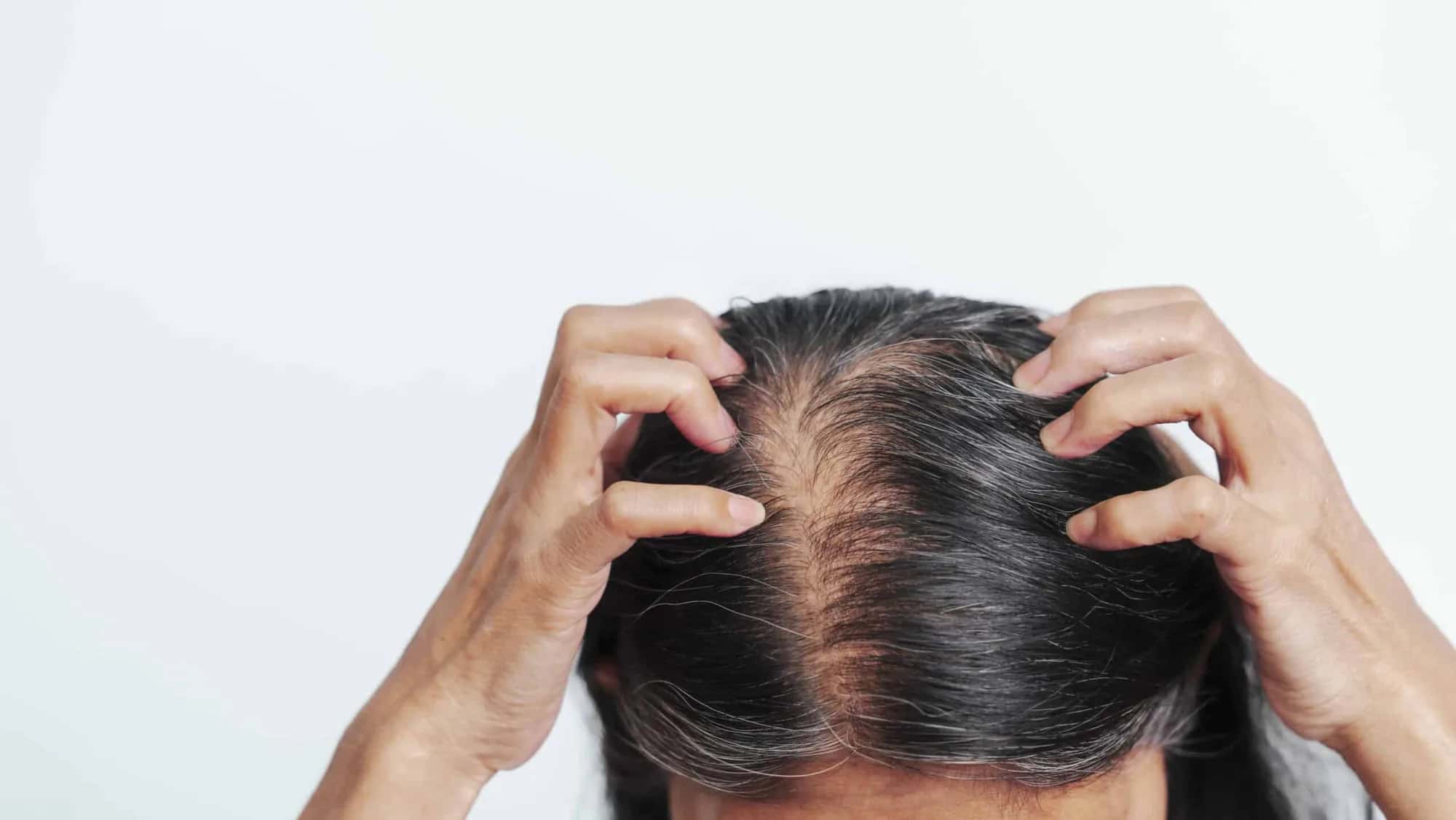
Iron deficiency most commonly contributes to diffuse shedding known as telogen effluvium, which causes increased hair loss across the scalp rather than one isolated bald patch. More follicles enter the resting phase and later release their hairs.
People often notice greater shedding during washing, brushing, or running their hands through the hair. Overall volume gradually decreases, while the scalp may become more visible through the part.
Iron deficiency does not usually create completely smooth bald patches. Patchy hair loss, scarring, severe scalp inflammation, or sharply defined areas of thinning suggest another process that needs separate evaluation.
How Does Iron Deficiency Affect Hair Growth?
Iron deficiency can affect hair growth by reducing the body's available iron for rapidly active tissues, including cells involved in follicle growth. Hair production does not have the same biological priority as essential organs, so shortages can influence the growth cycle.
When iron stores become depleted, some follicles may enter the resting phase earlier than expected. The actual shedding usually appears later because resting hairs remain attached for a period before falling.
This delayed relationship explains why hair loss may continue even after the original nutritional problem begins improving. Hair-cycle recovery takes longer than blood-level correction.
Can Low Ferritin Cause Hair Loss?
Low ferritin can be associated with increased hair shedding because ferritin reflects the body's stored iron rather than only the iron circulating at one moment. Very low ferritin strengthens the possibility that depleted iron stores are contributing to diffuse hair loss.
The relationship is not perfectly predictable, however. Some people with low ferritin have noticeable shedding, while others maintain normal hair density.
Ferritin also behaves as an acute-phase protein and can rise during inflammation, which sometimes makes iron stores appear better than they are. For this reason, ferritin should be interpreted alongside other blood tests and clinical findings.
Can Ferritin Be Low Even When Hemoglobin Is Normal?
Ferritin can become low before hemoglobin falls because the body usually depletes stored iron before developing full iron deficiency anemia. This means a person can have normal hemoglobin while already having reduced iron reserves.
At this stage, symptoms may be mild or absent, although some people report fatigue, reduced exercise tolerance, restless legs, or increased hair shedding. The pattern reflects iron depletion without established anemia.
A normal hemoglobin result therefore does not automatically exclude iron deficiency. Ferritin, transferrin saturation, serum iron, and other blood-count parameters can provide a more complete picture of iron status.
What Ferritin Level Is Associated With Hair Loss?
There is no single ferritin level that reliably predicts hair loss in every person because studies use different thresholds and individual requirements vary. Very low ferritin clearly supports iron deficiency, but the relationship between borderline levels and hair shedding remains less certain.
Some people develop diffuse shedding with depleted iron stores, while others with similar ferritin levels do not experience obvious hair changes. Sex, inflammation, menstruation, diet, and other medical conditions also affect interpretation.
Ferritin should therefore not be treated as a standalone hair-growth number. The complete iron profile and the pattern of hair loss provide more useful information.
What Does Iron Deficiency Hair Loss Look Like?
Iron deficiency hair loss usually appears as diffuse thinning across the scalp, with increased shedding rather than one sharply defined bald area. The ponytail may feel thinner, the part may look wider, and more hair may collect during washing.
Common features can include:
-
Increased hair in the shower drain
-
More hair on brushes or pillows
-
Reduced overall volume
-
A thinner ponytail
-
Greater scalp visibility through the part
-
Similar thinning across multiple scalp regions
-
Continued shedding without obvious scalp inflammation
This pattern can resemble other forms of telogen effluvium, so appearance alone cannot confirm iron deficiency.
Can Iron Deficiency Cause Thinning at the Hairline?
Iron deficiency usually causes generalized shedding rather than a classic receding hairline, although diffuse thinning can make the frontal area appear less dense. The hairline may look weaker simply because fewer growing hairs remain throughout the scalp.
A progressively receding temple pattern, especially in men, more strongly suggests androgenetic hair loss. In women, widening of the central part or frontal thinning may also reflect genetic miniaturization.
Iron deficiency can still occur at the same time and increase overall shedding. When two conditions overlap, restoring iron alone may reduce shedding without completely reversing patterned thinning.
Can Iron Deficiency Cause Hair Loss in Women?
Iron deficiency can contribute to hair loss in women because menstruation, pregnancy, dietary factors, and certain gastrointestinal conditions can reduce iron stores over time. Heavy menstrual bleeding represents an especially important cause of ongoing iron loss.
Women may develop diffuse shedding before severe anemia appears, particularly when ferritin becomes depleted. The hair can gradually lose volume even while individual follicles remain capable of producing new strands.
Female pattern hair loss can also occur simultaneously, which may complicate the appearance. Evaluating iron status helps identify one potentially correctable factor without assuming it explains every aspect of thinning.
Can Iron Deficiency Cause Hair Loss in Men?
Iron deficiency can contribute to hair loss in men, although unexplained iron deficiency deserves particular attention because routine menstrual blood loss does not provide an explanation. Dietary insufficiency, blood loss, gastrointestinal problems, or absorption disorders may reduce iron stores.
When iron deficiency triggers telogen effluvium, men may notice diffuse shedding across the scalp rather than only recession at the temples or crown.
A patterned frontal or crown change still fits androgenetic alopecia more closely. Iron deficiency can worsen overall density at the same time, so both mechanisms may need consideration when shedding and patterned thinning occur together.
Can Heavy Periods Cause Iron Deficiency Hair Loss?
Heavy menstrual bleeding can contribute to hair loss by gradually depleting iron stores faster than diet can replace them. Over months, ferritin may fall first, followed eventually by hemoglobin if iron loss continues.
People may notice worsening fatigue, reduced exercise tolerance, dizziness, headaches, paleness, or increased hair shedding alongside heavy periods. The combination strengthens the possibility of iron depletion.
Correcting iron intake without addressing ongoing blood loss may produce only temporary improvement. Persistent heavy menstruation therefore matters because continued iron loss can repeatedly lower stores and prolong hair-cycle disruption.
What Other Symptoms Can Occur With Iron Deficiency Hair Loss?
Iron deficiency hair loss can occur alongside fatigue, weakness, dizziness, headaches, pale skin, reduced exercise tolerance, shortness of breath, or restless legs. Symptoms become more noticeable when iron deficiency progresses into anemia.
Some people also experience brittle nails, difficulty concentrating, unusual cravings for nonfood substances, or a faster heartbeat during exertion. Others may have very few symptoms besides increased shedding.
These complaints are not specific to iron deficiency and can overlap with thyroid disease, vitamin deficiencies, sleep problems, and chronic illness. Blood testing helps determine whether iron depletion actually explains the pattern.
Which Blood Tests Are Useful for Iron Deficiency and Hair Loss?
Blood testing for suspected iron-related hair loss usually includes a complete blood count together with ferritin and additional measures of iron availability. These tests help distinguish depleted iron stores from established anemia and other blood abnormalities.
Ferritin provides information about stored iron, while hemoglobin indicates whether anemia is present. Serum iron, transferrin, total iron-binding capacity, and transferrin saturation can provide additional context.
Inflammation can complicate ferritin interpretation because ferritin may rise even when available iron remains limited. Results should therefore be assessed as a pattern rather than by focusing on one isolated number.
Can Diet Improve Iron Deficiency Hair Loss?
Diet can help improve iron deficiency when inadequate intake contributes to depleted stores, although food alone may not correct substantial deficiency quickly enough. Iron-rich foods include meat, seafood, legumes, leafy vegetables, fortified foods, and certain seeds.
The body absorbs heme iron from animal sources more efficiently than non-heme iron from plant foods. Vitamin C consumed with plant-based iron can improve absorption.
Tea, coffee, calcium-rich foods, and some medications can reduce iron absorption when taken at the same time. Dietary improvement supports recovery, but the underlying reason for iron depletion still needs attention.
Do Iron Supplements Help With Hair Loss?
Iron supplements can help reduce iron-related hair shedding when testing confirms iron deficiency and depleted stores are contributing to the problem. They are unlikely to improve hair loss caused entirely by genetics, scarring, hormonal conditions, or another unrelated process.
Iron should not be taken indefinitely without a reason because excessive iron can also cause health problems. Supplement requirements depend on the degree of deficiency and the reason stores became low.
Hair response also takes time. Blood values can improve before visible shedding slows because follicles must complete their existing growth-cycle transitions before normal density gradually returns.
How Long Does Hair Loss Continue After Iron Levels Improve?
Hair shedding can continue for several weeks or months after iron levels begin improving because hair follicles respond slowly to changes in nutritional status. Hairs that already entered the resting phase may still shed even after iron replacement starts.
This delay can make treatment seem ineffective during the early period. A reduction in shedding often becomes noticeable gradually rather than immediately.
Continued heavy shedding many months after iron stores recover suggests another trigger may still be active. Recent illness, stress, weight loss, thyroid disease, medications, or genetic hair loss can prolong the problem independently of iron status.
How Long Does Hair Regrowth Take After Iron Deficiency?
Hair regrowth after iron deficiency usually requires several months because follicles must re-enter active growth before new strands become visibly longer and denser. Early regrowth may first appear as short, fine hairs around the part or hairline.
Visible improvement in volume takes longer because scalp hair grows only about one centimeter per month on average. Restoring density therefore requires patience even when blood tests improve promptly.
Hair recovery also depends on how long the deficiency lasted and whether another form of hair loss is present. Progress is usually measured over months rather than weeks.
Can Hair Grow Back Completely After Iron Deficiency?
Hair lost through iron deficiency-related telogen effluvium can often regrow substantially when iron stores recover and no permanent follicular disorder is present. The follicles usually remain structurally intact even though they temporarily shift into the resting phase.
Once the nutritional trigger resolves, growing hairs can gradually replace shed strands. Full visual recovery may still take many months because new hairs need enough length to contribute to density.
Complete restoration becomes less predictable when iron deficiency overlaps with androgenetic alopecia, scarring disorders, chronic illness, or repeated episodes of telogen effluvium.
Can Iron Deficiency and Genetic Hair Loss Occur Together?
Iron deficiency and genetic hair loss can occur at the same time, creating both increased shedding and progressive miniaturization. In this situation, correcting iron deficiency may reduce diffuse shedding without fully restoring areas affected by androgenetic alopecia.
Genetic hair loss typically produces patterned changes, such as temple recession, crown thinning, or widening of the central part. Iron deficiency more often adds generalized shedding across the scalp.
Recognizing both processes prevents unrealistic expectations from iron treatment alone. A person may genuinely need iron correction while also having a separate follicular condition that requires its own management.
When Should Hair Loss With Low Iron Be Investigated Further?
Hair loss with low iron should be investigated further when deficiency is significant, keeps returning, or appears without an obvious explanation. The priority is not only replacing iron but understanding why the body's stores became depleted.
Heavy menstrual bleeding, restrictive diets, gastrointestinal blood loss, absorption problems, frequent blood donation, pregnancy, and other medical conditions can contribute to iron deficiency. Persistent shedding despite corrected iron also deserves broader evaluation.
A complete assessment helps separate iron-related telogen effluvium from thyroid disease, genetic thinning, autoimmune hair loss, nutritional deficiencies, medication effects, and other causes that can produce similar symptoms.
- Last updated
- Language
- English
How did you find this article?
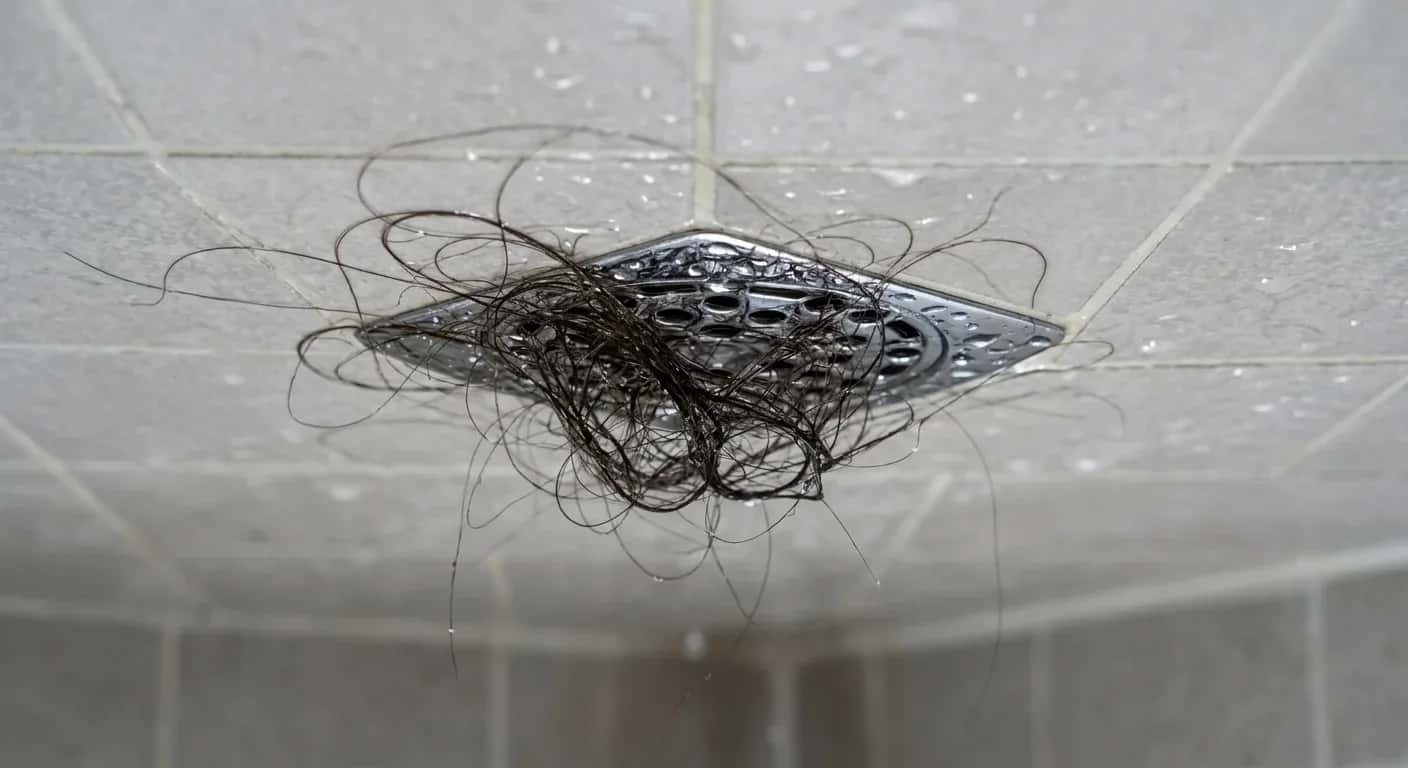
Washing simply releases many of these loose hairs at the same time, which can make normal shedding appear more dramatic than it really is. So, how much hair loss in the shower is normal, and when does the amount suggest excessive shedding or another form of hair loss?
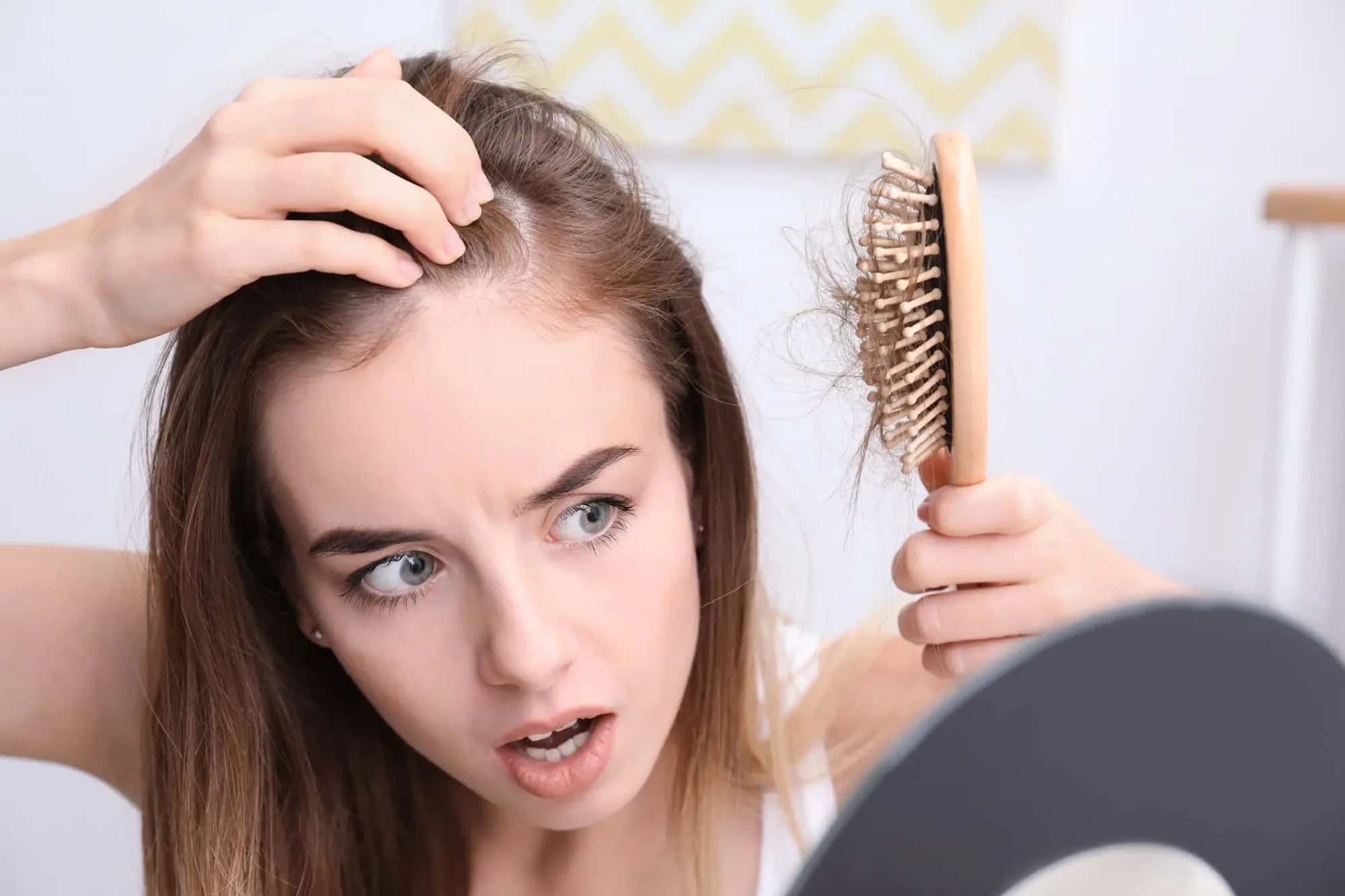
This guide explains what sudden hair loss means, which conditions commonly trigger rapid shedding, and how different patterns can point toward different underlying causes.
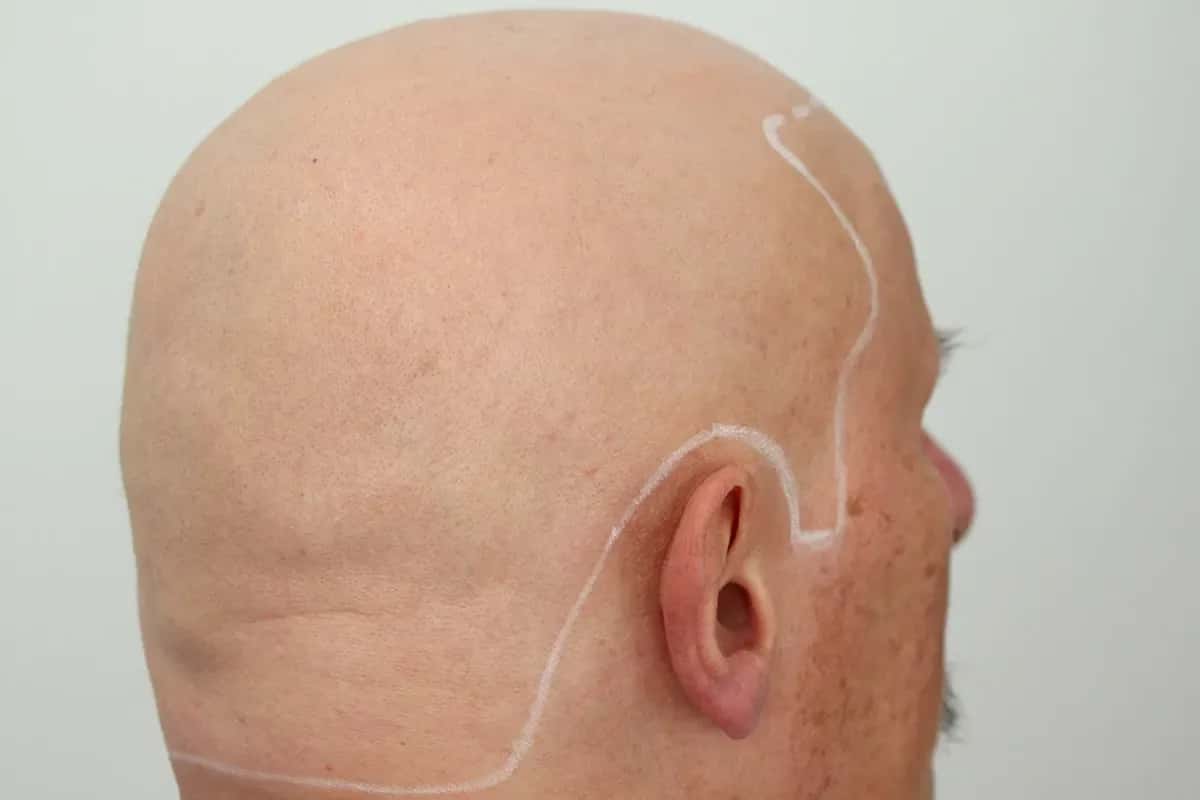
This guide explains alopecia totalis, including its symptoms, autoimmune causes, diagnosis, hair regrowth potential, available treatments, recurrence, and relationship with hair transplantation.

Subscribe to the Medifinder newsletter and never miss our latest content.