Going from dialysis to kidney transplant is a major change in treatment, routine, and long-term kidney health planning. Dialysis can help replace some kidney functions when kidney failure occurs, while a kidney transplant places a donated kidney in the body to take over much of the work the kidneys can no longer do.
Kidney transplantation candidates are people with advanced kidney disease who may benefit from receiving a healthy donor kidney. Becoming a candidate is not based on kidney function alone; it also involves overall health, surgical risk, infection risk, emotional readiness, support system.
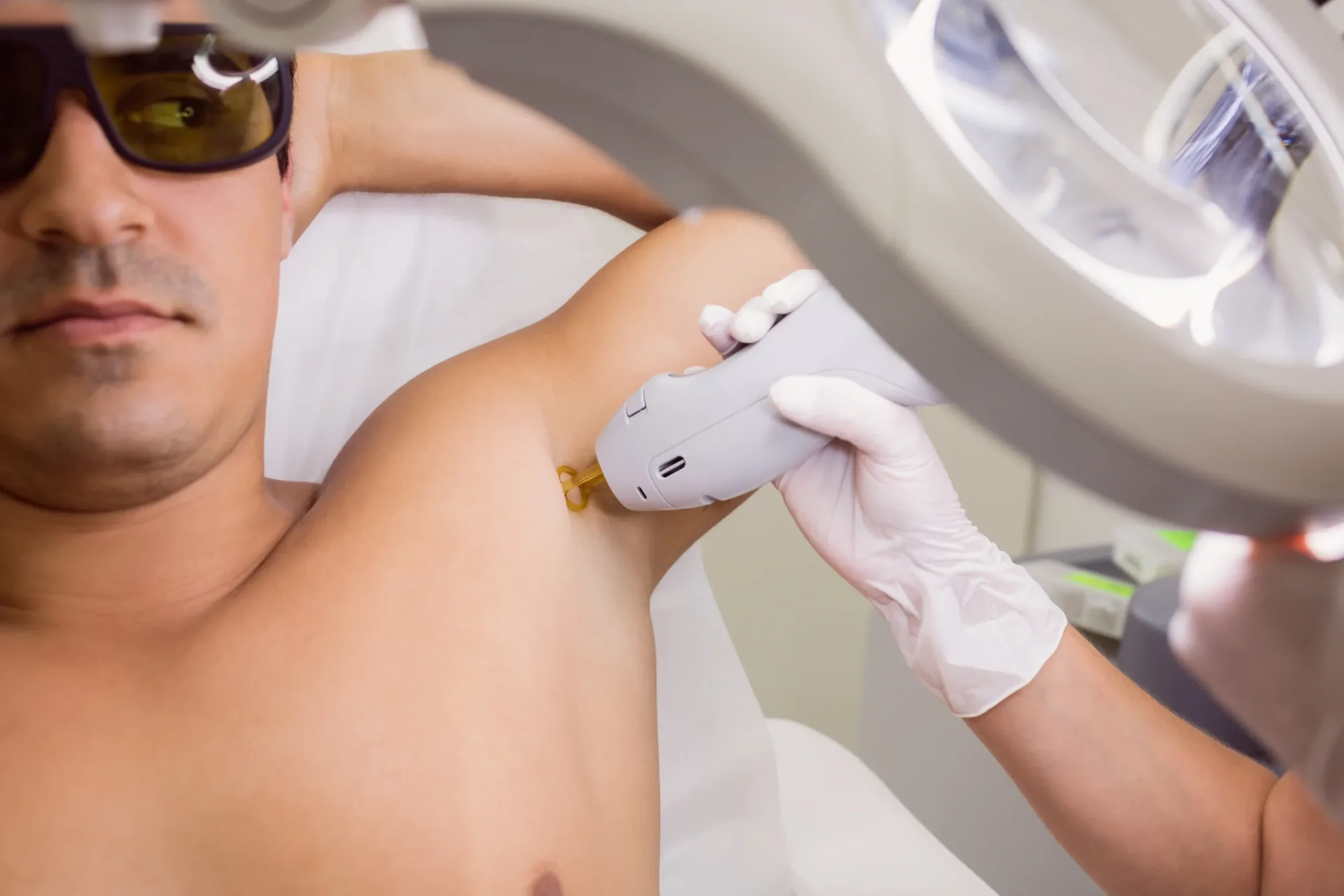
One of the questions most frequently asked by those starting laser hair removal is how often the sessions should be performed. In particular, the fact that hair begins to reappear quickly can lead to the thought: "Would I get faster results if I had the laser treatment sooner?".
Can you go into a pool after laser hair removal? Generally, entering a pool immediately after the procedure is not recommended. This is because the skin surface can become temporarily more sensitive following laser treatment.
Completing the laser hair removal sessions does not mean that not a single hair will ever grow again in the treated area. A significant reduction in hair may be observed after the sessions, while any remaining hair may become finer, lighter in color, or sparser.
Hair loss exceeding normal levels can stem from a variety of causes. In addition to genetic predisposition, stress, certain medical conditions, nutritional issues, and medications, hormonal changes can also play a significant role in hair loss.












 Erkan Bayram