










Kidney Transplantation Candidates
Kidney transplantation candidates are people with advanced kidney disease who may benefit from receiving a healthy donor kidney. Becoming a candidate is not based on kidney function alone; it also involves overall health, surgical risk, infection risk, emotional readiness, support system.

- Last updated
- 40 reads
- 9 min read



Who qualifies as a kidney transplant candidate?
A kidney transplant candidate is typically someone with kidney failure or advanced chronic kidney disease who is healthy enough to undergo major surgery and manage lifelong follow-up care. In practical terms, the transplant team looks at whether a transplant is likely to improve quality of life and survival compared with remaining on dialysis or continuing medical management.
Many people begin evaluation when kidney function has declined significantly, sometimes before dialysis starts. Others are referred after they have already begun dialysis. Timing matters because early evaluation can help patients understand their options, explore living donation, complete testing, and avoid unnecessary delays if transplantation is appropriate.
Qualification is never a simple yes-or-no checklist. A person may meet some kidney transplant requirements right away but need time to address other issues, such as dental infections, heart concerns, weight management, smoking, or medication adherence. For many patients, candidacy is a process of preparation rather than a single appointment.
The purpose of candidate selection
The candidate selection process exists to protect patients and make sure donated kidneys are used responsibly. Transplant surgery involves anesthesia, immune-suppressing medications, frequent monitoring, and the possibility of complications. A careful evaluation helps determine whether the benefits outweigh the risks for each individual.
Selection is also about planning. A patient who is medically eligible may still need education about medications, transportation, caregiving, insurance coverage, or lifestyle changes after surgery. These details can affect recovery and long-term transplant success, so they are considered part of readiness rather than side issues.
For kidney transplant candidates, the evaluation should feel thorough because it is meant to be thorough. The goal is not to create barriers unnecessarily. The goal is to identify risks early, treat what can be treated, and help the patient move forward with the safest plan possible.
Core kidney transplant requirements
Kidney transplant requirements vary by transplant center, but most programs review several major areas. These requirements are not only medical; they also include practical and behavioral factors that influence whether a person can safely receive and maintain a transplanted kidney.
Common requirements often include:
- Advanced kidney disease or kidney failure: The patient must have a level of kidney disease where transplantation is medically appropriate.
- Acceptable surgical risk: The patient must be able to tolerate major surgery and anesthesia.
- Manageable heart and vascular health: Heart disease, circulation problems, and blood pressure concerns must be assessed and treated when possible.
- No uncontrolled active infection: Infections generally need to be treated before surgery because immune-suppressing medicines can make infections more dangerous.
- Cancer screening and review: A history of cancer does not always prevent transplant, but active or recently treated cancer may require additional review or waiting time.
- Ability to take medications reliably: Anti-rejection medications must be taken consistently after transplant.
- Commitment to follow-up care: Lab tests, clinic visits, and communication with the transplant team are essential.
- Adequate support and planning: Many programs want to know that the patient has transportation, recovery help, and a plan for the early post-transplant period.
These requirements are designed to answer one central question: can the patient safely receive a kidney and care for it after surgery? If a requirement is not currently met, the transplant team may explain what needs to happen before candidacy can move forward.
Medical factors that influence candidacy
Medical evaluation usually begins with understanding the cause and stage of kidney disease. Conditions such as diabetes, high blood pressure, inherited kidney disorders, autoimmune disease, or recurrent infections may affect testing and treatment planning. The cause of kidney failure may also influence the risk of disease returning in the transplanted kidney.
Heart health is one of the most important areas reviewed. Kidney failure can increase cardiovascular risk, and transplant surgery places stress on the body. Testing may include blood work, imaging, heart rhythm studies, stress testing, or specialist review depending on the patient’s age, symptoms, and health history.
The team also reviews lung health, liver function, blood vessels, infections, prior surgeries, and medication history. Some patients need additional testing because of previous blood transfusions, pregnancies, prior transplants, or immune system concerns. These details help match donor kidneys more safely and reduce avoidable complications.
Conditions that may delay approval
Some conditions do not automatically rule out transplantation but may delay listing until they are better controlled. Examples can include untreated infection, unstable heart disease, severe uncontrolled diabetes, active substance use, serious untreated psychiatric illness, or medical conditions that make surgery unsafe at the time of evaluation.
Weight may also be discussed. A higher body weight can increase surgical complexity, wound complications, and other risks, but policies differ. Some patients are asked to work on nutrition, activity, or weight goals before being approved.
The key point is that a delay is not always a denial. Many kidney transplant candidates spend months addressing health issues and then return for review. Progress, stability, and communication with the transplant program can make a meaningful difference.
What happens during the candidate selection process?
The candidate selection process usually includes referral, education, medical testing, psychosocial review, financial counseling, and a committee decision. Each step helps the transplant team understand whether transplantation is appropriate and what support the patient may need before and after surgery.
The process often begins when a kidney specialist refers a patient to a transplant center. The patient may attend an education session to learn about deceased donor transplantation, living donor options, surgery, recovery, anti-rejection medicines, and possible risks. This education is important because informed consent is part of ethical transplant care.
After education, testing is scheduled. The evaluation may happen in one long visit or over several appointments. Some tests are routine for nearly everyone, while others are ordered based on individual risk. Once testing is complete, a multidisciplinary group reviews the case and decides whether the patient can be listed, needs more workup, is not currently eligible, or should consider other care options.
Practical readiness matters
A successful transplant depends on more than a safe operation. After surgery, patients must take medication on schedule, watch for symptoms, attend appointments, complete lab work, and respond quickly when the transplant team calls. This is why practical readiness is part of kidney transplant requirements.
Programs commonly assess whether the patient understands the responsibilities of transplant care. They may ask about transportation, work obligations, caregiving, medication routines, housing stability, and access to a phone. These questions are not meant to judge a person’s worthiness. They help identify obstacles that could put the transplant at risk.
Patients can prepare by building a realistic support plan before evaluation. This may include identifying who can drive them to appointments, who can stay nearby after surgery if needed, and how medication costs will be managed. A clear plan can reduce stress and help the team feel confident that the patient can manage the early recovery period.
Living donor and deceased donor pathways
Kidney transplant candidates may receive a kidney from a living donor or a deceased donor. A living donor kidney can come from a compatible relative, friend, or another approved donor. Deceased donor kidneys come from individuals who have died and whose organs are allocated according to established matching and priority systems.
Living donation may offer scheduling advantages and can reduce time spent waiting, but it requires a separate evaluation for the donor. The donor must be healthy enough to donate safely, and donor approval is never guaranteed. The donor’s health and informed choice are evaluated independently from the candidate’s need.
The deceased donor pathway may involve a longer wait, depending on blood type, immune matching, geography, urgency, and organ availability. While waiting, candidates must remain medically active on the list. That means keeping testing current, reporting health changes, and staying reachable when an organ offer becomes possible.
How patients can prepare for evaluation
Preparation can make the evaluation smoother and help patients feel more in control. While the transplant team will guide the official process, patients can take practical steps before and during the workup.
Useful preparation steps include:
- Gather medical records. Bring or request records related to kidney disease, hospitalizations, surgeries, heart testing, cancer screening, and major diagnoses.
- Create a medication list. Include prescription medicines, over-the-counter products, supplements, allergies, and any medications that caused side effects.
- Complete routine health care. Dental care, vaccinations, and recommended screenings may need attention before approval.
- Work on modifiable risks. Blood pressure, blood sugar, smoking, physical activity, and nutrition can affect transplant readiness.
- Plan transportation and support. Identify reliable help for appointments, surgery recovery, and early post-transplant needs.
- Ask about living donation early. If appropriate, learn how potential donors can get information without pressure.
- Stay organized. Keep a folder or digital file with appointments, test results, contact numbers, and questions.
Preparation does not mean becoming a perfect patient. It means showing that you are engaged, informed, and ready to participate in long-term care.
Emotional and mental health considerations
Kidney failure can be exhausting, and transplant evaluation can add another layer of stress. Anxiety, depression, fear of surgery, financial concerns, and uncertainty about the future are common. The candidate selection process often includes a psychosocial assessment to understand these issues and connect patients with support.
Mental health conditions do not automatically prevent transplant candidacy. What matters is whether symptoms are stable enough for the patient to participate in care, make informed decisions, and follow the post-transplant plan. Treatment, counseling, medication management, and support systems can help patients become stronger candidates.
Substance use is also reviewed because it can affect medication safety, follow-up reliability, infection risk, and overall outcomes. If a transplant center requires a period of stability or treatment before listing, the purpose is to reduce risk and support long-term success.
Staying active on the transplant list
Approval and listing are major milestones, but they are not the end of the process. Kidney transplant candidates must usually stay active by completing updated tests, attending appointments, and informing the transplant center about changes in health, insurance, address, or phone number.
A candidate can be made temporarily inactive if a new medical issue arises, testing expires, infection develops, or the team cannot reach the patient. Inactive status generally means the person is not receiving organ offers during that period, though policies vary. The candidate may return to active status once the issue is resolved.
Good communication is one of the simplest ways to protect candidacy. Answer calls, check messages, keep appointments, and notify the program before major travel. When an organ offer becomes available, timing can be critical, so being reachable matters.
Common misconceptions about kidney transplant candidates
Many people assume they are too old, too sick, or too complicated to be considered for transplant. Age alone is usually not the only deciding factor. Overall health, function, medical stability, and expected benefit are often more important than a number by itself.
Another misconception is that dialysis must begin before transplant evaluation. Some patients may be evaluated and even listed before starting dialysis, depending on kidney function and program policies. Early referral can preserve options and allow time to complete testing.
It is also common to think that one health problem automatically ends the possibility of transplant. Some conditions are disqualifying when they create unacceptable risk, but many are manageable with treatment and monitoring. The best approach is to ask for evaluation or re-evaluation rather than assuming the answer.
Questions to ask the transplant team
The evaluation process is easier when patients know what to ask. Clear questions help you understand expectations and avoid delays.
Consider asking:
- What tests do I need before a decision can be made?
- Are there health issues I should address now to improve my candidacy?
- Am I eligible to be evaluated before starting dialysis?
- How does the program review living donor options?
- What could make me inactive on the waiting list?
- How often will my testing need to be updated?
- What support will I need after surgery?
- Who should I call if my health, insurance, or contact information changes?
These questions can turn a confusing process into a clear plan. They also help patients understand which next steps are urgent and which can be handled over time.
- Last updated
- Language
- English
How did you find this article?
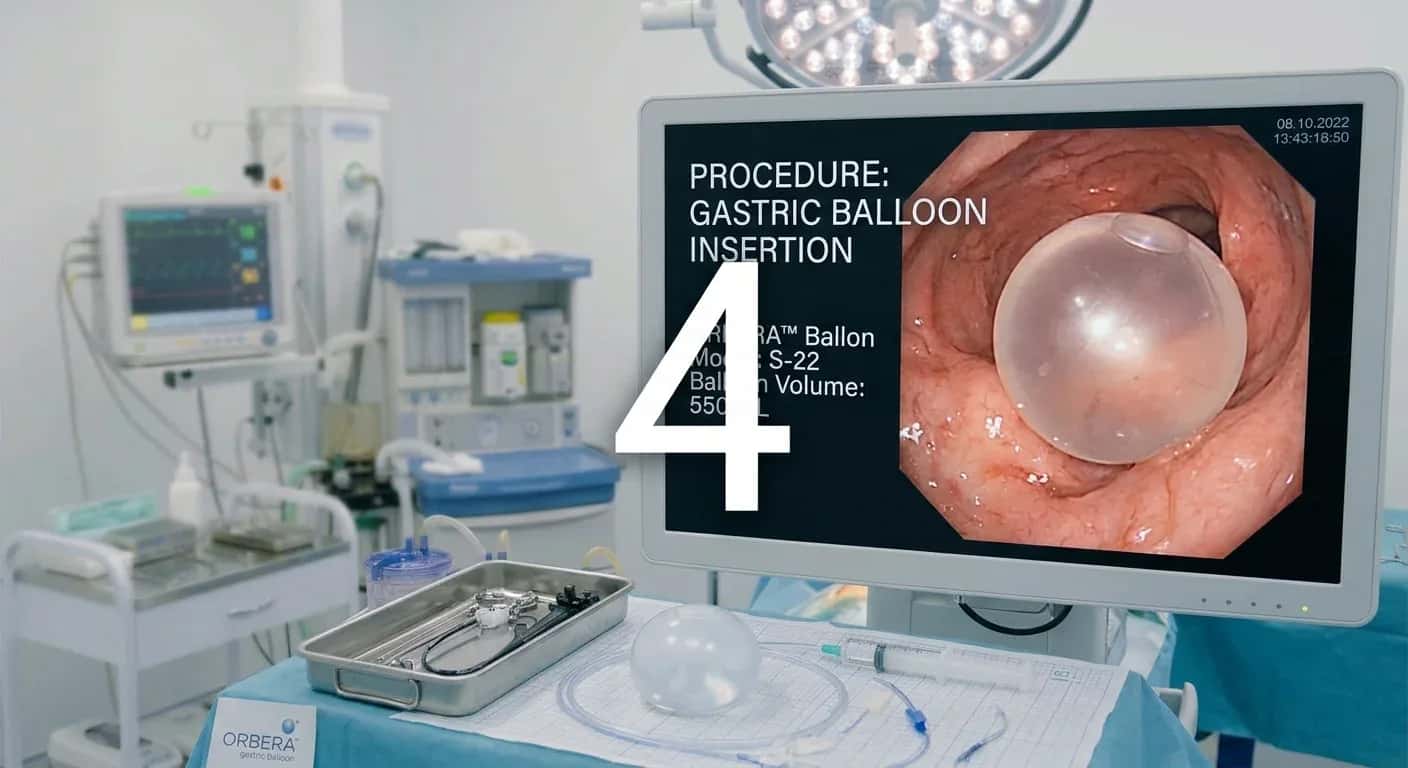
Several television personalities and content creators have openly shared their experience with a gastric balloon, a non-surgical weight loss treatment that temporarily reduces the space in the stomach.


This guide compares gallbladder surgery costs around the world in 2026, including laparoscopic cholecystectomy, open surgery, hospital packages, insurance, and medical travel expenses.

This guide compares blepharoplasty costs around the world in 2026, including upper, lower, combined eyelid surgery, treatment inclusions, insurance, and medical travel expenses.
Subscribe to the Medifinder newsletter and never miss our latest content.