










Comparing Q-Switch Lasers to Other Technologies

- Last updated
- 49 reads
- 9 min read
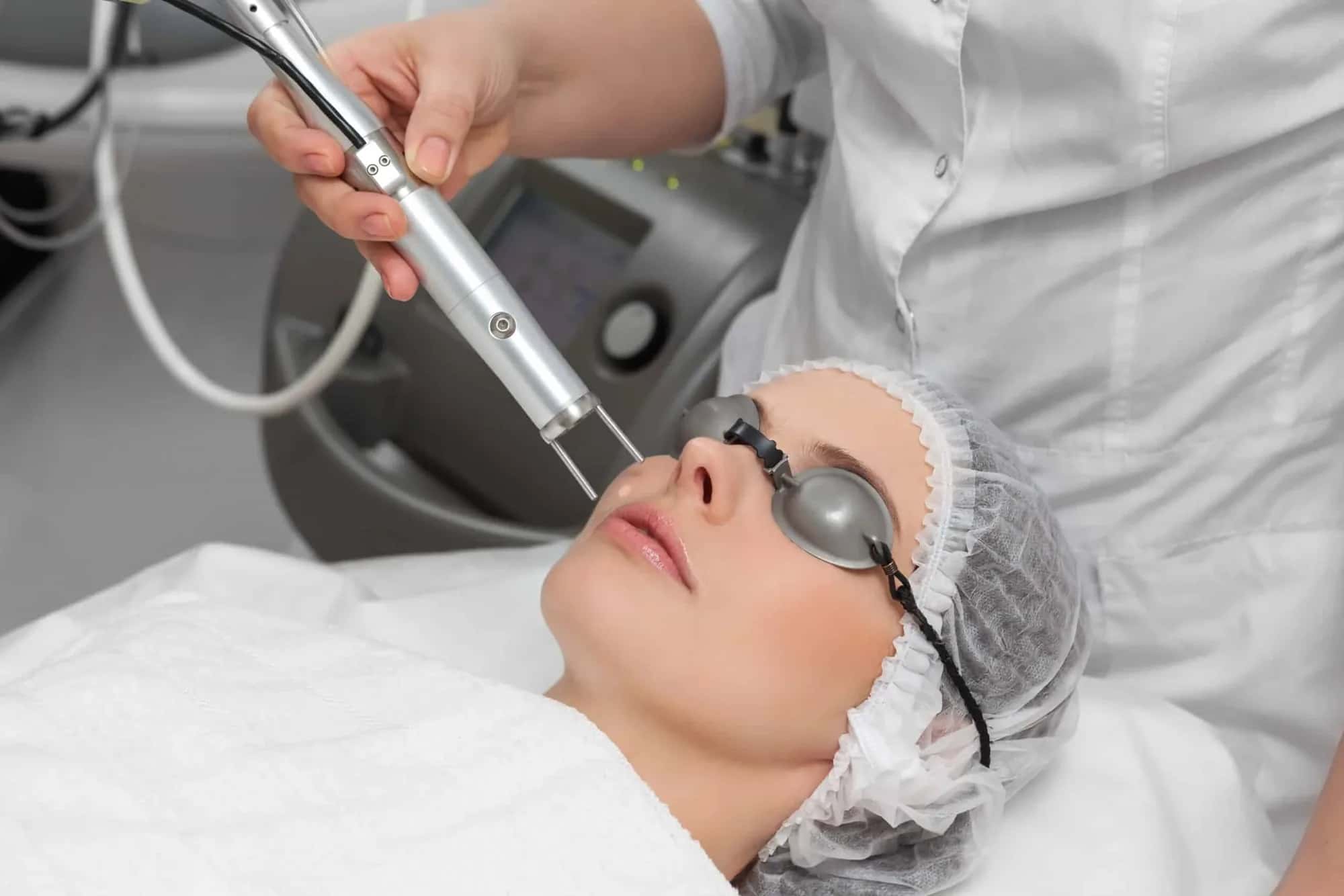


A Q-Switch Laser is best understood as a pigment-focused laser option used in laser tattoo removal and selected laser skin treatment plans. It delivers very short bursts of energy that target unwanted pigment while aiming to limit unnecessary heat in nearby skin. This comparison explains where Q-Switch technology fits, how it differs from other devices, and which option may make sense depending on your treatment goal.
Which laser technology is the best fit for your goal?
The best laser technology depends on what you want to change: tattoo ink, sun spots, uneven tone, redness, texture, hair growth, or general skin quality. A Q-Switch Laser is commonly considered when the main target is pigment, especially tattoo ink or certain dark spots. Other technologies may be better when the concern is wrinkles, acne scarring, visible blood vessels, unwanted hair, or broad redness.
A practical way to decide is to start with the target, not the machine. Lasers and light-based devices are not interchangeable, even when they sound similar. Each one uses a different energy style, pulse duration, and treatment approach, so the safest and most effective plan is usually the one matched to both the concern and the skin type.
Quick decision guide:
-
Choose Q-Switch Laser when: the priority is laser tattoo removal, stubborn pigment, or a pigment-focused laser skin treatment.
-
Consider picosecond laser technology when: the provider recommends an even shorter pulse style for certain tattoo inks or pigment concerns.
-
Consider fractional resurfacing when: texture, acne scars, fine lines, or surface irregularity matter more than pigment breakup.
-
Consider IPL or broadband light when: the concern is diffuse discoloration, redness, or sun damage across a broader area.
-
Consider vascular lasers when: visible vessels, redness, or certain red marks are the main issue.
-
Consider hair-removal lasers when: the goal is long-term reduction of unwanted hair, not pigment correction.
The core difference is what each technology targets
A Q-Switch Laser is designed to deliver energy in extremely brief pulses. Those pulses are absorbed by pigment particles, which can then be broken into smaller fragments that the body gradually clears. This is why Q-Switch technology is so closely associated with laser tattoo removal and pigment-focused treatments.
Other laser and light technologies often work differently. Some create controlled heat in the skin to stimulate remodeling. Some target blood vessels. Others focus on hair follicles or scatter light across multiple concerns at once. That difference matters because a device that is excellent for one purpose can be the wrong tool for another.
When comparing laser skin treatment options, the key criteria are:
-
Primary target: ink, pigment, redness, hair, texture, or laxity.
-
Depth of action: whether the concern sits near the surface or deeper in the skin.
-
Energy delivery: short pulse, longer pulse, fractional pattern, or broad light.
-
Downtime tolerance: whether you can manage redness, flaking, swelling, or temporary darkening.
-
Skin tone considerations: how the device is adjusted to reduce the risk of unwanted pigment changes.
-
Treatment series: whether the concern typically needs multiple sessions.
-
Expectation setting: whether the likely result is fading, smoothing, brightening, reduction, or removal.
How Q-Switch Laser technology works
Q-Switch technology uses high-energy pulses delivered in very short bursts. In pigment-based treatments, the goal is not to heat the skin continuously. Instead, the laser energy is released quickly so pigment can absorb it and fragment.
For laser tattoo removal, this matters because tattoo ink sits below the surface and is made of particles the body cannot easily remove on its own. The Q-Switch Laser helps break those particles down over a series of treatments. Fading is gradual because the body still needs time between sessions to process the fragmented ink.
For laser skin treatment, Q-Switch devices may be used for certain dark spots or uneven pigment concerns. The approach is selective: the provider chooses settings based on the pigment, the treatment area, and the patient’s skin response. This is also why professional assessment is important; not every brown spot should be treated the same way, and some discoloration can worsen if the wrong device or setting is used.
Main advantages of Q-Switch technology:
-
Strong fit for pigment-focused concerns.
-
Commonly used in laser tattoo removal plans.
-
Can be adjusted for different pigment presentations.
-
Often involves less surface disruption than resurfacing treatments.
-
Useful when the goal is fading rather than skin peeling or ablation.
Important limitations:
-
It is not primarily a wrinkle-remodeling treatment.
-
It does not replace hair-removal lasers.
-
It may require a series of sessions.
-
Some ink colors and pigment types can be more challenging.
-
Results depend on skin type, pigment depth, aftercare, and treatment spacing.
Is Q-Switch Laser or picosecond technology better for tattoo removal?
For laser tattoo removal, both Q-Switch and picosecond laser technologies are used to target ink, but they differ in pulse duration and how energy is delivered. Q-Switch systems use very short pulses, while picosecond systems use even shorter pulses. In practice, the better option depends on the tattoo, ink colors, skin type, previous treatments, and the provider’s experience with the device.
A Q-Switch Laser remains a well-established choice for many tattoo removal cases. Picosecond technology may be recommended for certain inks or for tattoos that have not responded as expected. Neither option should be judged by the device name alone; treatment planning, settings, intervals, and aftercare all influence the outcome.
Q-Switch Laser compared with picosecond lasers:
-
Primary use: Both can be used for tattoo ink and selected pigment concerns.
-
Energy style: Q-Switch pulses are short; picosecond pulses are even shorter.
-
Treatment goal: Both aim to fragment pigment so the body can clear it gradually.
-
Potential advantage of Q-Switch: Established use, broad familiarity, and strong relevance for pigment-focused treatment plans.
-
Potential advantage of picosecond: May be selected for certain resistant inks or pigment concerns when clinically appropriate.
-
Patient takeaway: The best choice is not automatically the newest technology; it is the option matched to the tattoo, skin, and treatment history.
Q-Switch Laser versus fractional resurfacing
Fractional resurfacing lasers are typically chosen when the concern is texture. They create controlled zones of treatment in the skin to support renewal and remodeling. This makes them a more logical option for acne scarring, fine lines, roughness, and certain surface irregularities.
A Q-Switch Laser, by contrast, is usually chosen for pigment. It is not designed to resurface the skin in the same way. If someone wants smoother texture and brighter tone, a provider may recommend fractional resurfacing, Q-Switch treatment, or a staged plan using different technologies at different times.
How they compare:
-
Best target for Q-Switch Laser: tattoo ink, certain dark spots, and pigment irregularity.
-
Best target for fractional resurfacing: texture, scars, fine lines, and skin surface quality.
-
Downtime profile: Q-Switch treatments may involve temporary redness, swelling, darkening, or crusting depending on the area; fractional resurfacing often involves more visible recovery because it intentionally treats the skin surface.
-
Result style: Q-Switch results usually appear as gradual fading or pigment improvement; fractional results appear as smoother texture and renewed skin quality over time.
-
Best decision point: If the concern is color, start by evaluating pigment technology. If the concern is texture, resurfacing may be more relevant.
Q-Switch Laser versus IPL and broadband light
IPL and broadband light devices are not true lasers, but they are often discussed alongside laser skin treatment because they use light energy for cosmetic improvement. Instead of one focused laser wavelength, they use a broader range of light filtered for different targets. This can make them useful for overall photodamage, diffuse redness, and scattered discoloration.
A Q-Switch Laser is more targeted. It is often used when the pigment concern is specific, deeper, denser, or related to tattoo ink. IPL may be appealing for broader tone correction, but it may not be the right tool for tattoo ink or certain stubborn pigment concerns.
How they compare:
-
Best target for Q-Switch Laser: defined pigment, tattoo ink, and selected dark spots.
-
Best target for IPL or broadband light: generalized sun damage, redness, and uneven tone across a larger area.
-
Precision: Q-Switch treatment is more pigment-specific; IPL covers broader skin concerns.
-
Treatment feel and recovery: Both can involve redness and temporary sensitivity, but recovery varies by settings, skin type, and treatment area.
-
Patient takeaway: Choose Q-Switch when pigment fragmentation is the goal; consider IPL when the issue is broader discoloration or redness rather than a concentrated pigment target.
Q-Switch Laser versus vascular and hair-removal lasers
Vascular lasers are designed to target blood-related color in the skin, such as visible red vessels or certain redness concerns. Hair-removal lasers target pigment in the hair follicle, with the goal of reducing hair growth over time. These devices may share the word “laser,” but their treatment goals are different from a Q-Switch Laser.
This distinction prevents mismatched expectations. A patient seeking laser tattoo removal should not expect a vascular laser to break up tattoo ink. Likewise, a patient who wants fewer coarse hairs should not expect Q-Switch pigment treatment to perform like a dedicated hair-removal platform.
How they compare:
-
Q-Switch Laser: best suited for pigment fragmentation, tattoo fading, and selected dark pigment concerns.
-
Vascular laser: best suited for visible vessels, redness, and blood-vessel-related color.
-
Hair-removal laser: best suited for reducing unwanted hair by targeting follicles.
-
Overlap: Some devices can treat more than one concern, but each treatment still requires the right settings and safety screening.
-
Practical implication: A consultation should identify the exact target before recommending any laser skin treatment.
Which option is gentler on downtime, budget, and expectations?
The gentlest option is the one that treats the correct target with the least unnecessary energy. A lower-intensity treatment that does not address the real concern may waste time, while an aggressive treatment may create avoidable recovery. For many patients, the best choice balances visible improvement, safety, number of sessions, and tolerance for downtime.
Because pricing, treatment counts, and recovery vary widely, it is better to compare categories rather than assume one device is always cheaper or faster. Laser tattoo removal often requires patience because ink fades gradually. Texture-focused resurfacing may involve more obvious short-term recovery but can be better aligned with scarring or wrinkles. IPL may be efficient for broad tone concerns, while vascular and hair-removal lasers are more specialized.
Use this checklist before choosing a technology:
-
Define the main concern. Is it ink, brown pigment, redness, texture, hair, or a combination?
-
Ask what the device targets. The technology should match the color, depth, and structure of the concern.
-
Discuss your skin type. Skin tone, tanning history, and pigment sensitivity affect laser selection.
-
Review previous treatments. Prior laser sessions, reactions, or scarring can change the plan.
-
Clarify downtime. Ask what redness, swelling, darkening, peeling, or sensitivity may look like.
-
Set a realistic timeline. Many laser treatments improve gradually and require spaced sessions.
-
Plan aftercare. Sun protection, gentle skincare, and avoiding irritation can affect the result.
A clear recommendation for choosing between technologies
If your goal is laser tattoo removal or targeted pigment improvement, a Q-Switch Laser is often one of the most relevant technologies to discuss. It is built around pigment interaction and can be especially useful when the desired result is gradual fading. It may not be the right first choice, however, if your main concern is skin texture, redness, hair growth, or deeper remodeling.
If your goal is smoother skin, compare fractional resurfacing options. If your concern is general discoloration with redness or sun damage, ask whether IPL or broadband light is appropriate. If the issue is visible vessels or unwanted hair, specialized vascular or hair-removal lasers may be a better match.
The strongest treatment plans are not based on picking the most familiar device name. They come from matching the technology to the concern, the skin, and the patient’s tolerance for recovery. A professional consultation can help determine whether Q-Switch Laser treatment, another laser skin treatment, or a combination approach is the safest path forward.
- Last updated
- Language
- English
How did you find this article?

A single session can cost less than $30 in one market yet exceed $200 when medical-grade equipment, professional supervision or premium full-body systems are involved. So, how much does red light therapy cost around the world in 2026, and which prices actually represent comparable treatments?

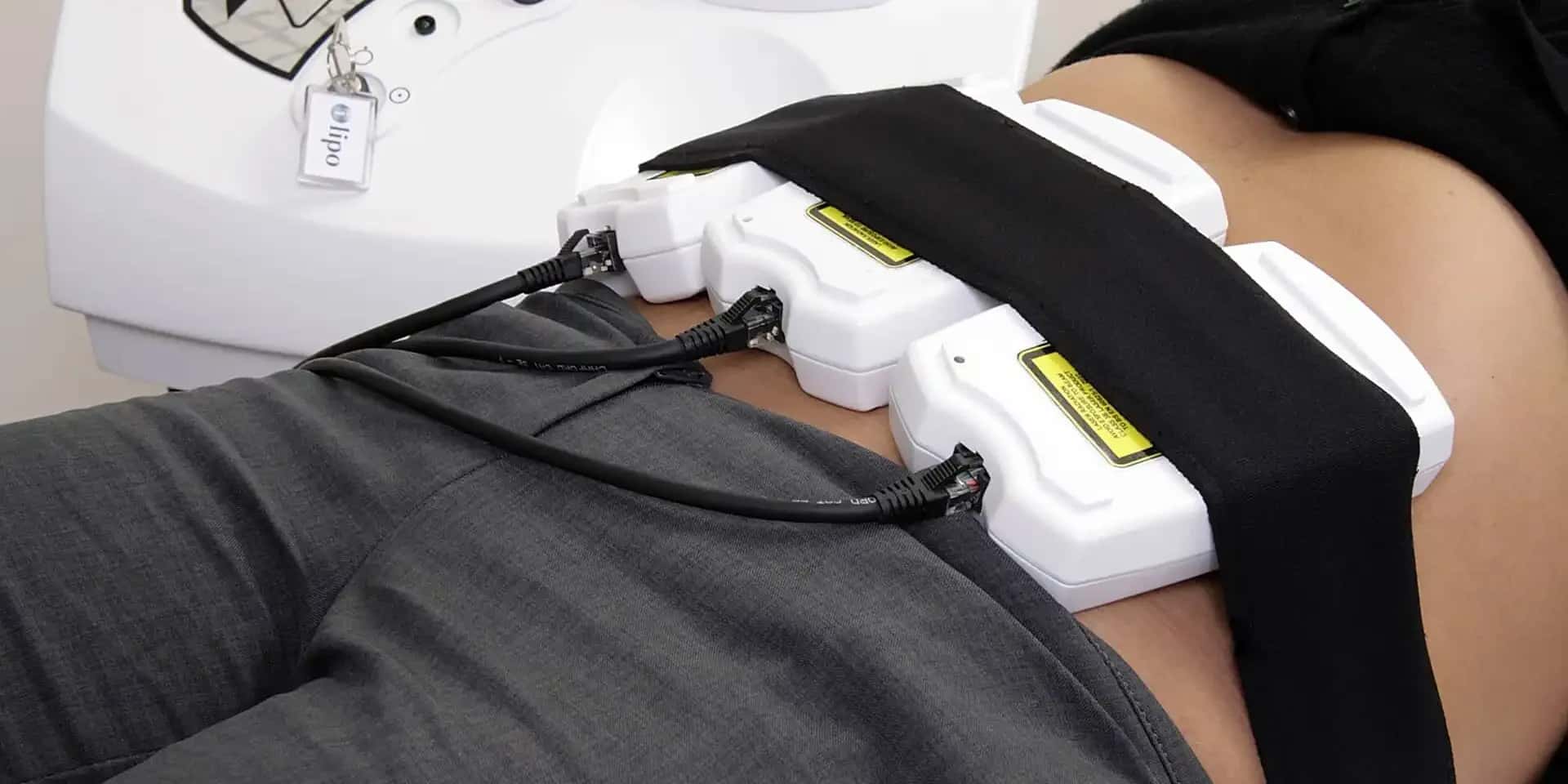
This guide compares laser lipolysis costs around the world in 2026, including surgical laser-assisted liposuction, non-surgical treatments, package inclusions, insurance, and medical travel expenses.
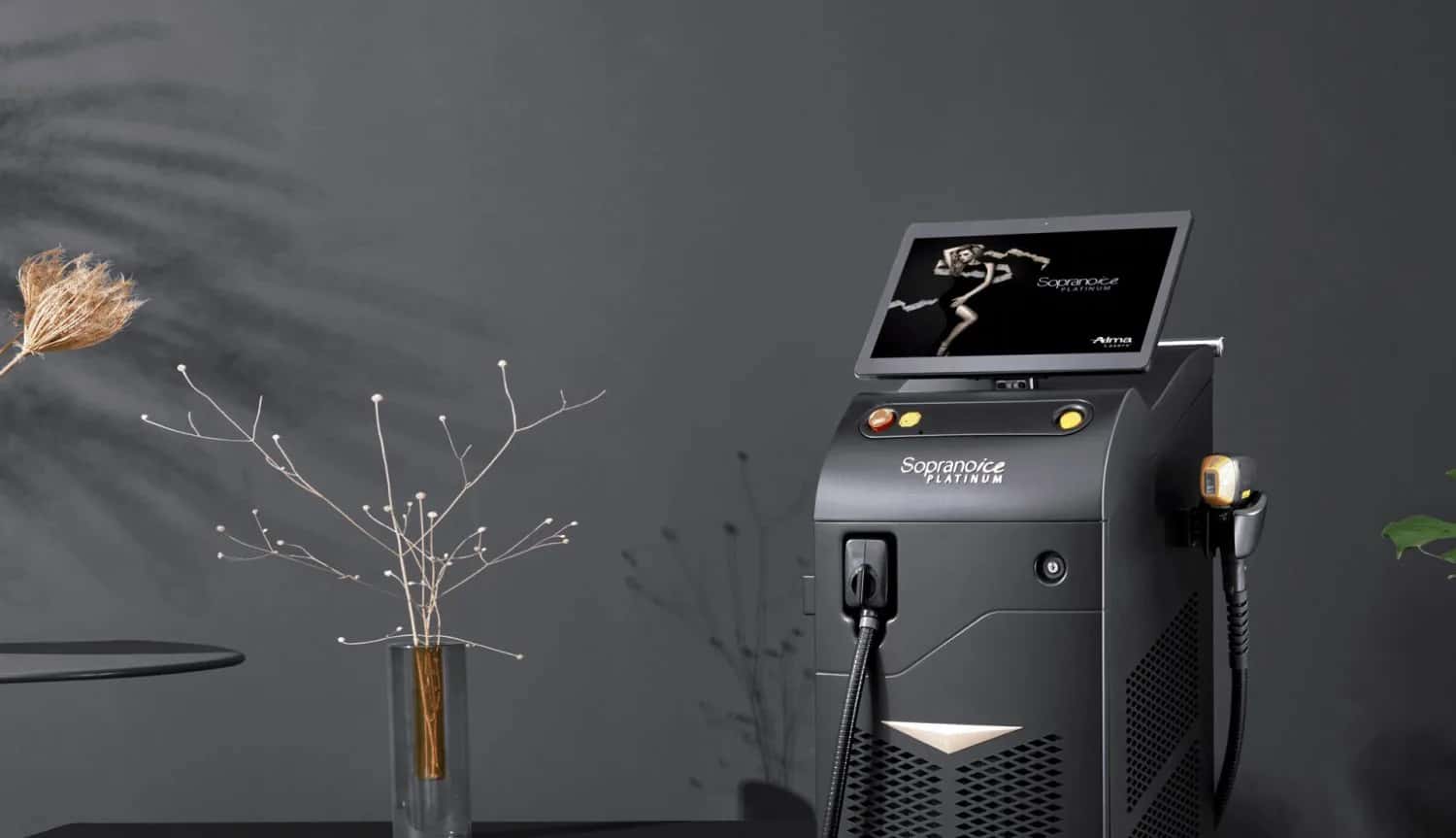
Soprano ICE Platinum is a professional laser hair removal platform designed to make hair reduction feel more comfortable, more adaptable, and more efficient for a wide range of clients. Its appeal comes from combining multiple laser wavelengths, in-motion treatment technique, and skin-cooling technology in one system.
Subscribe to the Medifinder newsletter and never miss our latest content.