










Benefits of Hydrafacial for Glowing Skin

- Last updated
- 45 reads
- 7 min read
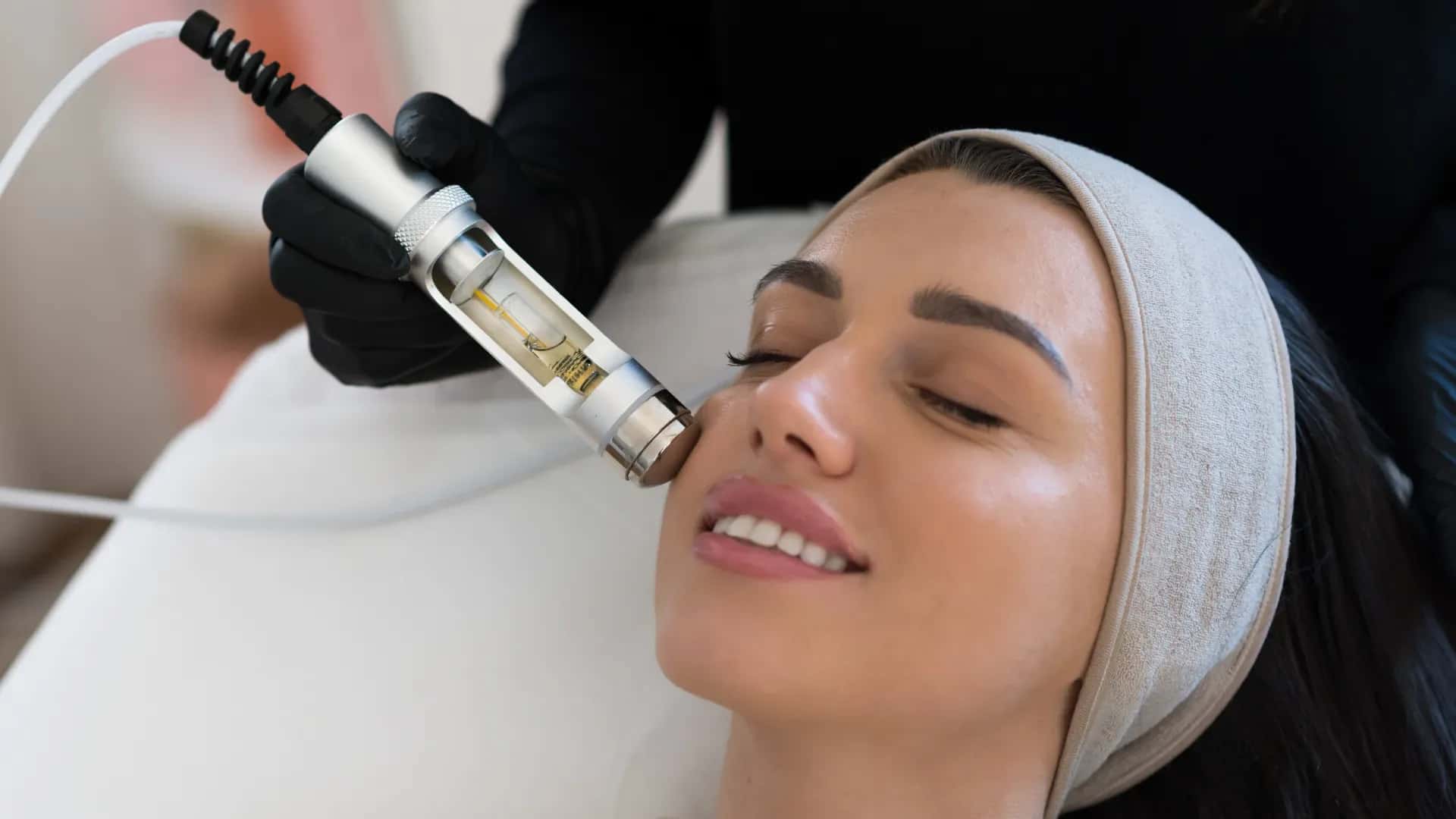


A Hydrafacial is a popular skin treatment designed to refresh the complexion by cleansing, exfoliating, extracting, and hydrating the skin in one appointment. It appeals to people who want smoother texture, a brighter look, and a dewy finish without a long recovery period. While results vary from person to person, the treatment is often chosen before events, during seasonal skin resets, or as part of a regular skincare routine.
What makes a Hydrafacial different from a regular facial?
A Hydrafacial stands out because it combines several skincare steps using a specialized hydrafacial machine rather than relying only on manual cleansing, masks, and massage. The device helps remove surface buildup, clear congestion, and deliver hydrating ingredients in a controlled, layered process. This makes the treatment feel more structured than a traditional facial while still being gentle enough for many skin types.
A standard facial can be deeply relaxing and beneficial, but the results often depend heavily on the products used and the provider’s technique. A Hydrafacial follows a recognizable sequence: cleanse, exfoliate, extract, hydrate, and protect. That step-by-step approach is one reason people like it when they want visible freshness without committing to more intensive resurfacing treatments.
The experience is also known for being relatively comfortable. Instead of harsh scrubbing or aggressive manual extractions, the device uses suction and fluid-based exfoliation to help loosen impurities. For many clients, this creates a polished look with less redness than they might expect from a deep-cleansing facial.
The main benefits for glowing skin
Glowing skin usually comes from a combination of clarity, hydration, smooth texture, and healthy-looking light reflection. A Hydrafacial supports that look by addressing several common dull-skin triggers at once. It does not magically change the skin overnight, but it can help the face appear cleaner, plumper, and more refreshed.
Key benefits may include:
-
Brighter-looking skin: Exfoliation helps remove dead surface cells that can make the complexion look flat or tired.
-
Smoother texture: Gentle resurfacing can soften the feel of rough patches and uneven areas.
-
Cleaner-looking pores: The extraction step helps remove debris and excess oil from congested areas.
-
Improved hydration: Hydrating serums support a supple, dewy appearance.
-
More even makeup application: Smoother, hydrated skin often helps foundation and concealer sit better.
-
Minimal downtime: Many people return to normal daily activities soon after the treatment.
These benefits are especially appealing for people who feel their skin looks dull despite using good products at home. Sometimes, the issue is not a lack of skincare but buildup, dehydration, or congestion that prevents products from performing well. By clearing the surface and replenishing hydration, the treatment can help the skin look more luminous.
How the treatment works
A Hydrafacial typically begins with cleansing and exfoliation. This first stage loosens dead skin cells, surface oil, and residue from sunscreen, makeup, and pollution. It prepares the skin for the deeper steps that follow, helping the complexion look cleaner and more refined.
Next, the hydrafacial machine uses suction to help lift impurities from pores. This part is one of the treatment’s biggest attractions because it offers a deep-clean feeling without the same pressure often associated with traditional extractions. People with visible congestion around the nose, chin, or forehead often appreciate this step.
After extraction, hydrating and nourishing serums are delivered to the skin. Depending on the provider and treatment plan, these may focus on moisture, brightness, fine lines, or overall skin support. The goal is not only to remove what dulls the skin but also to replenish what helps it look fresh.
Some appointments may include add-ons such as targeted boosters, light-based steps, or finishing products. These extras can personalize the treatment, but the core idea remains the same: cleanse deeply, smooth gently, extract comfortably, and hydrate thoroughly.
Why hydration is central to the glow
Many people think exfoliation is the secret to radiance, but hydration plays an equally important role. When skin is dehydrated, fine lines can look more noticeable, texture may appear rougher, and the face can lose its natural bounce. Even oily skin can be dehydrated, which is why moisture-focused treatments can benefit a wide range of complexions.
A Hydrafacial supports glow by pairing exfoliation with immediate hydration. This matters because exfoliating without replenishing moisture can leave skin feeling tight or overly stripped. The treatment is designed to refresh the surface while also helping the skin feel comfortable and cushioned.
Hydrated skin reflects light more evenly. That is why a complexion can look healthier and more radiant after a moisture-boosting treatment, even if deeper skin concerns take longer to improve. For many people, this hydrated finish is the most noticeable short-term benefit.
Who is a good candidate?
A Hydrafacial may be suitable for many people looking for a non-invasive treatment to improve dullness, dryness, mild congestion, or uneven texture. It is often chosen by those who want a refreshed appearance without peeling, extended redness, or a complicated aftercare routine. However, the best candidate depends on skin condition, sensitivity, and personal goals.
You may consider the treatment if you want to address:
-
Dull or tired-looking skin
-
Dryness or dehydration
-
Uneven skin texture
-
Clogged pores or visible congestion
-
A lack of radiance before an event
-
Skin that feels less responsive to home products
That said, not every treatment is right for every person. Anyone with active irritation, open wounds, severe sunburn, certain inflammatory skin flare-ups, or recent intensive procedures should speak with a qualified skincare professional before booking. If you are pregnant, using prescription skincare, or managing a medical skin condition, it is also wise to ask what is appropriate for your situation.
How often should you get a Hydrafacial?
The right frequency depends on your skin goals, budget, and how your skin responds. Some people book a Hydrafacial occasionally before special events, while others schedule it monthly as part of ongoing maintenance. If you are trying to improve congestion, dryness, or dullness over time, consistency usually matters more than one single appointment.
For a first treatment, it can help to start with one session and observe how your skin looks and feels over the following days. If the result is positive, your provider may suggest a schedule based on your skin type and concerns. People with sensitive skin may prefer more space between appointments, while those focused on maintenance may choose a regular rhythm.
It is also important not to overdo exfoliation. If you use strong acids, retinoids, scrubs, or other active products at home, your provider may recommend pausing certain products around the appointment. This helps reduce the chance of irritation and supports a smoother result.
What to expect before, during, and after treatment
Before your appointment, arrive with clean skin if possible and be ready to discuss your routine. Mention active products, recent treatments, allergies, sensitivities, and any skin concerns you want to address. This helps the provider tailor the treatment and avoid unnecessary irritation.
During the session, you can expect a cooling, wet, and lightly suctioning sensation. Most people describe it as comfortable rather than painful. The treatment often feels more active than a classic spa facial, but it should not feel harsh or burning.
Afterward, the skin may look fresh, hydrated, and slightly pink. Many people enjoy an immediate glow, though individual results vary. To support the result, keep aftercare simple for the first day or two.
Helpful aftercare tips include:
-
Use gentle skincare. Choose a mild cleanser and a simple moisturizer.
-
Protect with sunscreen. Freshly exfoliated skin benefits from daily sun protection.
-
Avoid harsh exfoliants briefly. Give your skin time to settle before using strong acids or scrubs.
-
Stay hydrated. Water and moisturizer both support a plump, comfortable feel.
-
Listen to your skin. If it feels sensitive, keep your routine minimal until it calms.
Good aftercare helps maintain the glow and reduces the risk of irritation. It also keeps you from accidentally undoing the benefits by overwhelming freshly treated skin with too many actives.
Understanding hydrafacial cost
Hydrafacial cost can vary widely based on location, provider experience, treatment length, customization, and whether boosters or add-ons are included. A basic session usually costs less than a deluxe or highly customized appointment. Because pricing changes from one clinic or spa to another, it is best to ask what is included before comparing options.
When evaluating cost, do not look at price alone. A lower price may not include the same steps, products, consultation time, or personalization. A higher price may reflect add-ons you do not need. The most useful question is whether the treatment plan matches your skin goals.
Before booking, consider asking:
-
What steps are included in the appointment?
-
Are boosters or add-ons optional?
-
How long does the treatment take?
-
Is a consultation included?
-
What aftercare should I follow?
-
How often would you recommend treatment for my skin?
These questions help you understand the value behind the appointment. They also make it easier to avoid surprises and choose a provider who explains the process clearly.
Getting the most from your results
A Hydrafacial can create a visible refresh, but your daily habits still matter. The best results often come when professional treatments and home skincare work together. Think of the appointment as a boost, not a replacement for consistent cleansing, moisturizing, and sun protection.
To extend the glow, keep your routine realistic. Use products that fit your skin type, avoid layering too many strong actives, and protect your skin from sun exposure. If your main concerns include acne, pigmentation, or deeper lines, you may need a broader plan that includes targeted products or other professional options.
It can also help to track how your skin responds. Notice whether your skin feels smoother, looks brighter, or stays hydrated longer after treatment. This feedback helps you and your provider decide whether to repeat the service, adjust the timing, or customize future sessions.
- Last updated
- Language
- English
How did you find this article?

This 2026 winter skincare guide explains how to protect the skin barrier, prevent dryness, adjust active ingredients, and maintain a balanced routine as temperatures fall.


This guide explains PDRN skin treatments, including how they work, potential benefits, injections, topical products, treatment frequency, recovery, safety, and current clinical evidence.
Subscribe to the Medifinder newsletter and never miss our latest content.