










Chin Tip Filling: What to Expect

- Last updated
- 43 reads
- 13 min read



Chin tip filling is a non-surgical cosmetic treatment that uses dermal fillers to add shape, projection, or definition to the chin area. For many people, chin filler is considered when the lower face looks slightly recessed, the profile feels unbalanced, or the chin tip could use more contour without surgery. This article explains what the treatment involves, how to prepare, what the appointment may feel like, and what to expect during recovery.
What is chin tip filling?
Chin tip filling is an injectable treatment designed to enhance the front-most part of the chin using dermal fillers. Rather than changing the entire jaw or lower face, the focus is usually on small adjustments that improve facial balance from the front, side, or three-quarter view. The goal is not always to create a dramatic change; often, it is to refine the shape so the chin looks more proportionate with the lips, nose, and jawline.
The chin plays a quiet but important role in facial harmony. A slightly under-projected chin can make the nose appear more prominent, soften the jawline, or make the lower face look shorter than it is. Adding carefully placed volume to the chin tip can create a clearer transition between the lower lip, chin, and neck.
Dermal fillers used in this area are selected for structure and support. The provider may place product deep in the tissue to create projection, or use more refined placement to soften irregularities and shape the tip. The exact approach depends on anatomy, skin quality, facial proportions, and the kind of result the patient wants.
Why people consider chin filler
People choose chin filler for different reasons, but most are looking for better balance rather than a completely different face. The treatment can be appealing because it is usually performed in a clinical appointment, involves no surgical incision, and allows for controlled changes.
Common reasons include:
-
Improving side-profile balance: A chin that sits slightly behind the lips or nose can affect the profile. Filler may help bring the lower face into better proportion.
-
Adding chin tip projection: Some people want the chin to come forward subtly so the face looks more defined.
-
Softening a dimpled or uneven chin: In selected cases, filler can help smooth mild contour irregularities.
-
Creating a more tapered lower face: Strategic placement may help the chin appear more refined, especially when viewed from the front.
-
Supporting the jawline visually: A stronger chin tip can make the jawline look more complete, even when the jaw itself is not treated.
It is important to keep expectations realistic. Chin tip filling can enhance shape and projection, but it cannot correct every bite issue, bone structure concern, or skin laxity concern. A good consultation helps separate what filler can improve from what might require another approach.
The consultation sets the direction
A thoughtful consultation is one of the most important parts of chin tip filling. This is where the provider evaluates your facial structure, listens to your goals, and explains what is achievable. The conversation should include your medical history, previous injectable treatments, allergies, medications, and any history of dental or jaw concerns.
The provider may look at your face from several angles. The chin can appear different in motion than it does at rest, so you may be asked to talk, smile, relax your mouth, or turn to the side. These small observations help the provider understand how the chin relates to the lips, jawline, and neck.
This is also the time to discuss style. Some patients want a soft, natural change, while others prefer more visible definition. Clear communication matters because “balanced,” “sharp,” “feminine,” “masculine,” or “subtle” can mean different things to different people.
A useful consultation should cover:
-
What bothers you about your chin or profile
-
Whether filler is suitable for your anatomy
-
How much change may be realistic in one session
-
The type of filler approach being considered
-
Possible side effects and risks
-
Aftercare instructions
-
Whether a staged treatment plan is recommended
If the treatment does not seem appropriate, a responsible provider should explain why. Sometimes the better option is no treatment, a different injectable plan, orthodontic or surgical evaluation, or waiting until another concern is addressed first.
How should you prepare before the appointment?
Preparation for chin filler is usually simple, but it can make the appointment smoother and reduce avoidable irritation. You should follow the specific instructions provided by your clinician, especially if you have medical conditions, take medication, or have had reactions to injectable treatments before.
In the days before treatment, many providers advise avoiding unnecessary irritation to the treatment area. That may include aggressive facial massage, harsh exfoliation, or skin treatments that leave the chin inflamed. If you have an active skin infection, cold sore near the area, open wound, or significant irritation, the appointment may need to be postponed.
You should arrive with clean skin if possible and be ready to review your health information. If you are taking blood-thinning medication for a medical reason, do not stop it unless your prescribing clinician has told you to do so. Safety comes before cosmetic scheduling.
A practical pre-appointment checklist:
-
Clarify your goals. Bring a few words that describe the result you want, such as softer, more projected, more balanced, or more defined.
-
Share your history honestly. Include previous dermal fillers, dental work, jaw issues, allergies, pregnancy or breastfeeding status, and medications.
-
Avoid scheduling around major events. Swelling and bruising are possible, so give yourself recovery time before photos, travel, or celebrations.
-
Keep the skin calm. Avoid irritating products or treatments around the chin immediately before your visit unless your provider says otherwise.
-
Ask about aftercare in advance. Knowing what to avoid after treatment helps you plan exercise, skincare, and appointments.
Good preparation is less about doing something complicated and more about reducing surprises. The more complete your information is, the easier it is for the provider to make safe decisions.
What happens during chin tip filling?
During chin tip filling, the provider cleans the area, marks or visually maps the injection points, and places dermal fillers in carefully selected areas of the chin. You may feel pressure, a brief pinch, or a deep pushing sensation, especially because the chin is a firm, structured area. The appointment often includes pauses so the provider can assess shape, symmetry, and projection as the treatment progresses.
Before injecting, the clinician may take photos for clinical documentation and comparison. They may also discuss the plan again so you understand where the filler will go and why. This step is helpful because a small amount of filler in the right location can look more balanced than a larger amount placed without a clear plan.
Some providers use a needle, while others may use a cannula for certain parts of the treatment. The choice depends on the technique, anatomy, filler type, and provider preference. Neither tool is automatically better in every situation; what matters is skilled placement and appropriate product selection.
The treatment area may be numbed with topical anesthetic, ice, or filler that contains anesthetic, depending on the product and clinic protocol. Even with numbing, you may still feel pressure because the filler is creating structure in a relatively dense area. Most people describe the sensation as manageable, though individual tolerance varies.
After placement, the provider may gently shape the area or check your profile from different angles. You may be shown a mirror during or after the process. Keep in mind that the immediate result can include swelling, so the final appearance should not be judged too quickly.
The result is about balance, not just volume
A well-planned chin filler treatment considers the whole lower face. Adding volume to the chin tip without considering the lips, jawline, neck, and facial proportions can create a result that looks disconnected. This is why a conservative, anatomy-led approach is often preferred.
Projection is only one part of the outcome. Shape, width, height, and transition all matter. For example, a chin can be brought slightly forward while still staying soft at the edges. In another case, the central tip may be refined to create a more tapered look from the front.
The best result usually looks like it belongs to the face. It should support the profile without pulling attention away from the eyes, smile, or natural expression. If someone notices that the face looks more balanced but cannot immediately identify why, that is often a sign of subtle treatment.
Useful ways to think about the result include:
-
Projection: How far the chin appears to come forward from the side
-
Length: How the chin affects the vertical balance of the lower face
-
Shape: Whether the chin looks rounded, tapered, square, or softly defined
-
Symmetry: How the chin sits in relation to the midline of the face
-
Transition: How smoothly the chin connects with the jawline and lower lip
Not every patient needs improvement in all of these areas. Some need a small central adjustment, while others need a broader plan. The right choice depends on the face in front of the provider, not on a trend or standard template.
Recovery and aftercare are usually straightforward
After chin tip filling, mild swelling, tenderness, redness, or bruising can happen around the injection sites. The chin may feel firm at first, and the area can look more pronounced immediately after treatment because of swelling. These early changes are common, but you should follow your provider’s aftercare instructions and contact them if anything feels unusual or concerning.
Most aftercare is focused on protecting the area while the filler settles. Avoid pressing, massaging, or manipulating the chin unless your provider specifically instructs you to do so. Pressure from resting your chin on your hand, wearing tight straps, or sleeping directly on the area may be discouraged early on.
General aftercare may include:
-
Keep the area clean for the rest of the day.
-
Avoid strenuous exercise for the period your provider recommends.
-
Do not massage the chin unless instructed.
-
Avoid excessive heat exposure, such as saunas or intense heat treatments, immediately after the appointment.
-
Be gentle with skincare and makeup around the injection sites.
-
Sleep in a position that avoids direct pressure on the chin if advised.
-
Monitor the area and report severe pain, unusual discoloration, or symptoms that worry you.
It is normal to be very aware of the area at first. You may notice small differences in swelling from one side to the other, especially in the first few days. However, significant pain, skin color changes, increasing swelling, or anything that feels wrong should be treated seriously and discussed with a qualified professional promptly.
Possible side effects and risks
Chin filler is a medical cosmetic procedure, so it carries potential risks even when performed carefully. Common temporary effects may include swelling, bruising, tenderness, redness, firmness, or minor asymmetry while the area settles. These effects are usually part of the normal healing process, but they should still be explained before treatment.
Less common complications can be more serious. These may include infection, persistent lumps, filler migration, prolonged swelling, allergic-type reactions, or vascular complications. Because the chin has important blood vessels and surrounding structures, the treatment should be performed by a qualified provider who understands facial anatomy and complication management.
Risk reduction begins before the injection. The provider should assess whether you are a suitable candidate, choose an appropriate filler, use careful technique, and give clear instructions for what to watch for afterward. The patient also plays a role by sharing medical history, following aftercare, and seeking help quickly if concerning symptoms appear.
Before going ahead, it is reasonable to ask:
-
What type of dermal fillers do you use for the chin area?
-
Why is this product appropriate for my anatomy and goals?
-
What side effects should I expect?
-
What symptoms would require urgent contact?
-
What is your plan if a complication occurs?
-
Should my treatment be done in one session or staged over time?
These questions are not confrontational. They help you understand the treatment and make a more informed decision.
How long does chin filler last?
Chin filler results are temporary, but the exact duration varies from person to person. Longevity depends on the filler used, the amount placed, the treatment depth, metabolism, movement in the area, and individual anatomy. Your provider should give you a realistic estimate based on the product and plan they recommend.
Because the chin is a structural area, providers often choose fillers designed to give support. Even so, filler gradually changes over time. The result may soften slowly rather than disappear all at once, which is why some people schedule maintenance before the shape fully returns to baseline.
It is also common for a first-time patient to start conservatively. A subtle first session allows the patient and provider to see how the filler settles and whether more projection would be appropriate later. Building gradually can be especially helpful for anyone who is nervous about looking overfilled.
Maintenance should be based on appearance and clinical judgment, not a rigid calendar alone. If the chin still looks balanced, you may not need more product yet. If the original concern starts to return, a review appointment can help determine whether a touch-up makes sense.
Who may be a good candidate
A good candidate for chin tip filling is generally someone with realistic expectations, suitable anatomy, and a desire for non-surgical improvement in chin shape or projection. The treatment may be considered by people who feel their chin is slightly recessed, lacks definition, or does not balance well with the rest of the face.
Suitability is not only about appearance. Health history, skin condition, previous procedures, and current medications all matter. A person with an active infection in the treatment area, certain medical concerns, or unrealistic expectations may be advised to delay or avoid treatment.
Chin filler may be worth discussing if you:
-
Want subtle to moderate improvement without surgery
-
Feel your side profile lacks lower-face balance
-
Prefer a treatment with little planned downtime
-
Are comfortable with temporary results and maintenance
-
Understand that swelling and bruising are possible
-
Are willing to follow aftercare instructions
It may not be the right choice if you need major skeletal correction, have an untreated bite or jaw issue that affects function, or expect filler to create the same result as surgery. In those cases, a consultation may still be useful, but the recommendation may point elsewhere.
Choosing a provider matters
The chin may look simple from the outside, but filler placement in this area requires judgment. The provider must understand depth, facial proportions, product behavior, and safety considerations. A small change can improve balance, while poor placement can make the chin look heavy, uneven, or unnatural.
Look for a clinician who takes time to assess your face rather than rushing straight to treatment. They should explain the plan in understandable language and be willing to say no if the request is not suitable. Good aesthetic care is not just about adding product; it is about knowing when, where, and how much to use.
During your consultation, pay attention to how the provider communicates. You should feel able to ask questions. You should also receive clear aftercare instructions and know how to contact the clinic if you have concerns after the appointment.
Signs of a careful approach include:
-
A full facial assessment rather than looking only at the chin
-
Discussion of risks, benefits, and alternatives
-
Conservative planning when appropriate
-
Clear explanation of expected swelling and settling
-
Medical history review before treatment
-
A plan for follow-up or support if needed
Avoid choosing based only on price, convenience, or dramatic before-and-after photos. The safest and most natural-looking result depends on clinical skill, product choice, and a plan that fits your face.
Setting expectations before you decide
Chin tip filling can be a satisfying treatment when expectations are clear. It can make the lower face look more balanced, support the profile, and refine the chin shape in a way that still feels like you. However, the treatment has limits, and the final decision should be based on anatomy, safety, and personal preference.
Think of chin filler as a contouring tool rather than a complete transformation. It works best when the change needed is within the range that dermal fillers can reasonably provide. If the concern is more significant, your provider may recommend a different treatment path or a staged plan.
Before your appointment, take time to decide what you want from the result. Do you want more projection from the side, a softer transition under the lip, a more defined point, or better overall lower-face balance? The clearer your goal, the easier it is for the provider to translate it into a safe and realistic plan.
- Last updated
- Language
- English
How did you find this article?
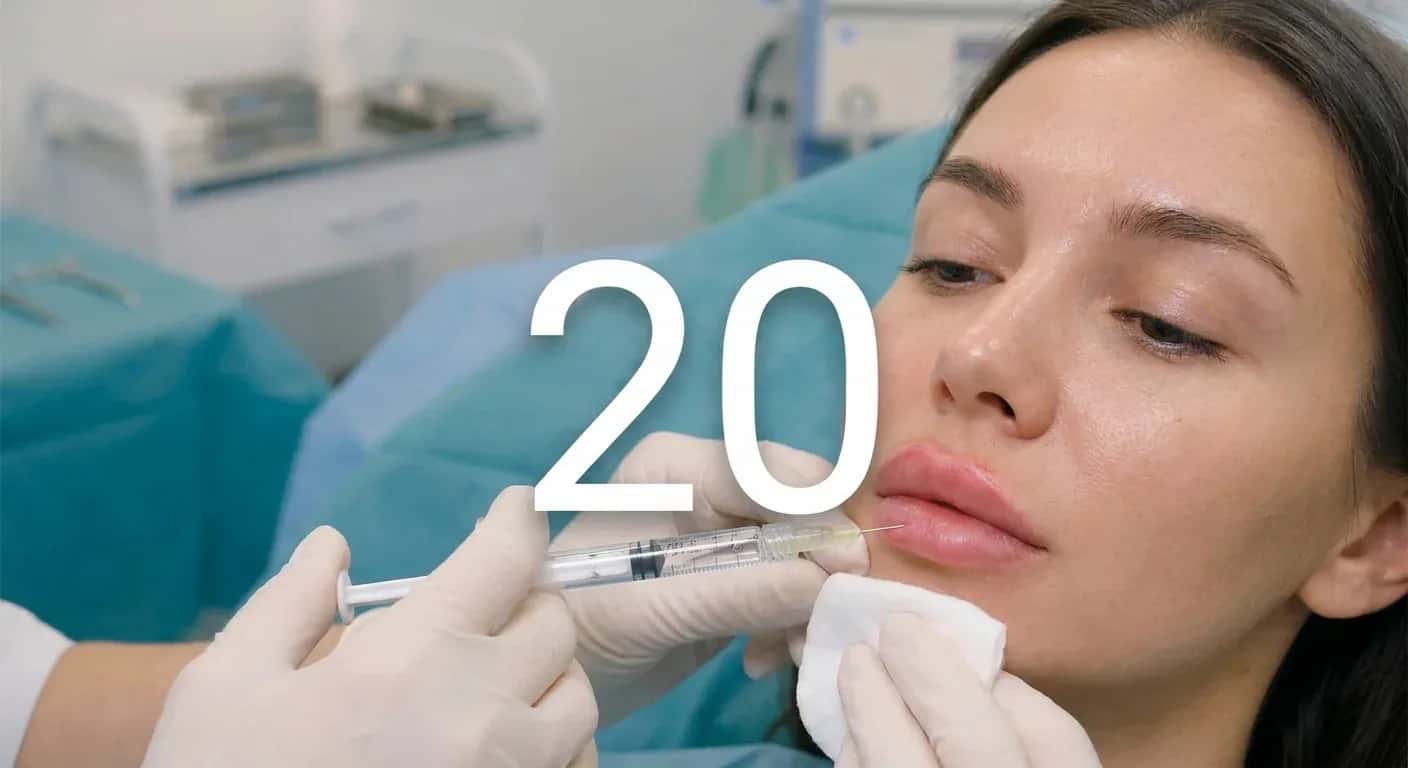
Many singers, actors, reality stars and influencers have talked openly about getting lip filler, and a growing number have also shared why they later had it dissolved. This guide looks at what 20 of these public figures said about their own lip treatments and what their experiences can teach anyone considering filler.


Filler fatigue describes the point where repeated dermal filler treatments leave a face looking heavier, puffier or less like itself, and it is pushing many people to rethink how they approach injectables. This guide explains what causes it, how to recognize an overfilled face.

Overfilled faces develop when injectable treatments add more volume than the facial anatomy can accommodate naturally, altering contours, proportions and sometimes facial expression.
Subscribe to the Medifinder newsletter and never miss our latest content.