










Going from Dialysis to Kidney Transplant
Going from dialysis to kidney transplant is a major change in treatment, routine, and long-term kidney health planning. Dialysis can help replace some kidney functions when kidney failure occurs, while a kidney transplant places a donated kidney in the body to take over much of the work the kidneys can no longer do.

- Last updated
- 44 reads
- 12 min read
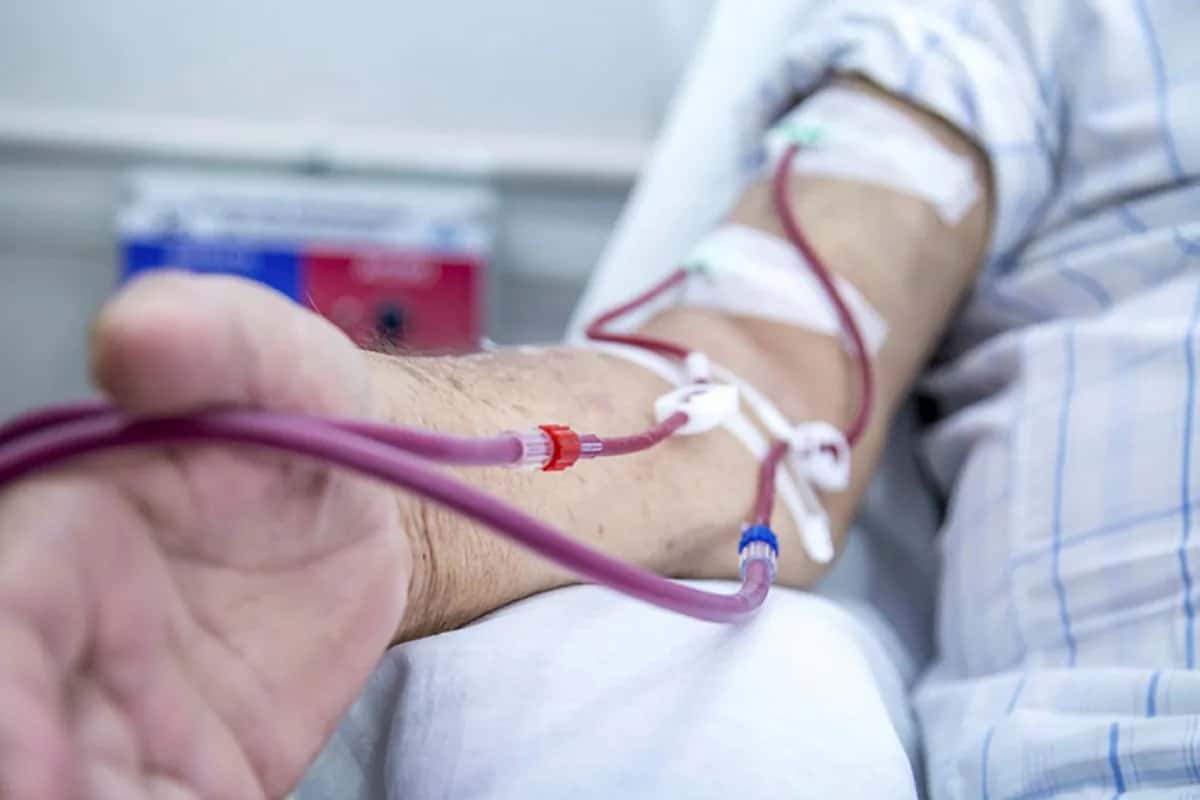


Is a kidney transplant the next step after dialysis?
A kidney transplant may be the next step for some people on dialysis, but it is not automatic and it is not right for everyone. A transplant team must evaluate your overall health, your ability to manage medicines and appointments, your support system, and whether surgery is likely to be safe. Some people begin the kidney transplant process after starting dialysis, while others may be evaluated before dialysis is needed if kidney function has declined enough.
The most important first move is a direct conversation with your kidney care team. Ask whether you may be a candidate, what could affect your eligibility, and whether a referral to a transplant center makes sense now. Even if transplant is not possible immediately, understanding the path early can help you make better decisions about dialysis, insurance, transportation, medicines, and daily health habits.
Understanding the difference between dialysis and transplant
Dialysis and kidney transplant are both treatments for kidney failure, but they work in very different ways. Dialysis uses a treatment process to remove waste and extra fluid from the body when the kidneys can no longer do enough of that work. A kidney transplant involves surgery to place a healthy donated kidney in the body, where it can filter blood and help manage fluid and waste more continuously.
Neither treatment is the same as having fully healthy original kidneys. Dialysis does only some of the work of healthy kidneys, and a kidney transplant is considered a treatment rather than a cure because the new kidney needs ongoing protection from the immune system. After transplant, anti-rejection medicines and follow-up appointments become part of everyday life.
For many patients, the difference feels practical as much as medical. Dialysis often shapes the weekly schedule around treatment times, travel, diet limits, fluid limits, and recovery after sessions. Transplant may reduce some dialysis-related restrictions, but it replaces them with new responsibilities: taking medicines exactly as prescribed, watching for infection or rejection symptoms, keeping lab appointments, and protecting the donated kidney.
What changes when you move from dialysis to transplant?
Moving from dialysis to transplant changes how kidney failure is managed day to day. Instead of relying on scheduled dialysis treatments to remove extra fluid and waste, your care shifts toward helping the transplanted kidney keep working well. That means close monitoring at first, regular blood tests, medicine adjustments, and quick communication with the transplant center if anything feels wrong.
The transition can also affect your sense of time. Dialysis can make life feel organized around treatments, transportation, access care, and recovery windows. After transplant, many people focus on healing from surgery, rebuilding strength, learning medication routines, and gradually returning to activities approved by their care team.
There may be emotional changes too. It is common to feel hopeful, grateful, anxious, cautious, or overwhelmed, sometimes all in the same week. A transplant can bring relief from dialysis, but it can also bring pressure to “do everything right.” The goal is not perfection; the goal is consistent care, honest communication, and early action when problems appear.
A practical mindset helps during this period. Think of transplant not as the end of kidney care, but as a new phase of kidney health. You are still managing kidney failure, but the tools, routines, and risks are different.
The transplant evaluation process
Getting evaluated for a kidney transplant usually involves several visits, tests, and conversations. The transplant center checks whether your body is healthy enough for surgery and whether transplant is likely to be a safe treatment option. Evaluations often include blood tests, heart and organ testing, review of medical history, and discussions about emotional readiness, insurance, and support.
The evaluation is not only a test you pass or fail. It is also a planning process. You learn what transplant would require, what risks need to be managed, and what steps could improve your readiness. If there are barriers, such as uncontrolled health conditions or missing records, the team may explain what needs attention before a decision can be made.
During this stage, be as organized as possible. Keep a folder or digital file with medication lists, dialysis information, lab results, insurance details, and contact information for your healthcare providers. Bring a trusted support person if you can, because transplant appointments often include a lot of new information.
Useful questions to ask during evaluation include:
- Am I currently a candidate for kidney transplant?
- What health issues could delay or prevent transplant?
- Do I need additional testing before a decision is made?
- How does my dialysis history affect the process?
- What should I do now to improve my transplant readiness?
- What support will I need after surgery?
- How often will I need follow-up visits and lab work?
- What medicine costs or insurance changes should I prepare for?
Waiting for a kidney while staying healthy on dialysis
If you do not have a living donor, you may be placed on a waiting list for a deceased donor kidney after the transplant center determines you are eligible. Waiting times can vary widely based on factors such as location, blood type, donor availability, and transplant center practices. While waiting, you may need regular blood samples so the center has current information for matching if a kidney becomes available.
This waiting period can be frustrating because it involves uncertainty. You may feel ready for transplant but still need to continue dialysis and maintain the habits that support your body. Staying as healthy as possible while waiting can help you remain prepared if the call comes.
Focus on the parts you can control:
- Attend dialysis as prescribed. Missed or shortened treatments can affect fluid balance, blood pressure, lab values, and overall readiness.
- Protect your dialysis access. Follow your care team’s instructions for access care, infection prevention, and warning signs.
- Keep monthly blood work current. If your transplant center requests routine samples, treat them as part of staying active in the process.
- Follow your nutrition plan. Dialysis nutrition guidance may include limits on sodium, potassium, phosphorus, or fluid, depending on your labs and treatment plan.
- Stay reachable. Make sure your transplant center has your current phone number, backup contact, address, and transportation plan.
- Report health changes quickly. Infections, hospitalizations, new diagnoses, or medication changes may affect timing and eligibility.
It is also helpful to prepare mentally for a sudden change in plans. A deceased donor kidney offer may require quick travel to the hospital. Having a small bag ready, a contact list, and a transportation plan can reduce stress if you receive a call.
Living donor and deceased donor transplant paths
A donated kidney can come from a living donor or from a deceased donor. A living donor transplant can often be scheduled in advance if the donor is approved and the transplant is a good match. A deceased donor transplant depends on organ availability and matching, so the timing is less predictable.
Living donation is not simple, and no one should feel pressured to donate. A potential donor must go through medical evaluation to make sure donation is safe for them. The transplant team also considers compatibility, overall health, and whether the donation can proceed responsibly.
If you are comfortable discussing living donation, keep the conversation factual and low-pressure. Many people do not know that living kidney donation is possible, and some may be willing to learn more. You do not need to persuade anyone; you can simply share that transplant is being considered and that potential donors must be evaluated independently.
If a living donor is not available, a deceased donor path may still be possible. While waiting, your role is to keep appointments, answer transplant center calls, maintain dialysis care, and update the team when your health or contact information changes.
Preparing your body and routine before transplant
Preparation for a kidney transplant begins long before surgery. Good preparation means supporting your body, strengthening your daily routine, and reducing preventable setbacks. Your care team’s instructions should always guide your plan, especially because kidney failure, dialysis needs, and other health conditions vary from person to person.
Start with medication accuracy. Keep a current list of every prescription, over-the-counter medicine, vitamin, and supplement you take. Bring it to dialysis visits, transplant appointments, and hospital visits. After transplant, medication timing becomes especially important, so practicing now can make the later routine easier.
Next, build reliable appointment habits. Transplant care involves evaluation visits, lab work, possible imaging, dialysis sessions, and post-surgery follow-up. If transportation is difficult, talk with your care team or social support resources early rather than waiting until appointments are missed.
Nutrition and movement also matter. Your dialysis team may recommend a kidney-friendly eating plan based on your labs, fluid status, and treatment type. Gentle activity, if approved, may help maintain strength before surgery and make recovery feel less overwhelming.
A simple readiness checklist can help:
- Keep your phone charged and answer calls from healthcare numbers.
- Save transplant center contacts in your phone.
- Maintain an updated medication list.
- Know who can drive you to urgent appointments.
- Follow dialysis treatment and diet instructions.
- Tell your team about infections, wounds, dental problems, or hospital visits.
- Ask what vaccines or preventive care may be recommended before transplant.
- Plan for help at home after surgery.
What to expect around transplant surgery
During kidney transplant surgery, the donated kidney is placed into your body so it can take over filtering work. The original kidneys are often not the focus unless your surgical team has a specific medical reason to address them. After surgery, the transplant team monitors how well the donated kidney is working through urine output, blood tests, vital signs, and overall recovery.
Some transplanted kidneys begin working right away, while others may take time to start working well. If the kidney does not work immediately, dialysis may still be needed temporarily until the new kidney begins doing enough work. This can be discouraging, but it does not always mean the transplant has failed.
Hospital recovery includes learning a new care routine. You may be taught how to take anti-rejection medicines, what side effects to watch for, how to care for the incision, when to call the transplant center, and when to return for labs. Before discharge, make sure you understand your medication schedule and have a clear follow-up plan.
If something is confusing, ask for it to be repeated in plain language. Transplant information can feel intense, especially while you are tired or in pain. Clear instructions are part of safe recovery.
Life after transplant is a new kind of kidney care
After transplant, the main goal is to protect the donated kidney and detect problems early. Blood tests help show how well the kidney is removing waste from the blood, and follow-up appointments are usually frequent at first before becoming less frequent over time. Anti-rejection medicines are needed because the immune system can recognize the donated kidney as foreign and attack it.
This new routine can feel freeing and demanding at the same time. You may no longer have the same dialysis schedule, but you will have medication alarms, lab appointments, clinic visits, and infection precautions. Missing medicines or delaying follow-up can create serious risk, so consistency matters.
Watch for symptoms your transplant team tells you to report. Rejection may begin before you feel different, which is why labs are so important. Possible warning signs can include fever, swelling, high blood pressure, reduced urine output, pain near the transplant area, or feeling unwell, but your team should give you specific instructions for your situation.
Because anti-rejection medicines reduce immune activity, infection risk becomes an important part of daily life. Hand hygiene, food safety, avoiding exposure when advised, and calling early about illness are not small details. They are part of caring for your kidney health after transplant.
Managing expectations during the transition
Going from dialysis to kidney transplant can bring a powerful sense of possibility, but it is healthier to approach it with balanced expectations. A transplant may improve quality of life for many people, yet it still involves surgery, recovery, medical risk, and lifelong care. Evaluation may take time, waiting can be unpredictable, and recovery can include setbacks.
Try not to compare your timeline with someone else’s. Kidney failure journeys differ because people have different blood types, health histories, donor options, insurance situations, and transplant center processes. What happens quickly for one person may take much longer for another.
It can help to divide the transition into phases:
- Learning phase: Understand dialysis, transplant options, and whether evaluation is appropriate.
- Evaluation phase: Complete testing, appointments, records, and transplant team reviews.
- Waiting or donor phase: Continue dialysis care while donor matching, living donor evaluation, or waitlist steps continue.
- Surgery phase: Prepare for hospitalization, transplant surgery, and immediate recovery.
- Adjustment phase: Build medication habits, attend labs, monitor symptoms, and return gradually to daily life.
Each phase has its own tasks. Focusing only on the final goal can make the process feel endless. Focusing on the next right step makes it more manageable.
Conversations to have with your healthcare team
The best transplant preparation usually comes from clear, repeated conversations. Kidney failure care can involve nephrology, dialysis staff, transplant coordinators, surgeons, pharmacists, dietitians, social workers, and insurance specialists. Each person may explain a different part of the process, so it is wise to keep notes and ask follow-up questions.
Ask your dialysis team how your current treatment affects transplant readiness. Ask the transplant center what they need from you next. Ask about medicine planning, recovery support, diet changes, activity restrictions, infection prevention, and what would happen if the transplant kidney does not work right away.
You may also need to discuss costs and coverage. Financial and insurance details can change after transplant, and medication access is especially important. If you are worried about paying for medicines, travel, appointments, or time away from work, bring it up early so the team can explain available options or planning steps.
Helpful conversation starters include:
- “What should I be doing now to stay eligible or become eligible?”
- “Who should I call if I am hospitalized while waiting?”
- “What health changes could make me temporarily inactive on the list?”
- “How soon after transplant will I need follow-up appointments?”
- “What medicines will I likely need, and how should I plan for refills?”
- “What symptoms should make me call immediately?”
Supporting kidney health before and after transplant
Kidney health does not stop being important after transplant. In fact, the habits you build during dialysis often become the foundation for protecting the donated kidney later. Blood pressure control, diabetes management when relevant, medication consistency, infection prevention, and regular lab monitoring can all affect long-term care.
Before transplant, follow the dialysis plan designed for you. That may include treatment attendance, access care, fluid guidance, nutrition recommendations, and lab monitoring. If something is not working, such as severe fatigue after sessions or difficulty following diet limits, tell your team instead of silently struggling.
After transplant, your kidney health plan will change. Some dialysis diet restrictions may be adjusted, but new food safety and medication-related guidance may appear. Your transplant team may also monitor blood pressure, blood sugar, cholesterol, weight, and kidney function closely.
The most useful habit is early communication. Call when you are unsure. Report missed doses, vomiting after medicine, fever, urinary symptoms, swelling, or anything your team has flagged as urgent. Many problems are easier to address when they are found early.
The emotional side of leaving dialysis
Leaving dialysis can be more emotional than people expect. Even if dialysis was exhausting, it may have provided structure, familiar staff, and a routine you understood. Transplant can bring joy, but also fear of rejection, guilt, uncertainty, or worry about the donor.
Give yourself permission to adjust. You are not supposed to feel only one emotion. Recovery may include gratitude and frustration, hope and anxiety, independence and dependence on others.
Support can come from many places: family, friends, counselors, kidney education programs, transplant center resources, peer support groups, or faith and community networks. Choose support that helps you stay grounded and informed rather than overwhelmed.
If worry starts interfering with sleep, medicine routines, appointments, or daily functioning, tell your care team. Emotional health is part of transplant readiness and recovery, not a side issue.
- Last updated
- Language
- English
How did you find this article?
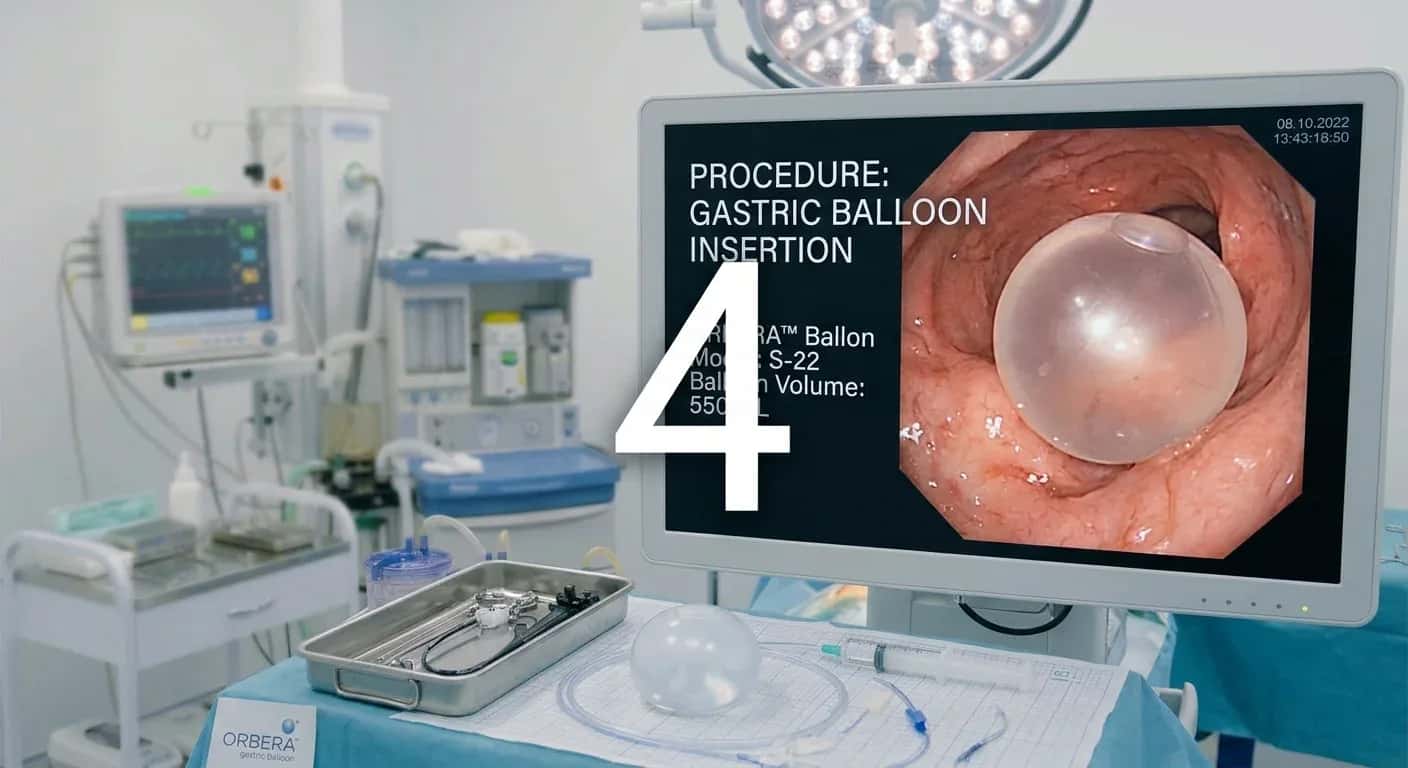
Several television personalities and content creators have openly shared their experience with a gastric balloon, a non-surgical weight loss treatment that temporarily reduces the space in the stomach.

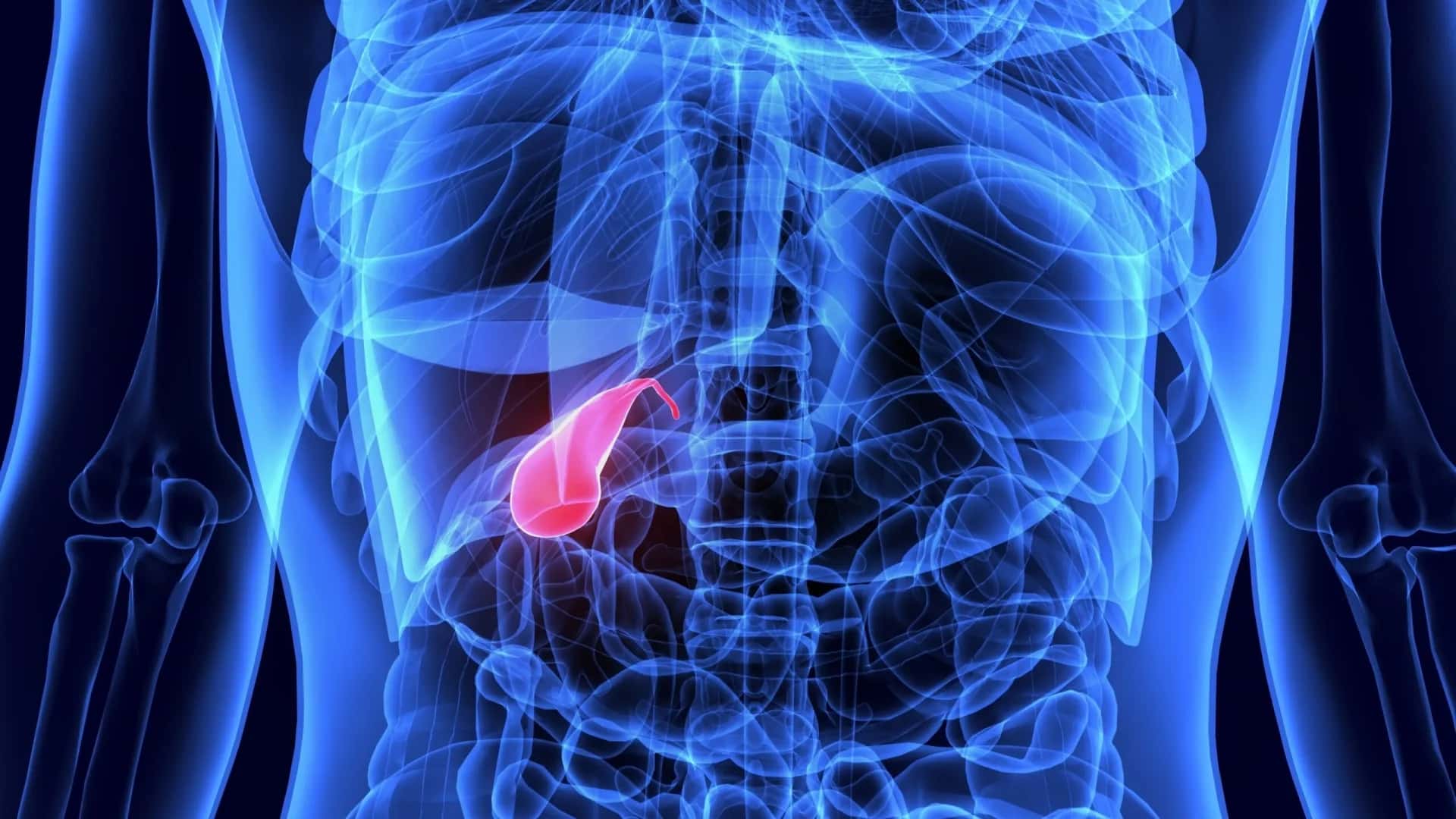
This guide compares gallbladder surgery costs around the world in 2026, including laparoscopic cholecystectomy, open surgery, hospital packages, insurance, and medical travel expenses.

This guide compares blepharoplasty costs around the world in 2026, including upper, lower, combined eyelid surgery, treatment inclusions, insurance, and medical travel expenses.
Subscribe to the Medifinder newsletter and never miss our latest content.