










Types of Veneers: Sorted by How Much Tooth You Lose
Most veneer guides sort the options by material and stop there. That leaves out the decision you cannot reverse. Enamel does not grow back, so the real hierarchy runs from options that barely touch the tooth to options that reshape it permanently.

- Last updated
- 82 reads
- 7 min read


Most veneer guides sort the options by material and stop there. That leaves out the decision you cannot reverse. Enamel does not grow back, so the real hierarchy runs from options that barely touch the tooth to options that reshape it permanently — and the material name only partly tells you which one you are being offered.
Two questions sort every option on the market:
| Question | Options |
|---|---|
| What is it made of | Composite resin, porcelain (including lithium disilicate, sold as E-max), zirconia |
| How much tooth is removed | None, minimal, conventional preparation — or the whole surface, which makes it a crown |
The second question is the one to settle first. A porcelain veneer and a composite build-up can produce a similar-looking result on day one, but only one of them leaves the tooth able to go back to how it was.
By material
Composite resin is applied directly to the tooth in a single visit, shaped by hand and hardened with a curing light. It needs minimal or no enamel reduction, which is what makes it the most conservative option and, in practice, the most reversible. The trade-off is durability: composite stains more readily and needs replacing sooner than ceramic. Our guide to composite veneer costs sets out the reported lifespans and prices.
Porcelain is made in a laboratory from an impression or scan and bonded on at a later appointment. It resists staining better and lasts considerably longer than composite, and it normally requires some enamel to be removed so the veneer sits flush rather than bulky. E-max is not a separate category — it is a brand of lithium disilicate, a particularly translucent ceramic, which is why it is often chosen for front teeth.
Zirconia is stronger and more opaque than lithium disilicate, which makes it useful where a tooth needs structural support but less ideal where translucency matters. Its strength is also where the boundary blurs: zirconia is frequently used for crowns rather than veneers, a point returned to below.
By how much tooth is removed
The National Health Service describes veneers plainly as "new facings for teeth," and notes that "to fit some veneers, the front of the tooth is drilled away a little, but not all veneers need this." That single sentence contains the whole spectrum.
No preparation. Direct composite, and bonding, add material without removing any. Both are additive procedures, which is why they can usually be removed or redone without having cost you tooth structure. Bonding is the same technique applied to a smaller problem — a chip, a gap, an edge — rather than a whole visible surface.
Minimal preparation. Very thin ceramic veneers that need only light enamel reduction. Candidacy depends on the starting position of your teeth: if they are already prominent or crowded, a thin veneer added to the front will look and feel bulky, so a minimal-prep plan is not always available even when you want one.
Conventional preparation. The standard porcelain veneer, where a layer of enamel is removed across the front of the tooth. This is permanent. From this point onward the tooth needs a covering of some kind for the rest of its life, and each future replacement removes a little more.
Veneer, crown, or bonding — the boundary that matters most
This is where people get a different treatment from the one they asked for, and it is worth being precise about the difference.
The NHS defines a crown as "a type of cap that completely covers a real tooth," and states that "to fit a crown, the old tooth will need to be shaped for the crown to be fixed on to." Our own veneer cost guide puts the distinction the same way: a veneer covers mainly the front surface, while a crown covers the tooth more fully.
That difference has consequences that a photograph cannot show you:
| Bonding / composite | Porcelain veneer | Crown | |
|---|---|---|---|
| Tooth removed | None to minimal | Front surface reduced | Shaped on all sides |
| Reversible | Usually | No | No |
| Visits | One | Several | Several |
| Longevity | Shortest | Longer | Comparable to veneer or longer |
| Suited to | Small defects, colour, edges | Sound teeth needing a new front | Weakened, heavily filled or root-treated teeth |
Sometimes a crown is the correct answer. A tooth that is heavily filled, cracked or root-treated may not have enough sound structure to hold a veneer, and putting one on anyway would be the wrong call. The problem is not crowns — it is receiving crowns while believing you are receiving veneers.
Our veneer cost guide for Turkey names the specific pattern: patients asking for zirconia veneers are sometimes offered zirconia crowns instead, on the reasoning that the teeth need more structural support. Where that reasoning is genuine, it should be explained tooth by tooth with the imaging that supports it. Where it is applied to a full arch of otherwise healthy teeth, you are being sold a more destructive procedure than the one you asked for.
The question that settles it: ask, for each tooth, whether the plan is a veneer or a crown, how much of the tooth will be removed, and why that tooth cannot take the more conservative option. A plan that answers per tooth is a plan. A plan quoted as a flat number of "veneers" for a whole smile has not answered the question.
Which option suits which situation
- Discoloration that whitening did not fix, on otherwise sound teeth — composite first if the shape is acceptable, porcelain if you want longevity and are prepared for the enamel reduction.
- Chips, small gaps, worn edges — bonding. It is additive, single-visit, and does not commit you to anything.
- You want a change but are not certain — start with the most conservative option that achieves it. You can escalate later; you cannot un-remove enamel.
- Teeth that are heavily filled, cracked or root-treated — this is crown territory, and a veneer plan for these teeth deserves a second opinion.
- Crowding or prominence you dislike — veneers mask alignment, they do not correct it. Ask whether orthodontics first would let you keep more tooth.
No veneer type has a guaranteed lifespan. Longevity depends on bite forces, grinding, gum health and hygiene, which is why the assessment comes before the material choice rather than after it.
Before you agree to a treatment plan
A planning stage exists precisely so that irreversible work is not the first thing that happens. Digital smile design is a planning process, not a treatment: it produces visual renderings and a physical mock-up you can wear before anything permanent is made. If a plan involves reducing enamel on multiple teeth, seeing a mock-up first is a reasonable thing to ask for.
The NHS checklist for treatment abroad names the warning signs directly: a hard sell, a lack of information, pressure to make a quick decision, no discussion of possible complications, and no mention of aftercare. All five apply just as well at home. It also advises checking the qualifications of the team treating you, understanding the complications in advance, and establishing who handles aftercare — which matters more for veneers than people expect, because a debonded or fractured veneer needs the clinician who made it, or a local dentist willing to work on someone else's restoration.
Ask before you commit: how many teeth, veneer or crown for each, how much reduction, what happens if one fails in year two, and who fixes it.
Frequently asked questions
What is the difference between composite and porcelain veneers?
Composite is applied directly to the tooth in one visit with minimal or no enamel removal, and is the more conservative and usually reversible option. Porcelain is laboratory-made, bonded at a later visit, normally requires some enamel to be removed, and lasts longer while resisting staining better.
Is E-max a different type of veneer?
No. E-max is a brand of lithium disilicate, a translucent ceramic used to make porcelain veneers. It is a material choice within porcelain rather than a separate category.
Do all veneers require drilling the tooth?
No. The NHS notes that the front of the tooth is drilled away a little to fit some veneers, but not all veneers need this. Direct composite and bonding are additive. Thin ceramic veneers may need only light reduction, though candidacy depends on the starting position of your teeth.
Are veneers reversible?
Composite and bonding usually are, because little or no enamel is removed. Conventional porcelain veneers are not — the removed enamel does not regrow, and the tooth will need a covering from then on.
What is the difference between a veneer and a crown?
A veneer covers mainly the front surface of the tooth. A crown, in the NHS's description, completely covers the tooth, and the tooth has to be shaped on all sides for it to be fitted. A crown removes considerably more tooth structure, which is appropriate for weakened teeth and excessive for sound ones.
Can I get veneers on teeth that have large fillings?
Often not. A heavily filled or root-treated tooth may lack the sound structure a veneer bonds to, and a crown may be the appropriate restoration. A plan that offers veneers for such teeth is worth a second opinion.
Find a clinic
Browse verified dental clinics and hospitals in Turkey, or read our guide to veneer package prices before comparing quotes.
Replacing a missing tooth rather than resurfacing an existing one is a different treatment — see our dental implant guide.
- Last updated
- Language
- English
How did you find this article?
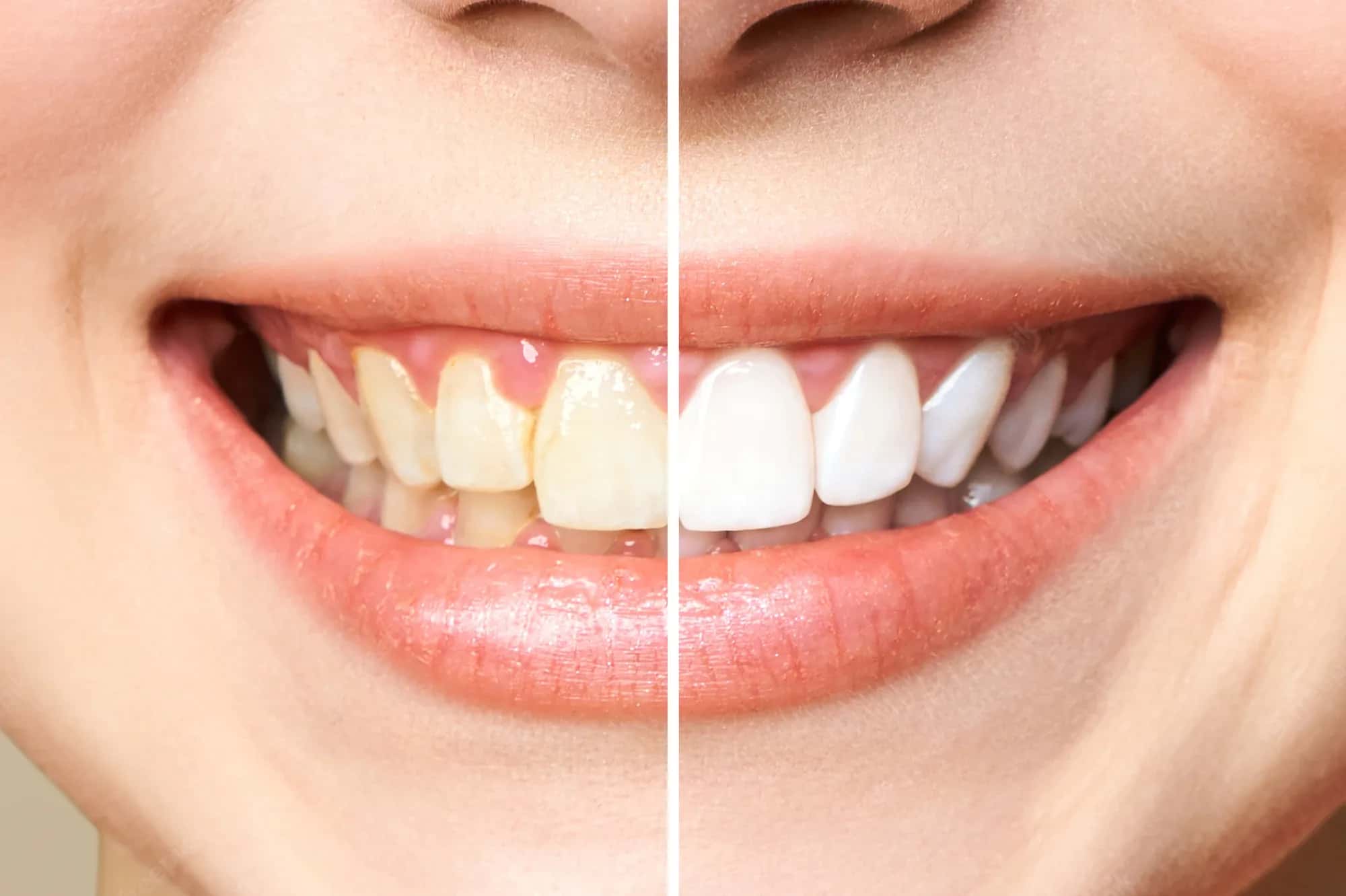
Teeth whitening costs around the world vary substantially, with professional treatment generally costing less in countries such as Turkey, Mexico and India than in the United States or United Kingdom.
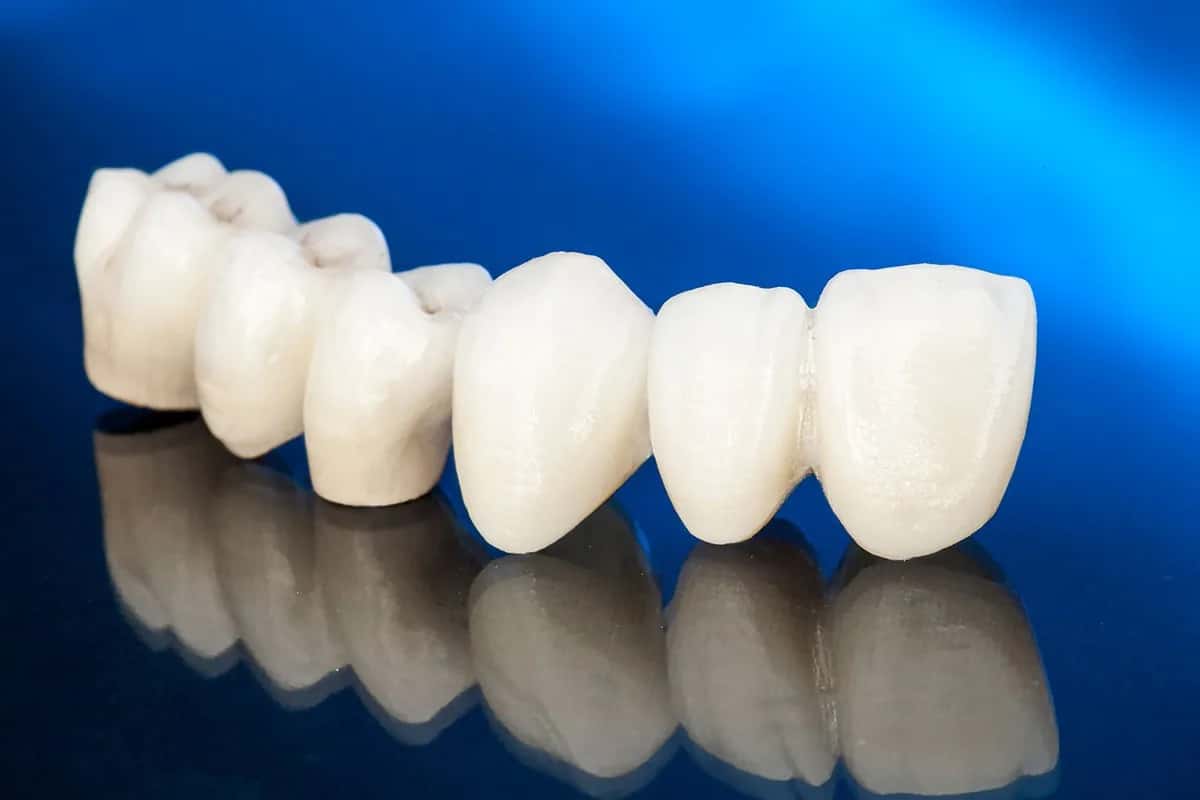
Zirconium crown costs around the world vary significantly, from approximately €180–€400 per tooth in Turkey to $1,000–$2,500 in the United States, based on published 2026 private-treatment prices.
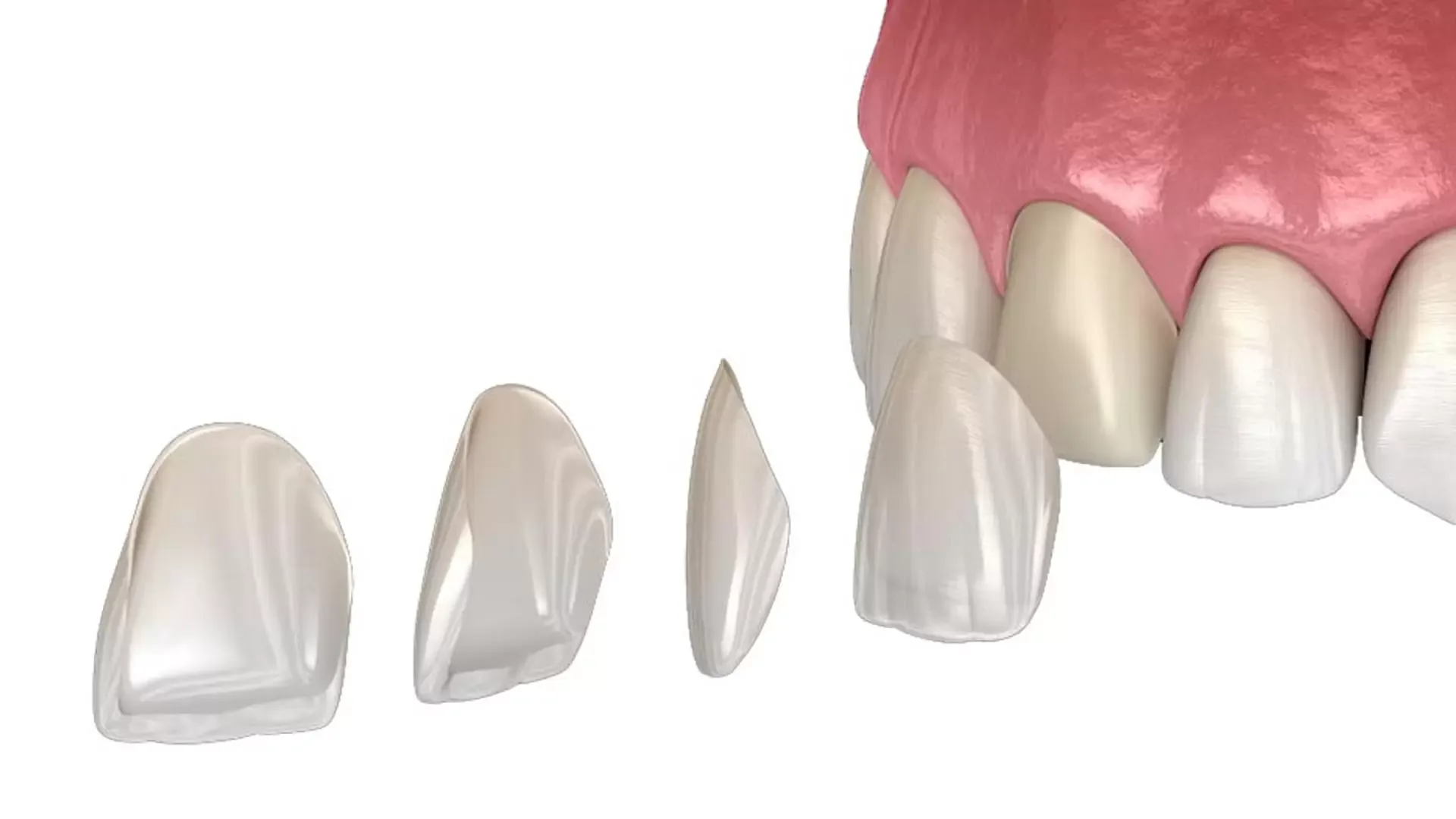
E-Max costs around the world differ significantly, with ceramic veneers and crowns available at lower published prices in countries such as Turkey, Mexico and Hungary than in the United States or United Kingdom.
Subscribe to the Medifinder newsletter and never miss our latest content.