










How Much Does a Dental Bridge Cost in 2026?
This guide explains dental bridge costs in 2026, including prices by bridge type, insurance, additional fees, and quote comparisons.

- Last updated
- 266 reads
- 7 min read
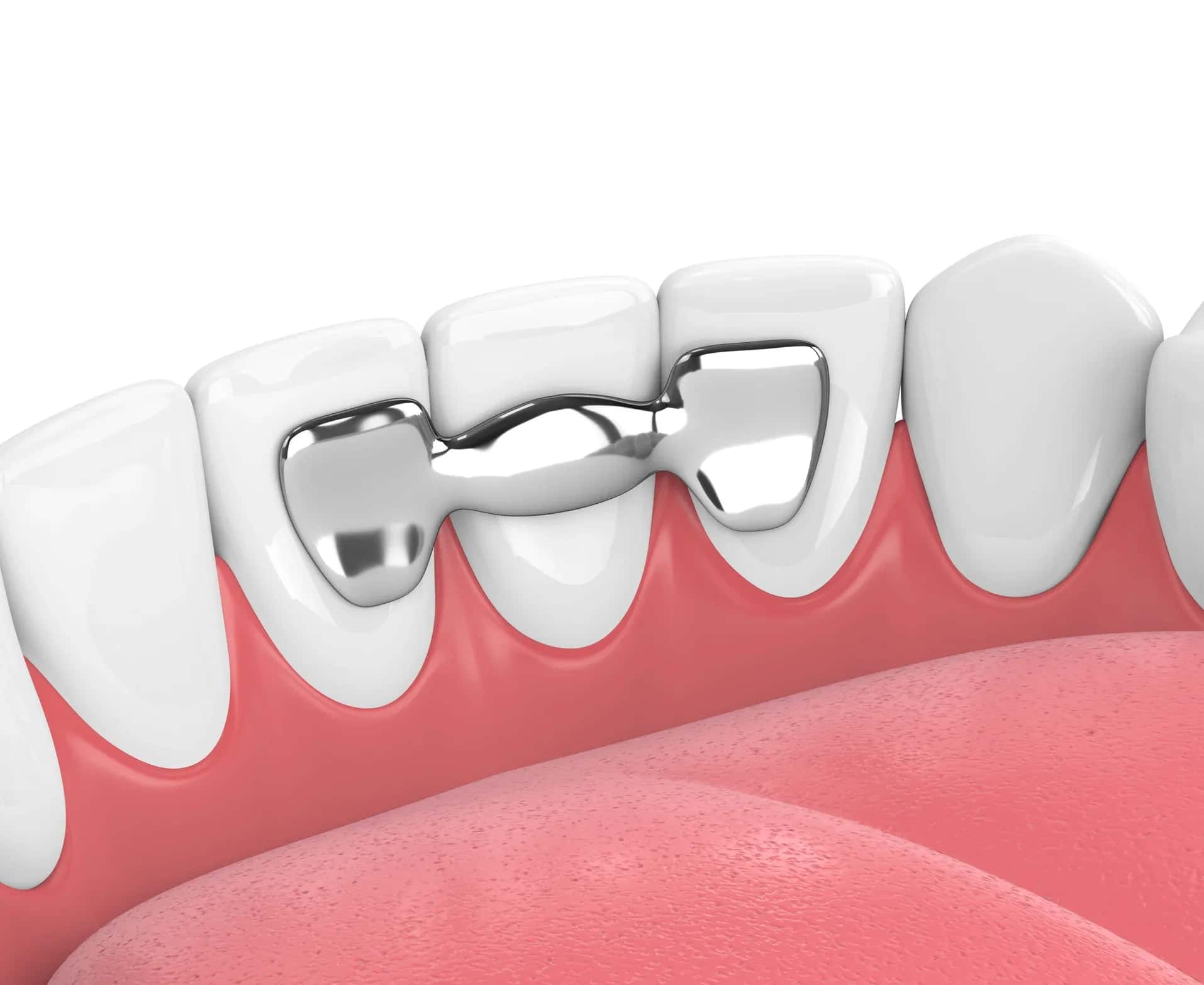


What Is the Average Cost of a Dental Bridge in 2026?
A dental bridge in the United States commonly costs about $2,500 to $5,800 without insurance in 2026.
Current nationwide pricing data places the average complete bridge around $3,600 to $3,800. One 2026 dataset reports an average of $3,769. Its observed range extends from approximately $2,673 to $5,857.
These numbers usually describe conventional tooth-supported bridges rather than every possible bridge design.
A traditional three-unit bridge replacing one missing tooth commonly falls around $2,000 to $5,000. Implant-supported designs can cost considerably more.
Location, materials and additional dental treatment can move the final price outside these ranges.
For that reason, the most useful comparison starts with what the quoted amount actually includes.
What Does a Three-Unit Dental Bridge Price Actually Cover?
A three-unit dental bridge replaces one missing tooth using two supporting crowns and one artificial tooth between them.
The artificial replacement tooth is called a pontic. The neighboring supporting teeth are known as abutment teeth.
This explains why replacing one missing tooth does not usually mean paying for only one dental unit.
A conventional three-unit bridge contains three connected units. The dentist prepares the two neighboring teeth for crowns, while the pontic fills the gap.
Some clinics quote the complete three-unit restoration. Others calculate laboratory and professional fees by unit.
A seemingly low per-tooth price can therefore become substantially higher after three units are included.
Always determine whether the quotation represents one unit or the completed bridge.
How Much Does Each Type of Dental Bridge Cost?
Dental bridge costs in 2026 vary significantly because different bridge designs require different supporting structures and treatment stages.
Typical U.S. cash or out-of-network ranges are approximately:
| Bridge Type | Typical 2026 Cost |
|---|---|
| Traditional three-unit bridge | $2,000 to $5,000 |
| Maryland bridge | $1,500 to $2,500 |
| Cantilever bridge | About $1,000 to $3,000 |
| Implant-supported bridge | $4,000 to $15,000+ |
These figures are planning ranges rather than standardized national fees. Current published data also shows considerable variation between providers and geographic areas.
The designs are not interchangeable.
A Maryland bridge, for example, usually serves different clinical situations than an implant-supported bridge.
Price should therefore be compared only after the appropriate restoration type has been established.
How Much Does a Traditional Dental Bridge Cost?
A traditional three-unit dental bridge generally costs around $2,000 to $5,000 before insurance in 2026.
Current out-of-network data places the average three-unit bridge at approximately $3,600.
A traditional bridge typically places crowns on teeth at both sides of a missing tooth. The pontic then connects these crowns and fills the space.
Because the supporting teeth require preparation, the price covers more than manufacturing one artificial tooth.
Material selection also changes the final charge.
Zirconia, all-ceramic and porcelain-fused-to-metal restorations can involve different laboratory and professional fees.
Longer bridges replacing several missing teeth require additional units. Their price should therefore not be compared directly with a three-unit bridge replacing one tooth.
How Much Does a Maryland or Cantilever Bridge Cost?
A Maryland bridge commonly costs about $1,500 to $2,500, while cantilever designs can start closer to $1,000.
A Maryland bridge uses bonded wings attached behind neighboring teeth instead of placing conventional crowns over those teeth.
This design generally requires less preparation of healthy tooth structure. It is commonly considered for selected front-tooth situations.
Published cost studies place the average Maryland bridge around $1,569. Cantilever bridge averages have been reported around $1,041, although actual fees vary substantially.
Lower cost does not mean either option suits every missing tooth.
Cantilever bridges rely on support from one side. Maryland bridges have limitations under heavier chewing forces.
Clinical suitability should determine the design before price comparison begins.
How Much Does an Implant-Supported Dental Bridge Cost?
An implant-supported dental bridge commonly costs between $4,000 and $15,000 or more in the United States.
This larger range exists because the treatment can include implant surgery, abutments and the final bridge.
An implant-supported bridge does not rely on neighboring natural teeth for support. Dental implants placed into the jawbone act as the abutments instead.
Published average-cost studies have reported figures around $5,195 for certain implant-supported bridge configurations. Larger restorations involving additional implants can cost considerably more.
The quotation should specify whether implant placement is already included.
Bone grafting, extractions, imaging, sedation and temporary restorations may be separate.
Treatment also takes longer because implants generally require a healing period before definitive restoration.
What Factors Affect the Cost of a Dental Bridge?
Dental bridge cost depends mainly on bridge length, material, supporting teeth, location and any treatment needed beforehand.
A bridge containing five units generally costs more than a three-unit bridge because additional restorations require more laboratory work.
Material also matters.
Zirconia and other all-ceramic options can have different laboratory costs from metal-based restorations.
Geography creates another substantial difference. Professional fees in expensive metropolitan areas can exceed those in lower-cost regions.
The condition of the abutment teeth also matters.
Decay, fractures or previous restorations can complicate treatment. Some supporting teeth may require additional restorative work before the bridge can be fitted.
Current pricing data specifically identifies bridge type, materials, number of units and additional dental treatment as important cost factors.
Does Dental Insurance Cover Bridges?
Many dental insurance plans cover part of a dental bridge, but coverage percentages and annual limits vary considerably.
Bridges are often classified as major restorative or prosthodontic treatment.
Some current plans cover approximately 50 percent after the deductible. Other plan structures can cover a larger proportion.
A stated coverage percentage does not necessarily equal the amount deducted from the dentist's full quotation.
Annual benefit maximums can restrict reimbursement.
Waiting periods may also apply before major restorative services become eligible.
Replacement limitations are another consideration. Some policies only contribute toward replacing an existing bridge after a specified number of years.
Patients should therefore request a written pre-treatment estimate.
The useful number is the expected patient responsibility after deductible, network discounts and annual benefit limits.
What Additional Costs May Not Be Included in a Bridge Quote?
A dental bridge quotation may exclude treatment required before the final restoration can be placed.
These additional services depend on the condition of the supporting teeth and surrounding tissues.
Possible separate charges include root canal treatment, buildup procedures, periodontal treatment, extractions and diagnostic imaging.
Temporary restorations and consultations may also be handled differently between practices.
Implant-supported bridges introduce additional categories.
Implant surgery, abutments, grafting and sedation can be billed separately from the bridge itself.
Published bridge pricing guidance specifically identifies root canal treatment, decay treatment and gum treatment as possible additional expenses.
This distinction is important when comparing quotations.
A $2,500 complete bridge is different from a $2,500 restoration that requires another $2,000 of preparatory treatment.
The written treatment plan should separate confirmed costs from services that are only potentially necessary.
Dental Bridge vs Dental Implant: Which Costs More?
A dental implant generally costs more initially than a conventional bridge when replacing one missing tooth.
Traditional bridges avoid implant surgery and often require fewer treatment stages.
They can therefore have a lower initial treatment cost and shorter completion timeline.
The comparison becomes more complicated over the long term.
A traditional bridge requires preparation of neighboring teeth. An individual implant can replace the missing tooth without using those teeth as supports.
Implant treatment also requires enough bone and involves surgical healing.
A bridge may make financial and clinical sense when neighboring teeth already need crowns.
An implant can become more attractive when adjacent teeth are healthy and preserving them is important.
The correct comparison should therefore consider treatment design rather than initial price alone.
Is the Cheapest Dental Bridge Usually the Best Value?
The cheapest dental bridge is not necessarily the best value because quotations may include different materials, unit counts and treatment stages.
A low advertisement can refer to a single unit rather than a complete bridge.
Another quote may exclude temporary restorations or preparatory dental treatment.
Material quality and laboratory work also influence the finished restoration.
Price differences should therefore be investigated rather than automatically treated as savings.
An unusually high quotation also deserves explanation.
Complexity, specialist treatment or premium restorative materials may justify additional cost. However, every major charge should appear clearly on the treatment plan.
The useful comparison is not simply clinic A versus clinic B.
Compare identical bridge types, numbers of units, materials and included procedures.
Only then does the price difference become meaningful.
What Should You Check Before Accepting a Dental Bridge Quote?
A useful dental bridge quotation should make the complete treatment cost understandable before irreversible tooth preparation begins.
Check the following points:
-
Confirm the exact bridge type.
-
Ask how many units the bridge contains.
-
Check whether the price covers the complete bridge or one unit.
-
Confirm the restorative material.
-
Ask whether temporary teeth are included.
-
Identify any separate laboratory fees.
-
Confirm whether supporting teeth need additional treatment.
-
Request the estimated insurance contribution separately.
-
Ask which additional procedures could change the final amount.
-
Obtain the complete treatment estimate in writing.
This checklist makes quotations from different practices easier to compare.
It also prevents a common pricing mistake: comparing one clinic's complete treatment price with another clinic's starting or per-unit figure.
Is a Dental Bridge Worth the Cost in 2026?
A dental bridge can be worth the cost when it appropriately replaces missing teeth and the supporting teeth are suitable for the chosen design.
In 2026, a conventional three-unit bridge commonly requires a budget of roughly $2,000 to $5,000 before insurance.
The final decision should not be based on the national average alone.
A traditional bridge, Maryland bridge and implant-supported bridge solve different restorative problems.
The condition of adjacent teeth is particularly important because traditional bridge preparation permanently alters the supporting teeth.
Patients should therefore evaluate three numbers separately: the complete treatment price, expected insurance contribution and likely additional treatment costs.
A quotation becomes useful only when all three are clear.
- Last updated
- Language
- English
How did you find this article?
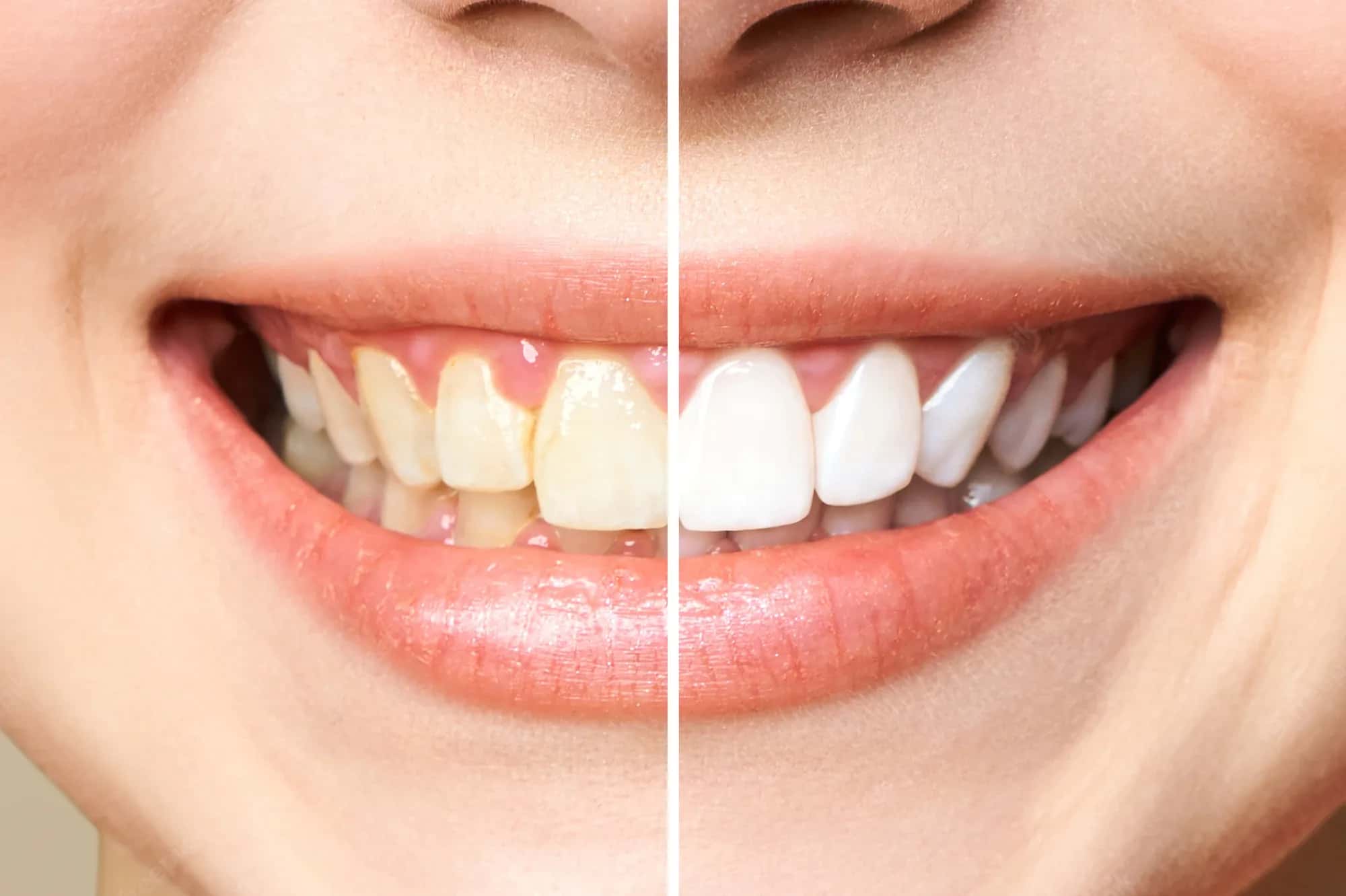
Teeth whitening costs around the world vary substantially, with professional treatment generally costing less in countries such as Turkey, Mexico and India than in the United States or United Kingdom.
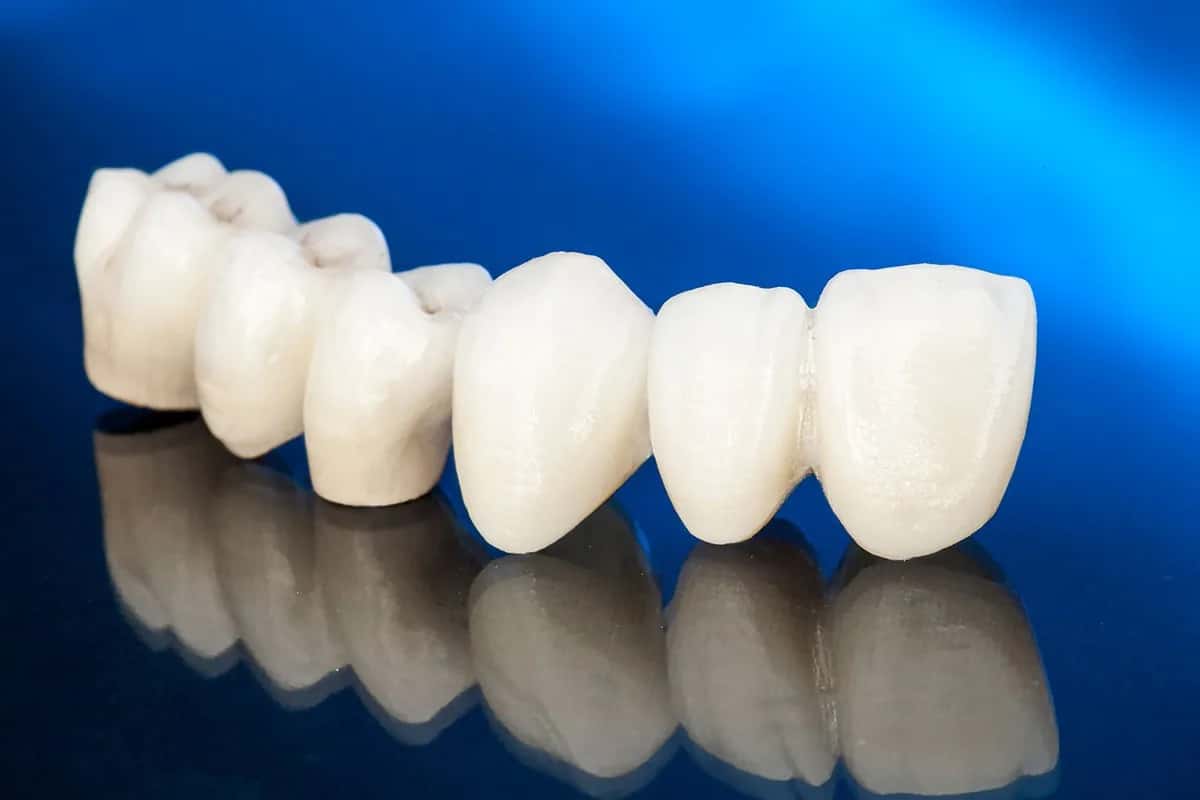
Zirconium crown costs around the world vary significantly, from approximately €180–€400 per tooth in Turkey to $1,000–$2,500 in the United States, based on published 2026 private-treatment prices.
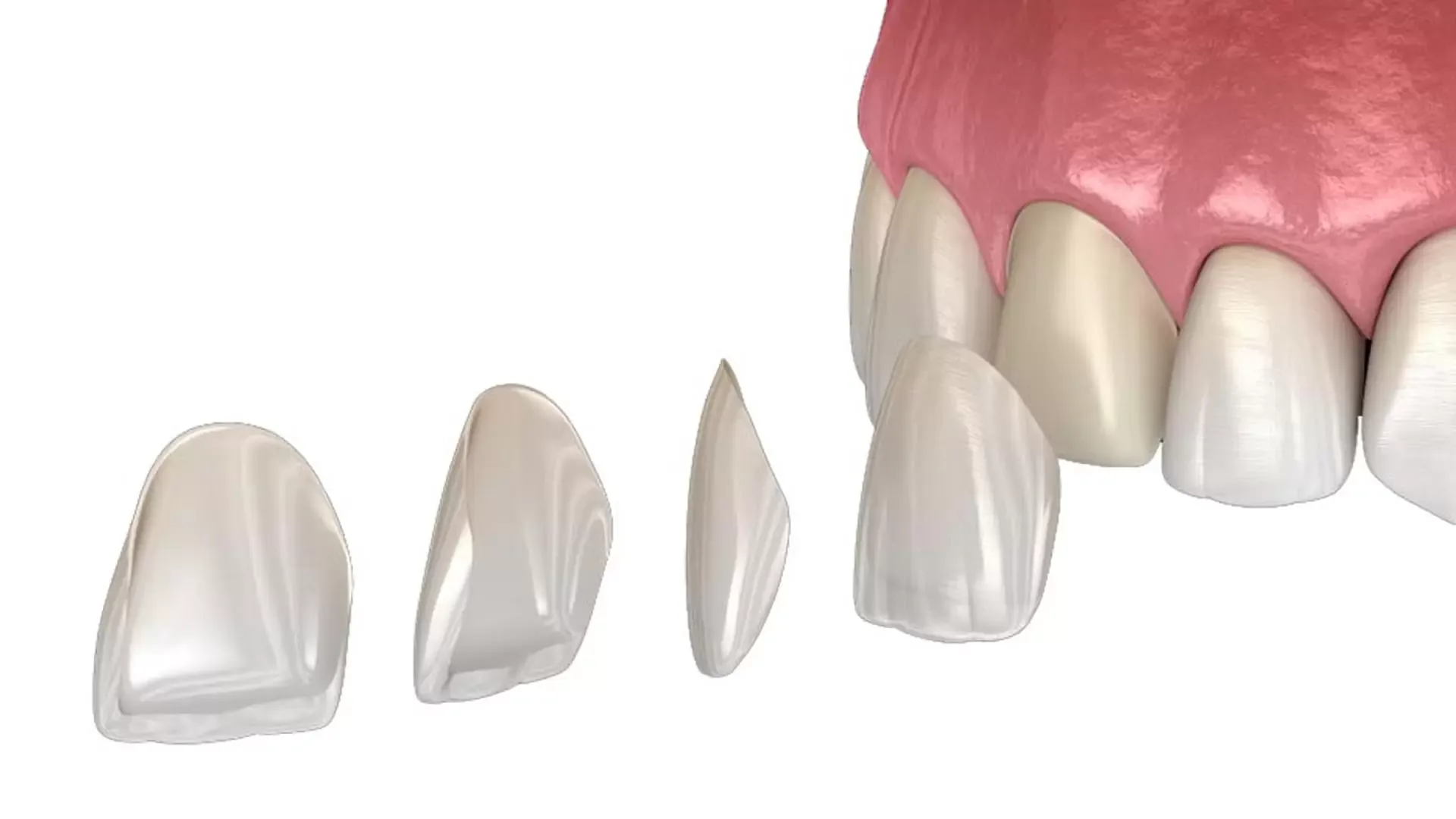
E-Max costs around the world differ significantly, with ceramic veneers and crowns available at lower published prices in countries such as Turkey, Mexico and Hungary than in the United States or United Kingdom.
Subscribe to the Medifinder newsletter and never miss our latest content.