










Dental Implant
A dental implant is an artificial tooth root that mimics the root of a missing tooth and is placed into the jawbone. Click to get all information about dental implants.

- Last updated
- 217 reads
- 17 min read
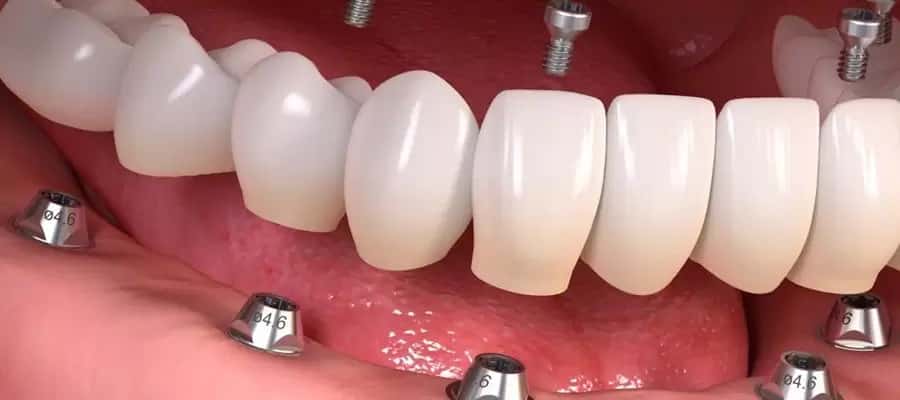


What Is a Dental Implant?
A dental implant is an artificial tooth root that mimics the root of a missing tooth and is placed into the jawbone.
This screw like structure, usually made of titanium, allows the prosthetic tooth to be fixed securely. The implant integrates with the jawbone and provides support for the crown, bridge, or denture placed on it. In this way, a functional foundation similar to a natural tooth is achieved in the area of the missing tooth. In general, a dental implant replaces not only the visible tooth but also the root function of the tooth inside the mouth. Therefore, an implant is the main component of a permanent dental restoration used to replace a missing tooth.
What Does a Dental Implant Do?
A dental implant is a modern treatment method used to replace missing teeth with permanent and natural looking teeth. Titanium screws placed into the jawbone mimic the root of the lost tooth, and a prosthetic tooth is placed on top. In this way, both aesthetic appearance and chewing function can be restored.
Over time, missing teeth may negatively affect not only appearance but also oral health. Problems such as jawbone loss, speech difficulties, and shifting of other teeth may occur. A dental implant may help prevent these problems from developing.
The main purposes of a dental implant are:
- To provide a permanent solution for missing teeth
- To improve chewing function
- To provide an aesthetic smile appearance
- To support the jawbone
- To reduce speech problems
- To reduce the need for removable dentures
Who Is Implant Treatment More Suitable For?
Artificial tooth root applications appeal to a wide patient group, but certain conditions must be met. Individuals suitable for this treatment may include:
- Individuals over the age of eighteen whose jawbone development has been completed.
- People with sufficient bone density or those who can undergo bone graft treatment.
- Those whose general health condition is suitable for anesthesia and surgery.
- Individuals who have not received radiotherapy to the head and neck region.
How Is a Dental Implant Applied and How Does the Process Work?
The treatment process requires certain steps to be followed in sequence. The general process is as follows:
- During the preliminary evaluation stage, the structure of the jawbone is examined in detail with X-ray imaging.
- If the jawbone is found suitable, artificial roots are placed into the bone under local anesthesia.
- A healing period of several months may be required, depending on the patient’s condition, for the bone to integrate with the implant.
- Once integration is achieved, the procedure is completed by fixing the prosthetic superstructure onto the artificial root.
Examination and Planning Before Dental Implant Treatment
Examination and planning before dental implant treatment is the evaluation process performed to place the implant safely and in the correct position.
During the examination, the dentist evaluates the inside of the mouth, gums, and the area where the implant will be placed in detail. Necessary imaging determines the height, width, and implant supporting capacity of the jawbone. These findings allow the implant size, location, and application method to be planned specifically for the patient. In addition, general health information is reviewed, and conditions that may affect the treatment plan are taken into account.
Main Advantages of Getting a Dental Implant
Missing teeth may lead to jawbone loss over time. Artificial roots stimulate the bone and help prevent this loss. In traditional bridge applications, healthy neighboring teeth must be cut. In implant treatment, however, adjacent teeth are not altered. Thus, the structure of the natural teeth in the mouth is fully preserved. This method, which provides the closest chewing sensation to natural teeth, also largely prevents speech problems.
Applications that provide highly successful aesthetic results help support facial contours. Since they are made from highly durable materials, they can be used for many years without problems when considered long term.
Properties of Materials Used in Implant Treatment
Titanium is one of the most compatible materials with the human body. For this reason, titanium alloys are mainly preferred in the production of artificial roots. Titanium minimizes the risk of tissue rejection and integrates very well with bone. In recent years, zirconium materials have also become prominent with increasing aesthetic expectations. Zirconium offers a more natural whiteness, especially in front tooth areas, thanks to its light transmission. Which material will be used is evaluated according to bone structure and aesthetic needs. Both materials have superior properties in terms of biocompatibility.
How Long Does Dental Implant Treatment Take?
In general, dental implant treatment is completed within 2 to 6 months. However, the treatment duration may vary depending on the person’s jawbone structure, the number of implants to be placed, and additional procedures. In some suitable patients, the implant and temporary tooth may be placed on the same day, while in other cases the healing process may take longer.
The most important stage in implant treatment is the integration of the implant with the jawbone. This process, called “osseointegration,” allows the implant to hold firmly and usually takes several months.
How Many Sessions Does a Single Tooth Implant Take?
Single tooth implant treatment is usually completed in 3 to 5 sessions. However, the total process may vary depending on the person’s jawbone structure, healing speed, and whether additional treatment is required. In some suitable patients, the procedure may be completed in a shorter time.
The aim of implant treatment is to provide a natural looking and durable tooth in place of the missing tooth. For this reason, a certain healing period is required for the implant to integrate healthily with the jawbone.
Does Bone Grafting or Sinus Lifting Extend the Process?
Bone grafting or sinus lifting may extend the duration of implant treatment in some cases.
These procedures are performed to strengthen the treatment area when there is insufficient bone support for the implant. Since the bone graft must integrate with the existing bone, an additional healing period may be required before implant placement. After sinus lifting, the new bone structure is also expected to reach a level that can support the implant. Therefore, when a separate healing period is required, the waiting time may usually last several months.
Can an Implant Be Placed on the Same Day?
Same day implant placement may be possible in suitable patients. In this method, known as an “immediate implant” or “same day implant,” tooth extraction and implant placement may be performed in the same session. In some cases, a temporary tooth may also be placed on the same day.
This method is frequently preferred by people with aesthetic concerns who do not want to remain toothless. However, not every patient is suitable for same day implant treatment.
Is Getting a Dental Implant Painful?
Getting a dental implant is generally not painful during the procedure thanks to local anesthesia.
Since the area is numbed during implant placement, the patient usually feels only pressure or vibration. After the effect of anesthesia wears off, mild pain, sensitivity, or swelling may occur. These discomforts are a natural part of the healing process and usually decrease within a short time in most people.
Is Pain and Swelling Normal After an Implant?
Mild pain and swelling after implant surgery are expected and normal. These symptoms occur as a natural part of the body’s healing process. Some sensitivity may develop as tissue repair begins in the treated area. Swelling usually reaches its highest level within two or three days after the operation. Then it gradually decreases over the following days. Pain can be controlled with appropriate painkillers and cold compresses. Applying ice externally during the first days helps reduce swelling significantly.
What Should Be Considered During Recovery After Implant Treatment?
The implant area may be quite sensitive during the first 24 hours. Mild pain, swelling, and soreness are considered normal. During this period, pressure should be avoided on the implant area.
Things to consider after an implant include:
- Not consuming hot foods or drinks on the first day
- Avoiding hard foods
- Not smoking or drinking alcohol
- Maintaining oral hygiene
- Using the medications prescribed by the doctor regularly
- Not spitting or gargling forcefully on the first day
- Protecting the area from trauma
Smoking in particular may negatively affect the process of implant integration with the bone. Therefore, avoiding smoking during the recovery period is recommended.
What Are the Types of Dental Implants?
| Dental Implant Type | Features | Suitable For | Advantages |
|---|---|---|---|
| Endosteal Implant | The most common implant type placed inside the jawbone. Titanium screws are usually used. | People with sufficient jawbone density | Provides durable, long lasting, and natural use |
| Subperiosteal Implant | An implant system placed on top of the jawbone, under the gum tissue. | People with insufficient bone volume who do not want bone grafting | The surgical procedure may be more limited |
| Zirconium Implant | A metal free, white colored implant type. | People seeking aesthetic appearance and metal sensitivity solutions | May provide a natural tooth appearance |
| Titanium Implant | The most commonly used implant type. It can integrate strongly with bone. | Suitable for most implant patients | High success rate and long service life |
| One Piece Implant | The implant and abutment section are a single piece. | May be preferred in small area applications | May provide a shorter procedure time |
| Two Piece Implant | The implant and prosthetic connection consist of separate parts. | Used in most standard implant treatments | Offers more flexible and widespread use |
| All-on-4 Implant | A full arch prosthesis fixed on 4 implants. | People with complete tooth loss | Provides a fixed tooth solution with fewer implants |
| All-on-6 Implant | A system using 6 implants for a full arch prosthesis. | Patients who need stronger support | May provide more balanced load distribution |
Why Is Bone Sufficiency Important for Dental Implants?
Bone sufficiency is important for dental implants because the titanium screw must hold firmly and integrate with the jaw. Insufficient bone tissue may cause the placed implant to fail. A strong structure surrounding the screw provides high resistance against chewing forces. If there is bone loss or resorption in the jawbone, bone graft treatment is applied before the procedure. In this way, the relevant area regains volume and becomes ready for application. A healthy foundation is one of the most important conditions for the long term success of dental treatment. Procedures performed without sufficient volume and width may lead to unwanted results.
How Long Does a Dental Implant Last?
The lifespan of a dental implant varies between 20 and 30 years on average when proper oral care is maintained. In some cases, this period may extend enough to provide lifelong permanence. The duration of use depends on the individual’s general health condition and jaw structure. Regular brushing and flossing increase implant success. Excessive smoking may negatively affect tissue health and shorten the lifespan of the implant.
Factors Affecting Implant Lifespan
The main factors affecting implant lifespan are:
| Factor | Effect on the Implant |
|---|---|
| Oral hygiene | Lack of regular care may increase the risk of infection |
| Smoking | May negatively affect integration with bone |
| Clenching and grinding teeth | May create excessive pressure on the implant |
| Jawbone density | Strong bone structure supports implant success |
| Regular dental check-ups | Allows possible problems to be detected early |
| Dietary habits | Hard foods may damage the implant and prosthesis |
| General health condition | Diseases such as diabetes may affect the healing process |
How Should Nutrition Be After Dental Implant Treatment?
After dental implant treatment, a diet consisting of soft, lukewarm, and nutritious foods should be followed. During the first few days after the procedure, foods that do not require chewing, such as soup, purée, and yogurt, should be preferred. Extremely hot or cold drinks may cause sensitivity in the treated area and slow healing.
Avoiding hard, shelled, and sticky foods helps protect the newly placed screw. As the healing process progresses, daily eating habits may be resumed gradually. Drinking plenty of water and avoiding acidic beverages supports oral health.
What Are the Symptoms of Implant Infection?
Symptoms of implant infection include severe pain, gum bleeding, bad breath, and swelling in the area. Redness or inflammatory discharge in the treated area is one of the important indicators of infection.
Over time, gum recession and a feeling of looseness around the implant may occur. Unlike the normal healing process, persistent throbbing may be experienced in the area. Increased sensitivity during chewing or fever may also be observed.
What Should Be Considered When Choosing a Dental Implant Brand?
When choosing a dental implant brand, attention should be paid to the product’s long lasting structure and certifications. The brand’s global success rates from the past should be examined in detail. A high quality titanium alloy integrates quickly with the jawbone. In this way, chewing functions begin to return to normal within a short time. The warranty conditions offered by the manufacturer should be carefully reviewed.
Established brands that invest in research and development stand out. The roughness level of the titanium surface is a factor that directly affects attachment strength. Therefore, products using innovative surface technologies should be preferred.
Differences Between Domestic and Imported Implants
Dental implants are generally made from titanium material and are designed to adapt to the jawbone. Today, both domestic and imported implant brands can produce according to different quality standards.
The table below shows the main differences between domestic and imported implants:
| Feature | Domestic Implant | Imported Implant |
|---|---|---|
| Place of Production | Turkey | Abroad |
| Price | Generally more economical | May be more expensive |
| Brand History | May include newer brands | Includes brands used for many years |
| Spare Parts and Support | May provide faster access within Turkey | May vary depending on the brand and distributor |
| Technological Infrastructure | May include developing systems | Advanced technology may stand out in some brands |
| Warranty Process | May offer local support advantages | May offer international warranty |
| Clinical Success | Can provide successful results when applied correctly | Success rate may vary depending on brand quality |
Frequently Asked Questions
Can Dental Implants Be Placed in Diabetic Patients?
Yes, dental implants may be placed in diabetic patients whose blood sugar is under control after proper evaluation.
In diabetes, high blood sugar may negatively affect healing around the implant and long term tissue health. Therefore, before treatment, the dentist evaluates the control status of the disease and oral tissues. Implant treatment may be possible in controlled diabetes, while the risk of complications may increase in uncontrolled diabetes. In such cases, implant treatment may be postponed until blood sugar reaches a more suitable level. Planning is performed individually and safely according to the person’s health condition and healing capacity.
Can Smokers Get Dental Implants?
Yes, dental implants may be placed in smokers; however, smoking may negatively affect the chance of implant success.
Smoking may slow the healing of tissues around the implant and increase the risk of infection. This effect may make it harder for the implant to attach healthily to the bone and remain stable long term. Therefore, the dentist evaluates the amount of smoking and oral health before the procedure. Quitting or reducing smoking may contribute to a healthier treatment process. The implant decision is planned safely and individually by considering the person’s risk status.
Can Elderly People Get Dental Implants?
Yes, dental implants may be placed in elderly people whose general health and jawbone are suitable.
Advanced age alone is generally not considered a barrier to implant treatment. Evaluation takes into account the person’s bone structure, oral care, medications, and existing diseases. When these conditions are suitable, implants may help restore missing teeth in a fixed way. Since healing and care needs may differ with age, planning is personalized. Thus, the treatment decision is determined carefully according to oral and general health rather than age alone.
Can Dental Implants Be Placed During Pregnancy?
Dental implant treatment during pregnancy is usually postponed until after birth unless there is an urgent necessity.
Since implant placement is a planned surgical procedure, it is not considered a priority treatment during pregnancy. During this period, necessary oral and dental health checks can be performed safely. However, implant placement is postponed due to imaging needs and possible medication requirements after the procedure. Implant planning for missing teeth may be performed after birth while considering the safety of both the mother and baby. Therefore, implant treatment during pregnancy is considered a treatment that is appropriately postponed except in mandatory situations.
How Many Days Should Hot Foods Be Avoided After Implant Treatment?
It is recommended to avoid hot foods and drinks for the first 24 hours after implant treatment.
Since the treated area is sensitive during this period, heat may increase the risk of bleeding and discomfort. If numbness continues, hot foods may also cause unnoticed burns in oral tissues. Therefore, cold or lukewarm soft foods should be preferred on the first day. To protect the healing area, food should not be chewed on the side where the implant was placed. The following diet can be gradually adjusted according to the dentist’s personal care recommendations.
Why Does an Implant Fail?
An implant may fail when it does not integrate sufficiently with the jawbone or when the surrounding tissues are damaged.
Insufficient bone support may make it difficult for the implant to be firmly stabilized and heal properly at the beginning. In addition, infection may negatively affect the bone and gum tissues around the implant. Smoking and uncontrolled health conditions may also disrupt healing and increase the risk of failure. Excessive chewing forces or teeth grinding may create unwanted pressure on the implant. Therefore, implant success depends on proper planning and healthy healing conditions.
Can an Implant Fall Out?
Yes, in rare cases, an implant may loosen or come out if failure develops.
Implant loss is mostly related to insufficient integration with the bone or loss of surrounding support over time. Sometimes the structure that falls out is not the implant itself, but the crown or connection component placed on it. In such cases, mobility, discomfort while chewing, or pain in the implant area may be felt. If such a symptom appears, the area should not be forced and a dentist should be consulted without delay. Early evaluation may allow the loosened component or implant to be treated appropriately.
Does the Implant Brand Affect Treatment Success?
The implant brand may affect treatment success, but it is not the only factor that determines success.
The implant’s design, surface properties, and production quality may play a role in the integration process with bone. However, correct diagnosis, proper surgical planning, and sufficient bone support are equally important. After treatment, oral care and regular check-ups directly support the long term preservation of the implant. Therefore, focusing only on brand selection is not enough to evaluate treatment success. The appropriate implant system should be selected according to the person’s oral structure and treatment needs.
How Many Days Does a Dental Implant Take to Heal?
In dental implant treatment, the gum usually heals within 1–2 weeks, while integration with the bone may take 2–6 months.
While sensitivity and swelling may occur during the first days, the wound area gradually begins to close. If stitches are present, they are usually checked and removed or evaluated during the early healing period. The main expected process is the firm integration of the implant with the jawbone. This duration may vary depending on bone structure, implant location, and additional procedures. Therefore, placing the permanent tooth on the implant before healing is complete may not be suitable in every case.
Can You Eat Immediately After Implant Treatment?
You may eat after implant treatment, but you should be careful until the numbness wears off.
Chewing while the effect of local anesthesia continues may increase the risk of accidentally biting the cheek or tongue. Therefore, cool or lukewarm soft foods should be preferred in the first meals. Hot, hard, or irritating foods may strain the newly treated area. It is also important that food does not apply direct pressure to the implant area. The diet may gradually return to normal according to the progress of healing and the dentist’s recommendations.
When Is the Tooth Placed After Implant Placement?
After implant placement, the permanent tooth is usually placed when the implant has integrated with the bone, approximately within 2–6 months.
This waiting period aims to allow the implant to create strong support in the jawbone. Bone structure, treatment area, and additional surgical procedures may change the duration. In some suitable cases, a temporary or fixed tooth may be placed on the same day as the implant. However, immediate tooth placement is not suitable for every patient or every implant area. The timing of the permanent tooth is determined after implant stability and healing status are evaluated.
Does an Implant Tooth Look Like a Natural Tooth?
Yes, a properly planned implant tooth may look very similar to a natural tooth with suitable color and shape harmony.
The crown placed on the implant is prepared according to the color and size of the surrounding teeth. Achieving a gum compatible appearance is related to the implant position and prosthetic design. Especially in front teeth, a natural appearance requires detailed aesthetic planning and correct application. A properly prepared implant tooth may help preserve smile harmony. In this way, the missing tooth area can be completed inside the mouth without drawing attention.
Can a Failed Implant Be Placed Again?
Yes, a failed or fallen implant may be placed again when suitable conditions are provided.
First, the reason why the implant failed is evaluated, and factors such as infection, bone insufficiency, or excessive load are identified. If the area has sufficient bone support, a new implant may be placed again at the appropriate time. If bone loss is present, supportive surgical procedures may be required before reimplantation. However, the success probability of the second implant requires more careful evaluation than the first application. Therefore, the decision for a new implant is planned individually according to examination and imaging results.
Is Facial Swelling Normal After Implant Treatment?
Yes, mild facial swelling and bruising after implant treatment may be normal during the healing process.
Swelling may occur during the first days due to the natural tissue response to the surgical area. It usually becomes more noticeable within 24-48 hours after the procedure. Cold application that does not directly contact the skin may be recommended during the first hours to reduce swelling. However, progressively increasing swelling, fever, severe pain, or bleeding that does not stop requires evaluation. If these symptoms occur, consulting a dentist allows possible problems to be controlled early.
- Last updated
- Language
- English
How did you find this article?
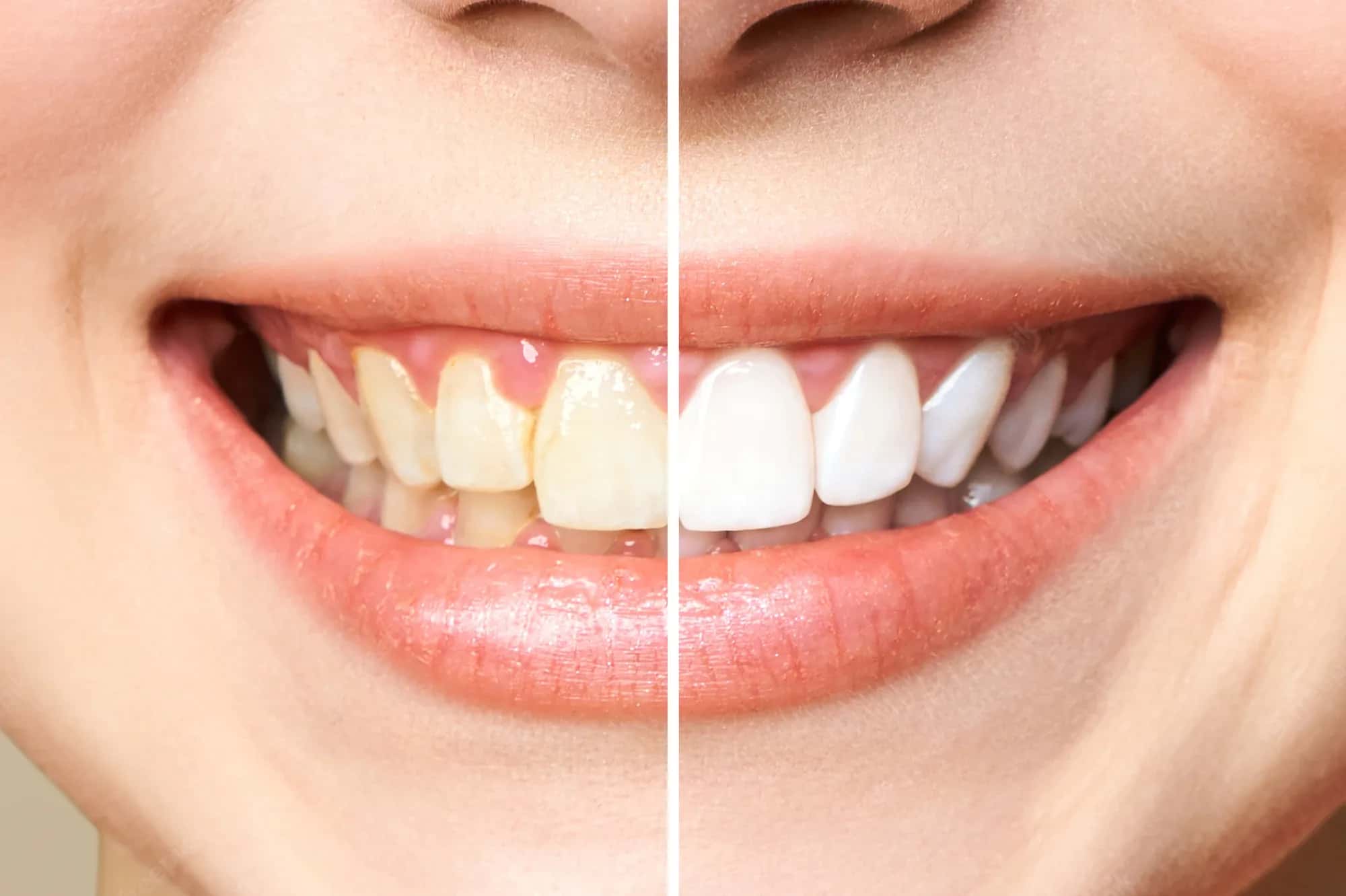
Teeth whitening costs around the world vary substantially, with professional treatment generally costing less in countries such as Turkey, Mexico and India than in the United States or United Kingdom.
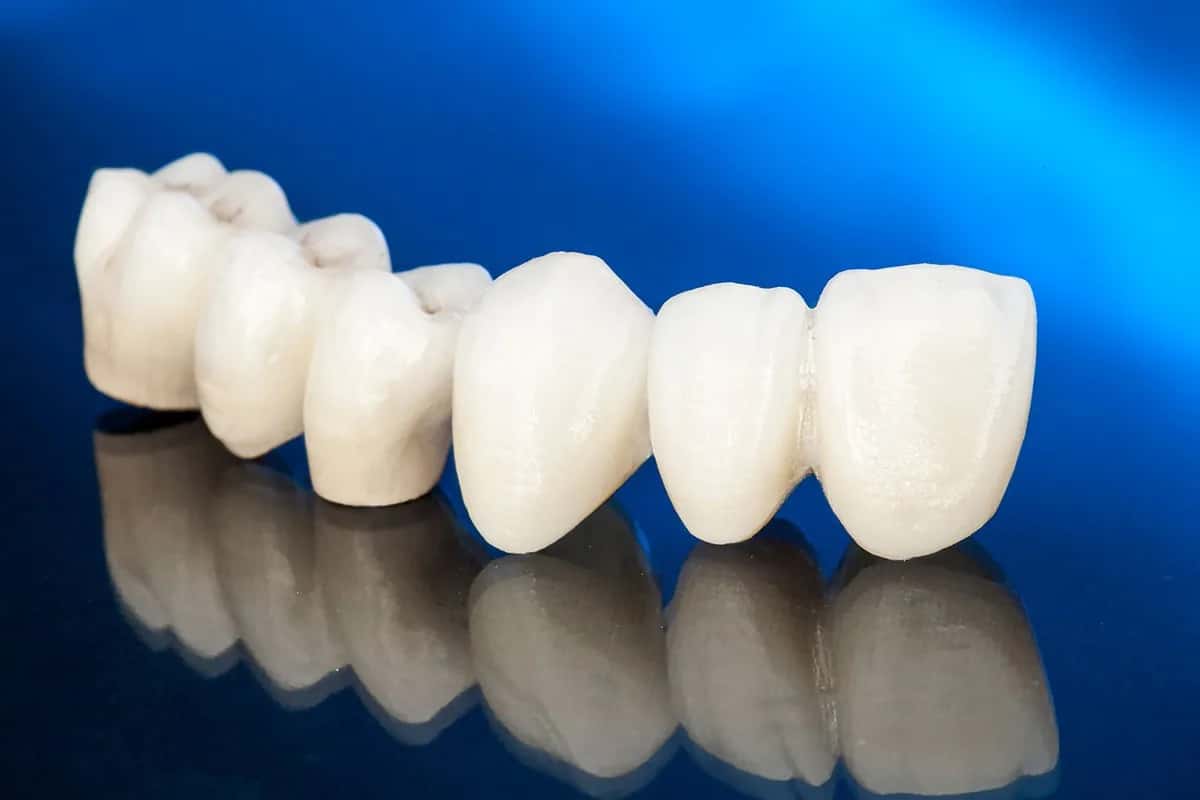
Zirconium crown costs around the world vary significantly, from approximately €180–€400 per tooth in Turkey to $1,000–$2,500 in the United States, based on published 2026 private-treatment prices.
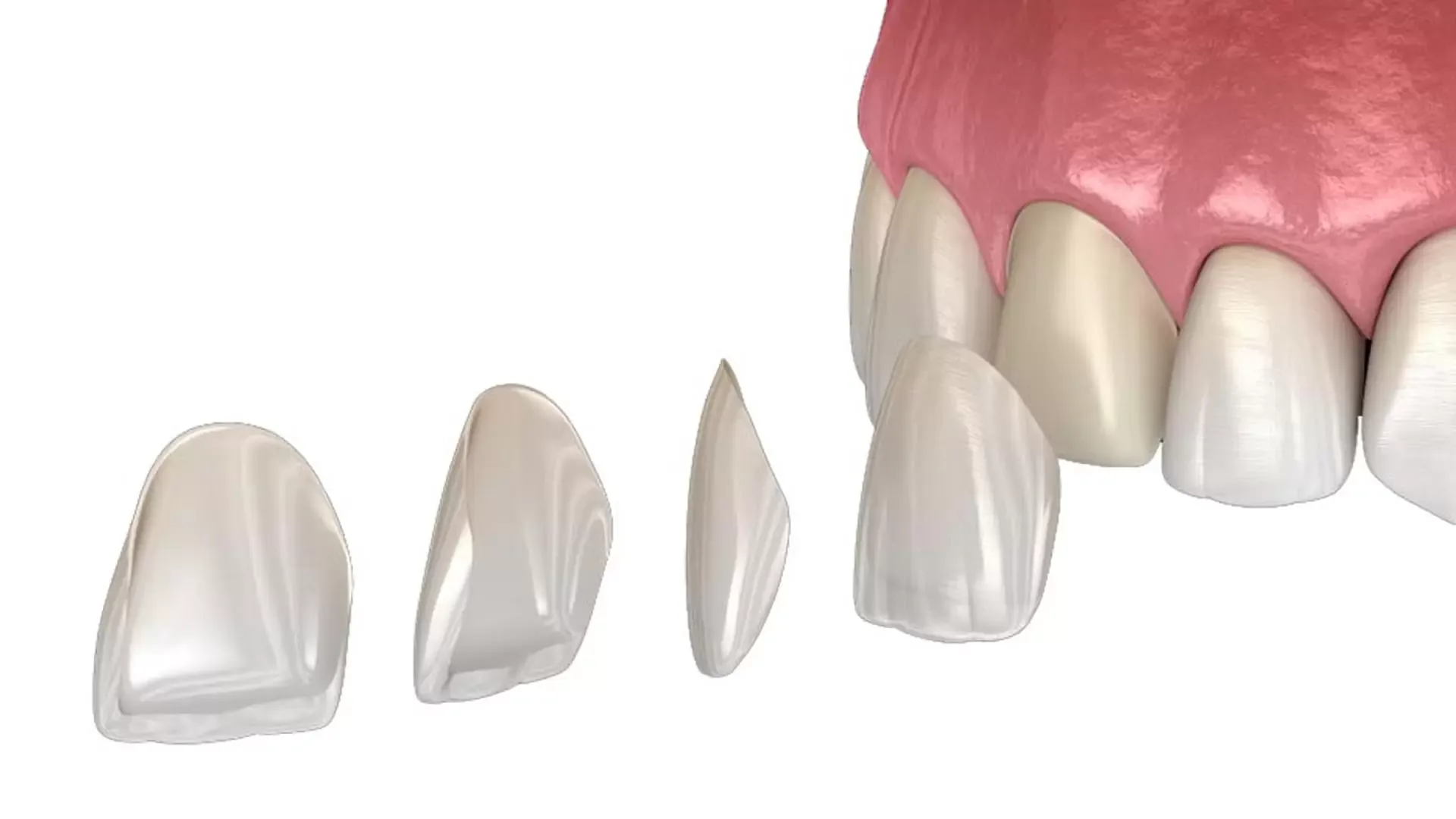
E-Max costs around the world differ significantly, with ceramic veneers and crowns available at lower published prices in countries such as Turkey, Mexico and Hungary than in the United States or United Kingdom.
Subscribe to the Medifinder newsletter and never miss our latest content.