










Can Veneers Fall Off? Causes, Warning Signs and What to Do
This guide explains whether veneers can fall off, why bonding can fail, what to do next, and how recurrence may be reduced.

- Last updated
- 104 reads
- 8 min read
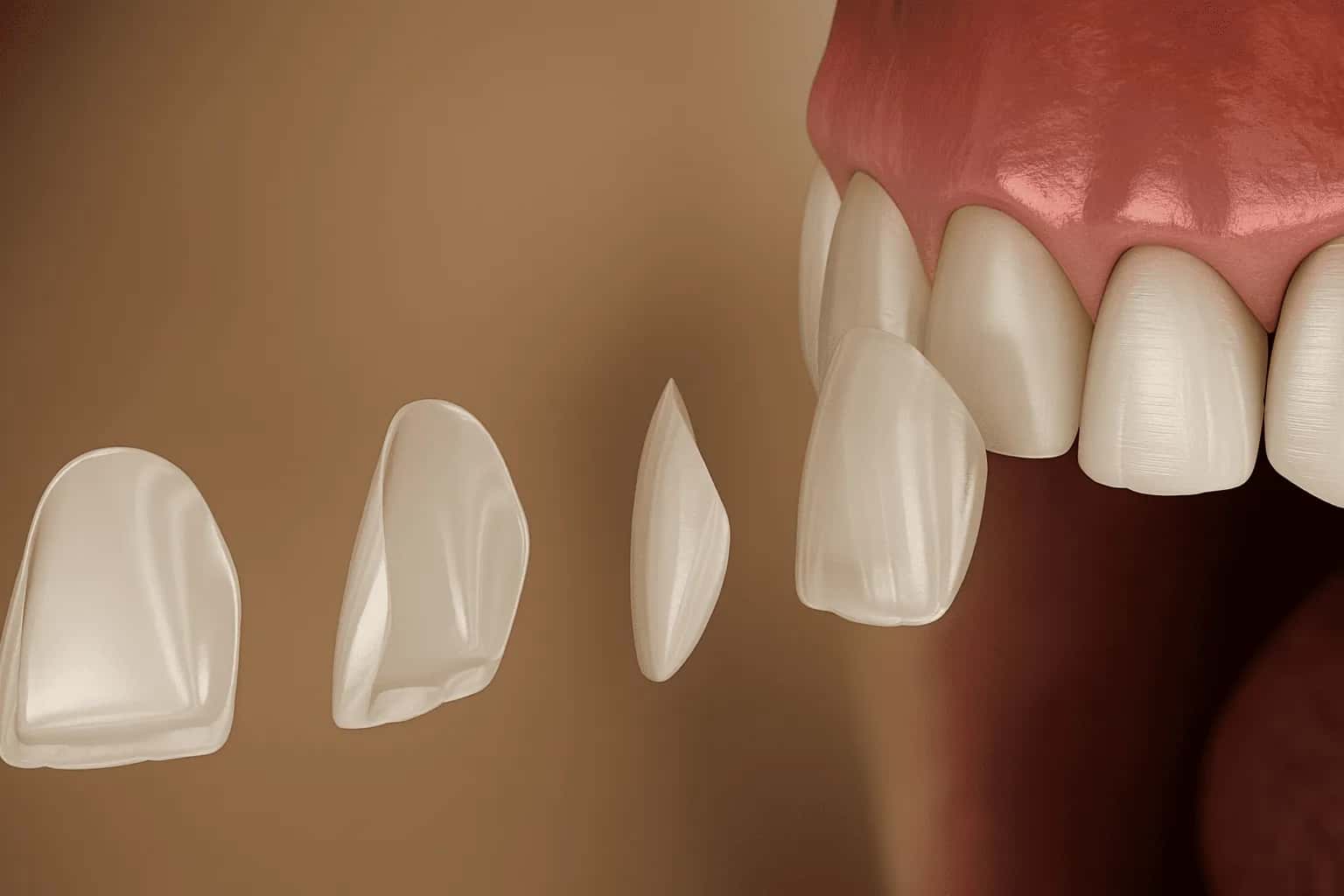


Do Veneers Come Off?
Yes, veneers can come off if the bond between the restoration and the tooth surface is not strong enough.
This type of failure is known as debonding. This is different from veneer cracking, chipping or fracturing but still attached.
A well-bonded porcelain veneer can provide years of service. No bonded dental restoration can be considered impossible to dislodge, however.
Bond strength is determined by several factors. These are the remaining enamel, tooth preparation, adhesive technique, veneer material and forces applied to the restoration.
Modern evidence implies that veneers bonded predominantly to enamel do especially well. Increased dentin exposure may result in reduced clinical survival and more complications.
A veneer coming off doesn’t necessarily mean that the initial treatment was done wrong. The cause requires a clinical examination.
Reasons Veneers Fail
Bonding failure, excessive biting forces, changes to the teeth or problems with the underlying bonding surface can all lead to veneer detachment.
Porcelain veneers are retained primarily by adhesive retention as opposed to mechanical retention. The quality of the tooth surface is therefore important.
Bonding mainly to enamel typically allows for a more reliable substrate than bonding to heavily exposed dentin.
Contamination during cementation may also compromise bonding. Saliva, blood or other contaminants may affect adhesive procedures because of poor isolation.
Another factor is the occlusal forces. If you bite or grind your teeth with too much pressure, the veneer can be subjected to repeated stress.
The restoration itself might also develop structural problems. Fracture and chipping are different failure modes, but damage may ultimately impact retention.
Research evaluating veneer outcomes has identified recognized reasons for clinical failure including fracture, debonding, and color changes.
How Often Do Porcelain Veneers Fall Off?
Debonding of porcelain veneers is a well known complication but long term studies suggest that this is relatively uncommon.
A systematic review of about 6,500 porcelain laminate veneers reported a 10-year survival rate of 95.5 percent overall.
When debonding alone was considered as the reason for failure, the estimated 10-year survival was 99.2 percent.
In a prior meta-analysis, the reported debonding event rate was approximately 2% in the clinical studies that were included.
These figures are not to be taken as a personal undertaking.
The studies are different in tooth preparation, veneer design, bonding substrate, type of ceramic, habits of patients and follow up periods.
Present evidence also suggests that the exposure of large areas of dentin can decrease the survival of veneers compared with restorations bonded mainly to enamel.
The more interesting question is then why a given veneer became detached.
How Can You Tell If a Veneer Is Loose?
When you bite down on a loose veneer, it may feel different than it used to. But some veneers just come off, without warning.
Patients may notice a slight movement, a strange feeling on chewing or a change around the margin of the veneer.
A new clicking sensation might also be worth investigating. Changes in the bite could be a sign of movement or some other restorative problem.”
Sensitivity doesn’t always mean the veneer has come loose. Decay, gum recession, exposed dentin or another dental problem can cause similar symptoms.
Gaps visible around a veneer also need to be assessed.
Don’t keep touching or jiggling a restoration to see if it moves. Too much manipulation can also damage the veneer or the tooth underneath.
A dentist can check margins, bonding interface, bite and remaining tooth structure to determine the cause.
What To Do When A Veneer Comes Off?
If a veneer comes off, save it and make a dental appointment instead of trying to fix it permanently at home.
Until the tooth can be looked at:
- Store the veneer in a clean protective container.
- Avoid biting hard foods with the affected tooth.
- Do not scrape cement from veneer or tooth.
- Reattach it with household glue.
- Schedule a dental appointment for the earliest reasonable time.
When the veneer is removed, the tooth underneath may be sensitive.
This can occur if some of the enamel was removed during preparation. The amount of preparation is different for the veneer designs.
Also a detached veneer should be examined before reuse. Small cracks or fit changes may not be visible without professional examination.
The dentist will need to determine why the restoration failed and whether rebonding is indicated.
Can I glue a fallen veneer back on?
Sometimes a veneer that has fallen off can be reattached if the restoration is intact and still fits the tooth exactly.
Rebonding should not be presumed until examined.
First the dentist has to check the veneer for fractures, internal damage and changes in the fit.
The tooth also needs to be evaluated. Any residual cement, decay, compromised tooth structure or bonding surface problems may change the treatment.
It is especially important to prepare the surface for rebonding an existing ceramic restoration.
If the veneer is still viable, the dentist can clean and condition both surfaces and proceed to finish another adhesive procedure.
If a restoration no longer fits properly, it may need to be replaced.
You can’t just glue the old veneer back on the wood if you don’t understand why it debonded in the first place.
## If a Veneer Falls Off, Does It Damage the Tooth?
A veneer coming off does not mean that the tooth underneath has broken or that it has been permanently damaged.
Sometimes the separation is mainly at the interface of the adhesive.
In other cases failure may result in fracture of part of the tooth or veneer.
The sight of the exposed tooth can also be disturbing for patients. Veneer treatment removes some enamel, so prepared teeth can look smaller or different.
Sensitivity may occur if dentin is exposed.
If there is a need for an additional veneer, the volume of enamel that is removed is of clinical importance. Consistent evidence suggests that better preservation of enamel is associated with better long-term veneer outcomes.
Therefore, the dentist should evaluate the tooth and restoration and not judge the event based on the dislodged veneer only.
Can veneers come off while eating?
Veneers can detach during eating, especially when the biting forces exceed what the restoration can tolerate.
Hard foods can put focused force on your front teeth.
Veneered teeth on very hard foods or biting non-food objects cause unnecessary mechanical stress.
But a normal bite should not often dislodge a well-working veneer.
A veneer can pop off while eating a normal meal, which means the bonding had already been compromised.
The food may thus be the last mechanical trigger rather than the original cause.
Repeated debonding should prompt an evaluation of the bite, tooth preparation and adhesive interface.
The same problem may occur if these factors are not investigated and the veneer is rebonded or replaced.
Can Bruxism Increase the Susceptibility of Veneers to Fail
Mechanical stress of the veneers from grinding of teeth may cause fractures and other restorative problem.
Bruxism produces repetitive forces greater than those produced during normal chewing.
These forces can impact veneers, natural teeth, and other dental restorations.
In a recent review of the survival of veneers parafunctional activity was noted as a factor associated with increased fracture risk .
Not every person who grinds their teeth will lose a veneer.
Important are also the forces direction and magnitude, the design of the restoration and the bite relationship.
If you grind or clench your teeth, you should tell your dentist before you get veneers and after any problems with the restoration.
Often it may be more important to control the pattern of the underlying force than to repair damaged restorations.
Does decay under a veneer cause it to fall off?
Decay beneath or around a veneer can damage the supporting tooth and eventually lead to restorative failure.
A veneer covers only a part of the tooth.
Any remaining tooth structure is still at risk of decay where conditions allow the build-up of bacterial plaque.
The restoration margins are particularly problematic as this area joins the veneer with the natural tooth structure.
Long-term studies have described secondary caries as a possible complication of porcelain laminate veneers, but the reported rates have been generally low.
A loose veneer should therefore not be simply cemented back without examining the tooth.
If it is a case of decay, the affected tissue must be assessed first.
The amount of sound tooth structure remaining can also determine whether a second veneer is suitable.
Can You Glue Veneer Back On Yourself?
Never permanently reattach a dental veneer using household glue or general purpose adhesive.
Dental bonding uses materials and surface treatments that are specifically designed for teeth and restorative ceramics.
The dentist needs to determine the cause of the veneer falling off.
Home attachment can get in the way of good seating. The veneer may not be able to return to its original position if there is excess material.
Incorrect positioning can also alter the bite.
Household products cannot substitute dental bonding systems and may make professional repair more difficult.
Don’t change the inside face of the veneer, keep it safe.
Don’t file it, scrape it, or try to clean it aggressively.
A professional assessment allows for more treatment options, such as possible re-bonding if the restoration is still sound.
How to Reduce the Risk of Veneers Falling Off
To keep veneers safe you must take into consideration the daily forces as well as the health of the teeth below.
Do not use your front teeth to open packaging, crack hard objects or for non-eating tasks.
Dental check-ups are routine and allow the dentist to monitor the margins, bite and surrounding tissues.
Veneers do not protect the uncovered tooth from decay so good oral hygiene is still a must.
For long-term restorative care, patients should also address any teeth grinding or clenching habits.
Clinical technique is also important prior to placing the veneers.
Where possible, preservation of enamel supports reliable adhesive bonding. Current clinical evidence indicates that bonding to enamel has a higher survival than extensive bonding to dentin .
An equally important factor is a correct assessment of the bite, since repeated negative forces can result in structural complications.
So, the key to the long term success is the restoration, working with the tooth and the bite.
Do You Have to Replace a Veneer That Has Fallen Off?
A fallen veneer does not always have to be replaced, as a sound repair can sometimes be made by re-adhesion.
It’s not simply a matter of whether the veneer can physically be put back on the tooth.
The fit, the structural integrity and the remaining bonding surface all need to be assessed.
The state of the tooth is as important.
Replacement may be needed if a veneer cracks, does not fit well or the underlying tooth structure has changed.
Repeated failure may indicate a need to re-evaluate the original restoration design.
Sometimes it’s still the right thing to do to add another veneer. More serious tooth damage may require a different kind of restorative treatment.
The first step is to determine the cause of failure before selecting the repair.
So a veneer coming off is usually a treatable dental problem, but the correct solution depends on the condition underneath.
- Last updated
- Language
- English
How did you find this article?
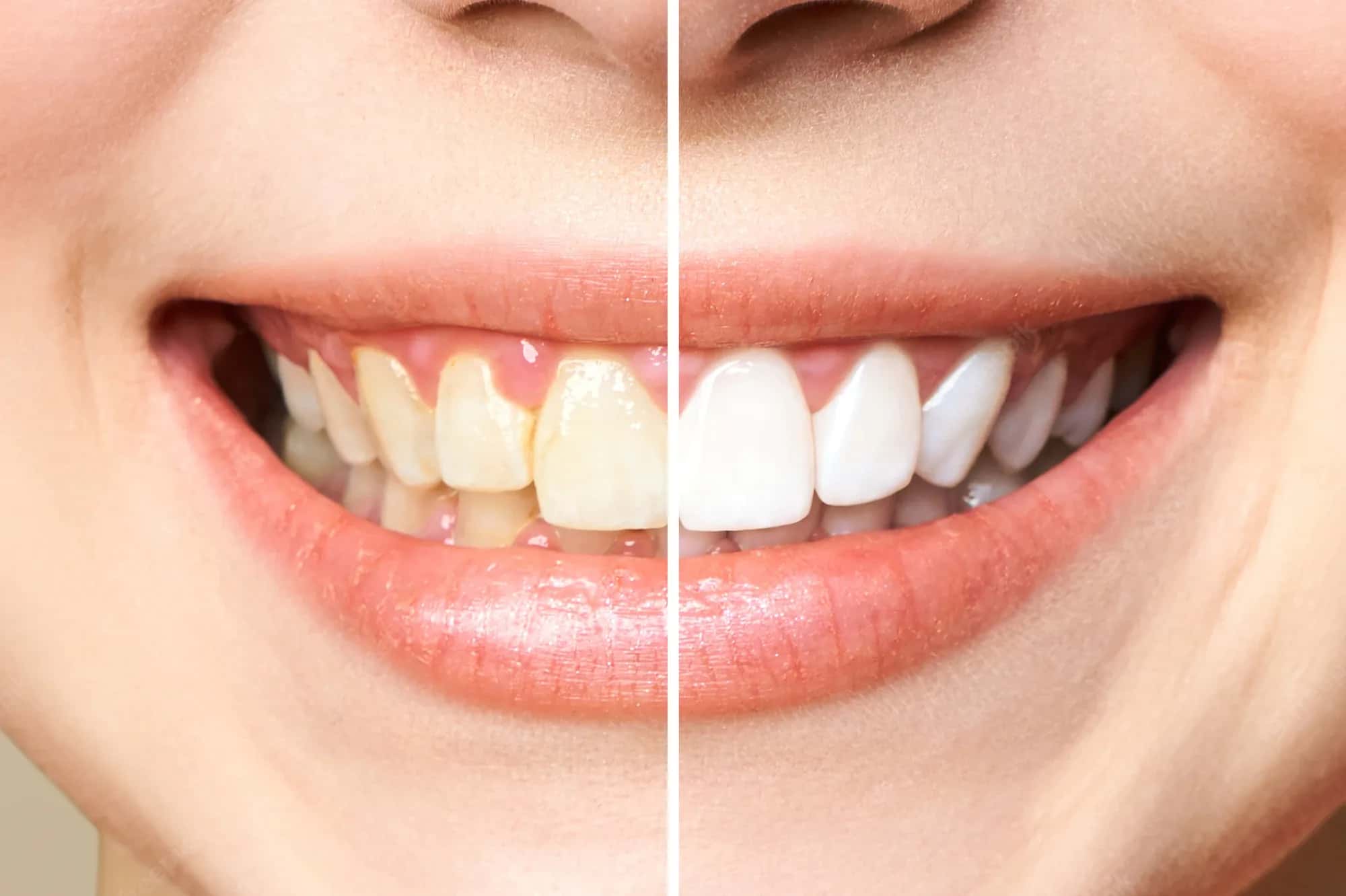
Teeth whitening costs around the world vary substantially, with professional treatment generally costing less in countries such as Turkey, Mexico and India than in the United States or United Kingdom.
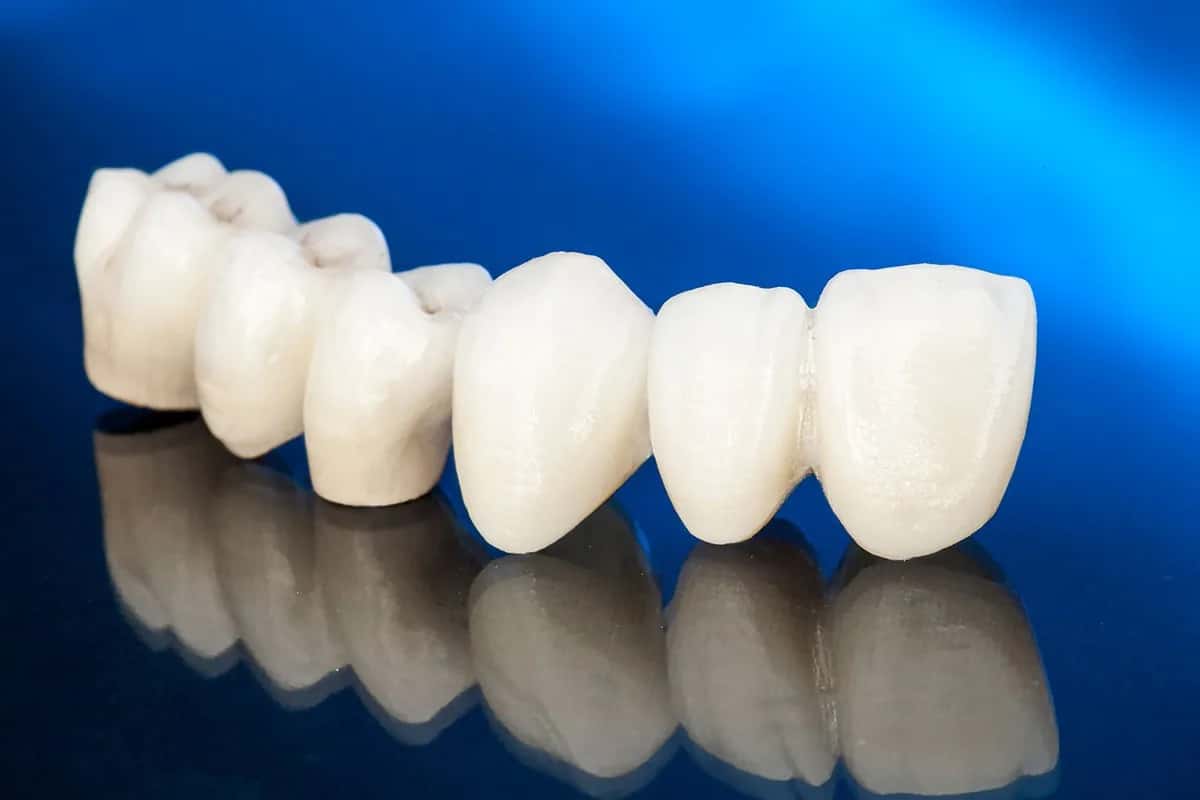
Zirconium crown costs around the world vary significantly, from approximately €180–€400 per tooth in Turkey to $1,000–$2,500 in the United States, based on published 2026 private-treatment prices.
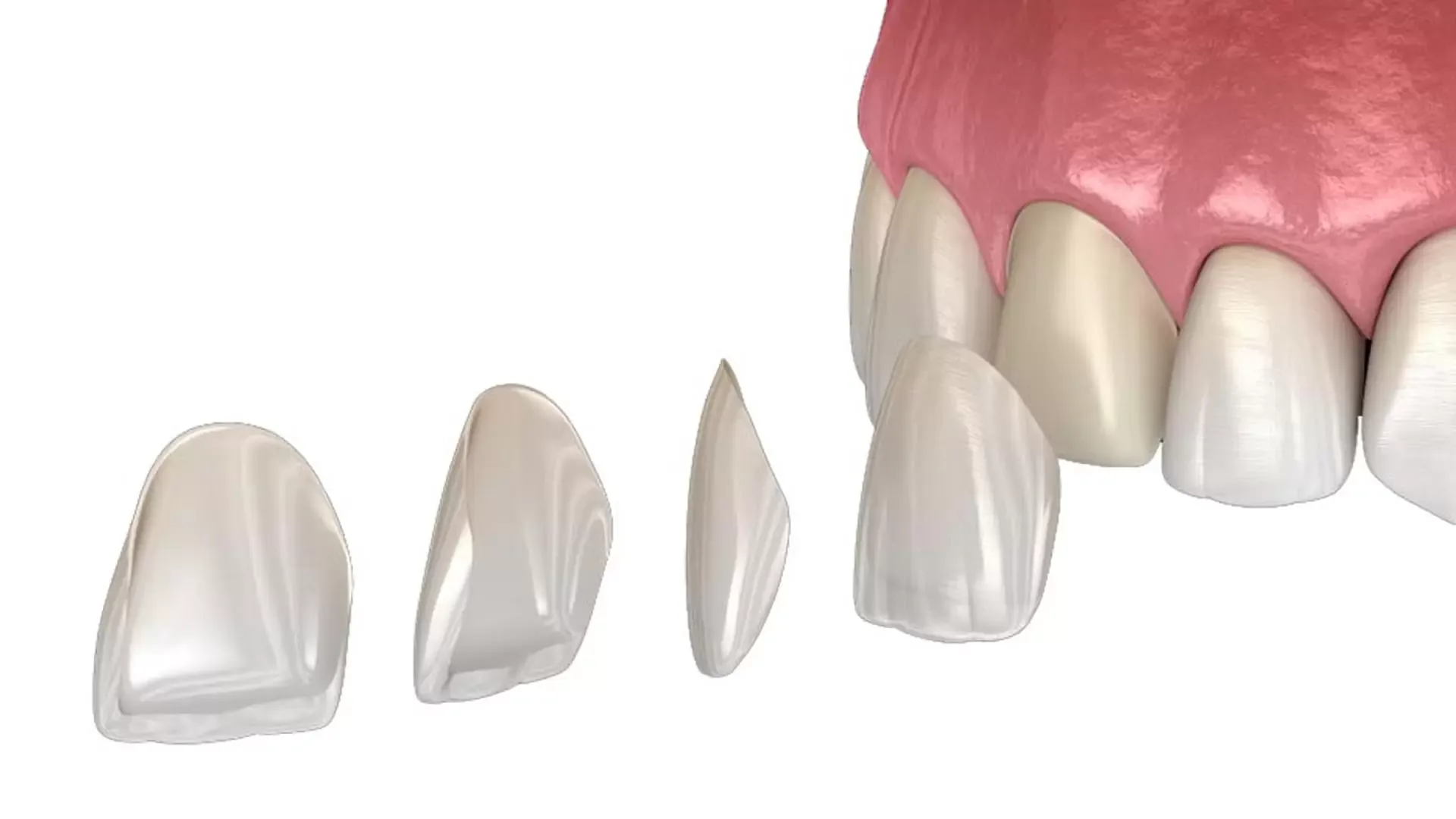
E-Max costs around the world differ significantly, with ceramic veneers and crowns available at lower published prices in countries such as Turkey, Mexico and Hungary than in the United States or United Kingdom.
Subscribe to the Medifinder newsletter and never miss our latest content.