










Dental Bonding Price
The global price for dental bonding typically ranges from $300 to $600 per tooth in the US, £200 to £400 in the UK, and €150 to €350 across Europe.

- Last updated
- 200 reads
- 6 min read


The global price for dental bonding typically ranges from $300 to $600 per tooth in the United States, £200 to £400 in the United Kingdom, and €150 to €350 across Western Europe. In specialized health tourism hubs like Istanbul, the cost averages between $100 and $200 per tooth. Prices fluctuate based on the number of teeth treated, the structural complexity of the repair, and the geographic location of the facility. Because the procedure utilizes advanced composite resins applied directly to the tooth surface, it is a highly cost-effective and predictable method for addressing minor fractures, gaps, or localized discoloration.
Aesthetic and structural restorative procedures often present individuals with a wide range of financial and clinical options. Among these, composite resin application—commonly referred to as bonding, stands out as a highly effective, minimally invasive solution. This technique involves the application of a tooth-colored resin material directly onto the natural enamel. It is then shaped and hardened with a specialized light, integrating seamlessly with the surrounding anatomical structure.
For individuals exploring options to correct chipped edges, close minor diastemas (gaps), or mask localized discoloration, understanding the financial framework is essential. The cost of this treatment is significantly lower than indirect restorations like ceramic veneers or crowns, primarily because it requires less chair time and eliminates the need for external laboratory fabrication. However, the final price is highly variable, influenced heavily by global economics, the specific materials utilized, and the operational standards of the care facility.
This guide provides a comprehensive breakdown of what individuals can expect to pay globally, the factors driving those costs, and how this procedure compares financially to long-term alternatives.
What is the Composite Resin Application Process?
The predictability and lower cost of this procedure stem from its streamlined, direct-application workflow. Unlike indirect restorations that require multiple visits, temporary prosthetics, and physical or digital impressions sent to a laboratory, bonding is typically completed in a single appointment.
- Preparation and Shade Matching: The practitioner selects a composite resin shade that closely matches the natural color and translucency of the surrounding teeth. The surface enamel is slightly etched using a mild acidic gel to create microscopic pores, increasing the surface area for mechanical retention.
- Application of the Adhesive Agent: A liquid bonding agent is applied to the conditioned tooth. This acts as a microscopic layer of adhesion between the organic tooth structure and the synthetic composite resin.
- Resin Placement and Sculpting: The putty-like composite material is applied in small increments. The dental professional carefully shapes, layers, and molds the material to achieve the desired anatomical contour, mimicking natural tooth morphology.
- Curing and Hardening: A high-intensity curing light (often utilizing LED technology) is directed at the resin, initiating a rapid polymerization process that hardens the material in seconds.
- Final Polishing: The hardened resin is refined, smoothed, and polished to emulate the natural luster and light-reflecting properties of biological enamel.
Average Teeth Bonding Prices: A Global Comparison
Geographic location is the single most significant variable influencing the cost of restorative procedures. The discrepancy in pricing across different borders is not generally a reflection of the material quality, as premium resin brands are manufactured and distributed globally—but rather a result of differing overhead costs, commercial real estate prices, labor rates, and local operational expenses.
Below is a comparative breakdown of average costs per tooth in various regions:
| Region | Average Cost Per Tooth (Local Currency) | Estimated USD Equivalent |
|---|---|---|
| United States | $300 – $600 | $300 – $600 |
| United Kingdom | £200 – £400 | $250 – $500 |
| Western Europe | €150 – €350 | $160 – $380 |
| Turkey (Istanbul) | $100 – $200 | $100 – $200 |
Key Insight: While the cost per tooth is linear, complex cases involving multiple layered shades and varied opacities will push the total estimate toward the higher end of the regional range.
Key Variables Influencing the Price of Treatment
While regional averages provide a reliable baseline, the specific quote an individual receives will depend on several localized factors assessed during a physical or digital evaluation.
Complexity of the Structural Repair
The amount of time, technical skill, and material required directly dictates the price. A minor application to close a small gap between two front teeth requires less composite and fewer technical layers than repairing a significant structural fracture on a central incisor. Complex repairs often require the practitioner to carefully layer multiple different opacities and shades of resin to replicate the natural translucency of the tooth edge.
Number of Units Treated
Most facilities charge on a per-tooth basis. However, when an individual opts for a comprehensive aesthetic update involving six to eight anterior teeth, the overall cost multiplies accordingly. Some centers may offer a slightly adjusted package rate for multiple concurrent units, as the preparation, isolation, and finishing phases can be combined efficiently during a single, longer appointment.
Technology and Material Quality
Modern composite resins have advanced significantly, incorporating nano-fillers for increased physical strength and better polishability. The use of premium, highly aesthetic materials will push the price toward the higher end of the spectrum. Additionally, facilities that utilize digital smile design software to map the application before the physical procedure begins may incorporate a diagnostic planning fee into the final cost.
Comparing Resin Applications to Alternative Restorations
When evaluating the cost of structural improvements, individuals frequently compare direct resin applications with indirect porcelain restorations. Each approach serves a different clinical need and carries a distinct financial profile.
| Feature | Composite Bonding | Porcelain Veneers |
|---|---|---|
| Initial Cost | Lower ($100 - $600 per tooth) | Higher ($800 - $2,500+ per tooth) |
| Preparation | Minimal to no enamel removal | Requires minor to moderate enamel reduction |
| Number of Visits | Single visit | Multiple visits (Lab fabrication required) |
| Lifespan | 4 to 8 years | 10 to 15+ years |
| Stain Resistance | Moderate (absorbs pigments over time) | High (impervious to most stains) |
While resin applications are highly cost-effective in the short term, they have a shorter functional lifespan than ceramic options. The composite material is slightly porous and will eventually absorb dietary pigments from coffee, tea, or tobacco. For individuals seeking a temporary or highly conservative improvement, resin is an optimal choice. For those prioritizing long-term structural durability and permanent color stability, porcelain veneers—despite the higher initial financial output—may represent a more predictable long-term investment.
Maintenance and Long-Term Financial Considerations
The true cost of any restorative procedure includes the long-term maintenance required to preserve its function and visual appearance. Composite materials are durable, but they are not as dense or hard as natural enamel or laboratory-fired ceramics.
Replacement Cycles
Individuals should expect to replace or structurally refresh the material every four to eight years, depending on their oral habits and daily hygiene routines. When calculating the lifetime financial impact, one must factor in the reality that the procedure will likely need to be repeated.
Preventive Care to Minimize Costs
To protect the financial investment and extend the lifespan of the resin, individuals should adopt specific preventive measures. Limiting the consumption of highly pigmented foods and beverages immediately after the procedure is critical. Furthermore, the material is susceptible to chipping under severe mechanical stress. Individuals are advised to avoid using their treated teeth to open packaging, bite nails, or chew on hard objects like ice or pens.
For individuals diagnosed with bruxism (nocturnal teeth grinding), the care team will highly recommend the fabrication of a custom-fitted occlusal guard. While this protective device carries an additional upfront cost, it prevents the severe mechanical forces of grinding from fracturing the resin, ultimately saving the individual from premature repair or replacement fees.
Choosing a Care Facility Abroad
For individuals traveling internationally to access lower cost structures, evaluating the prospective care center is a vital step. A lower price point should never correspond with a reduction in hygiene standards, material quality, or operational transparency.
- Request Material Documentation: Reputable facilities are transparent about the brands of composite resins and adhesives they utilize. They should readily provide documentation verifying that their materials meet international regulatory standards.
- Evaluate Communication Protocols: A high-quality provider will employ a dedicated, multilingual support team to ensure clear communication regarding treatment planning, specific pricing breakdowns, and post-procedure care instructions.
- Assess the Diagnostic Infrastructure: Even for direct procedures, the facility should maintain a modern environment, utilizing high-resolution digital photography to document the before-and-after results and to plan the outcome precisely.
By carefully considering these operational and financial variables, individuals can make informed decisions that align with their long-term structural health and aesthetic goals.
- Last updated
- Language
- English
How did you find this article?
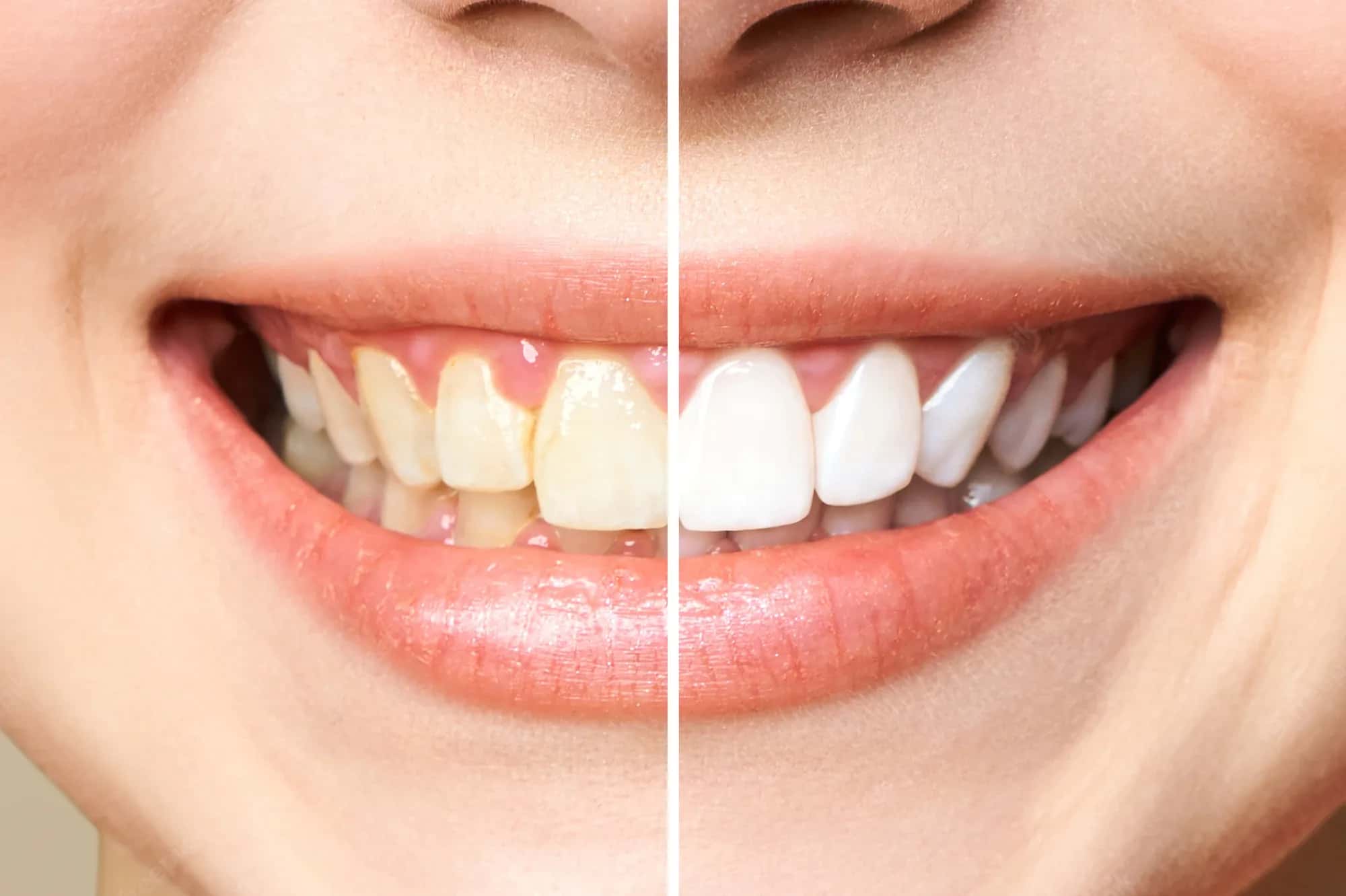
Teeth whitening costs around the world vary substantially, with professional treatment generally costing less in countries such as Turkey, Mexico and India than in the United States or United Kingdom.
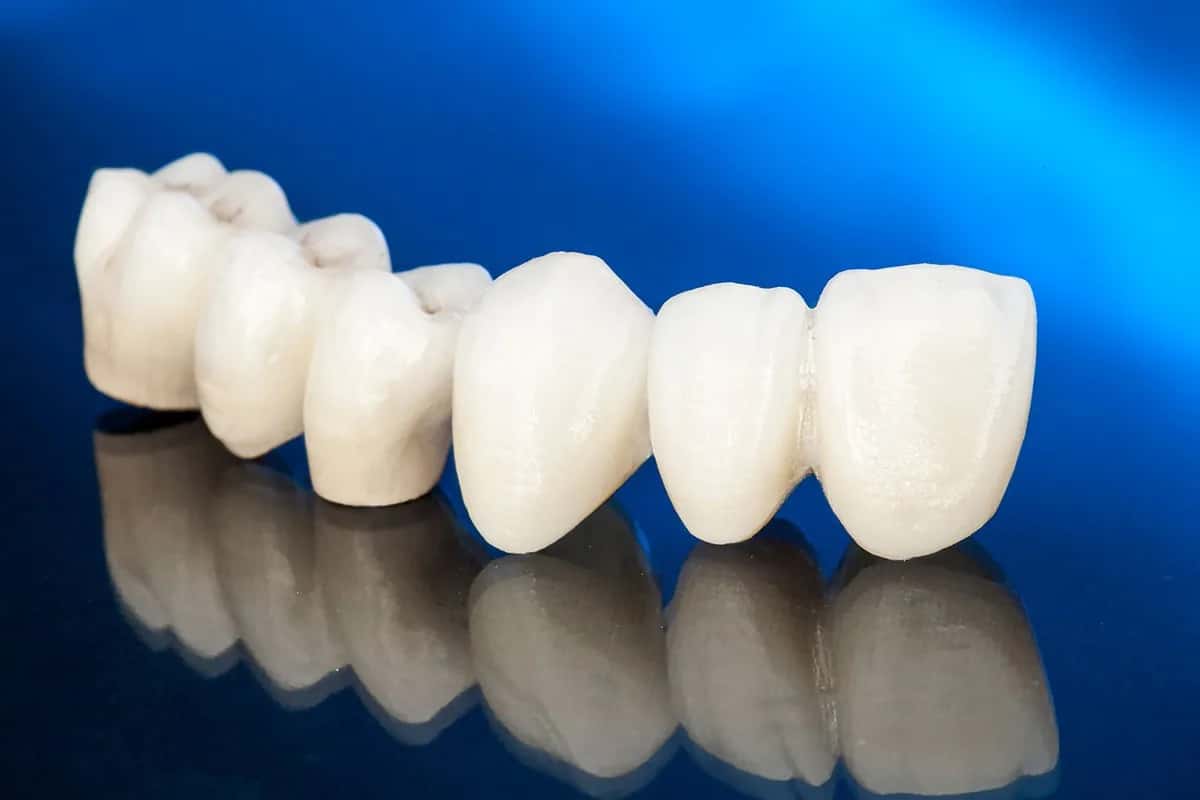
Zirconium crown costs around the world vary significantly, from approximately €180–€400 per tooth in Turkey to $1,000–$2,500 in the United States, based on published 2026 private-treatment prices.
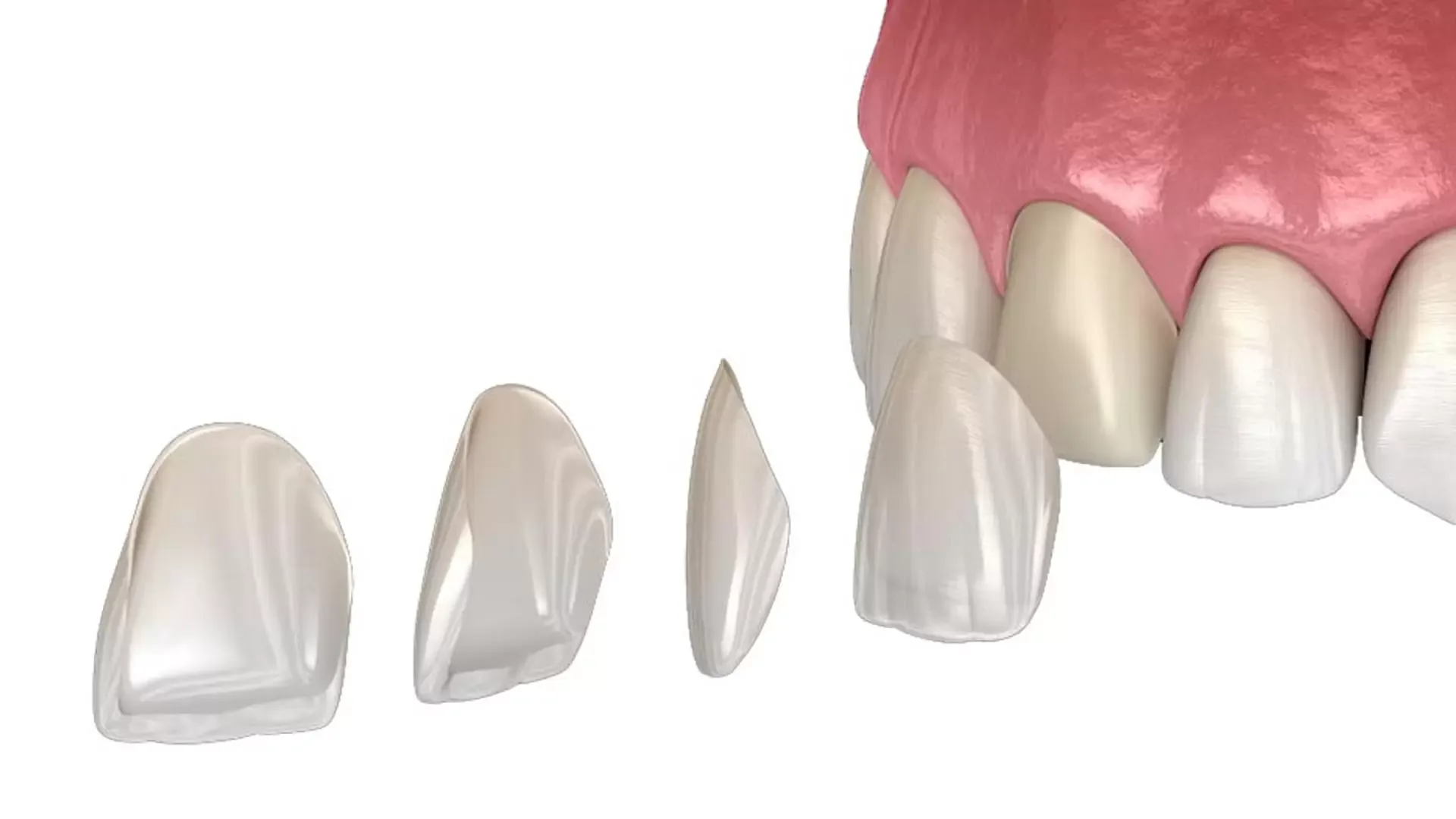
E-Max costs around the world differ significantly, with ceramic veneers and crowns available at lower published prices in countries such as Turkey, Mexico and Hungary than in the United States or United Kingdom.
Subscribe to the Medifinder newsletter and never miss our latest content.