










Los Algodones Border Crossing: Guide for Dental Patients
This guide explains how dental patients can cross the Los Algodones border, which documents they need, when the crossing operates, and how to plan their return after treatment.

- Last updated
- 110 reads
- 8 min read


Where Is the Los Algodones Border Crossing?
The Los Algodones border crossing connects Los Algodones in Baja California with Andrade, California, near Yuma, Arizona.
On the United States side, the crossing is officially known as the Andrade Port of Entry. Los Algodones begins immediately south of the border and has a compact central area containing numerous dental offices, pharmacies, restaurants and other businesses serving international visitors.
Yuma is the main nearby U.S. city for many dental travelers. Patients arriving from other parts of Arizona or Southern California commonly approach the border by road and continue to Andrade.
The short distance between the crossing and the central dental district makes walking practical for many visitors. This differs from larger border cities where patients may need lengthy transportation after entering Mexico.
For dental patients, the location makes same-day visits possible when treatment and recovery requirements allow.
What Are the Los Algodones Border Crossing Hours?
The Andrade Port of Entry currently operates daily from 6:00 AM until 10:00 PM Pacific Time.
These hours apply to the current border schedule and should be checked again close to the travel date because operating arrangements can change. Current border information continues to list Andrade as a 6:00 AM to 10:00 PM port rather than a 24-hour crossing.
This distinction matters for dental patients.
A procedure that runs several hours longer than expected can leave less time to return across the border. Complex treatments, laboratory adjustments or unexpected postoperative observation can also affect the schedule.
Patients should therefore avoid booking a procedure that is expected to finish close to closing time.
An early appointment creates more flexibility for treatment, recovery and the northbound crossing.
What Documents Do You Need to Cross Into Los Algodones?
U.S. travelers crossing by land should carry an accepted citizenship and identity document, with a valid passport book or passport card providing the clearest option for most dental visits.
The passport card is specifically designed for land and sea travel between the United States and Mexico. It cannot be used for international air travel. A passport book remains valid for both land crossings and international flights.
Travelers who are not U.S. citizens may have different entry and re-entry requirements.
Permanent residents, Canadian citizens and visitors in the United States should confirm which documents apply to their immigration status before leaving the country.
Mexico also has immigration entry formalities for land travelers. Requirements involving the Forma Migratoria Múltiple have changed over time, so patients should confirm the rules applicable on their travel date rather than relying on an old dental travel guide.
The safest approach is to carry valid travel documentation even when planning only a short daytime visit.
Is It Better to Walk or Drive Across the Los Algodones Border?
Walking across the border is often the simpler option for dental patients because the main clinic district is close to the pedestrian crossing.
Parking facilities are available around Andrade on the U.S. side, and many visitors leave their vehicle there before crossing on foot. Current local travel information also shows this as a common arrangement for patients visiting nearby dental offices.
Walking avoids several complications associated with taking a vehicle into Mexico.
Drivers need to consider appropriate vehicle documentation, insurance and parking after crossing. Vehicle queues can also operate differently from pedestrian processing.
How Long Does It Take to Cross the Border at Los Algodones?
Border-crossing time can range from a short wait to a substantially longer queue depending on traffic and inspection volume.
Southbound pedestrian entry can be relatively straightforward, while returning north into the United States often requires more processing.
There is no reliable fixed waiting time that applies to every day.
Weekends, seasonal visitor numbers, holidays and particular times of day can change the queue considerably.
Current border systems publish updated wait information, allowing travelers to review conditions before approaching the crossing.
Dental patients should therefore avoid planning transportation immediately after the expected end of treatment.
A procedure can finish late, and the border line can take longer than expected.
Building additional time into the schedule is particularly important when a patient needs to reach a hotel, airport or long-distance connection after returning to the United States.
How Should Dental Patients Plan Their Appointment Around Border Hours?
Dental patients should schedule treatment early enough to allow for delays, postoperative recovery and the return crossing before 10:00 PM.
A morning appointment usually provides the greatest flexibility.
Simple consultations, cleanings or limited restorative treatment may allow a straightforward same-day visit.
Complex procedures require more planning.
Implant placement, multiple extractions, full-mouth restorative work or procedures involving sedation can take longer than anticipated.
Patients may also need time for radiographs, diagnostic examinations or laboratory modifications before treatment begins.
An appointment time should therefore be based on the complete clinic schedule rather than the estimated duration of the dental procedure alone.
If the planned treatment involves several appointments, patients should confirm each appointment before deciding whether daily border crossings remain practical.
Is Los Algodones Safe for Dental Patients?
Dental patients should treat Los Algodones as an international border destination and follow current travel guidance rather than assuming the dental district carries no travel risk.
Current U.S. travel guidance places Baja California under a reconsider travel advisory because of crime, kidnapping and other security concerns. The same guidance specifically permits U.S. government employees to travel to Los Algodones through the Andrade Port of Entry while placing restrictions on travel elsewhere in the Mexicali Valley.
That distinction is useful.
The advisory does not state that every visitor to Los Algodones will experience a safety problem. It does mean travelers should make deliberate decisions about routes and timing.
Dental visitors can reduce unnecessary exposure by using the official Andrade crossing, remaining within the relevant urban area and avoiding unplanned travel into remote parts of the surrounding valley.
Patients should check current travel information again before departure because security conditions can change.
Can You Cross the Border After Dental Surgery or Sedation?
Patients can physically return through the border after many dental procedures, but treatment type and sedation can affect whether an immediate crossing is sensible.
Local anesthesia alone does not normally impair consciousness in the same way as intravenous sedation.
However, surgery can still cause bleeding, swelling, discomfort and fatigue.
Intravenous sedation requires greater caution.
Sedative effects can continue after the patient appears awake. Clinical guidance advises patients not to drive after intravenous sedation and commonly recommends that a responsible adult accompany them during the recovery period.
A sedated patient should therefore not plan to drive from Andrade after crossing back into the United States.
Walking through a long border queue can also be uncomfortable immediately after extensive oral surgery.
Patients undergoing sedation should establish transportation and escort arrangements before treatment begins.
What Happens When You Return to the United States?
Returning from Los Algodones involves inspection at the Andrade Port of Entry before the traveler re-enters the United States.
Patients should have their travel document ready before reaching the inspection point.
Border officers may also ask about items being brought into the country.
Dental treatment itself does not remove normal customs responsibilities.
Travelers carrying purchases, medications or other goods should answer inspection questions accurately and declare items when required.
A passport card is valid for qualifying U.S. citizens returning by land from Mexico. A passport book can also be used.
Patients should remember that the crossing closes at 10:00 PM under the current schedule.
Missing the closing time can create a significant logistical problem, especially for someone whose vehicle or accommodation remains on the U.S. side.
Can You Bring Dental Medication Back Across the Border?
Prescription medication obtained or carried during a dental trip can be subject to both medical and customs rules.
Dental patients may receive antibiotics, pain medication or mouth-care products as part of treatment.
The medication should remain in clearly identified packaging whenever possible.
Travelers should know what they are carrying rather than accepting unidentified tablets from a clinic or pharmacy.
Rules can become particularly important with controlled medicines.
A medicine legally available in Mexico is not automatically treated the same way under United States law.
Patients should also be cautious about purchasing additional medications unrelated to their dental treatment simply because they are readily available near the border.
Current travel guidance specifically warns that drug laws and import rules still apply to travelers entering and leaving Mexico.
When medication is medically necessary, keeping the prescription and treatment documentation can make its purpose easier to establish.
What Should You Prepare Before a Dental Trip to Los Algodones?
A short border checklist can prevent most avoidable logistical problems before the appointment.
-
Carry a valid passport book, passport card or other document appropriate to your immigration status.
-
Confirm the Andrade crossing still operates from 6:00 AM to 10:00 PM on your travel date.
-
Leave extra time for the northbound border queue.
-
Confirm whether your clinic is within comfortable walking distance or provides transportation.
-
Arrange an escort if intravenous sedation is planned.
-
Keep treatment records and prescribed medications together.
-
Confirm where you will stay if the procedure requires postoperative monitoring.
-
Avoid scheduling a flight or fixed long-distance connection immediately after major dental treatment.
The aim is not simply to reach the clinic.
The complete plan should include entering Mexico, receiving treatment, recovering sufficiently and returning safely through the border.
Should You Stay Overnight or Return to the United States the Same Day?
A same-day return can be practical after limited dental treatment, while extensive surgery may justify staying nearby.
The answer depends on the procedure rather than the border itself.
A consultation, crown adjustment or uncomplicated restorative appointment may leave sufficient time and comfort for a same-day crossing.
Multiple extractions, implant surgery or lengthy treatment can produce more swelling, fatigue and postoperative discomfort.
The dentist may also want to examine the patient the following morning.
Patients undergoing intravenous sedation require additional supervision and should not plan to drive afterward.
Staying overnight can also reduce pressure created by the 10:00 PM border closing time.
For multi-day treatment, some patients stay in the United States near Yuma and cross each day. Others remain in Los Algodones between appointments.
The better arrangement depends on mobility, procedure intensity, follow-up timing and transportation.
What Is the Simplest Border-Crossing Plan for Dental Patients?
The simplest approach for many dental patients is to arrive at Andrade early, cross on foot with valid documents and leave ample time to return before the port closes.
This plan minimizes vehicle logistics while keeping the patient close to the United States.
It works particularly well when the selected dental office is near the border and treatment does not impair mobility.
More complex procedures require a modified plan.
Sedation may require an escort. Extensive surgery may justify overnight accommodation. Multiple appointments can make repeated crossings inconvenient.
The border should therefore be treated as part of the treatment schedule rather than as a separate travel detail.
A well-planned visit accounts for documentation, border hours, transportation, recovery and possible delays before the patient arrives for the dental appointment.
For most patients, confirming these points in advance creates a more predictable Los Algodones dental trip and reduces unnecessary pressure on the treatment day.
- Last updated
- Language
- English
How did you find this article?
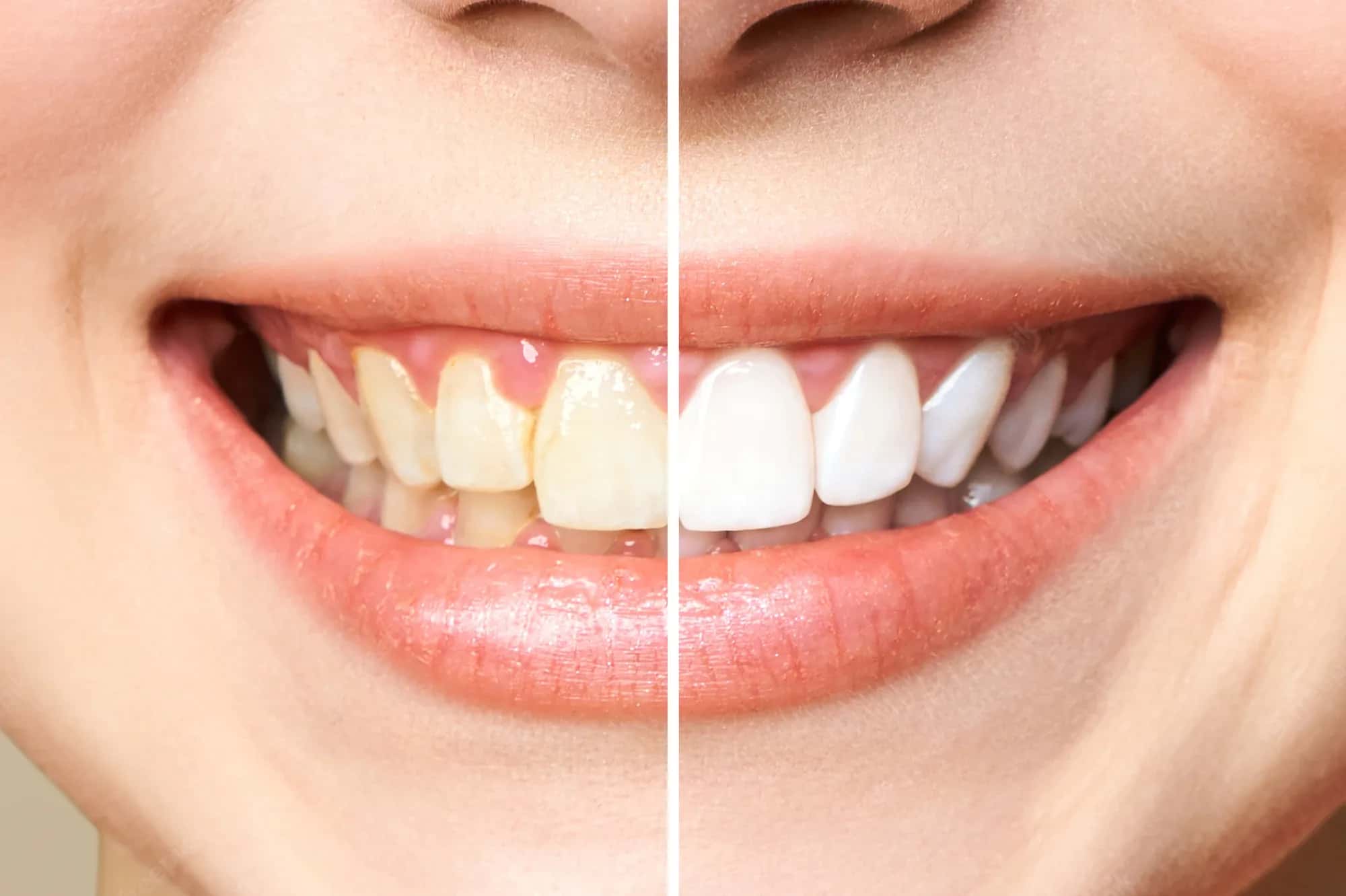
Teeth whitening costs around the world vary substantially, with professional treatment generally costing less in countries such as Turkey, Mexico and India than in the United States or United Kingdom.
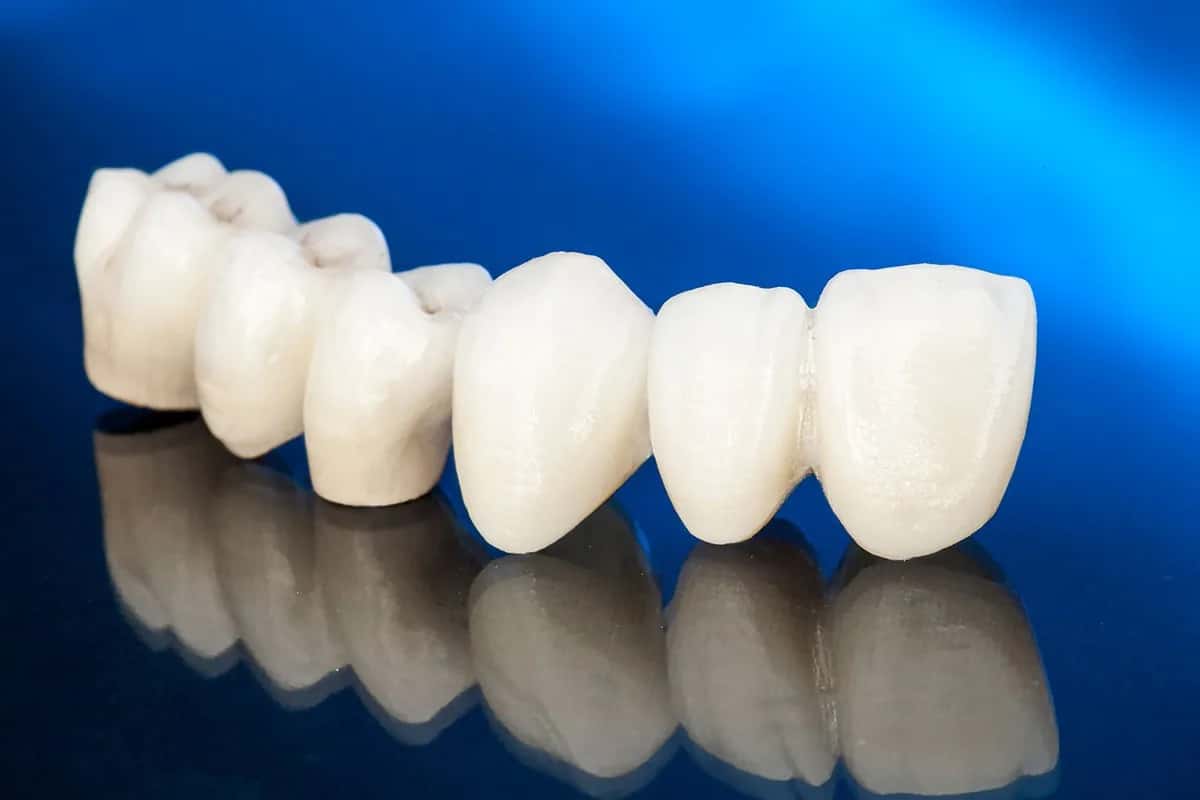
Zirconium crown costs around the world vary significantly, from approximately €180–€400 per tooth in Turkey to $1,000–$2,500 in the United States, based on published 2026 private-treatment prices.
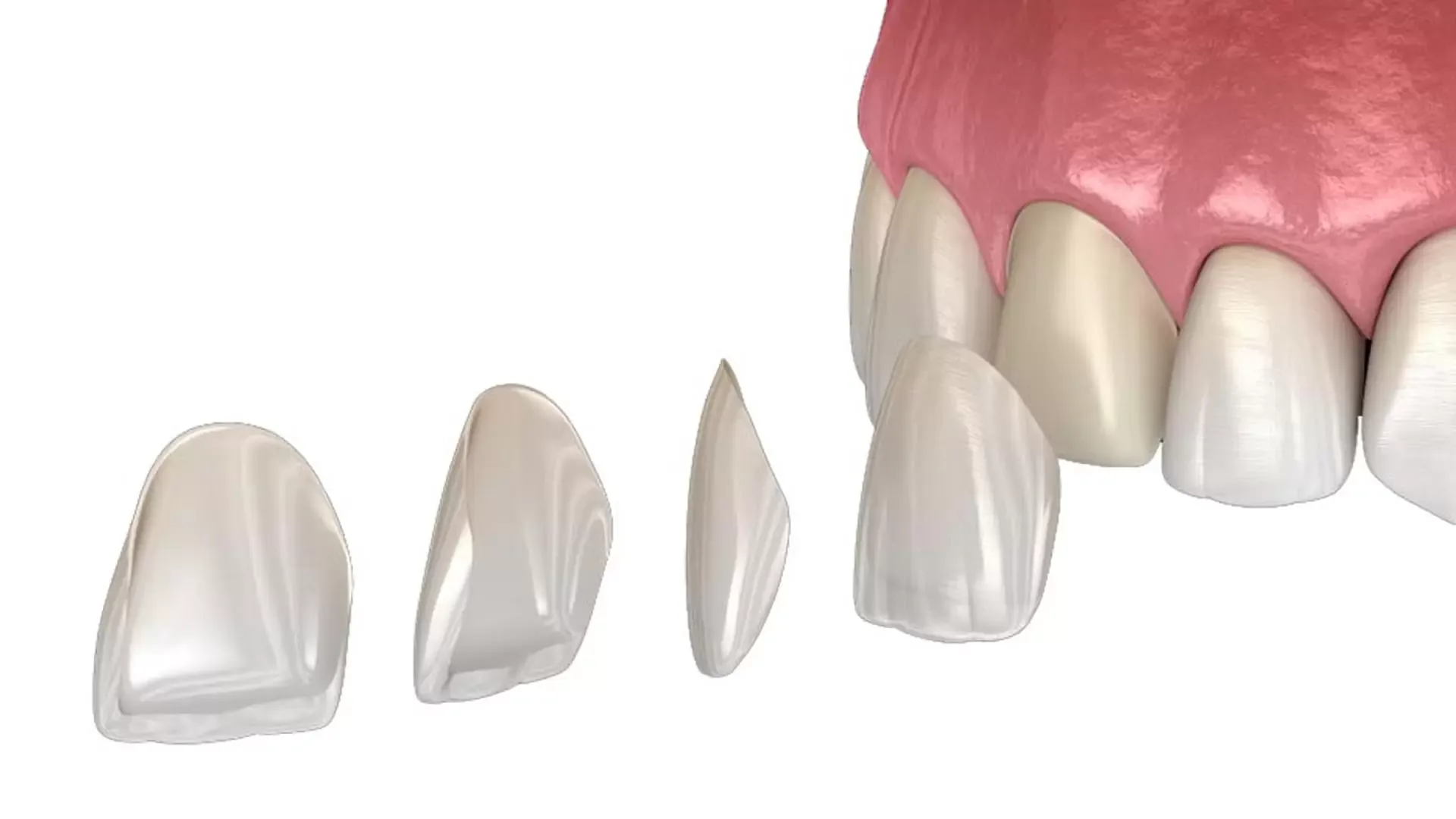
E-Max costs around the world differ significantly, with ceramic veneers and crowns available at lower published prices in countries such as Turkey, Mexico and Hungary than in the United States or United Kingdom.
Subscribe to the Medifinder newsletter and never miss our latest content.