










Dental Composite Veneers Cost
The cost of dental composite veneers typically ranges from $250 to $1,500 per tooth depending on geographic location and structural complexity.

- Last updated
- 160 reads
- 9 min read


The cost of dental composite veneers typically ranges from $250 to $1,500 per tooth depending on geographic location, structural complexity, and the specific resin materials utilized. In North America and the United Kingdom, the average price falls between $400 and $1,500 per tooth. Conversely, recognized health tourism destinations often provide the exact same procedure for $150 to $300 per tooth due to lower local operational overhead. Because this method utilizes a direct application technique (bypassing external laboratory manufacturing fees) it serves as a highly cost-effective alternative to indirect ceramic restorations.
Aesthetic oral care offers multiple pathways for individuals seeking to modify the shape, color, or alignment of their teeth. Among the available options, direct composite resin application stands out as a highly requested procedure due to its minimally invasive nature and favorable financial profile. This procedure involves applying a specialized, tooth-colored resin directly onto the natural enamel. The material is subsequently sculpted, hardened, and polished to mimic the optical properties of biological teeth.
For those evaluating options to address localized discoloration, minor chips, or irregular spacing, understanding the financial framework is an essential part of the decision-making process. The pricing for this treatment is substantially lower than that of indirect restorations, primarily because it requires fewer appointments and eliminates the need for external prosthetic fabrication. However, the final financial output is highly variable. It is influenced heavily by global economic factors, the specific grade of the resin utilized, and the overall operational standards of the care facility.
This comprehensive guide details the global pricing structures, the variables that drive these costs, the step-by-step methodology, and how this direct approach compares financially to long-term ceramic alternatives.
The Direct Application Methodology
The financial efficiency and procedural speed of this treatment stem from its direct-application workflow. Unlike indirect ceramic options that require physical impressions, temporary covers, and a waiting period for laboratory manufacturing, direct resin application is generally completed in a single visit.
- Structural Assessment and Shade Matching: The oral health professional begins by evaluating the anatomical structure of the mouth. A composite resin shade is carefully selected to match the translucency and color gradient of the adjacent natural teeth.
- Surface Preparation: To ensure proper mechanical retention, the surface enamel is mildly conditioned using a safe acidic etching gel. This process creates a microscopically porous surface without the need to aggressively reduce the natural tooth structure.
- Adhesive Application: A specialized liquid bonding agent is applied to the conditioned enamel. This acts as a microscopic adhesive layer, securely fusing the biological tooth structure with the synthetic resin material.
- Resin Placement and Sculpting: The composite material, which initially possesses a putty-like consistency, is applied in incremental layers. The practitioner meticulously shapes and contours the resin to replicate natural dental morphology, ensuring proper alignment with the lips and facial symmetry.
- Polymerization: A high-intensity curing light is directed at the sculpted resin. This specific wavelength of light initiates a rapid polymerization reaction, hardening the material securely in a matter of seconds.
- Refinement and Final Polishing: Once hardened, the material is refined to ensure proper bite alignment. It is then highly polished using specialized discs and pastes to emulate the natural light-reflecting properties of biological enamel.
Average Costs: A Global Regional Breakdown
Geographic location remains the most significant variable influencing the cost of oral aesthetic procedures. The wide discrepancy in pricing across different borders does not generally reflect a difference in the quality of the raw materials. Premium composite resin brands are distributed globally. Instead, pricing variations are driven by regional disparities in overhead costs, commercial real estate markets, labor rates, and local operational expenses.
Below is a comparative breakdown of average costs per tooth across various global regions:
| Geographic Region | Average Cost Per Tooth (Local Currency) | Estimated USD Equivalent |
|---|---|---|
| United States | $400 – $1,500 | $400 – $1,500 |
| United Kingdom | £250 – £800 | $315 – $1,000 |
| Western Europe | €300 – €900 | $325 – $980 |
| Turkey (Istanbul) | $150 – $300 | $150 – $300 |
Financial Insight: Facilities operating in established health tourism destinations benefit from a highly regulated environment coupled with lower domestic operational costs. These centers frequently utilize the exact same CE-marked materials found in North America, yet the overall cost to the individual remains substantially lower.
Key Variables Influencing the Final Price
While regional averages provide a helpful baseline, the specific financial estimate an individual receives depends on localized factors assessed during a physical evaluation.
Complexity of the Aesthetic Modification
The time, technical skill, and volume of material required directly dictate the final price. A minor application to close a small diastema (gap) requires less resin and fewer technical layers than masking a severely discolored tooth or repairing a large structural fracture. Complex cases often demand the practitioner to apply multiple varying opacities and tints to recreate the intricate translucency of a natural incisal edge.
Number of Units Required
Most oral care centers calculate pricing on a per-tooth basis. When an individual seeks a comprehensive smile transformation involving six, eight, or ten anterior teeth, the cumulative cost increases linearly. However, some facilities may offer an adjusted package rate for multiple concurrent units, as the preparation and finishing phases can be consolidated into a single extended appointment.
Material Quality and Technological Integration
Composite resins have advanced significantly, with modern iterations incorporating nano-fillers for enhanced physical strength and superior polish retention. The use of premium, highly aesthetic materials inherently increases the base cost. Furthermore, facilities that utilize digital design software to digitally map the outcome before the physical procedure may incorporate a diagnostic planning fee into the final financial breakdown.
Comparing Direct Resin to Indirect Porcelain
When assessing the cost of structural aesthetic improvements, individuals frequently compare direct resin applications with indirect porcelain options. Each approach addresses different structural needs and carries a distinct financial profile.
| Treatment Feature | Composite Resin (Direct) | Porcelain (Indirect) |
|---|---|---|
| Initial Financial Outlay | Lower ($250 - $1,500 per unit) | Higher ($1,000 - $3,000+ per unit) |
| Enamel Preparation | Minimal to no biological reduction required | Requires minor to moderate irreversible enamel reduction |
| Procedural Timeline | Completed in a single visit | Requires multiple visits and laboratory fabrication |
| Average Lifespan | 5 to 8 years | 10 to 15+ years |
| Stain Resistance | Moderate (porous structure absorbs pigments) | High (glass-like surface repels stains) |
While direct resin applications are highly cost-effective in the short term, they possess a shorter functional lifespan compared to ceramic options. The composite material is slightly porous and will eventually absorb dietary pigments from coffee, tea, or berries. For individuals prioritizing a highly conservative, reversible improvement, resin is an optimal choice. For those seeking maximum long-term structural durability and permanent color stability, porcelain—despite the higher initial financial output—may represent a more predictable long-term investment.
Maintenance and Long-Term Financial Considerations
The true financial impact of any restorative procedure includes the long-term maintenance required to preserve its biomechanical function and visual appearance. While modern composite materials are durable, they do not possess the same density or hardness as natural biological enamel or laboratory-fired ceramics.
Anticipated Replacement Cycles
Individuals should anticipate the need to structurally refresh or entirely replace the material every five to eight years. This timeline depends heavily on daily hygiene routines and oral habits. When calculating the lifetime cost of this aesthetic choice, it is necessary to factor in these predictable replacement cycles.
Preventive Care to Protect the Investment
To maximize the lifespan of the resin and delay replacement costs, specific preventive measures are highly recommended. Limiting the consumption of highly pigmented foods and beverages is critical to preventing premature discoloration. Furthermore, the material is susceptible to chipping under severe mechanical stress. Individuals must avoid using treated teeth to bite nails, open packaging, or chew on hard objects.
In addition to mechanical stress, frequent exposure to highly acidic environments can degrade the surface polish of the resin over time. Individuals are advised to moderate their intake of citrus juices, carbonated beverages, and certain acidic dietary supplements. When such beverages are consumed, using a straw can minimize direct contact with the treated anterior teeth, preserving the surface integrity and reducing the risk of premature degradation.
For individuals diagnosed with nocturnal bruxism (involuntary teeth grinding), the care team will strongly advise the fabrication of a custom-fitted occlusal guard. While this protective device requires an additional upfront financial commitment, it prevents severe mechanical forces from fracturing the resin, ultimately saving the individual from costly premature repairs.
Evaluating International Care Facilities
For individuals traveling internationally to access more favorable pricing structures, thoroughly evaluating the prospective care center is a vital step. A lower price point should never correspond with a reduction in hygiene protocols, material safety, or operational transparency.
- Verify Material Authenticity: Reputable facilities maintain transparency regarding the brands of composite resins and bonding agents they utilize. They should readily provide documentation verifying that all materials meet international safety and regulatory standards.
- Assess Communication Protocols: A high-quality provider will employ dedicated, multilingual support staff to ensure clear communication regarding treatment planning, itemized pricing breakdowns, and post-procedure care instructions.
- Evaluate the Diagnostic Environment: The facility should maintain a modern operational environment, utilizing high-resolution digital photography to document existing conditions and to plan the desired outcome precisely.
By carefully analyzing these operational and financial variables, individuals can make highly informed decisions that align with both their long-term structural health and their aesthetic goals.
Frequently Asked Questions
Is the direct resin application process painful?
The procedure is generally non-invasive and painless. Because it typically requires little to no removal of the sensitive inner tooth structure, local anesthesia is rarely necessary unless the resin is being used to fill a deep cavity.
Can composite resin whiten deeply discolored teeth?
While resin can mask mild to moderate discoloration, heavily stained teeth may require an underlying blocking layer. In severe cases, the practitioner may recommend a course of professional whitening prior to the procedure to ensure the final resin matches a brighter, more uniform baseline color.
Is the direct resin application reversible?
Because the procedure generally requires minimal to no removal of the biological enamel, it is largely considered a reversible treatment. If an individual decides to return to their natural smile or upgrade to a different restorative option in the future, the resin can be carefully polished away by a professional without compromising the underlying structural integrity of the tooth.
Can the material be whitened if it becomes stained?
Unlike natural enamel, synthetic composite resins do not respond to traditional bleaching agents. If the material becomes superficially stained over time, it cannot be whitened with gels. However, an oral health professional can often perform a specialized polishing procedure to remove surface-level discoloration, restoring the original luster without requiring complete replacement.
Does dental insurance cover the cost of this procedure?
If the resin is applied strictly for aesthetic reasons, such as closing a gap or changing tooth shape, insurance providers typically categorize it as an elective cosmetic procedure and do not offer coverage. However, if the material is used to repair a structurally compromised tooth resulting from decay or physical trauma, partial coverage may apply.
How long does the actual appointment take?
The duration of the appointment depends on the number of units being treated. A single tooth can usually be completed in 30 to 60 minutes. Cases involving multiple teeth will require several hours in the chair, though they are still generally completed within a single day.
- Last updated
- Language
- English
How did you find this article?
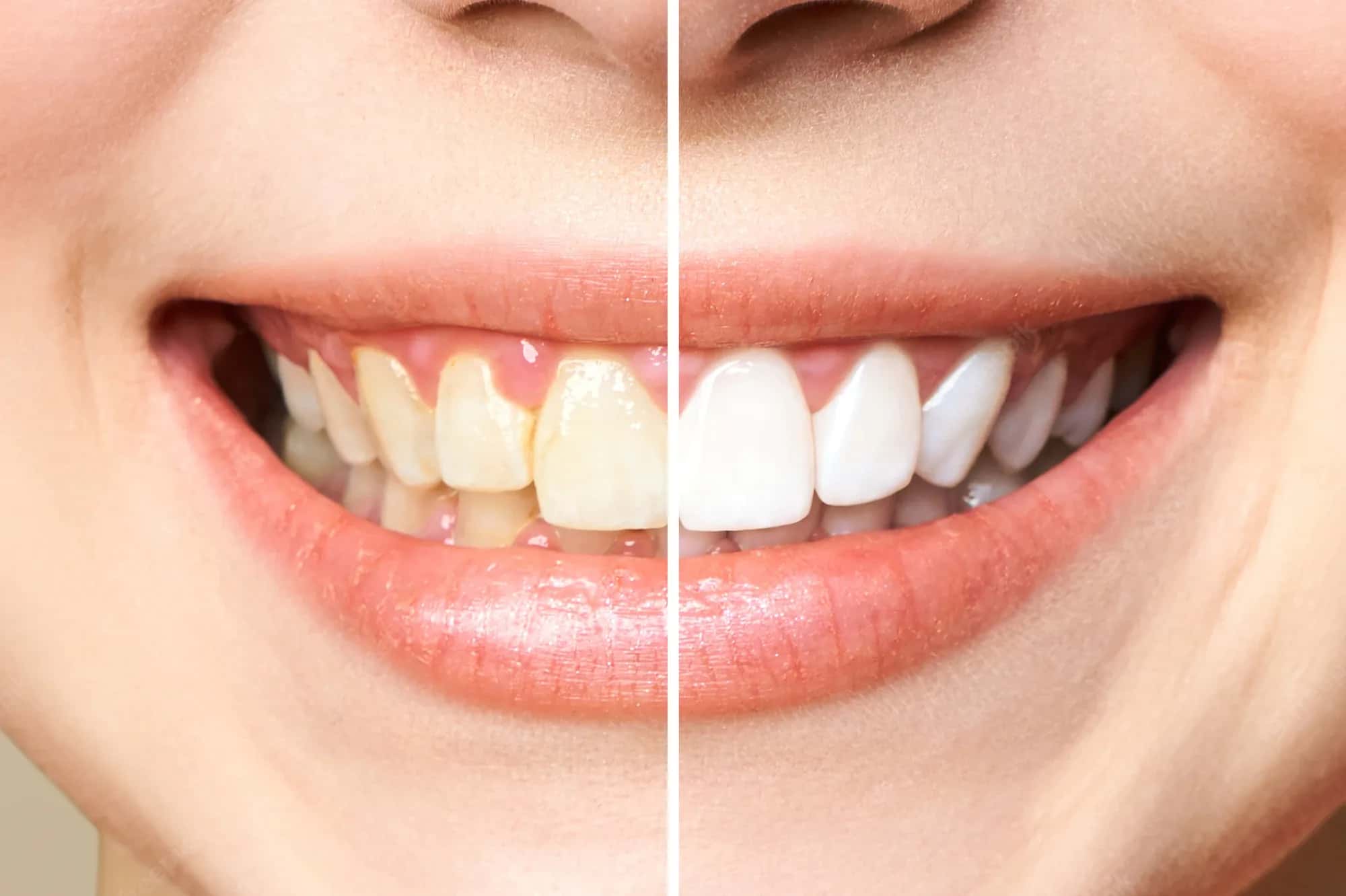
Teeth whitening costs around the world vary substantially, with professional treatment generally costing less in countries such as Turkey, Mexico and India than in the United States or United Kingdom.
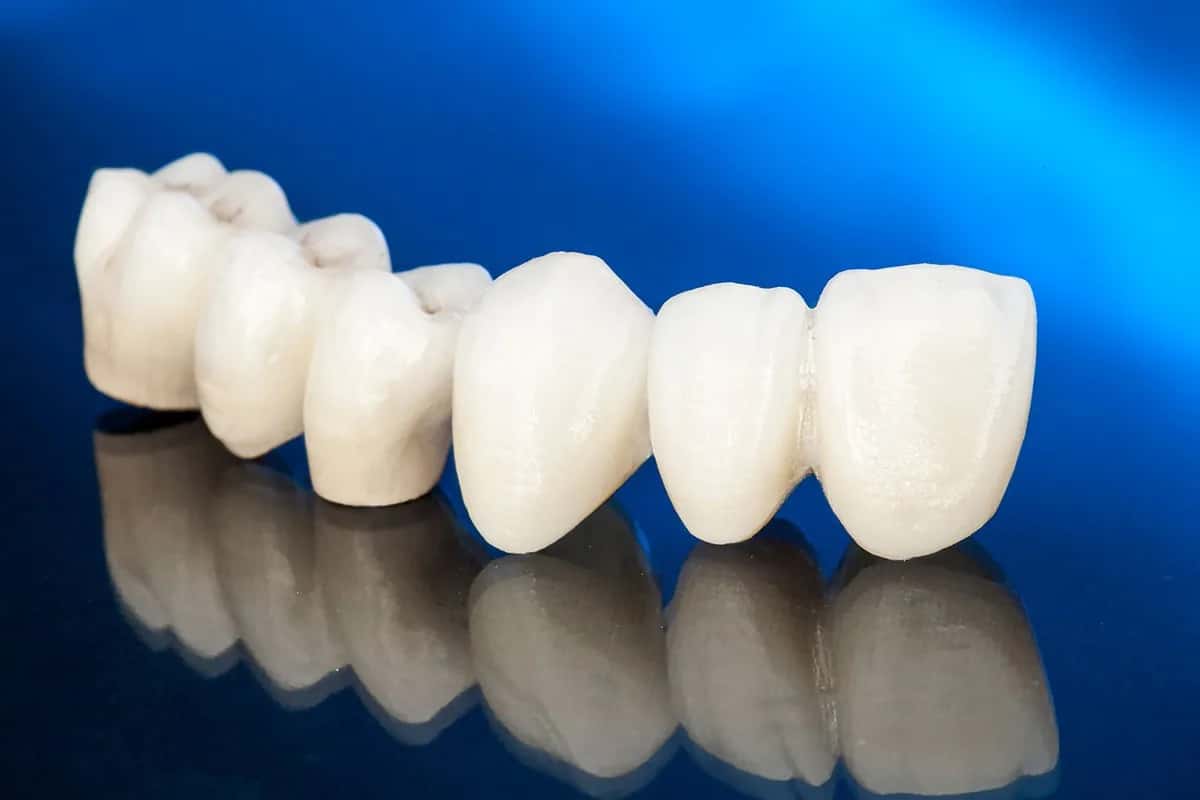
Zirconium crown costs around the world vary significantly, from approximately €180–€400 per tooth in Turkey to $1,000–$2,500 in the United States, based on published 2026 private-treatment prices.
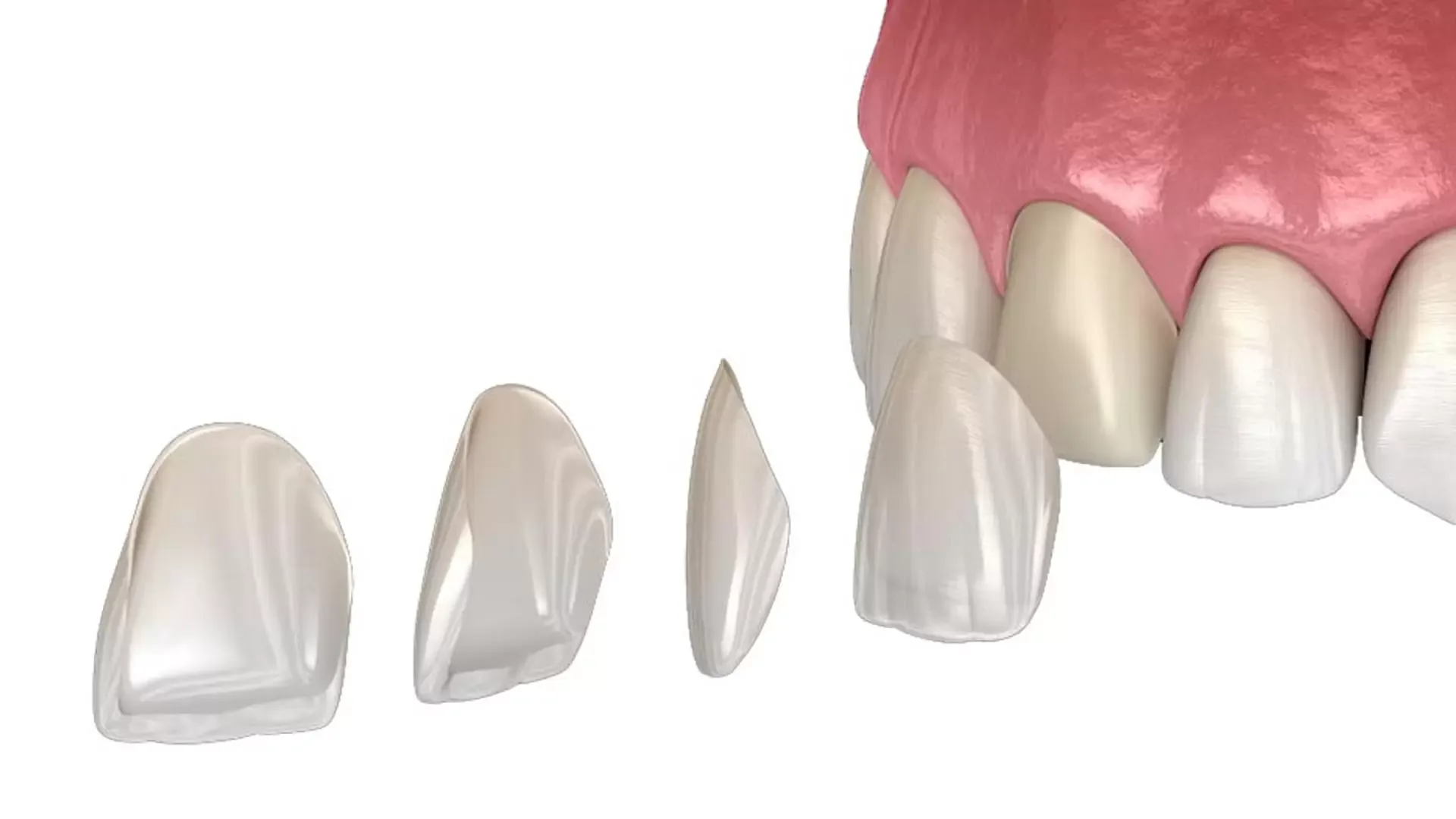
E-Max costs around the world differ significantly, with ceramic veneers and crowns available at lower published prices in countries such as Turkey, Mexico and Hungary than in the United States or United Kingdom.
Subscribe to the Medifinder newsletter and never miss our latest content.