









DentalAI Summary
Dental Implant Recovery Timeline
 Medifinder
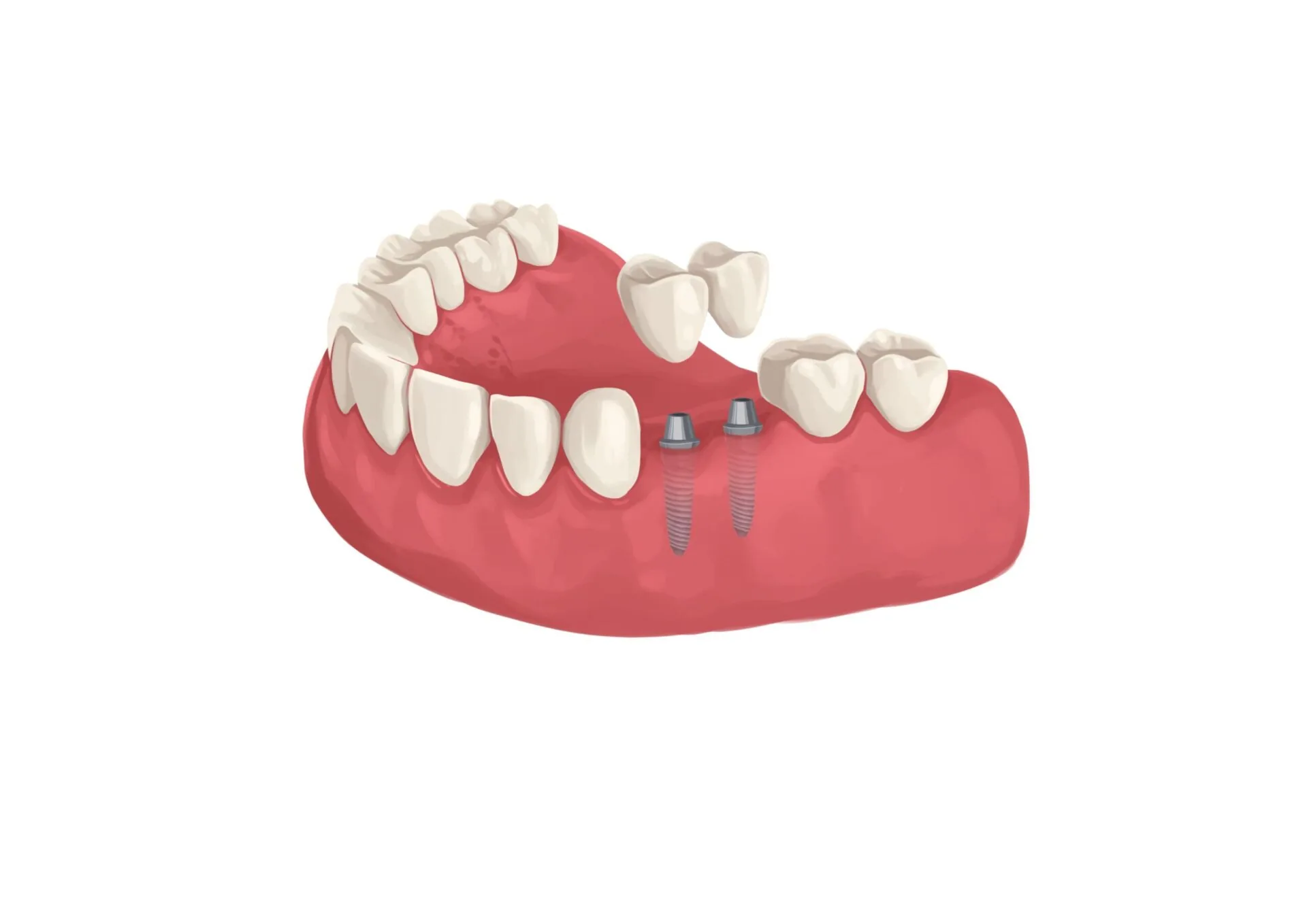
The dental implant recovery timeline begins with healing of the gums and surgical site, followed by the gradual integration of the implant with the jawbone.
View post585 articles
MedifinderThe dental implant recovery timeline begins with healing of the gums and surgical site, followed by the gradual integration of the implant with the jawbone.
View post Hicran Ercan Diker
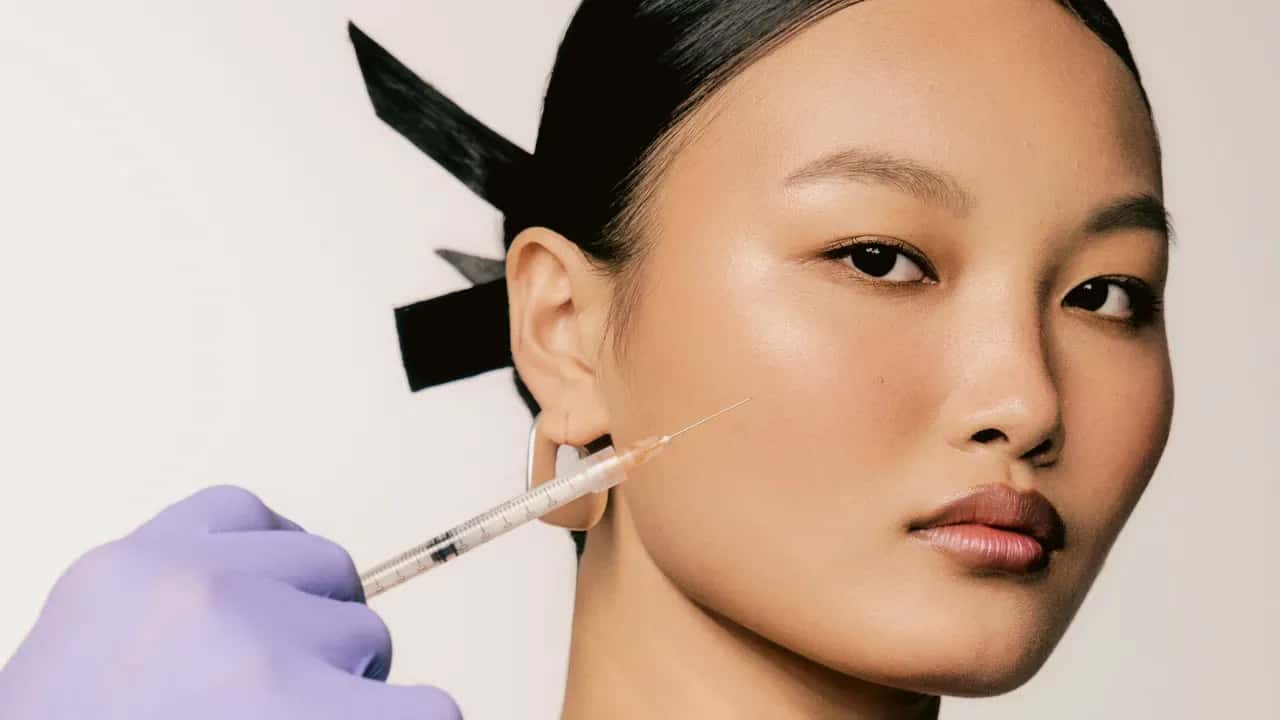
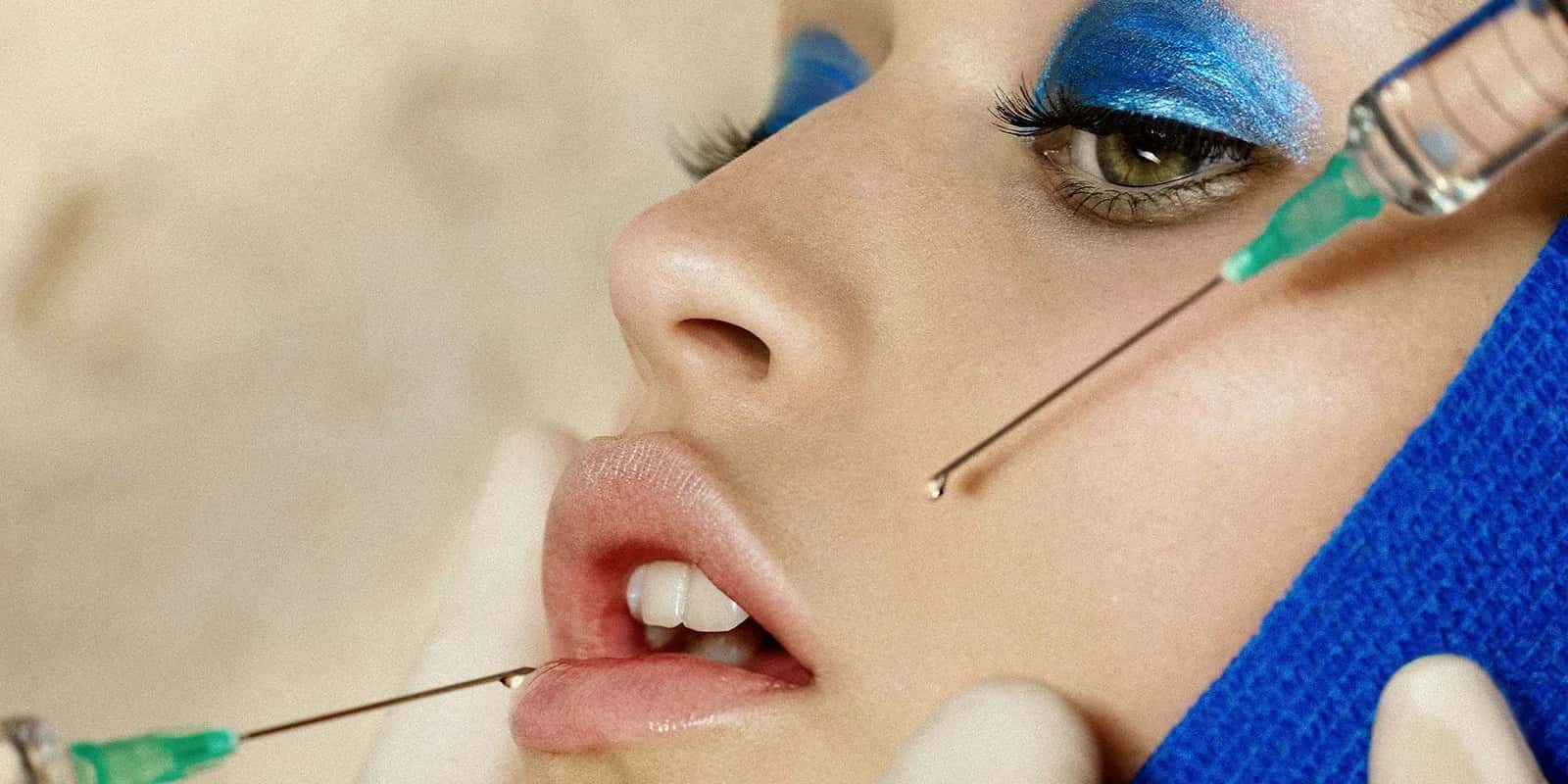
Filler fatigue describes the point where repeated dermal filler treatments leave a face looking heavier, puffier or less like itself, and it is pushing many people to rethink how they approach injectables. This guide explains what causes it, how to recognize an overfilled face.
View postHicran Ercan DikerOverfilled faces develop when injectable treatments add more volume than the facial anatomy can accommodate naturally, altering contours, proportions and sometimes facial expression.
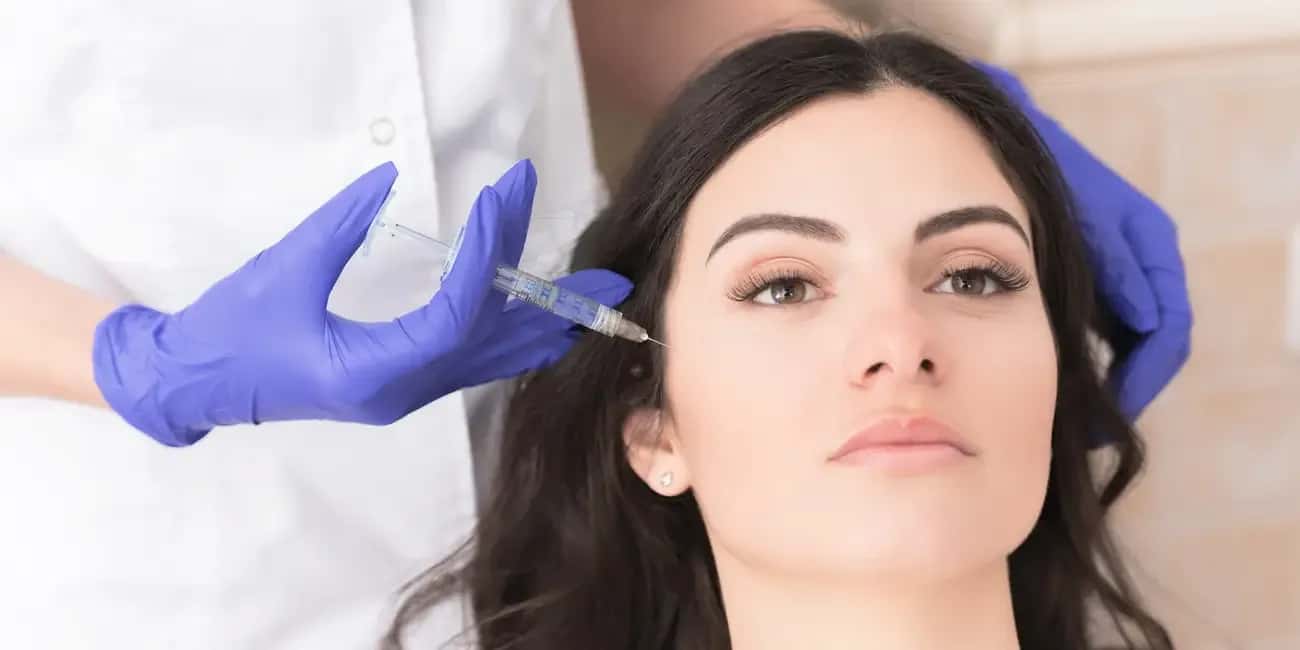
View postHicran Ercan DikerCheek filler and biostimulators are injectable treatments that address facial volume loss, changing contours and selected signs of midface aging through different mechanisms.
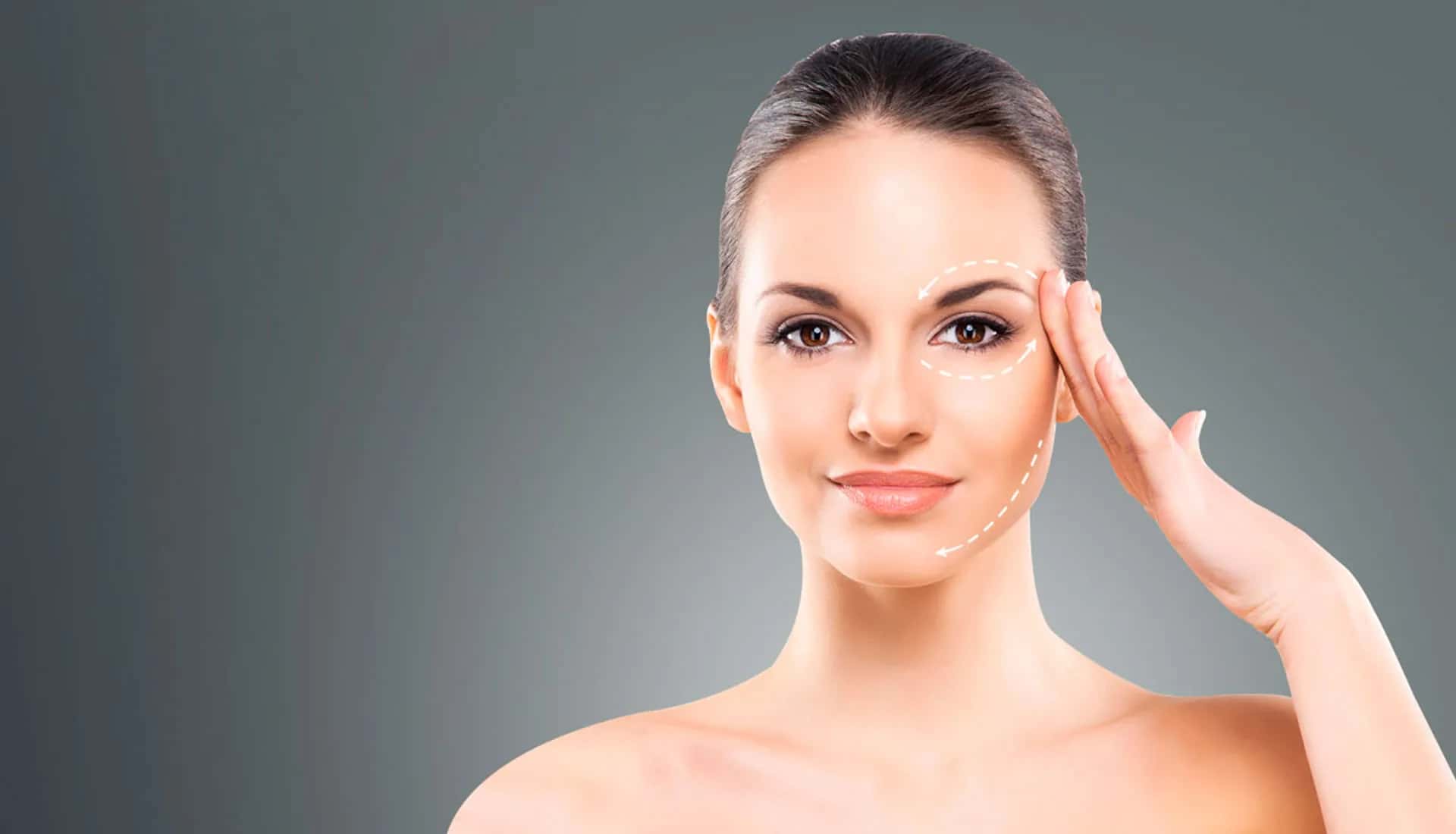
View postHicran Ercan DikerFacial balancing uses dermal fillers to adjust how features such as the chin, jawline, lips, nose and cheeks relate to one another, so the face reads as a whole rather than as a set of separately treated areas. This guide explains how the approach works, what a treatment plan usually involves.
View postSubscribe to the Medifinder newsletter and never miss our latest content.
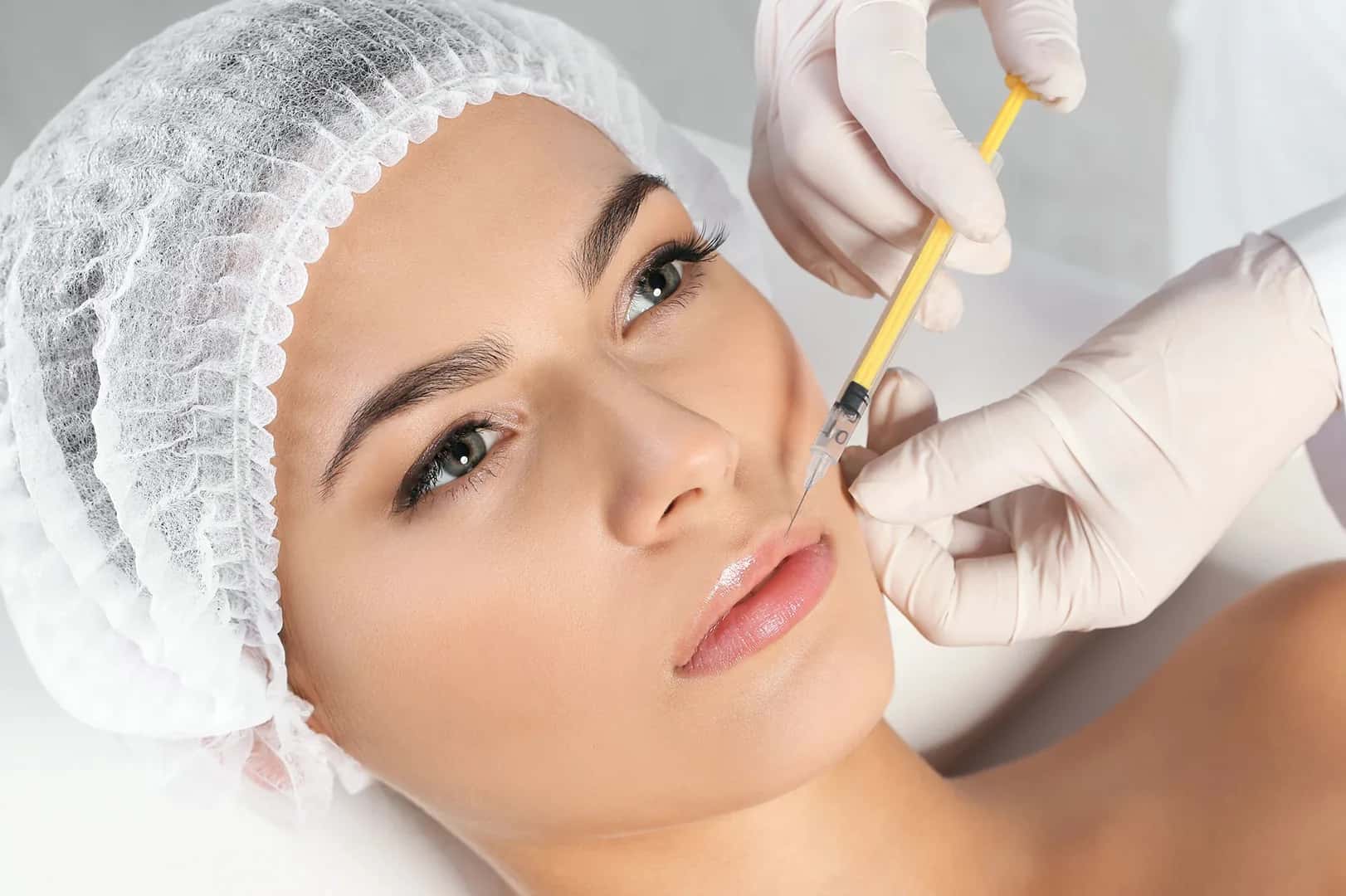
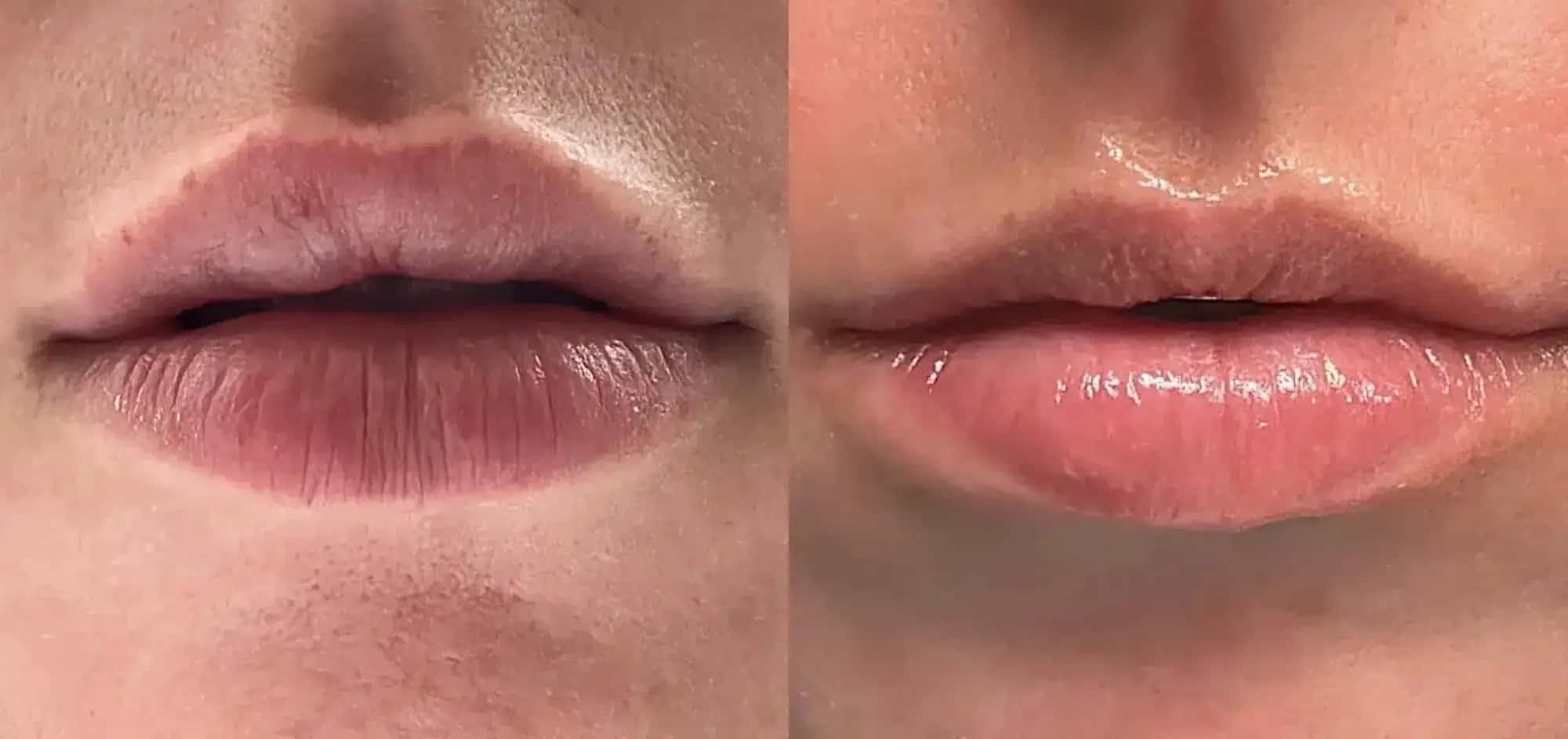
Hicran Ercan DikerAfter dissolving lip filler, the lips gradually lose some or all of their added hyaluronic acid volume while the surrounding tissue recovers from the injections.
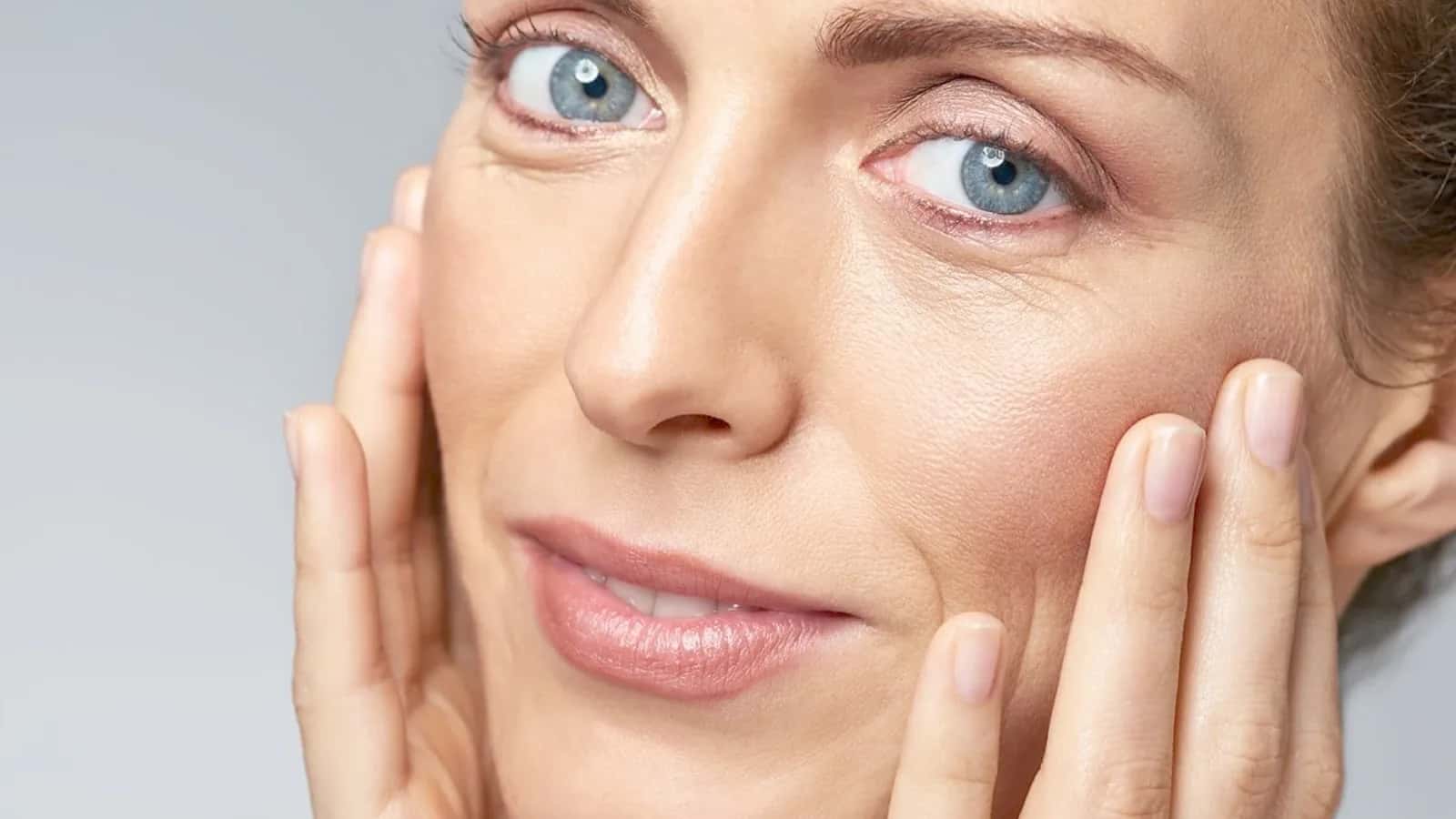
View postHicran Ercan DikerCrepey under-eye skin treatments aim to improve the fine wrinkles, thin texture and reduced elasticity that can make the lower eyelids appear delicate or prematurely aged.
View postHicran Ercan DikerInjectable moisturizers for skin quality are aesthetic treatments that deliver hydrating substances, usually hyaluronic acid, into selected skin layers to improve moisture retention, smoothness and radiance.
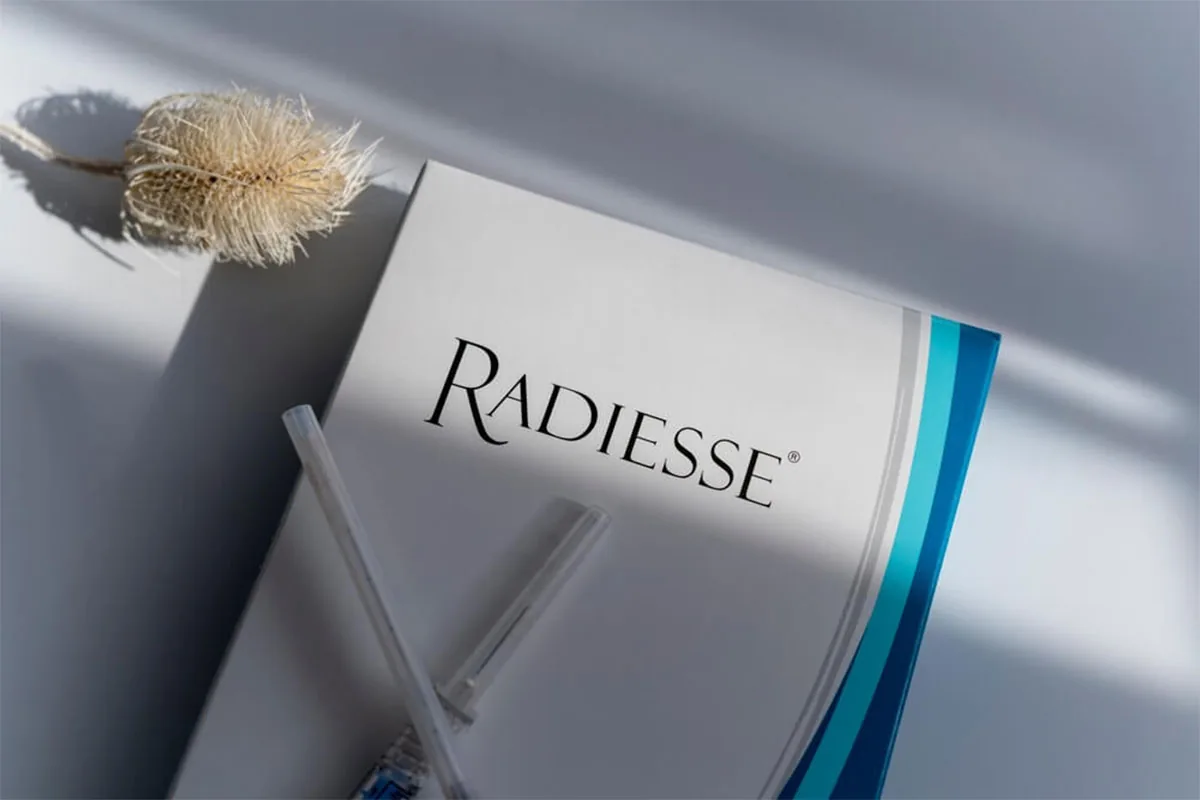
View postHicran Ercan DikerRadiesse for skin tightening is an injectable treatment that uses calcium hydroxylapatite to encourage collagen formation and improve selected signs of skin laxity, fine wrinkling and reduced tissue firmness.
View post