










Dental Implant Recovery Timeline
The dental implant recovery timeline begins with healing of the gums and surgical site, followed by the gradual integration of the implant with the jawbone.

- Last updated
- 22 reads
- 13 min read
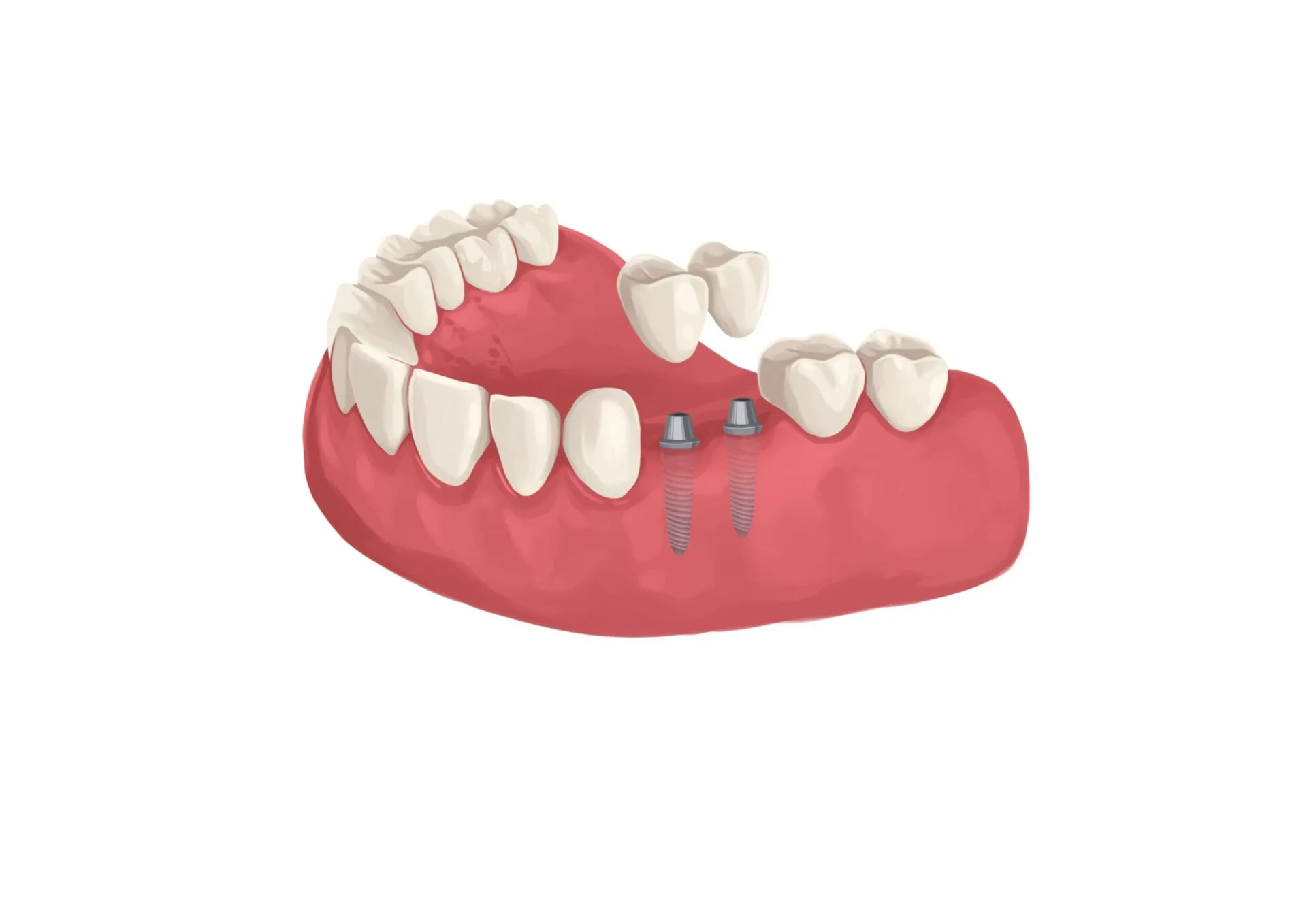


What Is the Dental Implant Recovery Timeline?
Dental implant recovery refers to the period between placing an artificial tooth root in the jawbone and achieving sufficient healing to support a functional replacement tooth.
The process is not completed when the gum incision closes. Although the mouth may feel comfortable after several days, the surrounding bone still needs time to establish a stable connection with the implant surface.
For many patients, early soft tissue recovery takes approximately one to two weeks, while bone integration commonly takes several months. Some treatment plans involve additional procedures that extend the overall schedule.
Understanding these separate stages prevents early comfort from being mistaken for complete healing.
What Happens During Dental Implant Healing?
Dental implant healing involves the recovery of both soft tissue and bone, followed by the placement or completion of the artificial tooth.
Initially, the body forms a blood clot and begins repairing the surgical wound. Inflammation gradually decreases as gum tissue closes around the implant or its healing component.
Beneath the gums, bone cells begin responding to the implant surface. Over time, new bone develops in close contact with the material, creating the biological foundation needed for stability.
The final stage involves restoring chewing function through a crown, bridge or implant-supported denture.
These processes overlap, but they do not progress at the same speed.
What Should You Expect Immediately After Implant Surgery?
Immediately after dental implant placement, the treated area may remain numb because of local anesthesia. Some pressure, slight bleeding or discomfort can become noticeable as the anesthetic wears off.
A small amount of blood mixed with saliva is common during early recovery. More substantial bleeding generally requires gentle pressure using appropriate gauze or another clean material recommended after surgery.
The gums may feel tender, particularly when the procedure also involved tooth extraction or tissue preparation.
If sedation was used, alertness and coordination may take additional time to recover, making assistance with transportation important.
The first day should focus on rest and protecting the surgical wound.
What Happens During the First 24 Hours?
The first 24 hours are important because the surgical site begins forming the clot and tissue structures needed for healing.
Vigorous rinsing, forceful spitting and drinking through a straw can disturb the wound and should generally be avoided during this early period. Smoking and direct pressure on the implant site can also interfere with recovery.
Cool or lukewarm soft foods are preferable while the mouth remains sensitive. Eating should begin only after sufficient sensation returns to avoid accidentally biting the lips or cheeks.
A wrapped cold compress applied intermittently to the outside of the face may help manage swelling. Any prescribed medication should be taken according to its instructions.
What Is Normal During the First 72 Hours?
Swelling often becomes more noticeable during the first two or three days after implant surgery, rather than reaching its maximum immediately.
The cheek or jaw may feel fuller, and mild bruising can develop around the treated area. Tenderness during speaking or chewing is also possible, particularly after a more extensive procedure.
These symptoms should generally begin improving after the early inflammatory period.
Pain that becomes progressively stronger, rather than gradually settling, requires attention. Likewise, significant bleeding or rapidly expanding swelling should not be regarded as an ordinary part of the recovery timeline.
Rest and careful wound protection remain important during this stage.
How Does Recovery Progress During the First Week?
During the first week, the surface tissues usually begin looking noticeably healthier. Swelling decreases, chewing becomes more comfortable and the need for pain medication often diminishes.
Small amounts of bruising or tenderness may remain, particularly after multiple implants or additional surgical procedures.
Soft foods continue to reduce pressure on the healing region, while careful oral hygiene helps control bacterial buildup.
However, improvement should be gradual. Increasing redness, discharge or pain after an initial period of recovery may indicate a developing complication.
Even when the gums appear nearly healed, the implant should not be subjected to chewing forces beyond its prescribed loading restrictions.
What Happens During Days 7 to 14?
By the end of the second week, many patients experience substantial improvement in gum comfort and appearance.
The surgical incision may have closed, and most early swelling will usually have subsided. If non-dissolving stitches were used, they may be removed or reviewed during this period. Dissolvable sutures can follow a different schedule.
Minor sensitivity around the gum margin may still occur, particularly when the area is touched or cleaned.
A follow-up examination can assess tissue closure and identify early concerns, but a healthy-looking gum does not prove that the implant has fused with the jawbone.
Bone integration continues beneath the healed surface.
What Changes During Weeks 3 to 6?
During weeks three to six, everyday oral activities often become easier because the superficial surgical wound has largely recovered.
The implant site may no longer feel noticeably different from the surrounding gums. Nevertheless, the bone continues remodeling around the implant, and this process cannot be assessed by comfort alone.
A temporary tooth, when present, may need adjustments to prevent excessive pressure on the healing implant.
Patients should also continue avoiding habits that could overload the region, including chewing unusually hard foods directly against an unhealed implant.
The absence of pain is encouraging, but it does not independently establish readiness for the final crown.
What Is Osseointegration?
Osseointegration is the biological process through which bone develops a stable connection with the surface of a dental implant.
After surgical placement, the implant initially gains support from the surrounding bone through mechanical contact. This is known as primary stability.
As healing progresses, bone remodeling establishes biological support around the implant, contributing to secondary stability.
Both processes matter because an implant must withstand the forces created during chewing.
Osseointegration is not visible simply by looking at the gums. Clinical assessment, implant stability measurements and imaging when indicated help determine whether the implant has developed adequate support.
How Long Does a Dental Implant Take to Fuse With Bone?
Dental implant osseointegration commonly requires approximately three to six months, although some treatment plans have shorter schedules and others take nine months or longer.
The timeline reflects the biological recovery of the surrounding jawbone rather than the disappearance of postoperative discomfort.
Implant location, available bone, primary stability, general health and additional surgical procedures can influence how healing progresses.
For a fuller explanation of the procedure and its components, the guide to dental implants and how they integrate with the jawbone provides additional background.
Importantly, reaching a particular number of weeks does not automatically establish that an implant is ready for full chewing pressure.
When Can the Permanent Crown Be Placed?
The permanent crown is generally placed after the implant has achieved sufficient stability to support the intended restoration.
With a conventional treatment schedule, this often occurs several months after surgery. The implant is assessed before impressions or digital scans are used to prepare the replacement tooth.
An abutment may be attached to connect the implant with the final crown. In some procedures, exposing the implant and fitting a healing component involves another minor surgical step.
The final restoration must also provide an appropriate bite and contact with neighboring teeth.
Placing a crown too early can expose an insufficiently integrated implant to forces that compromise healing.
Can a Temporary Tooth Be Attached Immediately?
Some dental implants can support a temporary restoration on the day of placement, but immediate restoration is not appropriate for every situation.
This approach depends on adequate primary stability, suitable bone support and a restoration designed to control chewing forces.
A temporary tooth may preserve appearance while the bone heals, particularly when a missing front tooth would otherwise leave a visible gap.
However, receiving a tooth immediately does not mean osseointegration has already occurred.
The temporary restoration may need to avoid direct biting pressure during recovery.
The distinction between immediate tooth placement and complete biological healing is essential when evaluating same-day implant treatments.
Does Bone Grafting Extend the Recovery Timeline?
Bone grafting may extend dental implant treatment when the jawbone lacks sufficient volume or support for implant placement.
A graft provides material that supports new bone development. In some situations, grafting and implant insertion can occur during the same procedure. In others, the graft must heal before implant surgery can begin.
This separate healing period may add several months to the overall treatment.
Sinus lift procedures in the upper jaw can introduce similar timing considerations because the augmented bone needs to mature adequately.
Grafting does not necessarily mean that implant treatment is unsuccessful or unusually difficult. Its purpose is to establish suitable support for the implant.
How Long Should Pain and Swelling Last?
Mild to moderate discomfort is common after implant surgery, particularly during the first few days.
Swelling frequently reaches its highest level around the second or third day, then begins decreasing. Bruising can remain visible somewhat longer, even when tenderness has improved.
Pain should generally become easier to manage rather than intensify with each passing day.
The extent of surgery matters: placing a single implant without additional procedures usually produces a different recovery experience from placing several implants alongside extractions or grafting.
Persistent throbbing, renewed swelling or increasing pain after initial improvement deserves assessment for infection or another postoperative problem.
Which Symptoms Are Normal During Dental Implant Recovery?
Several temporary changes can occur as the gums and surrounding tissues recover from implant placement.
-
Mild soreness: Tenderness around the surgical site is common during early healing and should gradually decrease as inflammation settles.
-
Temporary swelling: Puffiness around the gums, cheek or jaw may increase during the first two or three days before beginning to improve.
-
Minor bleeding or bruising: Light blood staining during the early postoperative period and mild facial bruising can occur without indicating implant failure.
-
Gum sensitivity: The tissue around an incision or healing abutment may remain sensitive while the wound closes and the gum contour develops.
What Can You Eat After Dental Implant Surgery?
Soft foods protect the surgical site from unnecessary chewing pressure during the initial recovery period.
Suitable early choices may include scrambled eggs, mashed vegetables, oatmeal, soft pasta and lukewarm soups. Foods should provide adequate nutrition without requiring forceful chewing.
Very hot foods can be uncomfortable while the mouth is numb or sensitive. Hard crusts, nuts, brittle snacks and sticky foods may place unwanted pressure on the healing area.
Eating on the opposite side can help protect a single implant site when feasible.
As the gums recover, food texture can gradually return toward normal, but an implant supporting a temporary restoration may have specific chewing restrictions until bone integration is confirmed.
How Should You Clean Your Mouth During Recovery?
Good oral hygiene remains important after implant surgery, but cleaning must protect the newly treated tissues.
During the first day, vigorous rinsing and direct brushing of the surgical wound are generally avoided. Other teeth can often be cleaned carefully without disturbing the site.
After the initial period, gentle rinsing with salt water or a prescribed antimicrobial solution may be recommended. Strong swishing should be avoided when the tissue remains delicate.
A soft toothbrush can gradually return to the area as healing permits.
Cleaning should become more thorough as the gums recover because plaque accumulation contributes to inflammation around implants.
Any special instructions for a healing abutment or temporary prosthesis should guide daily care.
When Can You Return to Work, Exercise and Travel?
Many patients can resume quiet daily activities within one or two days after uncomplicated implant placement, provided they feel comfortable and did not experience lingering sedation effects.
Work involving heavy lifting or strenuous physical activity may require more recovery time because exertion can increase throbbing, bleeding and swelling.
Intense exercise is commonly restricted during the first 48 to 72 hours or longer after extensive surgery.
Travel plans should account for early follow-up appointments and access to dental care if complications develop.
Flying does not automatically prevent implant healing, but recent sinus surgery, significant swelling or unresolved symptoms may require additional precautions.
How Do Smoking and Alcohol Affect Implant Healing?
Smoking is associated with delayed wound healing and an increased risk of dental implant failure.
Tobacco exposure can impair the conditions needed for tissue recovery and contribute to inflammation affecting the gums and supporting bone.
Vaping also raises oral health concerns and should not be assumed harmless during implant healing.
Alcohol may worsen postoperative bleeding or irritation and can interact with pain medication, sedatives or prescribed antibiotics.
Avoiding these exposures during the recovery period supports a healthier healing environment.
Importantly, smoking-related risks do not disappear once the stitches are removed. Long-term implant health also depends on protecting the surrounding gums and bone.
What Factors Can Delay Dental Implant Recovery?
Several factors can interfere with wound healing or the development of stable bone support around an implant.
Insufficient bone volume, active periodontal infection and excessive chewing forces may complicate recovery. Uncontrolled diabetes and other conditions affecting healing can also increase the risk of problems.
Smoking is another important factor, particularly when tissue circulation and bone integration are already under stress.
Poor plaque control may encourage inflammation, while teeth grinding can place substantial pressure on an implant or temporary restoration.
These concerns do not mean that every person with a medical condition will experience implant failure.
They highlight the importance of identifying risks, controlling treatable problems and confirming stability before full loading.
What Complications Can Occur During Healing?
Most implants heal without major complications, but several problems can interrupt recovery or affect the long-term result.
-
Postoperative infection: Bacterial infection may cause increasing pain, redness, swelling, discharge or fever and can threaten surrounding tissues.
-
Failed osseointegration: An implant may not establish sufficient bone support, resulting in mobility or an inability to withstand normal chewing forces.
-
Nerve or sinus complications: Implant placement near sensitive anatomical structures can occasionally cause altered sensation, persistent numbness or sinus-related symptoms.
-
Soft tissue or restorative problems: Gum recession, wound-healing difficulties and loose temporary components may require additional treatment even when the implant itself remains stable.
How Can You Recognize an Implant Infection?
An implant infection may become apparent when discomfort increases instead of gradually improving.
Persistent or expanding redness, gum swelling, pus, unpleasant taste and worsening tenderness are concerning signs. Fever or facial swelling can indicate a more significant infection.
However, mild postoperative redness and soreness are not sufficient to diagnose infection by themselves.
Inflammation can also develop around implants after the initial healing period. When it affects the supporting bone, it may progress to a condition involving destructive tissue changes.
The guide to peri-implantitis and its effects on dental implants explains why persistent gum inflammation should not be ignored.
Early evaluation can help distinguish ordinary wound healing from conditions requiring treatment.
What Does It Mean if a Dental Implant Feels Loose?
A dental implant should not move independently once it has developed a stable connection with the jawbone.
If the implant body itself becomes mobile during healing, insufficient integration or loss of surrounding support may be involved.
However, a loose sensation does not always mean the implanted root has failed. The crown, healing abutment or connecting screw may be moving while the implant body remains stable.
These possibilities require different corrective approaches.
Avoid chewing against the area or attempting to tighten any component at home.
A newly mobile implant or restoration should be examined promptly because continued movement may damage tissues or worsen a mechanical problem.
Which Warning Signs Require Urgent Dental Attention?
Recovery should generally show gradual improvement, so severe or worsening symptoms require timely medical assessment.
-
Uncontrolled bleeding: Heavy bleeding that does not stop after sustained, appropriate pressure needs urgent attention rather than repeated vigorous rinsing.
-
Rapidly increasing swelling or fever: Expanding facial swelling, pus, fever or difficulty opening the mouth may indicate a serious infection. Difficulty swallowing or breathing requires emergency care.
-
Persistent numbness or altered sensation: Unusual or continuing numbness of the lip, chin or tongue after the anesthetic should have worn off may indicate nerve involvement.
-
Severe pain or implant movement: Escalating pain, abnormal discoloration or noticeable movement of the implant warrants prompt examination to identify possible tissue injury or failed stability.
How Can You Support Successful Long-Term Implant Healing?
Successful dental implant recovery involves more than allowing the surgical incision to close. It requires protecting the developing connection between implant and bone, controlling plaque and ensuring that the final restoration functions without excessive pressure.
The first days focus on rest, suitable nutrition and careful wound management. During the following weeks, gum healing progresses while deeper bone remodeling continues.
Once the implant is ready for its permanent crown or other restoration, cleaning around the implant remains essential. Regular dental examinations can identify inflammation, bite problems and changes in surrounding bone support before they become more serious.
The most useful recovery timeline therefore separates early comfort, complete tissue healing and long-term implant maintenance. Protecting each stage helps create the stable foundation needed for lasting chewing function and oral health.
- Last updated
- Language
- English
How did you find this article?
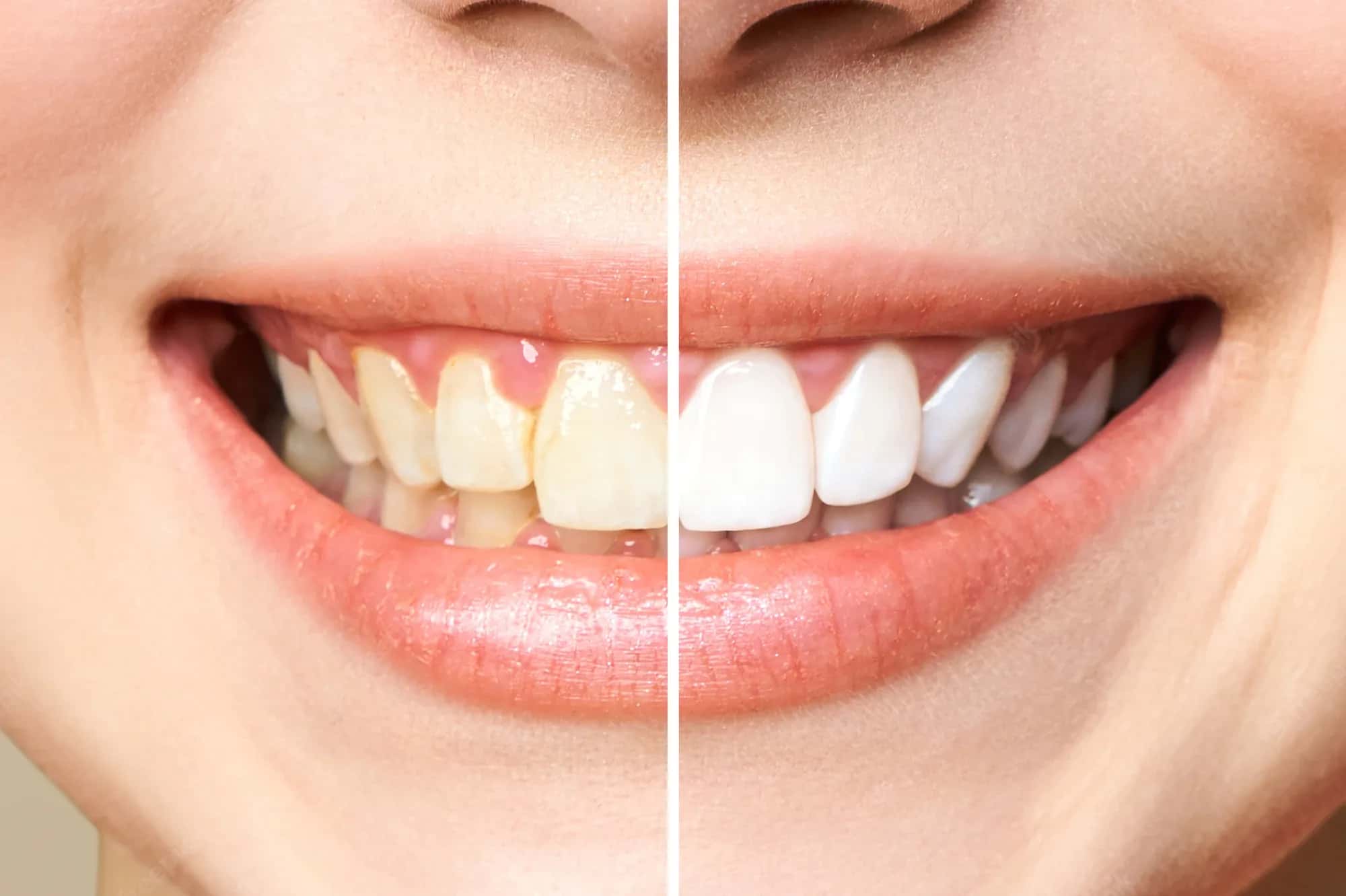
Teeth whitening costs around the world vary substantially, with professional treatment generally costing less in countries such as Turkey, Mexico and India than in the United States or United Kingdom.
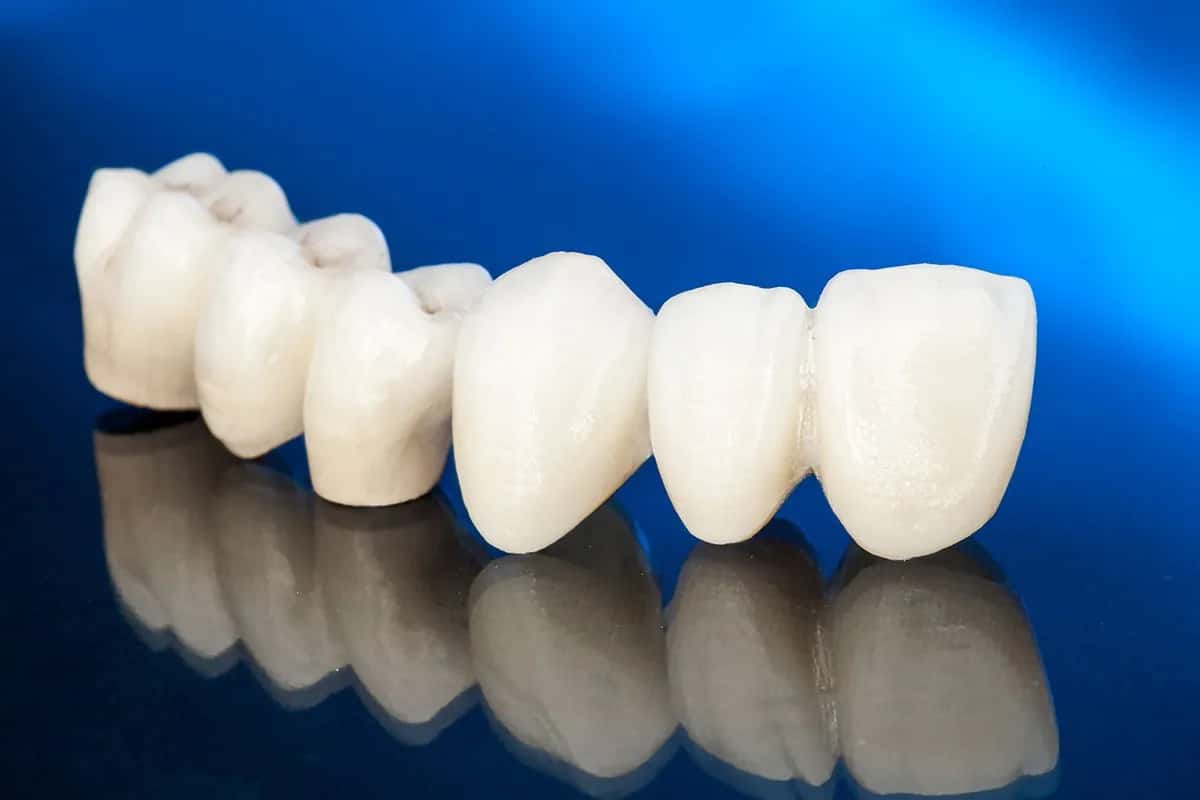
Zirconium crown costs around the world vary significantly, from approximately €180–€400 per tooth in Turkey to $1,000–$2,500 in the United States, based on published 2026 private-treatment prices.
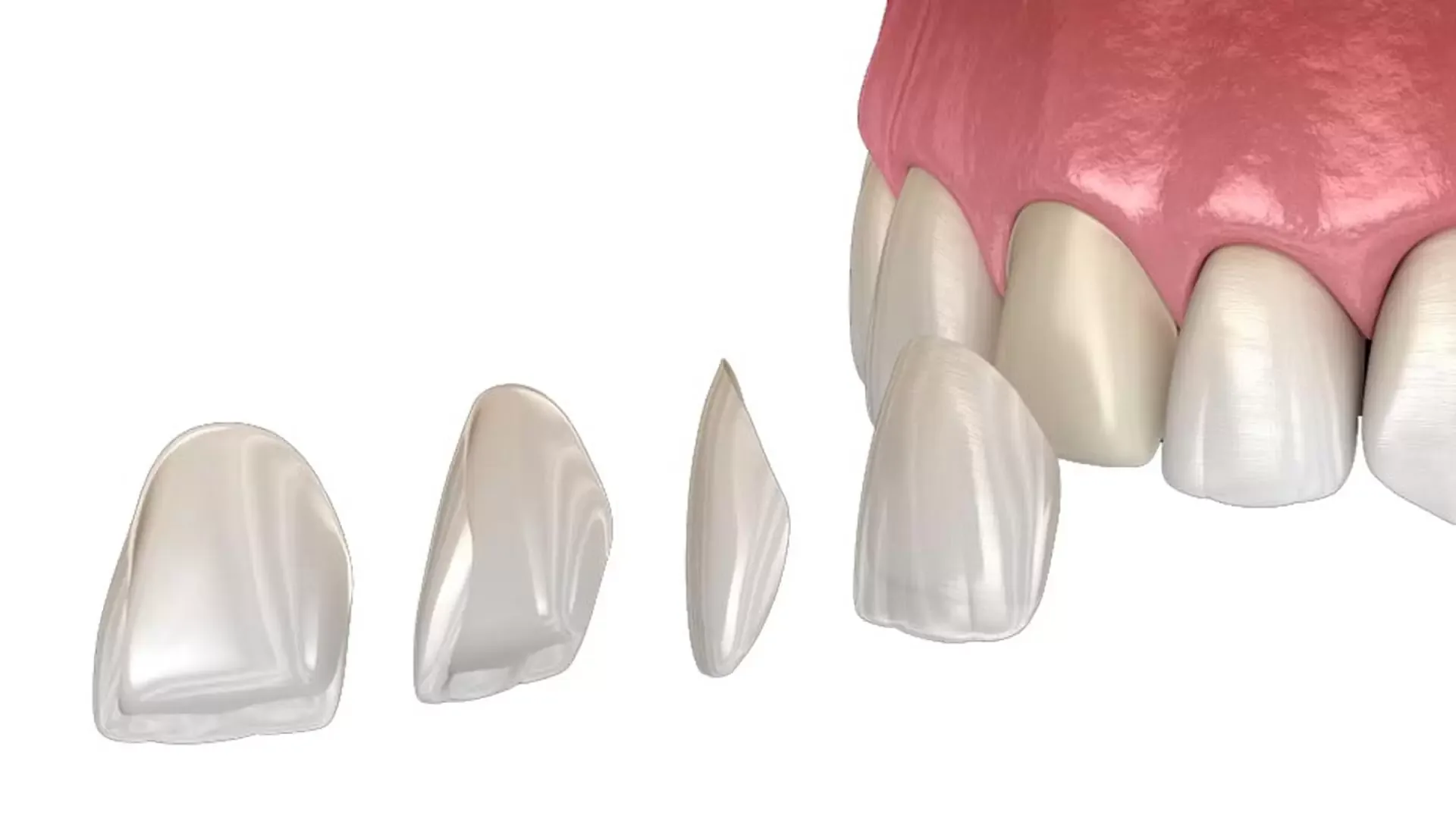
E-Max costs around the world differ significantly, with ceramic veneers and crowns available at lower published prices in countries such as Turkey, Mexico and Hungary than in the United States or United Kingdom.
Subscribe to the Medifinder newsletter and never miss our latest content.