










What Happens After Dissolving Lip Filler?
After dissolving lip filler, the lips gradually lose some or all of their added hyaluronic acid volume while the surrounding tissue recovers from the injections.

- Last updated
- 22 reads
- 13 min read
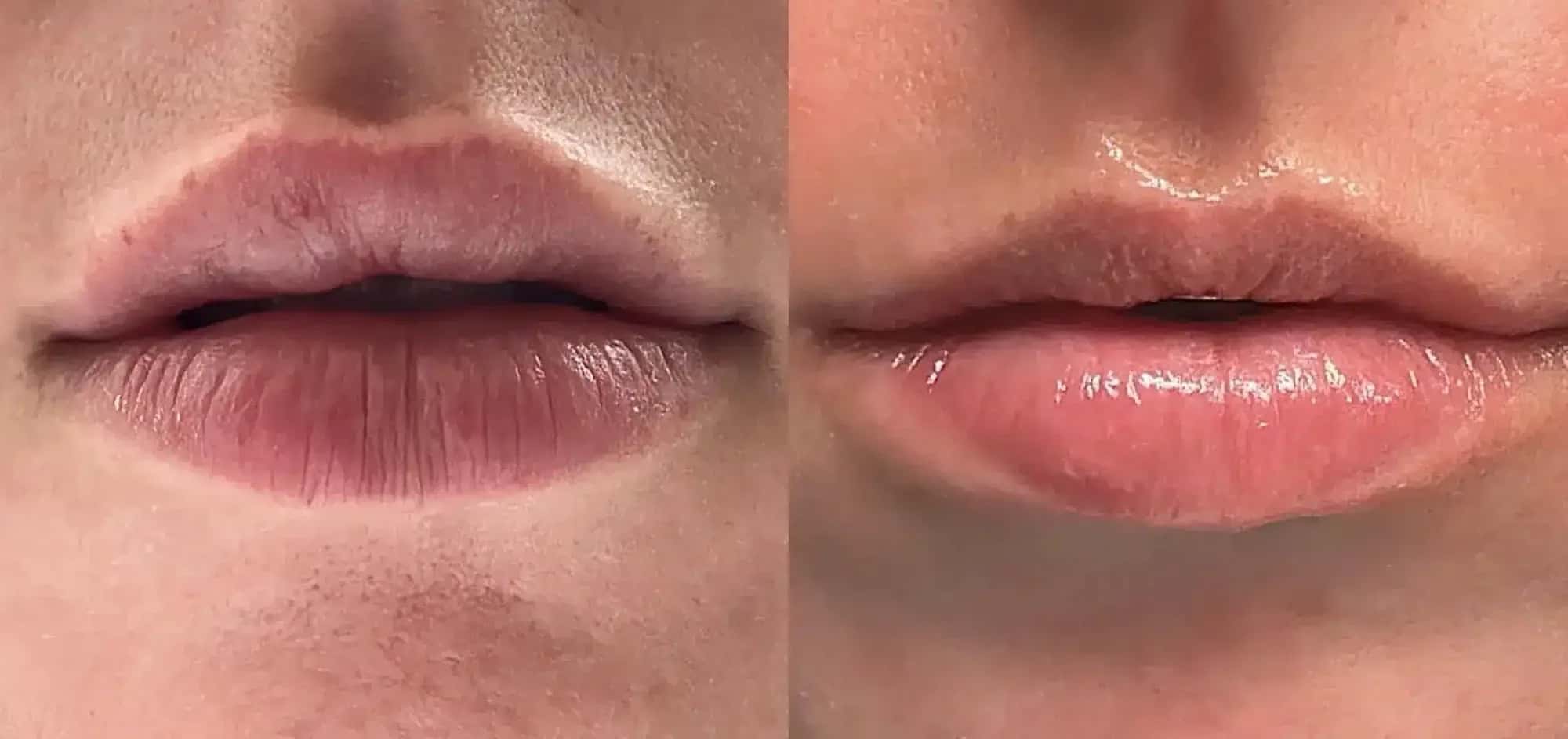


What Happens When Lip Filler Is Dissolved?
Lip filler dissolving is a medical procedure that reduces unwanted hyaluronic acid filler using an injectable enzyme called hyaluronidase. The treatment may remove excessive fullness, soften irregular contours or reduce filler that has spread beyond its intended location.
As the injected material breaks down, the lips lose some of the volume previously created by the filler. Their natural borders and proportions may become more apparent, although the immediate appearance can be affected by swelling.
The process does not produce an identical result in every case. Some lips regain a familiar shape relatively quickly, while others require additional healing or further assessment before their appearance stabilizes.
How Does Hyaluronidase Break Down Lip Filler?
Hyaluronidase is an enzyme that breaks the molecular chains of hyaluronic acid into smaller fragments. When injected into tissue containing hyaluronic acid filler, it allows the material to lose its gel structure and undergo further absorption.
Most modern lip fillers contain specially modified hyaluronic acid designed to remain in the tissue longer than the body's naturally occurring form.
Hyaluronidase can act on this modified material, although different filler formulations respond at different rates.
The enzyme must reach the deposited filler to work effectively. Deeply positioned or unevenly distributed product may therefore require more targeted treatment.
Hyaluronidase does not physically extract filler from the lips; it changes the material so that the body can process it.
Why Do People Choose to Dissolve Lip Filler?
People consider dissolving lip filler for several reasons, including excessive volume, unwanted lip projection, persistent asymmetry and changes in personal aesthetic preferences.
Repeated filler treatments may gradually alter the proportions of the upper and lower lips, especially when new material is added before previous deposits have sufficiently diminished.
Other concerns include visible filler above the natural lip border, irregular lumps or a result that interferes with the desired lip shape.
However, recently injected filler should not be judged solely by its appearance during the first days of swelling.
Unless a medical complication requires urgent intervention, allowing the original treatment to settle can help distinguish temporary inflammation from a persistent aesthetic concern.
Which Types of Lip Filler Can Be Dissolved?
Hyaluronidase primarily works on fillers made from hyaluronic acid, the substance used in many contemporary lip augmentation products.
Other materials do not respond to the enzyme in the same way. Calcium hydroxylapatite, poly-L-lactic acid and permanent silicone-based products cannot be predictably removed using hyaluronidase.
This difference makes accurate identification of the original filler important before attempting dissolution.
People who have received several treatments over the years may not remember the product names or quantities used.
Previous treatment records can help identify the material. When the product type or location remains uncertain, appropriate imaging may provide additional information.
The guide to whether lip filler dissolves naturally explains how hyaluronic acid products gradually break down even without an enzyme injection.
What Happens During a Lip Filler Dissolving Appointment?
A dissolving appointment begins with an assessment of the lip contour, previous filler treatments and the reason for requesting removal.
After reviewing relevant allergies and medical history, the medical professional prepares the hyaluronidase formulation and cleans the treatment area.
Small injections are placed into or near the filler deposits identified for reduction. Several injection points may be necessary when the product is distributed across different sections of the lips.
The injections can cause stinging, tenderness and temporary swelling.
For an elective cosmetic correction, the objective may involve removing one localized deposit rather than reducing all existing filler.
Once the treatment is complete, the lips require time to settle before the final degree of volume reduction can be judged.
How Quickly Does Hyaluronidase Start Working?
Hyaluronidase begins acting on accessible hyaluronic acid relatively quickly, often within minutes to hours after injection.
However, the biological breakdown of filler and the visible change in lip shape do not necessarily occur at the same pace.
Swelling from the dissolving injections can temporarily conceal the reduction in filler volume. Some lips initially appear larger before becoming smaller as inflammation settles.
A noticeable change may develop during the first day, while the overall appearance can continue evolving over several days.
Consequently, a photograph taken immediately after dissolving is not a reliable representation of the final result.
Additional treatment should not be based solely on temporary swelling unless an urgent medical indication exists.
What Changes Are Normal in the First 48 Hours?
During the first two days after lip filler dissolving, several temporary changes can occur as the enzyme acts and the injected tissue responds.
-
Swelling and redness: The lips may become puffy immediately after treatment, occasionally appearing fuller even though the hyaluronic acid filler is already breaking down.
-
Tenderness and mild bruising: Injection points may feel sensitive, and small bruises can develop in areas where blood vessels have been disturbed.
-
Changes in lip volume: Some of the previous fullness may disappear relatively quickly, revealing a smaller or less projected lip shape as swelling decreases.
-
Temporary asymmetry: One side can appear more swollen or lose visible filler volume sooner, creating short-lived differences that require reassessment after recovery.
How Long Does Swelling Last After Dissolving Lip Filler?
Mild swelling after hyaluronidase treatment often improves within the first few days. Some people notice a considerable reduction within 24 to 48 hours, while others experience tenderness, bruising or minor puffiness for longer.
The lips contain numerous blood vessels and respond readily to injections, making temporary inflammation relatively common.
A more realistic assessment of the lip contour generally becomes possible after the early swelling has settled.
For elective cosmetic treatment, allowing approximately two weeks before making further aesthetic decisions is often sensible, particularly when additional filler is being considered.
Swelling that becomes increasingly painful, unusually hot or progressively more pronounced should not be dismissed as routine recovery.
Why Might Lips Look Smaller or Uneven After Dissolving?
Lips can appear unexpectedly small after dissolving because the added filler volume and some of the water associated with it have been reduced.
People who have maintained augmented lips for several years may also become accustomed to their fuller appearance. Returning toward natural proportions can therefore feel like a dramatic change.
Unevenness may develop when filler deposits respond differently to the enzyme or when swelling occurs more prominently on one side.
Natural asymmetries that were previously concealed by filler can also become more noticeable.
These changes do not necessarily indicate permanent damage. A settled assessment is more meaningful than comparing the lips during the first hours after injection.
Will Your Lips Return to Their Original Shape?
Many people who have received modest amounts of temporary hyaluronic acid filler find that their lips move toward their natural appearance after dissolving.
However, exact restoration of the previous shape cannot be guaranteed.
Natural aging, changes in body weight and repeated filler treatments may alter the surrounding tissues during the years between the original augmentation and removal.
Some residual filler may also remain, particularly when only part of the product has been dissolved.
The lip border and overall proportions can improve as unwanted volume disappears, but dissolution cannot reverse every change that has occurred since the first treatment.
Does Dissolving Lip Filler Make Your Lips Sag?
Dissolving lip filler does not automatically cause permanent sagging. The sudden reduction in added volume can nevertheless make the lips look softer, flatter or temporarily less supported.
In some cases, repeated overfilling may have stretched the tissues, meaning the skin does not immediately return to the shape remembered from before treatment.
Natural aging also influences elasticity, particularly when filler has been present for several years.
Hyaluronidase itself should not be confused with a procedure that permanently destroys the skin's structural proteins.
Persistent looseness requires assessment rather than an assumption that the enzyme has damaged the lips.
A period of recovery can help distinguish temporary changes from more established tissue characteristics.
Does Hyaluronidase Affect Natural Hyaluronic Acid?
Hyaluronidase can act on the naturally occurring hyaluronic acid within local tissues as well as on injected filler.
Natural hyaluronic acid contributes to moisture retention and forms part of the extracellular environment surrounding skin cells.
However, the body continually produces and breaks down this substance as part of normal tissue maintenance.
Any local reduction caused by the enzyme is generally temporary, and the available evidence does not establish that properly administered hyaluronidase permanently eliminates the lips' natural hyaluronic acid.
Some people notice reduced fullness or altered tissue hydration immediately after treatment.
These changes can reflect filler removal, swelling resolution and temporary changes in the surrounding tissue rather than irreversible damage.
Is Dissolving Lip Filler Painful?
Lip filler dissolving can cause stinging or a brief burning sensation when hyaluronidase enters the tissue.
The lips are sensitive, and discomfort may be more noticeable when several deposits require injection.
Local anesthetic measures may improve comfort, although the experience still involves needle placement and temporary tissue irritation.
Mild tenderness afterward is possible and generally improves as the injection sites recover.
However, pain should not become progressively severe. Unusual or worsening pain may indicate a complication that requires prompt examination.
The procedure is relatively short, but its limited duration should not be mistaken for an absence of medical risk.
Can You Dissolve Only Part of Your Lip Filler?
Partial dissolution may be considered when the main concern involves a localized lump, asymmetry or a small amount of filler extending beyond the intended lip border.
In these situations, the goal is to reduce the unwanted deposit while preserving as much satisfactory volume as possible.
However, hyaluronidase spreads through tissue, so it cannot be confined with absolute precision to one microscopic area.
Adjacent filler may also be affected, making the amount of volume reduction difficult to predict exactly.
For complicated cases, ultrasound-guided filler dissolving can help identify product location and guide more targeted treatment.
Even with imaging, complete control over enzyme distribution cannot be guaranteed.
How Many Lip Filler Dissolving Sessions Are Needed?
Some hyaluronic acid filler deposits respond sufficiently to one dissolving session, while others require additional treatment.
The amount of filler, degree of crosslinking, location within the tissue and previous treatment history can influence the response.
Filler accumulated through repeated lip augmentation may be distributed across several tissue layers rather than concentrated in one easily accessible area.
Consequently, a single injection session does not guarantee that all filler will disappear.
For elective removal, a staged approach can allow careful reassessment before introducing additional enzyme.
Complete elimination of every detectable trace is not always necessary when the original concern has already improved and the remaining lip contour is satisfactory.
What Happens When Migrated Lip Filler Is Dissolved?
Migrated lip filler refers to material that has moved or appears outside its intended placement area, sometimes creating fullness above the upper lip border.
When the material consists of hyaluronic acid, targeted hyaluronidase injections may reduce the unwanted volume and improve the definition of the natural lip contour.
However, not every prominent upper-lip area represents genuine filler migration.
Swelling, natural anatomy, scar tissue and previously placed filler can create similar appearances.
Imaging may help determine whether unwanted material is present and where it is located.
After successful reduction, the lips may look less projected or more naturally defined, although their final appearance should be judged only after inflammation has settled.
Can Lumps Remain After Lip Filler Dissolving?
A lump can remain after dissolving for several reasons, including residual hyaluronic acid filler, swelling, localized scar tissue or an inflammatory reaction.
The presence of a firm area does not automatically mean that the enzyme failed.
Some irregularities become less noticeable as the tissue recovers, while persistent deposits may require further evaluation.
Painful, warm or increasingly red lumps deserve particular attention because infection or significant inflammation may be involved.
Repeatedly injecting hyaluronidase without identifying the cause can be inappropriate, especially when the lump does not consist primarily of hyaluronic acid.
A targeted assessment helps distinguish remaining filler from changes that require a different form of treatment.
What Should You Do After Dissolving Lip Filler?
Gentle aftercare can reduce unnecessary irritation while the lips recover from hyaluronidase injections and changes in filler volume.
-
Use a cool compress carefully: A clean, cool compress may relieve temporary discomfort and swelling. Avoid direct ice contact or strong pressure against the injection sites.
-
Protect the lips from irritation: Keep the area clean and avoid aggressive rubbing, forceful massage or attempts to manipulate remaining filler without medical guidance.
-
Limit activities that increase swelling: Intense exercise, saunas and excessive heat may temporarily worsen redness or puffiness, particularly during the first day or two.
-
Allow time before judging the outcome: Do not rush into further dissolving or refilling while swelling and bruising obscure the natural lip shape.
When Can You Wear Lipstick, Exercise or Kiss Again?
Makeup and lipstick are best avoided while injection punctures remain open or the lips are significantly irritated. Many people can resume gentle cosmetic application after approximately 24 hours, provided the skin has recovered appropriately.
Strenuous exercise and heat exposure may be limited for the first 24 to 48 hours when swelling is noticeable.
Kissing and other activities involving pressure on the lips should also be approached cautiously during early recovery.
These intervals are practical aftercare considerations rather than fixed guarantees of healing.
If bruising, tenderness or swelling continues, allowing more recovery time may prevent additional irritation.
The specific instructions supplied after the procedure should guide the return to normal activities.
What Are the Risks of Lip Filler Dissolving?
Hyaluronidase has an established role in managing unwanted hyaluronic acid filler, but the procedure involves several risks.
Common reactions include localized swelling, redness, bruising, tenderness and temporary changes in lip symmetry.
An unintended reduction in nearby filler can produce more volume loss than desired, while incomplete dissolution may leave residual irregularities.
Infection is possible following any skin injection, although it is uncommon.
Allergic reactions to hyaluronidase are also uncommon and are often localized, but serious systemic hypersensitivity, including anaphylaxis, has been reported.
A history of reactions to hyaluronidase and significant allergies, including certain insect-venom allergies, deserves careful medical evaluation.
Which Symptoms Require Urgent Medical Attention?
Most mild reactions improve during recovery, but certain symptoms require prompt medical assessment or emergency treatment.
-
Breathing difficulties or throat swelling: Rapidly developing tongue or throat swelling, wheezing, faintness or widespread hives may indicate a severe allergic reaction and require immediate emergency care.
-
Severe or worsening pain: Increasing pain that does not resemble ordinary injection tenderness should be assessed urgently, particularly when accompanied by abnormal tissue changes.
-
Unusual skin discoloration: Persistent blanching, dusky or mottled skin, blisters or signs of compromised circulation require immediate evaluation for tissue injury or vascular complications.
-
Infection or neurological symptoms: Spreading redness, pus or fever requires prompt medical attention, while sudden visual changes, weakness or difficulty speaking require emergency care without delay.
When Can You Get Lip Filler Again After Dissolving?
New hyaluronic acid filler can be considered after elective dissolution once the lips have recovered and the remaining contour can be assessed accurately.
A waiting period of at least two weeks is commonly recommended before reinjection, with longer recovery appropriate when substantial swelling, inflammation or complications occurred.
Refilling immediately after dissolving can obscure the natural lip shape and make it difficult to determine how much new volume is necessary.
Residual filler should also be considered before deciding on another treatment.
When the original reason for dissolving involved migration or repeated overfilling, adding a large amount of new product may recreate the same concern.
A conservative approach allows the natural proportions to guide any later adjustment.
How Much Does Lip Filler Dissolving Cost?
The cost of dissolving lip filler can reflect the amount of hyaluronidase required, the complexity of the filler deposits and the number of treatment sessions.
A small localized correction may involve less extensive treatment than dissolving several layers of previously injected material.
Additional assessment or ultrasound imaging may affect the overall expense, particularly when the filler type or location is uncertain.
Some cases require reassessment and another injection session, making the initial appointment fee an incomplete measure of total cost.
The reason for removal also matters because elective cosmetic correction and treatment of an urgent complication involve different medical priorities.
Safety, appropriate product identification and access to emergency care deserve greater attention than the lowest advertised price.
Is Dissolving Lip Filler the Right Choice?
Lip filler dissolving may be a reasonable option when persistent excess volume, confirmed migration, asymmetry or unwanted hyaluronic acid filler interferes with the desired lip appearance.
The treatment can reduce existing filler relatively quickly, but the visible result develops alongside the recovery of the surrounding tissue.
Temporary swelling, reduced lip fullness and unevenness should be anticipated rather than interpreted immediately as evidence of an unsuccessful procedure.
The possibility of incomplete dissolution, excessive volume reduction and allergic reactions also deserves consideration.
Not every cosmetic concern requires immediate removal. Recently injected lips may need more healing time, while long-standing lumps or inflammatory changes require an accurate diagnosis before treatment.
Ultimately, successful lip filler dissolving is not simply about removing as much material as possible. It is about addressing a defined concern, allowing the tissue to recover and preserving balanced lip proportions without unnecessary additional injections.
- Last updated
- Language
- English
How did you find this article?
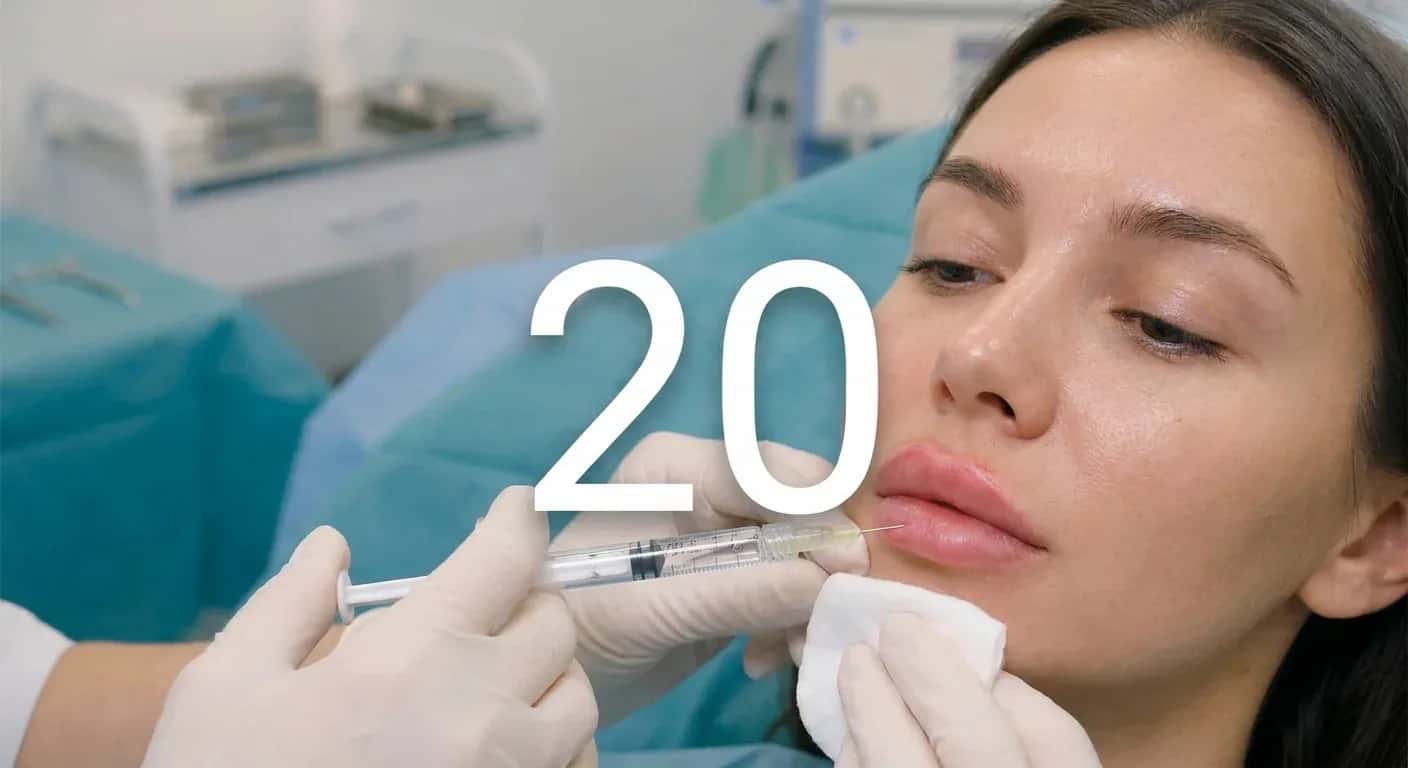
Many singers, actors, reality stars and influencers have talked openly about getting lip filler, and a growing number have also shared why they later had it dissolved. This guide looks at what 20 of these public figures said about their own lip treatments and what their experiences can teach anyone considering filler.


Filler fatigue describes the point where repeated dermal filler treatments leave a face looking heavier, puffier or less like itself, and it is pushing many people to rethink how they approach injectables. This guide explains what causes it, how to recognize an overfilled face.

Overfilled faces develop when injectable treatments add more volume than the facial anatomy can accommodate naturally, altering contours, proportions and sometimes facial expression.
Subscribe to the Medifinder newsletter and never miss our latest content.