










Why Overfilled Faces Happen?
Overfilled faces develop when injectable treatments add more volume than the facial anatomy can accommodate naturally, altering contours, proportions and sometimes facial expression.

- Last updated
- 27 reads
- 14 min read



What Is an Overfilled Face?
An overfilled face describes an appearance in which injectable volume has altered natural facial proportions beyond the intended aesthetic improvement. The cheeks may look unusually rounded, the lips overly projected or the area beneath the eyes persistently puffy.
The expression pillow face is sometimes used to describe this appearance, although it is an informal description rather than a medical diagnosis.
Overfilling does not necessarily mean that every treated area contains a large quantity of filler. Even a relatively small amount can become noticeable when placed in an anatomically unsuitable location.
A successful result should complement the underlying facial structure rather than obscure the distinctions between its features.
Why Do Faces Become Overfilled?
Facial overfilling rarely has one universal explanation. Sometimes a large amount of filler is introduced during a single appointment, creating more fullness than the surrounding anatomy can accommodate.
In other cases, the change develops gradually as additional products are placed over earlier injections.
Hyaluronic acid can also attract water, making certain areas appear puffier than expected. Product placement, tissue characteristics and the natural movement of facial muscles further influence the outcome.
Age-related changes complicate matters because a contour that appeared balanced several years earlier may look different as the surrounding tissues change.
Consequently, excess volume can reflect the interaction between injected material and the face rather than the amount injected during the most recent session alone.
How Does Excess Filler Change Facial Proportions?
Natural-looking facial contours depend on transitions between the forehead, temples, cheeks, eyes and lower face. These regions have different degrees of projection, and their relationships create recognizable facial features.
Excessive filler can flatten those distinctions.
For example, heavily augmented cheeks may reduce the natural transition between the lower eyelids and midface. Additional volume along the jawline can make the lower face appear unusually broad.
The problem is not simply that the face looks larger. It may lose the subtle contours that normally separate individual anatomical regions.
Overfilling can also become more apparent during smiling or speaking, when moving tissues interact with relatively stable deposits of filler.
Can Repeated Filler Treatments Cause Volume Buildup?
Repeated filler treatments can contribute to excessive facial volume when new material is added before previous deposits have substantially diminished.
This is particularly relevant to maintenance appointments scheduled according to an expected product lifespan rather than an assessment of what remains in the tissues.
A person may initially receive a modest amount of cheek filler and then undergo several additional sessions over subsequent years. Even when each appointment uses a conservative quantity, the combined effect may eventually create unwanted fullness.
The result can be gradual enough that changes are difficult to notice from one visit to the next.
Reviewing older photographs and previous treatment records may reveal how much the facial contours have changed over time.
Can Hyaluronic Acid Filler Last Longer Than Expected?
Hyaluronic acid fillers are biodegradable, but their visible effects and persistence within tissue do not always follow a predictable timetable.
Magnetic resonance imaging research has identified residual midface hyaluronic acid in selected individuals several years after their last recorded injections.
One study involving 33 previously treated patients detected filler in every participant, including some who reported no midface injections for more than five years.
However, this selected group does not establish that every filler lasts for years or that all remaining material contributes meaningfully to visible volume.
The findings do challenge the assumption that older filler must have completely disappeared simply because its originally expected cosmetic duration has passed.
What Are the Most Common Signs of an Overfilled Face?
Overfilling may become apparent through several changes in volume, contour and the relationship between neighboring facial features.
-
Excessively rounded cheeks: The midface may appear persistently swollen or unusually convex, sometimes reducing the natural distinction between the cheeks and lower eyelids.
-
Altered lip borders: Excess material can make the lips project unnaturally, blur their normal outline or create fullness above the upper lip.
-
Unbalanced facial proportions: An overly broad jawline, prominent chin or disproportionately full temples may disrupt the relationship between the upper, middle and lower face.
-
Visible irregularities during expression: Fullness that seems acceptable at rest may appear uneven or exaggerated during smiling, speaking or other facial movements.
Is Facial Puffiness Always Caused by Too Much Filler?
A puffy appearance does not automatically indicate overfilling. Temporary swelling is common after injections and can make an otherwise appropriate treatment look excessive during early recovery.
Fluid retention, allergies, inflammatory skin conditions and changes in general health can also contribute to facial swelling.
Persistent puffiness may sometimes result from an interaction between filler and the surrounding tissues rather than from an excessive quantity of material.
This distinction matters because removing filler will not necessarily resolve swelling caused by an unrelated medical condition.
The timing of the symptoms, their location and whether they fluctuate are useful clues when determining the underlying cause.
How Does Hyaluronic Acid Contribute to Facial Swelling?
Hyaluronic acid has a strong capacity to attract and retain water. This property contributes to the physical behavior of many dermal fillers and can influence the fullness of treated tissues.
In areas where fluid drainage is relatively delicate, water retention may become particularly noticeable.
The amount of swelling depends on the product's characteristics, its location and the surrounding tissue environment.
However, persistent facial puffiness should not automatically be attributed to hyaluronic acid attracting too much water. Inflammation, local anatomy and other causes of edema may also be involved.
Understanding the difference helps prevent unnecessary additional injections into an area that already looks swollen.
Can Incorrect Filler Placement or Migration Cause Overfilling?
Filler placement plays an important role in the appearance of facial volume.
A product deposited too superficially may become visible beneath the skin, while material placed outside the intended contour can create an unwanted bulge.
Migration is another possibility. Filler may move or redistribute beyond the original treatment area, although not every apparent displacement represents true migration.
An irregular contour may instead reflect the initial placement, swelling, existing anatomy or the accumulation of several earlier treatments.
Determining what has happened requires more than identifying a visible lump.
The distinction is particularly important before attempting corrective injections or dissolving material that may not be responsible for the appearance.
Why Can Cheek Fillers Make the Midface Look Puffy?
Cheek fillers can restore lost fullness and improve selected facial contours, but excessive augmentation may make the midface appear heavier.
The cheeks contain several distinct fat compartments and supporting structures. Adding volume indiscriminately can reduce the natural separation between these anatomical regions.
When fullness extends too close to the lower eyelids, the transition between the eyes and cheeks may become less defined.
Repeated injections can intensify this effect if older material remains present.
The appearance may be particularly noticeable in photographs taken from the front, where excessive cheek projection creates a consistently rounded outline.
Cheek augmentation should therefore preserve contour rather than attempt to compensate for every age-related change through added volume.
Can Under-Eye Filler Cause Persistent Swelling?
The under-eye region is especially sensitive to excessive or poorly positioned filler because the skin is thin and fluid retention can become conspicuous.
Even a relatively small amount of hyaluronic acid may create prolonged puffiness in someone whose lower eyelids are already prone to swelling.
Filler placed superficially can also produce visible irregularities or a bluish discoloration associated with the Tyndall effect.
These changes may appear shortly after treatment or become more noticeable over time.
However, prominent under-eye bags can also result from natural orbital fat or fluid accumulation unrelated to filler.
Identifying the actual cause is important because adding more material to disguise puffiness can make the area look heavier.
Which Facial Areas Are Most Affected by Overfilling?
Overfilling can occur in several facial regions, with the visible consequences shaped by their individual anatomy.
-
Cheeks and midface: Excess material may create rounded contours, reduce facial definition and make the transition beneath the eyes appear unusually full.
-
Lips and surrounding tissue: Repeated augmentation or misplaced filler can produce excessive projection, an indistinct lip border or visible fullness above the upper lip.
-
Under-eye region: Thin skin and a tendency toward fluid retention can make relatively small filler deposits noticeable as swelling or contour irregularities.
-
Jawline, chin and temples: Excessive structural augmentation may broaden the lower face, create an overly projected chin or eliminate natural contour transitions around the temples.
Why Does Lip Filler Sometimes Look Unnatural?
Lip augmentation can look excessive when the added volume disrupts the natural relationship between the upper lip, lower lip and surrounding facial structures.
Repeated injections may gradually increase projection, particularly when remaining filler is not recognized before additional treatment.
Material extending beyond the natural lip border can also create the appearance of a raised area above the upper lip.
However, not every unusually full lip indicates migration. Recent swelling, natural anatomy and product placement can produce similar appearances.
A balanced result should preserve the lip border, natural movement and the distinction between lip tissue and surrounding skin.
The objective is not necessarily to make both lips equally large or eliminate every natural asymmetry.
Can Jawline and Chin Fillers Make the Face Look Too Wide?
Jawline and chin fillers are often used to improve lower-face definition, but excessive treatment can alter facial proportions in unintended ways.
A heavily augmented jawline may make the lower face appear wider or more angular than the person's underlying anatomy supports.
Similarly, too much chin projection can create an elongated or disproportionately prominent profile.
These effects can become particularly noticeable when several facial regions have been treated separately without considering their combined appearance.
A sharper jawline is not always the result of adding more filler. In some faces, excessive volume can actually soften definition by creating unnecessary bulk.
Can Collagen Biostimulators Also Create Excess Volume?
Collagen biostimulators can contribute to unwanted fullness, although their mechanisms differ from those of conventional hyaluronic acid fillers.
Sculptra contains poly-L-lactic acid and encourages collagen formation over time. Because the biological response develops gradually, the full cosmetic effect may not be apparent immediately after injection.
Radiesse contains calcium hydroxylapatite and can provide immediate structural support in its conventional form, alongside later tissue changes.
Excessive treatment or irregular material distribution can create unwanted volume, asymmetry or nodules.
Neither product can be predictably dissolved with hyaluronidase.
This makes conservative treatment planning especially important when the expected result continues developing after the injection appointment.
Can Overfilling Happen After Just One Treatment?
Facial overfilling can develop after a single appointment when an excessive amount of material is placed into a region or when the chosen product produces unsuitable projection.
The appearance also depends on the existing anatomy. A quantity that produces modest fullness in one type of facial structure may substantially alter another.
Product characteristics matter because fillers differ in firmness, water retention and their ability to maintain shape.
However, an unusually full appearance immediately after treatment may still reflect temporary swelling rather than genuine overcorrection.
Unless urgent medical symptoms are present, the early healing period should be distinguished from the final aesthetic result before elective correction is considered.
How Can You Tell Normal Swelling From Overfilling?
Normal post-injection swelling usually becomes noticeable soon after treatment and gradually decreases during the following days.
It may temporarily exaggerate cheek projection, lip fullness or facial asymmetry.
Persistent overfilling, by contrast, remains apparent after the expected recovery period and may be associated with stable contour changes or excess volume.
Swelling that fluctuates over time can suggest fluid retention or an inflammatory response rather than simply too much filler.
Photographs alone cannot reliably establish the cause.
A clear treatment history and assessment of the affected tissues help distinguish temporary healing changes from persistent filler-related problems.
Can an Overfilled Face Improve Without Dissolving Filler?
Some unwanted fullness diminishes as temporary swelling resolves or injected material gradually breaks down.
When the appearance results mainly from early post-treatment edema, observation may be more appropriate than immediate cosmetic correction.
Hyaluronic acid filler also degrades over time, although the process is not completely predictable and residual material can persist longer than expected.
However, established overfilling may remain visible for a considerable period, particularly after repeated treatments.
Waiting does not guarantee that every contour irregularity will disappear.
The decision to observe or intervene should reflect the material involved, the cause of the fullness and whether the concern is stable, improving or becoming more pronounced.
How Does Hyaluronidase Correct an Overfilled Face?
Hyaluronidase is an injectable enzyme that breaks down hyaluronic acid filler, allowing unwanted volume to diminish.
It may be used to reduce excessive cheek fullness, correct selected asymmetries or address filler that has accumulated outside the intended area.
The process can sometimes target a localized deposit rather than all the previously injected material.
However, the enzyme can spread through surrounding tissue and affect nearby hyaluronic acid, making the exact reduction in volume difficult to predict.
The article on why people are dissolving their fillers examines how overfilling, migration and changing facial proportions influence the decision to remove filler.
Dissolving should be considered a medical procedure rather than a simple cosmetic reset.
What Are the Risks and Limitations of Filler Correction?
Correcting an overfilled face can improve facial proportions, but the process has limitations and carries medical risks.
-
Swelling and bruising: Hyaluronidase injections may temporarily increase puffiness or create tenderness, making the immediate cosmetic result difficult to judge.
-
Unexpected volume reduction: The enzyme may affect surrounding filler as well as the targeted deposit, sometimes removing more fullness than intended.
-
Incomplete correction: Deeply positioned or widely distributed hyaluronic acid may not respond fully to one treatment, and remaining irregularities can require further assessment.
-
Allergic or inflammatory reactions: Hyaluronidase can cause localized reactions and, rarely, serious allergic responses. Persistent nodules or inflammatory changes may also require treatment beyond filler dissolution.
Can Fillers Other Than Hyaluronic Acid Be Removed?
Hyaluronidase is primarily useful for reducing hyaluronic acid filler. Other injectable materials behave differently and cannot all be removed through the same approach.
Calcium hydroxylapatite and poly-L-lactic acid do not respond predictably to the enzyme.
Permanent filler materials may be particularly difficult to remove and can require different forms of medical management.
Some complications improve through observation, while others involve targeted treatment or, in selected circumstances, surgery.
The exact material must therefore be identified before a correction strategy is chosen.
Assuming that every injectable can be dissolved creates unrealistic expectations and may delay appropriate management of an existing complication.
When Is Ultrasound Useful for Detecting Excess Filler?
High-frequency facial ultrasound can help locate existing filler deposits when their position or distribution is uncertain.
The examination may reveal whether material lies superficially or deeper in the tissues and whether visible fullness corresponds to a localized deposit.
Ultrasound may also help distinguish suspected filler from fluid collections, scar tissue or certain inflammatory changes.
For complex cases, ultrasound-guided filler dissolving can support more targeted placement of hyaluronidase.
However, ultrasound does not dissolve filler by itself and cannot always identify the exact product brand.
Imaging can improve anatomical understanding without guaranteeing perfect removal or eliminating the risks of corrective injections.
Will the Face Look Saggy After Dissolving Filler?
A face may appear less supported immediately after excessive filler is reduced because the previously added volume is no longer present.
This change can feel dramatic when someone has become accustomed to fuller cheeks or more prominent facial contours.
However, dissolving hyaluronic acid does not automatically cause permanent skin sagging.
Age-related tissue changes may have developed while the filler was present, and those changes can become more noticeable after removal.
In some cases, repeated overfilling may also have influenced the surrounding tissue.
Allowing swelling to resolve and the appearance to stabilize helps distinguish temporary volume changes from persistent laxity.
How Can Facial Overfilling Be Prevented?
Preventing overfilling begins with understanding the existing facial proportions rather than treating each feature as an isolated area requiring more volume.
Previous injections should be considered before additional filler is introduced, especially when earlier products may still be present.
Conservative amounts and adequate time between treatments can reduce the risk of gradually accumulating unnecessary volume.
Photographs taken under consistent conditions may also help reveal changes that develop slowly over several appointments.
Most importantly, a successful treatment does not require every hollow to be filled or every contour to become more pronounced.
Preserving natural transitions and facial movement is often more valuable than pursuing maximum fullness.
When Should More Filler Be Avoided?
Additional filler may be inappropriate when the treated area already looks disproportionately full, contains persistent swelling or has unexplained lumps.
Visible asymmetry or a suspected migrated deposit should be assessed before introducing more material.
Likewise, a face that appears heavy despite repeated augmentation may not benefit from another maintenance session.
Adding filler can also be unsuitable when the primary concern is significant tissue descent rather than a localized volume deficiency.
In these circumstances, further volume may disguise natural contours instead of restoring them.
A period without additional injections can provide a clearer understanding of the existing result and whether any correction is actually necessary.
Which Symptoms Require Urgent Medical Attention?
Some complications following facial filler injections are medical emergencies and should never be treated as routine cosmetic overfilling.
Severe or rapidly worsening pain, unusual skin blanching, dusky discoloration or a mottled appearance may indicate impaired blood circulation.
Sudden visual changes, loss of vision, weakness or difficulty speaking require immediate emergency care.
Rapidly developing facial or throat swelling, breathing difficulties and widespread hives may indicate a severe allergic reaction.
Infection can also cause increasing redness, warmth, tenderness or fever and requires prompt medical assessment.
These symptoms demand timely treatment rather than waiting for a routine cosmetic follow-up or attempting to correct the appearance at home.
Can an Overfilled Face Regain Natural Proportions?
An overfilled face may regain more balanced proportions when the cause of the unwanted fullness is identified and addressed appropriately.
Temporary swelling can resolve without filler removal, while excessive hyaluronic acid may be reduced through carefully planned hyaluronidase treatment.
Other materials and established tissue changes can present more complicated situations, making complete restoration of the original appearance less predictable.
The central consideration is whether the face contains excess product, persistent edema, misplaced material or age-related changes that were previously concealed by augmentation.
Correcting overfilling should not involve replacing one exaggerated appearance with another.
A measured approach focuses on restoring natural transitions between facial features, respecting existing anatomy and avoiding unnecessary additional volume. The most convincing result is often one in which the cheeks, lips, eyes and lower face once again appear balanced rather than individually enlarged.
- Last updated
- Language
- English
How did you find this article?
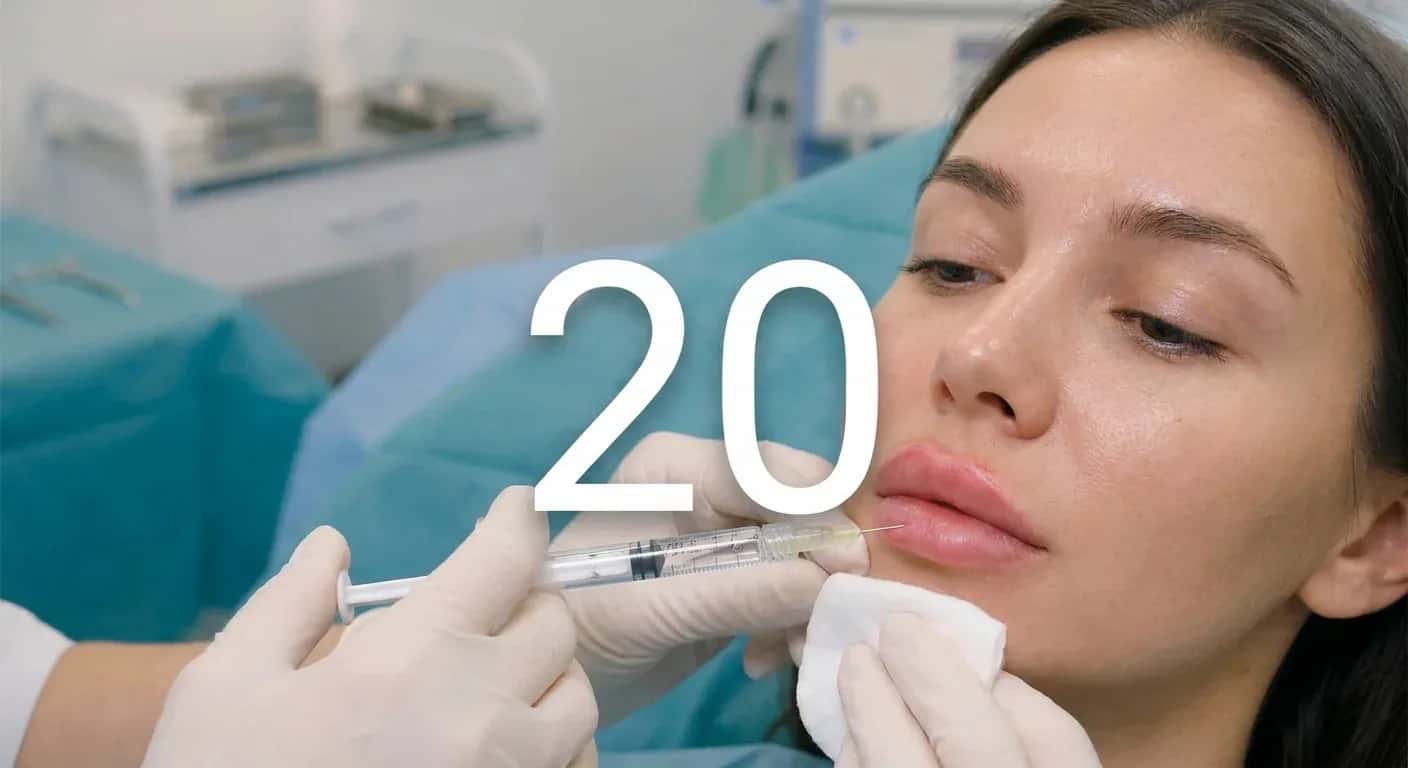
Many singers, actors, reality stars and influencers have talked openly about getting lip filler, and a growing number have also shared why they later had it dissolved. This guide looks at what 20 of these public figures said about their own lip treatments and what their experiences can teach anyone considering filler.

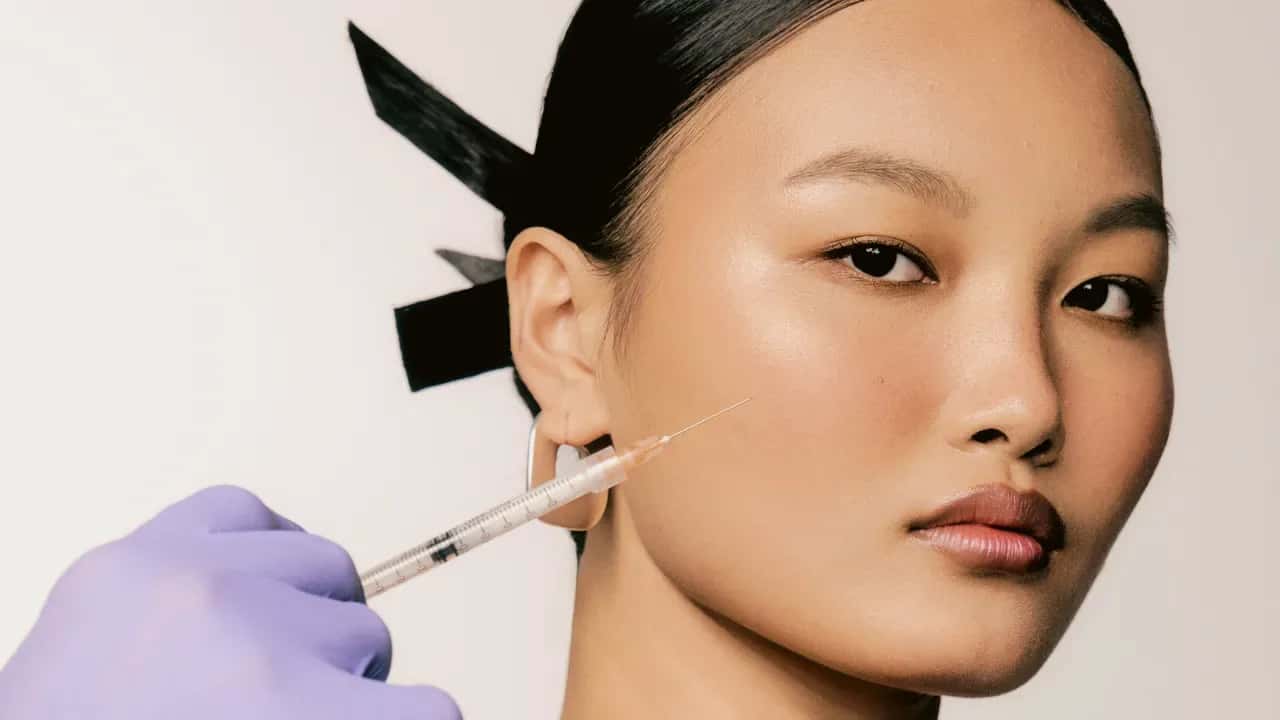
Filler fatigue describes the point where repeated dermal filler treatments leave a face looking heavier, puffier or less like itself, and it is pushing many people to rethink how they approach injectables. This guide explains what causes it, how to recognize an overfilled face.

Cheek filler and biostimulators are injectable treatments that address facial volume loss, changing contours and selected signs of midface aging through different mechanisms.
Subscribe to the Medifinder newsletter and never miss our latest content.