










Crepey Under-Eye Skin Treatments
Crepey under-eye skin treatments aim to improve the fine wrinkles, thin texture and reduced elasticity that can make the lower eyelids appear delicate or prematurely aged.

- Last updated
- 17 reads
- 13 min read
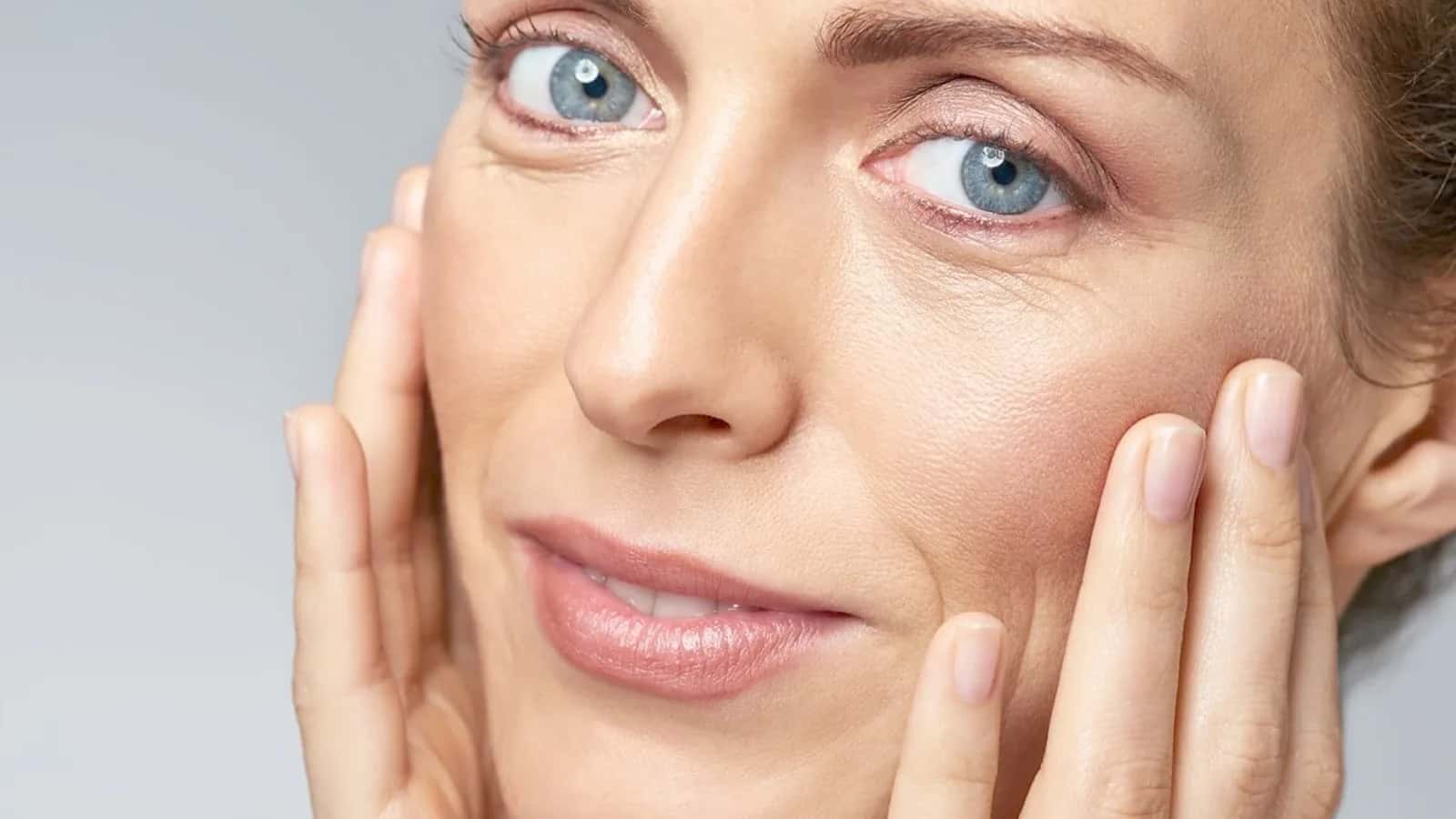


What Is Crepey Under-Eye Skin?
Crepey under-eye skin describes a finely wrinkled texture that resembles delicate, crumpled paper. The appearance becomes particularly noticeable when the skin moves, stretches or catches light, although more established changes may remain visible when the face is relaxed.
Unlike a single deep wrinkle, crepiness usually involves numerous shallow lines across a relatively small area. The skin may also appear thin, dry or less resilient.
Crepey texture is not a medical diagnosis by itself. It describes a visible change that can arise from dehydration, collagen loss, sun damage or declining elasticity, sometimes with several contributing factors present simultaneously.
Why Does Under-Eye Skin Become Thin and Wrinkled?
The lower eyelids contain relatively thin skin, making subtle changes in hydration and connective tissue especially noticeable. With age, changes in collagen organization and elastin reduce the skin's ability to recover smoothly after movement.
Repeated facial expressions contribute to these changes, particularly around the outer corners of the eyes, where smiling and squinting repeatedly fold the surrounding tissue.
Sun exposure accelerates collagen damage, while natural changes in facial fat and structural support can alter how the skin rests over the lower eyelid.
Genetics also influence skin thickness and the age at which crepiness becomes visible. Consequently, similar-looking wrinkles do not necessarily have the same underlying cause.
How Is Crepey Skin Different From Eye Bags and Dark Circles?
Crepey skin, under-eye bags and dark circles can appear together, but they represent different concerns.
Crepiness involves the skin's surface texture and elasticity. Eye bags often develop when orbital fat becomes more prominent or fluid accumulates beneath the eyes, creating visible puffiness.
Dark circles may result from pigmentation, visible blood vessels, shadowing caused by hollowing or a combination of these factors.
Treating fine wrinkles will not necessarily eliminate a shadow created by the tear trough. Similarly, reducing puffiness does not automatically improve thin, wrinkled skin.
Understanding these distinctions prevents treatments intended for one concern from being used to address a different anatomical problem.
Can Crepey Under-Eye Skin Improve Without Procedures?
Mild crepiness caused partly by dehydration may improve with consistent skincare. Moisturizers can temporarily soften superficial lines, while carefully selected ingredients may gradually improve texture and the appearance of photoaging.
However, substantial changes in skin thickness, connective tissue and elasticity are unlikely to disappear through topical products alone.
A useful first step is to distinguish temporary dryness from persistent wrinkling. Fine lines that become much less noticeable after moisturizing may have a significant dehydration-related component.
When folds remain visible despite appropriate hydration, treatments addressing deeper tissue changes may offer additional improvement, although complete wrinkle removal remains unrealistic.
Which Everyday Factors Make Under-Eye Crepiness Worse?
Several habits and environmental exposures can make delicate lower-eyelid skin appear more wrinkled or irritated.
-
Unprotected sun exposure: Ultraviolet radiation accelerates changes in collagen and elastin, contributing to fine wrinkles and reduced skin resilience over time.
-
Aggressive cleansing and rubbing: Repeated friction from makeup removal, scratching or harsh cleansers can irritate the skin and worsen dryness-related lines.
-
Insufficient moisture protection: A weakened skin barrier allows more water to escape, making superficial creases and roughness increasingly noticeable.
-
Smoking and chronic irritation: Smoking contributes to premature skin aging, while allergies and repeated eye rubbing can aggravate an already sensitive area.
Which Skincare Ingredients Help Crepey Under-Eye Skin?
An effective skincare routine should address hydration and visible photoaging without overwhelming the thin skin surrounding the eyes.
Hyaluronic acid and glycerin attract water, helping temporarily soften the appearance of dehydration lines. Ceramides and other barrier-supporting ingredients can reduce moisture loss and improve comfort.
Retinoids may gradually improve certain fine wrinkles and uneven texture, although the delicate lower eyelid often tolerates them less readily than thicker facial skin.
Antioxidants can complement sun protection, but their presence in a cream does not guarantee substantial collagen renewal.
The most useful formulation is one that delivers a meaningful benefit without persistent redness, stinging or dryness.
Do Retinol and Retinoids Work Under the Eyes?
Retinol and other retinoids can improve certain signs of photoaging by influencing skin-cell turnover and processes associated with collagen maintenance.
However, stronger formulations may cause irritation, peeling and dryness, particularly when applied close to the eyelid margin.
A low-strength product specifically intended for the surrounding eye area may be easier to tolerate. It should be introduced gradually and kept away from the eyes themselves.
People with eczema, significant dry-eye symptoms or ongoing eyelid irritation require particular caution.
Retinoids are generally avoided during pregnancy. They also need time to produce visible changes, so several months of appropriate use may be necessary before assessing their cosmetic effect.
Can Moisturizers and Sunscreen Make a Difference?
Moisturizers improve the appearance of fine dehydration lines by supporting water retention and reducing surface roughness. Their effect may become noticeable relatively quickly, although it does not permanently rebuild lost connective tissue.
Sun protection provides a different benefit: it helps prevent further ultraviolet damage that can accelerate wrinkles and pigmentation changes.
A broad-spectrum sunscreen with SPF 30 or higher, used appropriately around the orbital area, can support long-term prevention. Sunglasses offer additional protection while reducing squinting.
Consistency matters more than applying numerous products. A gentle moisturizer, tolerable active ingredients and regular sun protection establish a useful foundation before more invasive treatments are considered.
Which Professional Treatments Improve Crepey Under-Eye Skin?
Professional treatments address different aspects of under-eye aging, making the cause of the wrinkles central to selecting an approach.
Fractional laser resurfacing aims to improve surface texture through controlled thermal injury and subsequent skin remodeling. Microneedling creates small punctures that stimulate repair-related processes, while selected energy-based methods also deliver heat into tissue.
Injectable approaches may target hydration or other skin-quality measures, although they cannot necessarily remove excess skin.
Botulinum toxin primarily treats wrinkles driven by muscle movement. Lower blepharoplasty may address more substantial anatomical changes, including excess eyelid skin or protruding fat.
Each method has a different risk profile, particularly because treatment occurs close to the eye.
How Does Fractional Laser Resurfacing Improve Under-Eye Texture?
Fractional laser resurfacing creates controlled microscopic treatment zones within the skin, encouraging healing and changes in collagen organization.
Ablative systems, including fractional carbon dioxide and erbium lasers, can improve selected wrinkles and texture changes around the eyes. More intensive treatment may produce greater visible resurfacing but generally involves more recovery.
Temporary redness, swelling and peeling are expected possibilities. Pigmentation changes, scarring and eyelid-position problems are less common but more consequential risks.
Laser procedures near the eyes require suitable protective measures, which may include specialized internal eye shields.
The treatment should target an appropriate degree of wrinkling rather than applying aggressive settings in pursuit of completely smooth skin.
Which Treatments Address Different Under-Eye Concerns?
The most useful treatment depends on whether the dominant issue involves skin texture, muscle movement, volume or excess tissue.
-
Fine, persistent surface wrinkles: Carefully selected fractional laser resurfacing or other evidence-supported skin-renewal procedures may improve texture when topical care provides insufficient benefit.
-
Mild dehydration and delicate texture: Appropriate moisturizers and selected skin-quality injectables may soften superficial lines without substantially changing facial contours.
-
Wrinkles that appear during smiling: Targeted botulinum toxin may reduce certain movement-related lines, particularly at the outer corners of the eyes.
-
Prominent bags or excess lower-eyelid skin: Surgical evaluation may be more relevant when anatomical changes, rather than superficial texture alone, dominate the appearance.
Is Microneedling or Radiofrequency Effective Under the Eyes?
Microneedling creates controlled micro-injuries that can encourage collagen-related repair processes and improve selected fine wrinkles.
Radiofrequency microneedling combines needle penetration with tissue heating, aiming to influence skin remodeling at specific depths.
Although these methods can improve certain facial texture concerns, the lower eyelid requires particular caution because its skin is thin and closely associated with delicate eye structures.
Serious complications have been reported with some radiofrequency microneedling procedures, including burns, scarring, fat loss and nerve damage.
Neither procedure should be attempted near the eyes using home devices. Appropriate device selection, anatomical assessment and eye protection are essential considerations.
Can Chemical Peels Improve Under-Eye Wrinkles?
Selected chemical peels can improve superficial texture and mild signs of photoaging by creating controlled exfoliation and skin renewal.
However, the lower eyelid is not an appropriate location for ordinary facial peeling techniques performed without adjustments.
The type of acid, its concentration and the depth of treatment determine both the potential benefit and the risk of injury.
More aggressive peeling can cause prolonged irritation, pigmentation changes and scarring. In severe circumstances, damage to lower-eyelid skin may affect eyelid position.
Chemical peels are therefore more relevant to carefully selected superficial concerns than to significant tissue laxity or prominent under-eye bags.
Can Polynucleotide Injections Help Crepey Under-Eye Skin?
Polynucleotide injections have attracted interest for delicate skin because certain formulations are being investigated for improvements in hydration, texture and elasticity.
These DNA-derived compounds may influence processes associated with tissue maintenance, although their precise clinical benefits depend on the preparation.
Small studies involving the area around the eyes have reported encouraging changes in fine wrinkles and selected skin-quality measurements.
Nevertheless, the evidence remains limited, and results should not be interpreted as proof of substantial skin tightening or complete regeneration.
The guide to polynucleotides for skin rejuvenation explains the emerging evidence and differences between formulations.
Under-eye swelling, allergies and product-specific authorization remain important considerations before treatment.
Do Hyaluronic Acid Skin Boosters Improve Under-Eye Texture?
Hyaluronic acid skin boosters aim to improve moisture retention within selected skin layers, potentially making superficial dehydration lines appear less prominent.
Certain injectable formulations have demonstrated improvements in skin smoothness and hydration, but those findings cannot automatically be extended to under-eye treatment.
The lower eyelid may retain fluid, and inappropriate products can cause persistent puffiness or visible irregularities.
As explained in the overview of skin boosters for dehydrated skin, product composition and authorized treatment areas matter.
A skin booster suitable for the cheeks is not necessarily appropriate for the lower eyelids. Hydration-focused injections should also not be mistaken for treatments that remove substantial skin laxity.
Can PRP Improve Under-Eye Skin Quality?
Platelet-rich plasma, commonly called PRP, is prepared from a person's blood and contains concentrated platelets involved in tissue-repair signaling.
PRP has been investigated for selected facial rejuvenation concerns, including fine wrinkles and skin texture around the eyes.
Some studies suggest improvements in appearance, but preparation methods vary and the quality of clinical evidence remains inconsistent.
Consequently, PRP cannot be presented as a predictable way to restore thin under-eye skin or permanently increase collagen.
The procedure also involves injections, with possible bruising, swelling and discomfort.
Its value should be assessed against more established treatments rather than assuming that using material derived from the patient's own blood makes the result guaranteed or the procedure risk-free.
Does Botox Work for Under-Eye Wrinkles?
Botulinum toxin reduces the activity of selected muscles, making it useful for wrinkles caused by repeated facial movement.
The most established cosmetic application near the eyes involves crow's feet at the outer corners, where smiling and squinting create visible lines.
However, fine crepey wrinkles directly beneath the lower eyelid may remain even when nearby muscles relax.
Injections too close to sensitive eyelid structures can interfere with normal muscle function, potentially causing asymmetry, eyelid-position changes or worsening dryness.
Botulinum toxin therefore addresses a specific movement-related component of wrinkles rather than rebuilding thin skin or correcting every lower-eyelid concern.
Are Tear-Trough Fillers Suitable for Crepey Skin?
Tear-trough fillers are primarily used to address selected under-eye hollows that create shadows beneath the eyes.
When the main concern is finely wrinkled skin, adding volume may offer little improvement and can sometimes make irregularities more visible.
The lower eyelid is particularly susceptible to swelling, and superficial hyaluronic acid filler can produce a bluish discoloration known as the Tyndall effect.
Other potential complications include persistent puffiness, nodules and vascular injury. Rare vascular complications involving facial fillers can cause blindness.
For these reasons, tear-trough correction should not be treated as a routine solution for crepey skin. The underlying concern must be structural hollowing rather than texture alone.
When Is Lower Blepharoplasty Appropriate?
Lower blepharoplasty may be appropriate when visible aging involves excess eyelid skin, prominent fat compartments or changes in lower-eyelid contour.
The procedure can remove or reposition selected tissues, addressing anatomical problems that moisturizers and collagen-focused injections cannot correct.
However, surgery does not automatically eliminate every fine surface wrinkle. Skin resurfacing may sometimes be considered separately when texture remains a significant concern.
Lower-eyelid surgery also requires careful preservation of eyelid support and function.
Excessive skin removal can contribute to eyelid retraction, difficulty closing the eyes or an unnaturally tight appearance.
The decision should reflect both the cosmetic concern and the need to protect the ocular surface.
What Are the Risks of Under-Eye Skin Treatments?
The close relationship between lower-eyelid skin and the eye makes procedure-specific risks particularly important.
-
Irritation and pigmentation changes: Retinoids, chemical peels and resurfacing treatments may cause redness, peeling or post-inflammatory pigmentation, especially when the skin becomes excessively irritated.
-
Burns, scarring and eye injury: Laser and energy-based treatments can damage skin or ocular structures if inappropriate settings or inadequate protective measures are used.
-
Swelling and injection complications: Fillers and other injectable products may cause prolonged puffiness, nodules or inflammatory reactions. Accidental vascular injection can produce severe tissue injury or visual complications.
-
Eyelid-position and functional changes: Aggressive resurfacing or surgery may lead to lower-eyelid retraction, incomplete closure or worsening eye dryness.
Who Should Avoid or Delay Under-Eye Procedures?
Active eyelid dermatitis, infection or unexplained inflammation should be evaluated before elective cosmetic treatment.
People with significant dry-eye disease, previous eyelid surgery, poor lower-lid support or conditions affecting healing may face additional risks from resurfacing and surgical procedures.
Those with a history of problematic scarring or pigmentation changes may also require a more cautious approach.
Pregnancy affects the suitability of certain topical medications and elective procedures, particularly retinoids.
Persistent swelling, sudden changes in vision or unusual eyelid symptoms should not be interpreted as ordinary cosmetic concerns.
A medical assessment should first establish whether an underlying eye or skin condition requires treatment.
How Many Sessions Are Needed and When Are Results Visible?
Topical treatments generally require consistent use over several weeks or months before gradual texture changes become apparent.
Laser resurfacing may involve one or more sessions, followed by a recovery period during which the skin continues remodeling.
Microneedling and certain injectable skin-quality procedures often involve a course of treatments rather than a single appointment.
Botulinum toxin typically produces its muscle-relaxing effect within days, while the final assessment occurs after the effect has developed.
Surgery creates a structural change during the procedure, but swelling and tissue healing can obscure the final appearance for weeks or longer.
The number of sessions should reflect the underlying concern and evidence for the chosen method, not a universal under-eye treatment schedule.
How Long Do Under-Eye Treatment Results Last?
The duration of improvement depends on the mechanism of treatment.
Moisturizers provide temporary hydration benefits that require continued use. Retinoids can support longer-term improvement, but ongoing skincare remains important.
Botulinum toxin effects generally fade over several months as muscle activity returns.
Laser resurfacing may provide longer-lasting texture changes, although subsequent aging and sun exposure continue affecting the skin.
Results from skin-quality injections vary between products, and long-term evidence is limited for several newer formulations.
Surgical correction of excess tissue can remain noticeable for years, but it does not prevent additional age-related changes.
None of these approaches permanently stops under-eye aging.
What Should You Do During Recovery?
Recovery should prioritize protection of the delicate eyelid skin and avoidance of unnecessary irritation.
After resurfacing or microneedling, the area may require gentle cleansing, appropriate moisturization and temporary avoidance of retinoids or exfoliating acids.
Sun protection becomes particularly important while healing skin is susceptible to pigmentation changes.
Following injectable treatments, swelling and bruising may occur, and the specific product's aftercare instructions should guide activity restrictions.
Surgical recovery involves a different set of precautions relating to wound care and eyelid function.
Severe eye pain, sudden visual changes or rapidly worsening symptoms require urgent medical assessment rather than routine home care.
How Much Do Crepey Under-Eye Skin Treatments Cost?
Treatment costs vary according to the procedure, equipment, product quantity and number of appointments needed.
Topical skincare usually involves ongoing product expenses, while laser resurfacing and microneedling require procedural fees that may increase when repeated sessions are recommended.
Injectable treatments can involve additional maintenance costs because their effects are temporary.
Lower blepharoplasty generally involves a larger initial expense associated with surgery, anesthesia and postoperative care.
Comparing only the advertised price of one session can be misleading when treatments offer different outcomes and durations.
A meaningful comparison considers the full treatment course, expected degree of improvement, recovery requirements and the possibility of complications.
Which Treatment Is Best for Crepey Under-Eye Skin?
The most appropriate treatment begins with identifying what creates the crepey appearance.
When dehydration and mild surface lines dominate, a gentle skincare routine with effective moisturization, sun protection and appropriately selected active ingredients may provide worthwhile improvement.
More persistent textural wrinkling may respond to carefully selected resurfacing procedures. Polynucleotide injections and certain skin boosters offer additional possibilities for selected skin-quality concerns, although their evidence and approved applications require careful distinction.
Wrinkles driven mainly by muscle activity may benefit from botulinum toxin, while substantial excess eyelid skin or prominent fat compartments may require surgical assessment.
The goal should not be to eliminate every natural fold around the eyes. A more realistic approach aims to improve the specific cause of the texture change while preserving healthy eyelid function, natural expression and the safety of the surrounding eye structures.
- Last updated
- Language
- English
How did you find this article?
Many singers, actors, reality stars and influencers have talked openly about getting lip filler, and a growing number have also shared why they later had it dissolved. This guide looks at what 20 of these public figures said about their own lip treatments and what their experiences can teach anyone considering filler.

Filler fatigue describes the point where repeated dermal filler treatments leave a face looking heavier, puffier or less like itself, and it is pushing many people to rethink how they approach injectables. This guide explains what causes it, how to recognize an overfilled face.
Overfilled faces develop when injectable treatments add more volume than the facial anatomy can accommodate naturally, altering contours, proportions and sometimes facial expression.
Subscribe to the Medifinder newsletter and never miss our latest content.