










Injectable Moisturizers for Skin Quality
Injectable moisturizers for skin quality are aesthetic treatments that deliver hydrating substances, usually hyaluronic acid, into selected skin layers to improve moisture retention, smoothness and radiance.

- Last updated
- 36 reads
- 13 min read



What Are Injectable Moisturizers for Skin Quality?
Injectable moisturizers are skin-quality treatments designed to increase hydration within the tissue rather than simply apply moisture to its surface. Most use hyaluronic acid formulations administered through small injections across an area where dryness-related texture changes or fine lines have become noticeable.
The term injectable moisturizer describes a treatment purpose, not a single standardized medical product. Different formulations have distinct physical properties, approved indications and injection requirements.
Unlike products intended to dramatically reshape the cheeks or lips, injectable moisturizers usually aim for a subtle improvement in the skin itself. A smoother surface, greater suppleness and more even light reflection are more appropriate expectations than significant facial lifting.
How Do Injectable Moisturizers Work Beneath the Skin?
Hyaluronic acid attracts and retains water, making it an important component of the skin's natural extracellular environment. When a suitable injectable formulation enters the intended tissue layer, it can help maintain local hydration and improve the appearance of the surrounding skin.
The effect is partly physical. Better-hydrated tissue may appear smoother because superficial irregularities become less pronounced, allowing light to reflect more evenly across the surface.
Some formulations also influence tissue characteristics beyond immediate water retention, although those effects require product-specific evidence.
Injectable moisturizers do not continuously pump water into the skin. Their action depends on the properties of the deposited material and the biological environment in which it is placed.
What Ingredients Are Used in Injectable Moisturizers?
Hyaluronic acid is the principal ingredient in many injectable moisturizer products. Its molecular structure and degree of modification influence how the material behaves after injection.
Some preparations contain non-crosslinked hyaluronic acid, while others use stabilized gels designed to remain within the tissue for longer. Certain products also contain lidocaine to reduce discomfort during administration.
More broadly marketed skin-quality injectables may include amino acids, polynucleotides or combinations of additional substances. However, these products should not automatically be assumed to have the same hydrating mechanism or clinical benefits.
The presence of several ingredients does not establish superior performance. The formulation, intended injection depth and supporting clinical research matter more than an extensive ingredient list.
Are Injectable Moisturizers the Same as Skin Boosters?
Injectable moisturizers are generally considered part of the wider skin booster category, although the two expressions do not always describe identical products.
Skin boosters include treatments focused on hydration, skin texture and other aspects of tissue quality. Injectable moisturizers place particular emphasis on improving moisture-related appearance, usually through hyaluronic acid.
Other skin boosters may use different substances or aim to influence biological repair pathways rather than relying mainly on water retention.
The article on skin boosters for dehydrated skin explores how injectable hydration relates to dryness, barrier function and superficial skin changes.
Understanding this distinction prevents a broad marketing category from being mistaken for one consistent treatment with identical results.
How Are Injectable Moisturizers Different From Dermal Fillers?
Injectable moisturizers and traditional dermal fillers may contain the same general ingredient, but their intended outcomes differ.
Volumizing fillers provide structural fullness in selected areas, helping define facial contours or address deeper depressions. Injectable moisturizers typically distribute smaller amounts of suitable material to improve surface smoothness and overall skin quality.
Nevertheless, certain injectable moisturizers are legally classified as dermal fillers. A hydration-focused treatment should therefore not be assumed to carry fewer medical risks simply because its aesthetic purpose is subtle.
The product's physical characteristics, injection depth and approved anatomical areas determine how it should be administered. A filler designed for deep structural support should not automatically be used as a superficial moisturizer.
Which Skin Concerns Can Injectable Moisturizers Improve?
Injectable moisturizers may improve several visible changes associated with inadequate hydration and early deterioration in skin quality.
-
Fine dehydration lines: Increased tissue hydration may soften shallow lines that become more noticeable when the skin looks dry or less supple.
-
Dull-looking skin: A smoother, better-hydrated surface may reflect light more evenly, creating a fresher appearance without changing facial structure.
-
Mild textural irregularities: Certain formulations can improve superficial roughness, although deeper scars and persistent inflammatory changes require different approaches.
-
Reduced skin suppleness: Hydrated tissue may feel softer and appear less crepey, but this does not establish a substantial lifting effect.
Can Injectable Moisturizers Help Dehydrated Skin?
Dehydrated skin lacks sufficient water or struggles to maintain an appropriate moisture balance. It may appear dull, feel tight after cleansing or develop fine lines that become particularly visible during facial movement.
Injectable hyaluronic acid can improve selected hydration measurements, making it relevant when moisture-related changes affect the skin's appearance.
However, dehydration can occur in oily, combination and dry skin types. A person who produces plenty of surface oil may still experience dehydration because oil production and water retention are not identical processes.
If excessive cleansing or an impaired skin barrier causes water loss, injections alone will not remove that underlying problem. Appropriate daily skincare remains essential.
Do Injectable Moisturizers Reduce Fine Lines and Crepey Skin?
Fine lines associated with dehydration may become less visible when the surrounding tissue gains moisture and suppleness. This can create a smoother appearance without altering the facial muscles responsible for expression.
Crepey skin presents a broader challenge because its finely wrinkled texture may involve changes in collagen, elasticity and tissue thickness as well as hydration.
Injectable moisturizers may soften certain superficial features, but they cannot reliably correct advanced laxity or deep folds.
A pronounced forehead crease or established nasolabial fold has a different anatomical origin from fine lines across dehydrated cheeks. Both may be visible at the same time, yet they do not respond equally to hydration-focused injections.
Can Injectable Moisturizers Improve Collagen and Elasticity?
Clinical research provides stronger support for improvements in hydration and radiance than for substantial increases in skin elasticity.
A systematic review and meta-analysis published in 2025 found significant improvements in hydration and radiance following selected hyaluronic acid injections. However, the pooled results did not demonstrate a statistically significant improvement in elasticity.
This distinction matters because a more hydrated complexion can appear firmer without a measurable increase in structural strength.
Some individual formulations have shown encouraging changes in texture or elasticity, but those findings cannot be applied to every injectable moisturizer.
Claims of extensive collagen regeneration or pronounced tightening require evidence beyond the material's ability to attract water.
Who Is a Suitable Candidate for Injectable Moisturizers?
Injectable moisturizers may be considered for selected adults seeking subtle improvements in hydration-related skin appearance without substantial changes to facial volume.
-
People with persistent dullness: Those whose skin appears less luminous despite a consistent routine may be interested in additional hydration-focused treatment.
-
Adults with superficial dehydration lines: Mild creasing that becomes more noticeable when the skin feels tight may be a relevant concern.
-
Individuals preferring natural facial contours: People who want smoother skin without pronounced cheek or lip augmentation may find the treatment appealing.
-
Adults with suitable skin health: Active infections, significant inflammation, ingredient allergies and certain medical conditions require assessment before treatment.
Which Areas Can Be Treated With Injectable Moisturizers?
The cheeks are a well-established treatment area for selected hyaluronic acid skin-quality injectables, particularly when smoothness and superficial texture are the main concerns.
Some formulations are also suitable for specific neck applications. Other products may be considered for the décolleté, hands or selected facial regions, depending on their intended use.
The under-eye area requires particular caution because thin skin and a tendency toward fluid retention can make swelling or product irregularities more apparent.
An injectable moisturizer authorized for cheek treatment should not automatically be considered appropriate for every facial region.
The product's specific instructions and evidence are more important than the general assumption that skin hydration injections can be administered anywhere.
What Happens During an Injectable Moisturizer Treatment?
Treatment begins with an assessment of skin texture, hydration concerns, previous injectable procedures and relevant medical history.
After cleansing and antiseptic preparation, a qualified medical professional administers the selected product into the intended tissue layer. Multiple small injection points may distribute the material across the treatment region.
Some formulations contain a local anesthetic, while additional comfort measures may be appropriate for sensitive areas.
Temporary redness, swelling, pinpoint bleeding or small raised bumps can appear immediately afterward.
The procedure generally does not require surgery, but precise placement remains important. Injectable moisturizers involve medical devices or medicinal products, not ordinary skincare applied through a different route.
How Many Injectable Moisturizer Sessions Are Needed?
The number of appointments depends on the product and the treatment protocol supported by its clinical evidence.
Some hyaluronic acid formulations have demonstrated skin-quality improvement after one treatment, while others have been investigated through two or three sessions spaced several weeks apart.
These schedules should not be treated as interchangeable. More injections do not necessarily create better hydration or a longer-lasting result.
Repeated procedures also increase cost and the number of occasions on which injection-related complications could occur.
A sensible treatment plan allows enough time to assess the previous response before introducing additional material. The goal is measurable improvement, not completion of an unnecessarily large treatment package.
When Do Injectable Moisturizer Results Become Visible?
The first changes after treatment may reflect temporary swelling rather than a lasting improvement in skin quality.
Small amounts of deposited material can initially make the skin appear fuller, particularly where superficial injections create visible bumps. As these early reactions settle, the appearance becomes easier to assess.
Improvements in smoothness and radiance may develop during the following weeks, with timing influenced by the specific formulation.
Clinical evaluations commonly assess outcomes after the immediate recovery period rather than on the day of injection.
Consistent photographs taken under similar lighting conditions can help distinguish genuine texture changes from temporary fullness or differences in daily skincare.
How Long Do Injectable Moisturizer Results Last?
Injectable moisturizer results are temporary, but their duration differs between formulations.
A hyaluronic acid injectable approved for cheek smoothness demonstrated improvement lasting at least six months in a clinical study involving 209 participants.
That finding should not be interpreted as a universal six-month guarantee for every product described as an injectable moisturizer.
Material characteristics, treatment area and the particular outcome being measured all influence longevity.
Furthermore, the persistence of injected hyaluronic acid does not necessarily correspond exactly to the duration of visible hydration improvements.
Maintenance decisions should therefore follow the actual result and the product's established treatment guidance rather than a fixed timetable applied to all injectable skin treatments.
Can Injectable Moisturizers Repair the Skin Barrier?
Improving moisture retention within the dermis does not automatically repair the protective barrier at the skin's surface.
The outermost skin layer depends on specialized cells, natural moisturizing factors and lipids such as ceramides to limit transepidermal water loss.
When this barrier becomes compromised, irritation, flaking and persistent tightness may develop.
Hyaluronic acid injections do not directly replace depleted surface lipids or correct every cause of inflammation.
Someone using harsh cleansers or excessive exfoliating acids may continue experiencing dehydration even after a successful injection.
Gentle cleansing, appropriate moisturization and avoiding unnecessary irritation remain essential. Active dermatitis or significant barrier damage should be evaluated before elective cosmetic injections.
How Do Injectable Moisturizers Compare With Serums and Facial Treatments?
Topical serums and moisturizers support hydration primarily through the skin surface. Humectants attract water, while emollients and occlusive ingredients help soften the skin and limit moisture loss.
Injectable moisturizers place suitable material into selected tissue layers, potentially improving skin-quality measurements beyond those addressed by topical products alone.
Hydrating facials offer another approach. A treatment combining cleansing, exfoliation and topical hydration may create a refreshed appearance without injections.
The overview of HydraFacial benefits for glowing skin explains how surface-level treatments can improve radiance through a different mechanism.
None of these approaches eliminates the importance of daily skincare. The decision to use injections should reflect a specific cosmetic goal rather than the belief that ordinary moisturizers have become unnecessary.
How Do Injectable Moisturizers Compare With Profhilo and Polynucleotides?
Profhilo is a specific hyaluronic acid formulation containing stabilized complexes of high and low molecular weight hyaluronic acid. It targets skin quality but has its own preparation characteristics and injection protocol.
Other injectable moisturizers may use different hyaluronic acid structures or placement techniques.
Polynucleotides represent another category of skin-quality injectables. These DNA-derived compounds are being investigated for possible effects on tissue maintenance and repair, although their evidence and mechanisms differ from those of conventional hyaluronic acid products.
The categories overlap in their cosmetic objectives but should not be treated as equivalent.
An improvement in hydration does not establish that a product has the same biological effects as a collagen-focused or DNA-derived treatment.
What Are the Side Effects and Risks of Injectable Moisturizers?
Injectable moisturizers carry the risks associated with medical injections, including uncommon complications that can be serious despite the treatment's subtle cosmetic purpose.
-
Temporary injection reactions: Redness, bruising, tenderness and localized swelling may occur, especially when numerous small injections are distributed across the skin.
-
Persistent lumps or inflammation: Nodules, prolonged swelling, delayed inflammatory reactions and infections can develop and may require medical treatment.
-
Vascular complications: Accidental injection of filler material into a blood vessel can interrupt circulation, potentially causing skin necrosis, visual impairment, blindness or stroke.
-
Allergies and product-related reactions: Certain preparations contain lidocaine or other components that may be unsuitable for people with relevant allergies or medical conditions.
What Should You Avoid After Injectable Moisturizer Injections?
Recently treated skin may be sensitive, making gentle cleansing preferable to aggressive rubbing, facial massage or abrasive exfoliation during early recovery.
Retinoids, concentrated exfoliating acids and other potentially irritating skincare products may need to be paused until the injection sites have settled.
Intense exercise, saunas and excessive heat can increase temporary redness or swelling, so short-term adjustments may improve comfort.
However, aftercare must also include recognizing complications rather than assuming every reaction is harmless.
Increasing or severe pain, unusual skin whitening or dusky discoloration, and visual changes require immediate emergency medical assessment.
Product-specific recovery instructions should take priority over generalized cosmetic advice.
Are Injectable Moisturizers FDA Approved?
Injectable moisturizer is not a regulatory category that automatically establishes product approval. Authorization applies to specific formulations, indications and anatomical areas.
In May 2023, a hyaluronic acid injectable received FDA approval for intradermal treatment intended to improve cheek skin smoothness in adults over 21.
In June 2026, that product's approved indications were expanded to include reducing neck lines through specified injection approaches in adults over 21.
The original cheek-smoothness clinical study demonstrated improvements lasting at least six months.
However, these authorizations do not establish that every injectable moisturizer, skin booster or mesotherapy mixture has the same approval.
Products marketed internationally may also have different regulatory classifications and authorized uses.
Can Injectable Moisturizers Be Combined With Other Treatments?
Injectable moisturizers may be considered alongside procedures that address different causes of visible skin aging.
Botulinum toxin reduces selected muscle contractions, making it relevant to expression-related wrinkles that hydration alone cannot reliably correct.
Volumizing fillers target structural contour changes, while resurfacing procedures may address certain pigmentation or texture concerns.
However, combining treatments close together can increase irritation, swelling and recovery demands.
Procedures that temporarily disrupt the skin barrier may also require additional healing time before subsequent injections.
The purpose of a combined plan should be to address distinct concerns rather than assume that several treatments automatically produce a better result.
How Much Do Injectable Moisturizers Cost?
The cost of injectable moisturizers reflects the selected formulation, amount of product, treatment area and number of appointments required.
A limited cheek treatment may involve different materials and quantities from an extensive skin-quality procedure covering several regions.
Pricing based on a single appointment can also be misleading when the proposed treatment requires multiple sessions.
Products marketed under similar names may differ considerably in composition and supporting evidence, so price comparisons should not rely solely on syringe volume.
Maintenance costs deserve consideration because the benefits are temporary.
Product authenticity, approved indications and medical safety remain essential regardless of the advertised fee.
Are Injectable Moisturizers Worth Considering for Skin Quality?
Injectable moisturizers may be worthwhile for selected adults who want improvements in skin smoothness, hydration-related fine lines or radiance without significantly changing their facial contours.
Clinical research supports measurable hydration and radiance benefits from certain hyaluronic acid formulations. However, evidence for substantial elasticity improvement, extensive collagen stimulation and correction of advanced skin laxity is less convincing.
The procedure also cannot replace appropriate treatment for dermatitis, ongoing barrier damage or persistent inflammatory skin conditions.
Daily moisturization, gentle cleansing and sun protection remain important even when an injectable produces a noticeable cosmetic improvement.
Ultimately, injectable moisturizers offer a targeted approach to selected aspects of skin quality rather than a comprehensive solution for skin aging. Their value depends on the specific product, realistic expectations and a careful balance between potential improvement and the risks of medical injection.
- Last updated
- Language
- English
How did you find this article?
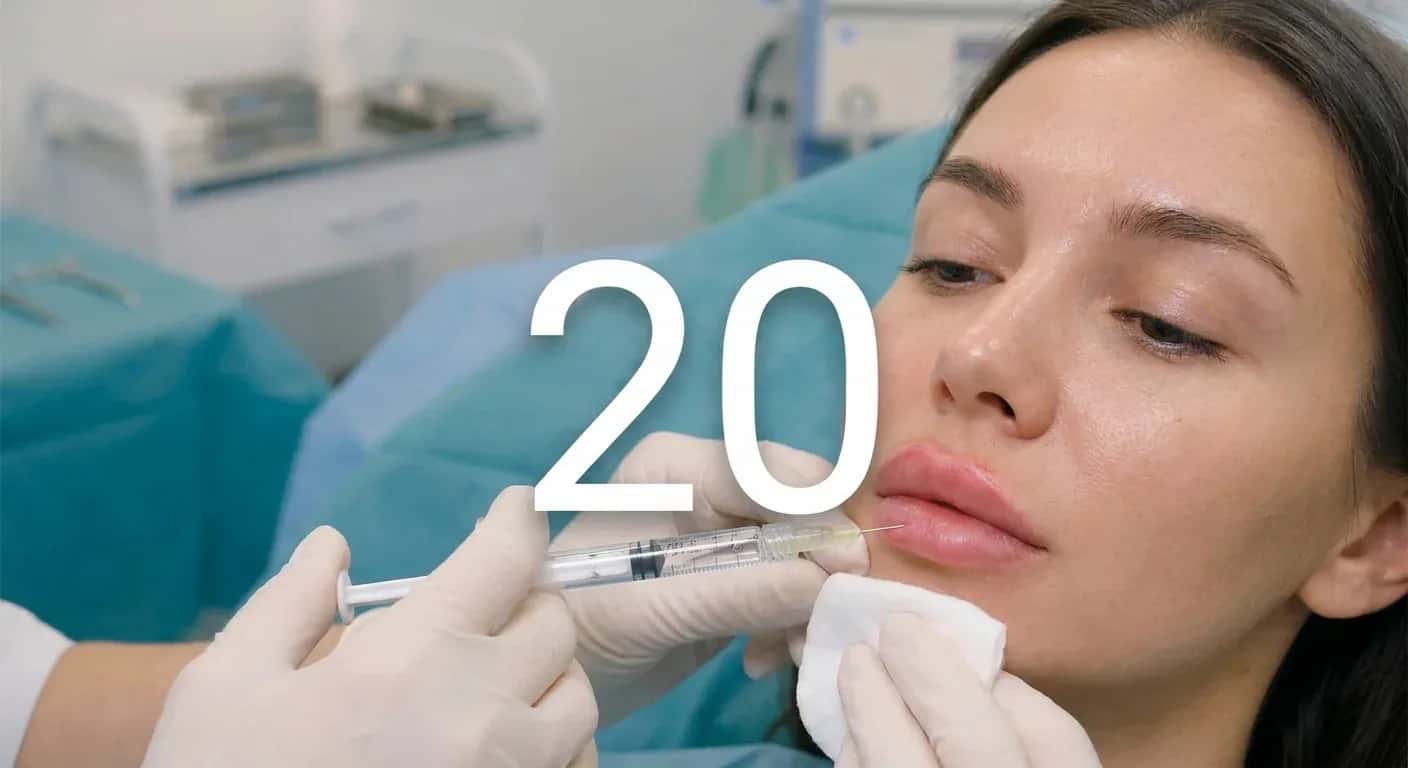
Many singers, actors, reality stars and influencers have talked openly about getting lip filler, and a growing number have also shared why they later had it dissolved. This guide looks at what 20 of these public figures said about their own lip treatments and what their experiences can teach anyone considering filler.

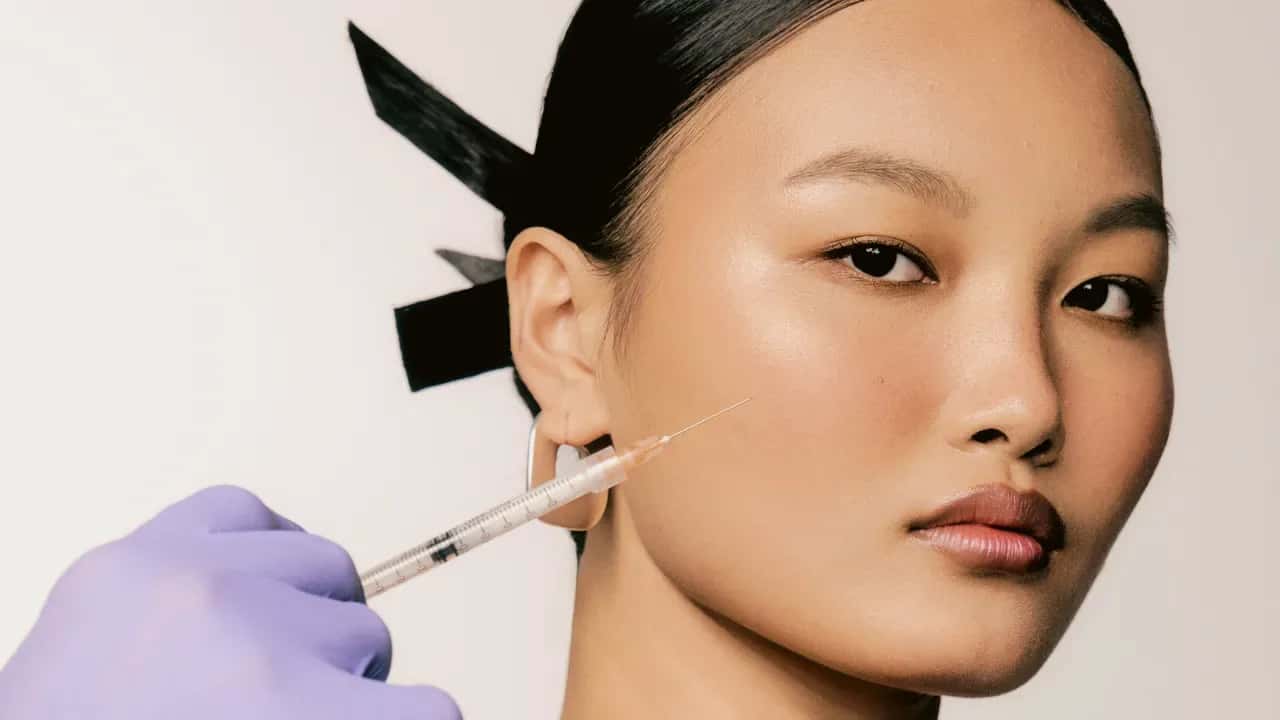
Filler fatigue describes the point where repeated dermal filler treatments leave a face looking heavier, puffier or less like itself, and it is pushing many people to rethink how they approach injectables. This guide explains what causes it, how to recognize an overfilled face.
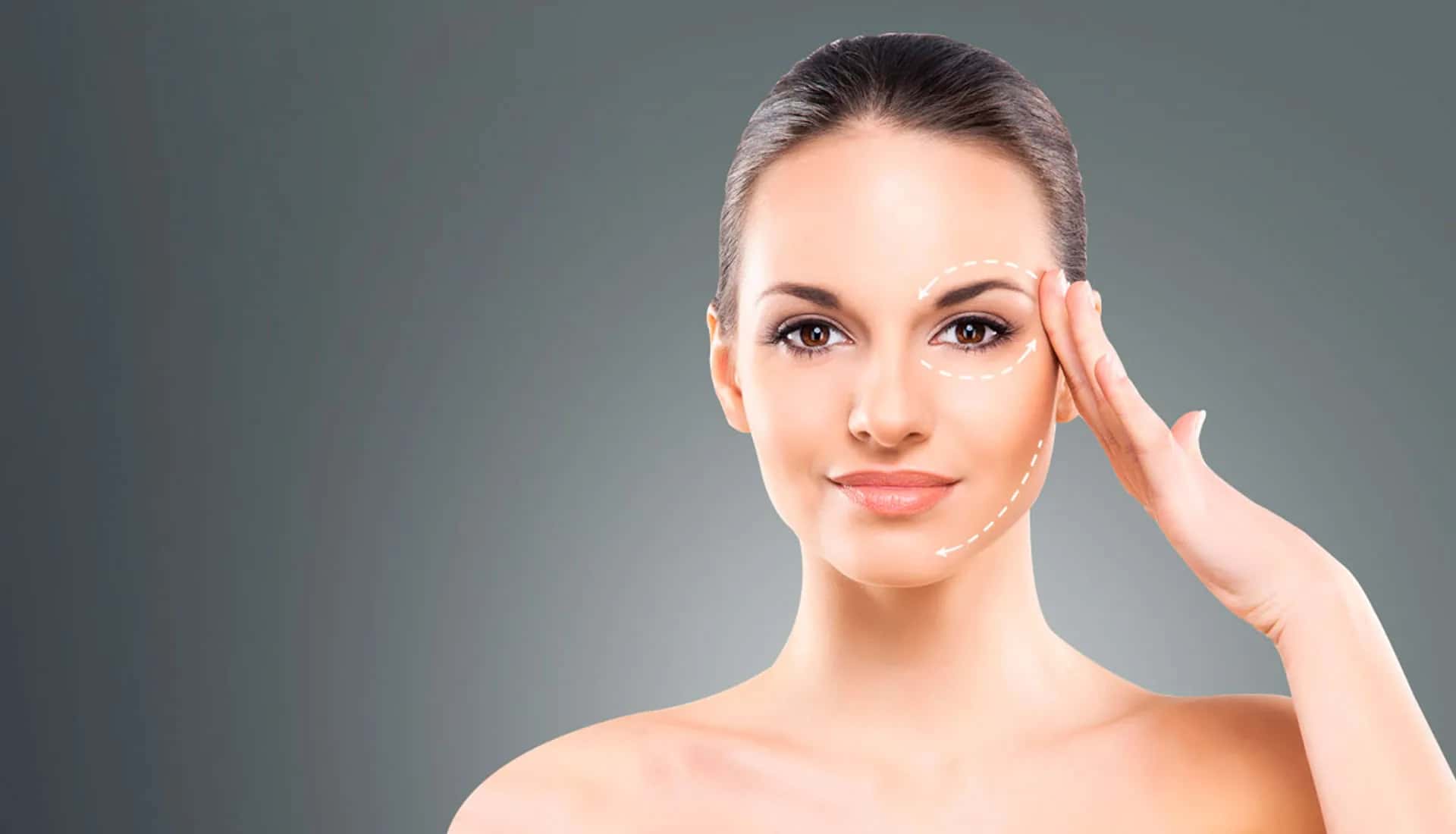
Overfilled faces develop when injectable treatments add more volume than the facial anatomy can accommodate naturally, altering contours, proportions and sometimes facial expression.
Subscribe to the Medifinder newsletter and never miss our latest content.