










Is a Hair Transplant Something You Might Regret?
This page explains when regret can occur after a hair transplant, which expectations may be unrealistic, and what matters most for achieving a more balanced long-term result.

- Last updated
- 42 reads
- 8 min read
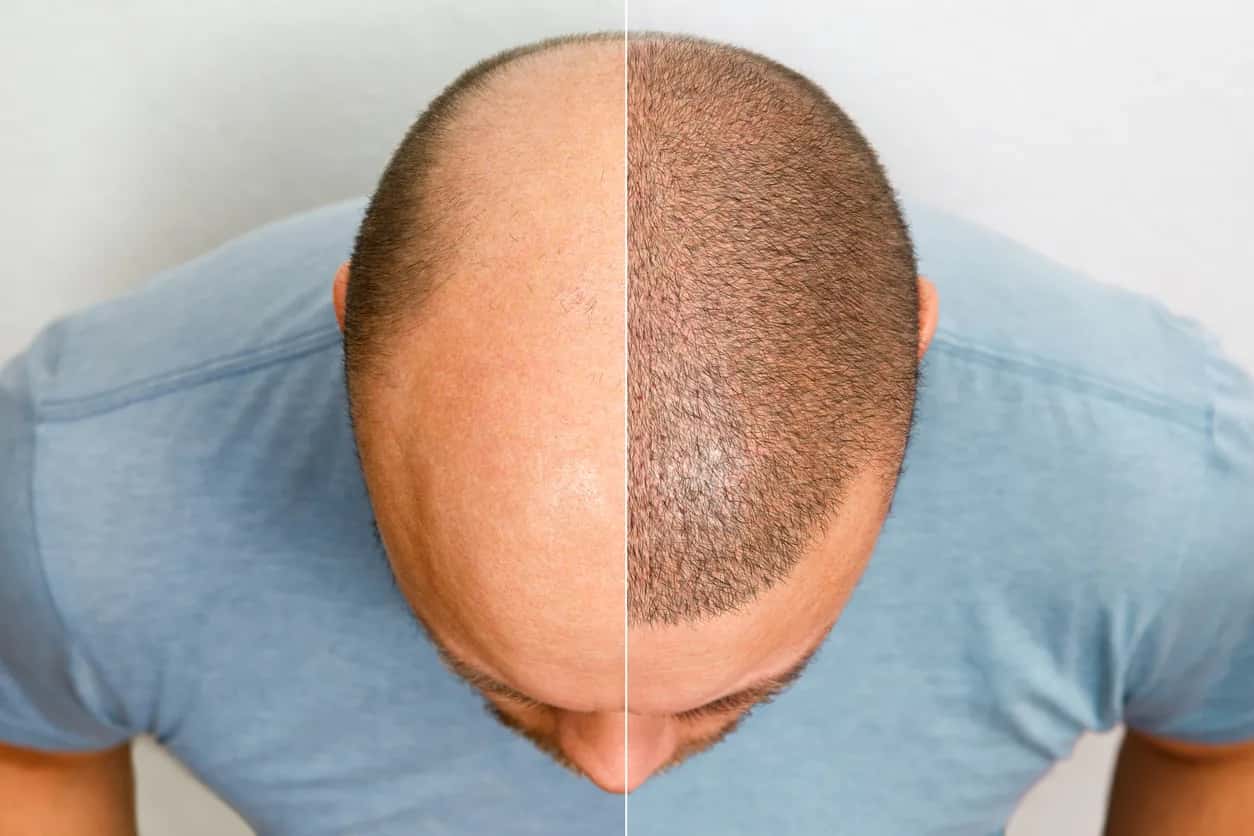


Why Do Some People Regret a Hair Transplant?
Regret after a hair transplant usually develops because of unrealistic expectations, poor planning, an unnatural hairline, or excessive use of the donor area. The procedure itself does not automatically lead to regret.
Some people mistake the temporary appearance during the first months for the final outcome and become disappointed too early. Others expect more density or coverage than their donor supply can realistically provide.
Long-term satisfaction does not depend only on how many grafts are transplanted. Future hair loss, donor reserves, and the relationship between transplanted and native hair also shape the final result.
Is Everyone Satisfied After a Hair Transplant?
Not everyone reaches the same level of satisfaction after a hair transplant because expectations, hair characteristics, donor capacity, and the progression of hair loss differ from person to person. The same number of grafts can create very different visual density.
Thick or curly hair may provide stronger coverage, while fine hair can make the scalp more visible even with similar graft numbers. This does not automatically mean the transplant failed.
Realistic expectations form the foundation of satisfaction. Hair transplantation redistributes existing donor hair rather than creating new follicles, and ignoring that biological limit can quickly lead to disappointment.
Is It Normal to Feel Regret During the First Months?
Feeling regret during the first few months can happen because the early stages of a hair transplant do not represent the final appearance. Redness, crusting, shock loss, and temporary thinning can all occur during recovery.
After transplanted hairs shed, some people feel they look worse than before surgery. In most cases, this phase reflects temporary shedding while the follicles remain beneath the skin.
New growth begins gradually over the following months. For that reason, judging the cosmetic result too early often creates an inaccurate impression of the final outcome.
Can Unrealistic Expectations Lead to Hair Transplant Regret?
Unrealistic expectations can turn a hair transplant into a disappointing experience because every procedure is limited by the available donor supply. Completely restoring childhood density across a large bald area may not be realistic.
Advanced hair loss often requires grafts to be distributed between the frontal area, mid-scalp, and crown. Trying to create maximum density everywhere can exhaust the donor reserve too quickly.
The goal should therefore be a balanced and sustainable appearance rather than trying to erase every sign of hair loss. Realistic planning has a direct effect on long-term satisfaction.
Can an Unnatural Hairline Cause Regret?
An unnatural hairline can become a major source of regret even when graft survival is good. A line that is too straight, too low, or excessively dense at the front may look artificial over time.
A natural frontal hairline usually includes small irregularities, single-hair grafts, and a height that suits facial proportions. Hair direction and exit angle matter just as much as the outline.
If the hairline is placed too low at a young age, continued thinning behind it can eventually create an unbalanced appearance.
Why Does Overharvesting the Donor Area Matter?
Overharvesting the donor area can create long-term regret because follicles removed from the donor zone do not grow back in the same location. Removing too many grafts can leave permanent thinning across the back and sides.
Important donor-planning factors include:
-
Hair shaft thickness
-
Donor density
-
Safe extraction zone
-
Likelihood of future hair loss
-
Previous hair transplants
-
Hair curl and growth direction
-
Reserve needed for possible future procedures
The aim should not be to extract the highest possible number in one session. A strong plan protects the donor area for the future.
Can Low Density After a Hair Transplant Cause Regret?
Lower-than-expected density can reduce satisfaction, although a sparse appearance does not always mean the procedure failed. Hair shaft thickness and the number of hairs contained within each graft strongly affect visual coverage.
Fine hair allows more scalp visibility, while thicker or curlier hair can create greater coverage with the same graft count.
Density also decreases when a limited number of grafts must cover a very large area. For this reason, judging a result only by graft numbers can be misleading.
Can Regret After Shock Loss Be Temporary?
Regret after shock loss is often temporary because many transplanted hair shafts shed during the first weeks before beginning a new growth cycle. The follicles themselves usually remain alive beneath the skin.
Some native hairs may also shed temporarily because of surgical stress, particularly when those hairs are already miniaturized or weakened.
The appearance can seem worse for several months before new growth becomes visible. As transplanted hairs begin to emerge and thicken, the early phase becomes less relevant to the final result.
Should Delayed Hair Growth Cause Concern?
Delayed visible growth does not automatically indicate a poor result because transplanted follicles do not all begin growing at the same time. Hair growth follows a biological cycle that unfolds over several months.
The first new hairs may appear thin, soft, or uneven. Over time, they become longer, thicker, and more similar to surrounding hair.
This is why the appearance at three or four months should not be treated as the final outcome. Density and hair quality can continue changing for many months.
Can Continued Native Hair Loss Become a Problem After a Hair Transplant?
Continued loss of native hair can create long-term problems because transplantation only relocates selected follicles. Genetically sensitive native hairs may continue to miniaturize around the transplanted areas.
This can create several issues:
-
New gaps behind the transplanted zone
-
Reduced density behind the frontal hairline
-
Noticeable contrast between dense and sparse areas
-
Need for another procedure
-
Further donor planning
-
Loss of balance in the original design
A hair transplant should therefore account for the likely future pattern of hair loss rather than focusing only on the current bald areas.
Does Having a Hair Transplant at a Young Age Increase the Risk of Regret?
A hair transplant at a young age can create more planning difficulties when the future pattern of hair loss has not yet become clear. Covering only the current recession may provide a short-term solution.
As hair loss progresses, transplanted hairs can remain while surrounding native hairs continue thinning. This may create isolated or disconnected areas of density.
For younger patients, a conservative hairline usually offers better long-term flexibility than an aggressive low design. Preserving donor reserves becomes especially important when future hair loss remains uncertain.
Can a Very Low Hairline Become a Problem Later?
A hairline placed too low can become problematic over time because it uses more grafts in the frontal zone and leaves fewer donor follicles available for future thinning. It may also look less appropriate as facial features mature.
A very low and dense frontal design can initially look attractive, but continued hair loss behind it may eventually create a clear imbalance.
Long-term planning should consider more than the immediate cosmetic result. Even a small difference in hairline position can influence donor usage and future repair options.
Does Needing a Second Hair Transplant Mean the First One Failed?
Needing a second hair transplant does not automatically mean the first procedure failed because some areas are too large to restore safely in one session. Staged treatment may preserve donor quality and allow more controlled planning.
Reasons for a second procedure can include:
-
Continued hair loss
-
Later crown thinning
-
Desire for additional density
-
Conservative donor use during the first procedure
-
Hairline refinement
-
Development of new thinning areas
The important point is that each procedure should fit into the same long-term strategy rather than being planned independently.
When Can a Hair Transplant Result Be Evaluated Realistically?
A hair transplant can be evaluated more realistically after enough time has passed for new hairs to grow, thicken, and mature. The first few months mainly reflect healing and early regrowth.
New hairs may initially look fine and grow at different speeds. As the months pass, the shafts become thicker and the overall direction and density become easier to assess.
The result is usually much clearer around the one-year mark. Crown areas may take longer to reach their most mature appearance.
What Can Be Done If the Result Is Different From Expected?
When the result differs from expectations, the first step is identifying exactly what went wrong. Low density, an unnatural hairline, donor thinning, and continued native hair loss require different approaches.
A second transplant may improve density or refine the hairline in some cases. However, limited donor reserves can restrict the available corrective options.
Problems involving incorrect angles, excessive frontal density, or poor hairline design may require more specific revision strategies. Correction should not automatically mean adding more grafts.
How Can the Risk of Hair Transplant Regret Be Reduced?
The risk of hair transplant regret can be reduced by planning for future hair loss instead of treating only the areas that are thin today. Donor preservation should remain central to that strategy.
The hairline should suit facial proportions, avoid unnecessary lowering, and maintain a natural transition in the frontal zone. Grafts should also be distributed according to realistic coverage goals.
Hair shaft thickness, the condition of existing hair, and the possibility of future sessions should all be considered from the beginning. Sustainable planning is more valuable than short-term maximum density.
Is a Hair Transplant the Right Decision for Everyone?
A hair transplant is not automatically the right option for everyone because adequate donor capacity, a suitable pattern of hair loss, and realistic expectations are essential. People with weak donor areas may achieve only limited coverage.
Rapidly progressing hair loss can also make long-term planning more difficult. Temporary shedding caused by another condition may not require surgical treatment at all.
Hair transplantation works best when the pattern of loss is understood and donor resources are used carefully. Performing surgery in an unsuitable situation can increase expectations without improving long-term outcomes.
What Is the Most Important Factor for Avoiding Hair Transplant Regret?
The most important factor in avoiding regret is aiming for a natural and sustainable long-term result rather than trying to transplant the maximum possible amount of hair in one session. Donor hair is a limited resource.
A balanced hairline, careful graft distribution, and planning for future hair loss can preserve a natural appearance for many years.
Hair transplantation should not be viewed only as a way to cover today’s thinning. Long-term success depends on maintaining visual balance even if additional native hair loss develops later.
- Last updated
- Language
- English
How did you find this article?
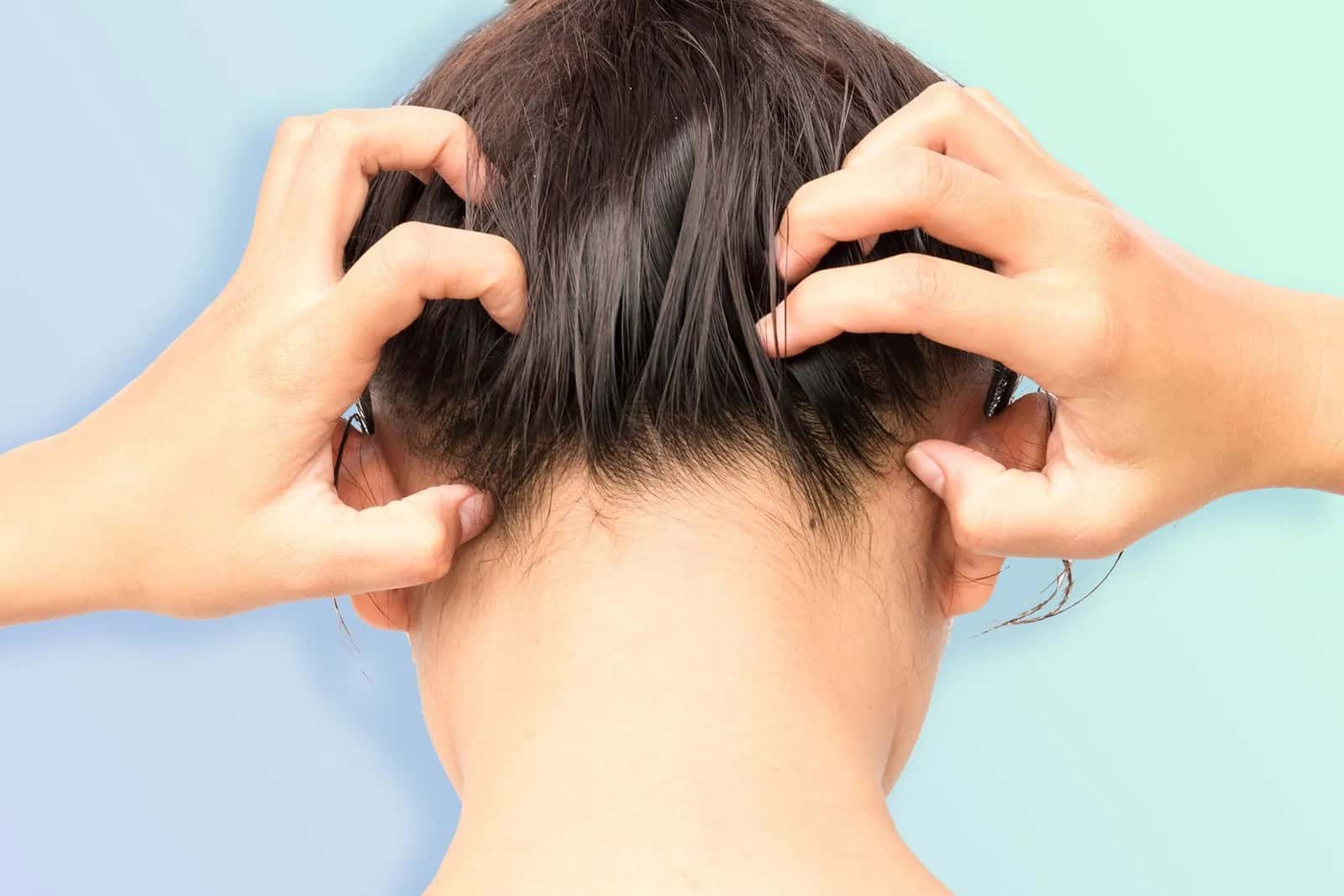
Air conditioning can dry out your scalp by reducing indoor humidity and affecting the skin's ability to maintain adequate moisture. Prolonged exposure to dry, cooled air may contribute to itching, flaking, tightness, and irritation, particularly when the scalp is already sensitive or prone to dryness.

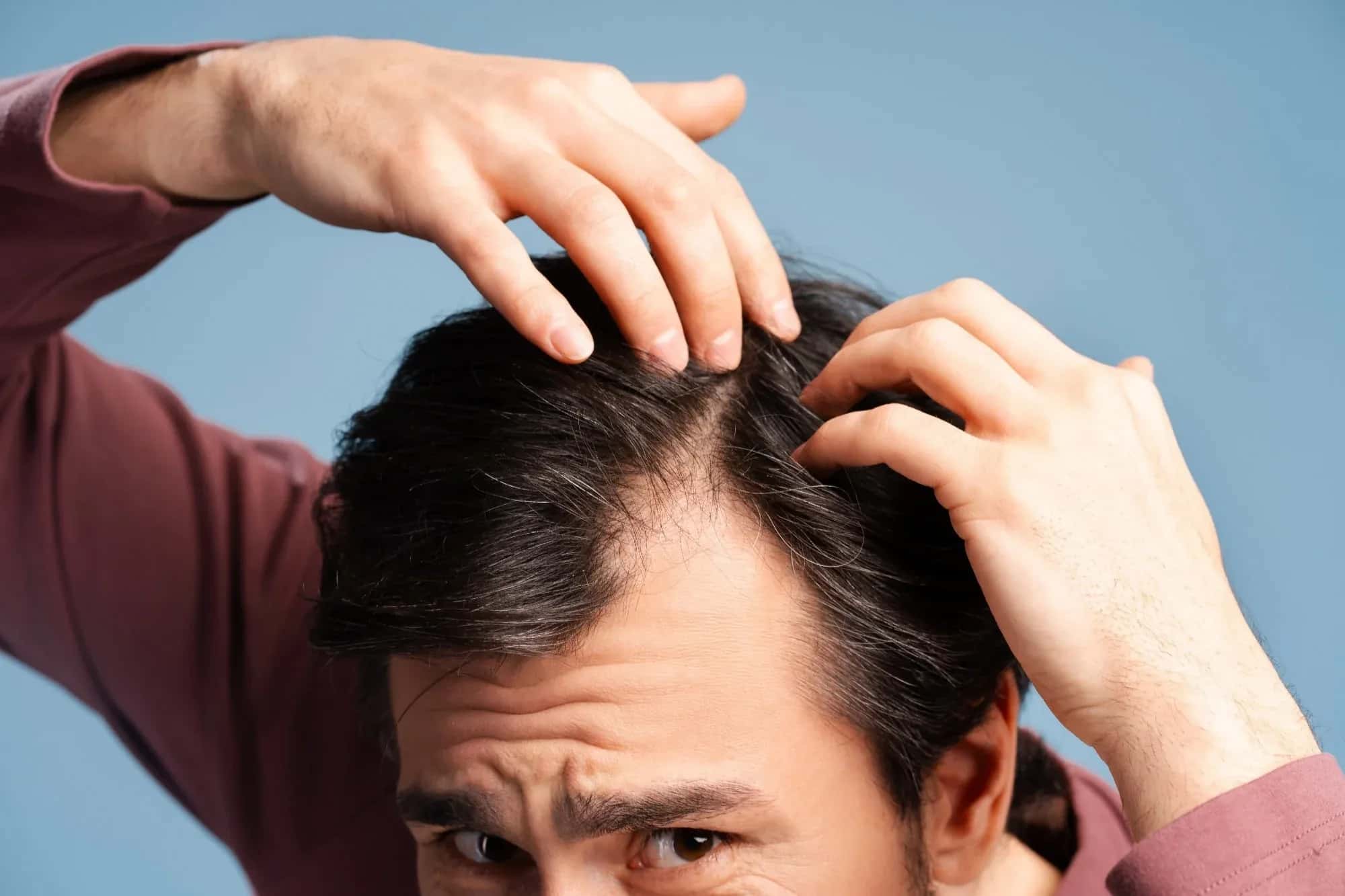
Certain dietary supplements can cause hair loss when taken in excessive amounts, particularly products containing high doses of vitamin A, selenium, or other concentrated nutrients. While supplements can help correct nutritional deficiencies that affect hair growth.

Spironolactone for female hair loss can help slow progressive thinning and improve hair density by reducing the effects of androgens on sensitive hair follicles. Although this prescription medication is not specifically approved for hair loss, clinical research supports its use in selected women.
Subscribe to the Medifinder newsletter and never miss our latest content.