










Hair Transplant in Cancun: Costs, Techniques and Travel Planning
A hair transplant in Cancun offers an option for people seeking surgical hair restoration while traveling to Mexico for treatment. Understanding the available techniques, treatment costs, recovery requirements and travel arrangements helps patients prepare for the procedure.

- Last updated
- 3 reads
- 12 min read
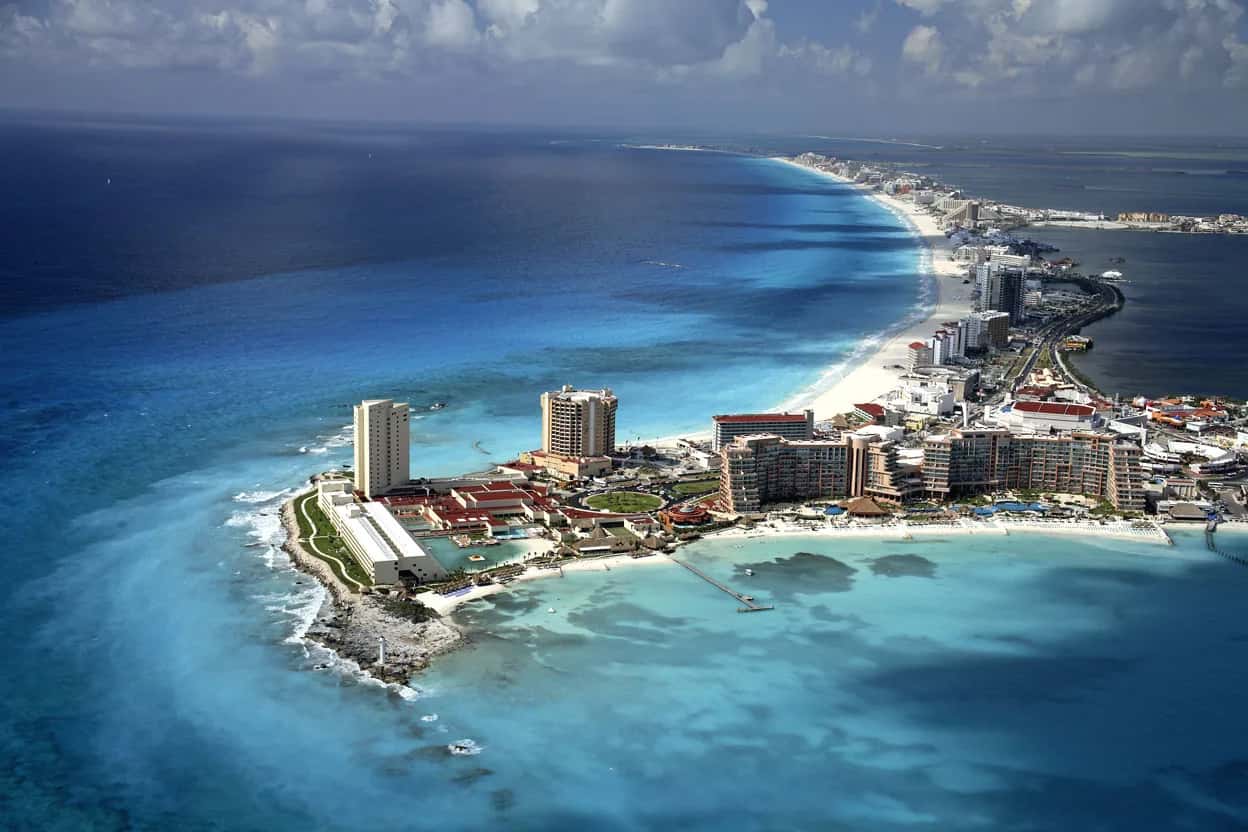


Why Consider Cancun for a Hair Transplant?
Cancun has developed beyond its reputation as a Caribbean vacation destination, attracting international visitors who travel to Mexico for medical and aesthetic procedures. Its international airport, established hospitality infrastructure and accessibility from North America make the city a practical location for patients considering hair restoration abroad.
For travelers from the United States and Canada, relatively convenient flight connections can reduce the time required to reach their treatment destination. Access to hotels, transportation services and English-speaking visitor facilities also makes organizing an international medical trip more manageable.
Hair transplantation requires considerably more planning than an ordinary vacation, however. Patients need time for consultation, surgery, early recovery and postoperative assessment before returning home.
Cancun's appeal therefore extends beyond its beaches and resorts. The most relevant advantages for hair transplant patients involve accessibility, organized travel arrangements and the possibility of combining treatment with a comfortable period of rest, provided that recovery takes priority over recreational activities.
Who Is a Suitable Candidate for Hair Transplantation in Cancun?
Hair transplantation is generally suitable for adults experiencing certain forms of permanent hair loss who retain enough healthy donor follicles to support restoration. Androgenetic alopecia, commonly associated with male and female pattern hair loss, represents one of the most frequent reasons people consider the procedure.
A suitable candidate needs a realistic understanding of what transplantation can achieve. The operation redistributes existing follicles rather than creating additional hair, which means the available donor supply places natural limits on achievable coverage.
Hair thickness, scalp condition, donor density and the progression of hair loss all influence surgical planning. Individuals experiencing rapidly changing hair loss or active scalp conditions may require further assessment before pursuing transplantation.
International patients must also consider their ability to travel comfortably, attend postoperative appointments and maintain appropriate scalp care after returning home. Medical suitability and practical readiness are equally important when planning a hair transplant in Cancun.
Which Hair Transplant Techniques Are Available in Cancun?
Hair restoration procedures in Cancun may involve several established surgical approaches, each using a different method of harvesting or implanting follicles.
-
Follicular Unit Extraction (FUE): This technique removes individual follicular units from the donor area, usually at the back or sides of the scalp, before implanting them into thinning regions. FUE avoids a continuous linear donor incision but creates small extraction wounds that heal into tiny scars.
-
Follicular Unit Transplantation (FUT): FUT involves removing a narrow strip of hair-bearing scalp tissue and separating it into individual grafts for implantation. The method can provide a substantial number of follicles, although it leaves a linear scar in the donor region.
-
Direct Hair Implantation (DHI): DHI describes an implantation approach that uses a specialized pen-like instrument to place extracted follicles into the recipient area. The grafts are commonly harvested through FUE, meaning DHI is not an entirely separate extraction technique.
The appropriate surgical approach should preserve healthy donor hair while supporting natural hair direction, balanced density and long-term restoration goals.
How Much Does a Hair Transplant in Cancun Cost?
The cost of a hair transplant in Cancun is an important consideration for international patients comparing Mexico with treatment options closer to home. As a broad planning reference, advertised hair transplant offers in Cancun can fall around US$3,000 to US$7,000, although this range should not be treated as a guaranteed quotation for a particular procedure.
The number of grafts plays a significant role in determining the overall expense. A limited hairline correction generally requires fewer follicles than a procedure covering the frontal scalp, middle section and crown.
The chosen surgical technique, operating time and services included in the treatment arrangement also influence the final amount. Some offers cover only the procedure, while others include accommodation, local transportation and initial postoperative care.
Patients should calculate the entire travel budget rather than focusing exclusively on the advertised surgical fee. Flights, additional hotel nights, meals and unexpected medical expenses can change the overall financial picture.
Understanding hair transplant pricing factors can help patients compare treatment proposals using consistent criteria instead of relying on headline prices alone.
What Should a Cancun Hair Transplant Package Include?
A well-organized hair transplant package should provide clear information about the medical procedure and the practical arrangements required during the patient's stay.
-
Medical assessment and surgical planning: The treatment arrangement should identify the consultation process, proposed technique, estimated graft count and the responsibilities of the medical professionals performing the operation.
-
Procedure-related services: Patients should receive written confirmation of whether anesthesia, necessary medical tests, postoperative medication and initial scalp cleansing are included in the quoted price.
-
Accommodation and transportation: International treatment packages may include hotel reservations and airport transfers, but patients should verify the number of nights provided and whether transportation to postoperative appointments is covered.
-
Postoperative support and follow-up: Clear washing instructions, an early recovery assessment, access to medical assistance and arrangements for continued communication after departure are essential parts of treatment planning.
How Can You Evaluate Hair Transplant Services in Cancun?
Selecting a hair transplant provider requires attention to medical qualifications, surgical responsibility and patient safety rather than promotional claims alone. Before making travel arrangements, patients should establish who will perform the important stages of the operation and what qualifications support that responsibility.
A thorough consultation should examine the donor area, hair loss pattern and expected progression of thinning. It should also explain how the proposed graft distribution supports a natural appearance without exhausting the available donor reserve.
Photographs of previous results can provide useful context when they show consistent lighting, comparable hair lengths and clearly documented outcomes. However, attractive photographs cannot replace information about medical standards, infection prevention and postoperative support.
Patients should also receive understandable written consent information and a clear plan for managing complications. International treatment becomes more manageable when communication remains accessible after the patient has returned home, rather than ending immediately after the operation.
How Many Grafts Are Needed for a Hair Transplant?
The number of grafts required for hair transplantation depends on the size of the thinning area, the existing hair density and the visual coverage being targeted. A small correction around the temples requires a different approach from restoring a large section of the scalp.
Each follicular unit contains one or more hairs, so graft count and individual hair count should not be treated as identical measurements. Hair caliber, texture and color contrast also influence the appearance of density.
For patients considering a Cancun hair transplant, the consultation should establish where the grafts will be placed and why those areas receive priority. The frontal hairline often requires careful detail, while the crown may consume many grafts because of its broader surface and circular hair growth pattern.
Attempting to maximize graft numbers without considering future hair loss can unnecessarily reduce the donor reserve. Sustainable planning focuses on balanced coverage and preservation rather than the largest possible session.
What Happens During a Hair Transplant Procedure in Cancun?
A hair transplant procedure begins with preparation of the scalp, confirmation of the planned recipient areas and administration of local anesthesia. The surgical team then collects suitable follicular units from the donor region using the selected harvesting method.
During FUE, individual follicles are extracted through small circular openings. The harvested grafts are carefully handled before placement into the areas requiring additional hair coverage.
The implantation stage requires close attention to the direction, angle and spacing of the follicles. These details determine how the transplanted hair integrates with surrounding natural hair once growth begins.
Larger sessions can occupy much of the day, so patients should avoid arranging demanding activities immediately afterward. Mild tenderness, redness and small crusts are common early postoperative changes.
The initial appearance does not represent the final result. Transplanted hair passes through a shedding and regrowth cycle before meaningful improvements in density become visible.
How Long Should You Stay in Cancun After Surgery?
International patients should arrange enough time in Cancun to complete the procedure, receive initial postoperative care and address any immediate recovery concerns before departure. A tightly scheduled visit that leaves no flexibility for assessment or unexpected delays can complicate an otherwise manageable treatment journey.
Several days of local recovery may allow time for an early examination and supervised washing instructions. A longer stay may be useful when travel arrangements involve lengthy flights or when additional postoperative observation is necessary.
Accommodation should offer a clean, quiet environment where patients can rest without exposing their scalp to unnecessary contact or physical exertion. Convenient access to the treatment facility also makes follow-up appointments easier.
The hotel environment matters more than access to recreational facilities during this period. Patients will generally benefit more from comfortable sleeping arrangements, reliable transportation and flexible booking conditions than from an itinerary filled with sightseeing activities.
How Does Cancun's Climate Affect Hair Transplant Recovery?
Cancun's tropical climate creates specific considerations for patients recovering from hair transplantation. Warm temperatures, humidity and intense sunlight can make outdoor activities uncomfortable while the scalp remains sensitive.
Excessive sweating may increase itching or irritation during early recovery, particularly when small crusts surround the newly implanted grafts. Patients should spend the initial postoperative period in a comfortably cooled environment and avoid prolonged exposure to direct sunlight.
Sun protection deserves attention because recently treated skin is vulnerable to irritation and ultraviolet exposure. During the earliest healing stage, remaining in the shade or indoors offers practical protection without placing pressure on the grafts.
Rainfall and tropical storms are also relevant to travel planning. Cancun experiences wetter conditions during part of the year, while the Atlantic hurricane season extends from June through November. Flexible flights and accommodation can help patients manage weather-related disruptions without compressing their recovery schedule.
What Should You Avoid After a Hair Transplant in Cancun?
Cancun offers many outdoor activities, but the early recovery period is not an appropriate time to follow a typical beach vacation itinerary.
-
Swimming in the sea or hotel pools: Recently transplanted areas require protection while the small surgical openings heal. Swimming exposes the scalp to water, microorganisms and unnecessary irritation, making it unsuitable during the initial recovery period.
-
Sunbathing and prolonged beach exposure: Direct sunlight can aggravate sensitive skin, particularly when redness and crusting remain visible. Patients should postpone sunbathing and avoid activities that require extended exposure to tropical heat.
-
Intensive physical activities and water sports: Snorkeling, diving, strenuous excursions and demanding workouts may involve pressure from equipment, excessive sweating or accidental scalp contact. These activities should remain outside the early recovery schedule.
-
Alcohol, smoking and unnecessary scalp products: Alcohol can complicate postoperative recovery and medication use, while smoking interferes with normal tissue healing. Unapproved oils, styling products and cosmetic treatments should not be applied to newly transplanted areas.
When Can You Fly Home After a Hair Transplant?
Flying home after a hair transplant requires coordination between the early healing period and the practical demands of air travel. Although hair transplantation is commonly performed as an outpatient procedure, patients still need to manage postoperative swelling, scalp sensitivity and potential complications.
Airport environments introduce everyday risks that may be overlooked during recovery. Crowded queues, overhead luggage compartments, restrictive travel accessories and prolonged journeys can increase discomfort or lead to accidental contact with the recipient area.
Patients should complete the recommended early postoperative assessment and obtain medical clearance for their planned departure. Longer flights also involve extended sitting, making appropriate movement and hydration important while traveling.
Carrying medication, written aftercare instructions and relevant medical information in hand luggage can make the journey more manageable. Patients should also know how to obtain medical attention after returning home if unexpected symptoms develop.
What Does the Hair Transplant Recovery Timeline Look Like?
The first few days after transplantation primarily involve protecting newly implanted follicles while the scalp begins repairing the small surgical openings. Mild swelling, redness and crusting commonly appear during this stage, while the donor area may feel tender or tight.
During the following week, gentle washing helps maintain cleanliness as crusts begin loosening naturally. Many patients notice substantial improvement in visible swelling within the first several days, although sensitivity and redness may persist longer.
For a more detailed explanation of washing, sleeping positions and graft protection, understanding hair transplant aftercare helps patients prepare for the early healing period before traveling.
Transplanted hair shafts commonly begin shedding during the weeks after surgery. This temporary change may make the recipient area appear thinner, even when the follicles remain beneath the skin.
New growth often becomes noticeable around the third or fourth month, with fuller coverage developing gradually afterward. Final maturation can take approximately 12 to 18 months, making patience an important part of the restoration process.
What Are the Potential Risks of Hair Transplantation Abroad?
Hair transplantation involves surgical risks regardless of the destination, including infection, bleeding, scarring, poor graft growth and temporary changes in scalp sensation. Careful preparation reduces avoidable problems but does not eliminate every possible complication.
International travel adds another consideration because patients may be far from the medical team responsible for their procedure when delayed symptoms appear. Maintaining access to treatment records and arranging postoperative support before departure can make subsequent care more straightforward.
Increasing redness, worsening pain, unusual discharge or fever should prompt medical evaluation rather than continued self-treatment. Patients should never assume that progressive symptoms represent ordinary healing simply because the operation occurred recently.
The financial implications also deserve attention. Additional appointments, complication treatment or changes to travel arrangements may create expenses beyond the original package.
A sound treatment decision considers medical safety, accessibility of follow-up care and the ability to obtain assistance after returning home.
What Results Can You Expect From a Hair Transplant in Cancun?
Hair transplantation aims to improve the appearance of thinning areas by relocating follicles from a suitable donor region. A successful procedure can strengthen the hairline, reduce visible scalp exposure and provide greater coverage in selected areas.
The final appearance depends on the existing hair pattern, donor characteristics and distribution of transplanted follicles. Natural hair direction and thoughtful density planning often contribute more to a convincing result than attempting to create the highest possible graft count.
Patients should also understand that transplanted hair does not prevent further loss of surrounding untreated hair. Long-term restoration planning must account for the possibility that natural hair may continue thinning after surgery.
Visible improvements develop over several months rather than immediately after the operation. Evaluating results through consistent photographs at appropriate intervals provides a clearer picture of progress than making comparisons every few days.
Is Cancun a Practical Destination for Hair Restoration?
Cancun can be a practical destination for hair restoration when patients approach the trip as a medical procedure supported by appropriate travel planning. Its accessibility, accommodation options and international visitor infrastructure can simplify some of the logistical challenges associated with receiving treatment abroad.
However, the advantages of the destination should never outweigh the importance of medical qualifications, careful donor management and reliable postoperative care. The quality of the surgical plan and the patient's ability to complete recovery safely remain central to the decision.
A hair transplant in Cancun requires realistic expectations about cost, treatment time, climate-related precautions and the gradual development of new hair. Patients who prioritize these considerations can plan their journey around the requirements of the procedure rather than the attractions of the destination, creating a more structured and responsible approach to long-term hair restoration.
- Last updated
- Language
- English
How did you find this article?
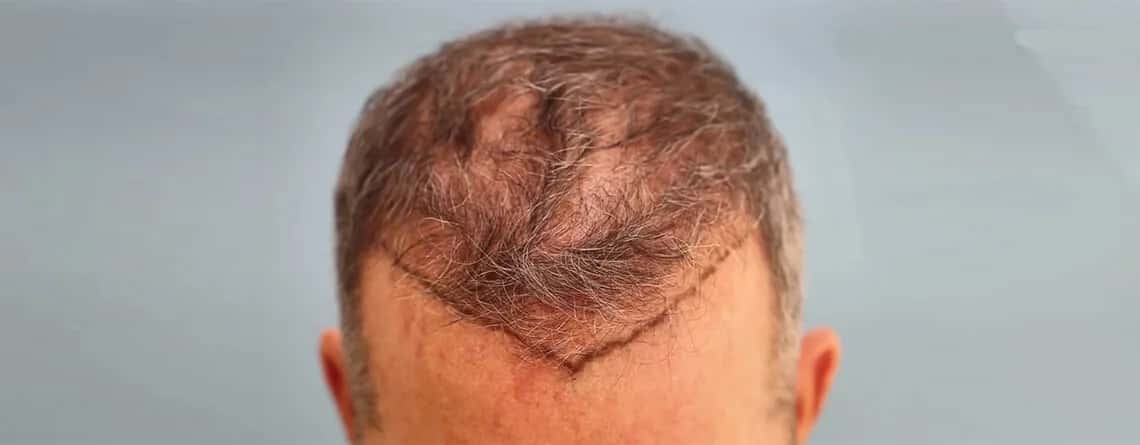
A hair transplant can look thinner in photos than it appears in person because lighting, camera angles, hair length and scalp visibility influence how the hair is captured.
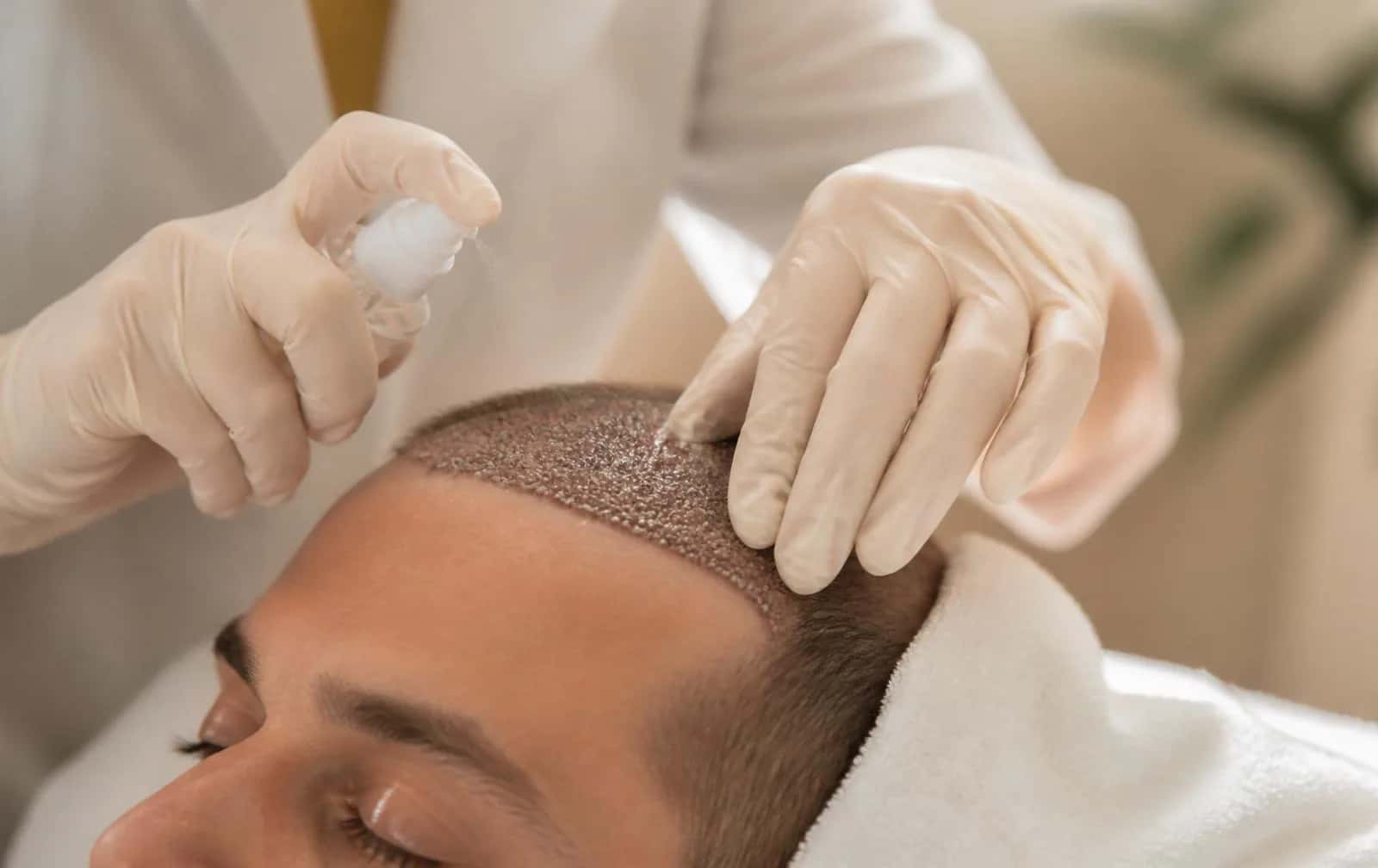
Hiding a hair transplant during recovery requires balancing personal privacy with the need to protect newly implanted follicles.
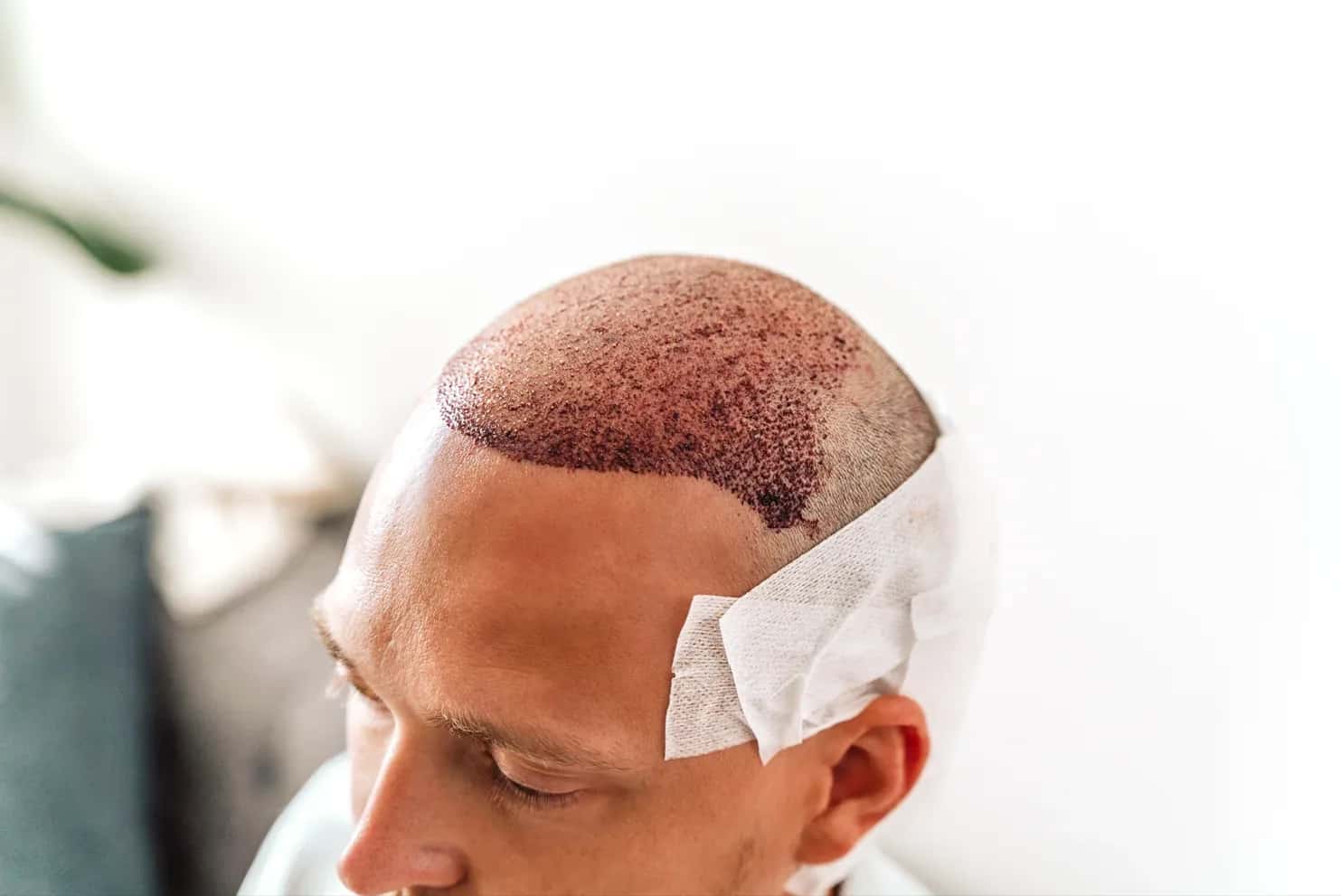
Returning to work after a hair transplant requires careful planning to protect newly implanted follicles while allowing the scalp to heal comfortably.

Subscribe to the Medifinder newsletter and never miss our latest content.