










First Haircut After a Hair Transplant
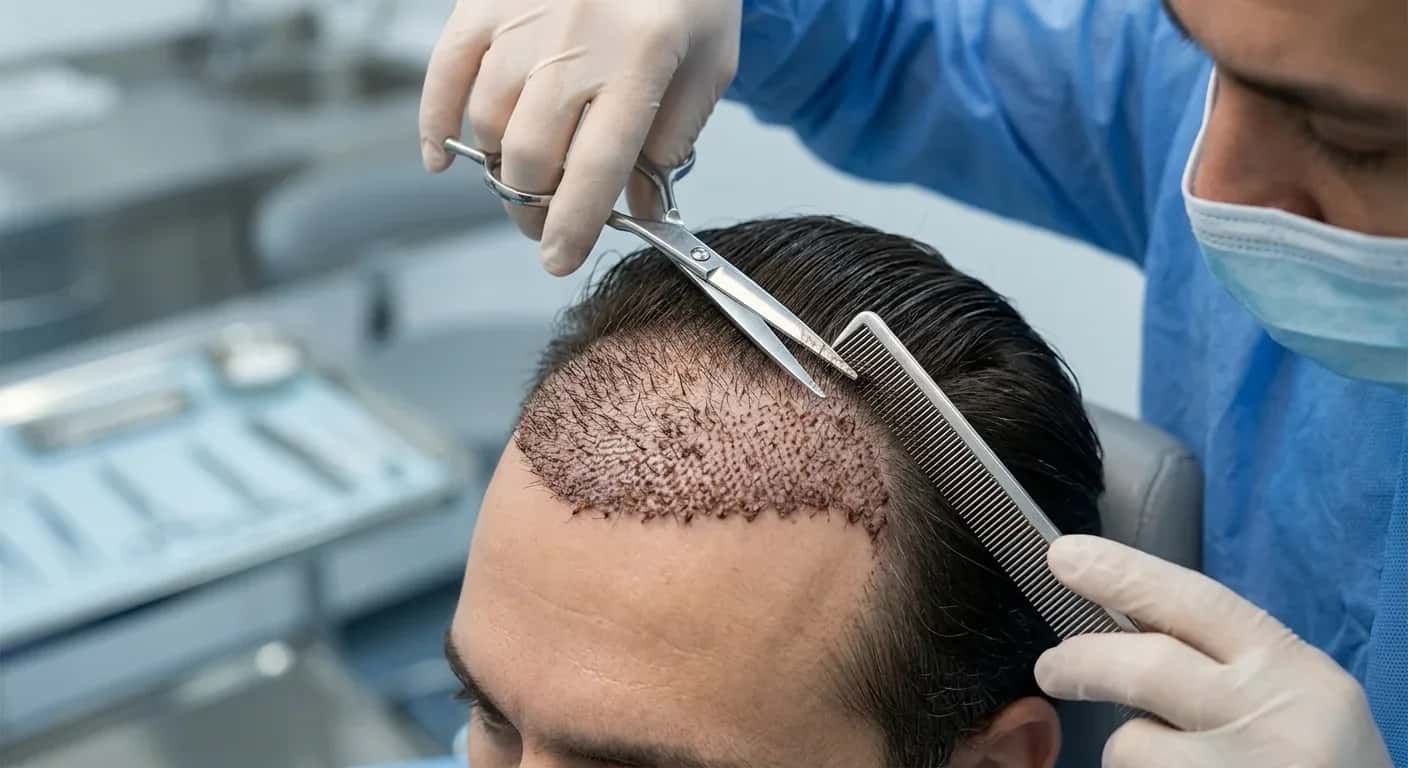
The first haircut after a hair transplant should be planned carefully because both the recipient and donor areas need time to heal. Uneven hair lengths, rapid donor-area growth and the temporarily shaved appearance can make patients want a haircut early.

- Last updated
- 18 reads
- 9 min read


When Can You Get Your First Haircut After a Hair Transplant?
The first haircut after a hair transplant should generally wait until the crusts have cleared and the scalp has passed through its earliest sensitive healing stage.
A light trim with scissors may often be considered after roughly two weeks. Clippers that make direct contact with the recipient area usually require a more cautious approach.
During the first month, avoiding extremely close clipping over the transplanted area is generally sensible.
The donor region heals more quickly, so it can often be trimmed earlier than the recipient area. However, clippers should not be pressed firmly against skin that remains red, crusted or sensitive.
Why Should You Wait Before the First Haircut?
You should wait because thousands of small healing points remain in both the donor and recipient areas immediately after hair transplantation.
Newly implanted grafts are particularly sensitive to mechanical contact during the first few days. Clippers, combs, scissor tips or vigorous rubbing can create unnecessary trauma.
The priority during early recovery should be healthy scalp healing rather than achieving a perfectly even hairstyle.
During the first 10 days after a hair transplant, washing, crust management and protecting the grafts matter more than trimming the hair.
Once the crusts have cleared, cutting becomes much easier and more controlled.
What Should the Haircut Timeline Look Like?
The haircut timeline should minimize scalp contact during early healing and gradually return to normal cutting methods as the skin recovers.
A practical general timeline can include:
-
Avoid cutting the recipient area during the first 10 days
-
Allow roughly 10 to 14 days for crusts to clear
-
Consider a light scissor trim after approximately two weeks
-
Trim the donor area carefully once its surface has healed
-
Delay direct clipper use over the recipient area for several weeks
-
Avoid extremely close clipping during the first month
-
Wait longer before using a razor directly against the scalp
-
Return gradually to normal haircut routines once the skin appears fully healed
These periods are not rigid deadlines. The condition of the scalp matters more than reaching a particular calendar day.
Can You Cut Your Hair With Scissors After a Hair Transplant?
Hair can be trimmed with scissors after a hair transplant, and scissors can offer more control than clippers during the early stages.
A scissor cut does not require direct contact between a moving blade and the scalp. This can help when the donor and transplanted areas have begun growing at visibly different lengths.
Once crusts have completely cleared, a careful trim may often be performed after roughly two weeks.
The scissor tips should remain away from the skin, while combs should not scratch or pull across the recipient area.
The goal of the first trim should be gentle length adjustment rather than creating a perfectly polished hairstyle.
When Can You Use Hair Clippers After a Hair Transplant?
Hair clippers should generally be kept away from the transplanted area during the first few weeks and introduced carefully after the scalp has healed.
Clipper heads move repeatedly across the skin and can create unnecessary friction when crusting or sensitivity remains.
Before the first month has passed, using a longer guard rather than cutting the recipient area extremely short provides a more cautious approach.
The donor area usually becomes suitable for clipper use earlier because it heals faster than the recipient area.
Clippers should always be clean, should not irritate the skin and should never be pressed firmly enough to produce redness or bleeding.
Can You Use a Razor After a Hair Transplant?
A razor can eventually be used after a hair transplant, but it should not be the first choice during early recovery because it makes much closer contact with the skin than scissors or guarded clippers.
A razor cuts hair at skin level and produces direct friction across the scalp.
Using it while the recipient area remains recently healed can increase irritation or cause small superficial cuts.
Never shave over remaining crusts, persistent redness or sensitive skin.
Close shaving becomes more reasonable once the scalp looks fully recovered.
The same caution applies to the donor area if folliculitis, pimples, crusting or tenderness remain present.
When Can the Donor Area Be Trimmed?
The donor area can usually be trimmed earlier than the transplanted area because the small FUE extraction sites tend to heal relatively quickly.
During the first days, the back and sides of the scalp may still show redness, tenderness and small crusts.
Once these areas have healed at the surface, the surrounding hair can usually be shortened carefully.
However, there is rarely any reason to press clippers directly against the scalp immediately.
Very short hair can also make temporary donor-area redness more visible.
After a large FUE extraction, leaving the hair slightly longer may help camouflage uneven appearance while the donor area continues recovering.
When Can the Recipient Area Be Trimmed?
The recipient area should be treated more cautiously than the donor area because active healing continues around the newly implanted grafts during the early postoperative period.
Haircutting should not be the priority during the first 10 days. Washing and allowing crusts to soften and clear are much more important.
After the crusts disappear, grafts become considerably more stable than they were immediately after surgery.
Even then, there is little reason to rush into aggressive clipping.
Scissors can provide a controlled way to even out length first. If clippers are later used, a longer guard and minimal scalp pressure can reduce unnecessary irritation.
Can You Cut Your Hair Before the Crusts Are Gone?
You should generally avoid cutting the transplanted area before the crusts have cleared because combs, clippers and scissors can accidentally pull or disturb them.
Post-transplant crusts form from dried blood, tissue fluid and superficial healing material around the implantation sites.
They should soften and separate through the recommended washing process.
A comb or clipper can catch on a crust and unintentionally pull the surrounding skin.
For this reason, scalp cleaning and hair cutting should remain separate stages.
Trying to remove crusts during a haircut creates unnecessary friction and provides no advantage over allowing them to clear normally.
Can You Get a Haircut During Shock Loss?
You can cut your hair during the shock-loss phase because trimming the visible hair shaft does not alter the growth cycle of the follicle beneath the skin.
Many transplanted hairs shed during the weeks following surgery. This does not automatically mean the graft itself has been lost.
Uneven shedding can create different lengths across the scalp, and trimming may make the appearance more uniform.
Once the scalp has healed, scissors or suitable guarded clippers can be used.
However, cutting the hair will not stop shock loss.
A haircut changes only the visible hair length and does not accelerate, delay or prevent the biological shedding and regrowth cycle.
Can the First Haircut Damage Hair Grafts?
A properly timed and gentle haircut should not damage established hair grafts.
The greater risk comes from applying mechanical trauma too early. Pressing clippers firmly against the scalp, pulling crusts or repeatedly scratching the recipient area can cause irritation.
The visible hair shaft is cut above the skin while the follicle remains beneath the surface.
Once healing has progressed, shortening the hair therefore does not remove the transplanted follicle.
Direct trauma during the first postoperative days is different.
That is why the timing of the haircut matters much more during early recovery than it does several weeks or months later.
How Should the First Haircut Be Done?
The first haircut should minimize direct scalp contact and avoid irritating recently healed recipient and donor areas.
Useful precautions include:
-
Make sure the scalp is clean and free from crusts
-
Consider a light scissor trim first
-
Use a longer clipper guard if clippers are necessary
-
Avoid pressing the clipper into the recipient area
-
Do not comb the transplanted area aggressively
-
Avoid pulling hair tightly before cutting
-
Do not use a razor too early
-
Make sure cutting equipment is clean
-
Avoid repeatedly passing over red or sensitive areas
-
Stop if bleeding occurs
-
Do not rub the scalp aggressively after cutting
Protecting the healing scalp matters more than achieving a perfect style during the first haircut.
How Short Can You Cut Your Hair After a Hair Transplant?
Keeping the hair slightly longer during the first haircut provides a safer and more controlled transition than immediately cutting the transplanted area extremely short.
If clippers are used, starting with a longer guard reduces direct contact between the blade and scalp.
There is no single clipper number that every patient must follow.
The main objective during early recovery is to avoid unnecessary friction against recently healed skin.
Leaving more length can also camouflage temporary redness in the donor area and uneven density while the recipient area goes through shedding.
The hair can gradually be cut shorter as recovery progresses.
There is no biological advantage to choosing the shortest possible cut during the first haircut.
How Should You Wash Your Hair After the First Haircut?
Once the scalp has healed, washing after the first haircut can gradually resemble a normal routine, although aggressive rubbing remains unnecessary.
During early recovery, washing helps keep the scalp clean and supports controlled crust removal. The appropriate washing frequency after a hair transplant is particularly relevant during the first postoperative days.
After trimming, lukewarm water and gentle shampoo application with the fingertips are usually sufficient.
Avoid scratching with the fingernails, using excessively hot water or rubbing the scalp vigorously with a towel.
As healing completes, normal washing movements can gradually return without affecting established grafts.
What Should You Avoid During the First Haircut?
The main mistakes during the first haircut involve cutting too early and applying unnecessary pressure simply to achieve a very short appearance.
Avoid:
-
Cutting over remaining crusts
-
Using clippers on the recipient area during the first days
-
Pressing the clipper head against transplanted skin
-
Shaving the scalp extremely short too early
-
Using a razor during early healing
-
Removing crusts with clippers or a comb
-
Scratching the scalp with hard comb teeth
-
Using dirty or shared clipper heads
-
Repeatedly passing over irritated skin
-
Applying alcohol-based aftershave to the scalp
-
Rubbing the head aggressively with a towel
-
Continuing the haircut despite bleeding or significant pain
A conservative first trim will not make future haircuts more difficult.
Does Shaving Make Transplanted Hair Grow Faster?
Shaving does not make transplanted hair grow faster, thicker or denser.
A haircut removes only the portion of the hair shaft above the skin. The follicle controlling hair production remains underneath and continues following its own biological growth cycle.
Freshly cut hair can temporarily appear thicker because the end of the shaft is blunt rather than tapered.
This does not mean the actual diameter of the growing hair has increased.
For the same reason, frequent shaving cannot accelerate the final transplant result.
New growth depends on the biological cycle of transplanted follicles, and meaningful improvements in density develop gradually over several months.
When Can You Return to a Normal Barber Routine?
You can gradually return to a normal barber routine once crusting, significant redness and scalp sensitivity have resolved.
Haircuts themselves become much less concerning after the first few weeks, although the scalp should still be treated sensibly while recovery continues.
During the first few visits, telling the barber that you recently had a hair transplant can help prevent excessive pressure, aggressive combing or an unnecessarily close clipper cut.
Returning to normal haircuts does not mean the transplant has reached its final result.
The scalp may tolerate ordinary trimming much earlier, while transplanted follicles continue producing new hairs and improving in density for many months afterward.
- Last updated
- Language
- English
How did you find this article?
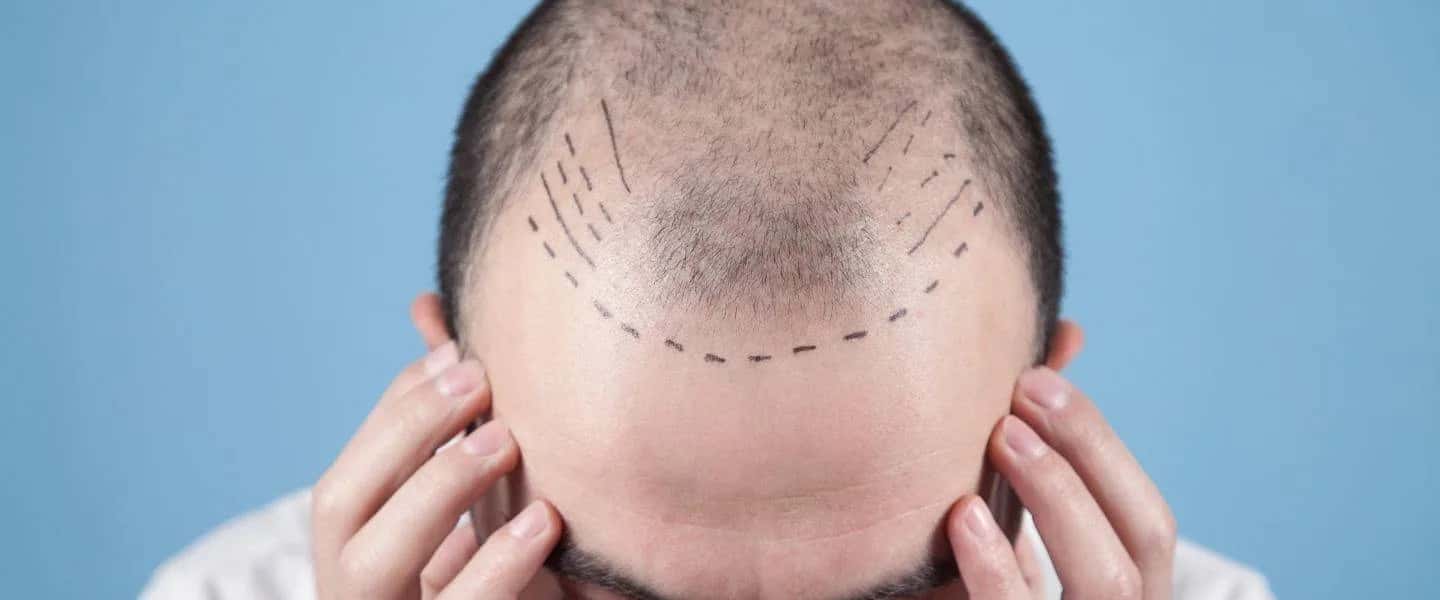
FUE after a previous FUT hair transplant offers an opportunity to improve hair density, address areas of continued hair loss and reduce the visibility of an existing linear scar. Understanding how the earlier procedure affects donor hair availability, graft placement and recovery is essential when planning.
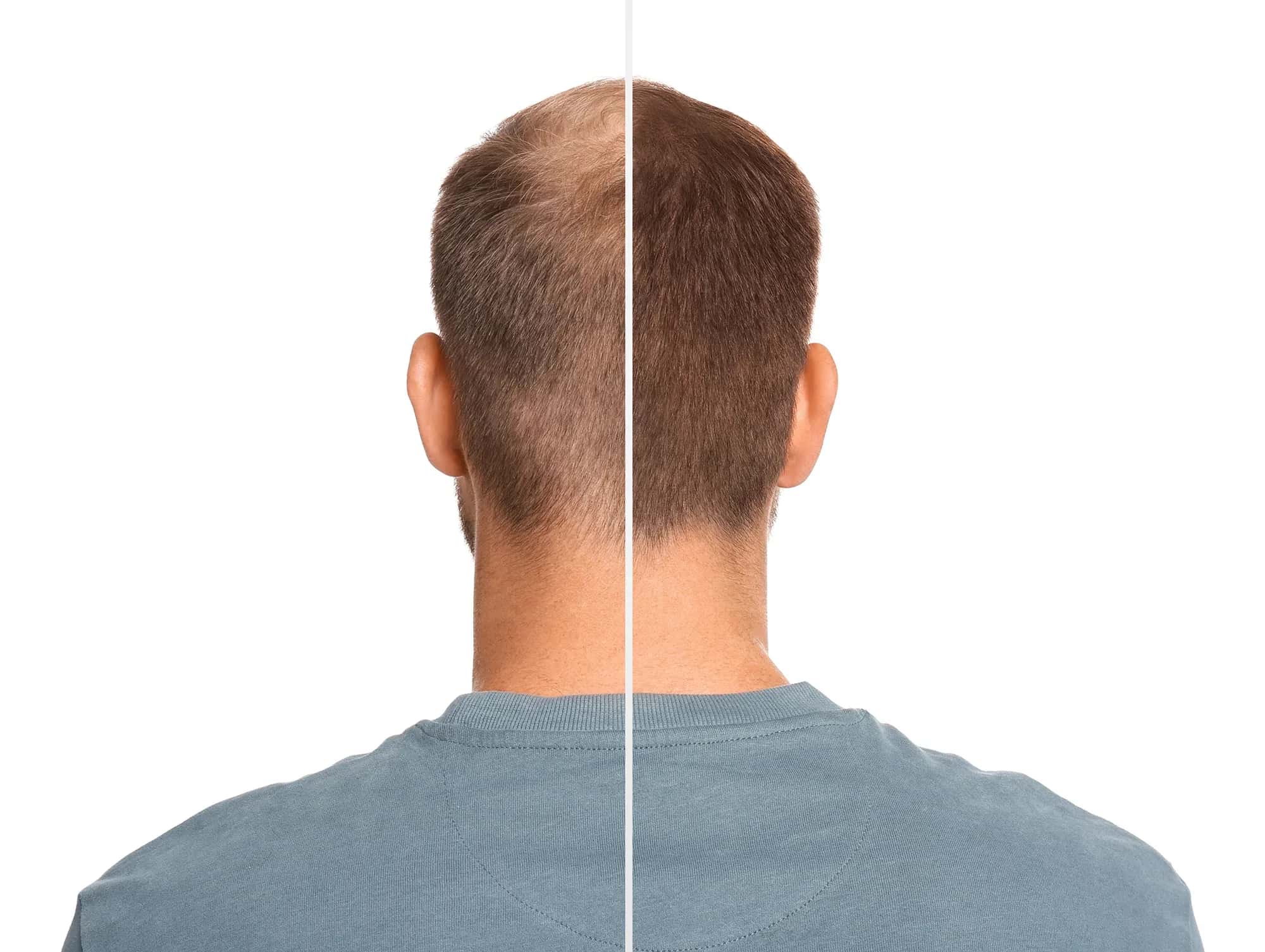
A vertex hair transplant can achieve a high graft survival rate when healthy donor follicles are handled and implanted correctly, but there is no scientifically established success percentage that applies specifically to every crown transplant.

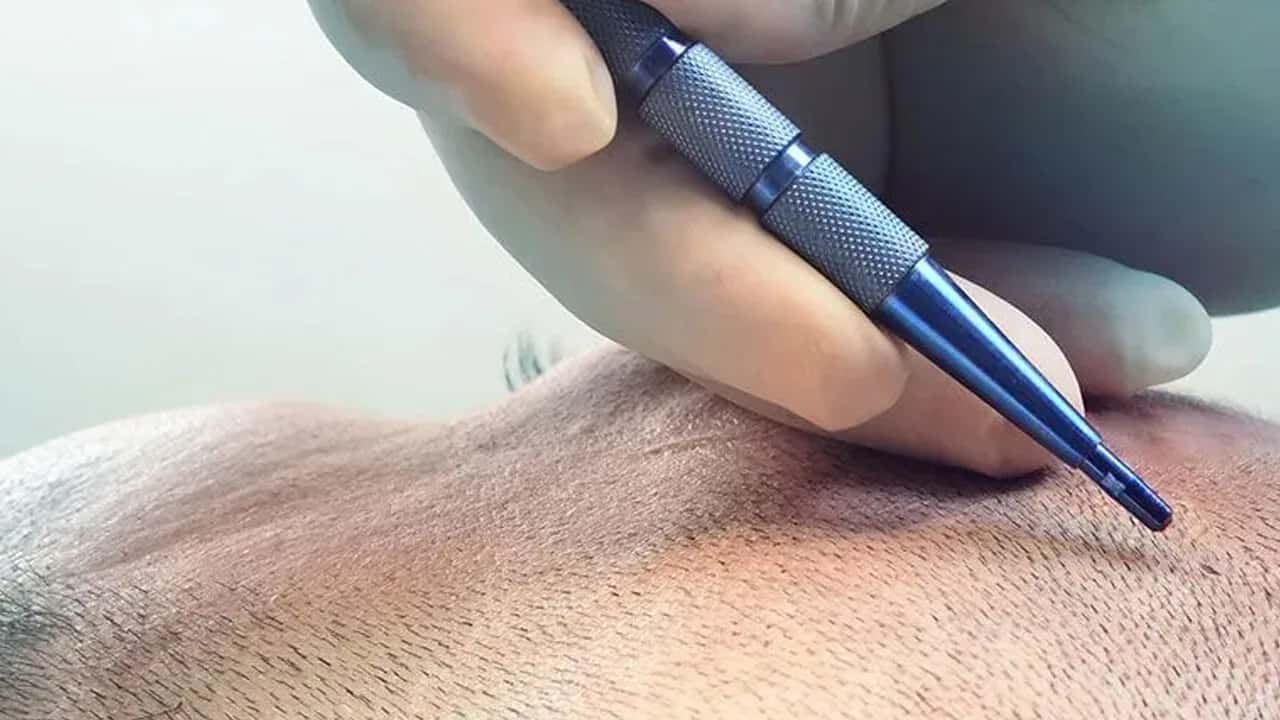
Sapphire FUE technology uses precision-cut synthetic sapphire blades to create the recipient sites where extracted hair follicles are implanted. The sapphire component does not usually extract the follicles; instead, it changes the instrument used during one of the most important stages of transplantation.
Subscribe to the Medifinder newsletter and never miss our latest content.