










FUE After a Previous FUT Hair Transplant
FUE after a previous FUT hair transplant offers an opportunity to improve hair density, address areas of continued hair loss and reduce the visibility of an existing linear scar. Understanding how the earlier procedure affects donor hair availability, graft placement and recovery is essential when planning.

- Last updated
- 3 reads
- 11 min read


How Does FUE Work After a Previous FUT Hair Transplant?
Follicular Unit Extraction, commonly known as FUE, involves removing individual follicular units from the donor area and transplanting them into regions where additional hair coverage is needed. Unlike Follicular Unit Transplantation, or FUT, which removes a narrow strip of scalp tissue, FUE extracts follicles individually without creating another linear incision.
Patients who previously underwent FUT already have a donor area altered by the removal of a strip of hair-bearing tissue. However, follicles surrounding the original incision may remain suitable for extraction, allowing another transplantation procedure without reopening the existing scar.
The important distinction involves how the remaining donor hair is distributed. A previous FUT procedure changes the available donor surface, making careful extraction planning particularly important. FUE can provide additional grafts for the hairline, mid-scalp or crown while preserving enough surrounding hair to maintain a balanced appearance at the back of the head.
Why Might Someone Choose FUE After FUT?
Patients consider FUE after FUT for several reasons, often involving changes in hair density, the appearance of an existing scar or the desire to refine an earlier transplantation result.
- Additional hair coverage: Continued thinning may create new areas of visible scalp beyond the region treated during the original FUT procedure. FUE allows individual follicles to be placed into these areas without requiring another strip incision.
- Improved hairline appearance: An earlier transplant may have established basic frontal coverage without achieving the desired shape or density. Carefully positioned FUE grafts can soften an irregular hairline and create a more balanced transition between transplanted and existing hair.
- FUT scar camouflage: A linear donor scar may become noticeable when surrounding hair is cut short or begins thinning. Transplanting selected follicles into suitable scar tissue can help reduce the contrast between the scar and adjacent hair-bearing skin.
- Avoiding another linear incision: FUE provides an alternative harvesting method for patients who prefer not to undergo another strip removal procedure. Individual extraction sites still create small scars, but they do not form a new continuous surgical line.
How Does a Previous FUT Scar Affect the Donor Area?
A FUT procedure permanently changes the donor area because it removes a section of scalp containing hair follicles before closing the wound with sutures or staples. Once healing finishes, a linear scar remains where the edges of the tissue were joined.
This scar occupies space that previously contained hair-bearing skin, reducing the total donor surface available for future extraction. Hair above and below the incision may still provide suitable follicles, although the remaining density must be considered before additional harvesting begins.
The surrounding tissue can also develop changes in flexibility and texture, particularly close to the scar. These differences matter because follicular units may sit at varying angles beneath the skin, and extracting them too aggressively can increase the risk of damaging nearby follicles.
A well-planned FUE procedure therefore considers the scar and the remaining hair as parts of the same donor region rather than treating them as separate concerns.
How Is the Remaining Donor Hair Assessed Before FUE?
Evaluating the donor area after FUT involves more than counting visible follicles, since the condition of the remaining hair determines both extraction possibilities and long-term donor appearance.
- Hair density and distribution: The number of follicular units surrounding the original scar helps establish which areas can tolerate additional extraction. Concentrating too many extractions in one location can create visible thinning that becomes difficult to conceal with shorter hairstyles.
- Hair shaft thickness: Coarser hair can provide greater visual coverage than fine hair when transplanted into thinning areas. Hair caliber also influences how much coverage the remaining donor hair provides after further extraction.
- Scar position and surrounding tissue: The location, width and texture of the FUT scar influence the available extraction pattern. Areas immediately beside the incision require particular attention to avoid creating an uneven or visibly depleted donor region.
- Future hair loss expectations: Donor preservation remains important because additional hair loss may create new restoration needs over time. A responsible extraction plan balances current coverage goals with the need to retain sufficient hair for the future.
Can FUE Grafts Be Transplanted Into an Existing FUT Scar?
FUE grafts can be transplanted into a mature FUT scar when the tissue provides suitable conditions for follicular growth. This approach places individual hair follicles directly into the scarred region to improve coverage and make the linear mark less noticeable.
Scar tissue differs from ordinary scalp because its structure, elasticity and blood supply may have changed during wound healing. These characteristics can make graft placement more challenging and hair growth less predictable than transplantation into unaffected skin.
The thickness and flexibility of the scar deserve particular attention. A flat, mature scar with an adequate blood supply generally offers more favorable conditions than thickened, raised or tightly contracted tissue.
Graft placement must also account for the direction of nearby hair growth. Follicles positioned at unsuitable angles can remain visually obvious even when they survive and produce healthy hair.
Scar transplantation aims to improve concealment rather than eliminate the scar itself, and achieving meaningful coverage may require a conservative approach instead of densely filling the entire area in one session.
How Can FUE Improve the Appearance of a FUT Scar?
FUE scar camouflage works by introducing hair growth into a region where the original strip incision interrupted the natural distribution of follicles. As transplanted hairs emerge, they can help break up the continuous appearance of the linear scar and reduce its visibility beneath surrounding hair.
The improvement involves both the number of growing follicles and their placement within the scar. Hair direction, follicular spacing and the contrast between hair color and skin tone all influence how effectively the area blends with adjacent tissue.
Some scars remain difficult to conceal completely, particularly when they are wide or surrounded by reduced donor density. Transplanting additional follicles cannot restore the original skin structure or guarantee the complete disappearance of a surgical mark.
For this reason, scar camouflage should focus on achieving a natural visual improvement while preserving healthy donor hair rather than pursuing excessive graft density within scarred tissue.
Can FUE Restore Hair Density After a Previous FUT Procedure?
FUE can improve hair density following a previous FUT procedure by placing additional follicular units into areas that remain thin or have experienced further hair loss. This approach is particularly relevant when the original transplant provided partial coverage or when surrounding natural hair has continued thinning.
The frontal hairline, mid-scalp and crown each present different requirements for graft placement. The hairline demands careful attention to direction and distribution, while larger thinning areas often require strategic allocation of the available follicles to create the appearance of fuller coverage.
Existing transplanted hair must also be considered. Introducing new grafts between established follicles requires precise placement to reduce unnecessary injury to the surrounding hair and tissue.
An effective second procedure does not simply repeat the original transplantation pattern. It builds upon the existing result, addresses remaining coverage gaps and protects the donor supply needed to maintain a balanced appearance.
How Many Grafts Can Be Extracted After FUT?
The number of grafts available for FUE after FUT is determined by the remaining donor density, the amount of tissue removed during the original operation and the distribution of healthy follicles around the existing scar.
A previous strip procedure does not automatically prevent substantial additional harvesting, but it reduces the amount of untouched donor tissue compared with an unoperated scalp. The original strip width, scar position and any earlier harvesting procedures contribute to the remaining supply.
Extracting too many follicular units can create a depleted appearance at the back and sides of the head, particularly when hair is worn short. Preserving an even distribution therefore matters as much as reaching a particular graft count.
The objective is to obtain enough suitable follicles to produce a worthwhile improvement without sacrificing the appearance or future usefulness of the donor area.
What Makes a Second Hair Transplant Different From the First?
A second hair transplant involves working with a scalp that has already undergone surgical changes, making the planning process more complex than an initial restoration procedure. Previous graft placement, donor harvesting and scar formation all influence how additional follicles can be used.
During the first operation, the recipient area may have contained broad regions of thinning or baldness. A later procedure often involves placing grafts between existing hairs, adjusting density or correcting specific areas that no longer blend naturally with surrounding coverage.
The donor region also requires greater attention because some of its original follicular supply has already been removed. Maintaining an even appearance becomes particularly important when an existing FUT scar limits the usable extraction area.
Patients may also have different expectations during a second procedure. Rather than establishing an entirely new hairline, they may seek a subtle refinement or improved density that complements the previous result.
What Happens During the FUE Procedure After FUT?
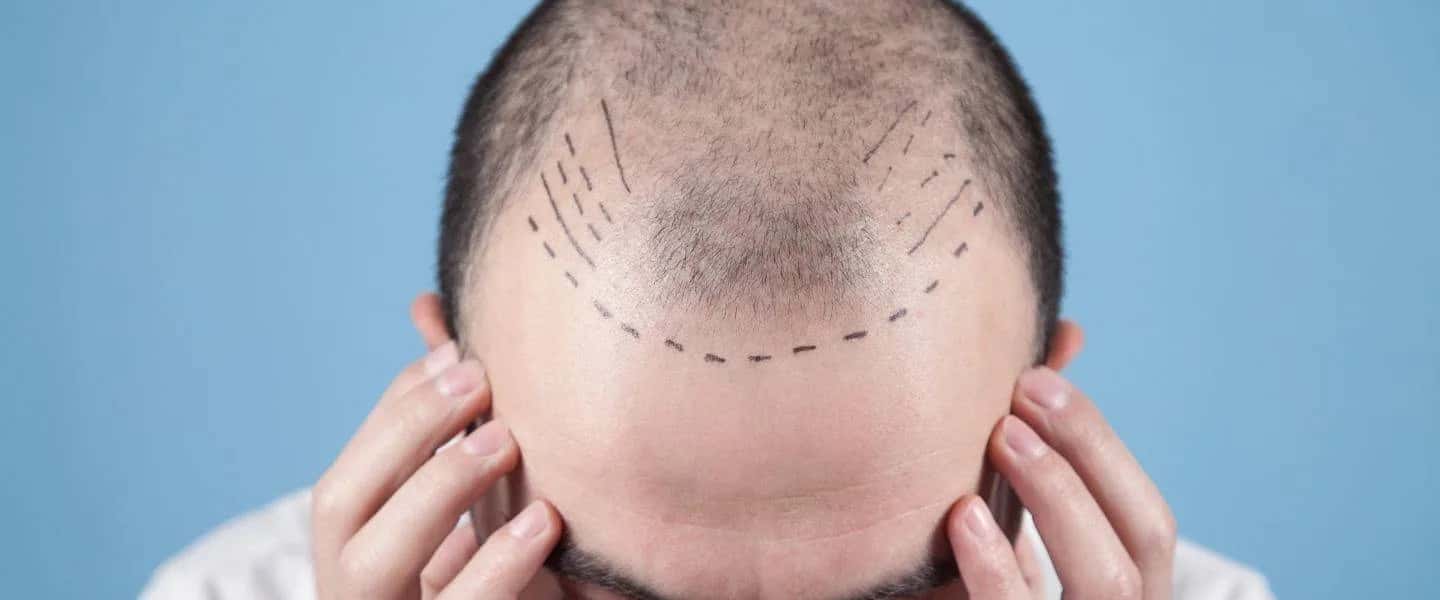
An FUE procedure following FUT begins with mapping the remaining donor region and identifying areas where additional hair coverage is required. The existing linear scar remains an important reference point throughout extraction planning, since the surrounding hair must retain sufficient density.
After preparing the donor area and administering local anesthesia, individual follicular units are extracted using small surgical instruments. The harvested grafts are then prepared for implantation into the designated recipient sites.
When the procedure includes scar camouflage, suitable grafts may also be placed into the mature FUT scar. The placement process accounts for tissue characteristics and the direction of nearby hair to help create a natural appearance.
FUE does not require the long donor incision associated with another strip procedure. However, the extraction sites and newly implanted areas still need time to heal, and both regions require appropriate postoperative protection.
How Should You Care for Your Scalp After FUE?
Recovery after FUE following FUT involves protecting the newly transplanted follicles while allowing the extraction sites and any treated scar tissue to heal without unnecessary irritation.
- Protect newly implanted grafts: Avoid scratching, rubbing or placing direct pressure on the recipient area during early recovery. Small scabs may develop around implanted follicles and should separate naturally as the skin heals.
- Follow gentle washing practices: Clean the scalp using the recommended postoperative washing technique, avoiding excessive water pressure and vigorous movements. Proper hygiene helps prevent debris buildup without disturbing the healing sites.
- Limit strenuous physical activity: Intensive exercise, heavy lifting and activities involving excessive sweating should remain restricted during the initial healing period. Gradually returning to ordinary movement helps reduce avoidable irritation.
- Avoid unnecessary friction around the donor area: Tight hats, helmets and clothing that rub against the extraction sites can increase discomfort. Keeping the scalp protected from repeated contact supports a more comfortable recovery.
Does FUE Create Additional Scarring After FUT?
FUE produces small circular extraction wounds that heal into tiny scars, meaning the procedure does not leave the donor area completely free from additional scarring. These marks differ from the continuous linear scar associated with FUT and are generally distributed throughout the harvested region.
Their visibility becomes more noticeable when extraction density is excessive or when surrounding hair offers limited coverage. Very short haircuts may reveal both the original FUT scar and the smaller marks created during FUE.
Careful extraction spacing helps preserve a more uniform donor appearance, although it cannot eliminate the possibility of visible scarring. Patients who already have a wide FUT scar or reduced donor density should pay particular attention to how additional harvesting may affect their preferred hairstyle.
The aim is to improve hair coverage without creating an avoidable imbalance between the restored areas and the remaining donor hair.
When Will Hair Growth Become Visible After FUE?
Hair growth following FUE after FUT develops gradually, beginning with the initial healing of the recipient area rather than immediate visible improvements in density. During the first two weeks, small scabs typically resolve as redness and sensitivity begin to decrease.
Transplanted hair shafts commonly shed during the following weeks, even though the follicles may remain beneath the scalp. This temporary shedding forms part of the normal hair growth cycle and does not necessarily indicate unsuccessful transplantation.
New hairs often become noticeable around the third or fourth month, initially appearing fine and uneven. More substantial changes generally develop between six and nine months as additional follicles enter their active growth phase.
Hair coverage can continue improving for approximately 12 to 18 months, particularly when the procedure involves the crown or scarred tissue. Scar camouflage may also develop less predictably because transplanted follicles must establish growth within previously injured skin.
What Are the Potential Limitations of FUE After FUT?
Although FUE offers additional restoration possibilities after FUT, the previous operation creates practical limitations that should remain central to treatment planning. The most significant concern involves donor hair availability because follicles removed during the first procedure cannot be replaced.
Aggressive extraction may leave the remaining donor region visibly thin, especially around the original strip scar. Attempting to maximize graft numbers without considering the distribution of healthy hair can compromise the appearance of the back of the scalp.
Transplanting into scar tissue also presents challenges because reduced flexibility and altered blood supply may affect follicle survival. Even carefully placed grafts cannot guarantee complete scar concealment.
Other considerations include temporary shedding of existing hair, uneven growth, infection, poor healing and additional scarring. A second procedure should therefore prioritize realistic improvements in coverage and appearance rather than attempting to achieve unlimited density from a restricted donor supply.
What Should You Expect From Long-Term Results?
The long-term results of FUE after a previous FUT hair transplant involve the gradual development of transplanted hair, preservation of the remaining donor area and continued changes in natural hair density. Successfully established follicles can provide lasting coverage, although untreated hair may continue thinning over time.
A second procedure can improve an earlier hairline, increase coverage in selected regions or make an existing FUT scar less noticeable. These improvements become easier to assess after the transplanted follicles have completed their initial growth and maturation stages.
Maintaining a balanced appearance remains especially important because the donor area has already supported more than one surgical intervention. Preserving suitable hair around the FUT scar helps prevent the restoration process from creating new cosmetic concerns.
FUE after FUT can provide meaningful refinement when the procedure uses the remaining donor supply carefully and respects the limitations created by earlier surgery. The strongest long-term outcome is not simply greater hair density, but a natural appearance that balances restored coverage, donor preservation and realistic expectations.
- Last updated
- Language
- English
How did you find this article?
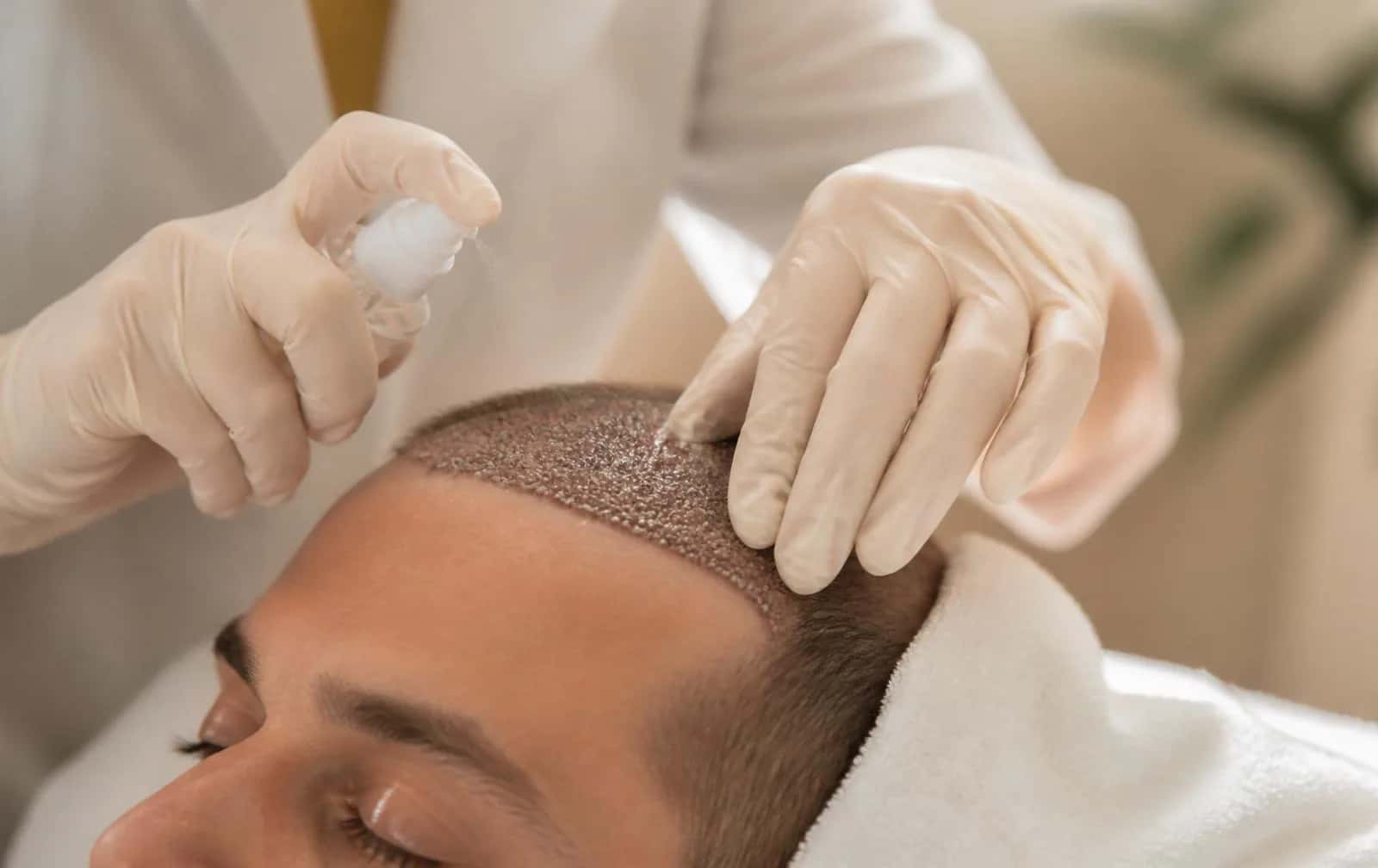
Hiding a hair transplant during recovery requires balancing personal privacy with the need to protect newly implanted follicles.

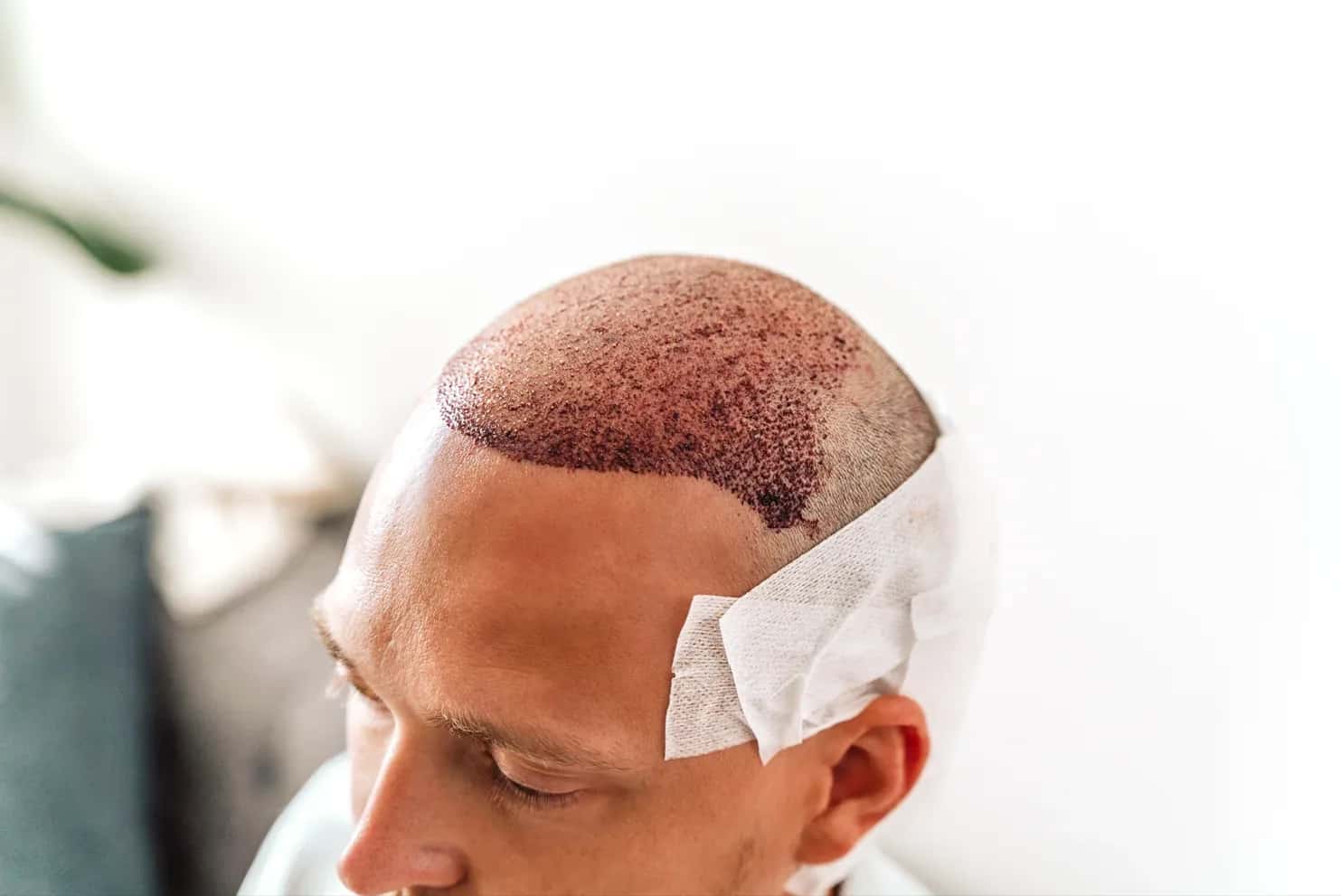
Returning to work after a hair transplant requires careful planning to protect newly implanted follicles while allowing the scalp to heal comfortably.

A hair transplant in Cancun offers an option for people seeking surgical hair restoration while traveling to Mexico for treatment. Understanding the available techniques, treatment costs, recovery requirements and travel arrangements helps patients prepare for the procedure.
Subscribe to the Medifinder newsletter and never miss our latest content.