










Hair Transplant Aftercare
Understand how hair transplant aftercare works, which precautions to maintain, when the hairs shed, how growth unfolds and which signs deserve attention.

- Last updated
- 78 reads
- 6 min read


The period after a hair transplant matters just as much as the surgery itself. Your surgeon places the grafts, yet what happens over the following weeks decides how many of them survive and how natural the result eventually looks.
Many people underestimate this phase because the operation feels like the difficult part. In reality, washing technique, sleeping position, sun exposure and patience all influence the final outcome.
This guide explains what happens after a hair transplant, which precautions apply at each stage, when the transplanted hairs shed and which symptoms require medical review.
What happens in the first 48 hours?
The first two days represent the most fragile window of the entire recovery. The grafts sit in tiny recipient sites while your body begins forming the connections that hold them in place.
Small crusts develop around each graft, and the donor area may feel tender or tight. Swelling around the forehead can appear and usually peaks within the first few days.
During this period, you should keep your head elevated, avoid touching the recipient area and refrain from any physical exertion.
Most clinics ask you to sleep on your back with your head raised, using a travel pillow or extra cushions to prevent contact with the pillow.
When does washing begin?
Washing usually starts around 48 hours after surgery, although your clinic sets the exact timing.
Many clinics perform the first wash themselves so that you can observe the correct technique before doing it at home.
The routine typically involves applying a lotion or foam to soften the crusts, leaving it in place for a defined period, then rinsing with lukewarm water at very low pressure.
You should never direct a shower jet at the recipient area during the early days. Pouring water gently from a cup protects the grafts far better.
How to handle crusts safely
Crusts protect the grafts during the earliest phase, so removing them too soon can pull out the follicle beneath.
From around day ten, gentle circular movement with the fingertips is usually permitted, provided you have softened the crusts first.
Never use your fingernails, a comb or a towel to scrape crusts away. If a crust still adheres firmly, extend the soaking time rather than applying force.
All crusts should normally clear by around day fourteen. Crusts left in place longer can block pores and increase the risk of folliculitis.
When do the transplanted hairs shed?
Between the second and sixth week, most people lose the transplanted hair shafts in a process known as shedding.
The surgical trauma pushes the follicles into a resting phase, which releases the existing shaft while the root stays under the skin.
Shock loss of surrounding native hair can also occur, sometimes making your hair look thinner than before surgery.
Both processes belong to the expected cycle rather than signalling a failed procedure.
The waiting phase between month one and month three
Many people find the months after shedding the hardest part of the whole journey.
The transplanted hairs have gone, new growth has not yet emerged and the scalp may still look pink or uneven.
The follicles are not inactive during this period. They rebuild their structure beneath the skin before producing a new, stronger shaft.
Comparing yourself with heavily edited photographs online usually creates unnecessary anxiety at this stage.
When does growth become visible?
The first fine hairs usually appear between the third and fourth month, often thin, short and lighter than your existing hair.
Growth rarely arrives evenly. Some zones start earlier while others stay dormant for several more months.
Between months six and eight, progress usually becomes clearly visible as the hairs thicken and darken.
The final result is normally assessed at twelve to eighteen months, and sometimes later with fine or light hair.
Sleeping, exercise and daily activities
Sleeping position matters most during the first week, when pressure on the recipient area can dislodge grafts.
Light walking is usually fine within days, while intense exercise, contact sports and heavy sweating are often restricted for around four weeks.
Saunas, steam rooms, swimming pools and the sea require explicit clearance from your clinic, because heat, chlorine and salt water can irritate healing skin.
Tight hats, helmets and anything pressing firmly on the recipient area should be avoided until your clinic allows them.
Sun exposure and scalp protection
Your scalp remains more sensitive to ultraviolet light for several months after surgery.
Direct sun can worsen redness, cause irritation and potentially affect healing tissue.
During the first weeks, shade and a loose hat usually offer better protection than sunscreen applied directly to fresh grafts.
Once your clinic clears it, a suitable sunscreen can protect the scalp during longer outdoor exposure.
Smoking, alcohol and nutrition
Smoking constricts blood vessels and reduces the oxygen reaching the scalp, which can impair graft survival.
Alcohol can increase swelling and bleeding risk in the early days and is usually restricted for a defined period.
Adequate protein supports keratin production, while iron, zinc and vitamin D contribute to normal follicle function.
Supplements should follow blood tests rather than assumption, because excess amounts of certain vitamins can themselves trigger hair loss.
Medical treatment after surgery
A hair transplant redistributes existing hair, so it does not stop progressive hair loss in the untreated areas.
Your surrounding native hair can continue to thin, which may create an uneven result over time.
Many clinicians therefore discuss ongoing treatment, such as topical or oral therapies where medically indicated.
Never stop a prescribed treatment because growth appears to be progressing, as the underlying loss can accelerate again.
Common sensations during recovery
Several symptoms occur frequently and usually resolve without intervention.
-
Itching as the skin regenerates
-
Redness in the recipient area, especially on lighter skin
-
Tightness in the donor area
-
Numbness or a dull sensation across the scalp
-
Small pimple-like bumps as new hairs emerge
-
Temporary unevenness in growth
Scratching remains the main risk, because it can dislodge grafts and introduce bacteria.
When to contact your clinic
Most recovery symptoms are expected, although certain signs require prompt review.
-
Severe or increasing pain
-
Spreading redness or warm skin
-
Pus, discharge or an unpleasant odour
-
Fever or chills
-
Bleeding that gentle pressure does not stop
-
Large painful bumps or cysts
-
No growth at all across a large area after several months
Contacting your clinic early usually resolves problems more easily than waiting.
How to track progress realistically
Photographs offer the most reliable way to recognise slow change.
Use the same lighting, the same angles and dry, unstyled hair each time, ideally at monthly intervals.
Checking the mirror daily tends to create frustration, because growth happens far too slowly to notice from one day to the next.
Your clinic should also schedule review appointments to assess progress and answer questions.
How can MediFinder support your research?
MediFinder helps users research clinics, doctors and treatment information. The information should be verified independently.
MediFinder does not diagnose conditions or guarantee results.
Frequently asked questions
How long does hair transplant recovery take?
The scalp usually looks calm within two to three weeks, while the full result takes twelve to eighteen months to mature.
When can I wash my hair normally?
Most clinics allow a normal washing routine after around two weeks, once all crusts have cleared.
Is shedding after a hair transplant normal?
Yes. Losing the transplanted shafts between weeks two and six forms an expected part of the hair cycle.
When can I exercise again?
Light activity often resumes within days, while intense training and heavy sweating are usually restricted for around four weeks.
Can I wear a hat after surgery?
Only a loose hat once your clinic permits it. Tight caps and helmets can press on the grafts during the early phase.
Will I need a second session?
Possibly. Further sessions may be discussed for greater density or for areas affected by continued hair loss.
Does the result look natural immediately?
No. The early appearance changes considerably as hairs shed, regrow and thicken over the following year.
- Last updated
- Language
- English
How did you find this article?
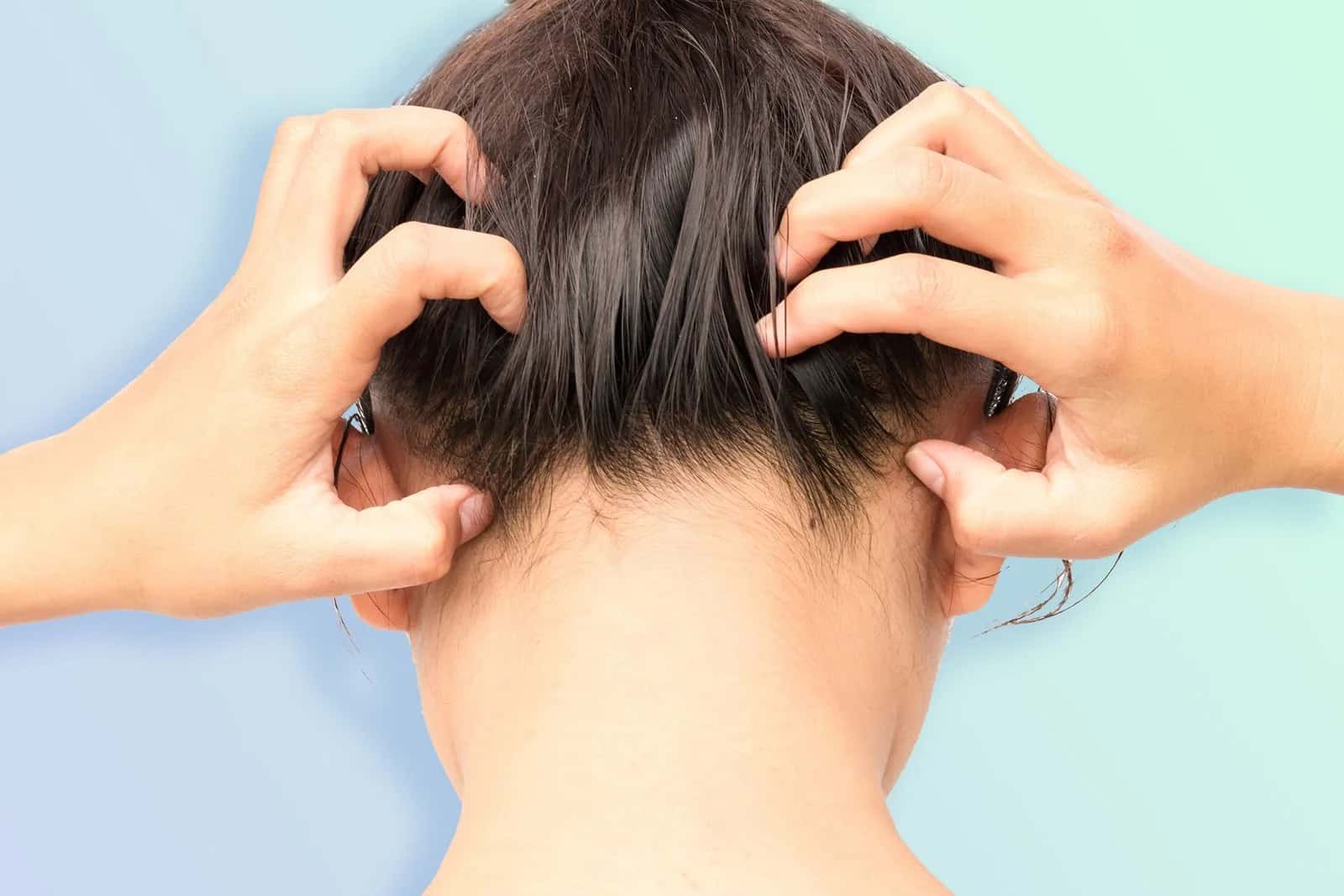
Air conditioning can dry out your scalp by reducing indoor humidity and affecting the skin's ability to maintain adequate moisture. Prolonged exposure to dry, cooled air may contribute to itching, flaking, tightness, and irritation, particularly when the scalp is already sensitive or prone to dryness.

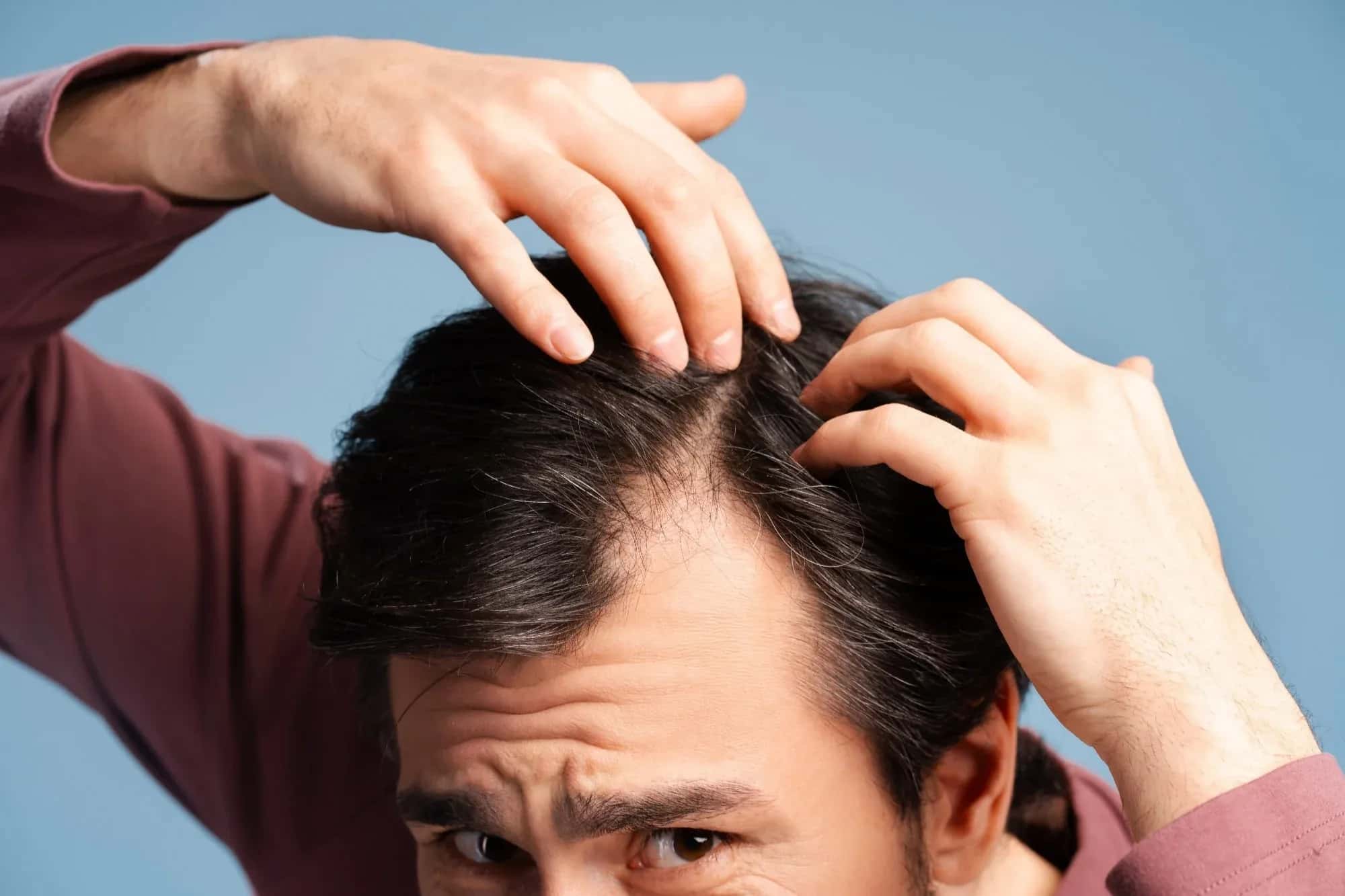
Certain dietary supplements can cause hair loss when taken in excessive amounts, particularly products containing high doses of vitamin A, selenium, or other concentrated nutrients. While supplements can help correct nutritional deficiencies that affect hair growth.
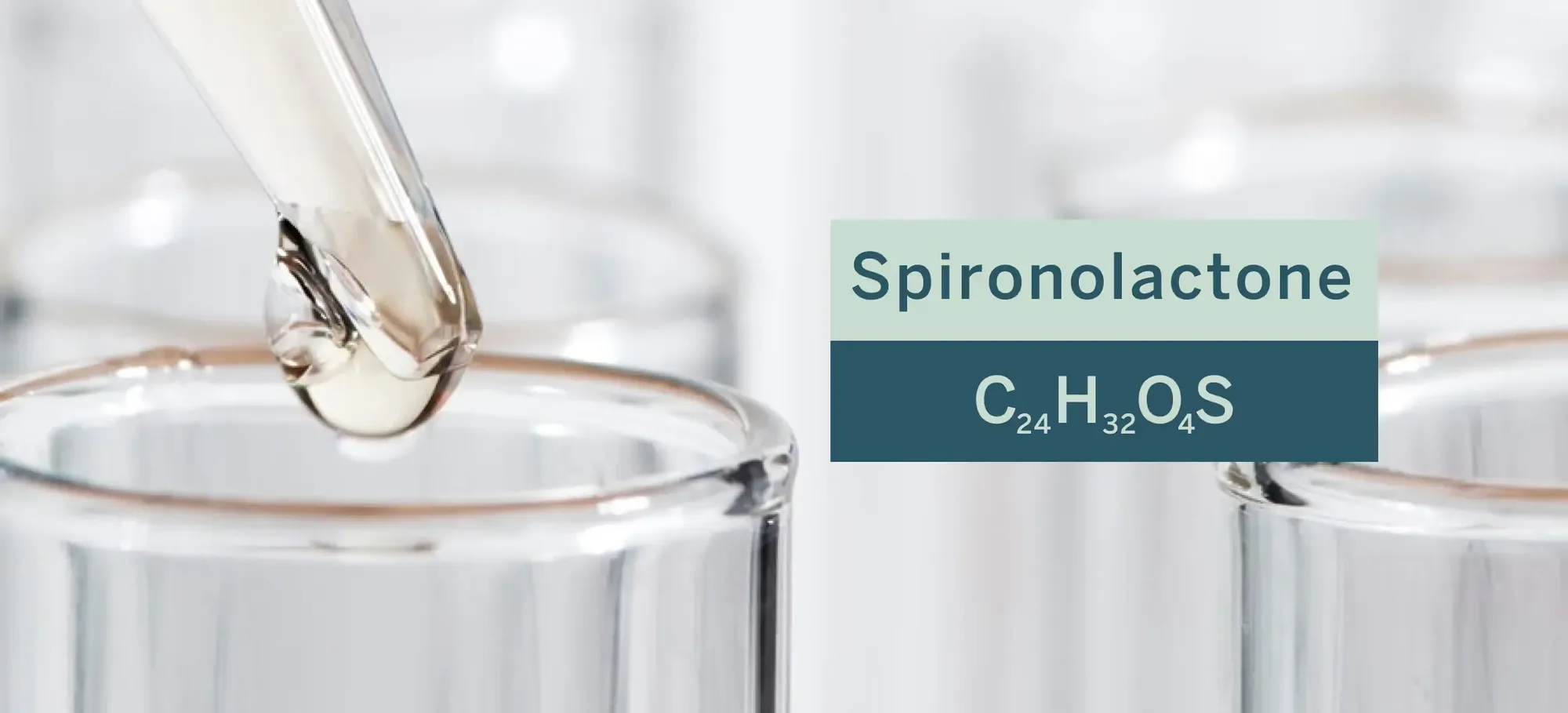
Spironolactone for female hair loss can help slow progressive thinning and improve hair density by reducing the effects of androgens on sensitive hair follicles. Although this prescription medication is not specifically approved for hair loss, clinical research supports its use in selected women.
Subscribe to the Medifinder newsletter and never miss our latest content.